Season by Season
Daytona Beach sits in a mild temperate band, so you don't get the freeze-thaw cycle that cracks panels and seizes torsion springs up north. That's the good news. The less obvious part is that a mild climate doesn't mean a stable one for an uninsulated door. Most houses here went up between 1972 and 1993, with the median landing around 1986, back when a garage door was a single layer of steel and nothing else. That door doesn't care that winter is gentle here. It still passes summer heat straight through to whatever is on the other side of it, and it does the same with the damp that builds up in a closed-up garage. Through the warmer months that shows up as a garage that stays hot well after the sun drops, and in cooler stretches it shows up as moisture sitting on the inside of the panel instead of getting blocked by a foam core. None of this is dramatic, which is exactly why it gets ignored. A door built before insulation rules doesn't fail from one bad storm. It just runs a little harder, a little hotter, a little damper, every season, for decades.
What the Weather Here Does to It
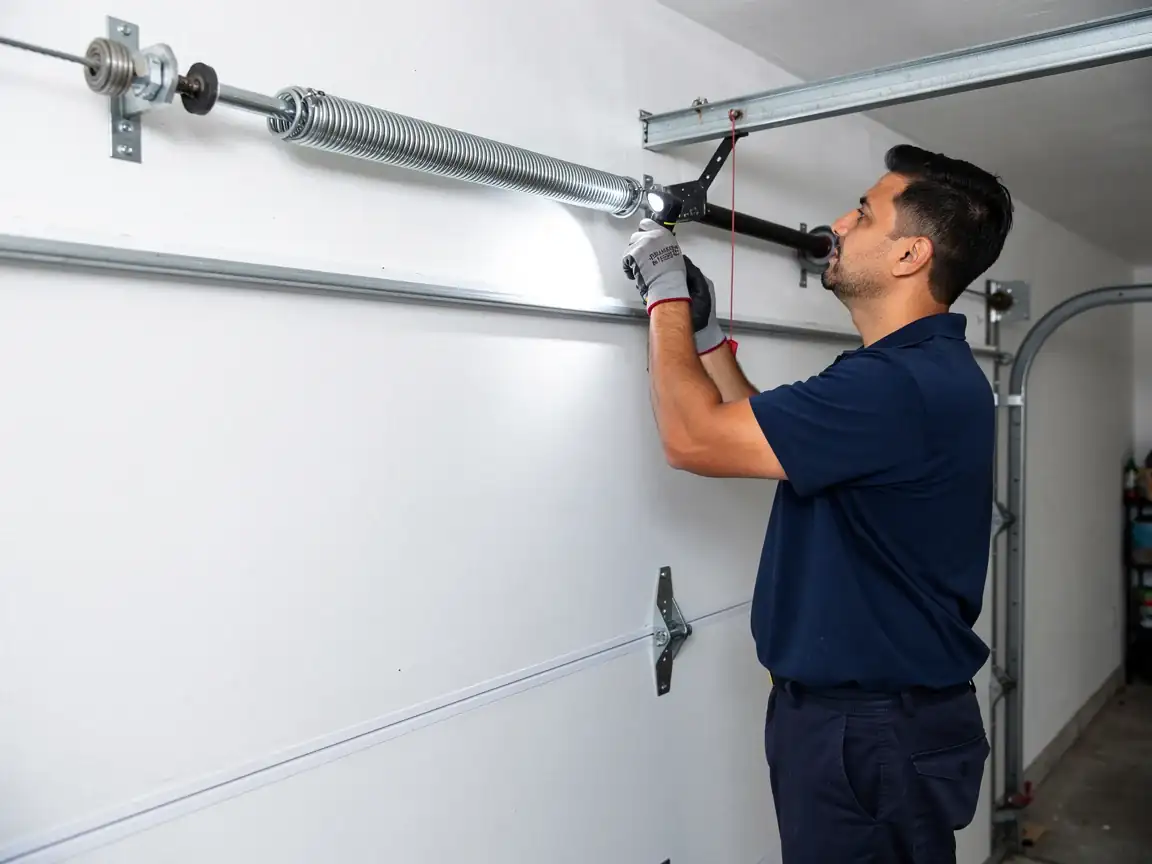
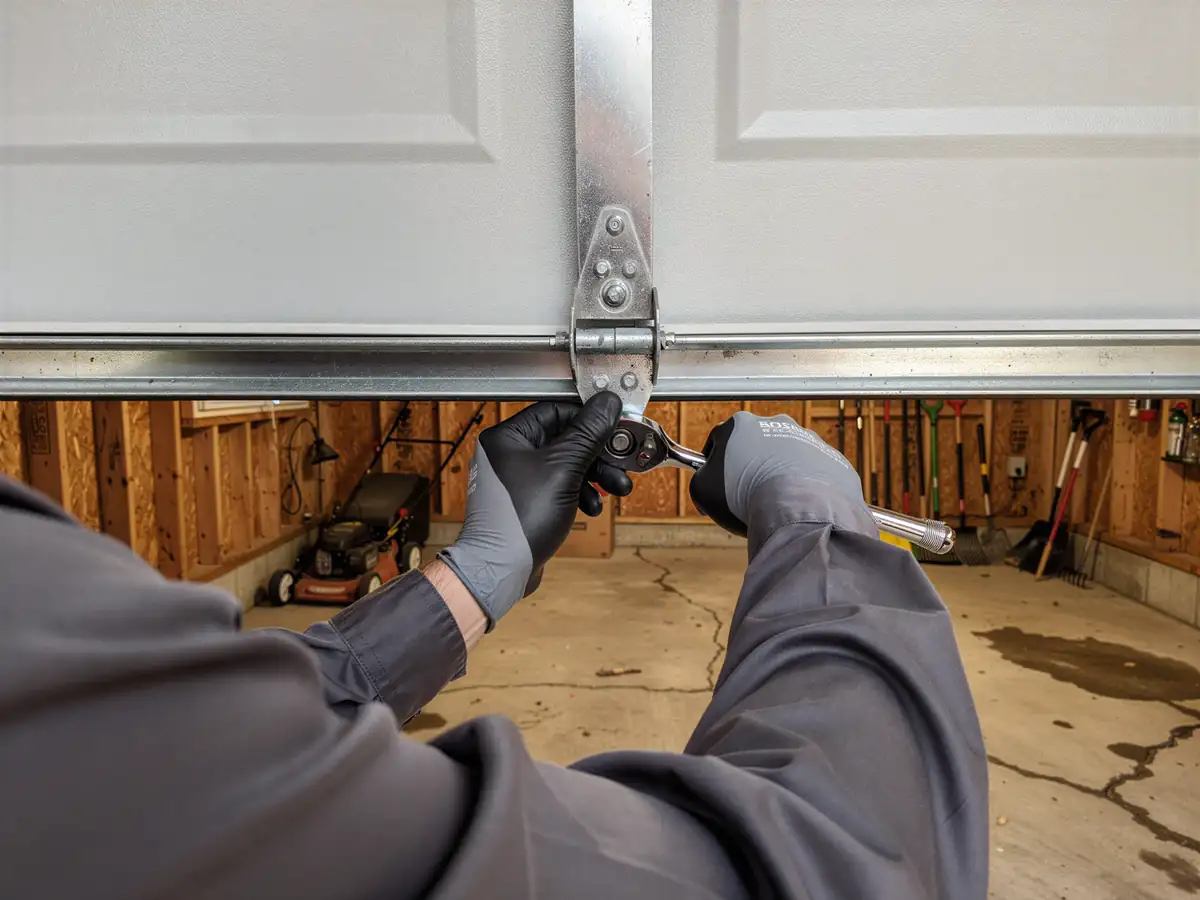
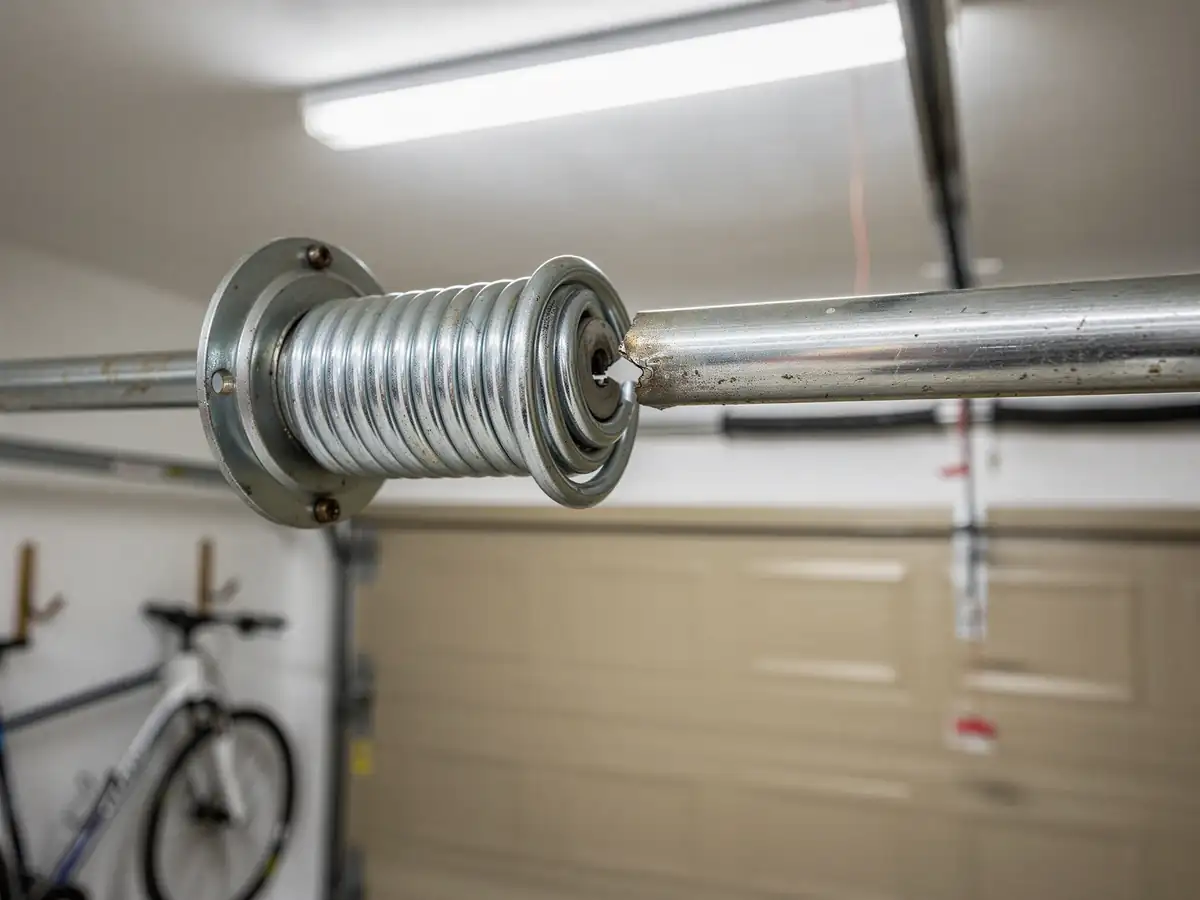
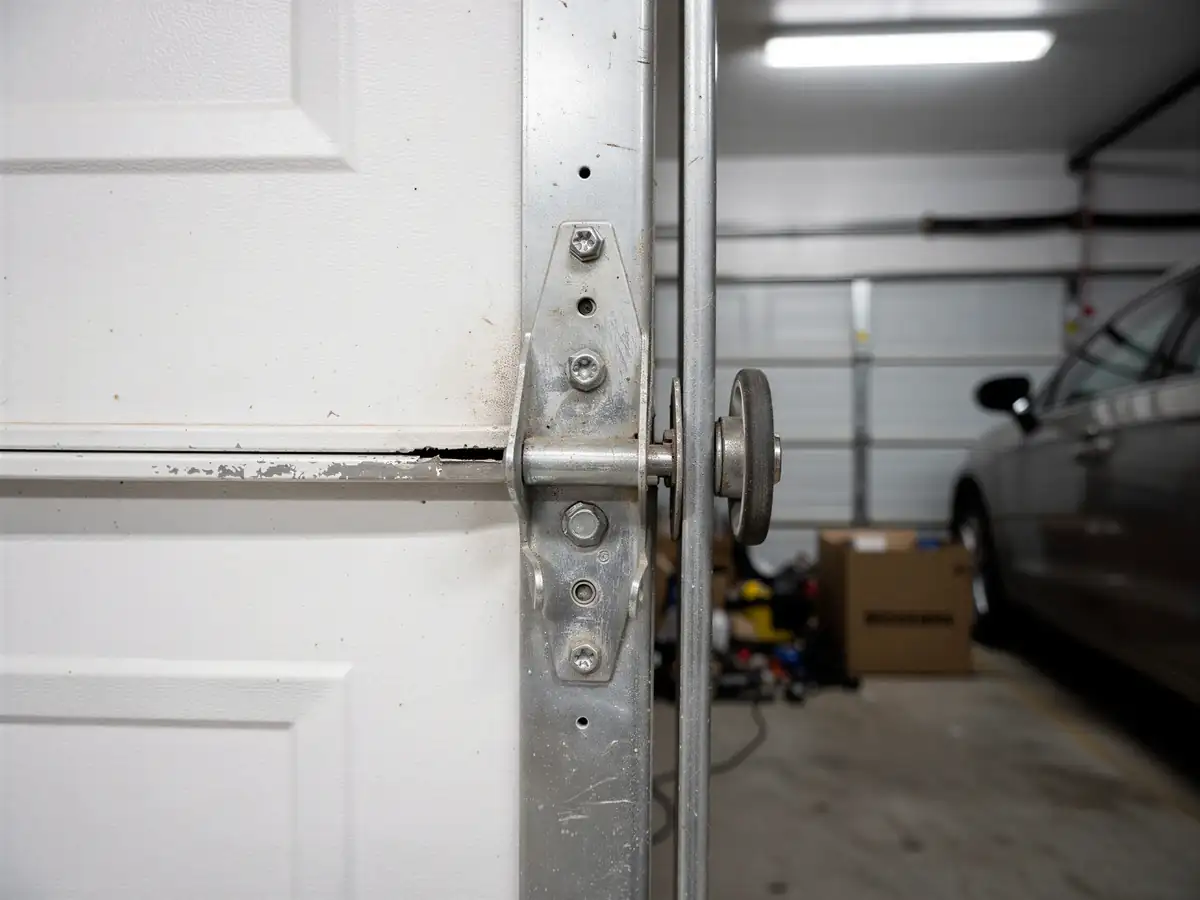
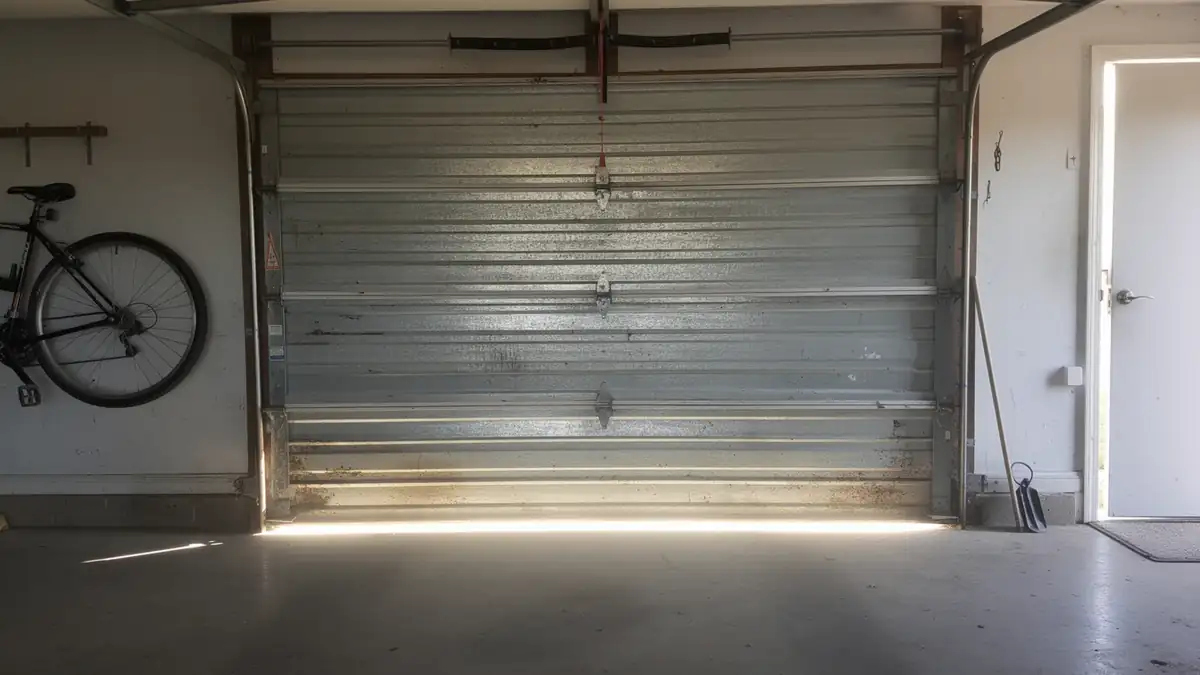
Because the swings here are mild, the damage isn't the kind you can point to after one bad week. It's cumulative. An original steel door from the 1972-1993 stock has a thinner skin than anything built to a modern insulated spec, so it moves more with temperature change - expanding and contracting enough, over enough years, to work screws loose at the hinges and stress the seam where panels meet. In a harsher climate that same door might crack outright. In this mild band it just loosens, section by section, until the door runs rough on the track and the opener has to work harder to pull it the last foot. The humidity side matters just as much as the heat. A single-layer door has no vapor barrier, so condensation forms on the inside face during the cooler, damper stretches of the year and that moisture ends up on the bottom bracket and the spring itself. Surface rust on a 1980s-era torsion spring in this area is common enough that we don't treat it as unusual - it's just what thirty-plus years in an uninsulated garage does.
When to Call Someone
If your door is original to a house built in that 1972-1993 window, a rough-running track or a slow lift is worth a call before it becomes a snapped cable or a spring that lets go under tension. That said, we'll tell you straight when a repair isn't worth it: if the panel skin is original steel from that era and it's dented or rusted through at the bottom section, patching it rarely holds, and replacement is the more honest answer than a repeated repair bill. One limitation worth saying plainly - exact matching trim or panel profiles for a door that old isn't something we can promise, since manufacturers don't keep every 1980s style in production. We'll match as close as we can, but on some jobs a full door replacement is simpler than trying to source a part for a design that's been out of the catalog for years.