Why This Fails Locally
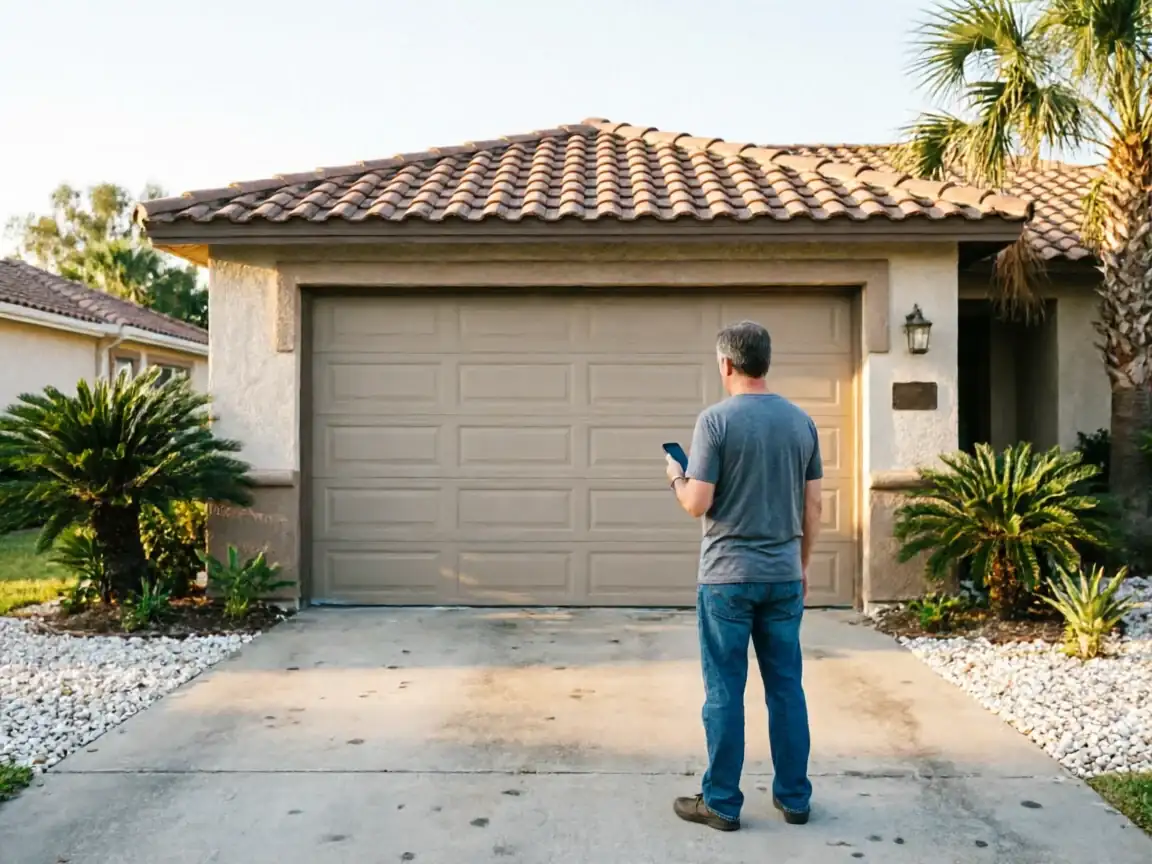
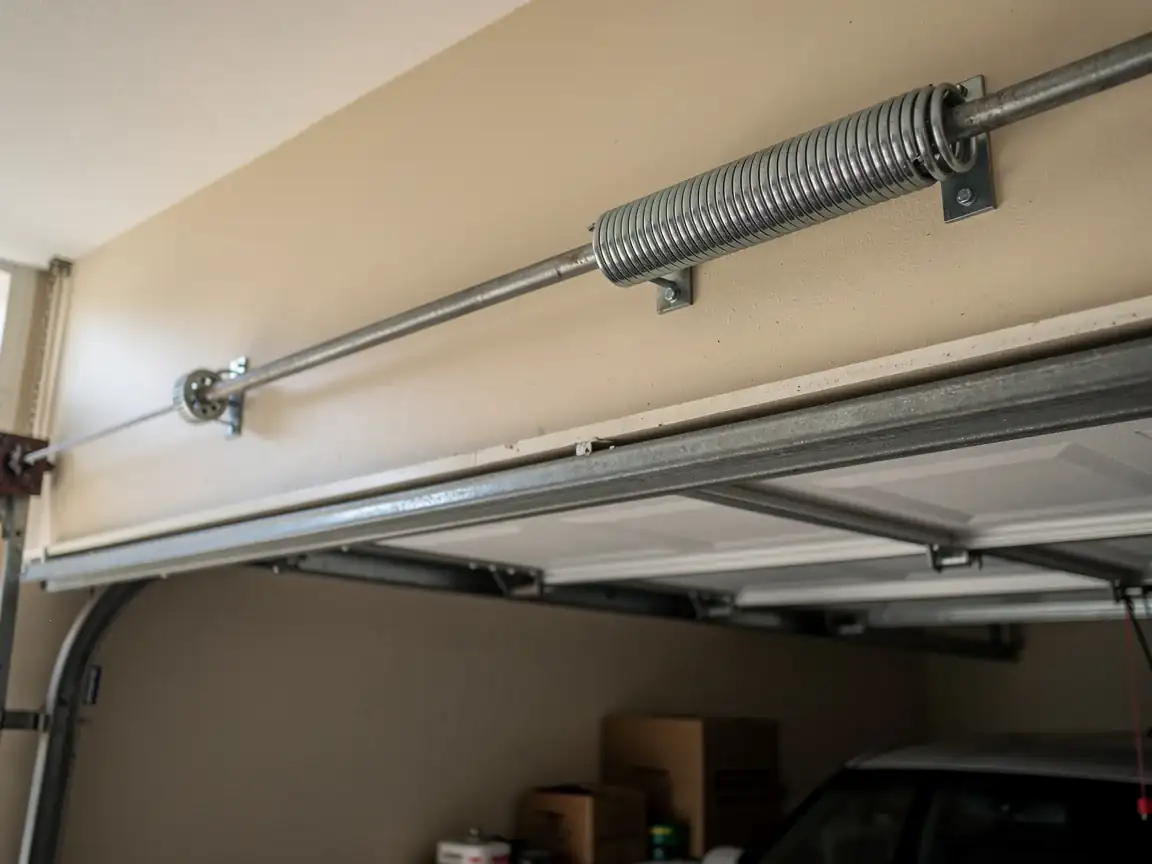
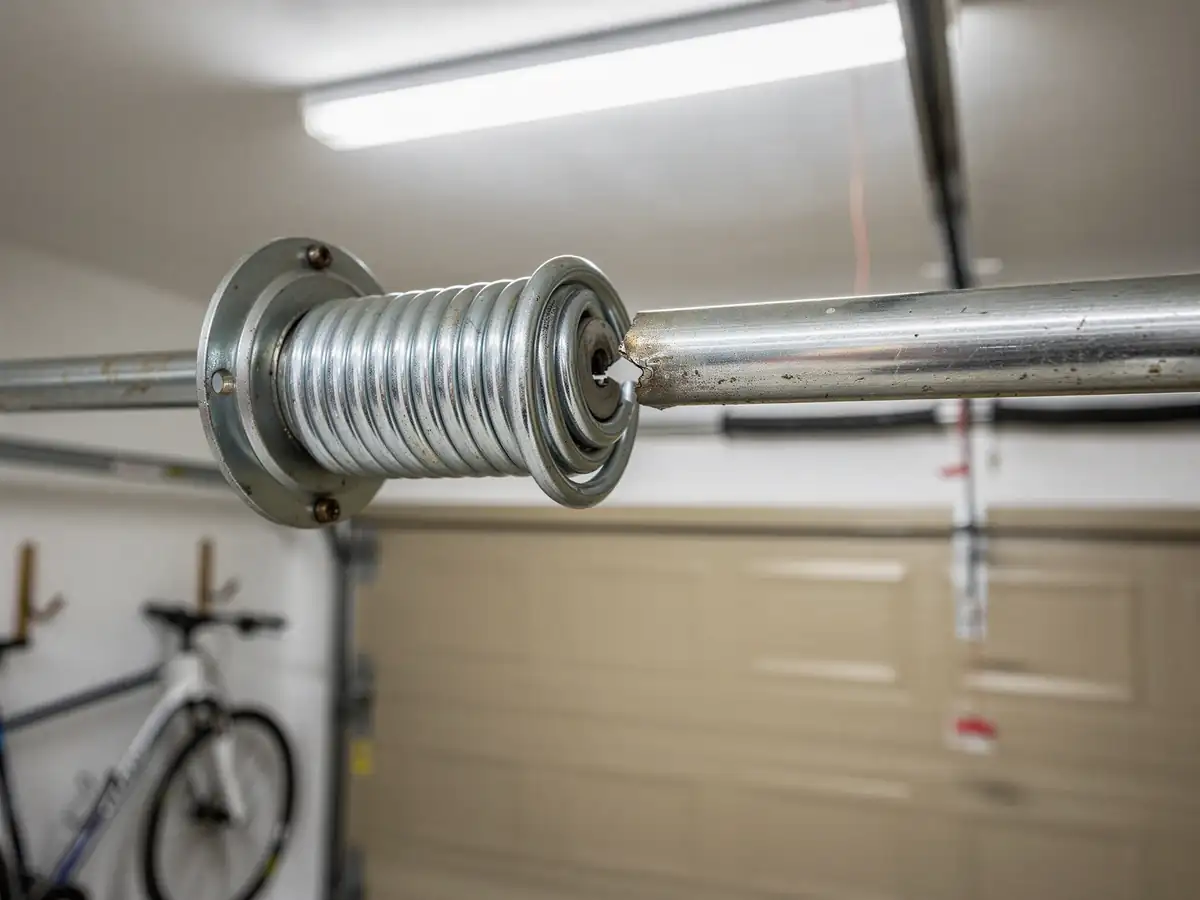
Most of the housing stock around Daytona Beach went up between 1972 and 1993, with the median build year landing around 1986. That matters because garage door hardware has a service life, and a door or opener installed when a house was built is now somewhere between 30 and 50 years old. Torsion springs are rated for a number of open-close cycles, not a number of years, but a spring that's been doing two or three cycles a day since the Reagan administration has used up its cycles whether anyone noticed or not.
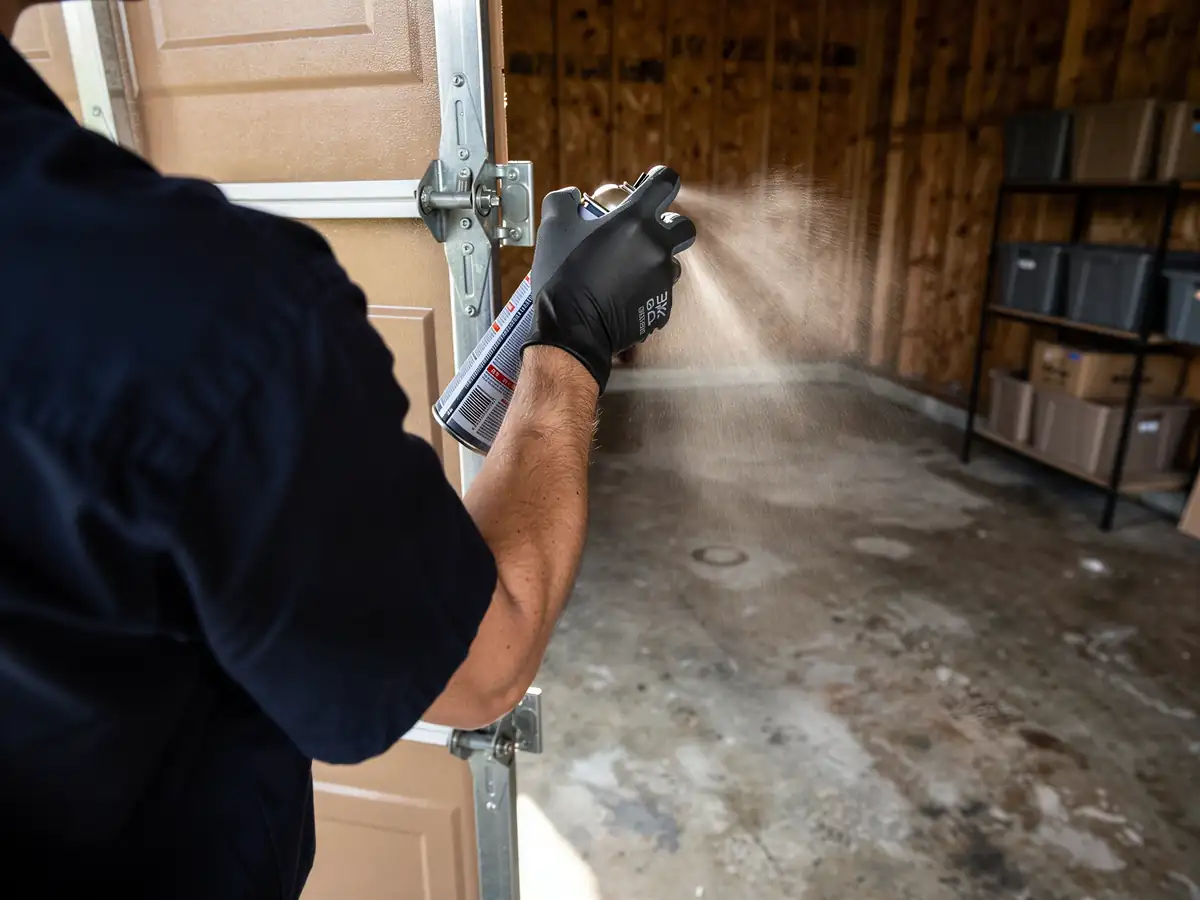
Daytona Beach sits in a mild temperate climate band, so you're not dealing with the deep winter freezes that snap cold-brittle springs further north. That's the good news. The less-good news is that mild doesn't mean static - sun and humidity work on nylon rollers, rubber seals, and lubricant over three or four decades just as surely as cold does, only slower and quieter. You don't get a dramatic failure, you get a door that's been getting louder and heavier to lift for two years before it finally lets go.
Across the twelve-plus named areas that make up this part of the county, the pattern repeats: 1980s and 90s builds, original or first-replacement hardware, and owners who assume a working door means a healthy door. It often doesn't.
Booking a Visit
We work the Daytona Beach service area and the nearby communities around it - Holly Hill, South Daytona, Daytona Beach Shores, Samsula-Spruce Creek, Ormond-by-the-Sea, Ponce Inlet, New Smyrna Beach, Glencoe, De Leon Springs, Lake Helen, Edgewater, and Flagler Beach. That's a service area covering roughly 54,644 households, with about 32,499 of those in owner-occupied houses - the kind of houses where a garage door is something you fix, not something you call the landlord about.
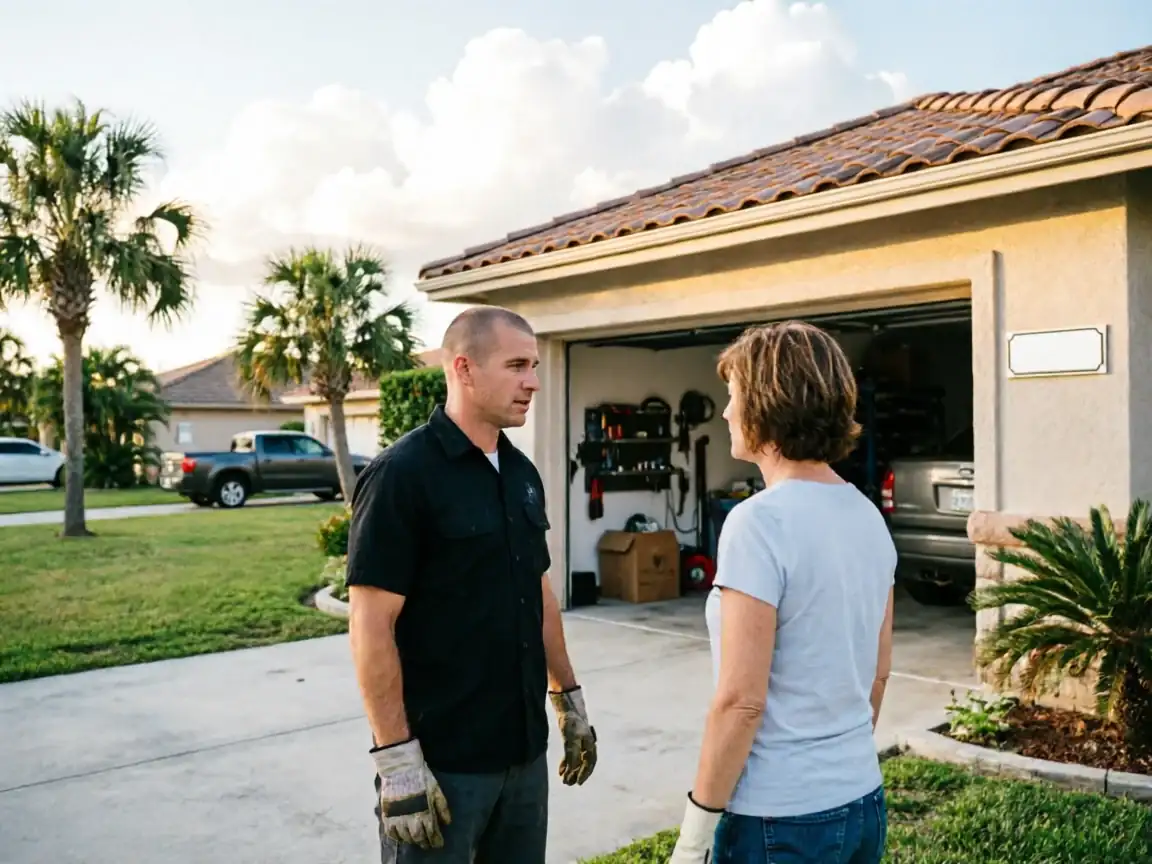
When you call, tell us what the door is actually doing: won't move at all, moves partway and stops, opens but won't close, makes a bang and then goes slack. That one description does more to get the right parts on the truck than a long explanation. If the door is a safety hazard right now - off its tracks, a spring has let go with the door up, a cable is hanging loose - say so when you call so we can prioritize it.
We book by the day, not by a fixed time window you have to guard all afternoon. If your schedule is tight, tell us and we'll work around it where we can.
The Cost of This Job
We're not going to put a number here that doesn't apply to your door
Because garage door repair cost swings hard depending on what's actually broken - a single torsion spring versus a pair, a basic chain-drive opener versus a belt-drive with battery backup, a damaged bottom panel versus a full section replacement. Anyone who quotes a flat price over the phone before seeing the door is guessing.
What we can tell you is how we price
We diagnose first, then quote the repair before we touch anything, so you're deciding with real numbers in front of you, not an estimate that grows once the truck is in the driveway. With a median household income of $69,150 in this area, most of the calls we get want a straight answer on repair versus replacement, not an upsell. If a 1980s-era door has a shot spring and sound panels, that's a repair. If the opener, springs, and rollers are all original and all failing, replacement usually costs less over the next few years than repeated service calls.
- $69,150 median household income
One honest limit: if a part is obsolete enough that it has to be special-ordered, that adds days, not hours, to the timeline
We'll tell you up front if that's the case rather than let you assume next-day.
The Symptom
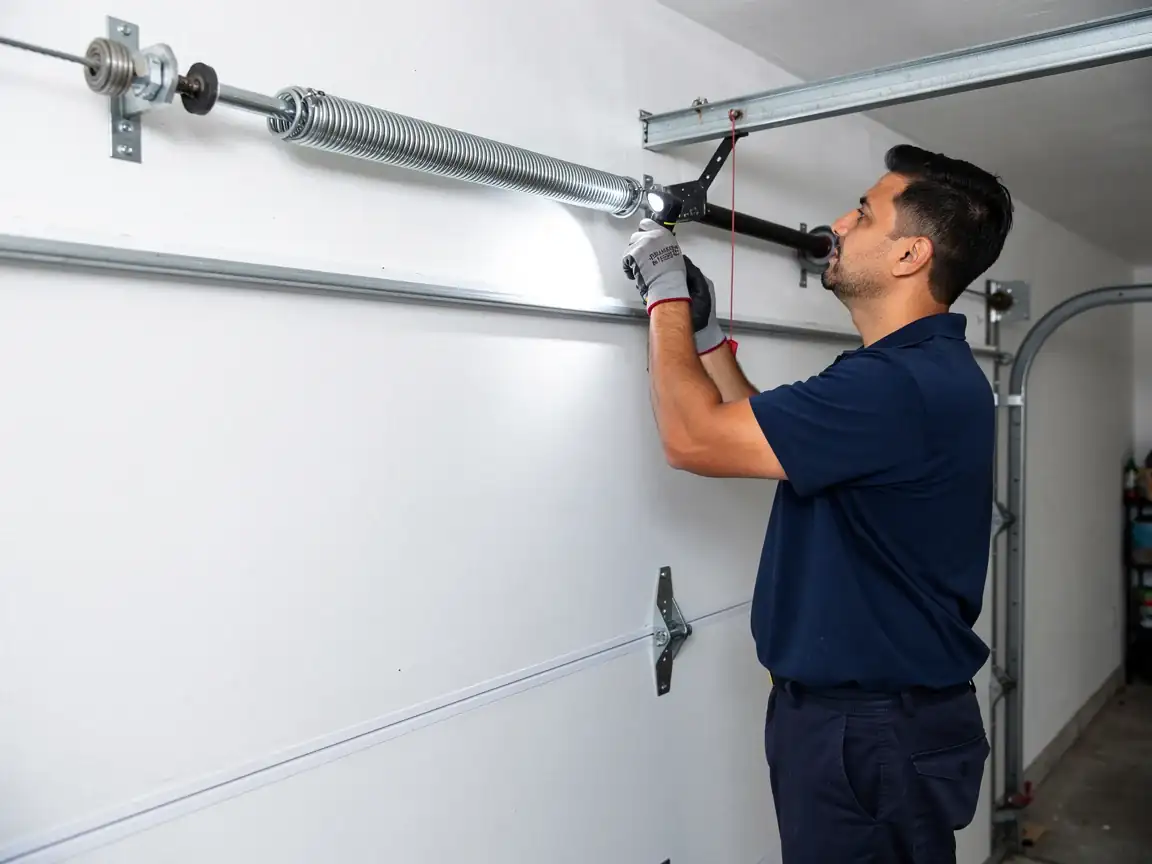
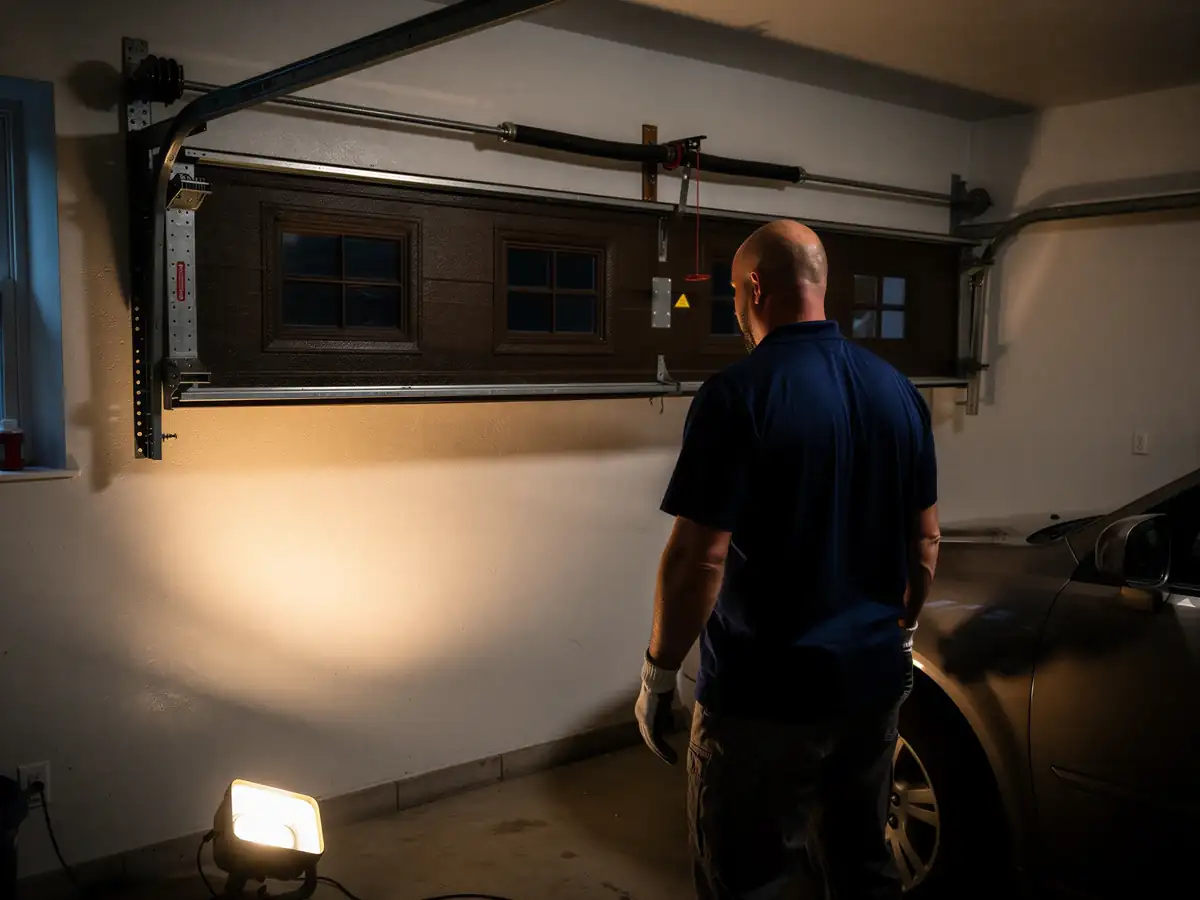
The most common call we get from this area isn't a door that won't move - it's a door that moves wrong. It starts to lift, strains, and reverses back down. Or it opens fine but closes a few inches and stops, lights blinking on the opener. Or there's a loud bang from the garage, usually a spring letting go, and then the door is heavy enough that the opener can't lift it alone, or at all.
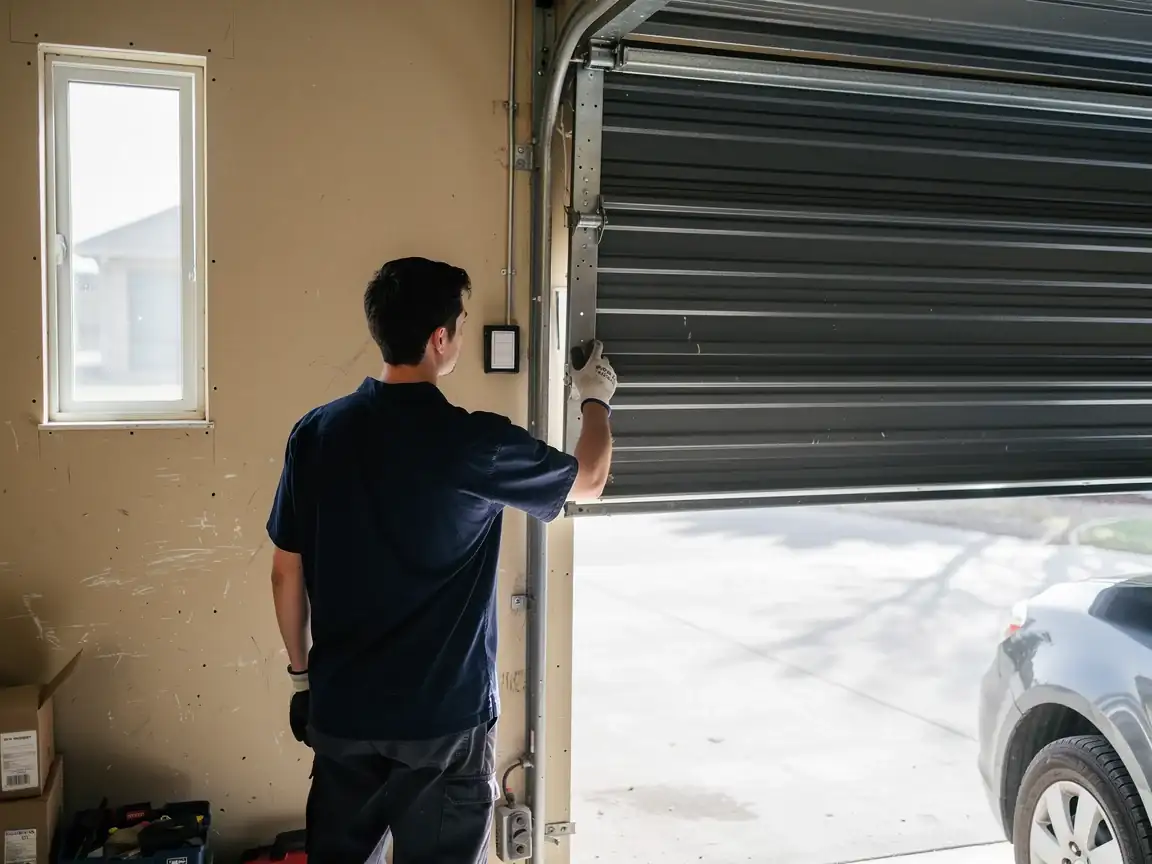
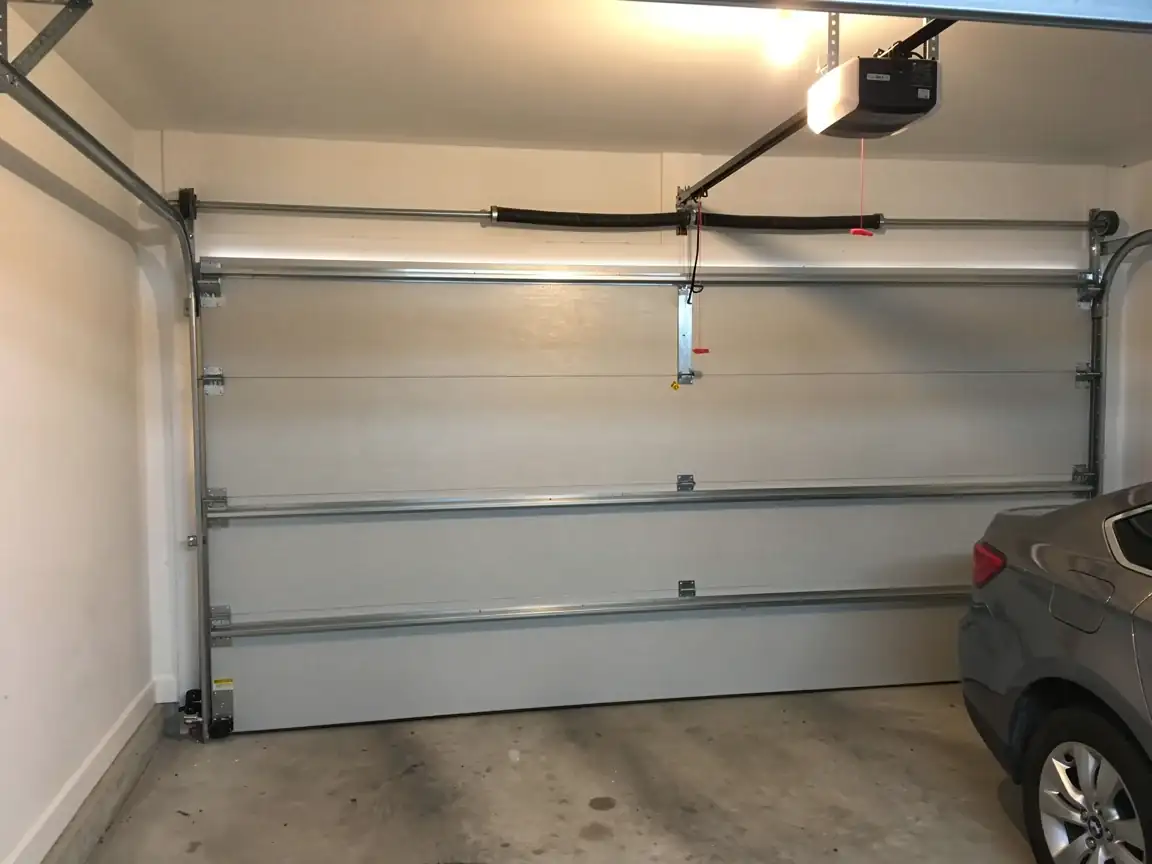
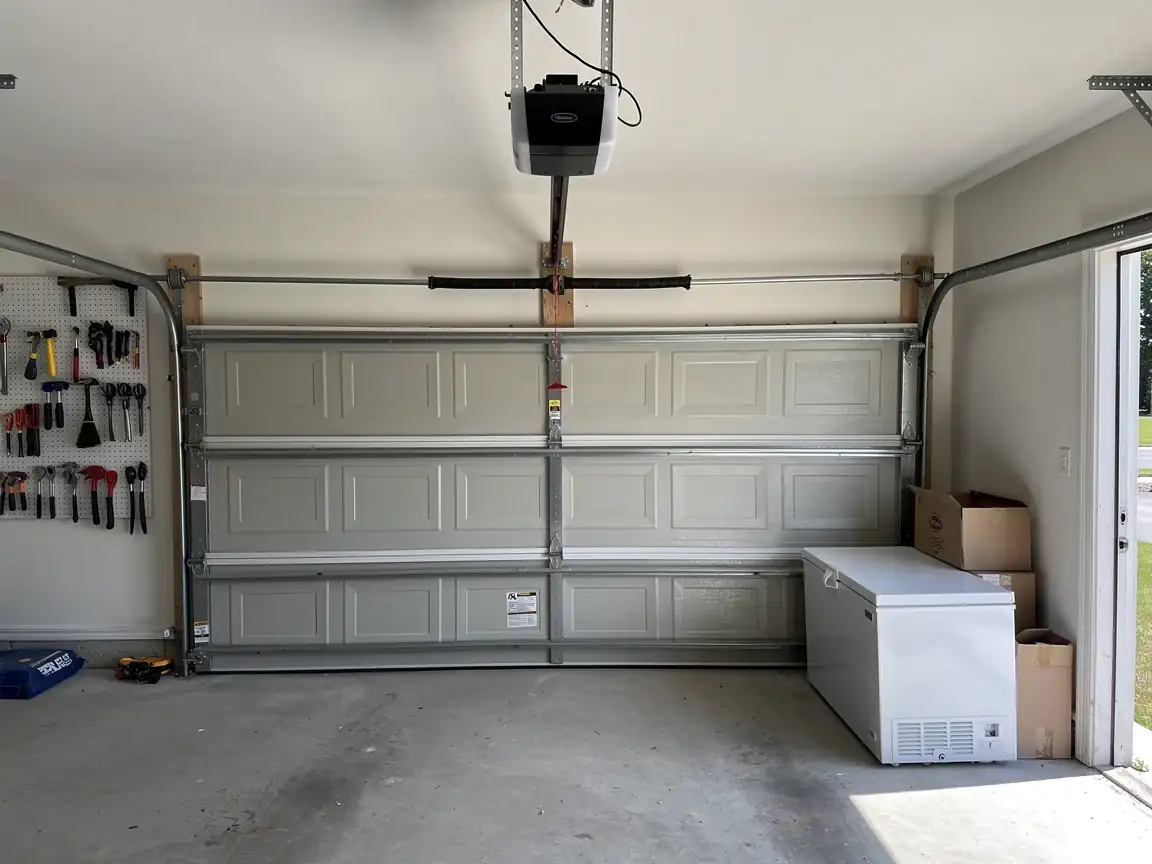
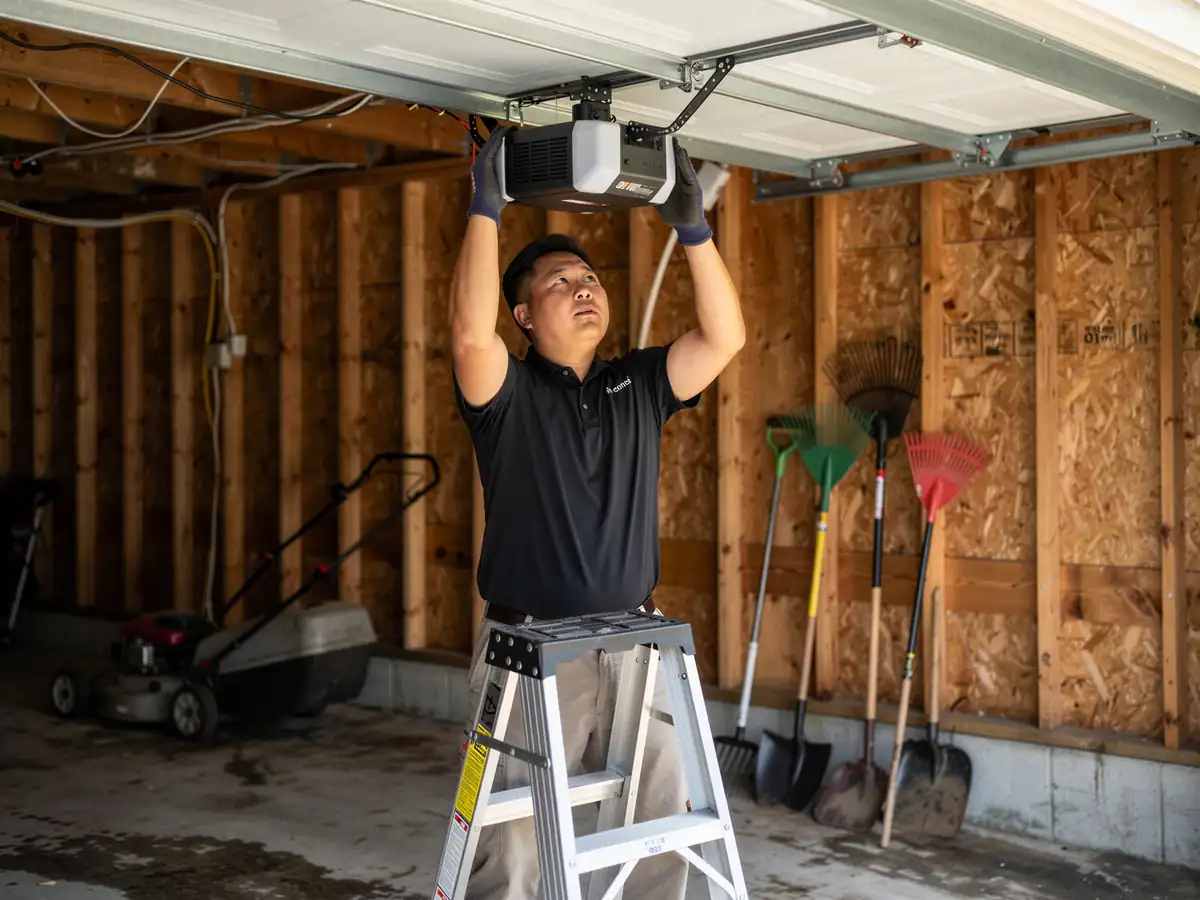
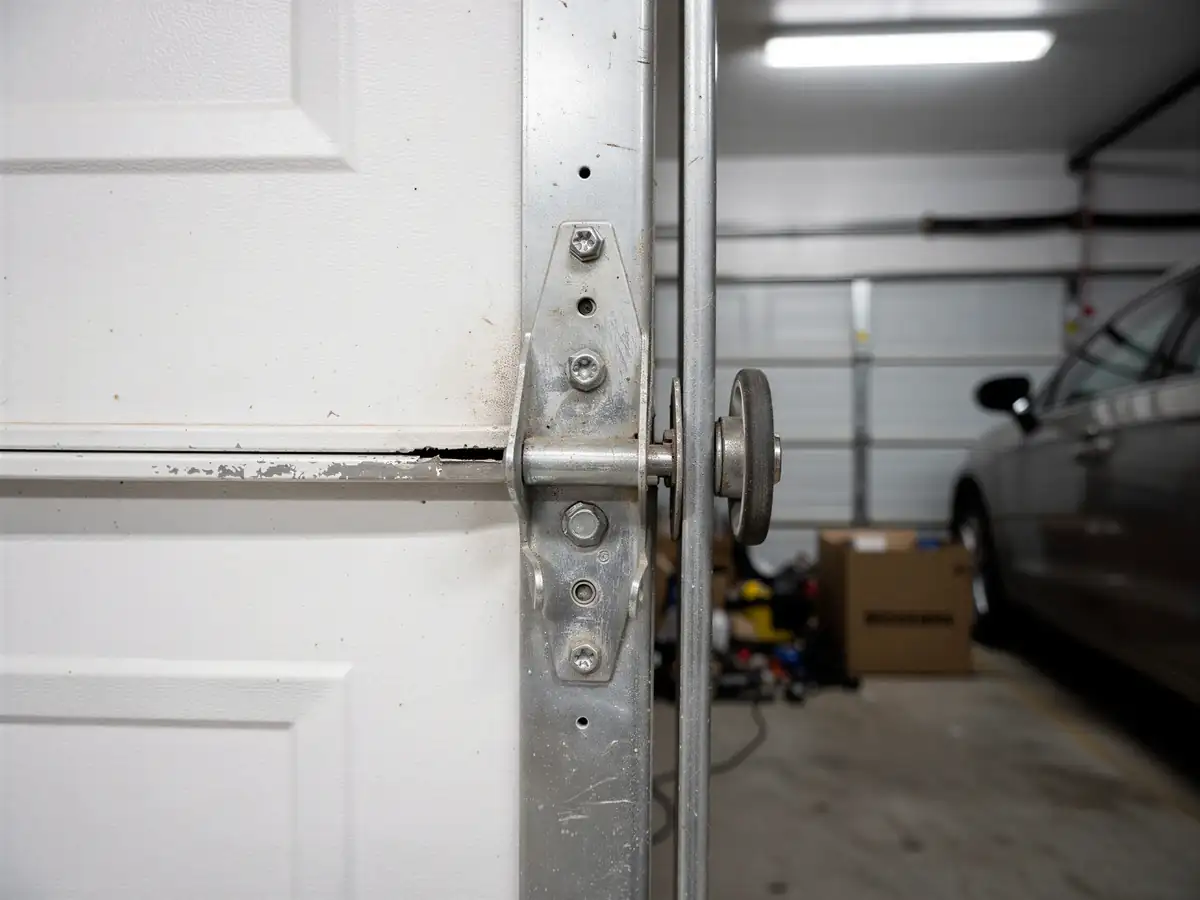
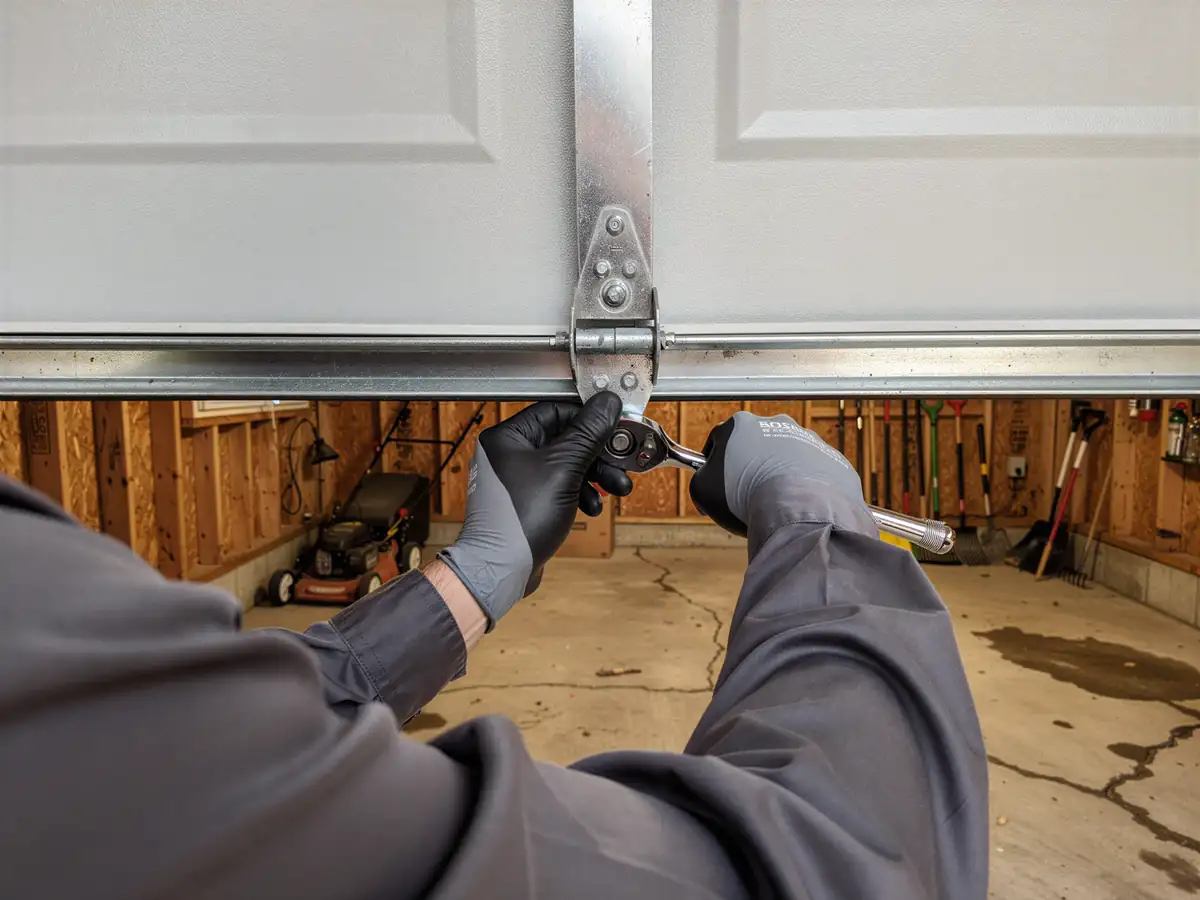
On a house from the 1972-1993 era, these symptoms usually trace back to one of three things: a torsion spring that's reached the end of its cycle life, nylon rollers that have dried out and started binding in the track, or a safety sensor pair that's drifted out of alignment after years of the door frame settling slightly. None of these get better if you keep using the opener through them. A door straining against a dying spring puts load on the opener's drive gear, and that's a second repair riding on the back of the first one.
If your door is making a new noise it didn't make last month, that's worth a call before it becomes a door that won't move at all.