Why This Fails Locally
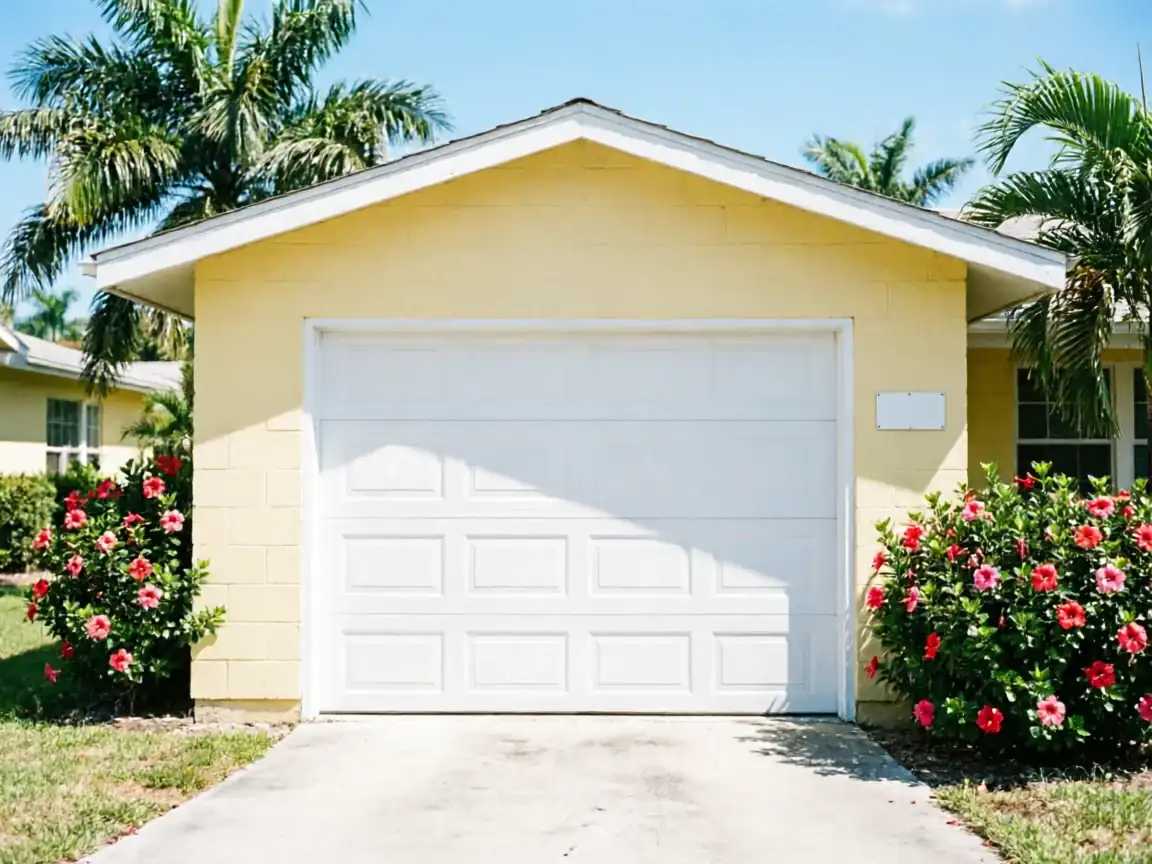
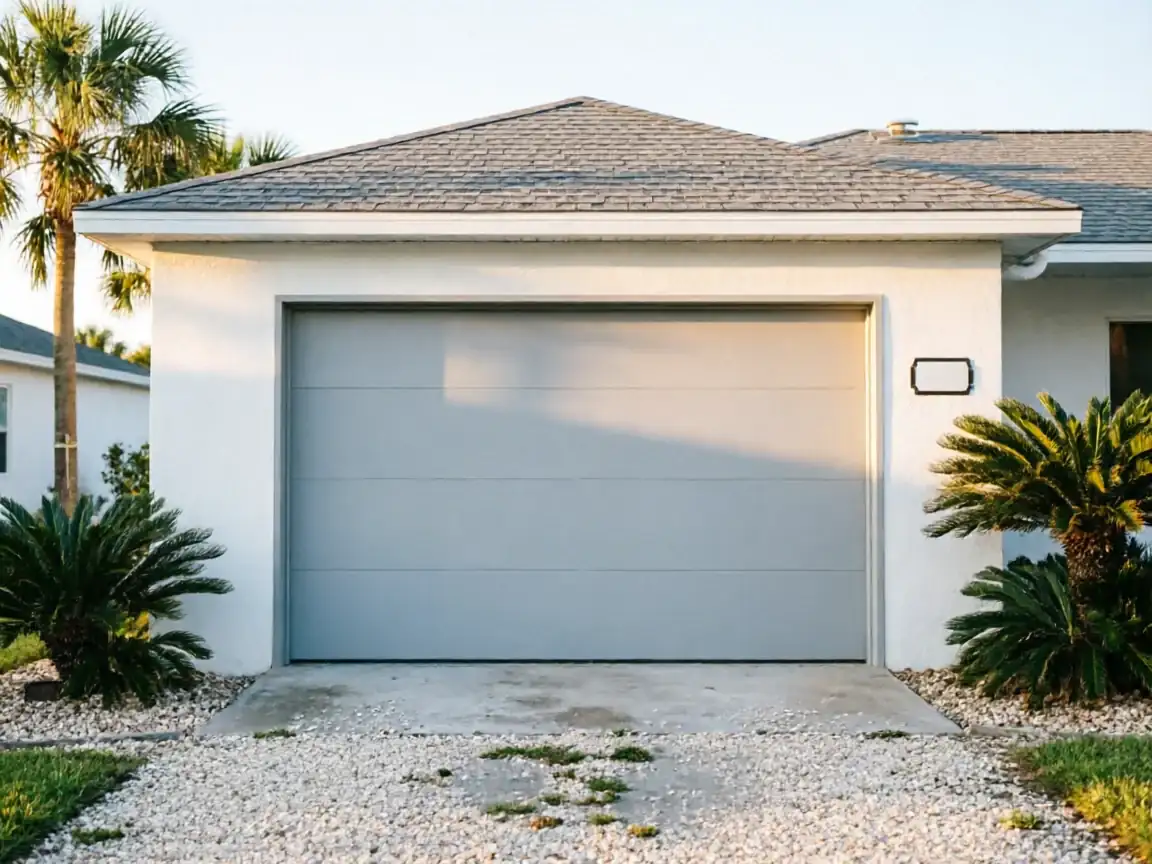
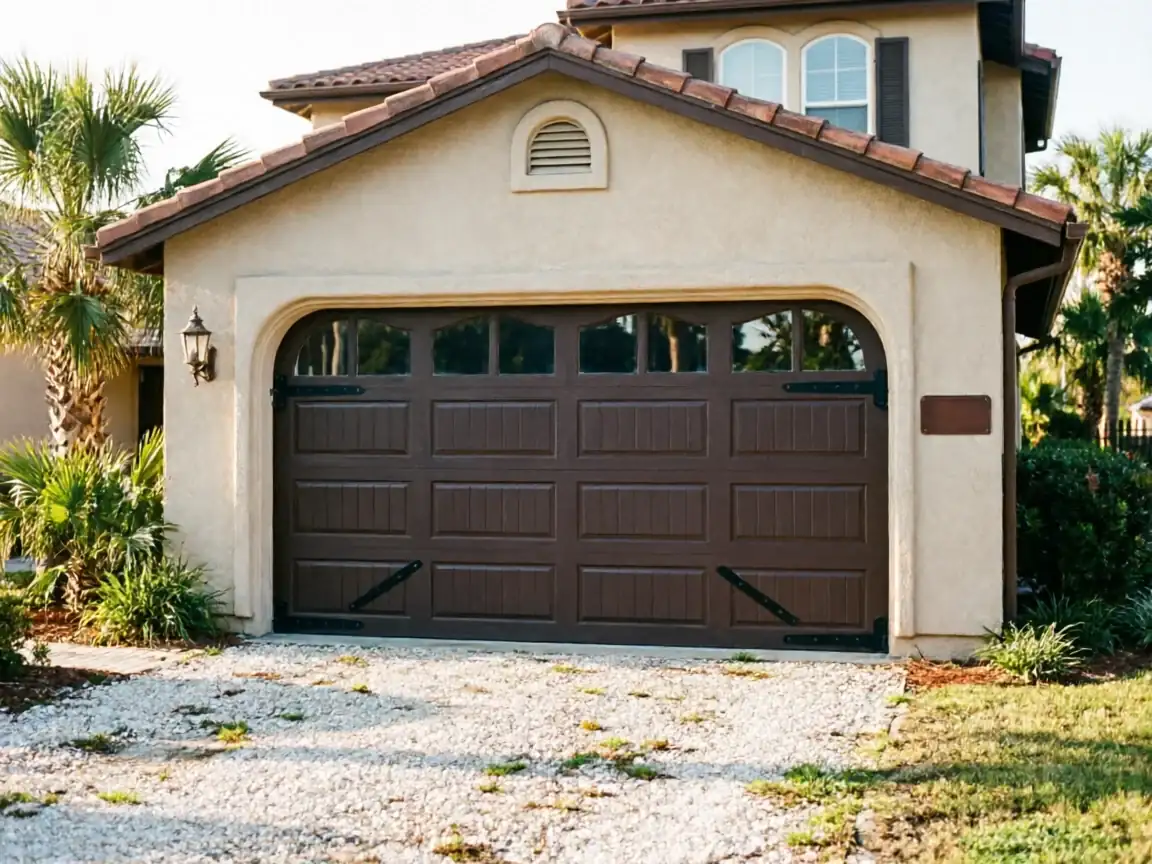
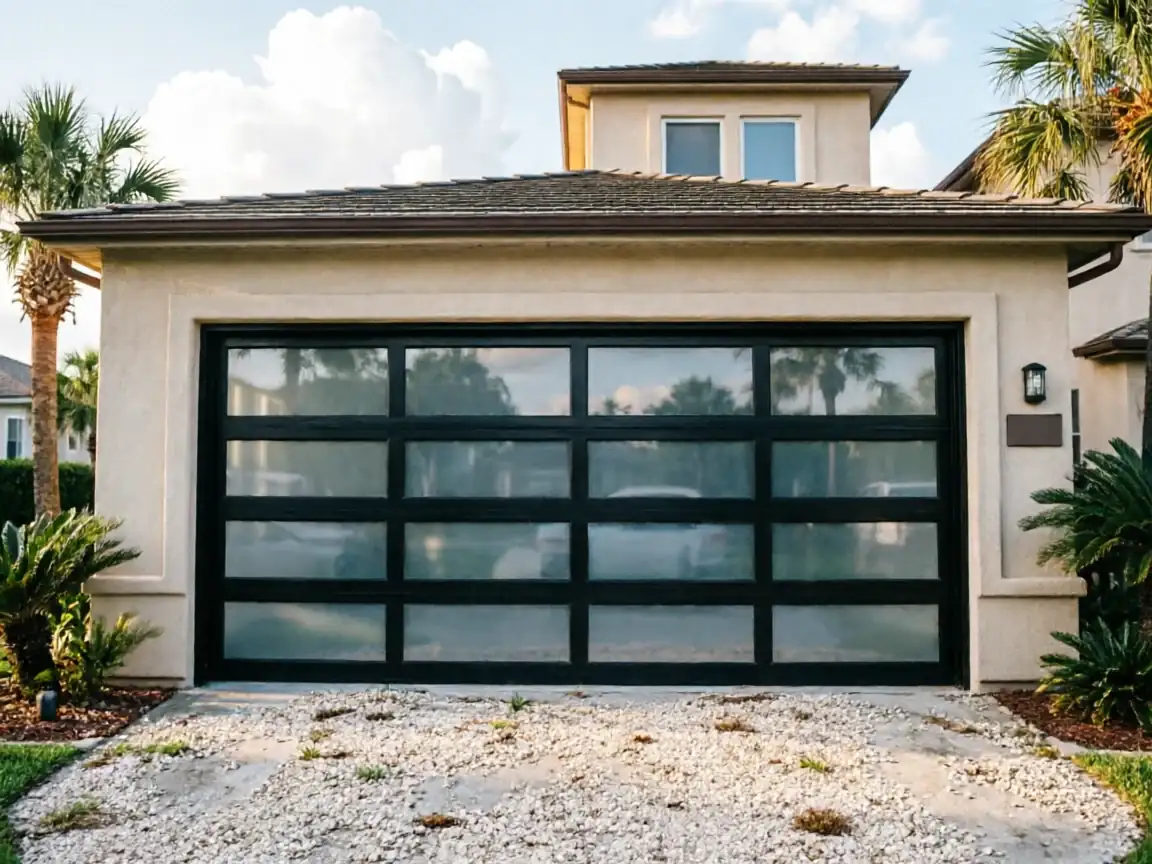
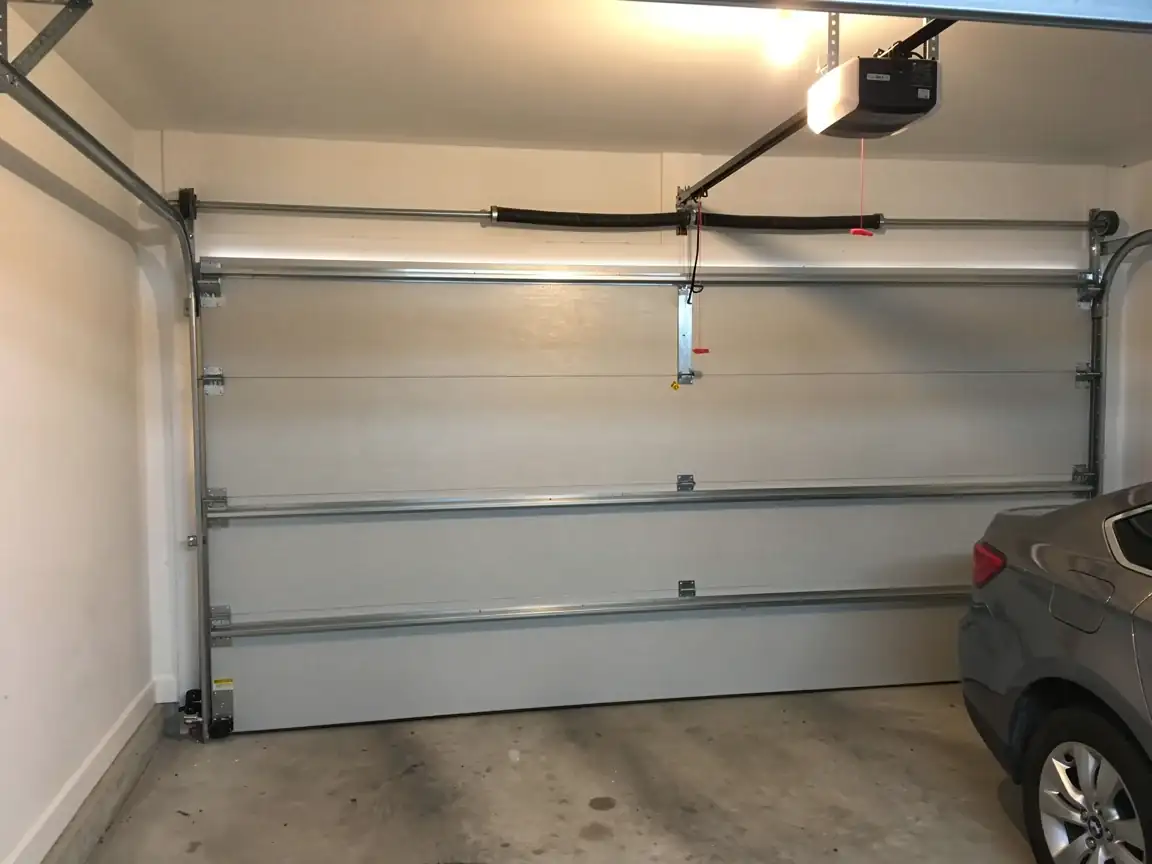
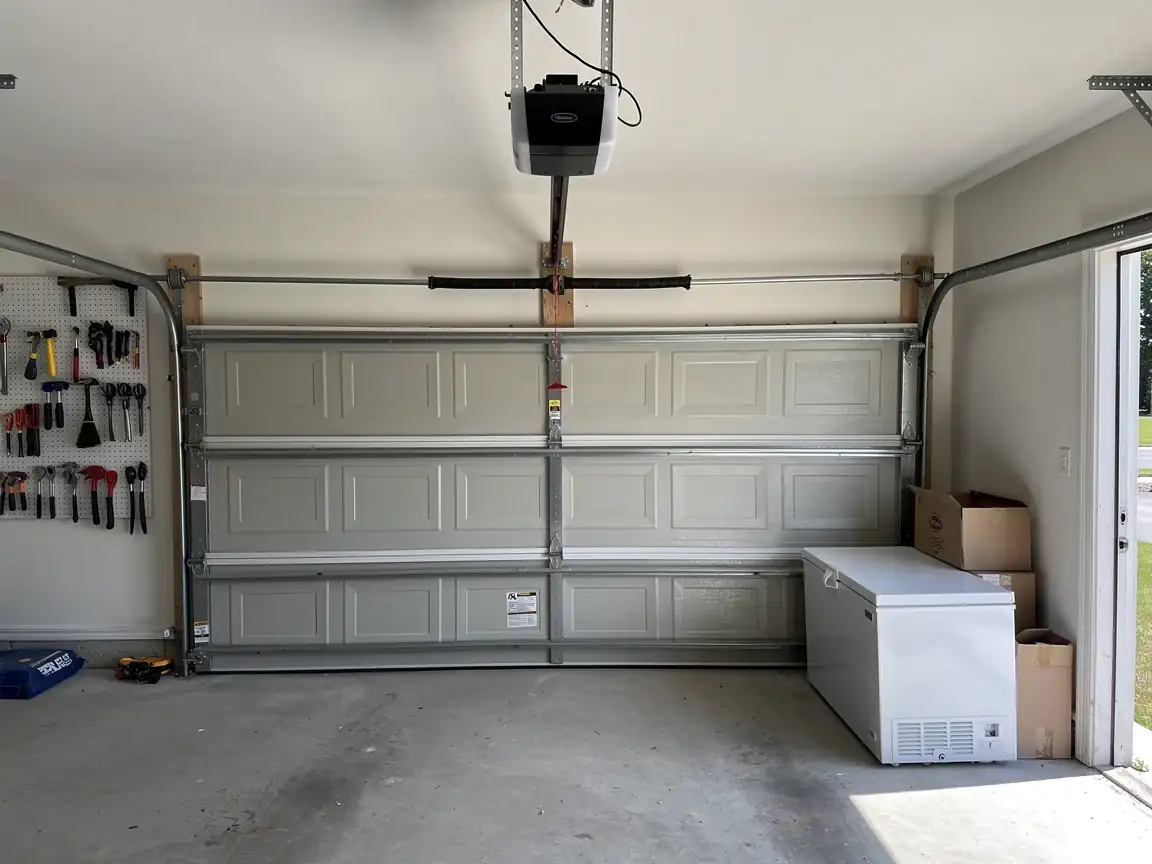
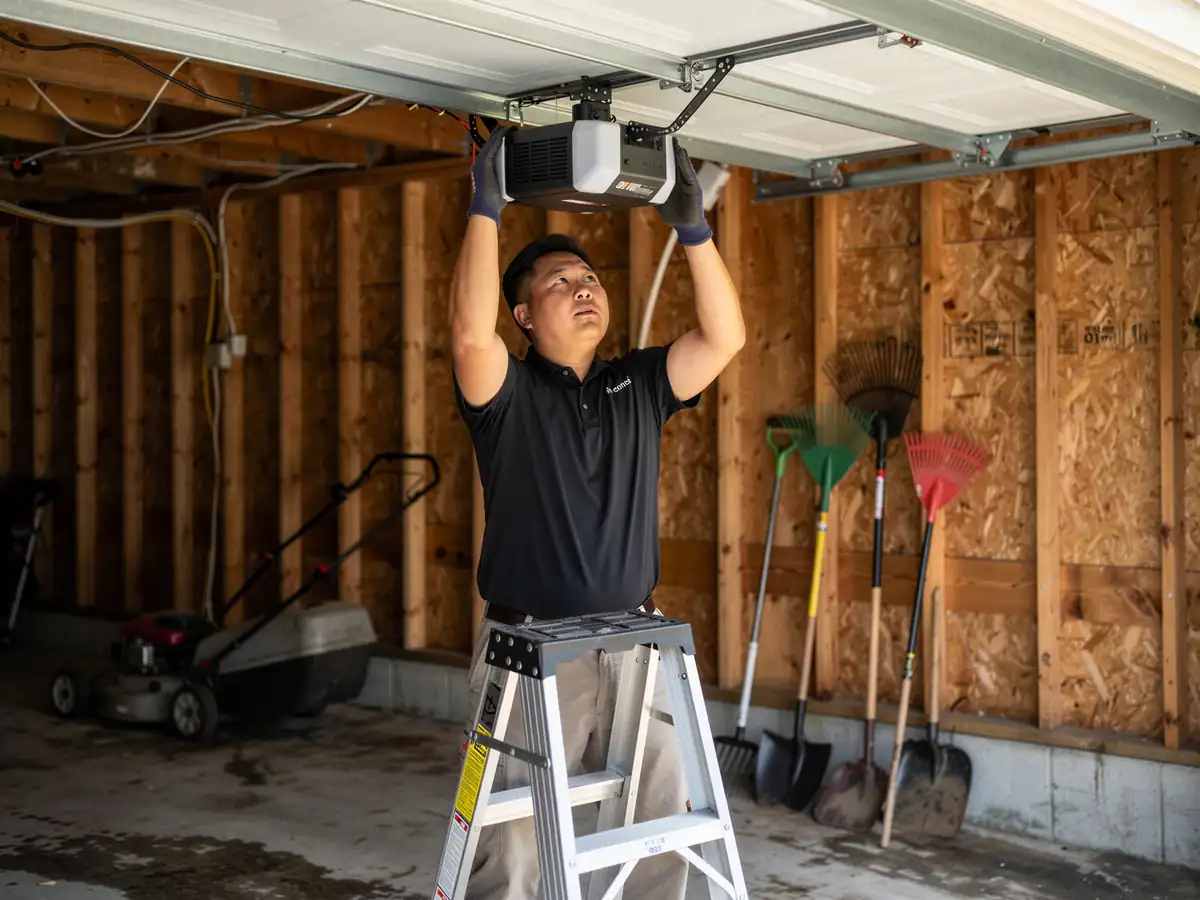
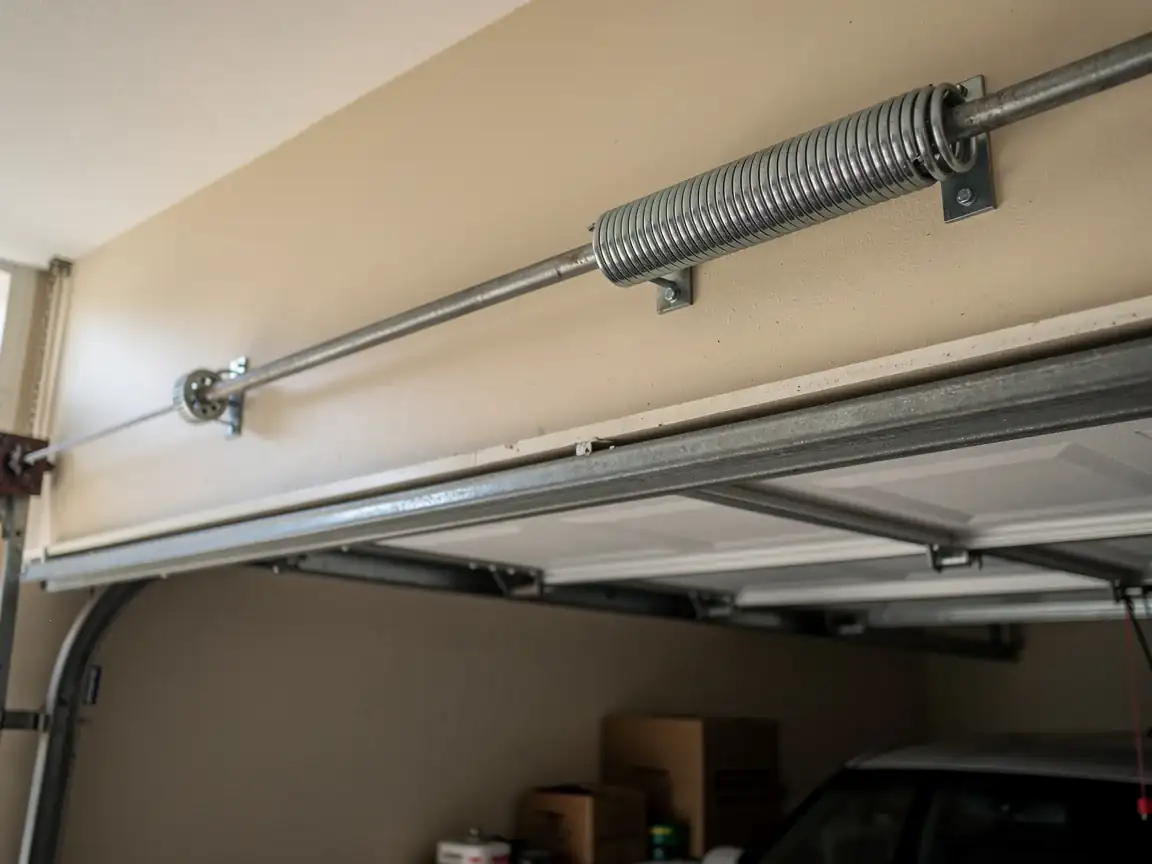
Most of the housing across Daytona Beach went up between 1972 and 1993, with the median build year landing around 1986. That's not a trivia point - it's the reason your service call looks the way it does. A torsion spring rated for roughly 10,000 cycles, installed when a house was framed in the early 1980s, has had four decades to work through that count. Same with the chain-drive openers a lot of these houses got as original equipment: the motors and logic boards from that era weren't built for the 20-plus years most of them have now logged.
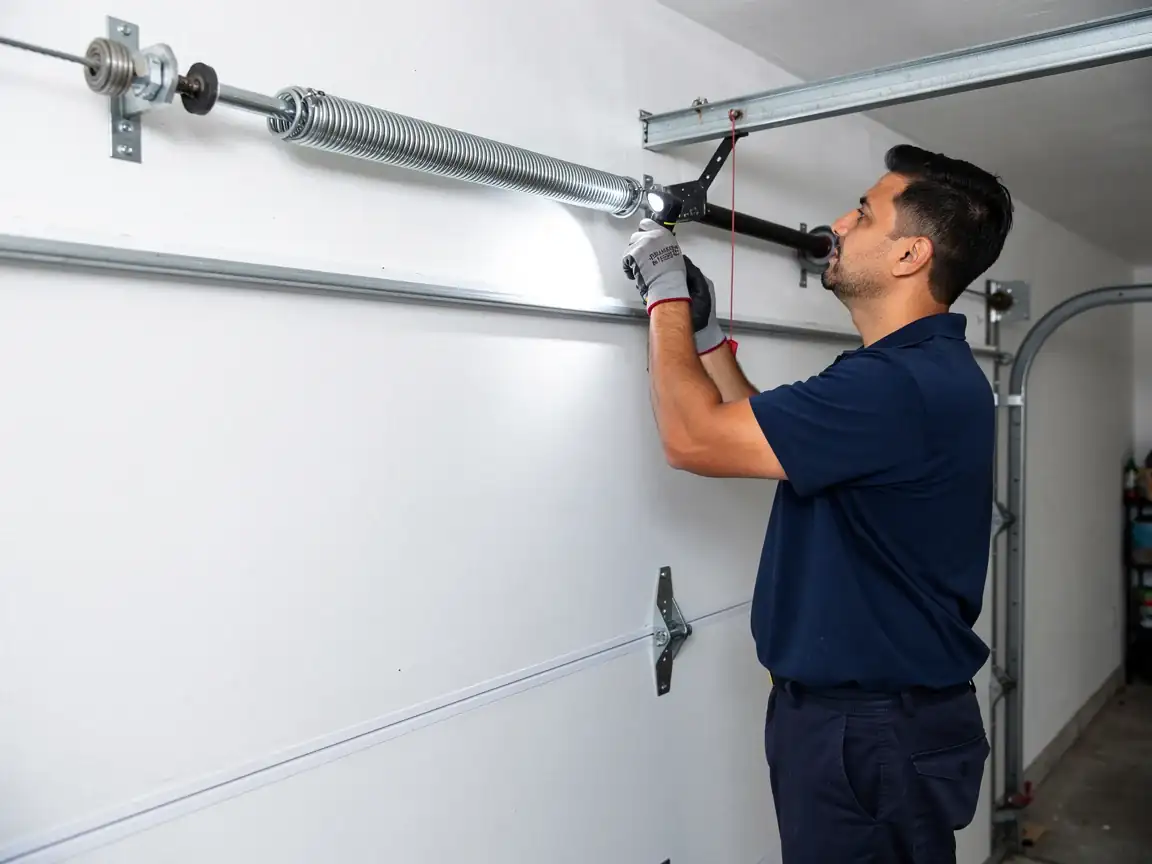
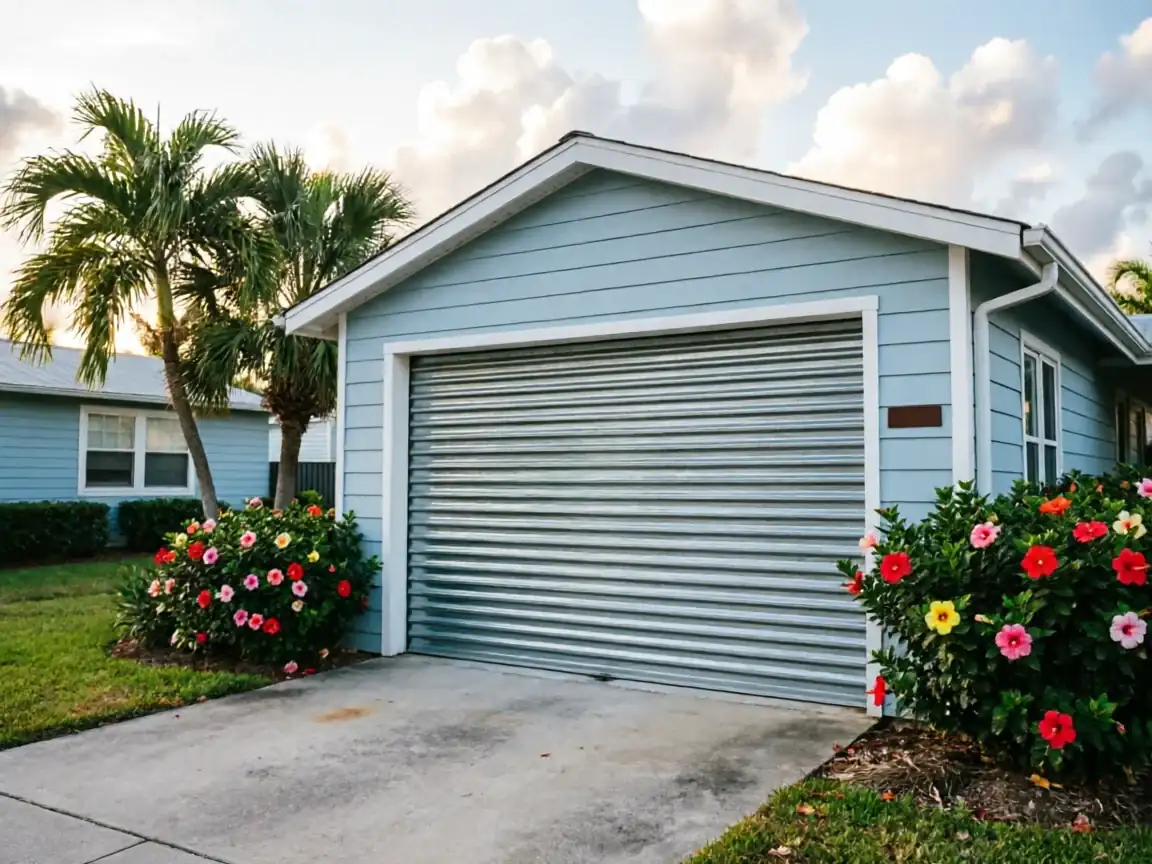
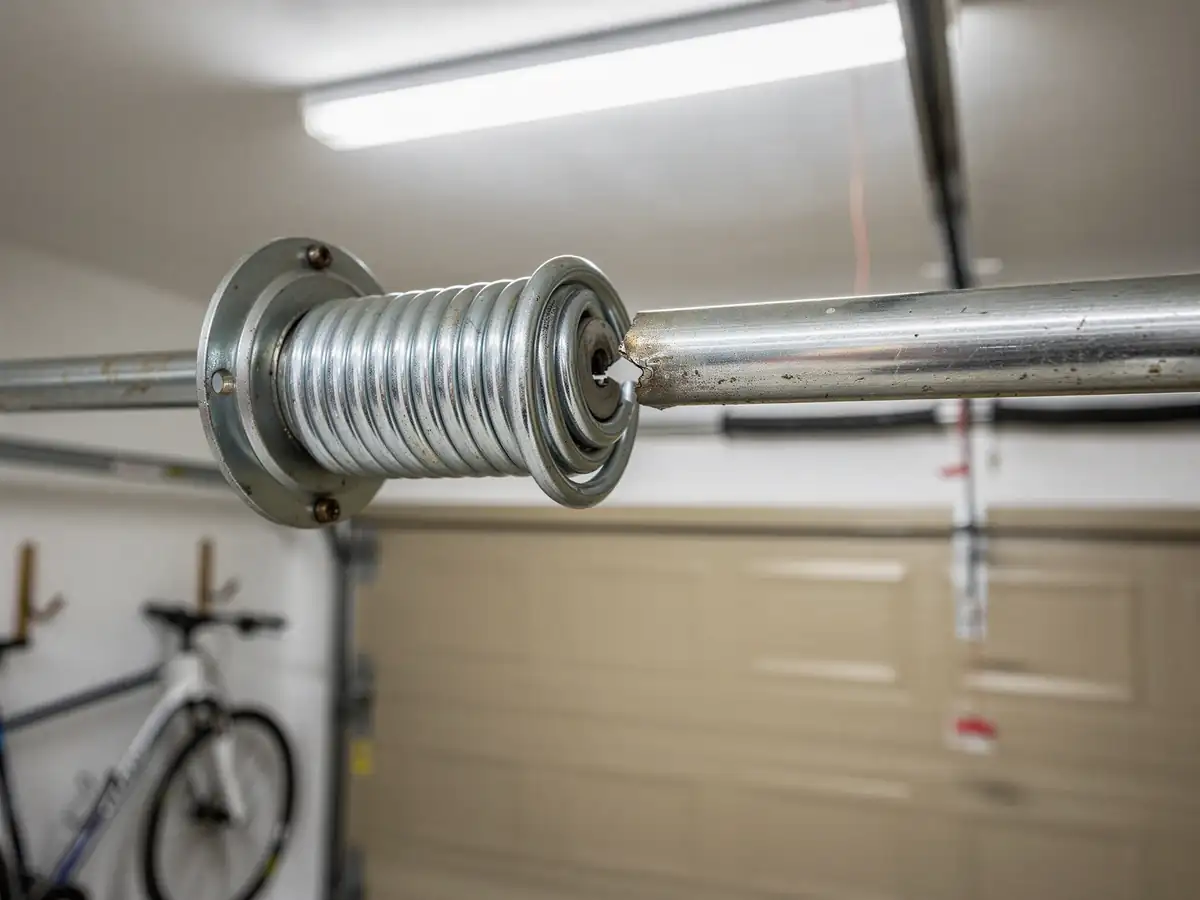
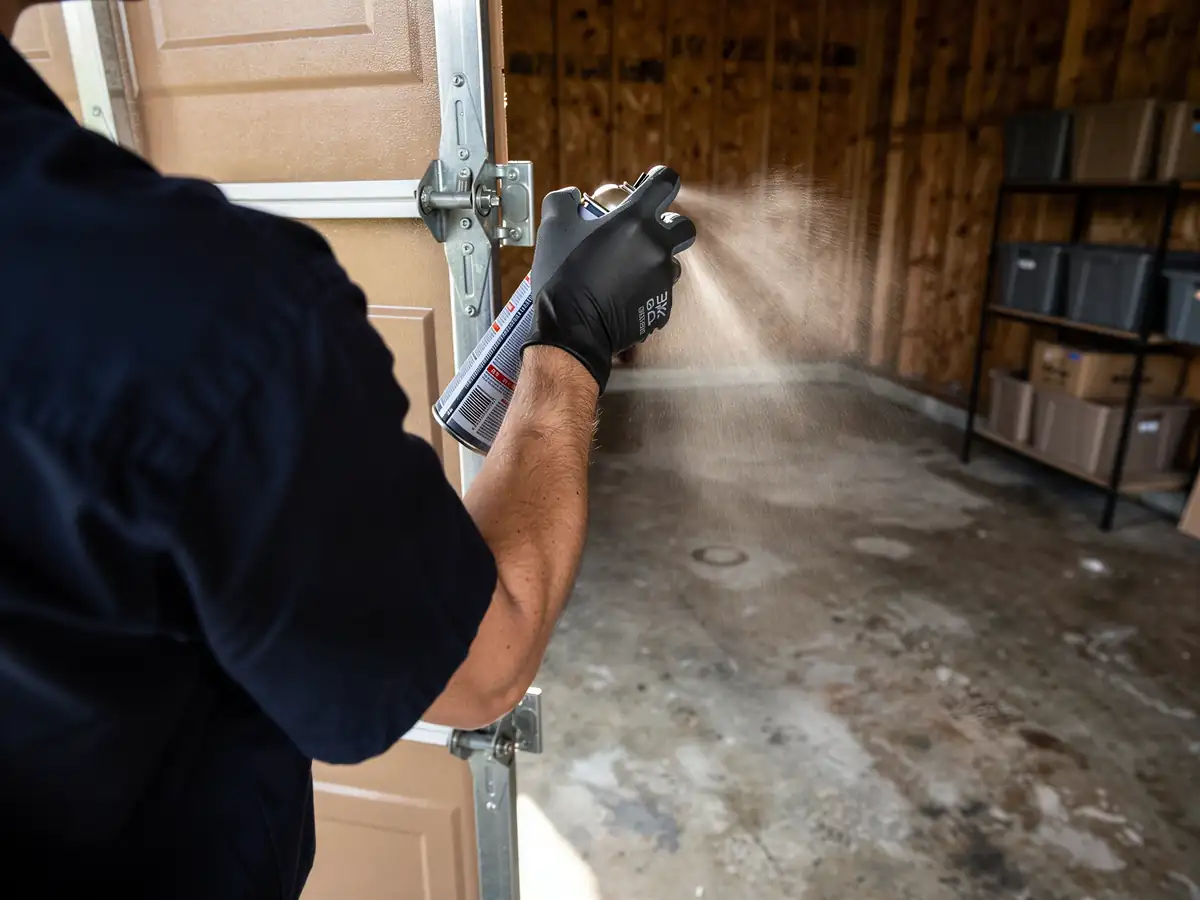
Daytona Beach sits in a mild temperate band, which spares your hardware the hard freeze-thaw cycling that cracks springs and seizes track bolts in colder states. But mild doesn't mean dry. Florida humidity works on exposed metal year-round - it breaks down old grease on rollers and tracks, and it promotes surface rust on springs and end bearing plates that are already past their rated life. The failure mode here isn't a sudden winter snap. It's slow fatigue plus corrosion, showing up as a door that's gotten noisier, heavier to lift, or that stutters partway up the track.
Across the roughly dozen neighborhoods that make up this city, the pattern repeats because the building boom hit most of them around the same years.
Booking a Visit
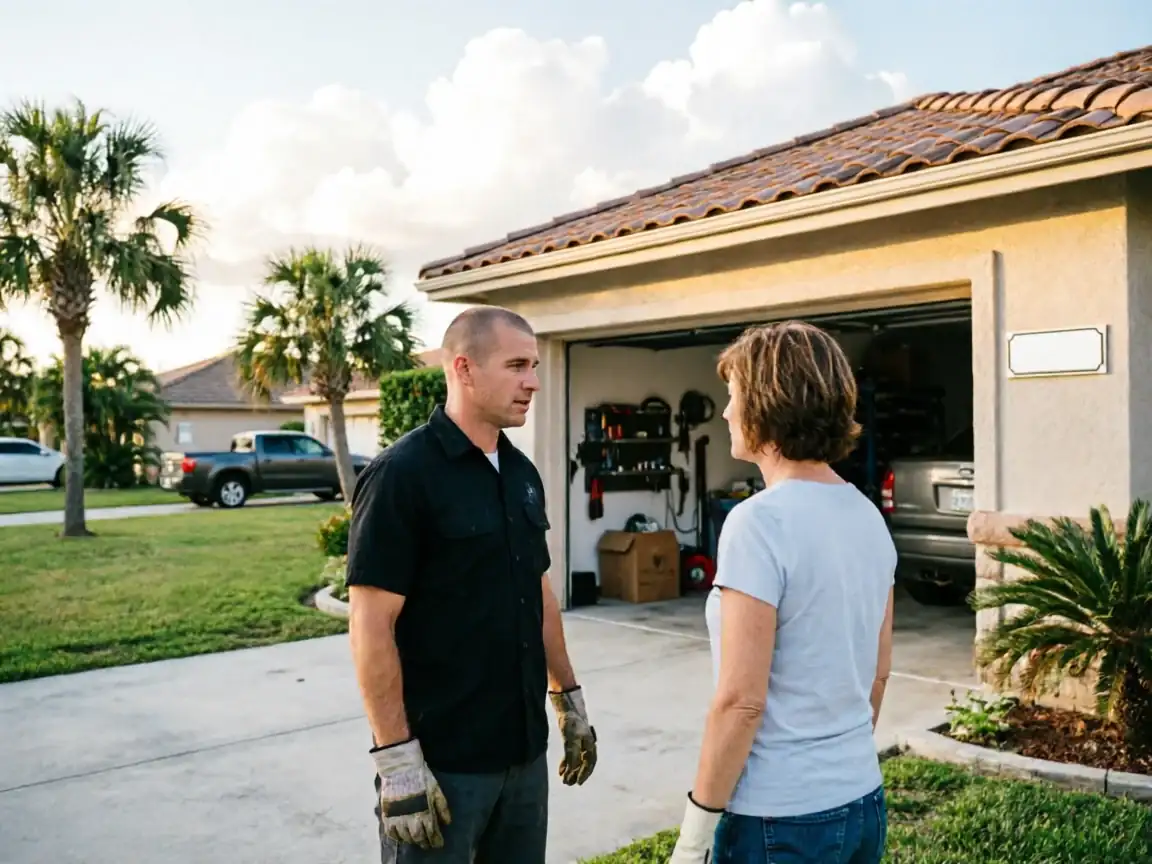
We work the area out from Daytona Beach itself - Holly Hill is about five miles off, South Daytona six, Daytona Beach Shores seven, out to Samsula-Spruce Creek at ten and Ponce Inlet at twelve. Further out we still reach New Smyrna Beach, Glencoe, De Leon Springs, Lake Helen, Edgewater, and Flagler Beach. Distance changes the drive time to your address, not how we diagnose the job once we're there.
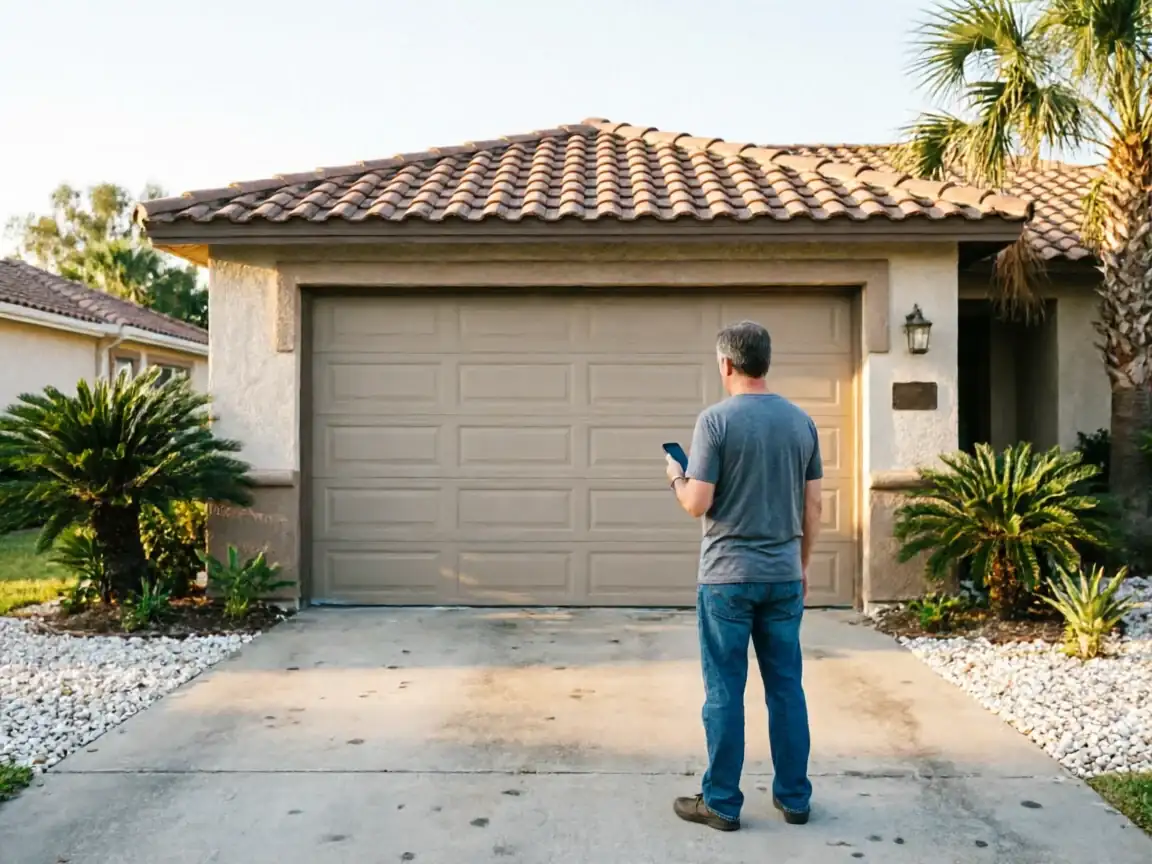
When you call, tell us what the door is actually doing - grinding on the way up, reversing before it closes, one side dropping faster than the other. That detail tells us which parts to bring instead of showing up and ordering twice. If your opener or spring setup is original to a house built in the 1980s or early 90s, say so; it narrows down the hardware before we're even in the driveway.
We don't do same-day everything - some torsion springs and opener logic boards aren't on the truck and have to be special ordered, especially for less common drum or cable configurations. We'll tell you straight if your part needs a lead time instead of promising a fix we can't deliver that day.
The Cost of This Job
We're not going to quote a number here that isn't tied to what's actually wrong with your door
Because a worn roller and a snapped torsion spring on a double-wide door are two different jobs with two different parts lists. What we can tell you is how we think about it: with a median household income of $69,150 across the service area, most of the repair-versus-replace conversations we have land on repair first, unless the door itself - the panels, the track alignment - has deteriorated past the point where a new spring or opener actually solves the problem.
- $69,150 median household income
Of the 32,499 owner-occupied houses across this service area
A large share were built in that same 1980s-to-90s stretch, which means a lot of them are carrying original or near-original hardware. That's often the deciding factor: replacing a 35-year-old opener with modern safety sensors and a quieter drive can cost less over time than repeatedly patching the same aging unit. We'll walk you through what's actually failing before we talk numbers, not after.
- 32,499 owner-occupied
The Symptom
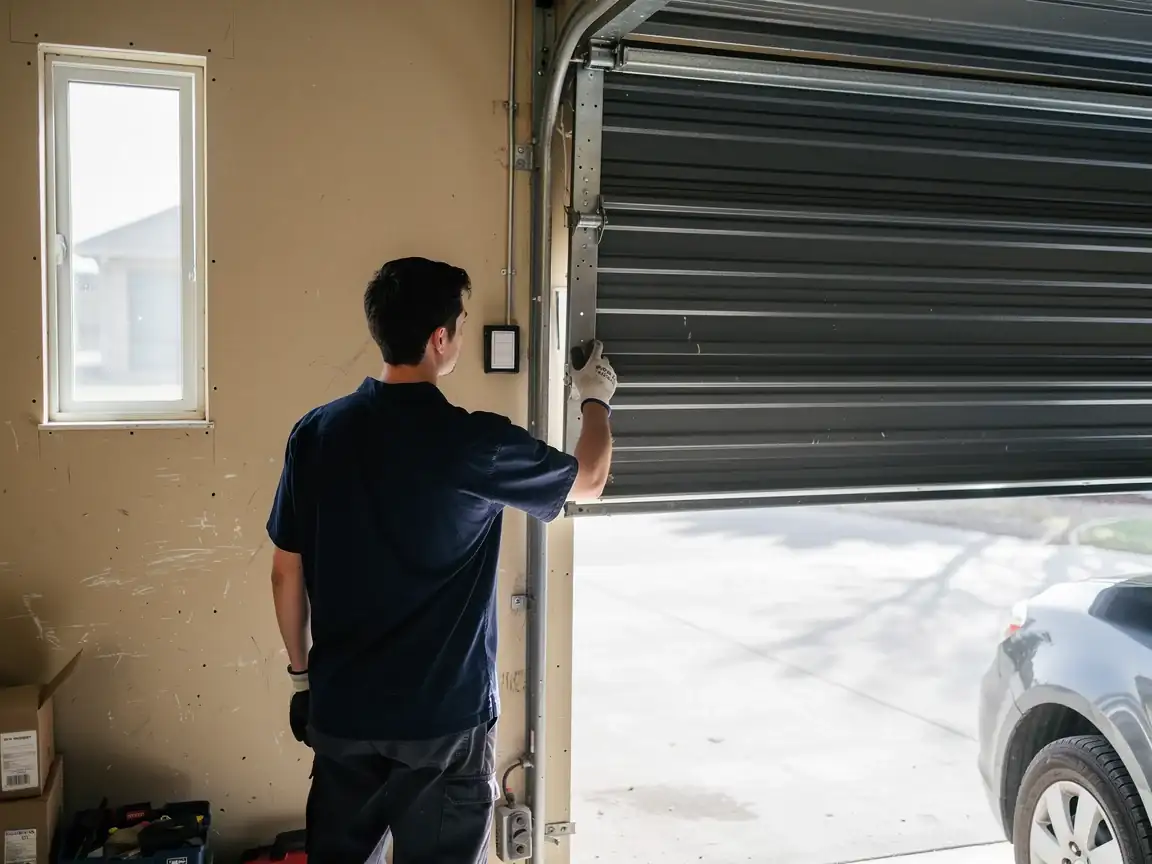
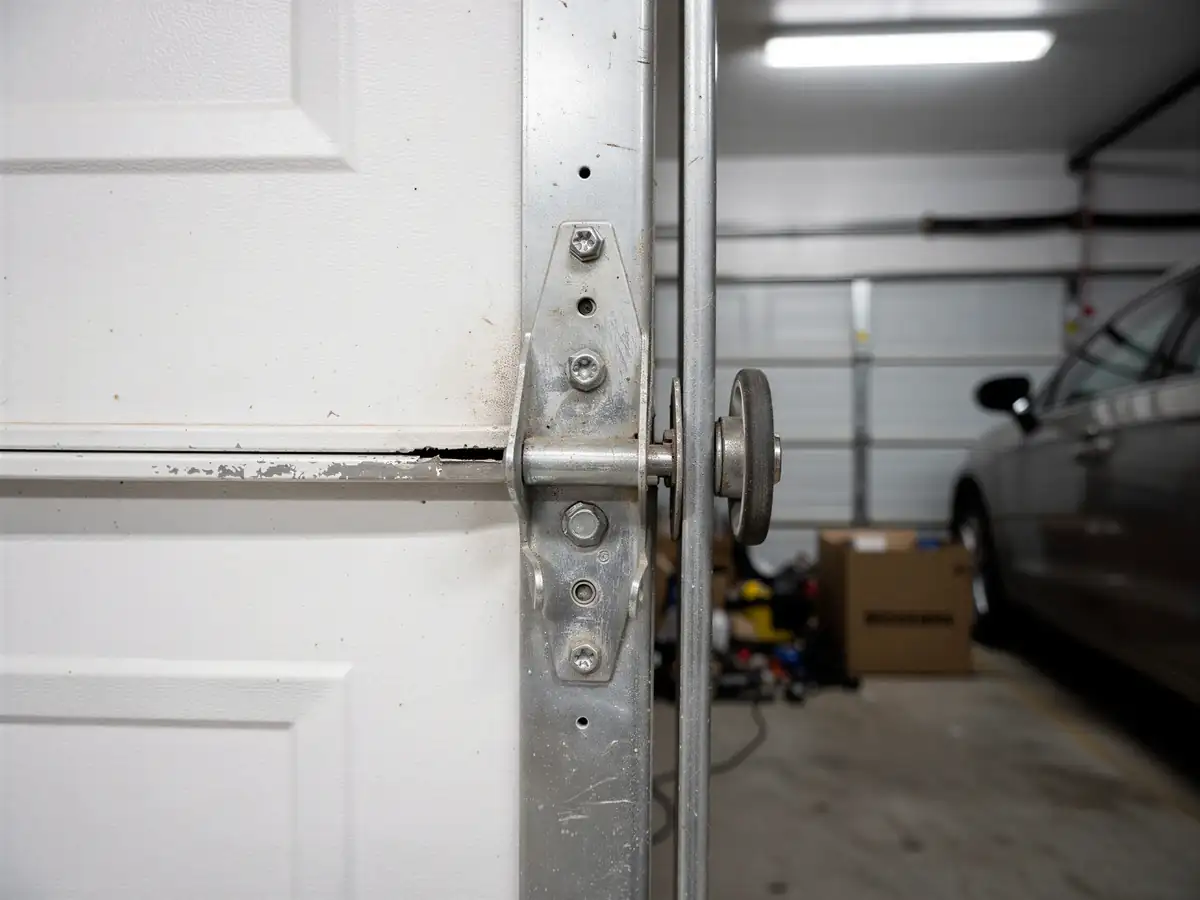
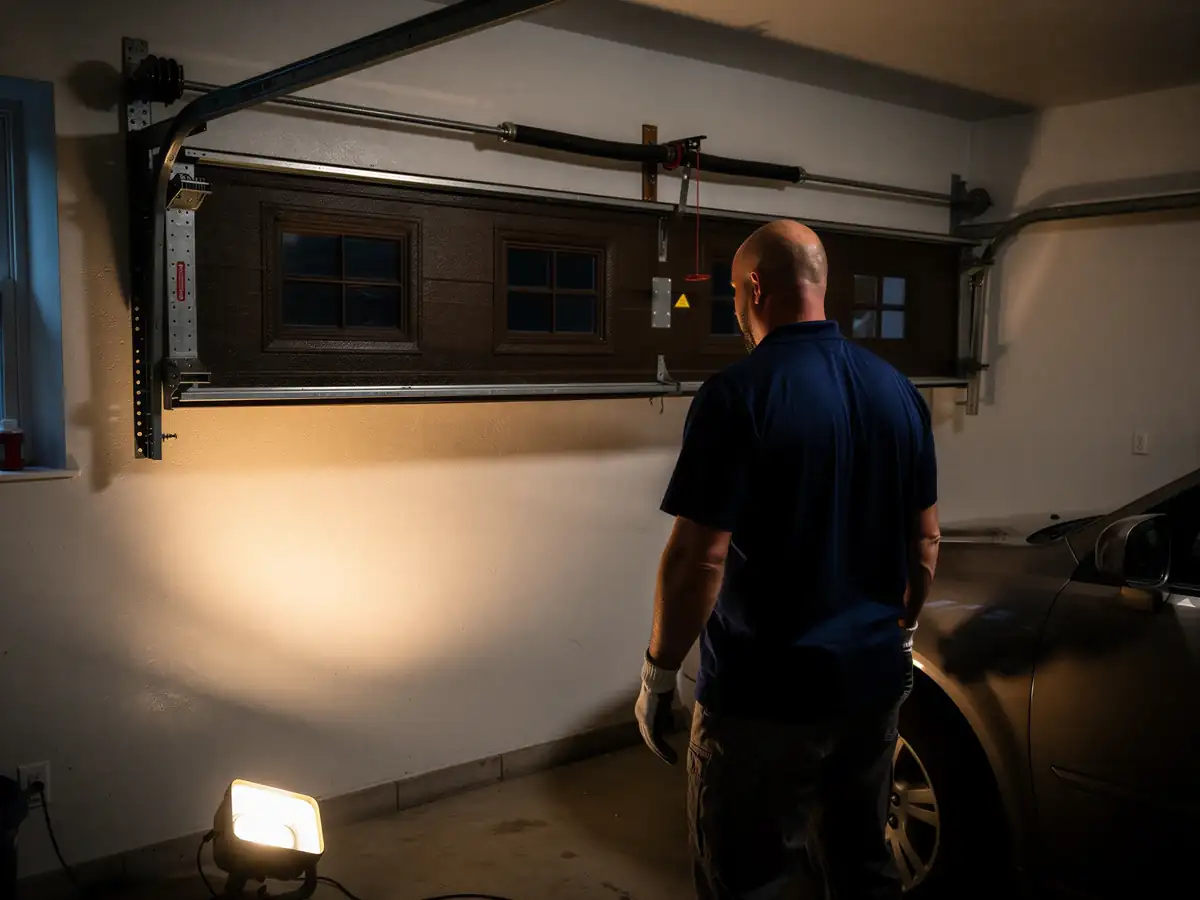
The most common call we get out of this housing stock isn't a door that won't open at all - it's a door that's gotten slow, loud, or uneven. One corner lifts first. The opener strains and clicks before the door moves. There's a grinding sound partway up the track that wasn't there six months ago. These are the signs of hardware from the 1980s-1990s build era finally giving out - stretched cables, pitted rollers, a spring that's lost tension gradually instead of snapping clean.
A door that reverses on its own partway down, or that drops hard and fast at the end of its travel, usually points to a spring that's lost most of its tension - the opener is doing work it was never built to do alone. That's not a lubrication fix. It's a sign the spring's cycle count has run out, which tracks with how old a lot of this area's original hardware actually is by now. Catching it at the noisy, slow stage is cheaper than catching it after a cable snaps under load.