Season by Season
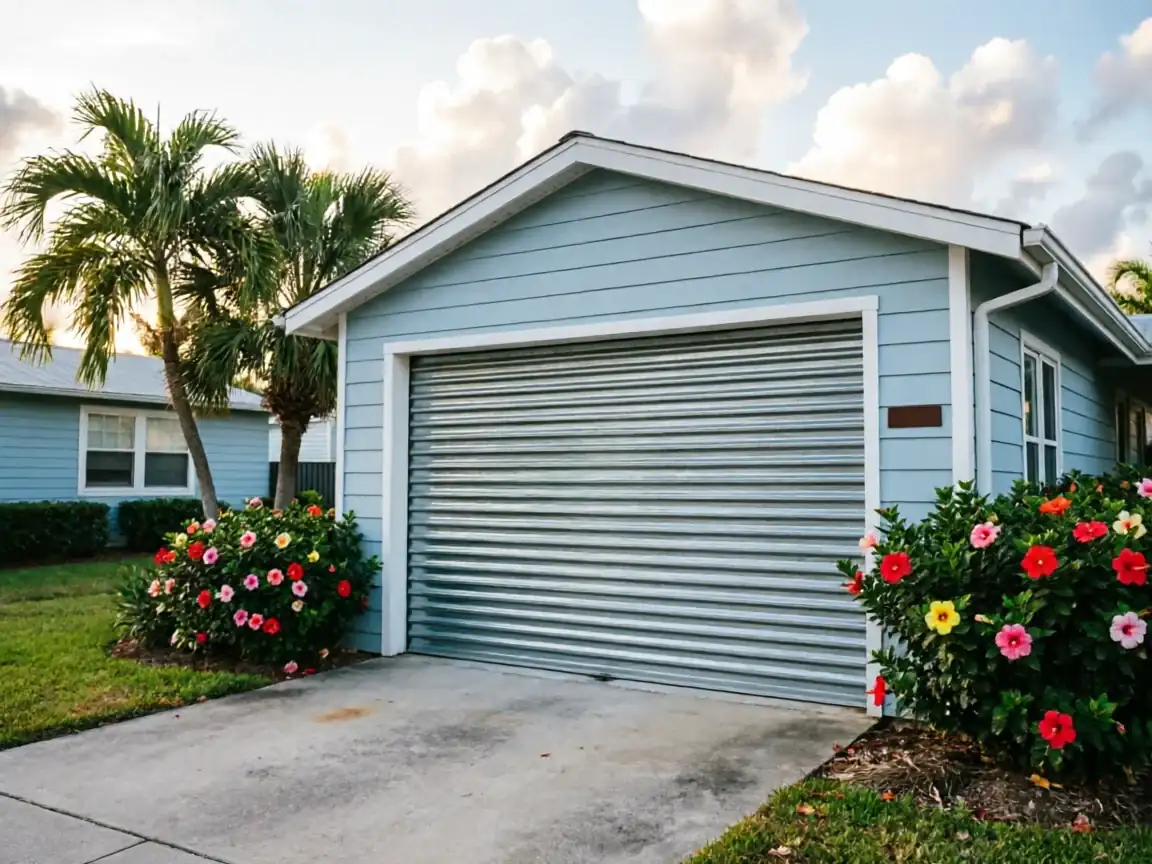
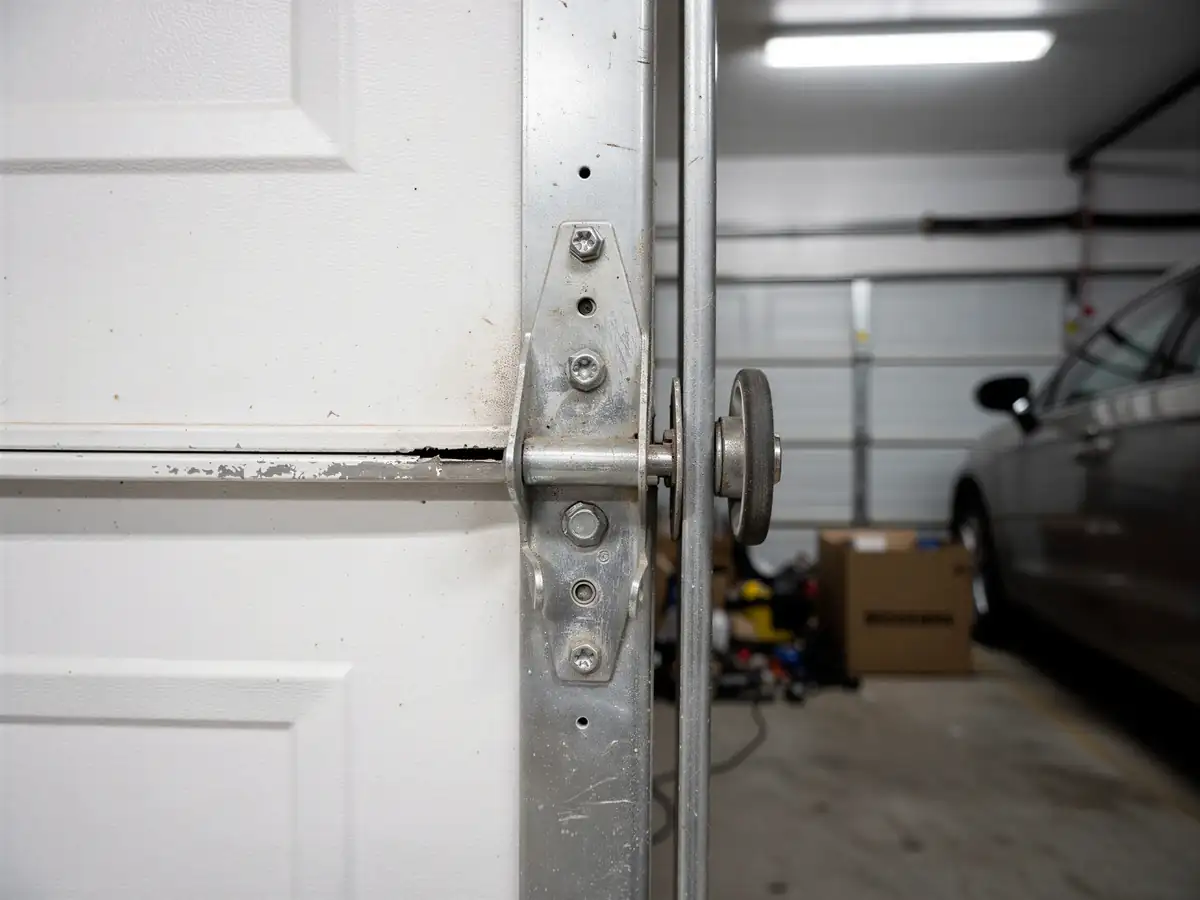
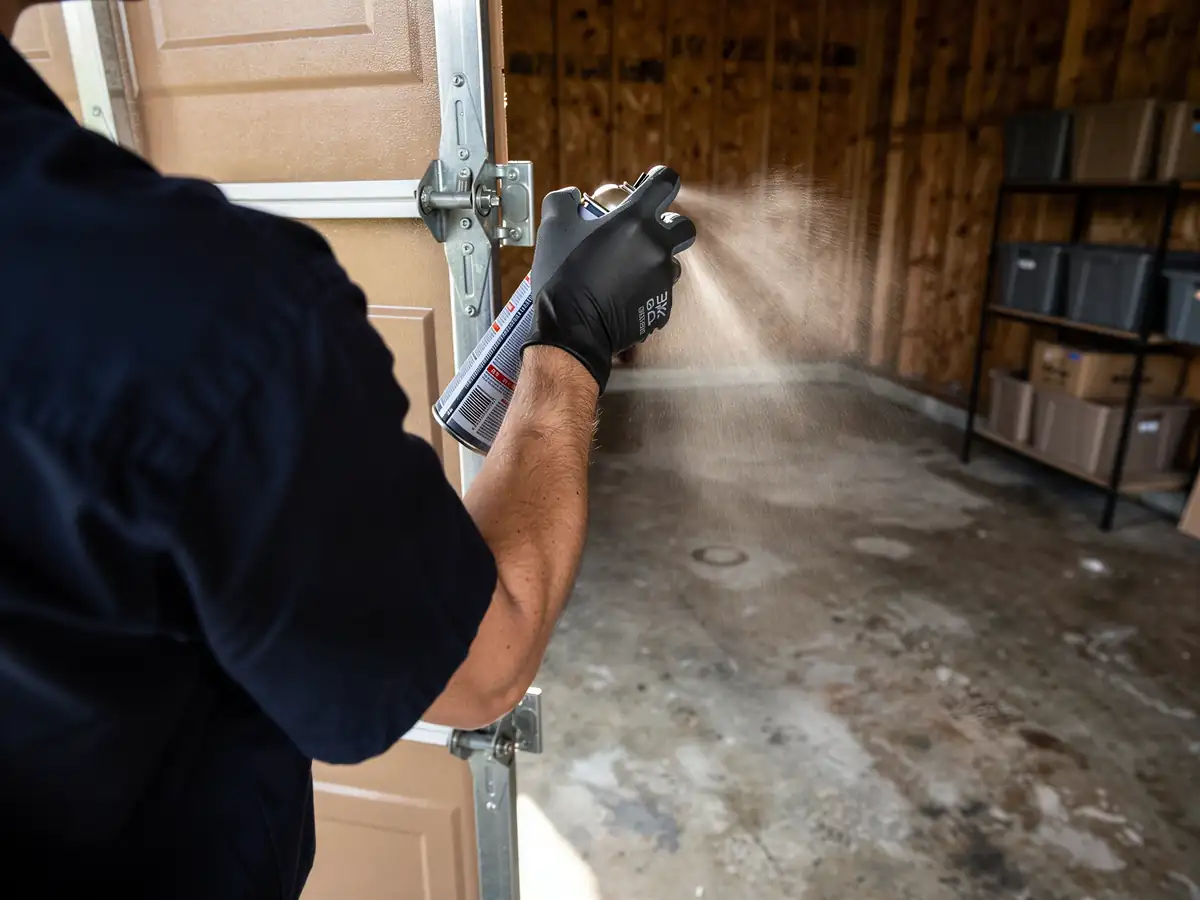
Daytona Beach doesn't have the freeze-thaw cycle that chews up hardware up north, and that matters for a door built in the 1972-1993 window, which covers most of the housing stock across the twelve areas we work in. Summer here means stretches of heat and humidity that swell wood panels and gum up track lubricant, not ice that cracks a torsion spring overnight. Fall and winter stay mild enough that most of these original doors never see a hard freeze test their steel welds the way a Midwest door would. That's the good news for an older door: the frame and track have had an easier life than their age suggests. The bad news is salt air off the coast, which doesn't take a season off. It works on exposed hardware and fasteners year-round, so a door built in 1986 - the median year for this area - has had three or four decades of slow corrosion on anything not galvanized or replaced. If your door still has its original rollers and hinges from that era, this is the time of year they tend to show it, with stiffness that wasn't there a few months back.
What the Weather Here Does to It
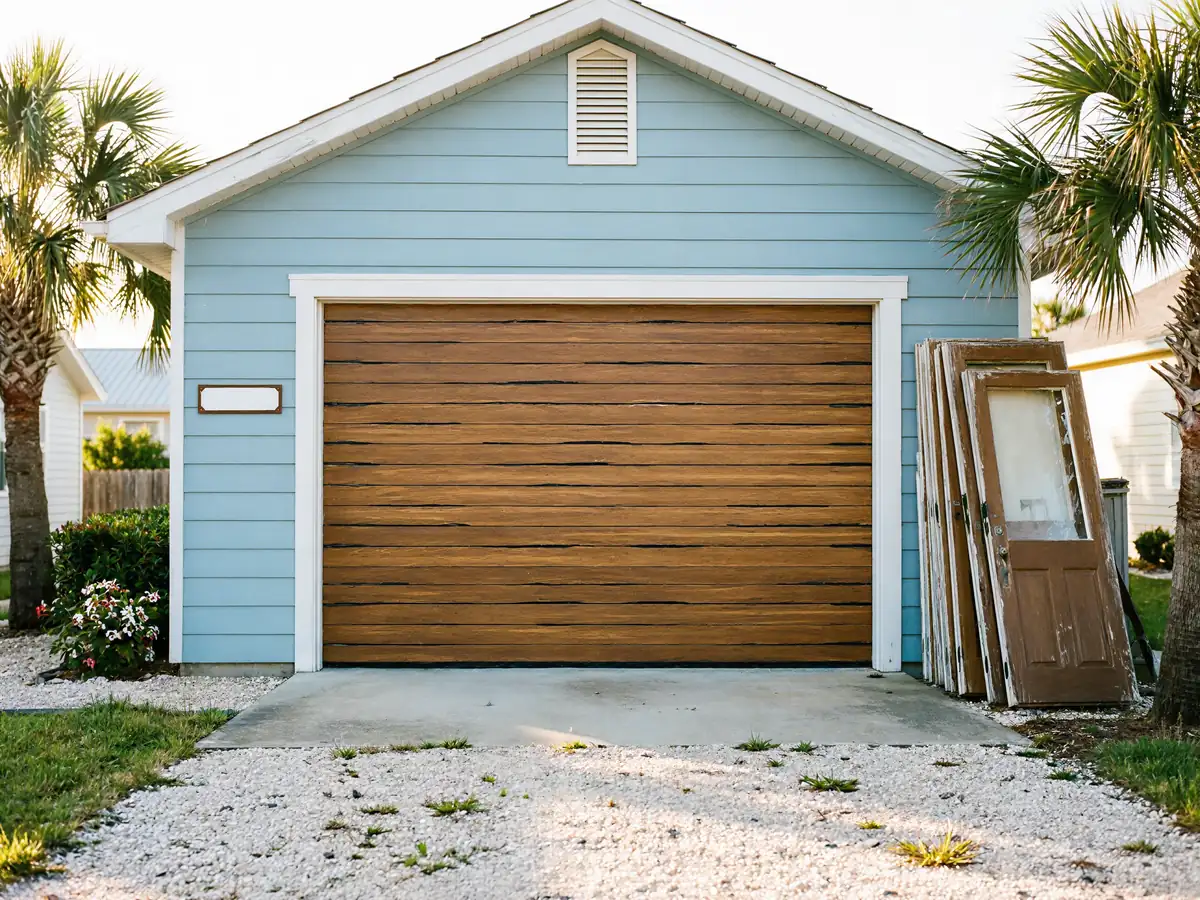
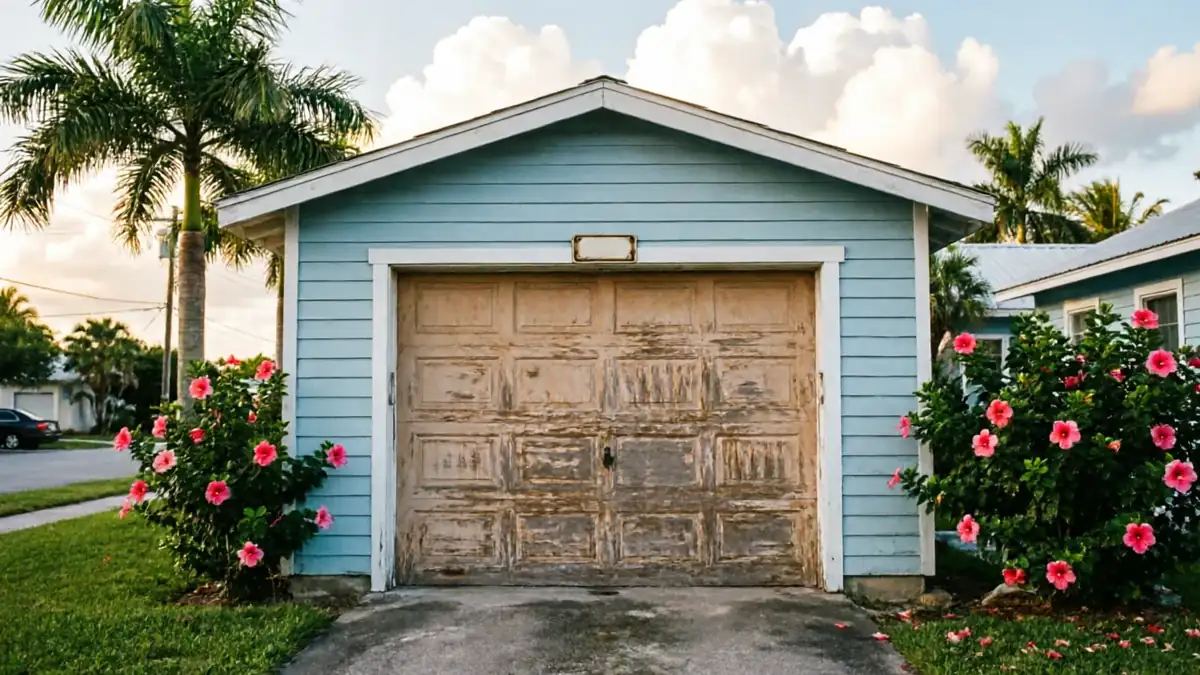
The mild temperate band we sit in doesn't crack panels with ice, but it does two things to doors from the 1972-1993 era: it corrodes unprotected steel hardware over the long run, and it fatigues wood and early composite panels through humidity cycling rather than frost. A door from that build window usually used lighter-gauge steel or solid wood panels than what's sold today, and neither was designed with 30-plus years of salt-laced humidity in mind. You'll see it first in the bottom panel, where splash and ground moisture sit longest, and in any hardware that's still zinc-plated rather than galvanized. None of this is dramatic. It's slow, which is exactly why a lot of owners in homes built across that 1972-1993 stretch don't notice until a spring finally lets go or a panel seam opens up.
When to Call Someone
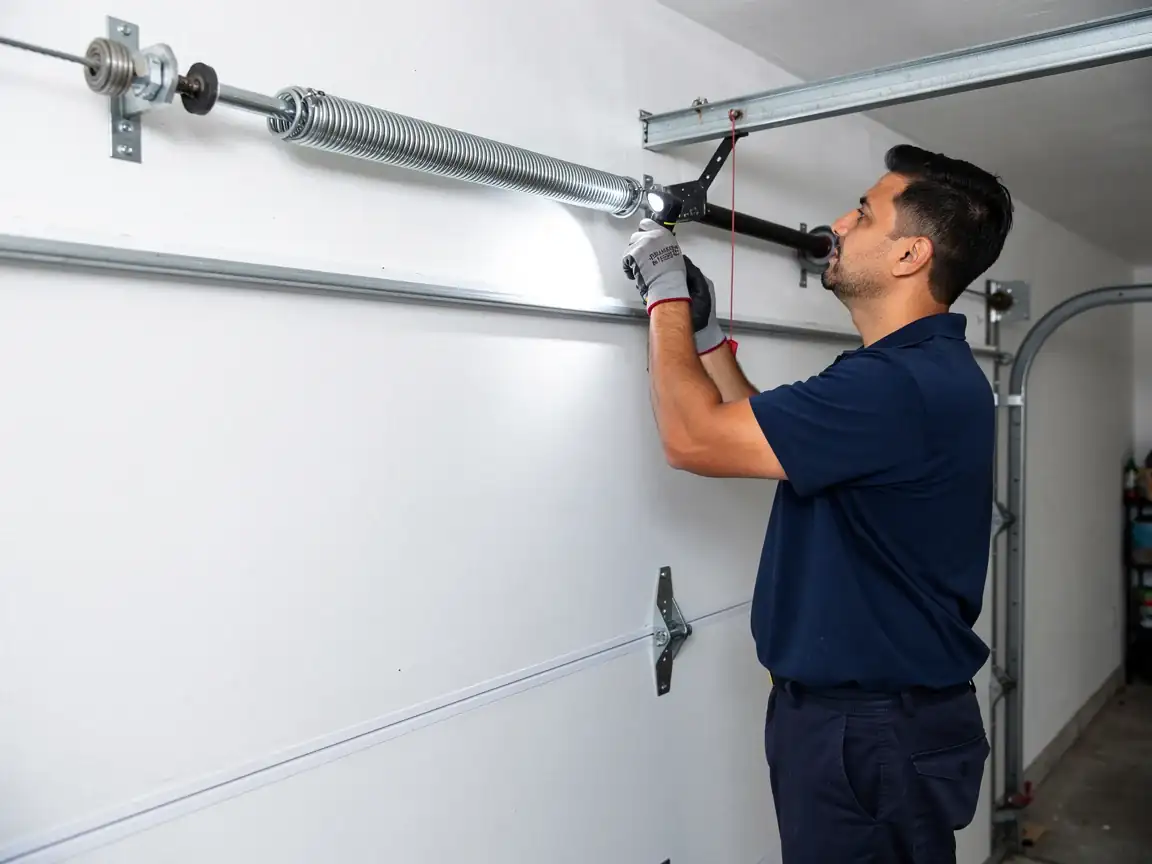
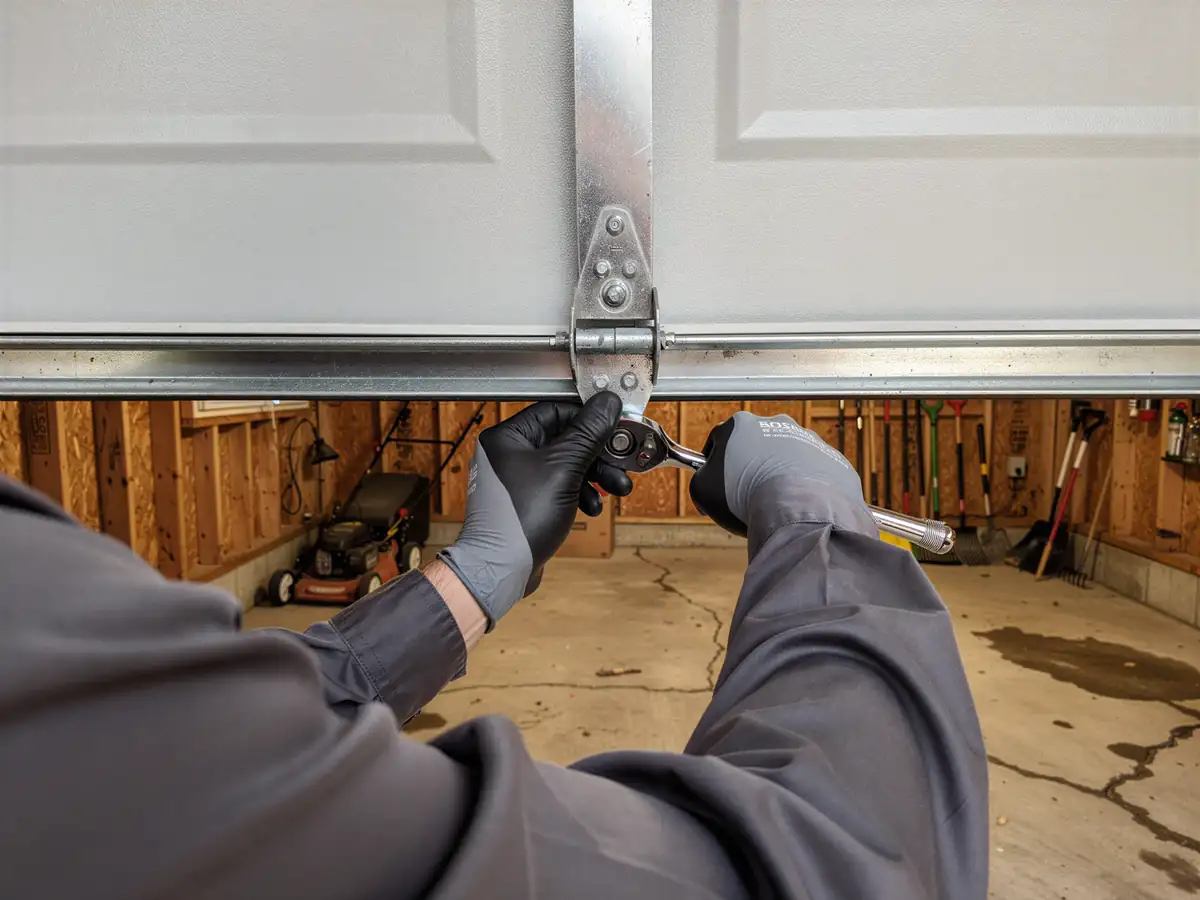
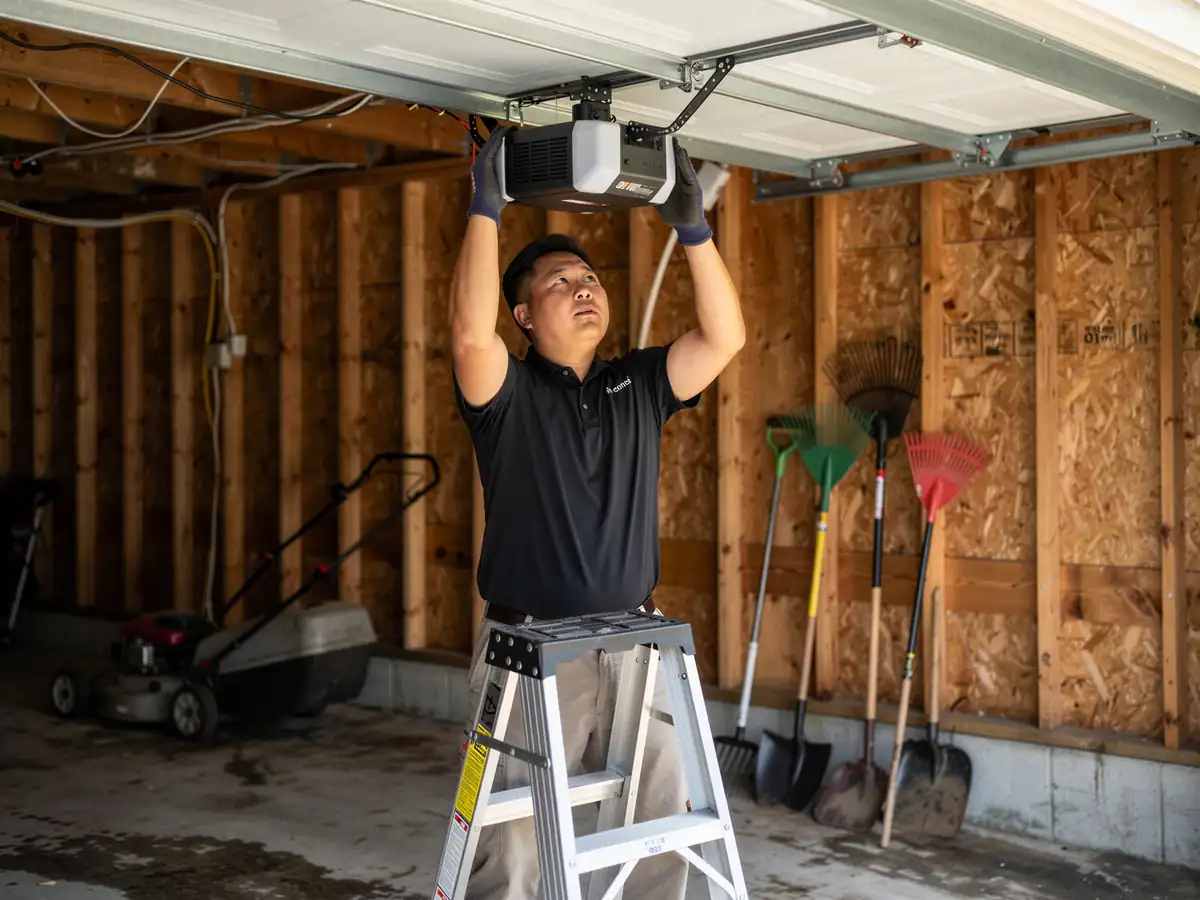
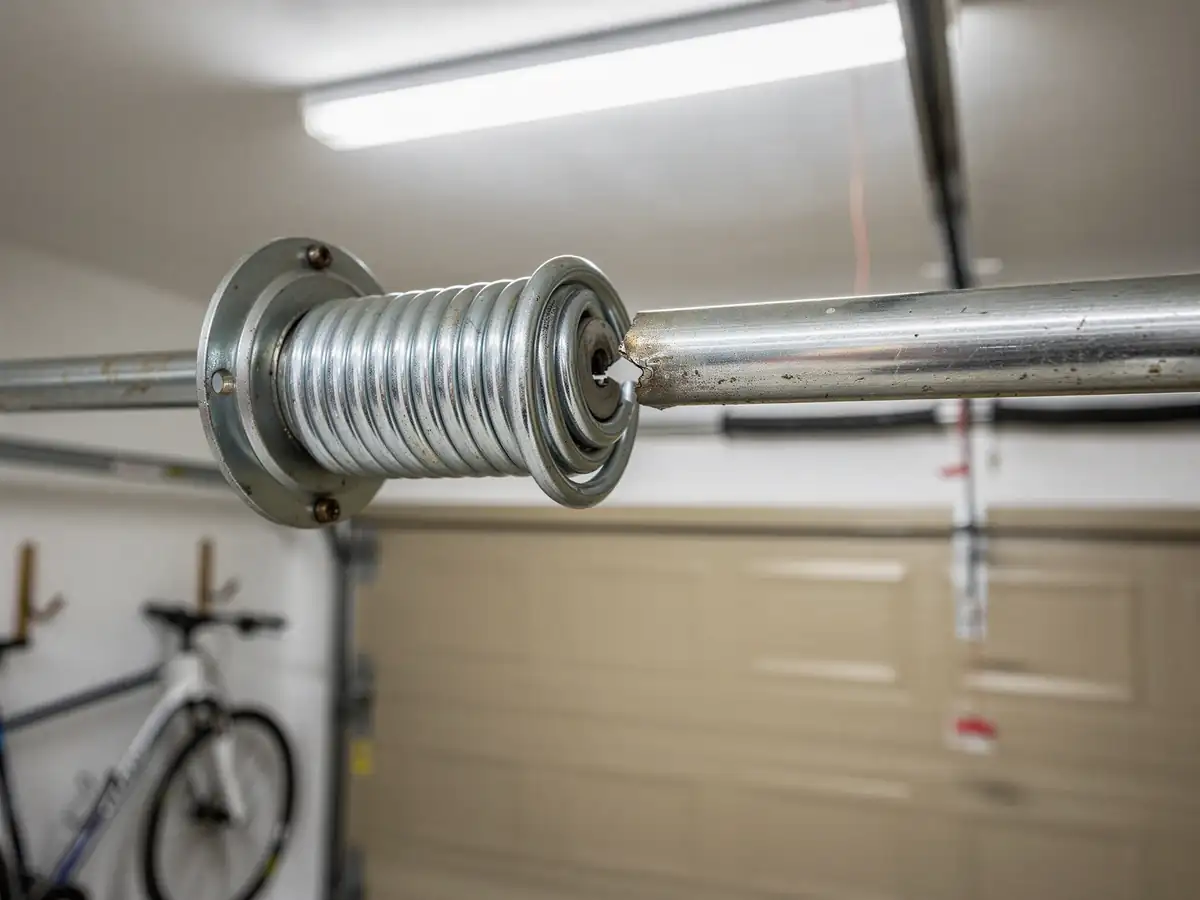
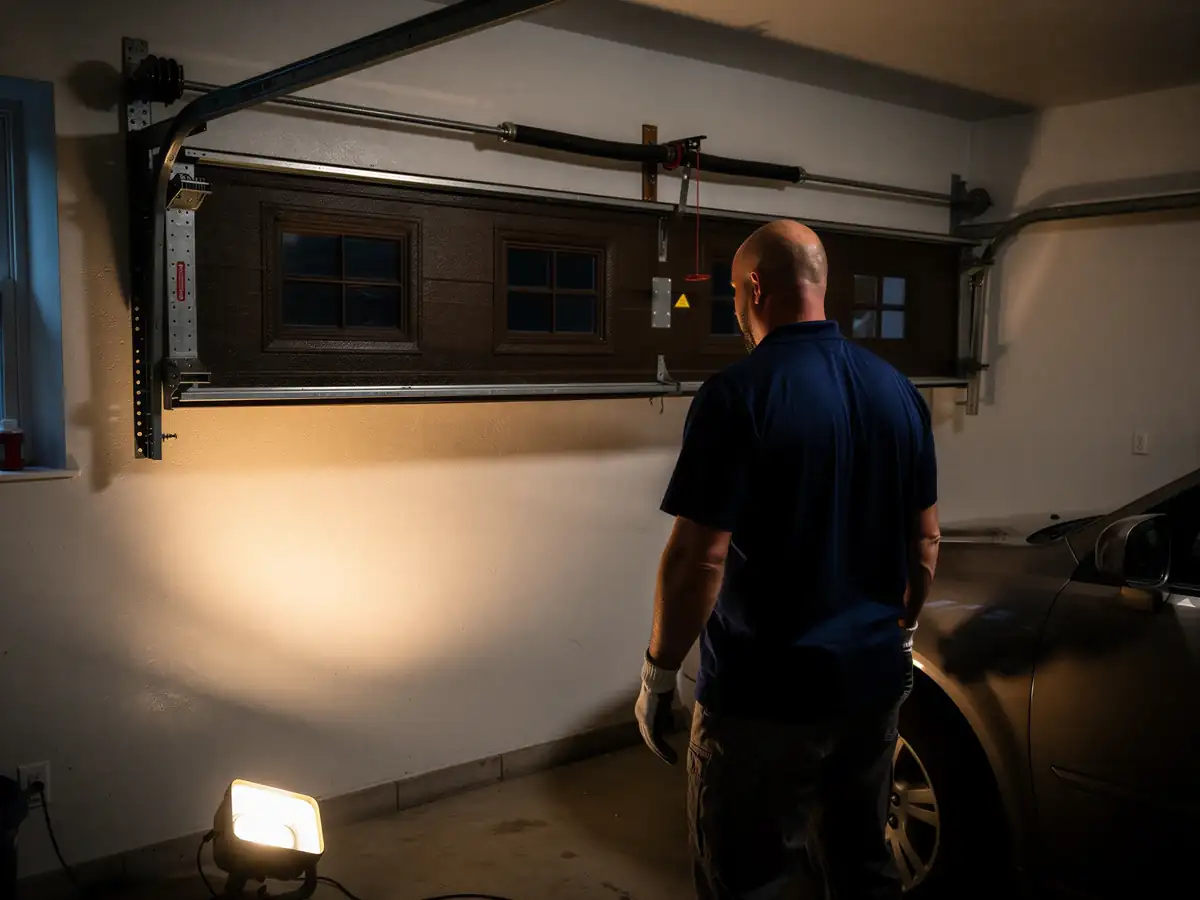
Call before a spring breaks, not after - a torsion spring on a door this age has usually outlived its coil life even if it hasn't snapped yet, and replacing it while the rest of the hardware is sound is cheaper than an emergency visit. We'll be straight with you: if the bottom panel is rusted through or the track has pulled away from the jamb, we're going to recommend replacement over repair, because patching that kind of damage doesn't hold for long in this climate. One limitation worth knowing up front - we don't stock every original panel style from the 1970s and 80s, so matching an existing door exactly sometimes means a longer lead time than a straight swap. For a look at what we do and don't handle, see our site at /.