Old Streets and New Ones
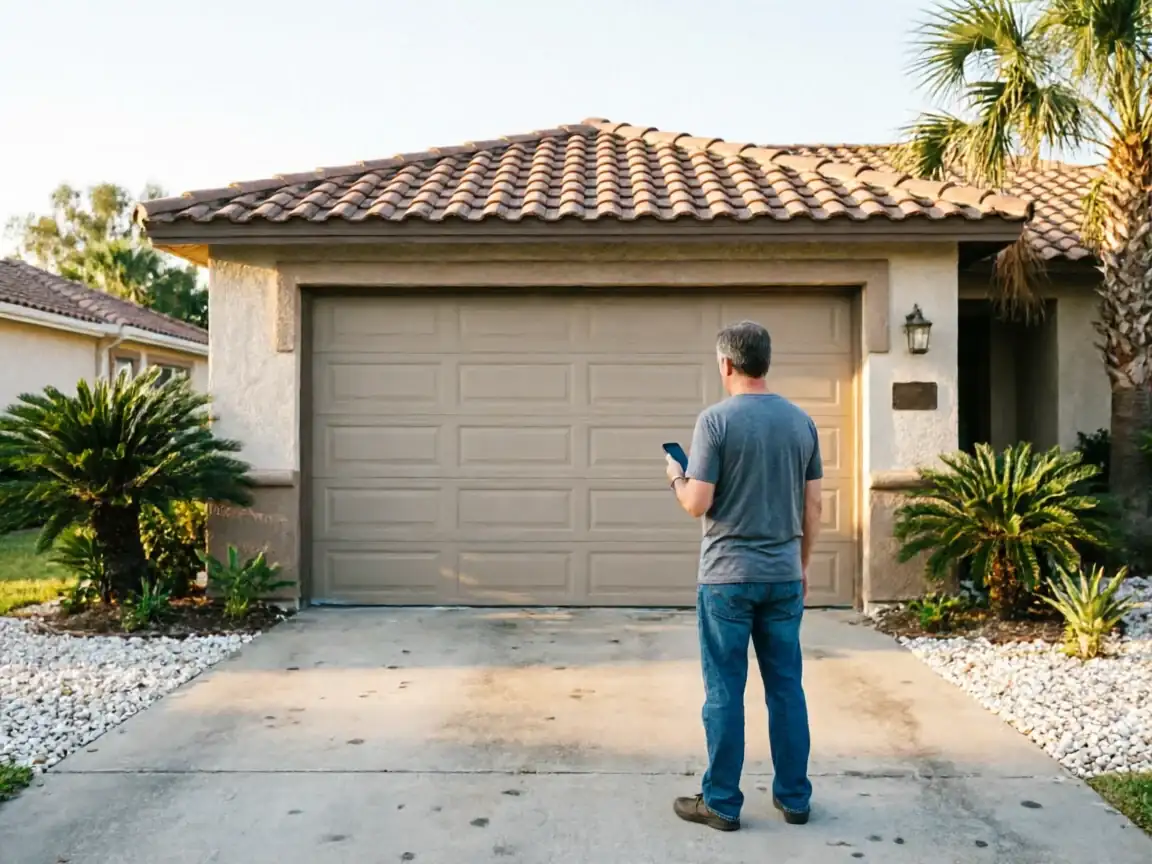
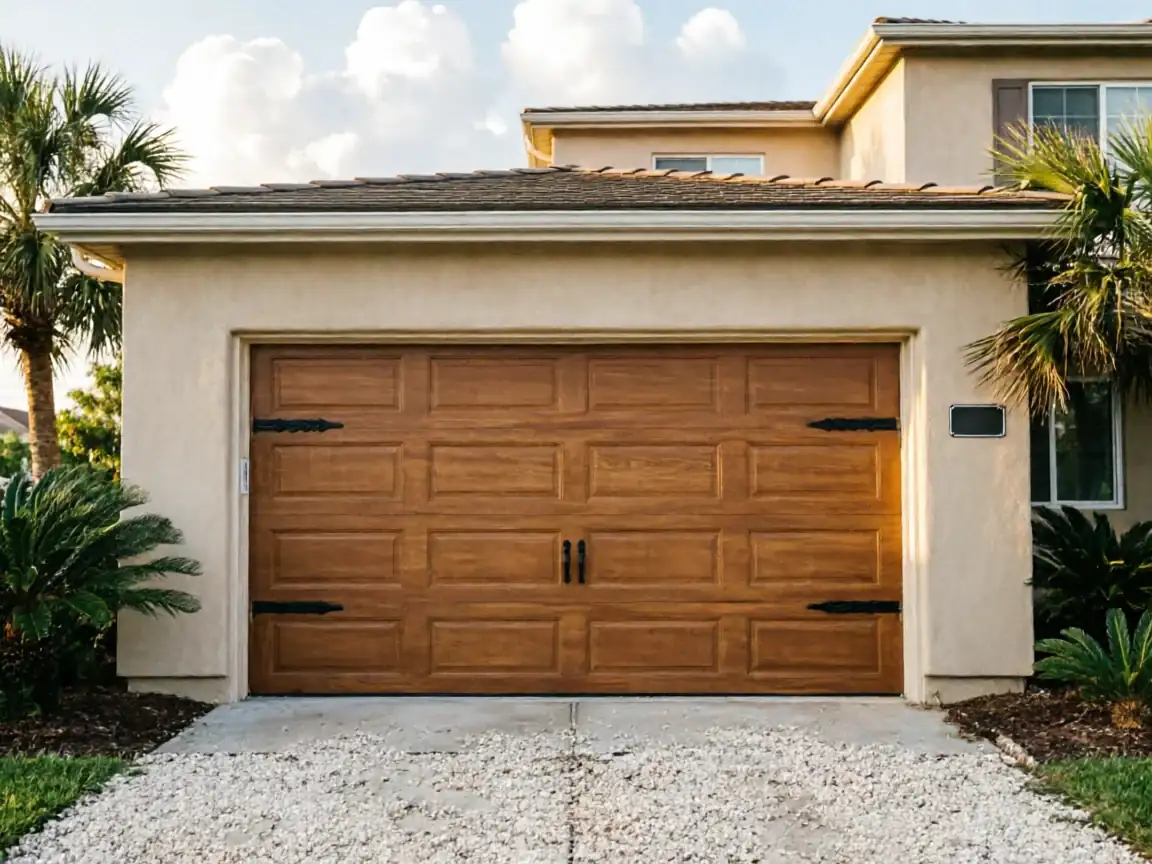
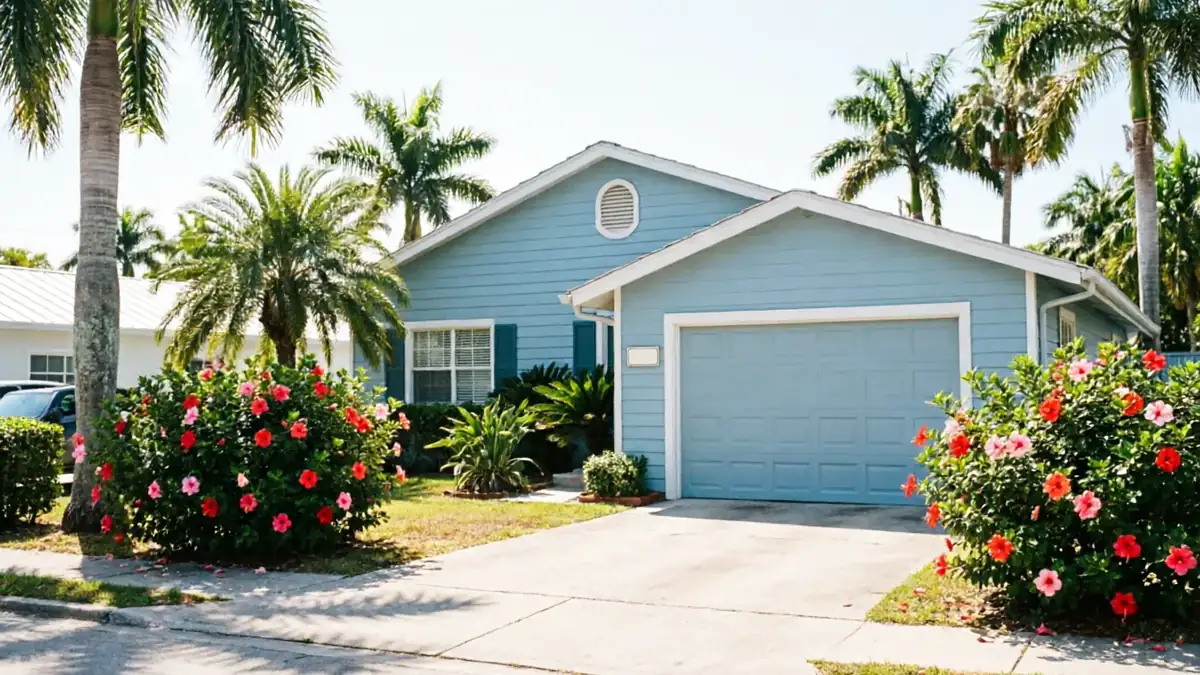
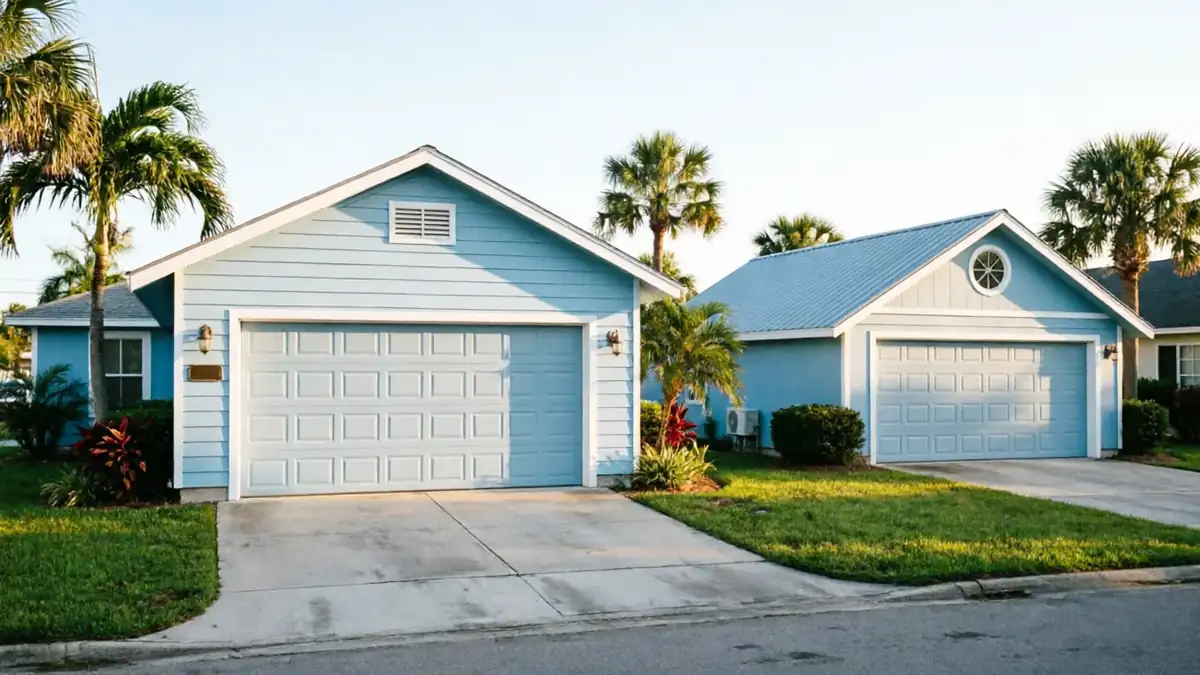
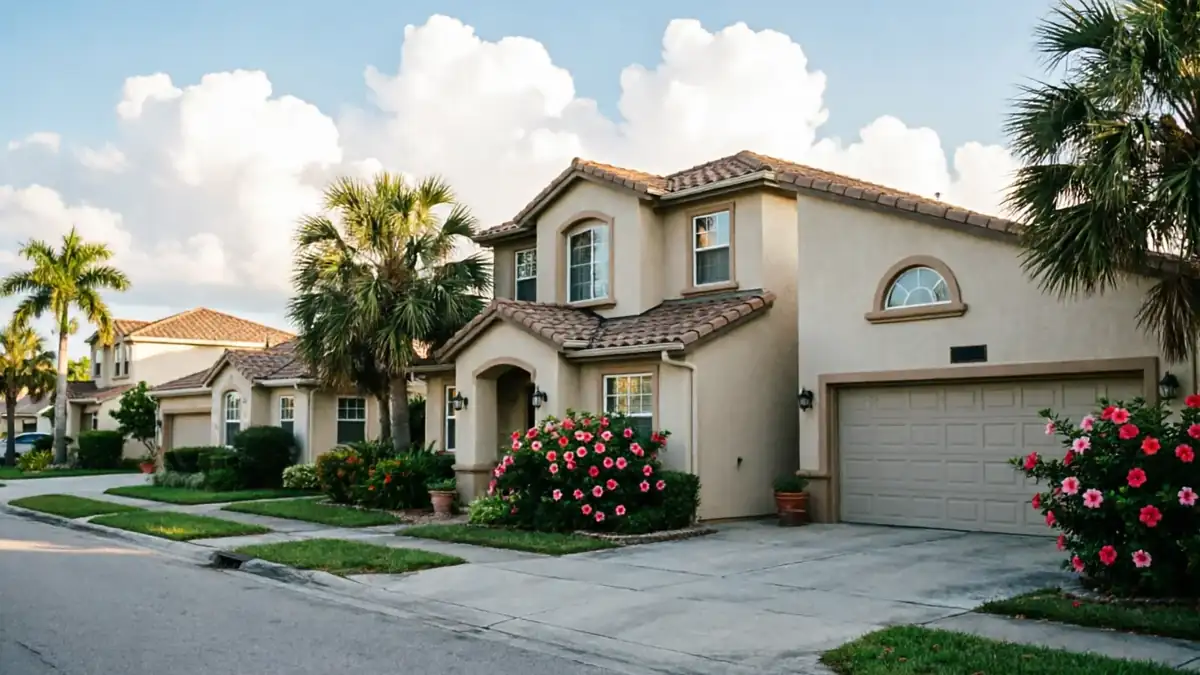
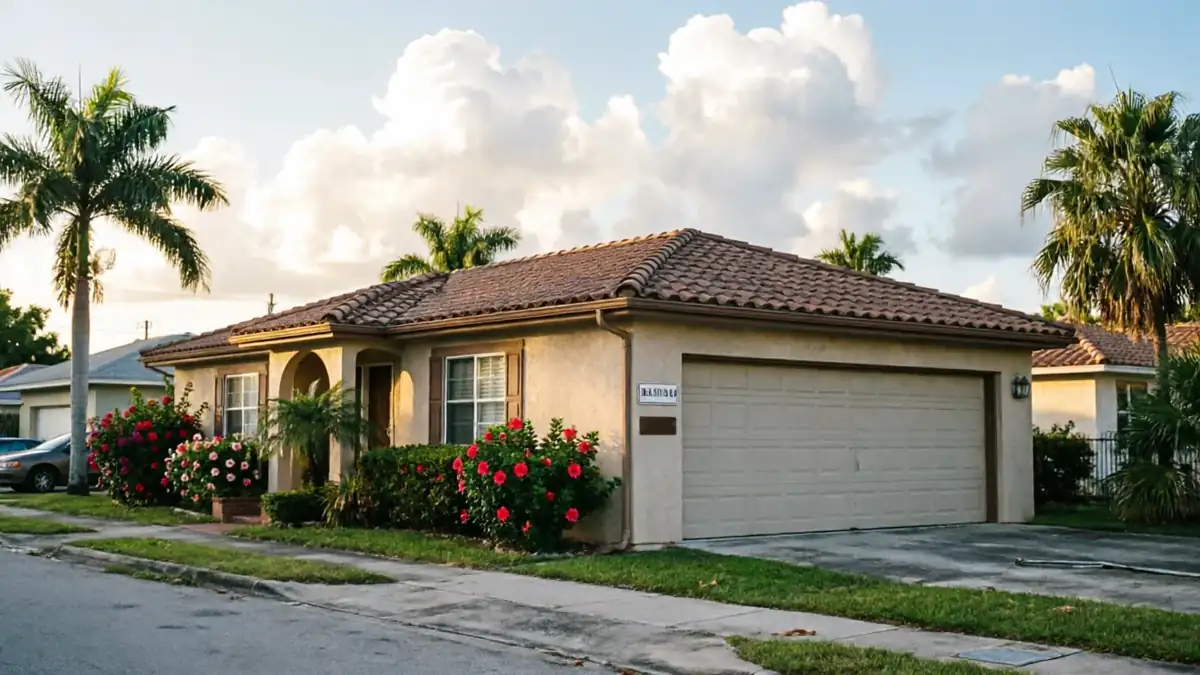
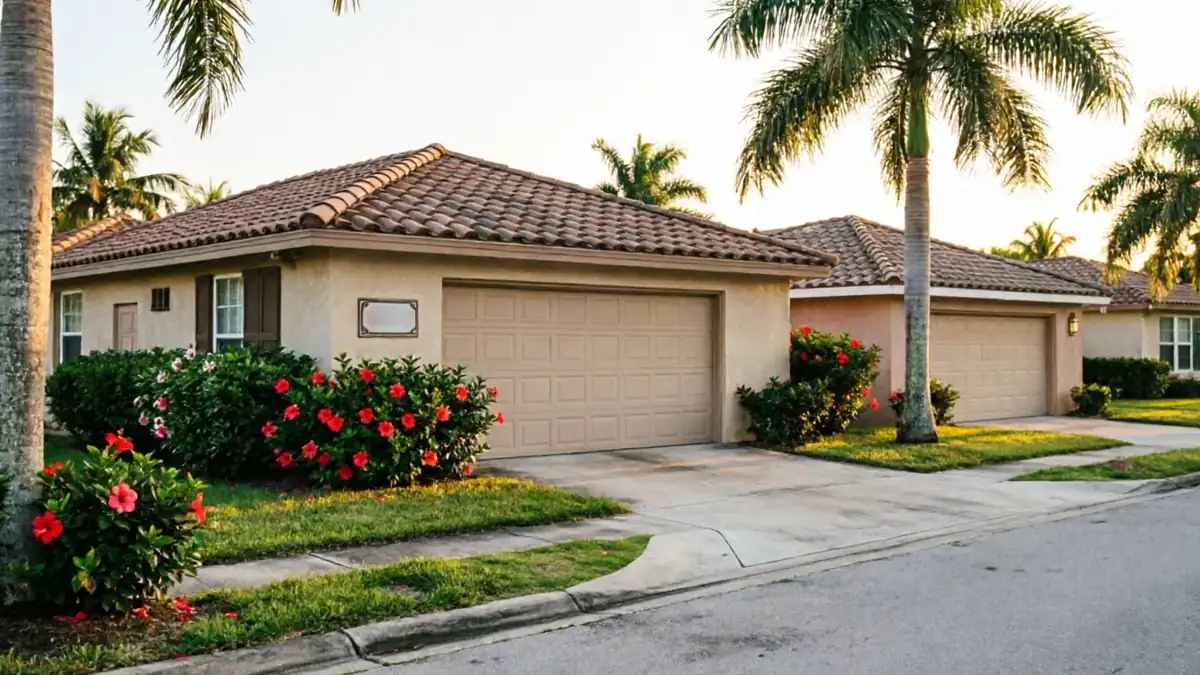
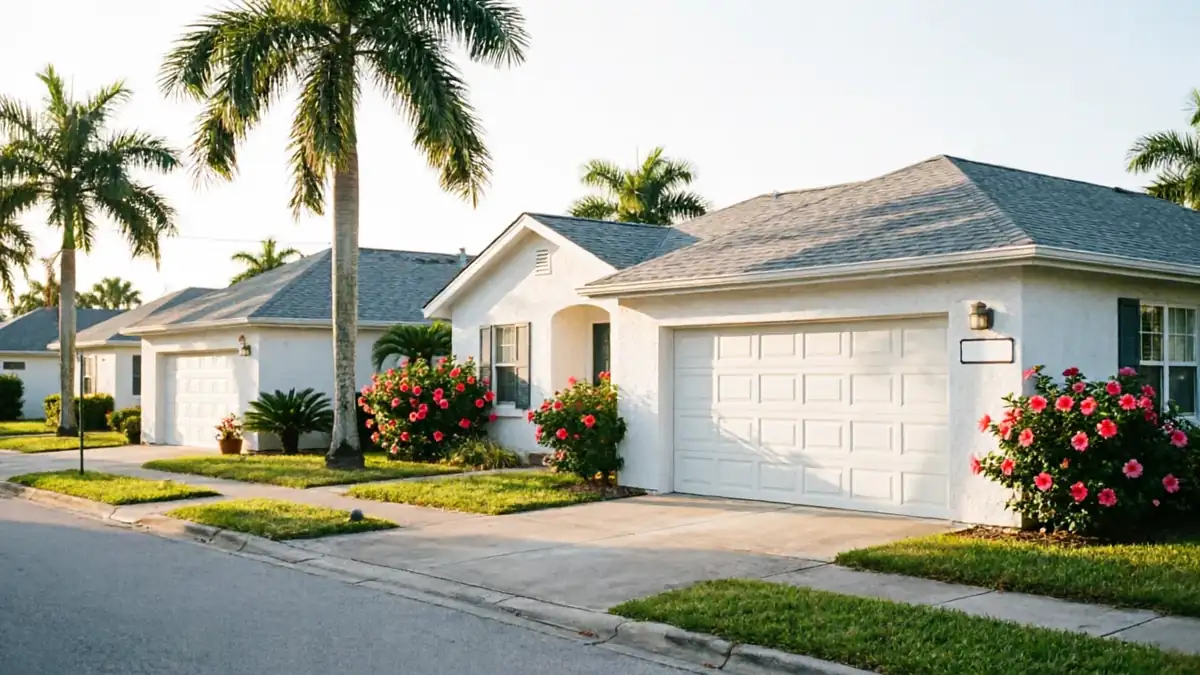
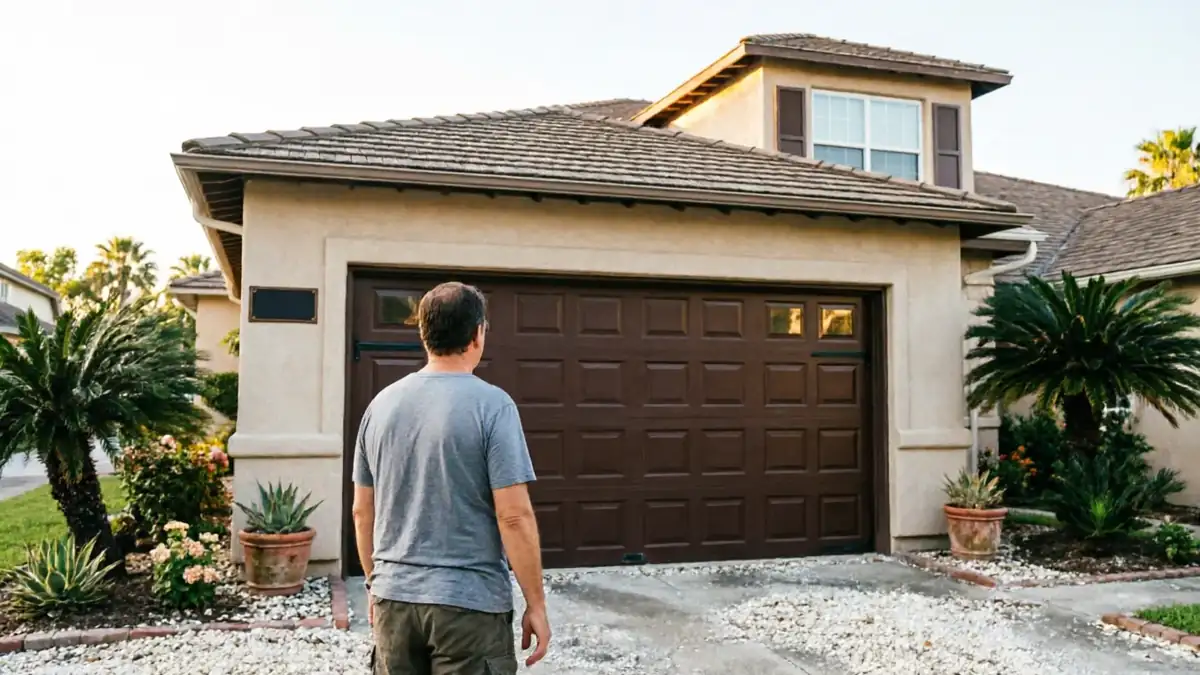
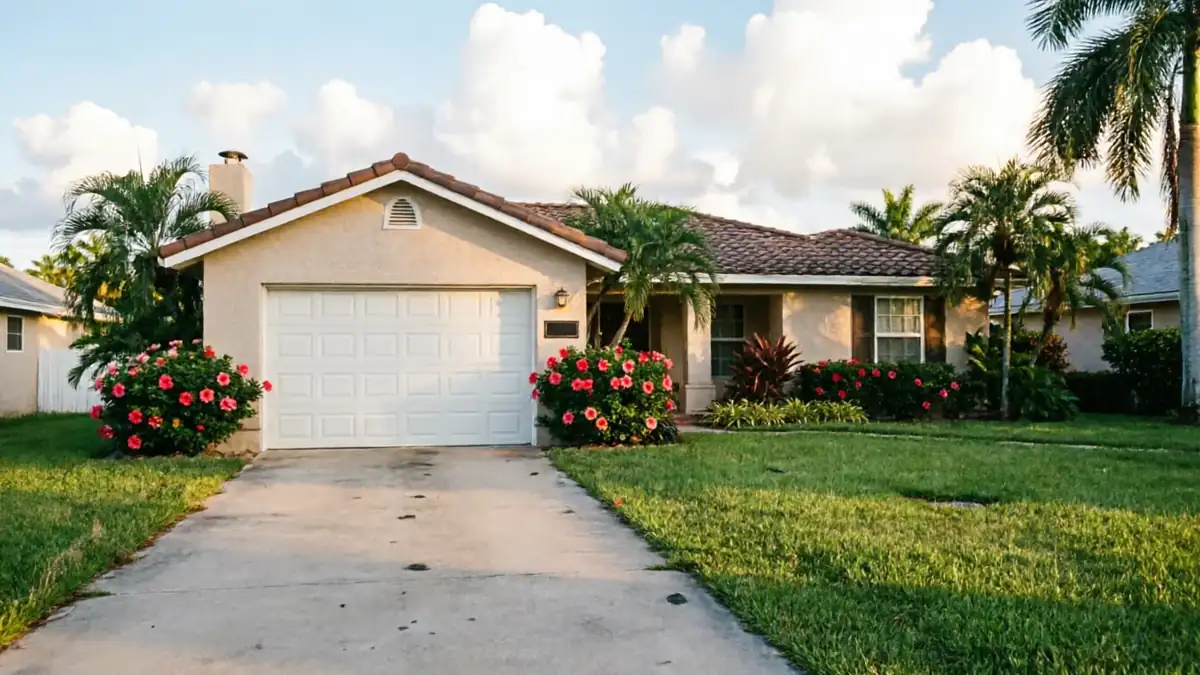
Samsula-Spruce Creek sits about 10 miles from Daytona Beach, and it reads differently from the denser parts of the service area. It's a smaller pocket - roughly 2,128 households, a fraction of the 54,644 spread across the full coverage area - with more room between houses and more tree cover along the lots. You see older county-road frontage next to newer cul-de-sac construction, which means the garage doors on one street don't always match the doors two streets over. Median household income here runs to $90,575, well above the broader area's $69,150 median, and that shows up in the kind of upgrades owners have already made - insulated steel panels, quieter belt-drive openers - next to original builder-grade doors that have never been touched. We don't have a depot or a crew stationed out here; every job is a drive from Daytona Beach, and we plan the route accordingly rather than promising a presence we don't have. What we can speak to is what's actually on these driveways, because the build dates and income numbers tell a consistent story about what kind of door problem shows up and when.
What Was Built Here
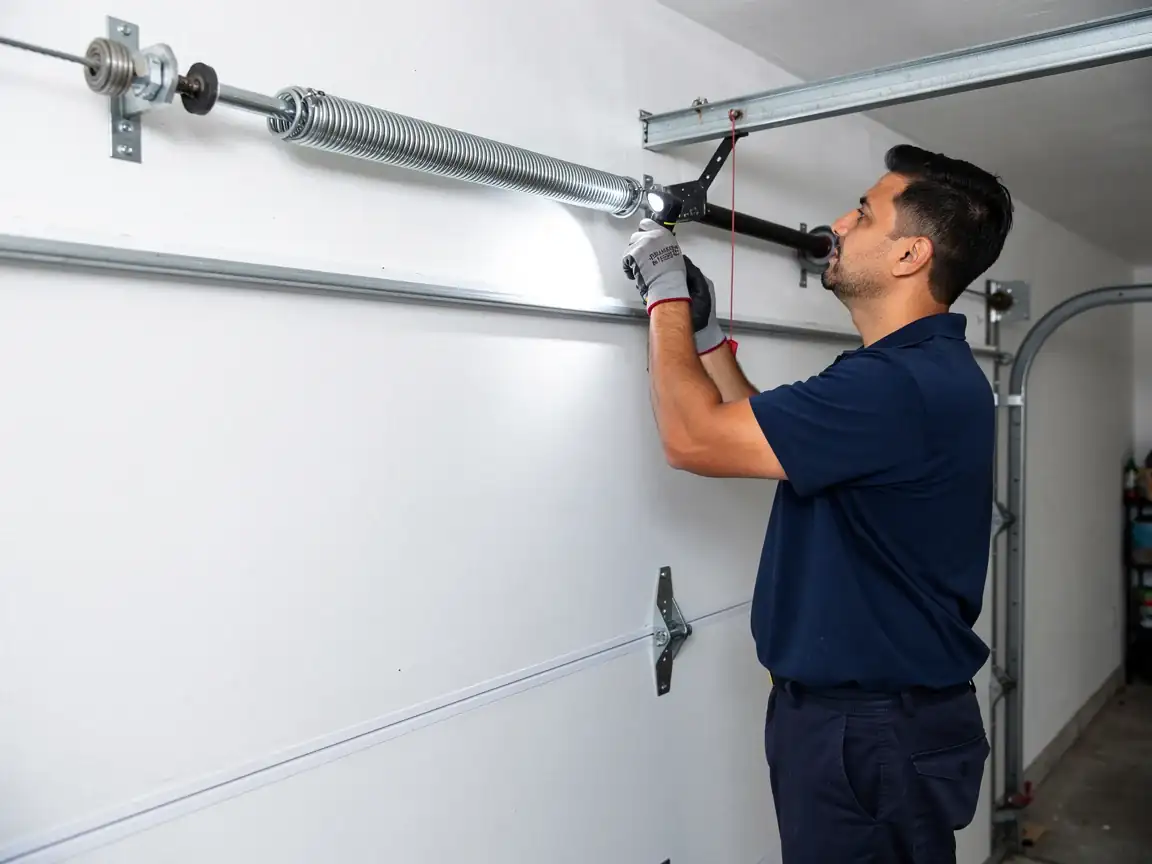
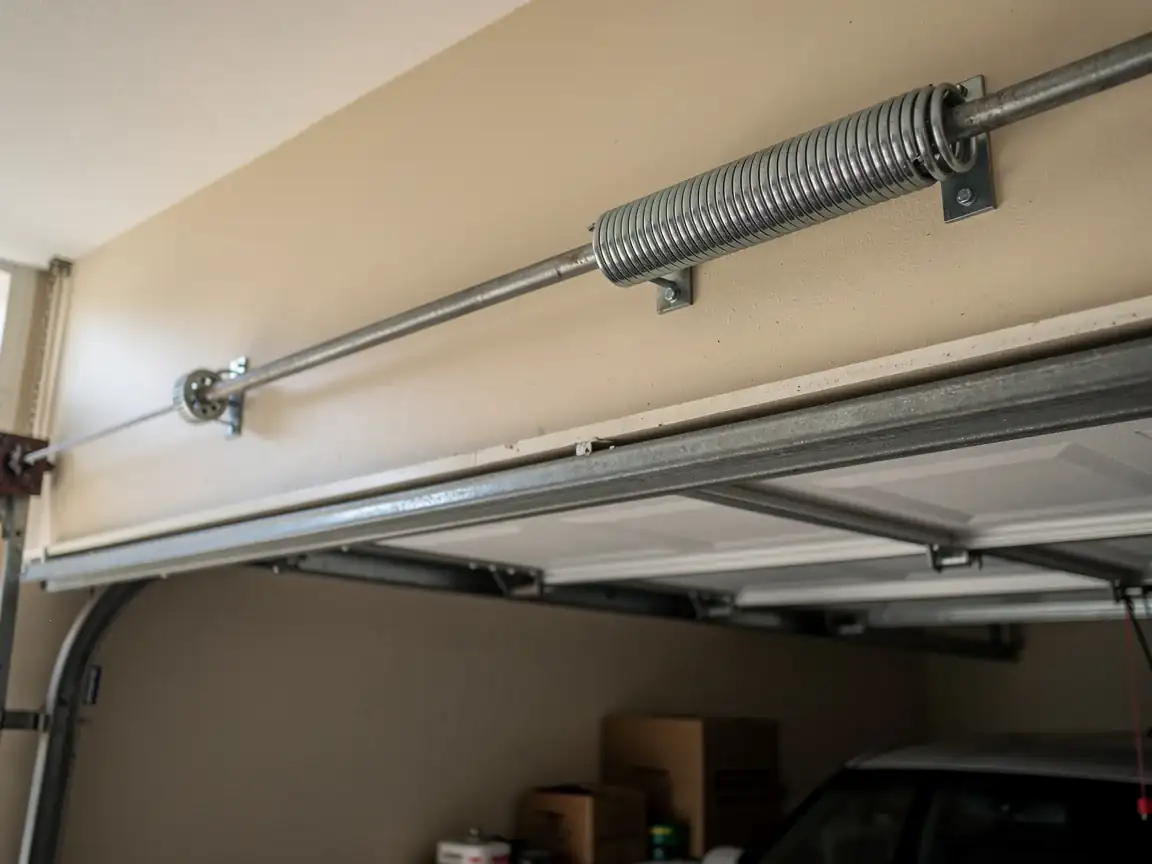
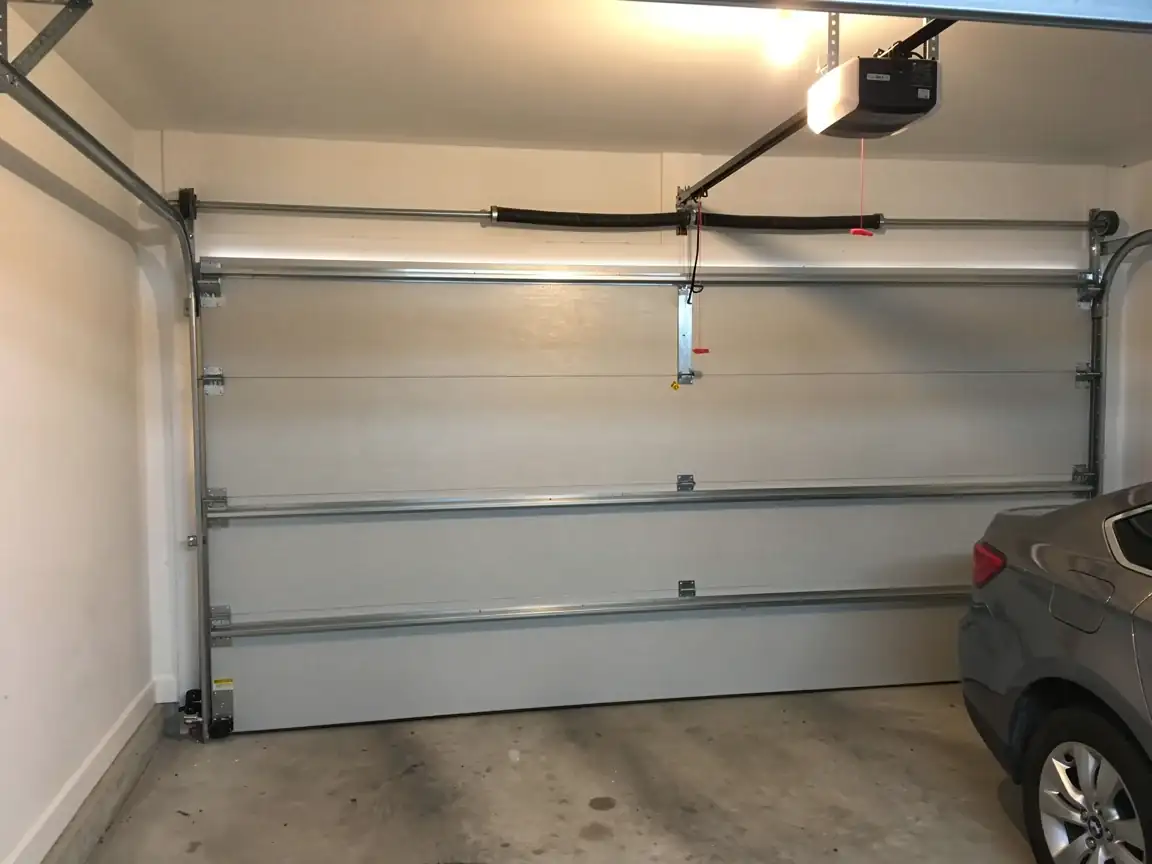
The median year built in Samsula-Spruce Creek is 1988, a couple years past the 1986 median for the service area as a whole, and it still sits inside the broader 1972-1993 window that covers most of the housing stock here. That two-year gap matters less than the era itself: a late-80s door is old enough that its original torsion spring has likely been replaced at least once, and its opener - if it's still the first one - is almost certainly a chain-drive unit without a battery backup or rolling-code keypad. Steel panels from this period tend to be heavier gauge than what builders use now, which is good for wind resistance but hard on a worn spring that's still sized for the door's original weight. Houses built in this stretch also tend to have single torsion bars rather than the dual-spring setups common on wider doors built later. If your house went up in the late 80s, the hardware under that door is old enough to be the actual cause of a noisy or slow-closing door, not just a symptom of something else.
What That Means for Doors
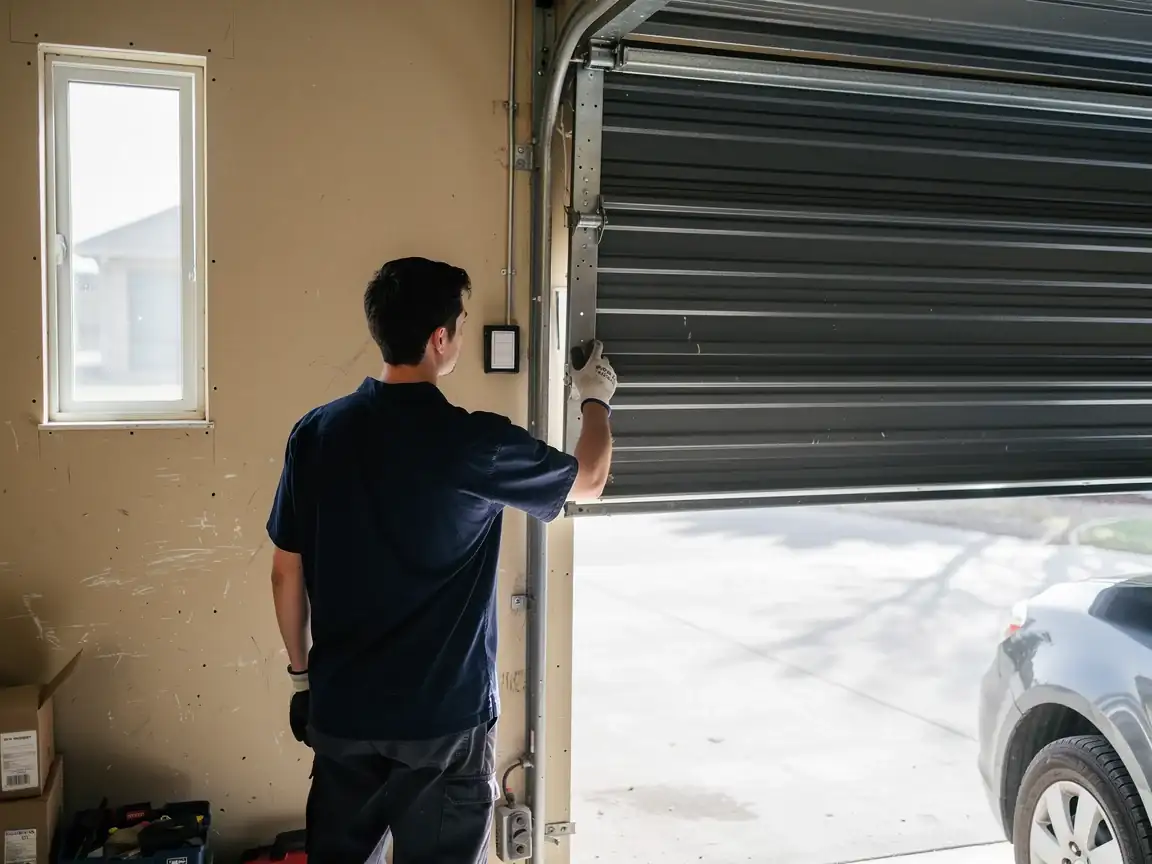
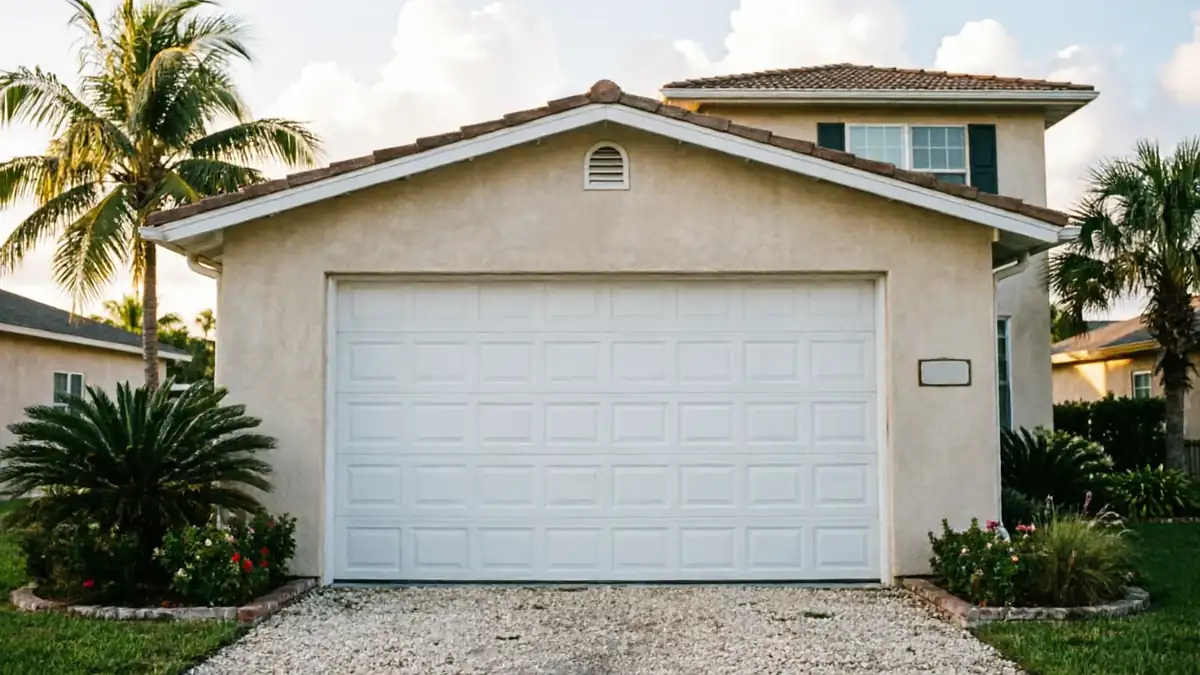
A door built around 1988 is old enough that the spring doing the lifting now may not be the one it shipped with, and if it is original, it's past the point where replacement is optional. On a double door from this era, that's usually a single torsion spring under real strain, and when it goes, it goes all at once. The mild temperate climate here doesn't put the same stress on hardware that freeze-thaw cycles do farther north, so rust and cable fraying from moisture are more common failure points than cracked panels from cold. Openers from the late 80s and early 90s are frequently chain-drive models with no battery backup, which means a power outage leaves the door stuck in whatever position it was in - worth knowing if you're relying on that door during a storm. One honest limit: parts for some of the original hardware from this build era aren't something we keep on the truck, and sourcing an exact match for an old bracket or a discontinued opener board can add a few days to the job. In most cases, replacing the part with a current equivalent is faster and holds up better than waiting on an obsolete original.