The Complications
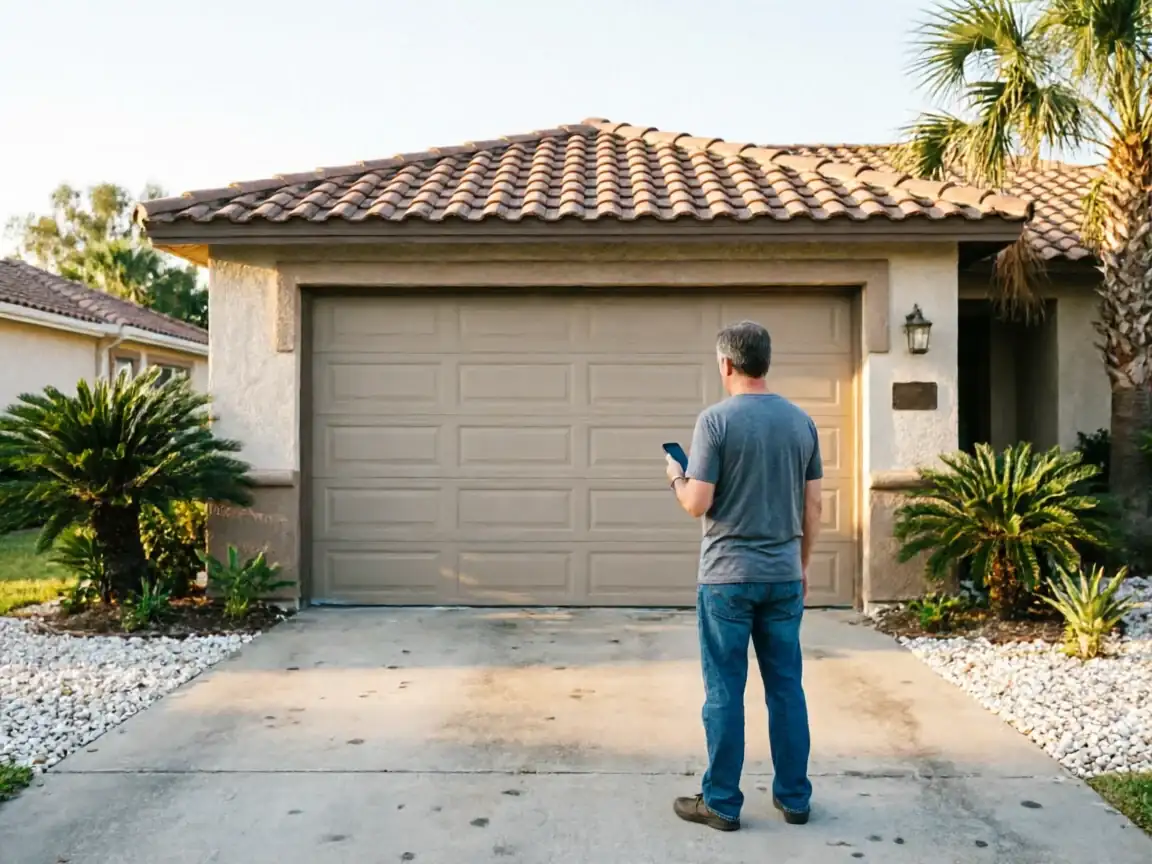
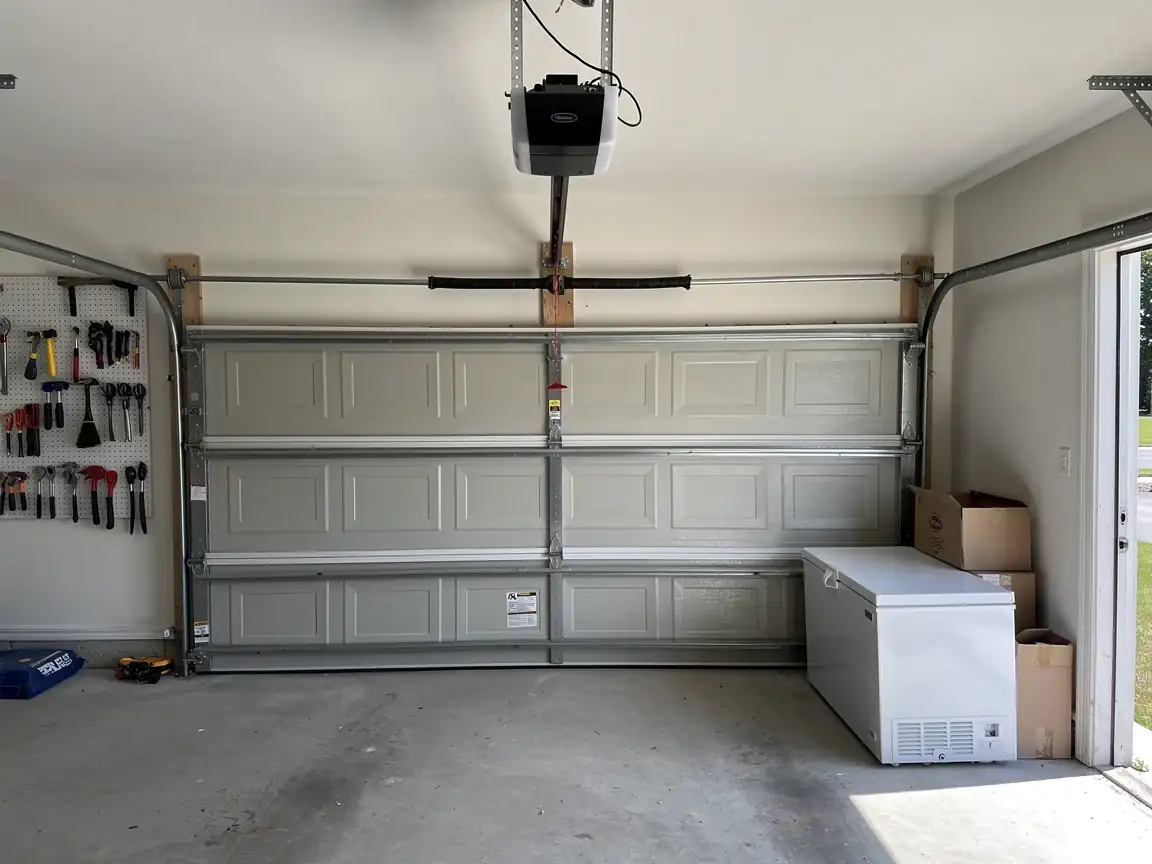
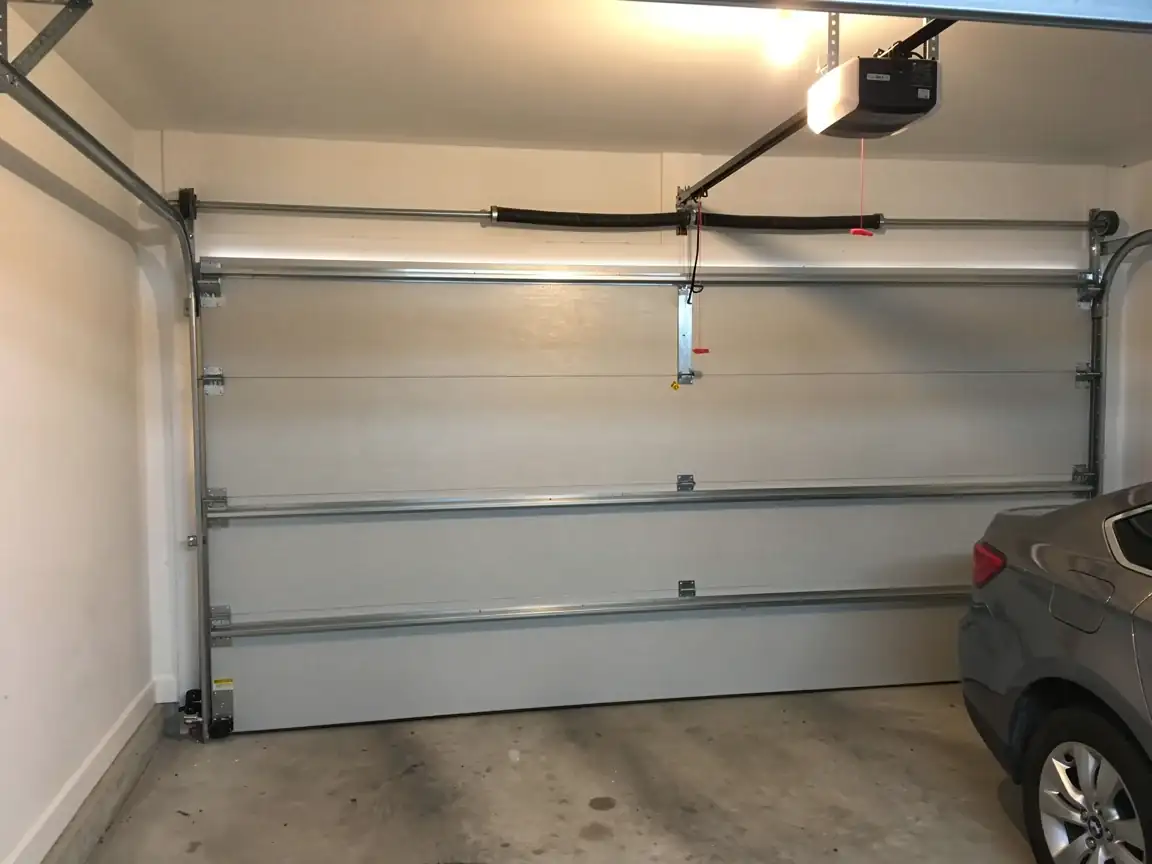
Most houses in Samsula-Spruce Creek went up around 1988, and in a lot of them, the garage door opener is whatever the builder put in. That means a chain-drive unit on steel rail, a wall button with no keypad, and remotes that run on fixed-code signal instead of anything rolling. The motor still turns the door most days, which is exactly the problem - it hides how worn the internal gear is until the day it strips under load and the door won't move at all.
On a 1988 build, the opener is usually original or a straight swap from the 1990s or early 2000s, not a modern unit. That means no battery backup, no photo-eye retrofit unless a prior owner added one, and a drive gear that's plastic and has been grinding against a metal worm gear for three decades. We also see mismatched horsepower - a half-horse unit straining to lift a heavier insulated door that replaced the original lightweight panel somewhere along the way.
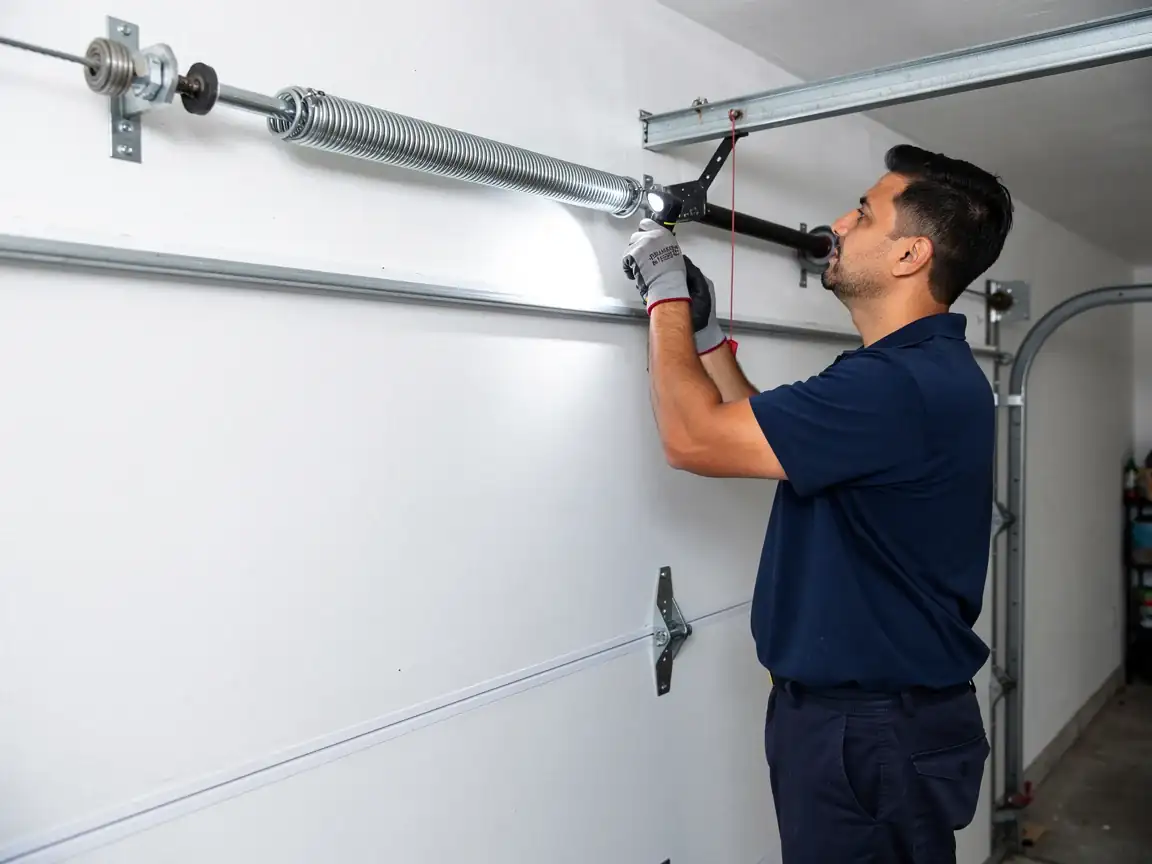
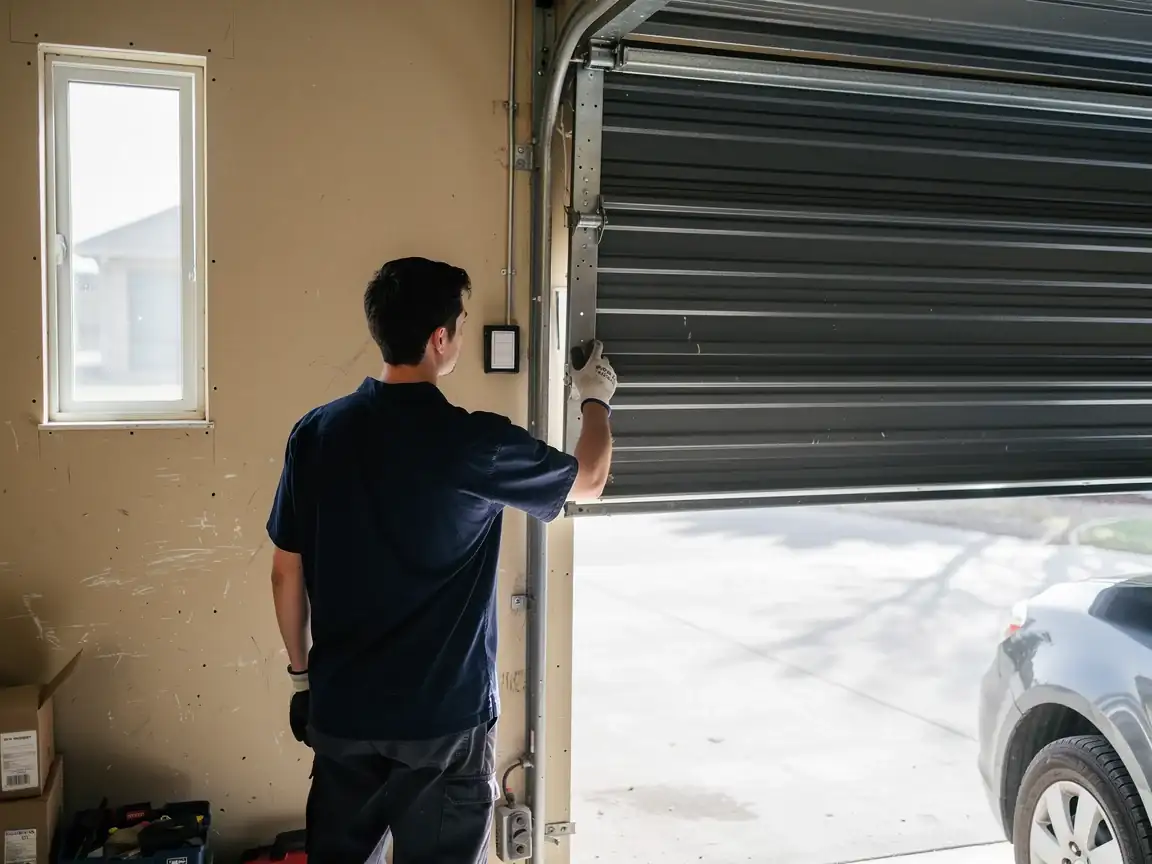
The fix isn't always 'install a new opener.' Sometimes the header bracket is still sound and the issue is a jackshaft conversion the homeowner wants for a tighter ceiling. Sometimes the rail is bent from someone yanking a stuck door by hand. We look at the whole assembly, not just the motor box.
Why This Fails Locally
The climate band here is mild temperate - no deep freezes, no extreme summer spikes relative to the rest of the state. That actually changes how these openers fail. We don't see boards cooked by heat swings the way you might further north; we see failure from straight age and from dust and humidity working into a housing that was never sealed for it. A 1988 opener has had close to forty years of that slow buildup with nobody opening the case.
With roughly 2,128 households in this area, the neighborhood skews toward one build era rather than a mixed bag of decades, so the failures cluster too - when one 1980s chain-drive unit in a given cul-de-sac fails, the one two doors down is usually not far behind it, same gear, same age, same wear pattern.
The other local detail worth knowing: a median household income of $90,575 here means we get asked more often for battery backup and smart-phone control add-ons than for the bare-minimum swap. That's a choice, not a requirement - the base unit does the job fine on its own.
The Cost of This Job
We don't have a flat number to hand you here
Because the job isn't the same from house to house. What drives the cost is the drive type you pick (chain, belt, or jackshaft), the horsepower needed for the door you actually have now versus the one the house was built with, and whether you want battery backup given that outages do happen even in a mild climate.
Houses from the 1988 era tend to need one extra step most newer builds skip
Checking whether the header above the door can still take the mounting bracket load without reinforcing it first, since thirty-six years of humidity can soften wood framing that was never treated for it. That's not a cost adder we can quote blind - it depends on what we find when the old unit comes down.
We'll tell you on site
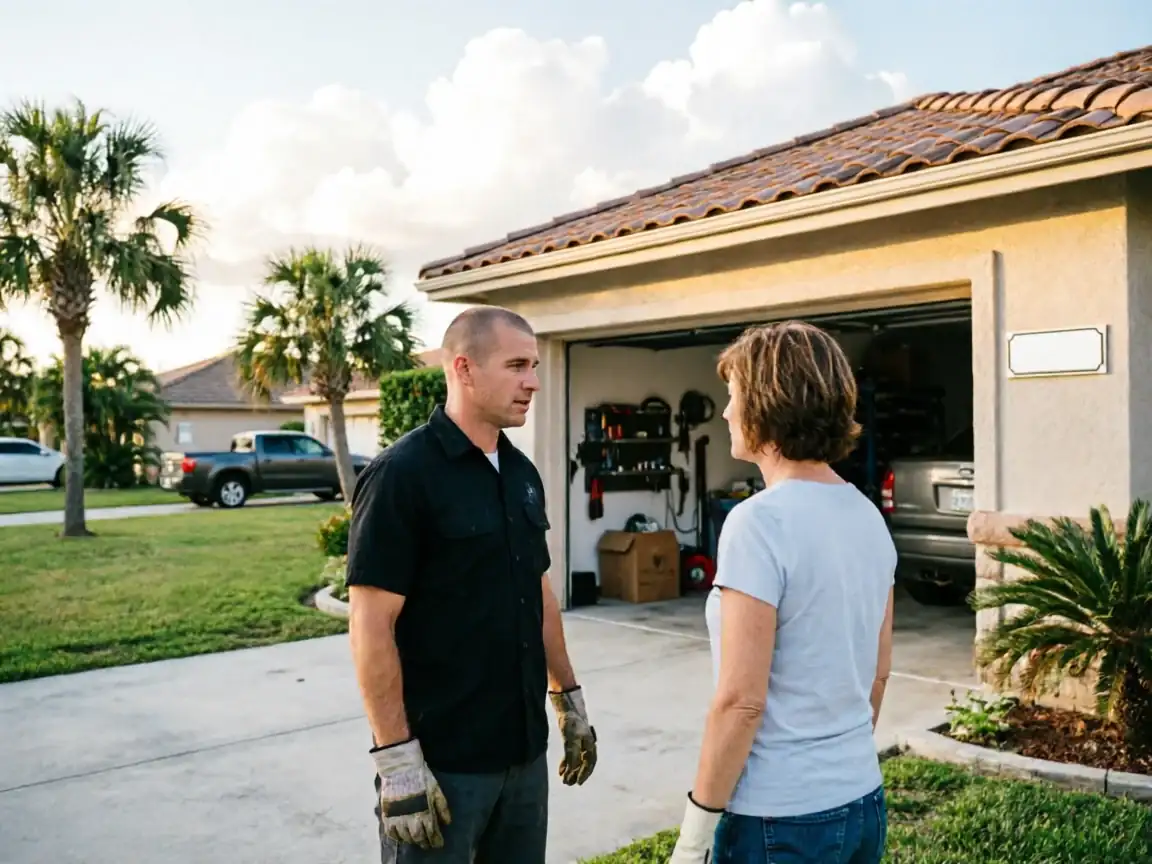
Before anything is bolted up, what the unit costs and what any extra bracket or wiring work adds. No guessing over the phone for a job where the ceiling height and header condition matter this much.
Booking a Visit
Daytona Beach Garage Door Pros covers Samsula-Spruce Creek from our Daytona Beach base, about 10 miles out. There's no local branch here, so we schedule the trip as part of the route rather than drop by on a whim - book ahead and we'll give you a window that works.
If you're not sure yet whether you need a full opener swap or just a repair to the one you have, our Samsula-Spruce Creek garage doors page covers the broader picture for this area. If you're comparing opener options and want to see what we install across the wider service territory, the Daytona Beach opener installation page has the full lineup.
Can You Do This Yourself
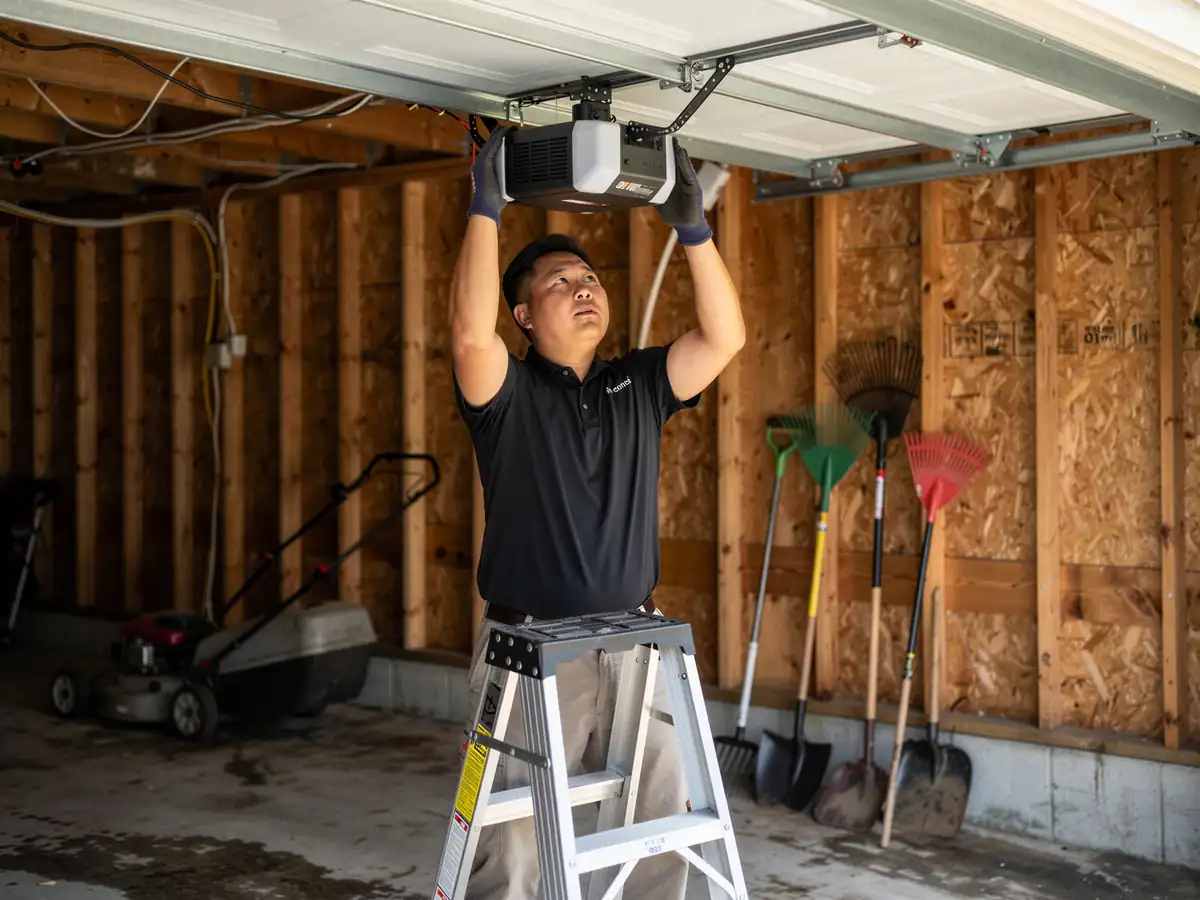
A straightforward opener swap - same mounting points, same rail length, comparable horsepower - is within reach for a homeowner who's comfortable on a ladder and patient with wiring a wall console. Plenty of people do it.
Where it gets risky on a house this age is the header bracket. If the wood behind that bracket has softened over thirty-plus years, the new opener will pull loose under load, and that's a door coming down, not just an inconvenience. If you take the old unit off and the header flexes or feels soft when you push on it, stop and call - that's not an opener problem anymore, it's a structural one, and it's not worth guessing on.
We won't talk you out of the DIY route for a clean swap. We will tell you plainly when what you're looking at is bigger than the opener itself.