The Complications
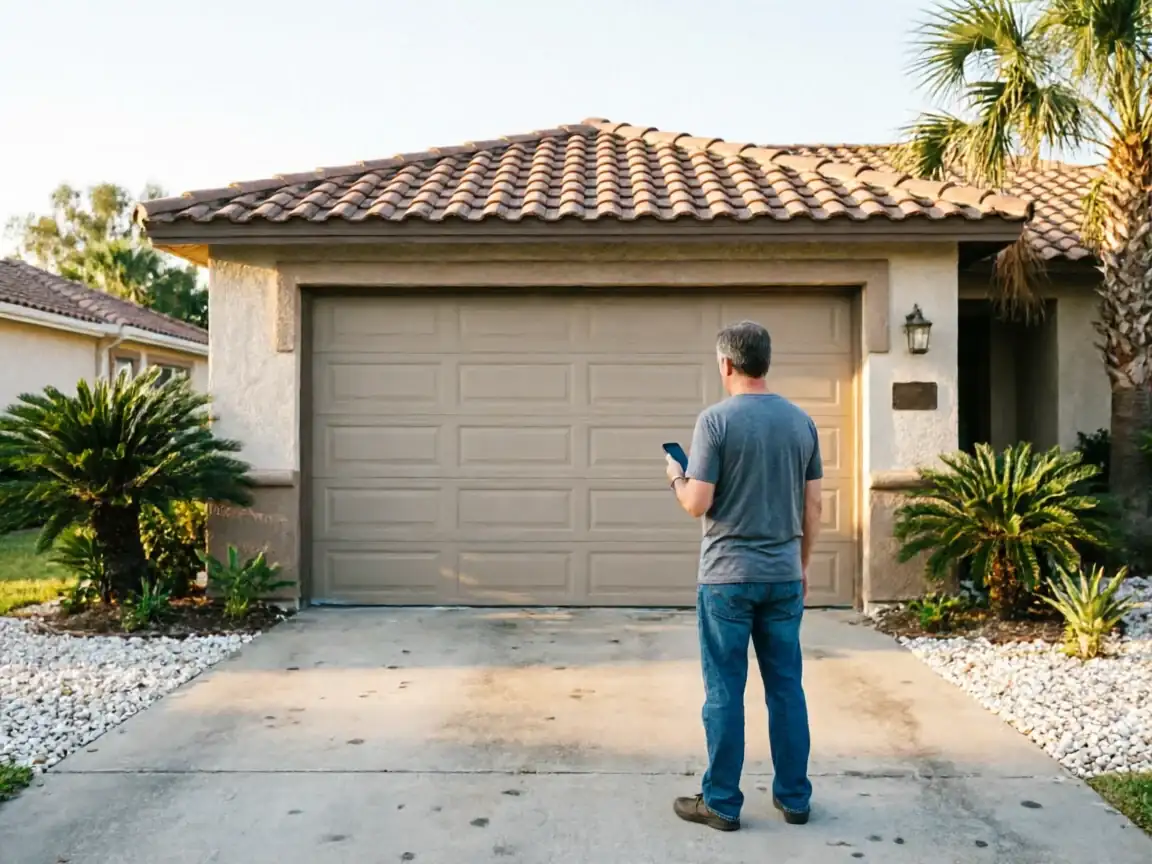
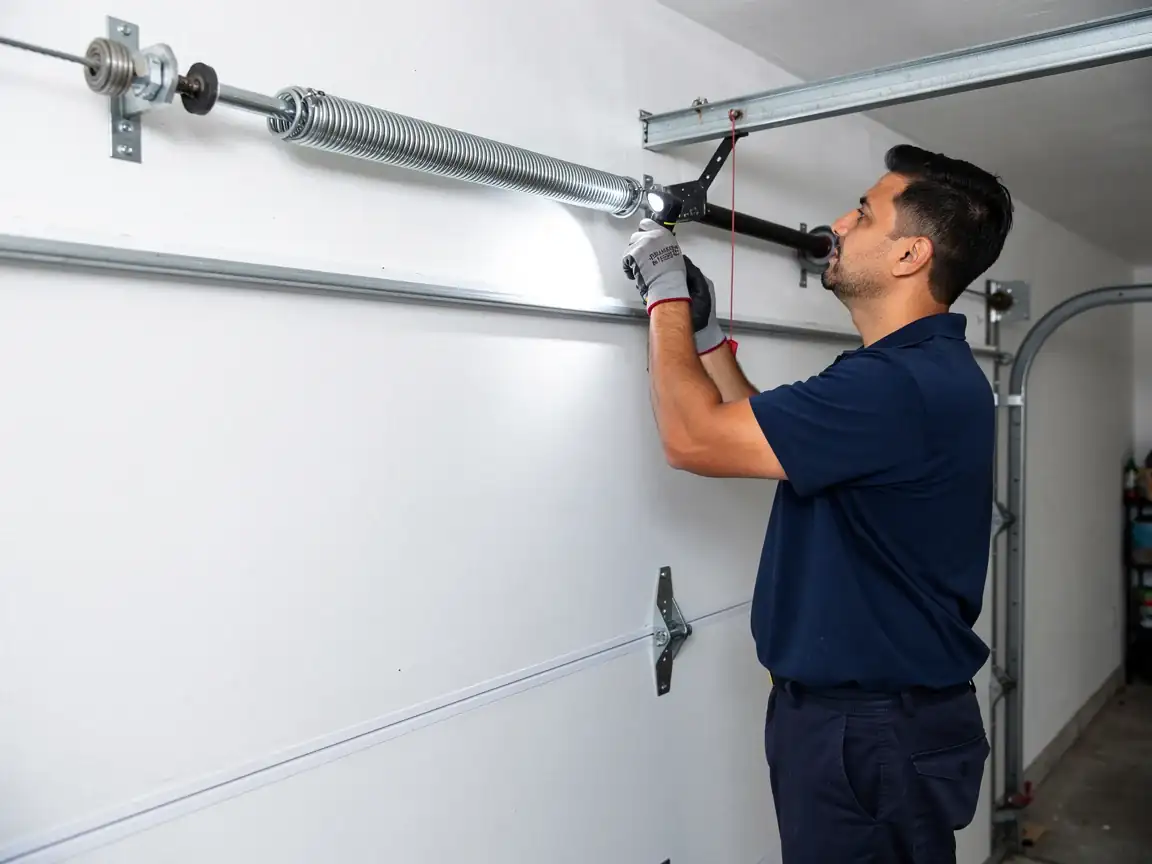
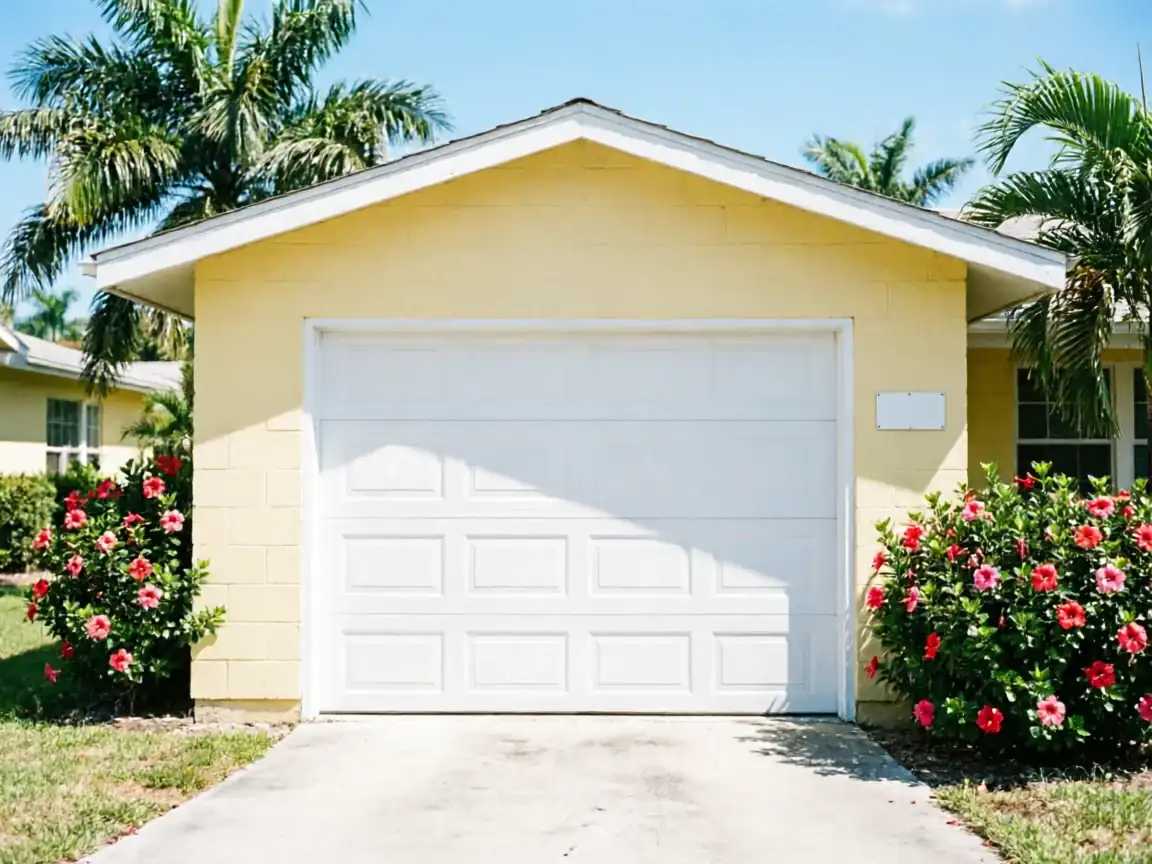
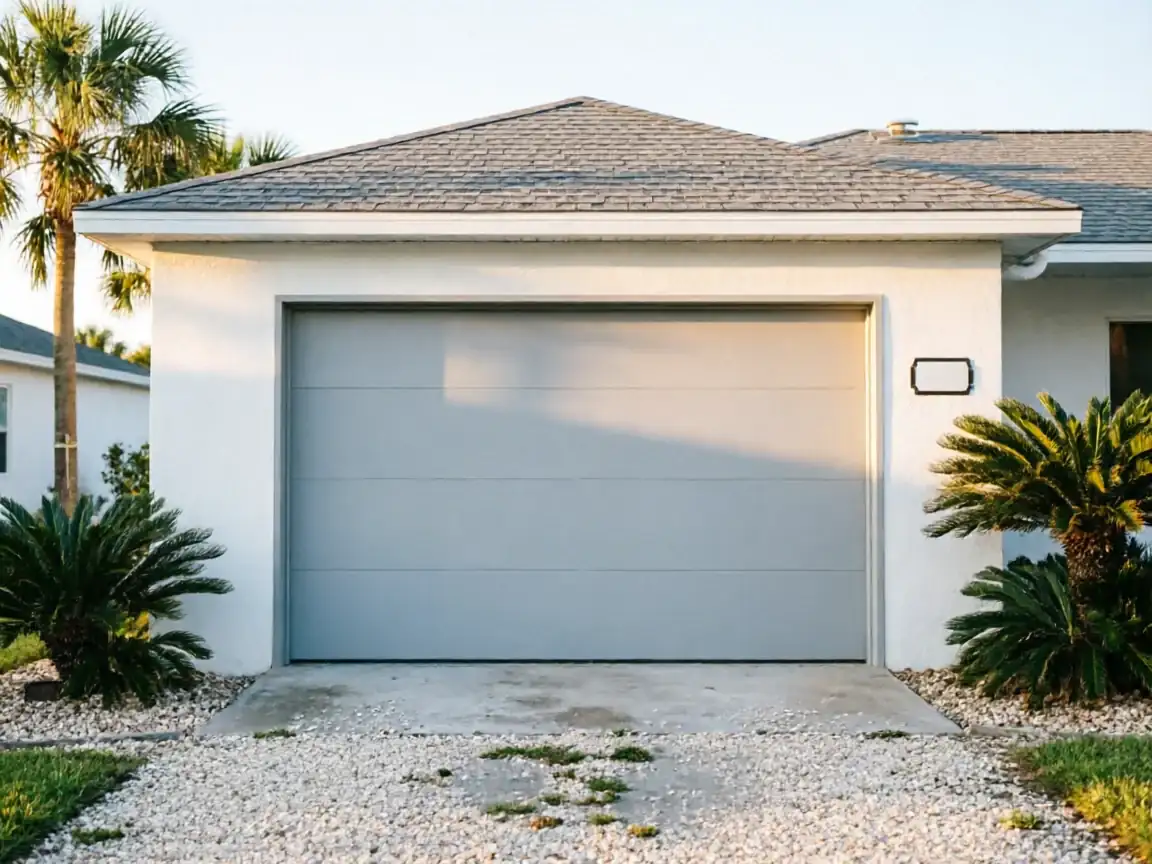
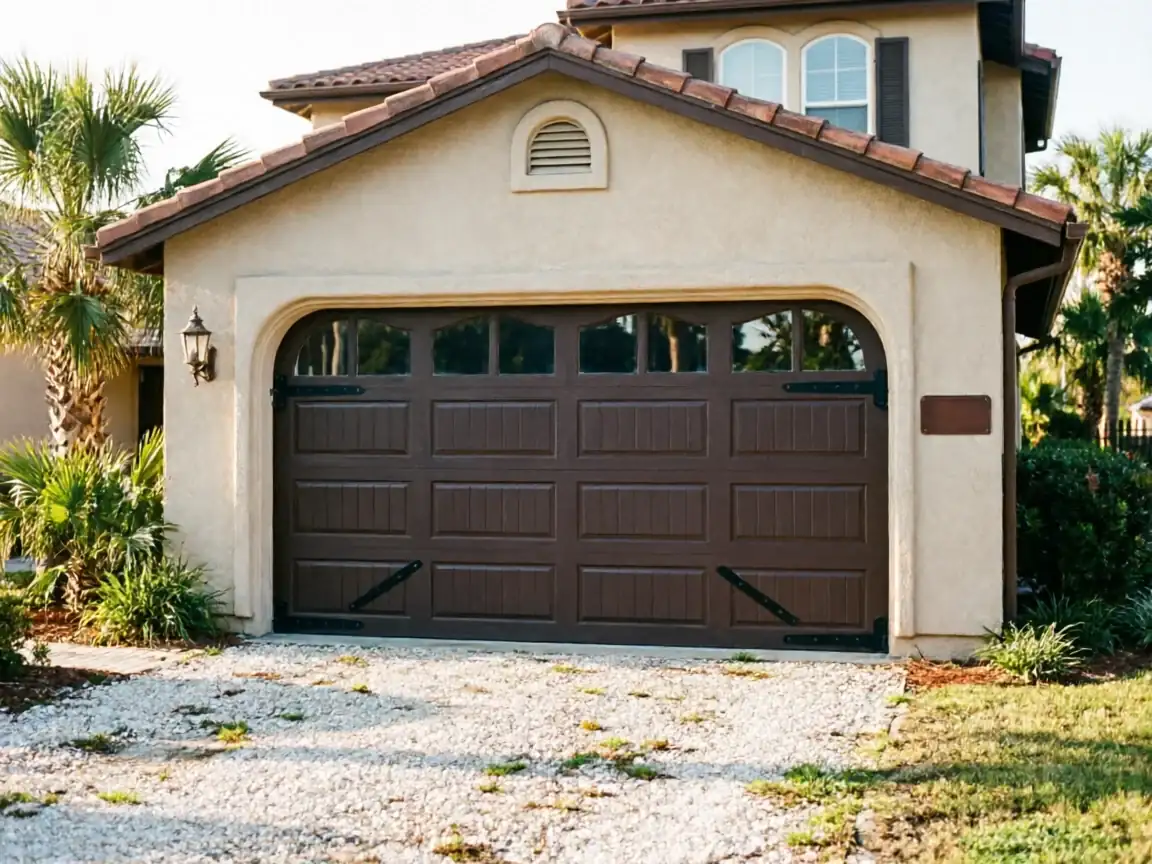
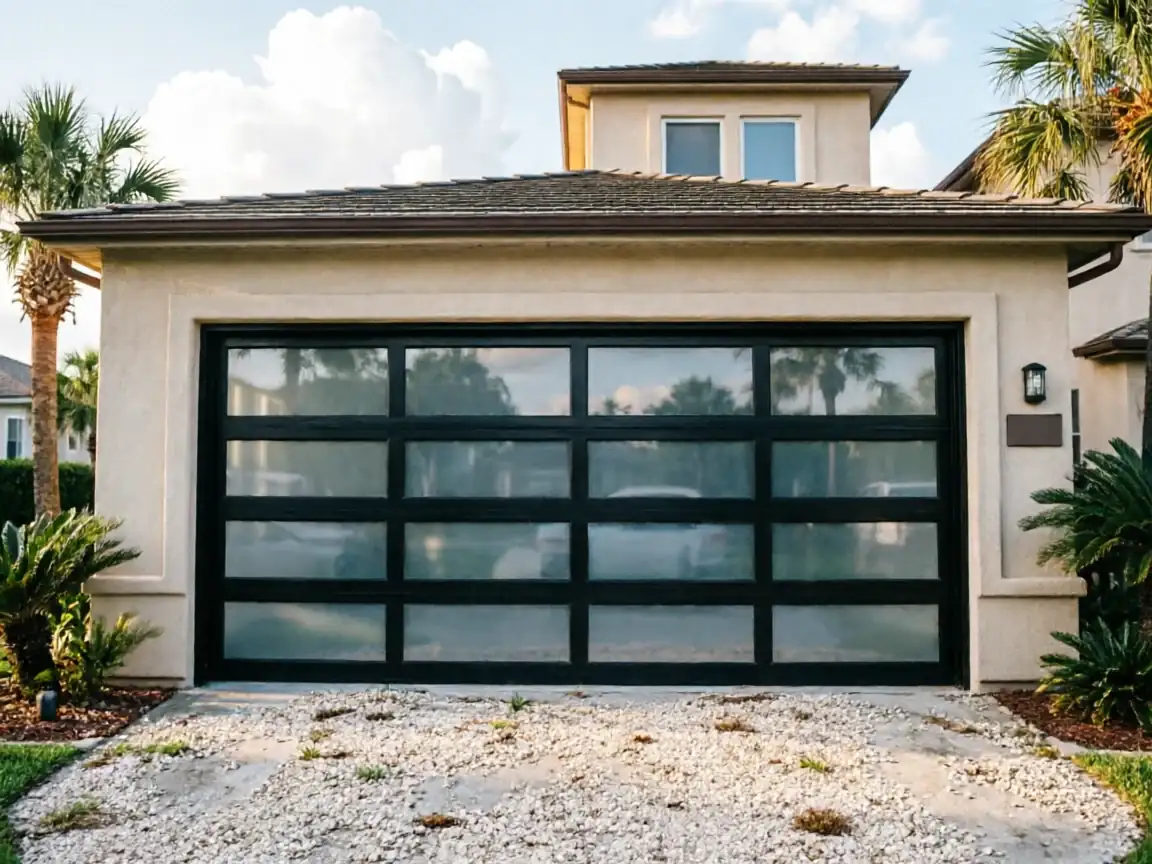
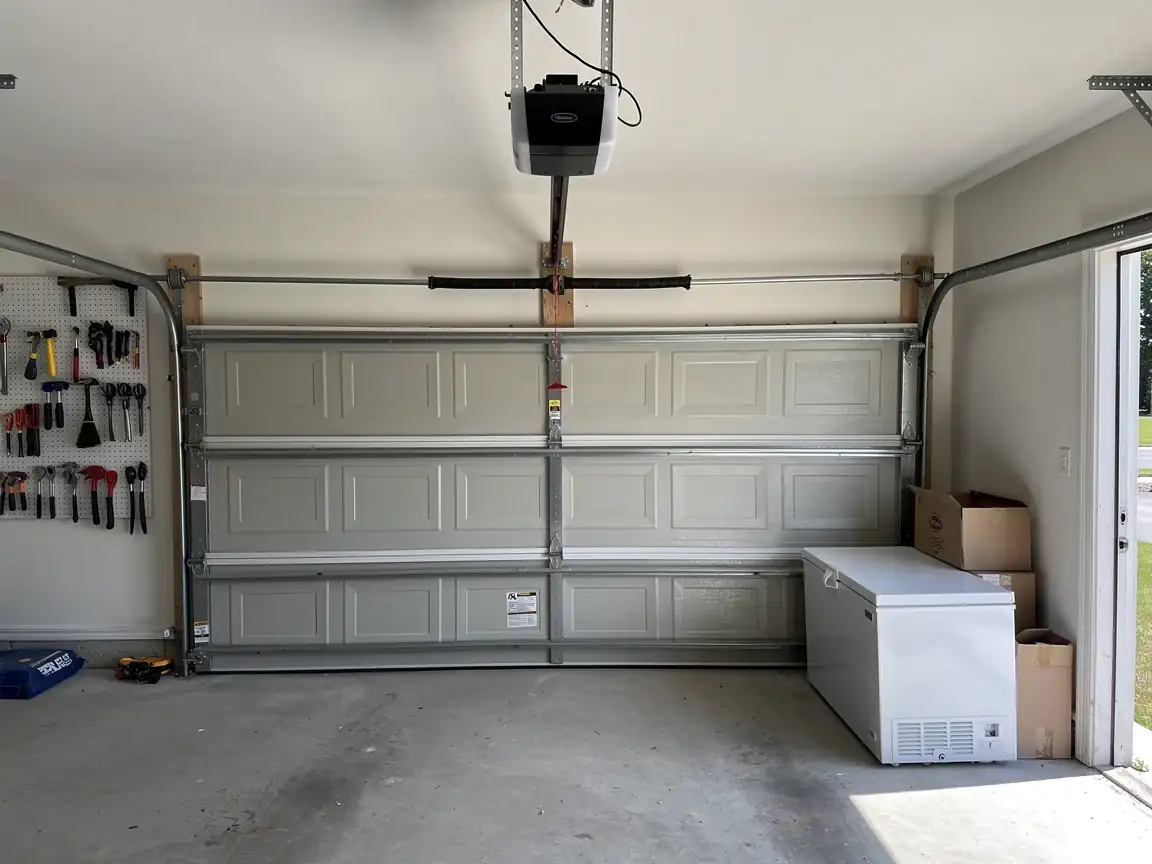
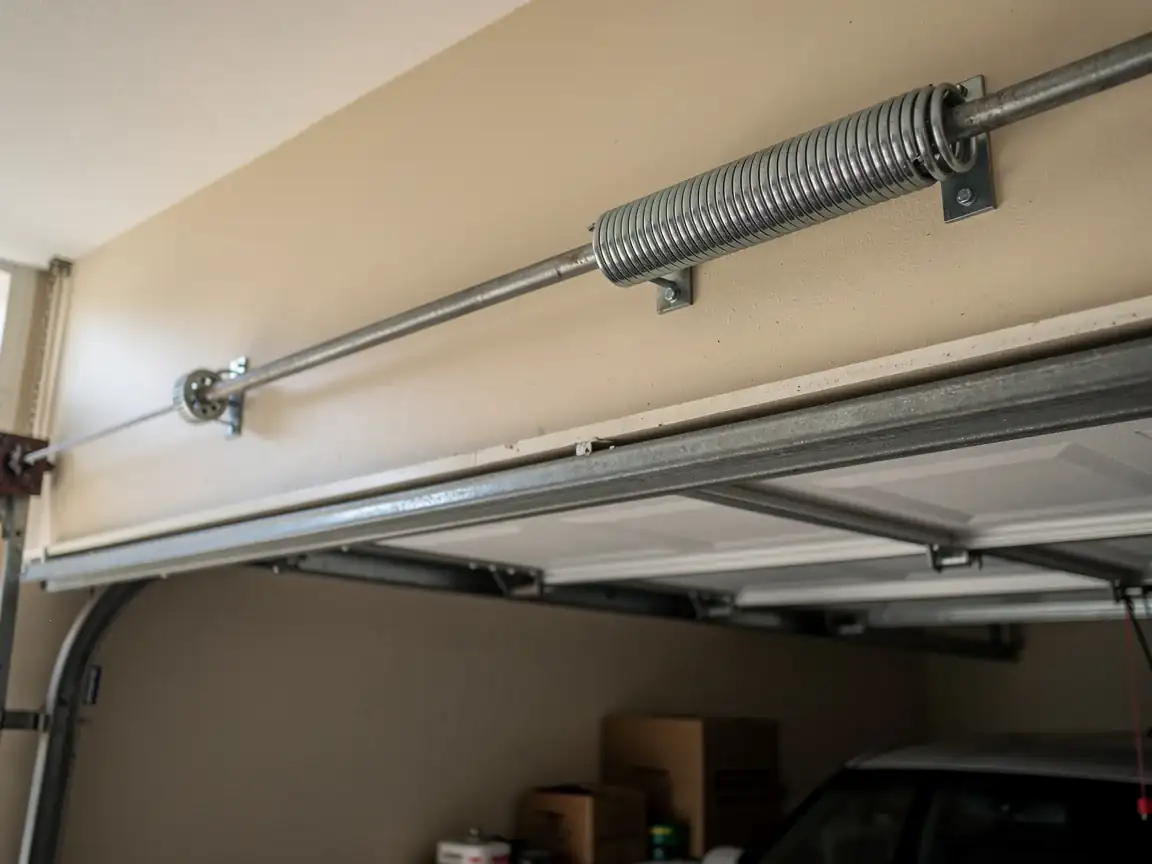
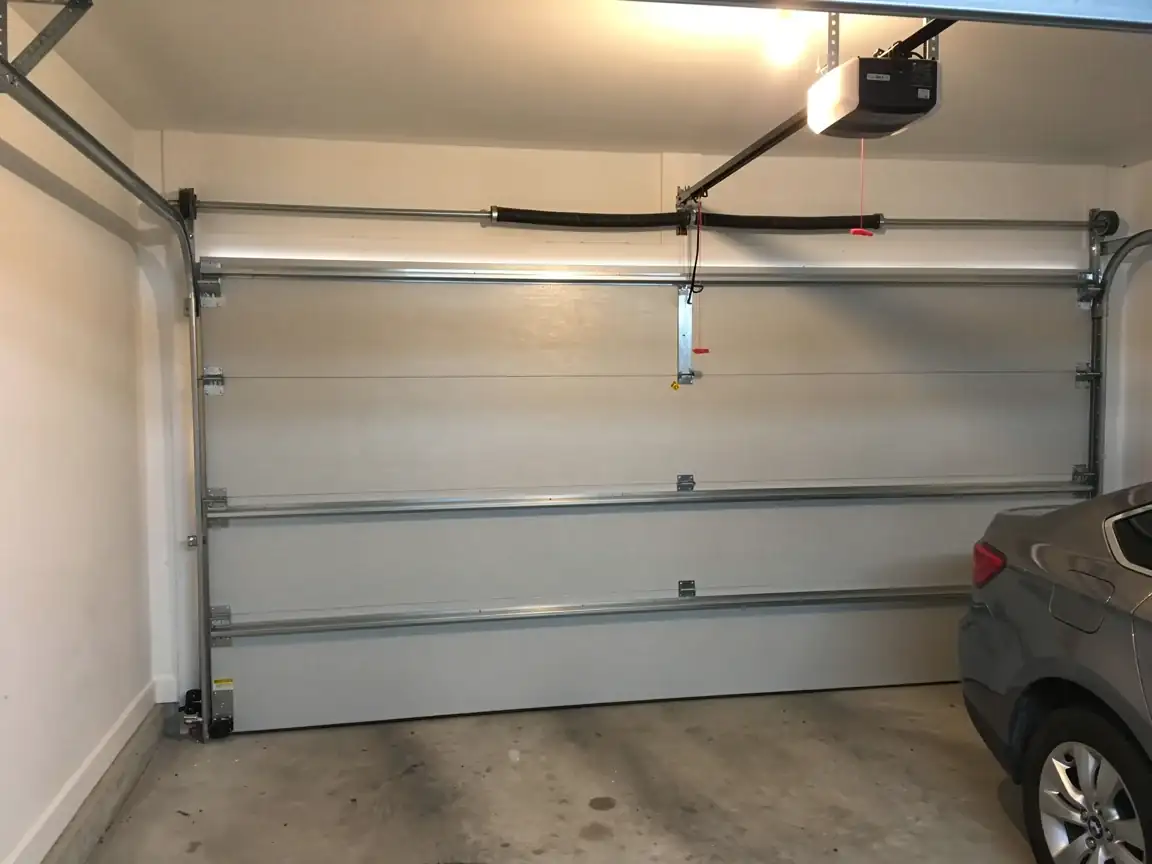
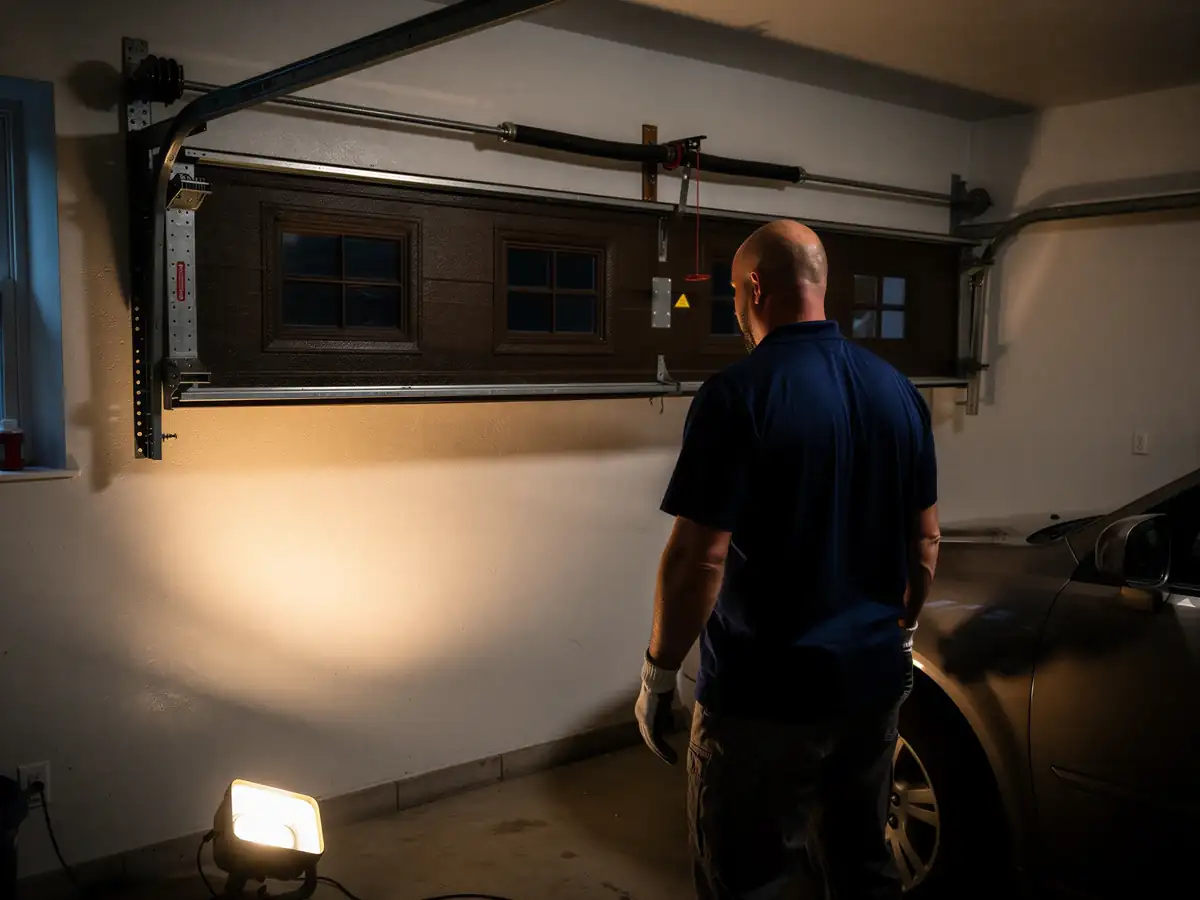
Most houses out here went up around 1988, which puts them a touch newer than the broader Daytona Beach service area's 1986 median. That decade is when builders started shifting from the heavy one-piece doors of the 60s and 70s to sectional steel doors with extension or torsion springs, but openers were still mostly chain-drive, 1/3 horsepower units with limit switches that drift out of adjustment over thirty-plus years. On a lot of these doors, the torsion spring has never been replaced once, and a spring built for a lighter door twenty years ago is now straining against sag, rust, and a panel that's picked up some weight from humidity swells in the wood trim or added insulation. We also see galvanized track that was fine for the original door width but wasn't resized when a homeowner swapped in a slightly heavier replacement door somewhere along the way. None of this is dramatic failure - it's slow wear that finally announces itself as a door that won't budge or an opener that strains and reverses.
With only 2,128 households in this pocket of the service area, we're not running a dedicated crew based here - we come out from Daytona Beach, about 10 miles away.
Why This Fails Locally
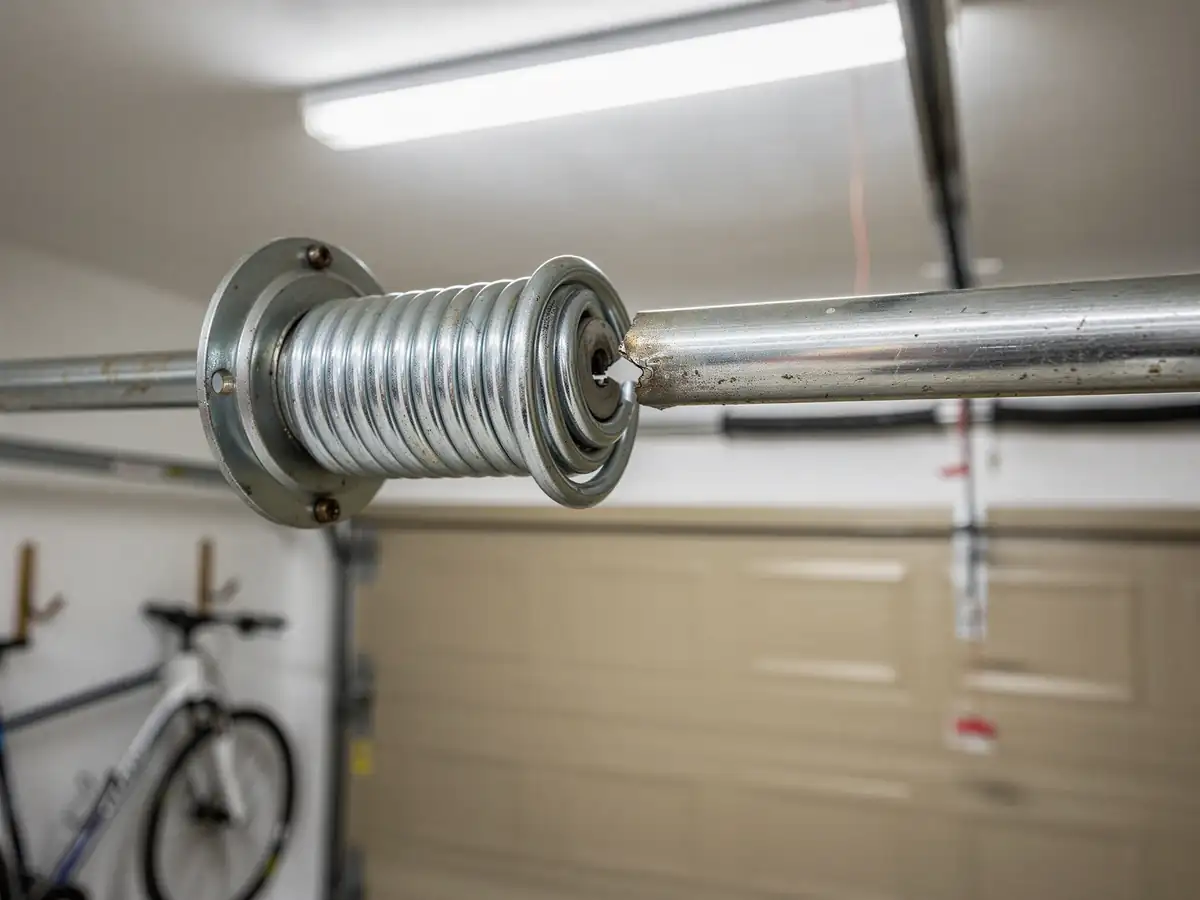
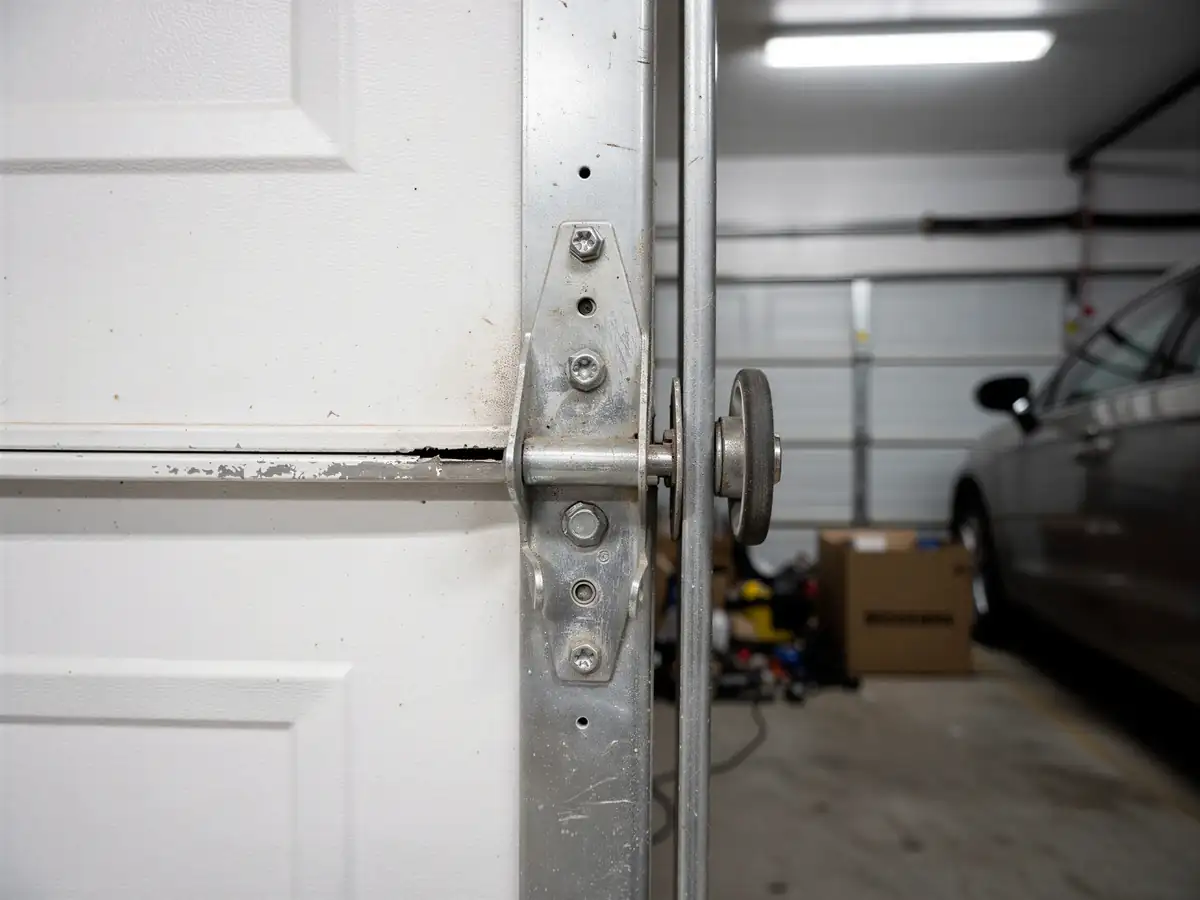
The mild coastal temperate climate here doesn't put the kind of extreme thermal swing on steel that colder regions do, so you won't see the cracked panels that come from freeze-thaw cycles. What you do see is corrosion creep on springs and fasteners from sustained humidity, which is a slower, quieter failure mode - a spring that looks intact but has lost enough temper that it snaps without warning instead of stretching visibly first. Combine that with 1988-era hardware that's now outliving its expected service life, and the failure pattern around here tends to be sudden: a door that worked fine yesterday and won't lift today, rather than one that's been grinding for months. Rollers on the original steel track also wear unevenly over three-plus decades, which shows up as a door that binds on one side before it ever fully breaks down. None of this is unique to any one house - it's what the age of the stock across this part of the service area sets up, regardless of how well a given door's been maintained.
Booking a Visit
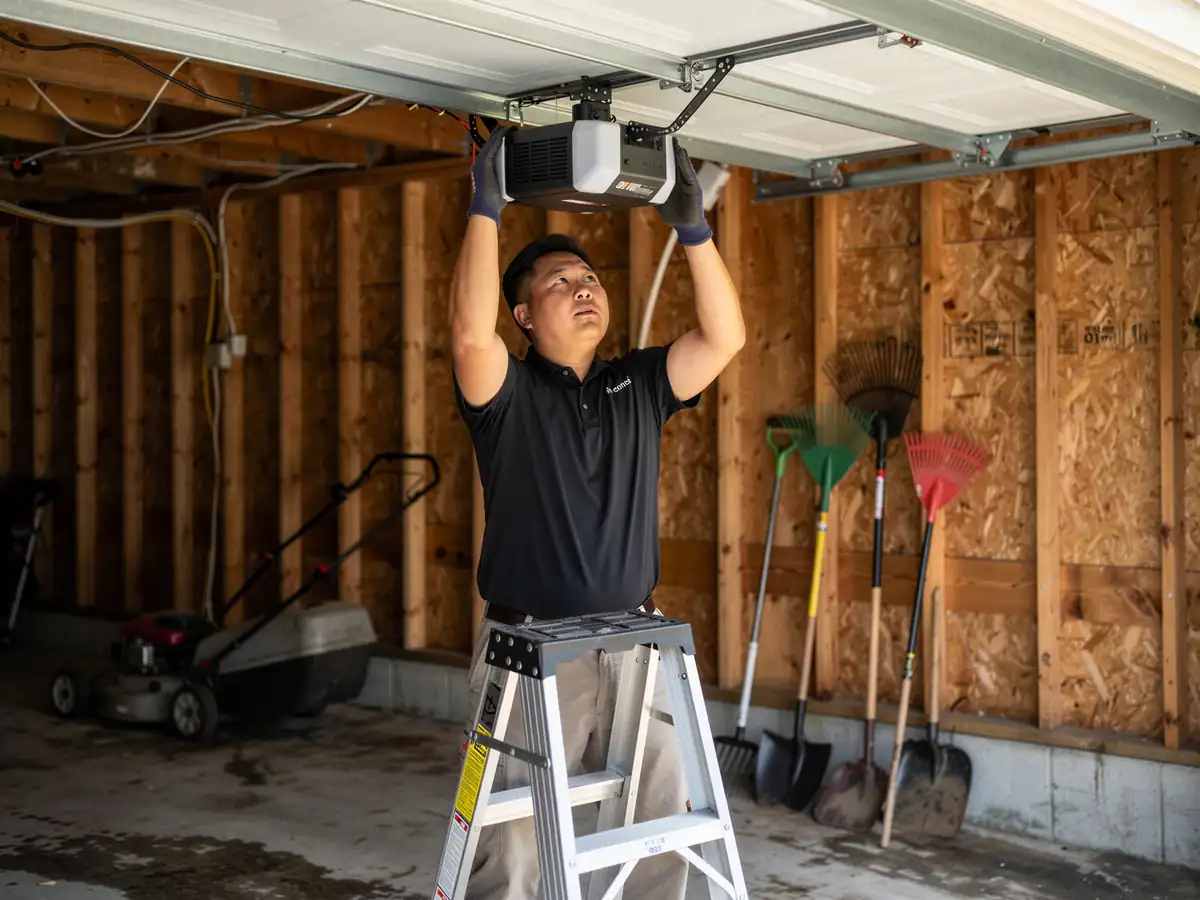
We cover Samsula-Spruce Creek from our Daytona Beach location, about 10 miles out, along with the rest of the surrounding service area. When you call, have the approximate age of your door and whether it's the original opener if you know it - that single detail about a late-80s install tells us a lot about what spring size and track width to bring on the truck, which cuts down on a second trip. We handle spring replacement, opener repair and replacement, track and roller work, and cable service. For a look at the full service area and what else this coverage includes, see our Samsula-Spruce Creek page or the main Daytona Beach repair page.
Can You Do This Yourself
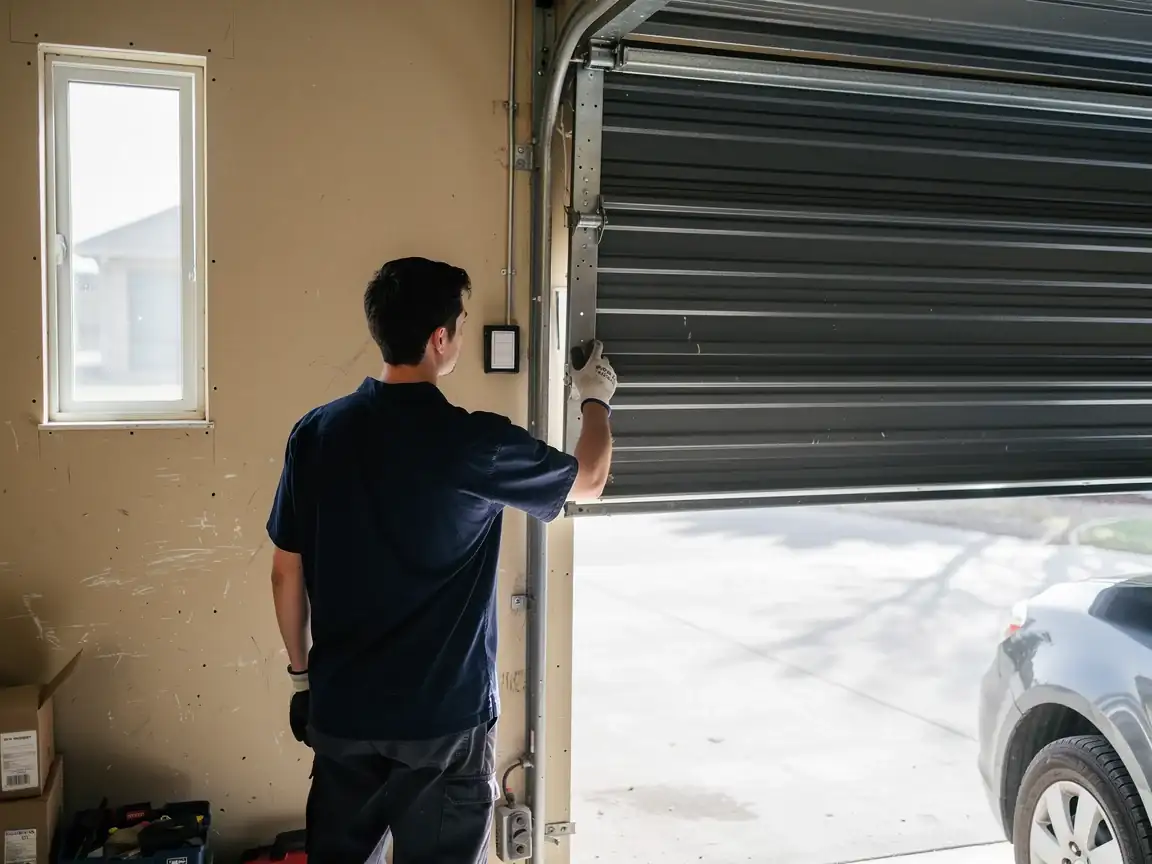
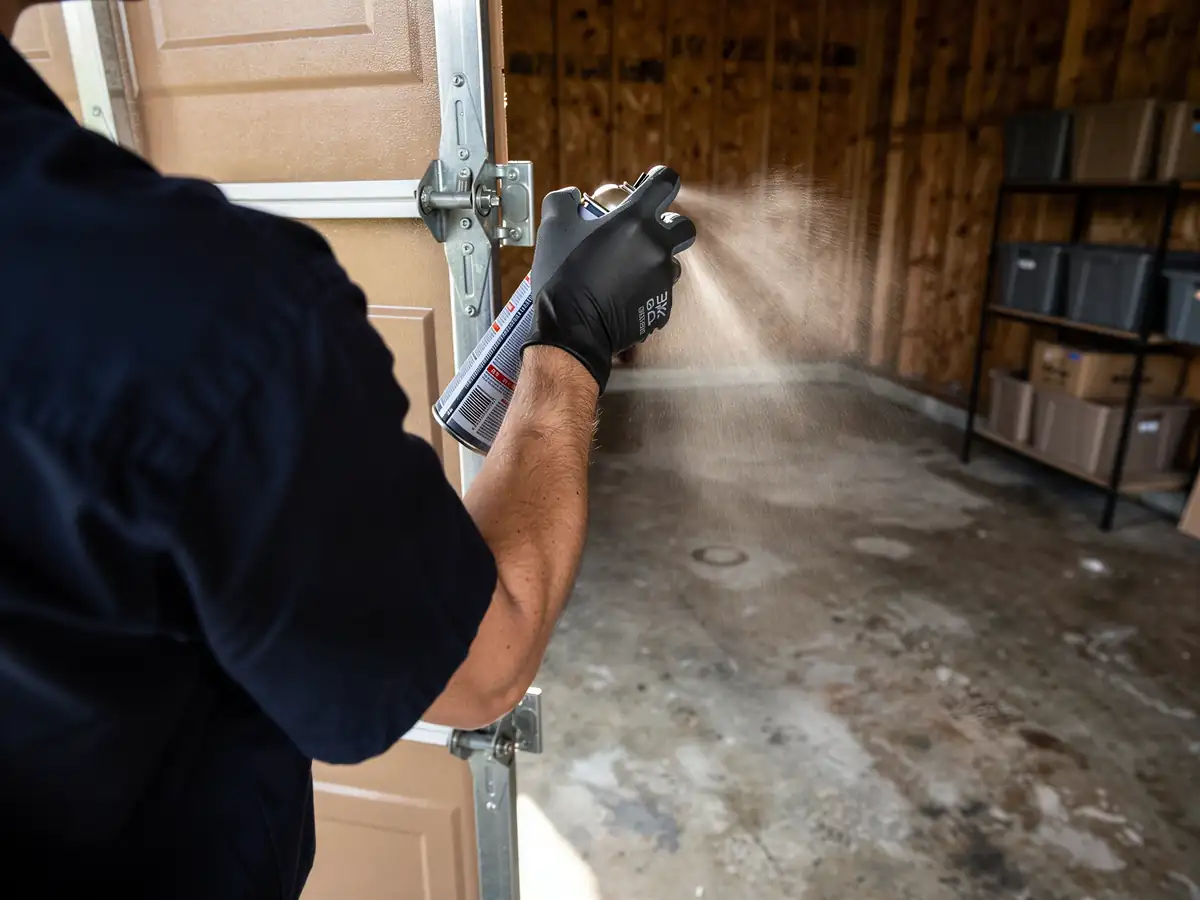
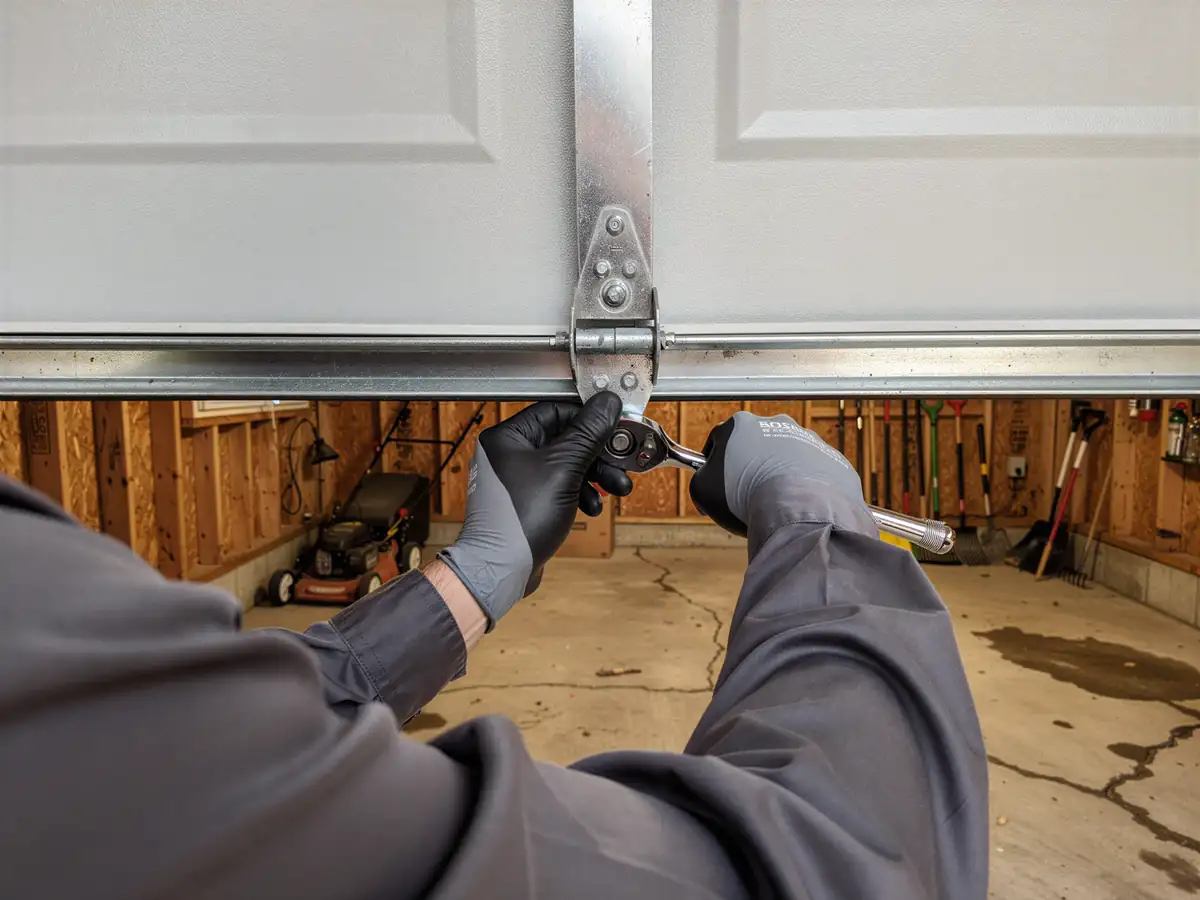
A torsion spring under tension is not a DIY repair - the wind-up bars and tension involved have put people in the ER, and we won't walk you through doing it yourself over the phone. What you can safely check: whether the opener's limit switches need a minor adjustment (most 1980s-90s chain-drive units have an accessible dial for this), whether the track bolts have worked loose, and whether the rollers are visibly cracked or worn flat on one side. If the door is noisy but still moving under its own power, a roller swap and some fresh lubricant on the track is often a job a handy homeowner can do safely. If the door won't lift at all, or lifts a few inches and reverses, that's spring or cable tension - leave that one to us.