Serving Daytona Beach, FL & nearby
(386) 267-9663
Daytona Beach, FL

What That Noise From Your Garage Door Actually Means

A guide for Daytona Beach homeowners on what grinding, popping, and rattling garage door sounds mean, tied to the area's 1972-1993 housing stock and mild coastal climate.

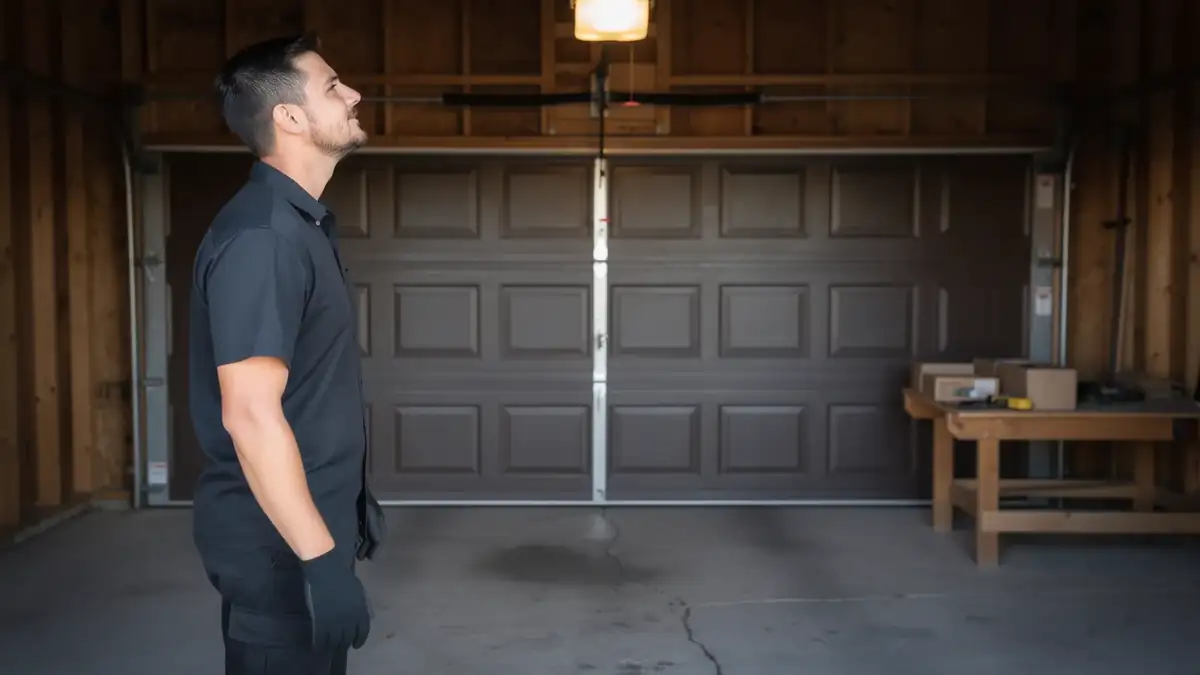
A technician in a black shirt and gloves looks up at a closed brown garage door.

Season by Season

Daytona Beach sits in a mild temperate band, so you don't get the hard freeze-thaw cycle that wrecks hardware up north in a single winter. That's the good news. The less obvious news is that mild doesn't mean static. Temperatures here still swing enough across the year to expand and contract steel track and torsion springs, just slowly and without the dramatic cold snaps that make other regions' doors seize overnight. What you'll notice instead is a gradual shift: a door that ran quiet in the cooler months starts to groan a little as things warm back up, because the grease in the rollers thins out and the metal settles differently against the brackets. Across the twelve areas this company covers - from Holly Hill and South Daytona in close to Edgewater and Flagler Beach further out - the pattern is the same house to house, just older or newer depending on when that particular block went up. If your door has been quiet for years and suddenly isn't, the season didn't do anything violent to it. It just exposed wear that had been building for a while.{br}

What the Weather Here Does to It

A mild temperate climate is easy on garage door hardware compared to places with real winters, but it isn't nothing. Consistent moderate temperatures year-round mean lubricant on rollers and hinges breaks down slowly rather than all at once, so the noise it causes tends to creep in rather than show up as a sudden bang. Steel parts that never see a hard freeze also don't get the sharp contraction that snaps old torsion springs in a cold snap - springs here tend to fail from age and cycle count rather than from weather shock. That's actually relevant to this market specifically: with most houses in the service area built between 1972 and 1993, a lot of original springs and openers are well past the point where cycle fatigue, not weather, is doing the damage. The climate buys time. It doesn't buy forever. A door that's been opening and closing two or three times a day for three or four decades is going to develop noise regardless of how gentle the weather has been to it.

What Is Going On

Most of the noise complaints in this area trace back to the age of the housing stock, not anything exotic. With the median home here built around 1986, a huge share of doors and openers in use were installed, or last replaced, somewhere in that 1972-to-1993 window. That means original nylon rollers that have gone brittle and started grinding in the track, worn bearings at the end of the torsion spring shaft, and opener drive gears that have stripped teeth after years of use. A sharp pop usually means a cable or spring letting go, or at least starting to. A rhythmic thump as the door moves points to a flat spot on a roller or a bent track section. A grinding hum from the opener itself often means the gear inside the unit is on its way out. None of this is mysterious - it's what happens to hardware that's been in service since the Reagan or first Bush administration, which describes a large share of the roughly 32,499 owner-occupied houses across this service area.

When to Call Someone

Call before the door stops working, not after. A noise that's new, getting louder, or paired with the door moving unevenly is worth a look while it's still a parts-and-labor job and not an emergency. We'll say plainly what we won't do: we don't stock every obsolete roller or drum size from 1970s and 80s-era doors, since manufacturers don't make a lot of that original hardware anymore, so some repairs on the oldest doors in this market mean a compatible replacement part rather than an exact match - and sometimes that means replacing the door instead of chasing parts for one that's outlived its design life. If your door is making noise but still opens and closes on command, that's the time to get it checked, not after a spring lets go with the car underneath it.
How it works

From “it’s stuck” to “it’s fixed”

A quick, honest process - no guesswork and no surprises.

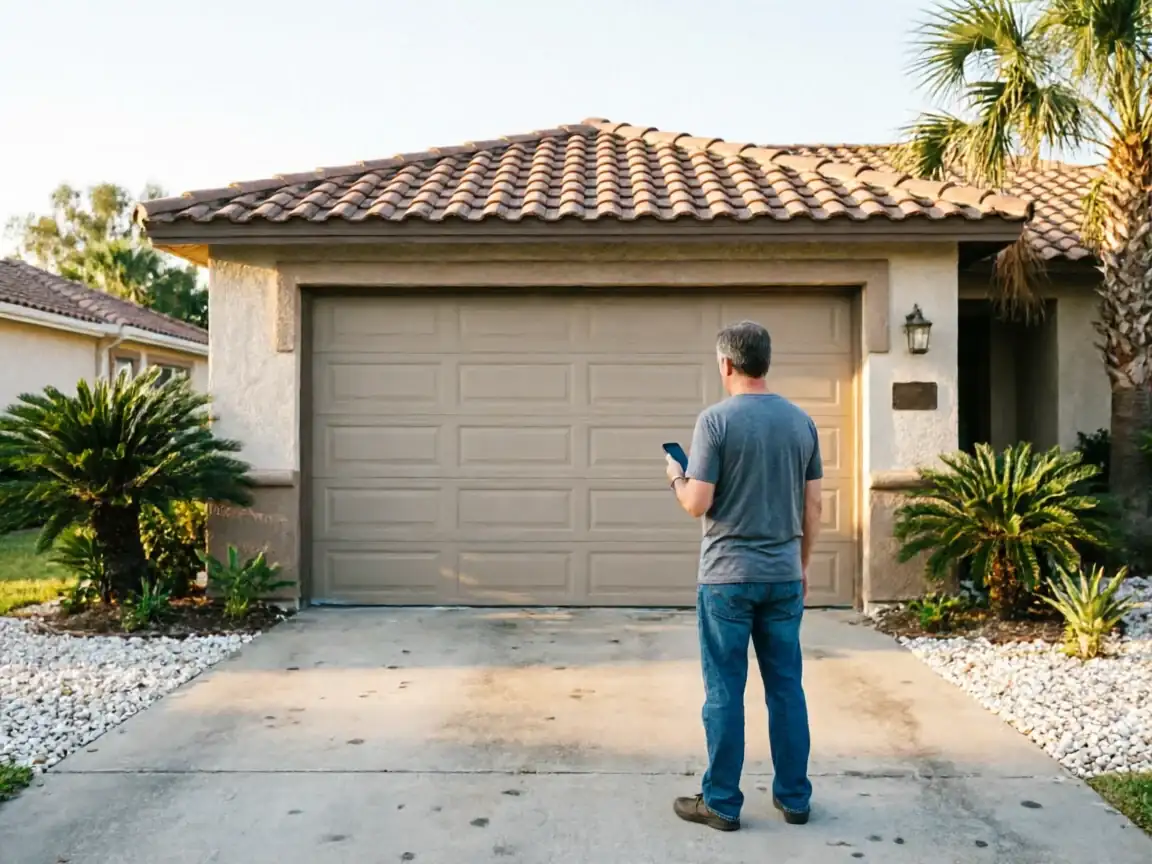
  1. A man stands in front of a beige garage door, holding a phone.
    1

    Tell us what’s wrong

    Describe the symptom - won’t open, loud bang, opener runs but the door won’t move.

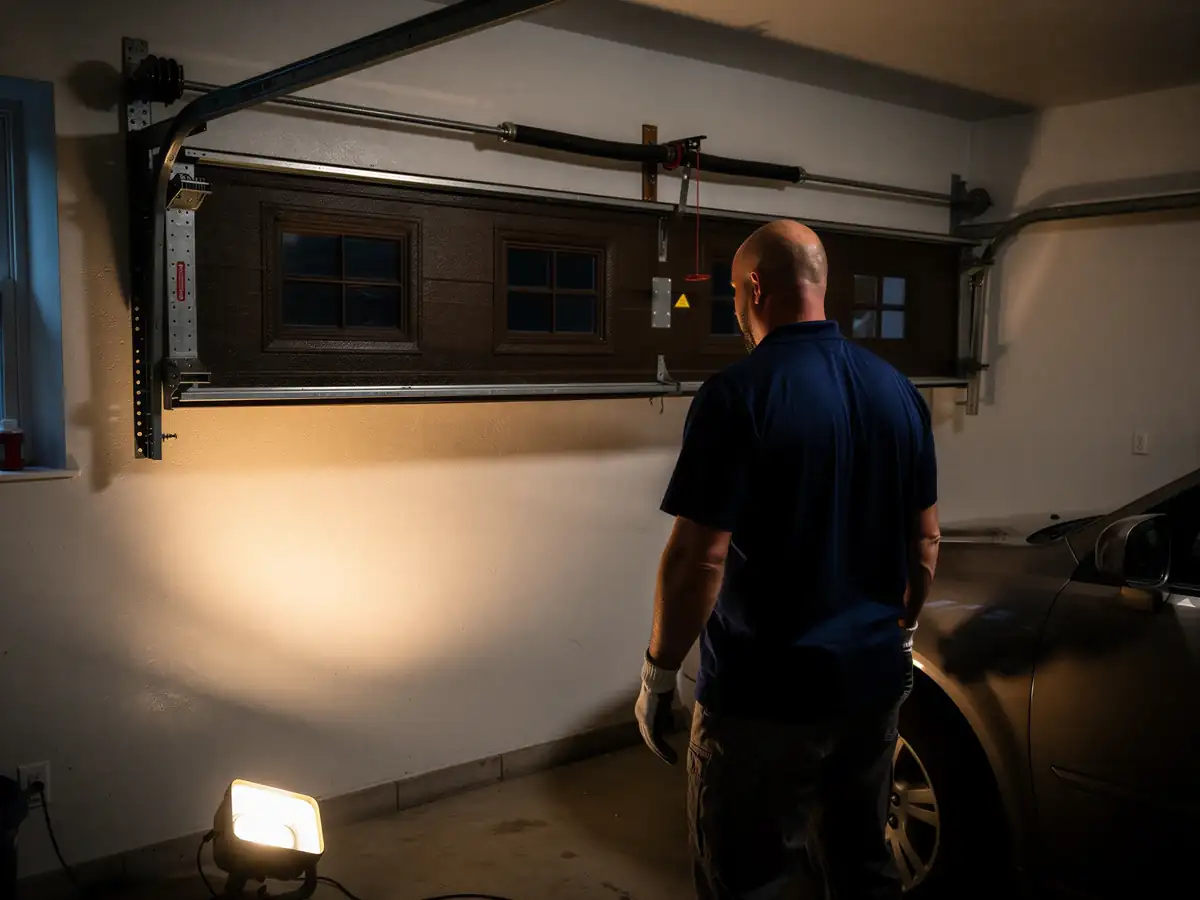
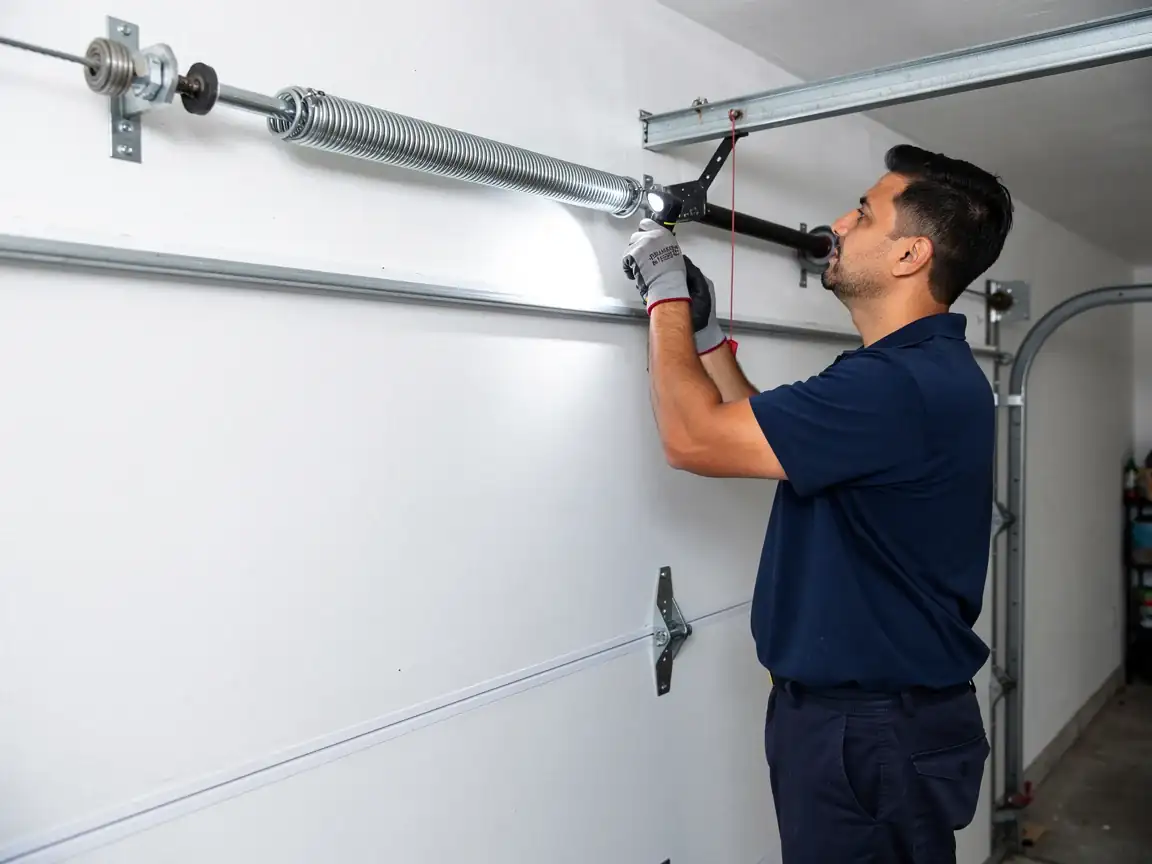
  2. A technician adjusts a garage door torsion spring with a tool and flashlight.
    2

    On-site diagnosis

    A technician tests the door under power and by hand and finds what actually failed.

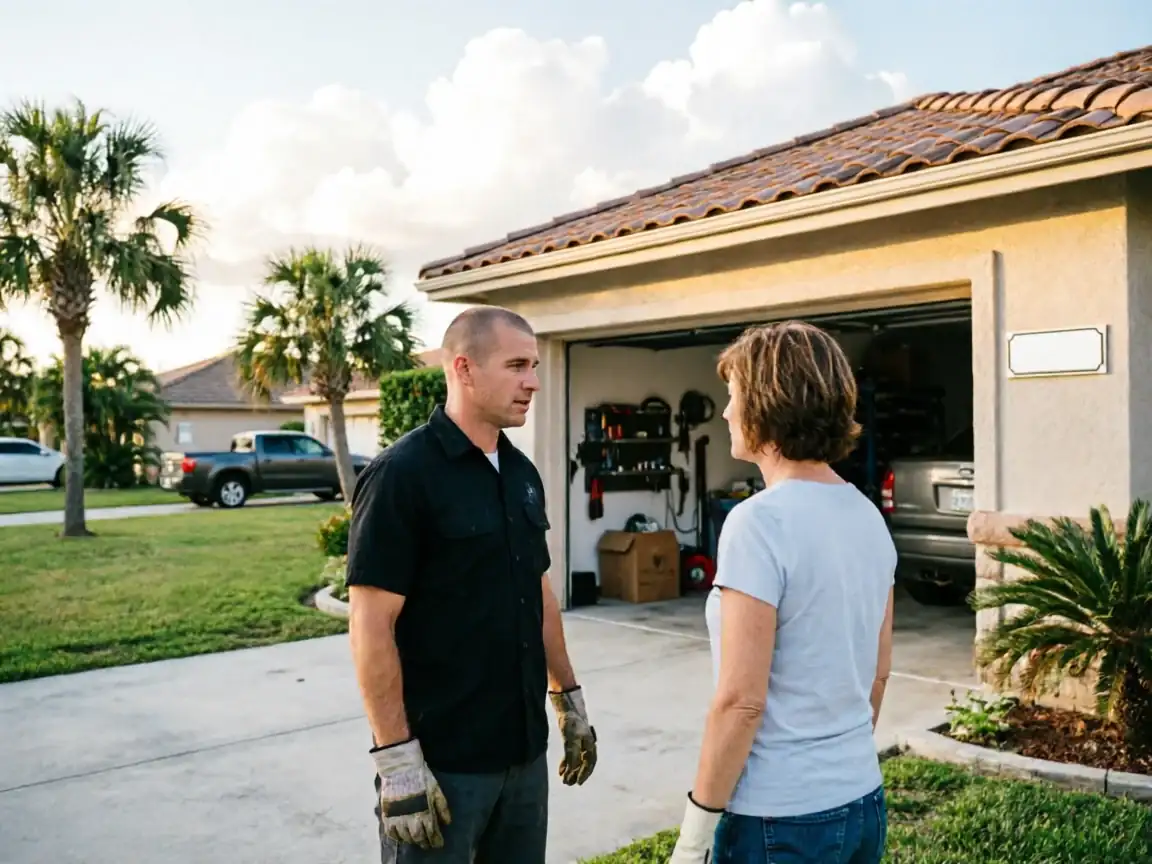
  3. A technician in a black shirt talks to a woman in a gray shirt outside a garage.
    3

    Clear, up-front plan

    You get the fix that’s needed and what drives the cost - before any work starts.

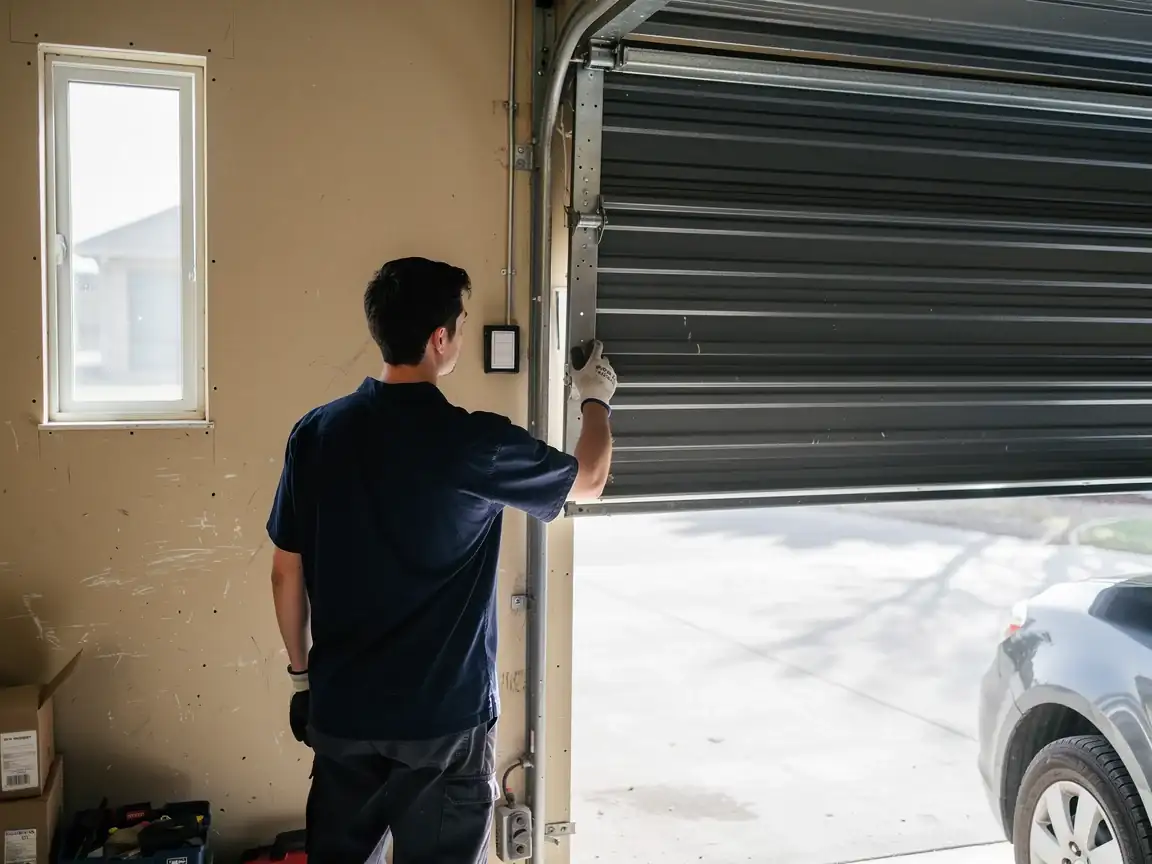
  4. A technician in a blue shirt is adjusting a partially open garage door.
    4

    Repaired & tested

    The repair is done, the door is set true and tested, and the work area left clean.

Not sure which repair your door needs in Daytona Beach, FL? Describe what it’s doing - every job starts with a diagnosis.

How we work

What to expect

Diagnosis firstEvery visit starts by finding what actually failed - not a pre-written parts list.
The right part for the doorSprings and openers matched to the door’s weight and age, so the fix holds up.
Straight answersWhen a repair makes more sense than a replacement - or the reverse - you hear it plainly.
Clean, careful workTension released safely, hardware set true, the door tested under power before we leave.
What we do

Garage Door Services

Repair and installation work for Daytona Beach homes and businesses.

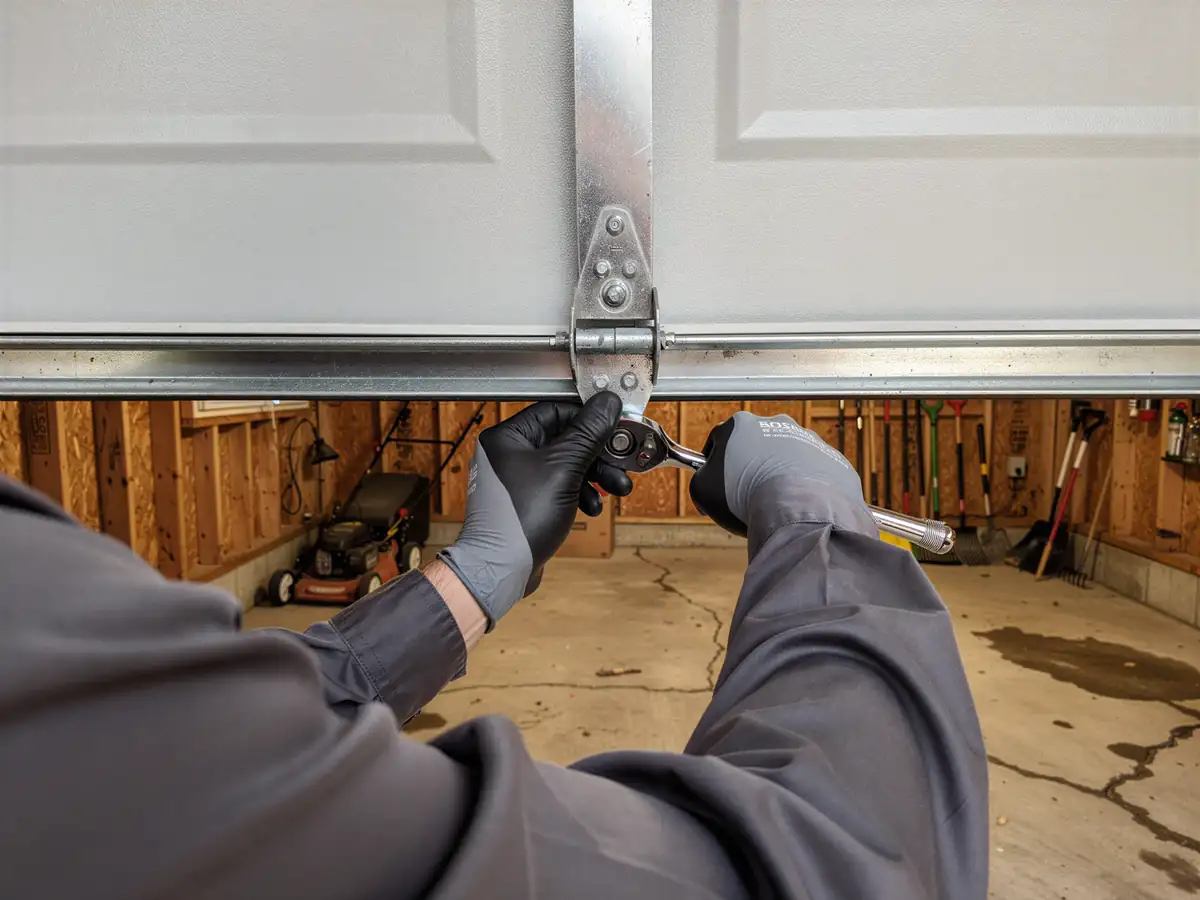
A technician in gloves uses a wrench to adjust a garage door hinge.

Garage Door Repair

Garage door repair for Daytona Beach homes built 1972-1993. We fix the springs, openers, and tracks that fail on this area's aging housing stock.

Learn more
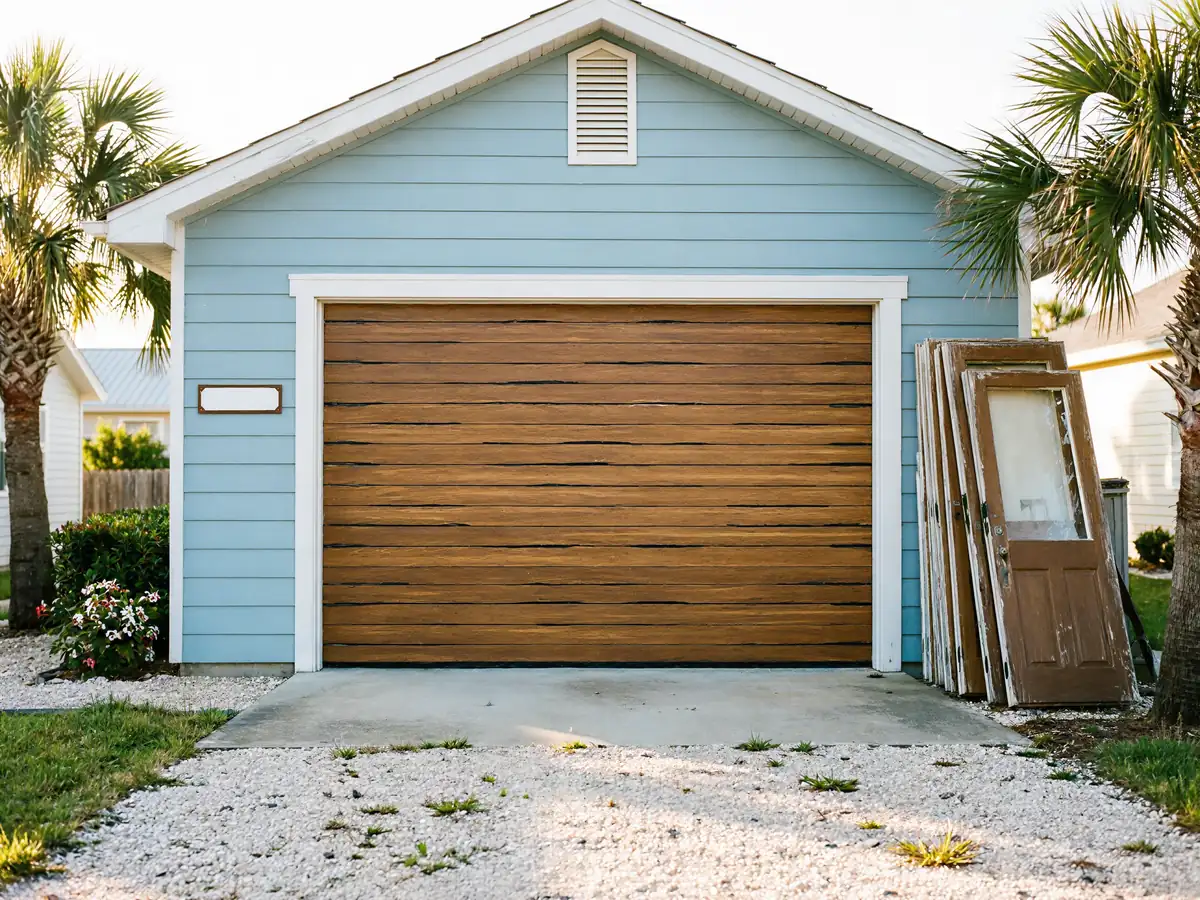
A light blue house has a brown wooden garage door and old doors stacked outside.

Garage Door Installation

Daytona Beach homes built mostly between 1972 and 1993 means original doors and openers are aging out together. We install replacements sized for this area's housing stock.

Learn more
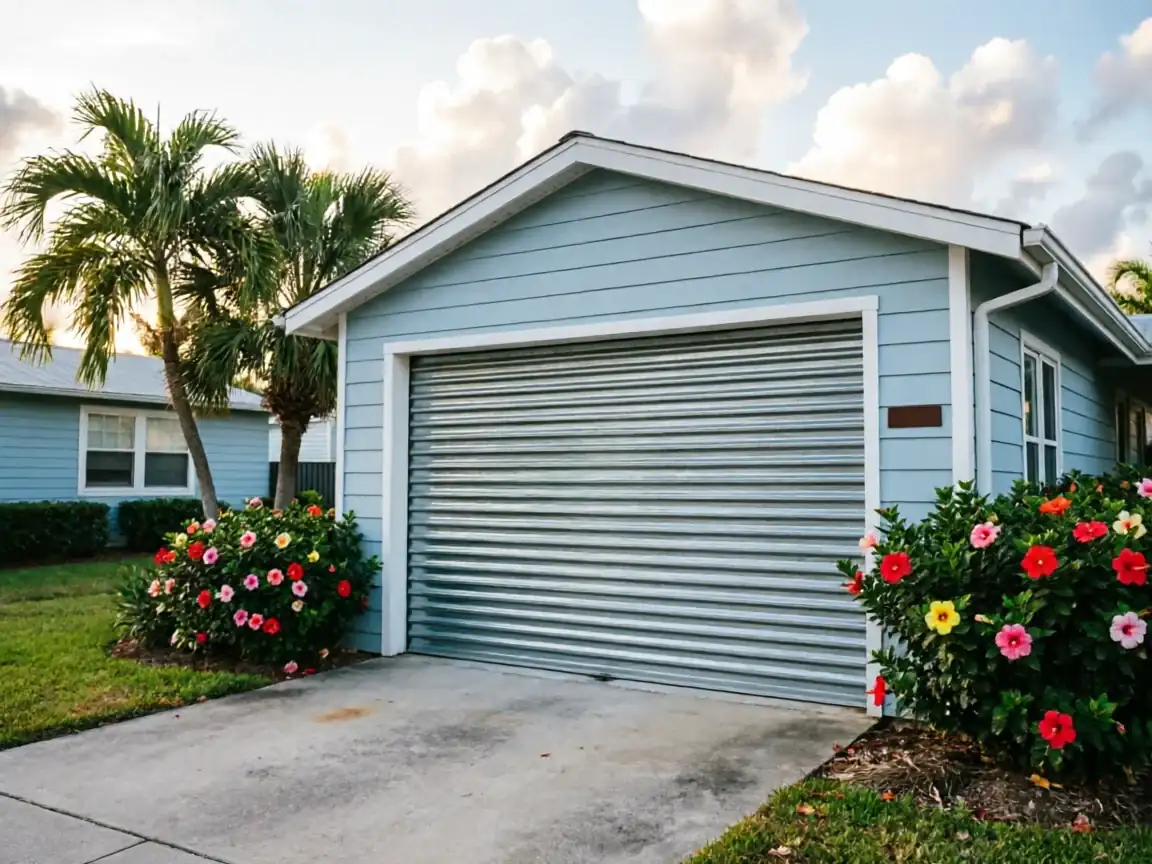
The light blue house has a gray corrugated metal garage door and colorful hibiscus bushes.

Garage Door Service

Daytona Beach homes mostly date to the 1972-1993 building boom. We service the springs, openers, and tracks that age out of that stock. Call for a visit.

Learn more
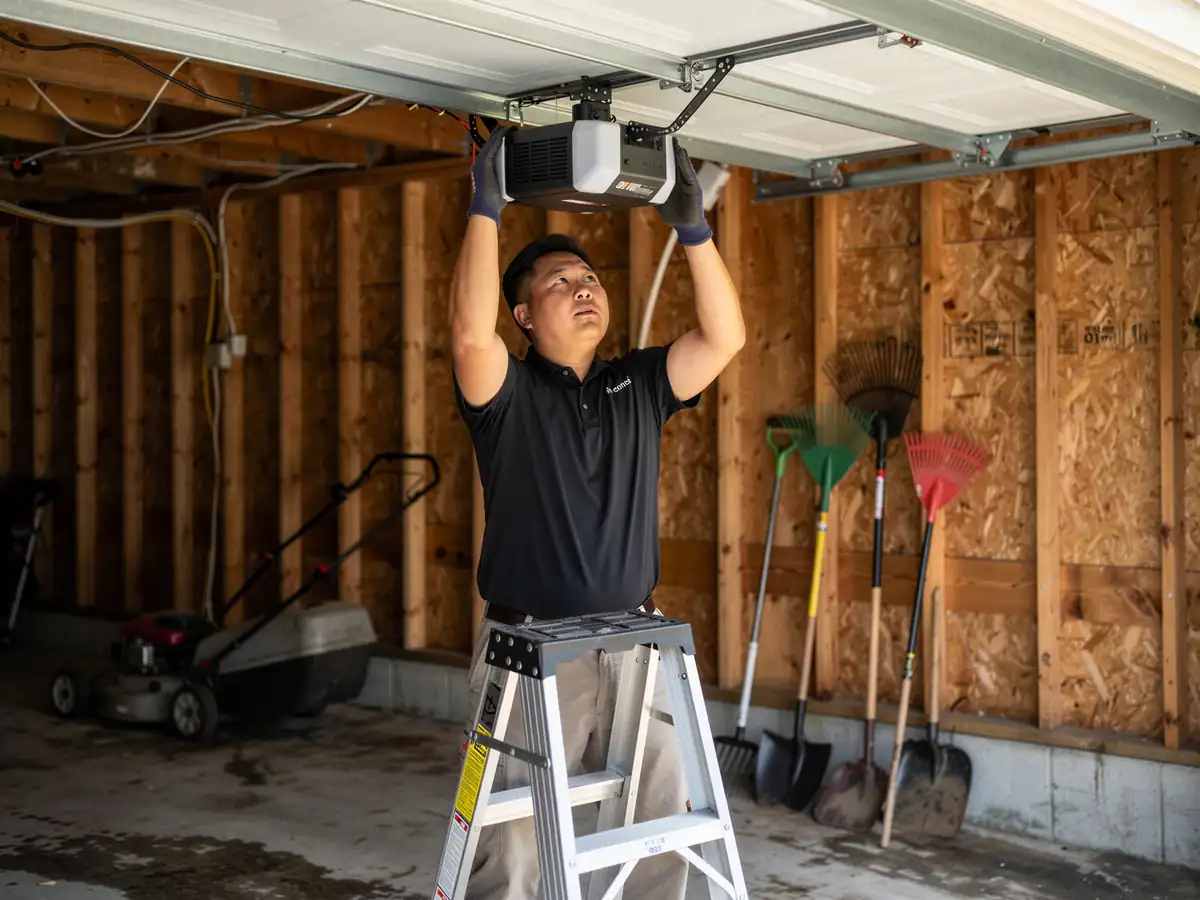
A technician on a ladder installs a garage door opener.

Opener Installation

Opener installation for the houses that make up the Daytona Beach area - most built 1972-1993 on original hardware. Mild climate, aging chain-drives, and what a new unit actually fixes.

Learn more
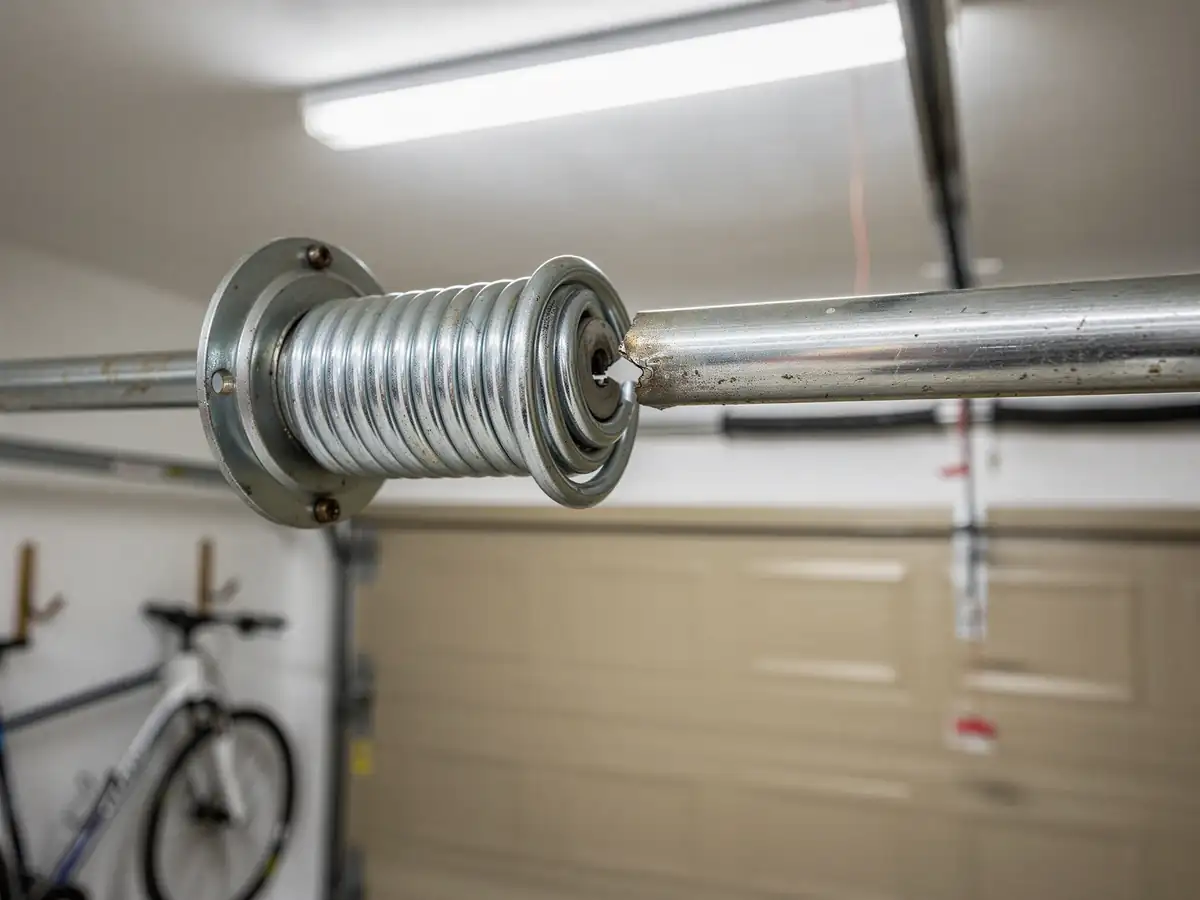
A broken torsion spring is visible on a metal shaft in a garage.

Spring Repair

Broken torsion springs are common in Daytona Beach homes built from the 1970s through the 90s. Same-day spring repair from a crew that knows this housing stock.

Learn more
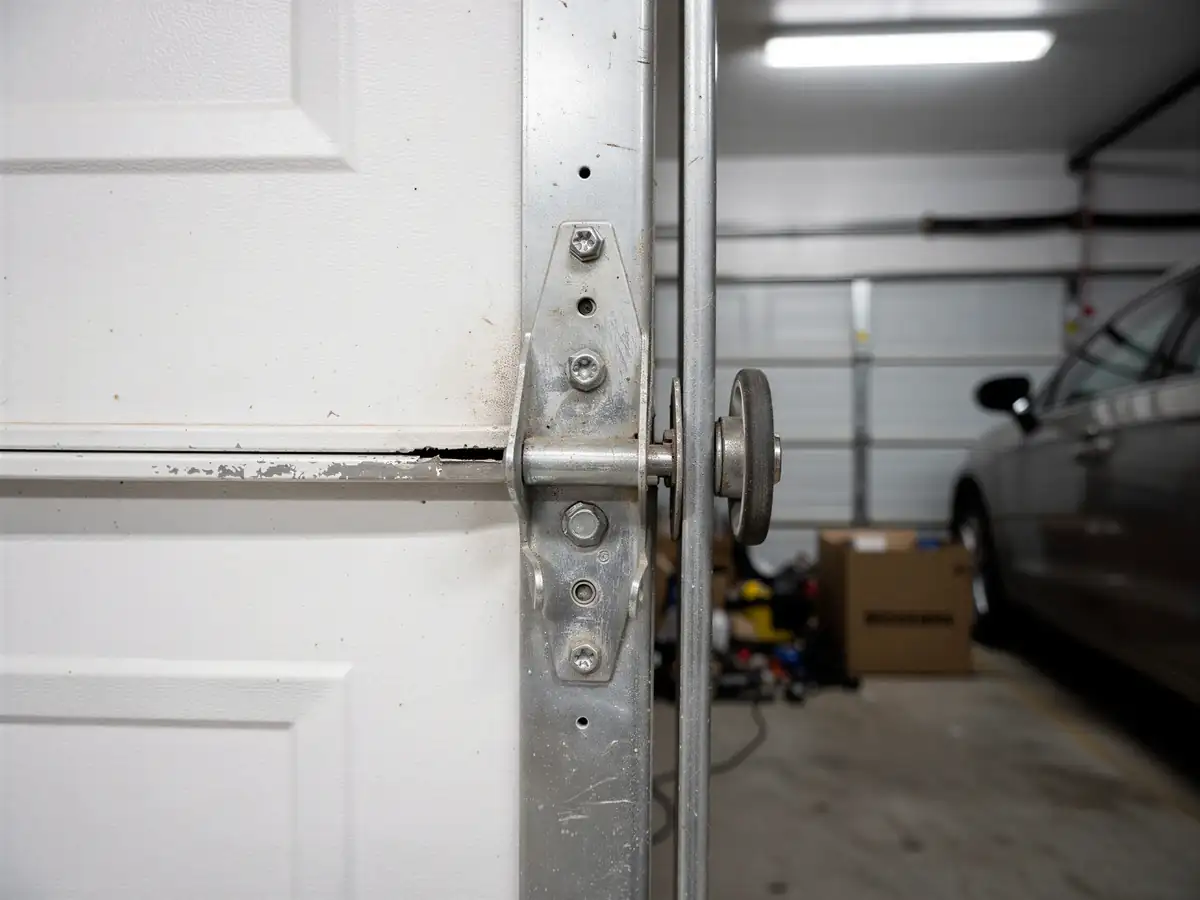
A garage door hinge and roller are attached to a white garage door.

Off-Track Repair

Garage door jumped its track in Daytona Beach? We explain why 1970s-90s area homes see this often and what a straight, working repair involves.

Learn more
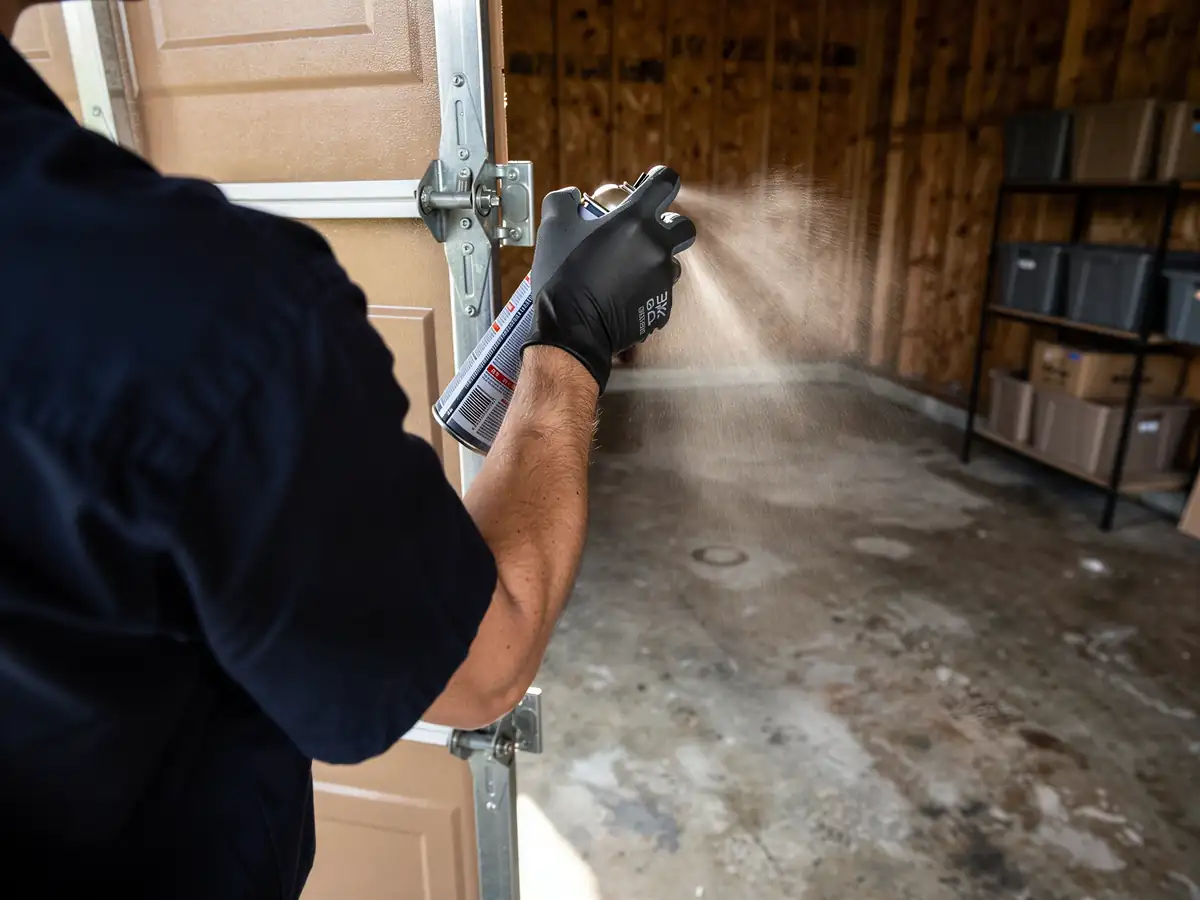
A technician sprays lubricant on a garage door hinge.

Maintenance

Garage door maintenance for Daytona Beach homes built 1972-1993, where salt-humid air and original hardware wear springs, rollers, and openers faster than inland stock.

Learn more
A technician stands in a garage looking at a brown garage door.

Emergency Garage Door Repair

Stuck door, snapped spring, or dead opener in Daytona Beach. We explain why 1980s-era doors fail here and what a real repair call looks like before we show up.

Learn more
Questions

Frequently asked

Straight answers about garage door repair in Daytona Beach. Still unsure? Ask us directly.

Why did my garage door suddenly get noisy after years of being quiet?

In this area it's usually not sudden at all - it's gradual wear finally crossing a threshold. Rollers and bearings in houses built in the 1970s through early 90s have been cycling for decades, and Daytona Beach's mild climate means lubricant breaks down slowly rather than failing all at once, so the noise creeps up until one day you notice it.

Is the humidity here hard on garage door hardware?

The mild temperate climate here is gentler on springs and track than regions with hard freezes, since you don't get the sharp metal contraction that snaps cold-shocked springs. But steady moderate temperatures still wear down lubricant and bearings over time, just more gradually - age and cycle count matter more here than any single weather event.

My house was built in the 1980s - is that relevant to the noise?

Yes. A large share of homes in this service area were built between 1972 and 1993, with a median around 1986, so a lot of original rollers, springs, and opener gears are simply at or past the end of their working life. The noise is often the hardware telling you it's due, not a sign of damage from one incident.

Can you always get parts for an older door?

Not always. Some roller and drum sizes from older doors aren't made anymore, so a repair sometimes means a compatible modern part instead of an exact original, and on the oldest doors replacement can make more sense than chasing discontinued hardware.

Ready to get your garage door sorted?

Request a QuoteCall