Old Streets and New Ones
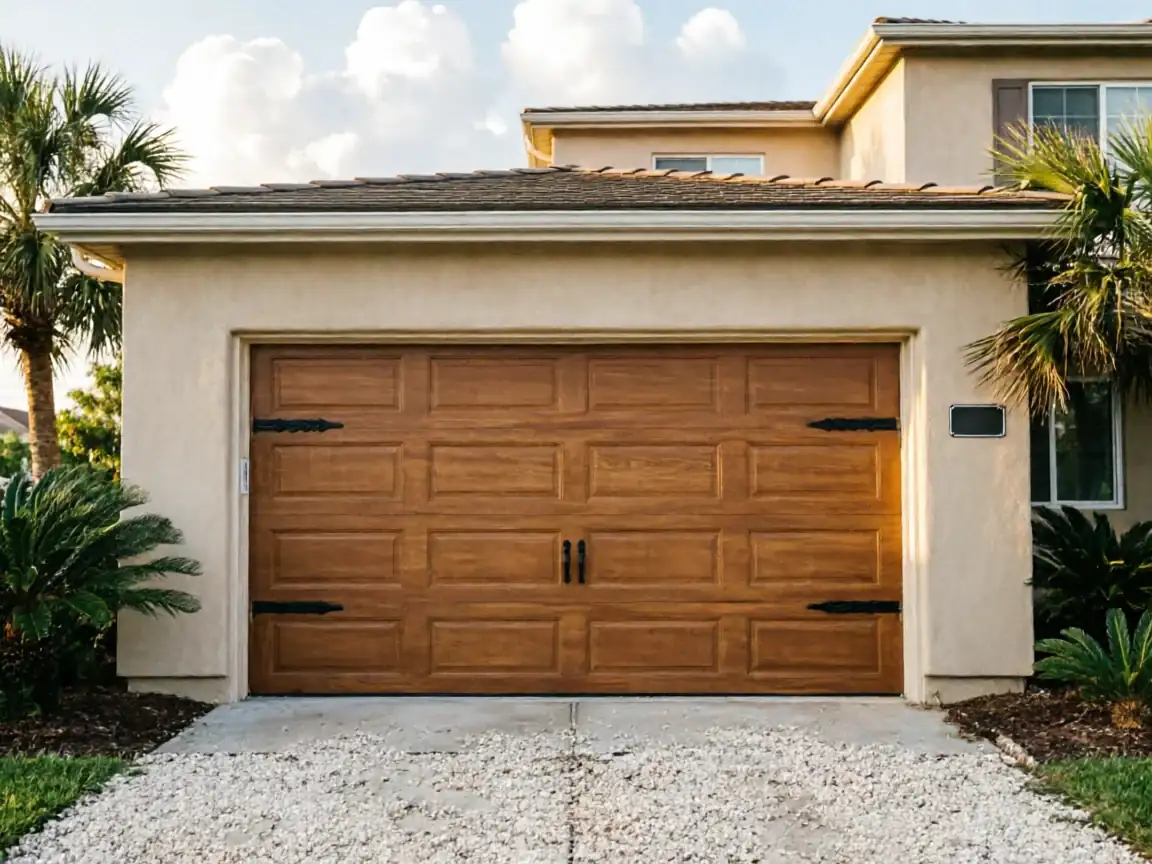
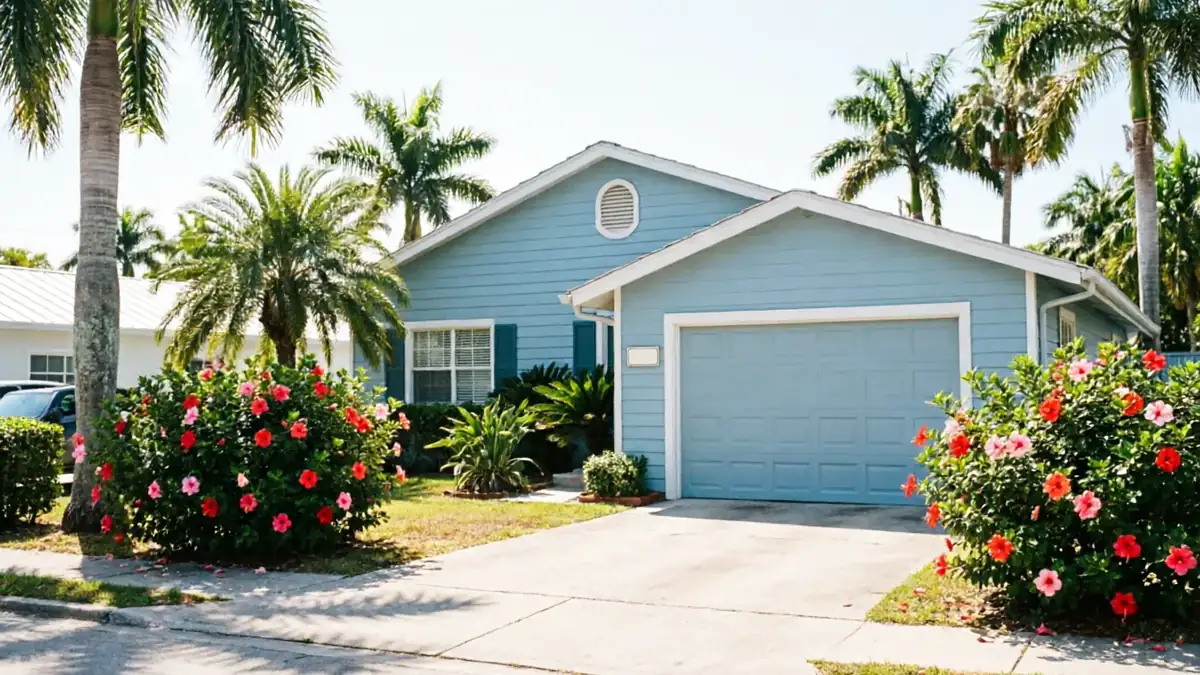
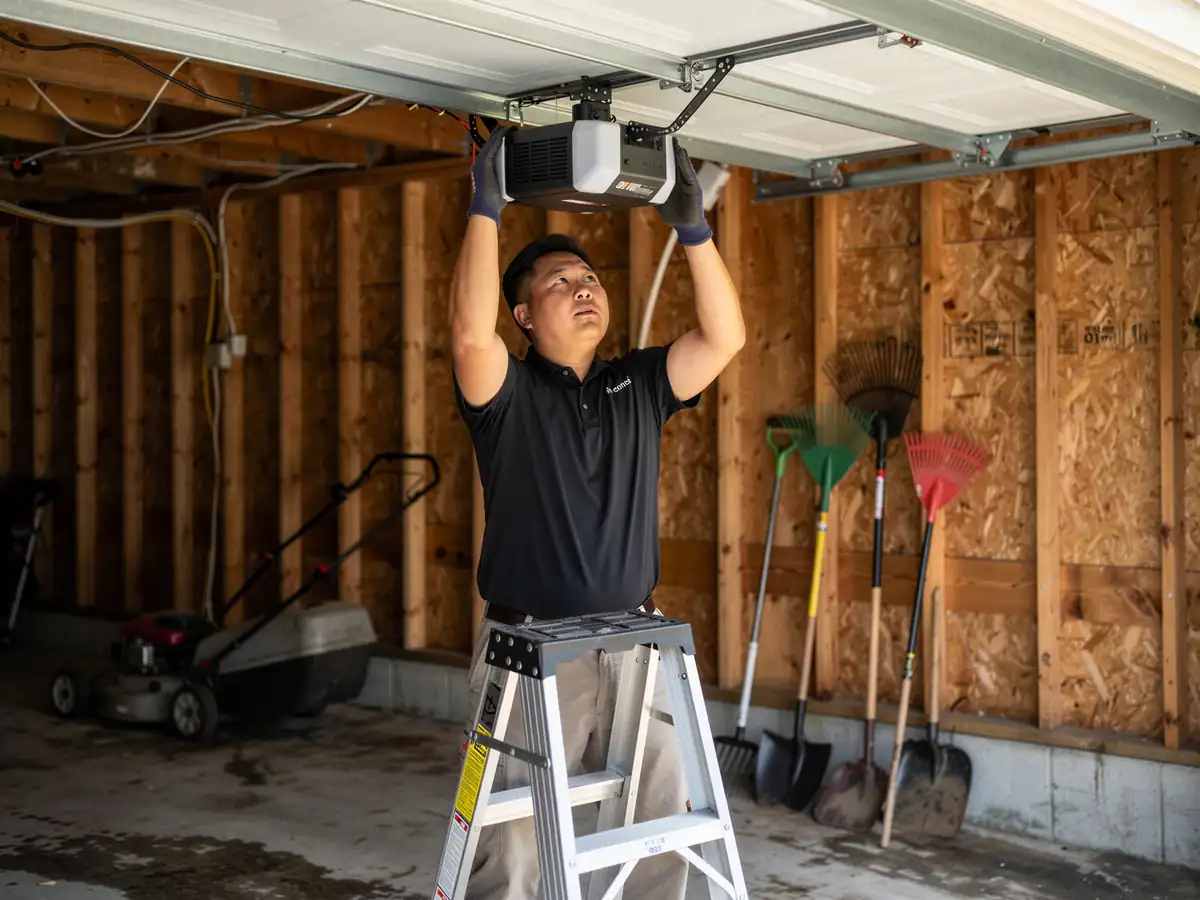
Ormond-by-the-Sea isn't one neighborhood, it's a strip - a narrow run of streets sandwiched between A1A and the dune line, built up over decades rather than in one development push. That matters for garage doors more than people expect. A house on this stretch might sit on a lot platted in the 1960s next to a replacement home from the 2000s, and the door hardware on each can be a generation apart. We don't have a crew stationed on this stretch - we run out of Daytona Beach and cover it as part of our regular route - but the calls we get here follow a pattern tied to how old the stock actually is, not how old the city's average house is. The city-wide median build year for this part of Florida runs to 1986. Ormond-by-the-Sea runs earlier. That's the detail that should change what you expect to find when your opener starts grinding instead of lifting.
What Was Built Here
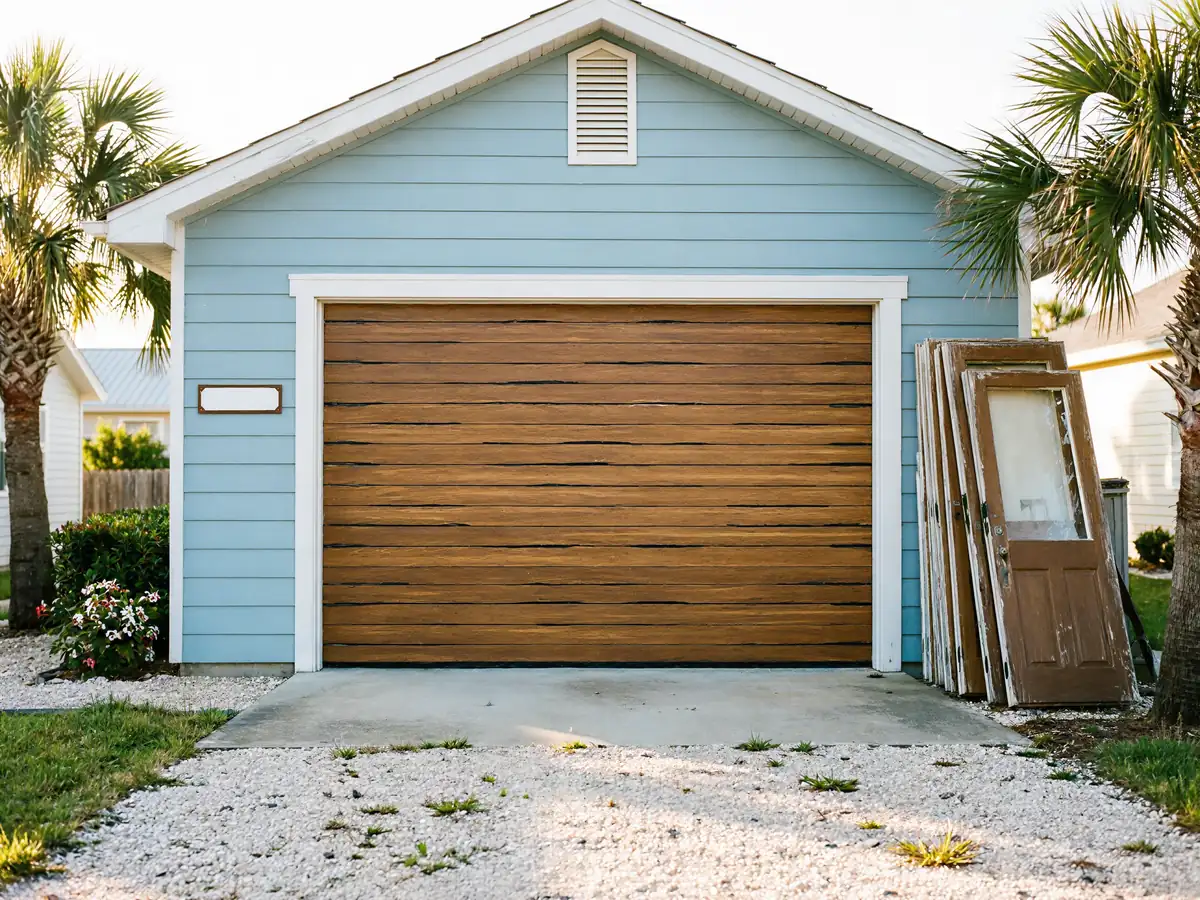
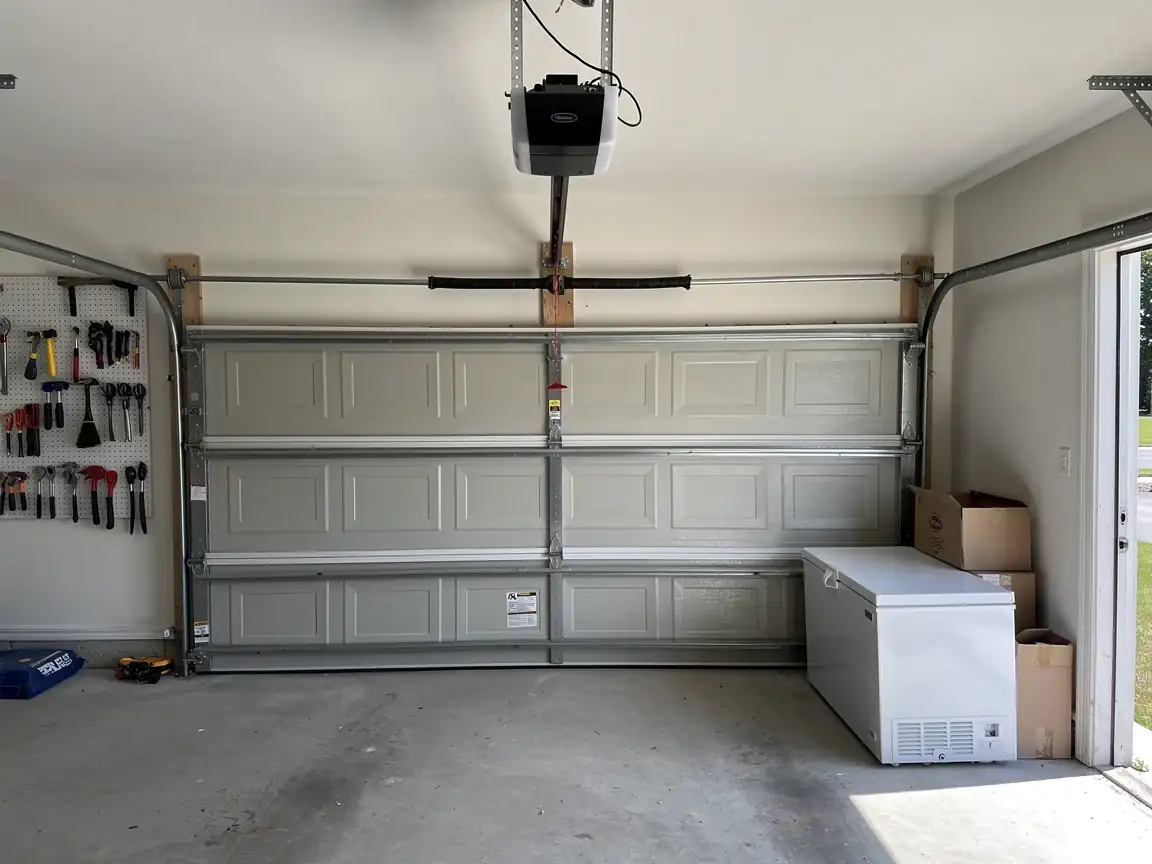
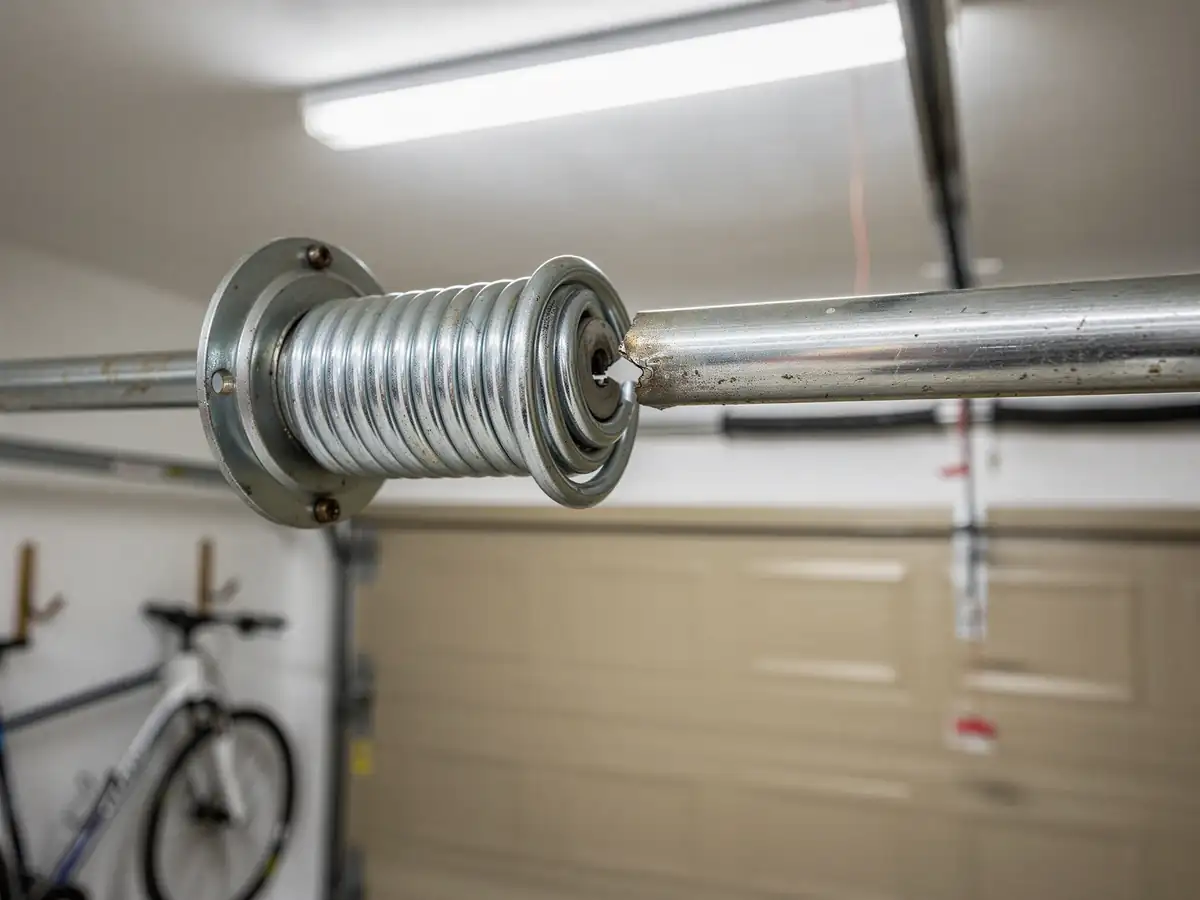
The median house on this stretch went up around 1972, a good fourteen years ahead of the service area's overall median of 1986. That's not a small gap. A door installed in the early 1970s is likely on its second or third opener by now, but the original track and drum setup sometimes never got swapped out, just patched. With roughly 3,768 households along this stretch, it's a smaller, older pocket than most of what we cover - not a mass of new construction with matched hardware, but a run of houses that have each been repaired piecemeal by whoever was available at the time. Median household income here runs around $67,389, a bit under the wider area's $69,150, and that shows up in how people maintain these doors - more patched springs, fewer full system replacements before something actually breaks. We see a lot of doors where the panel's been swapped once but the torsion spring is original.
What That Means for Doors
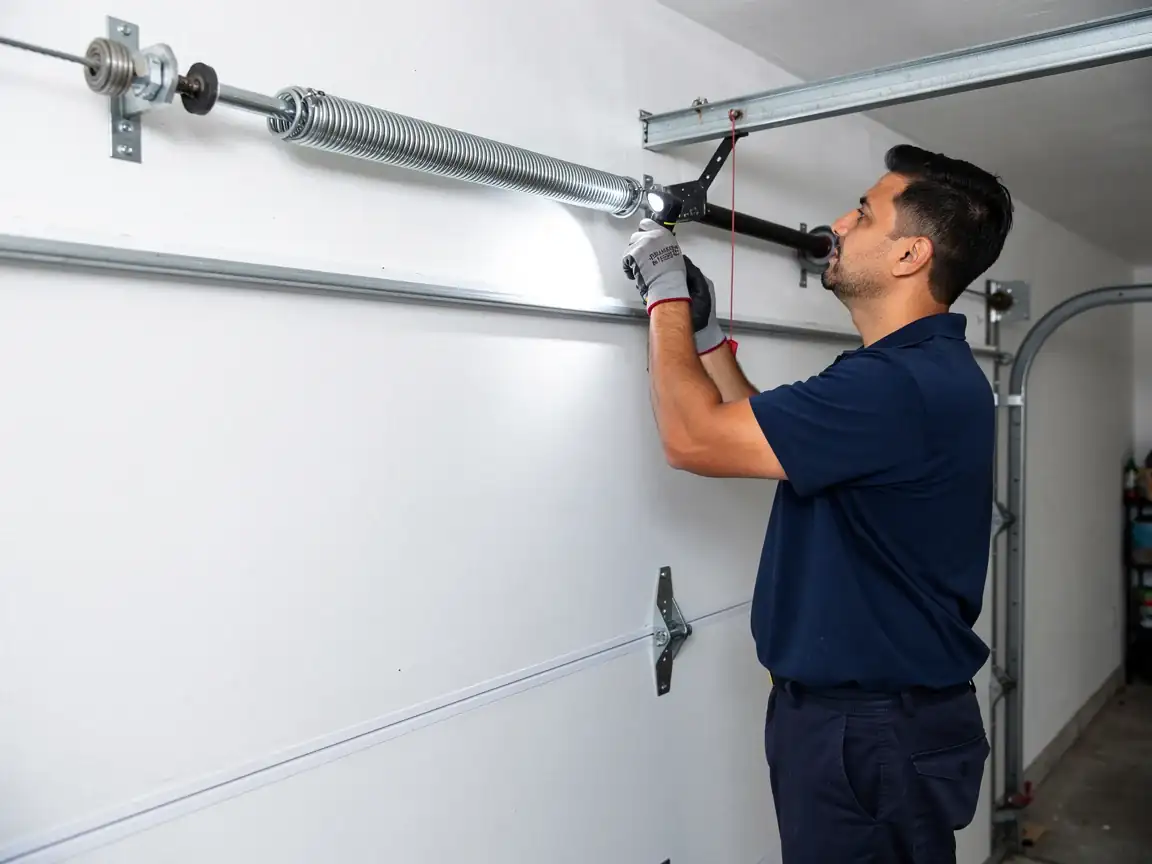
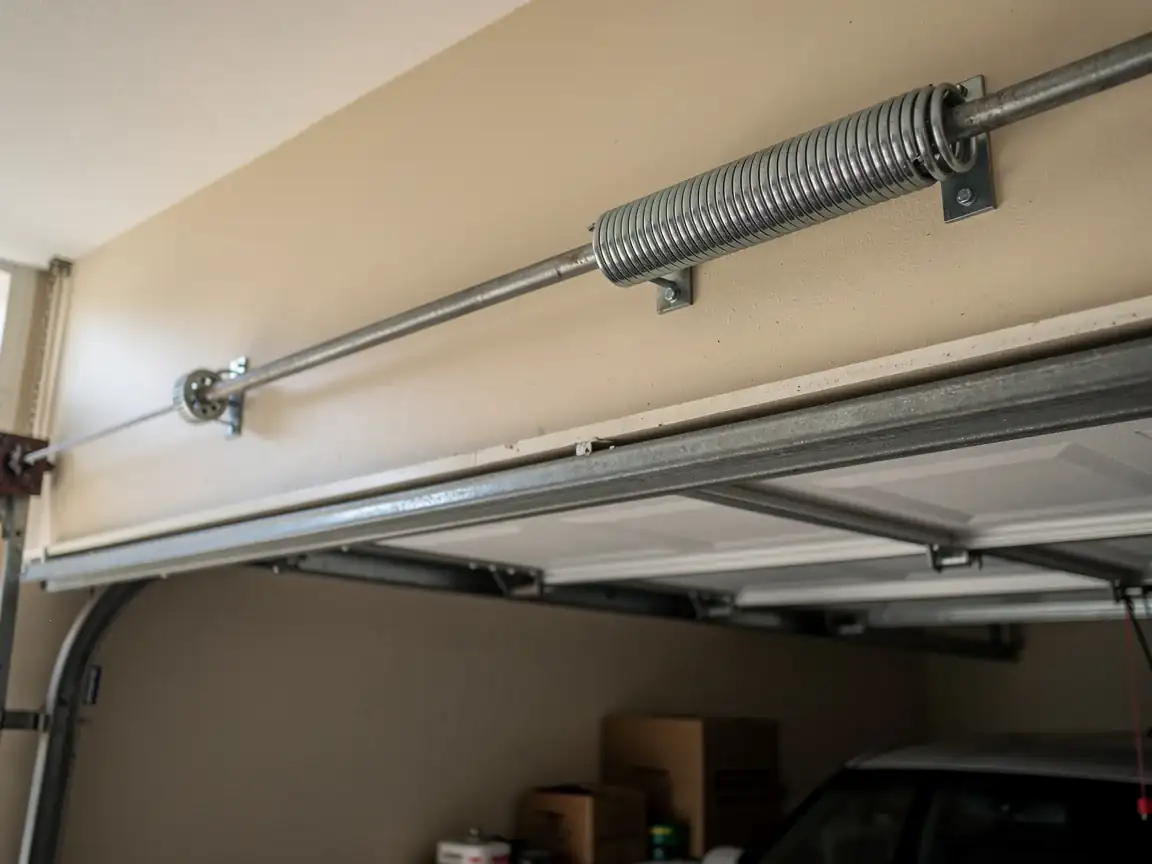
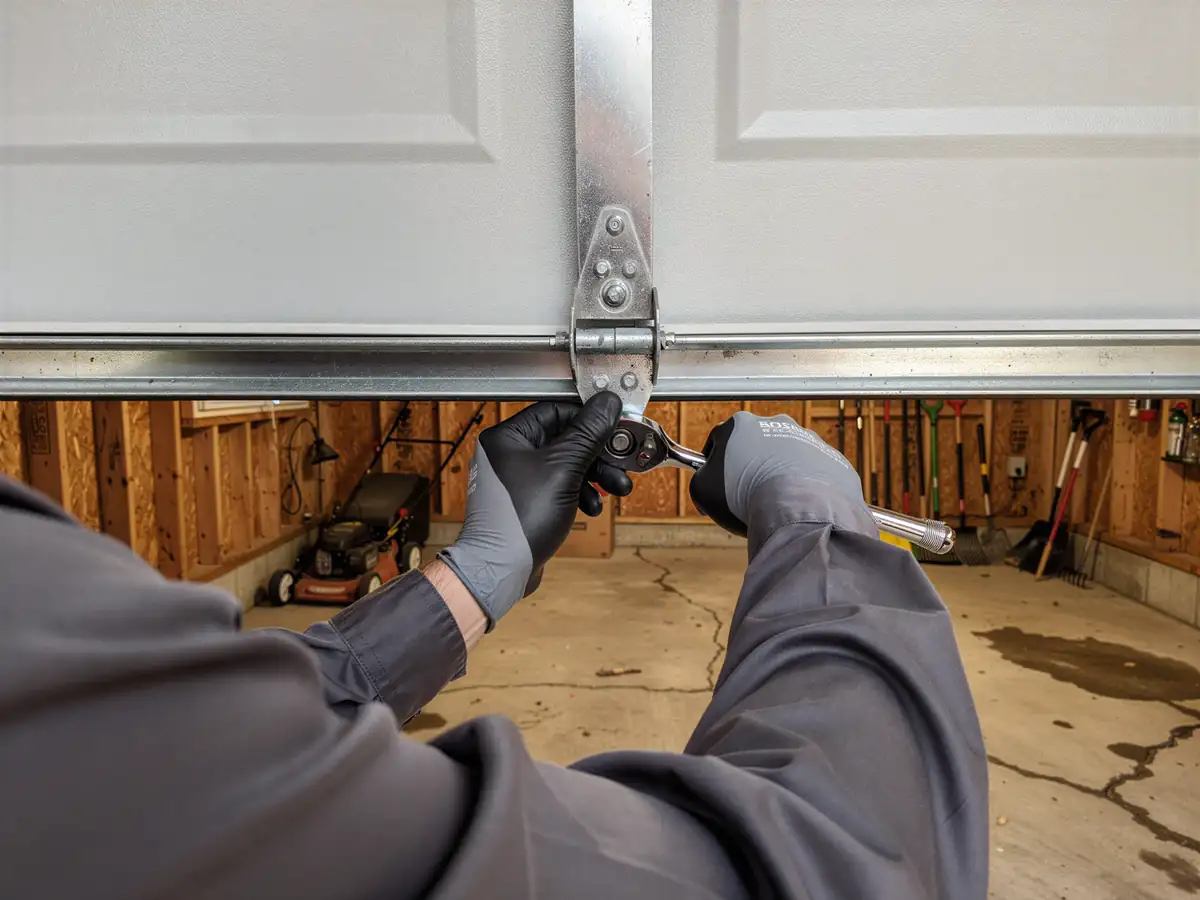
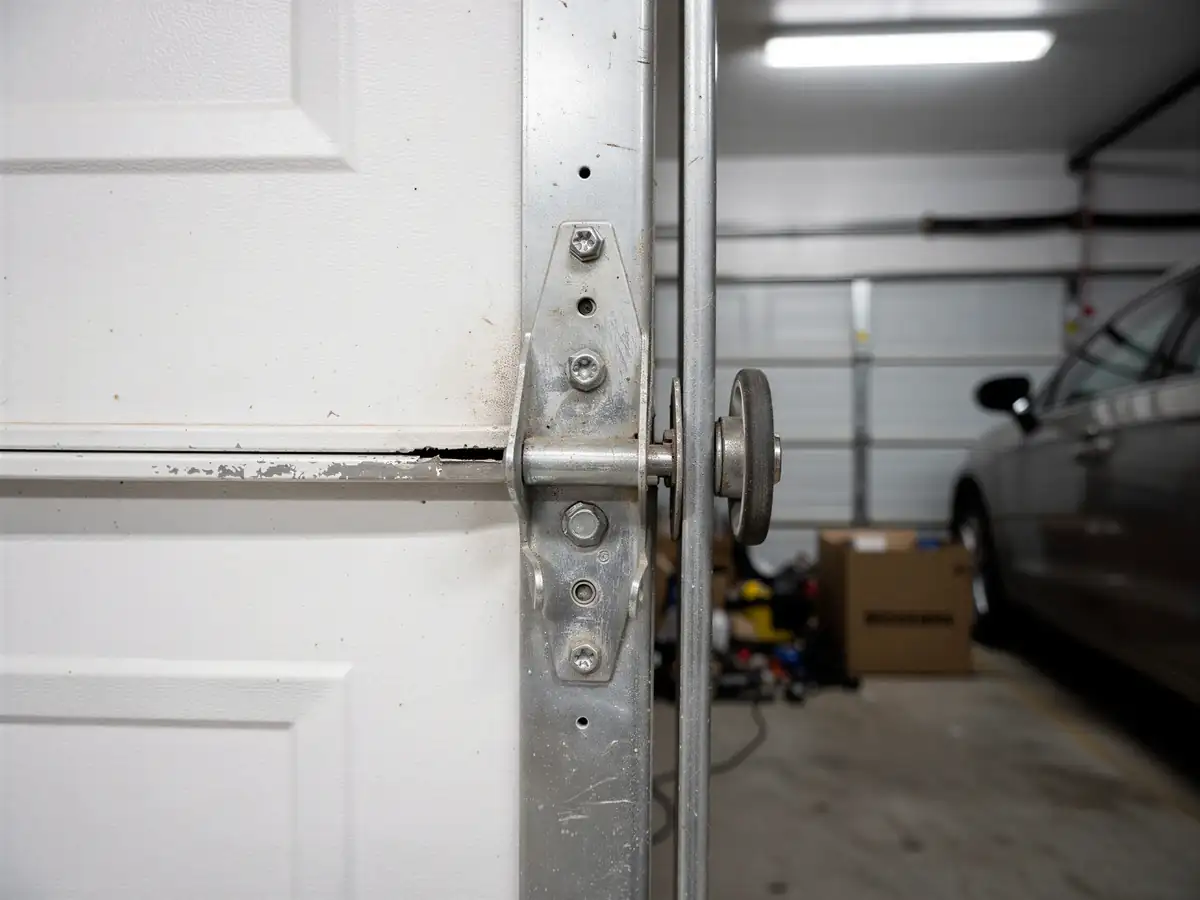
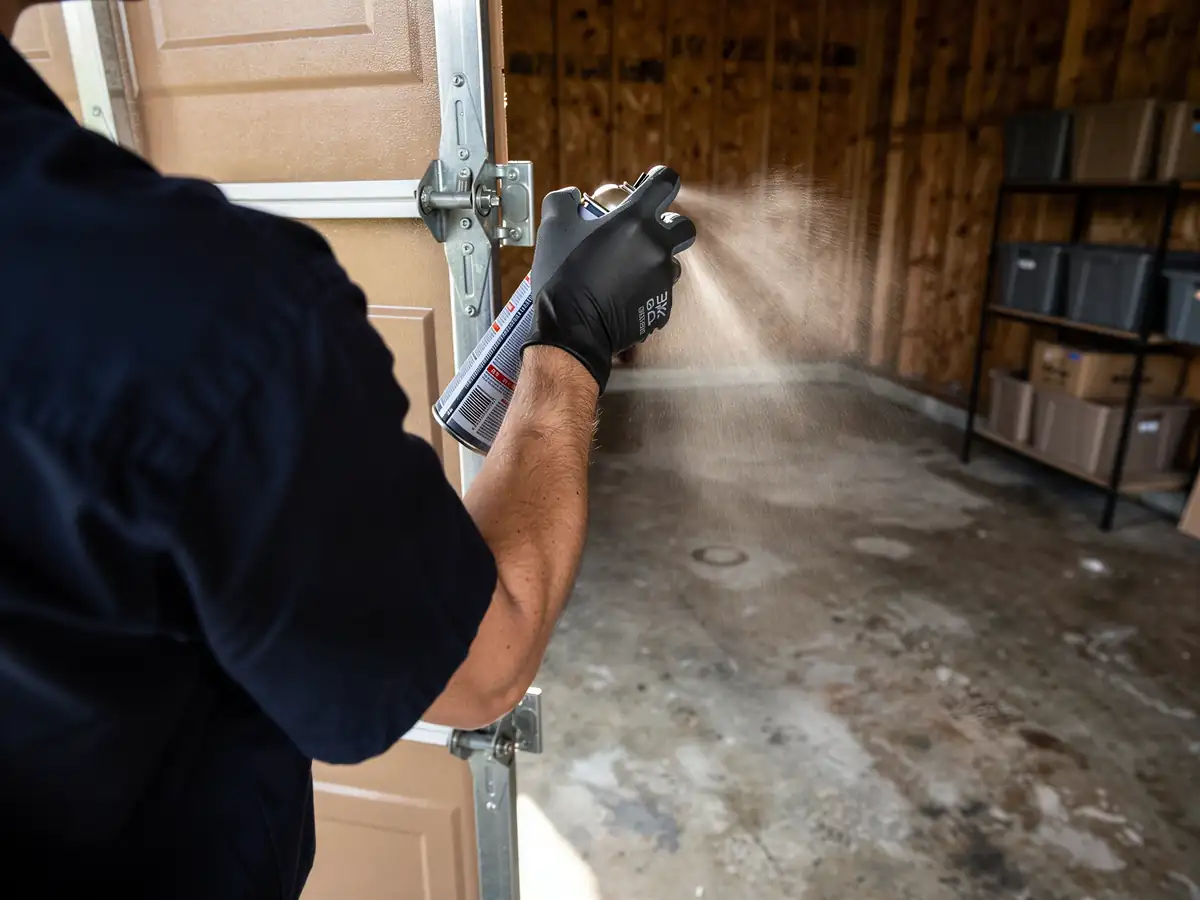
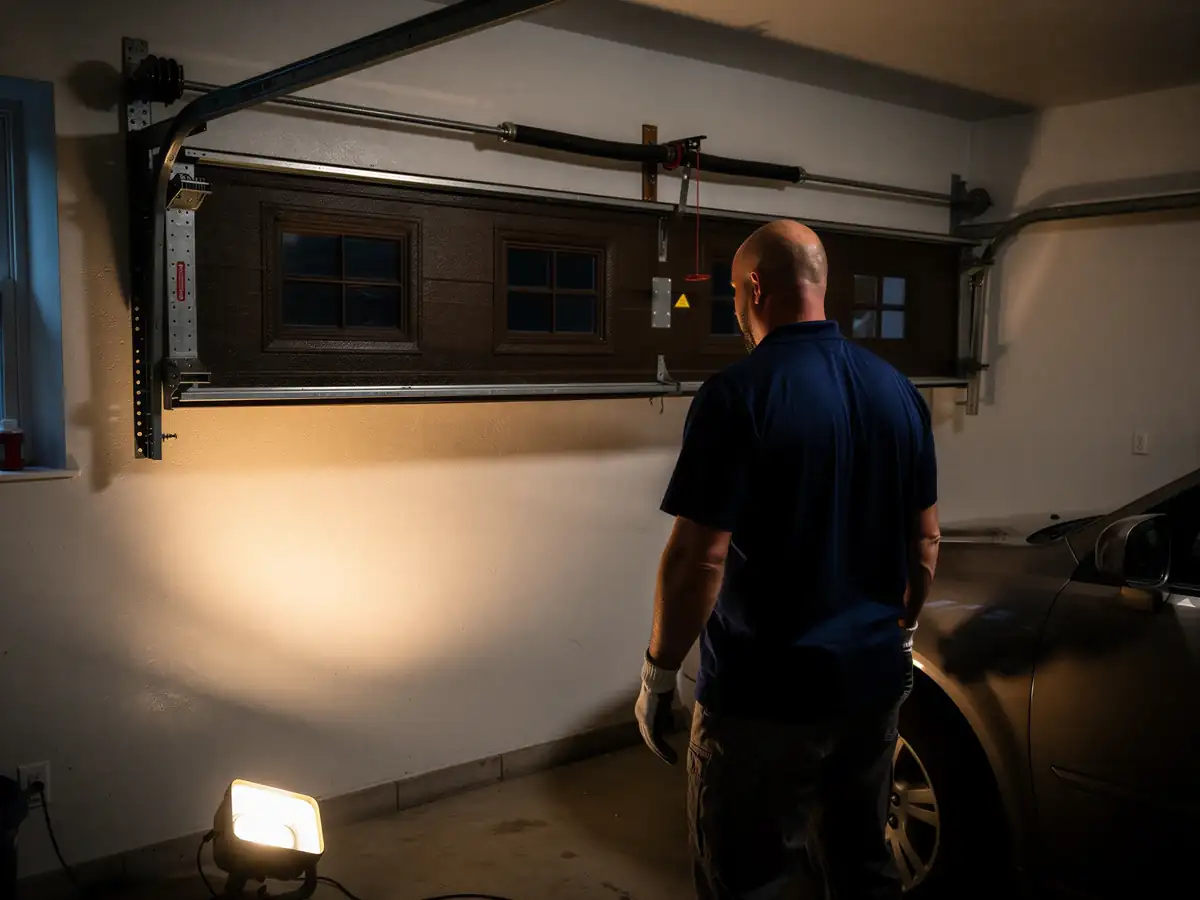
Older build dates plus a mild coastal climate add up to a specific failure pattern out here. Salt air off the Atlantic doesn't care about heat waves - it works on exposed galvanized hardware year-round, pitting springs and cables faster than the same parts would wear a few miles inland. On a house built around 1972, that's fifty-plus years of exposure on anything original. What we typically find: torsion springs that have gone soft rather than snapped clean, rollers worn oval instead of round, and tracks bent from decades of minor bumps nobody ever straightened. One honest limitation - if your opener is an older chain-drive unit paired with original hardware from that era, sometimes the repair cost gets close enough to a full replacement that patching it further doesn't make sense. We'll tell you when we hit that line instead of running up a bill on a door that's better off replaced.