Booking a Visit
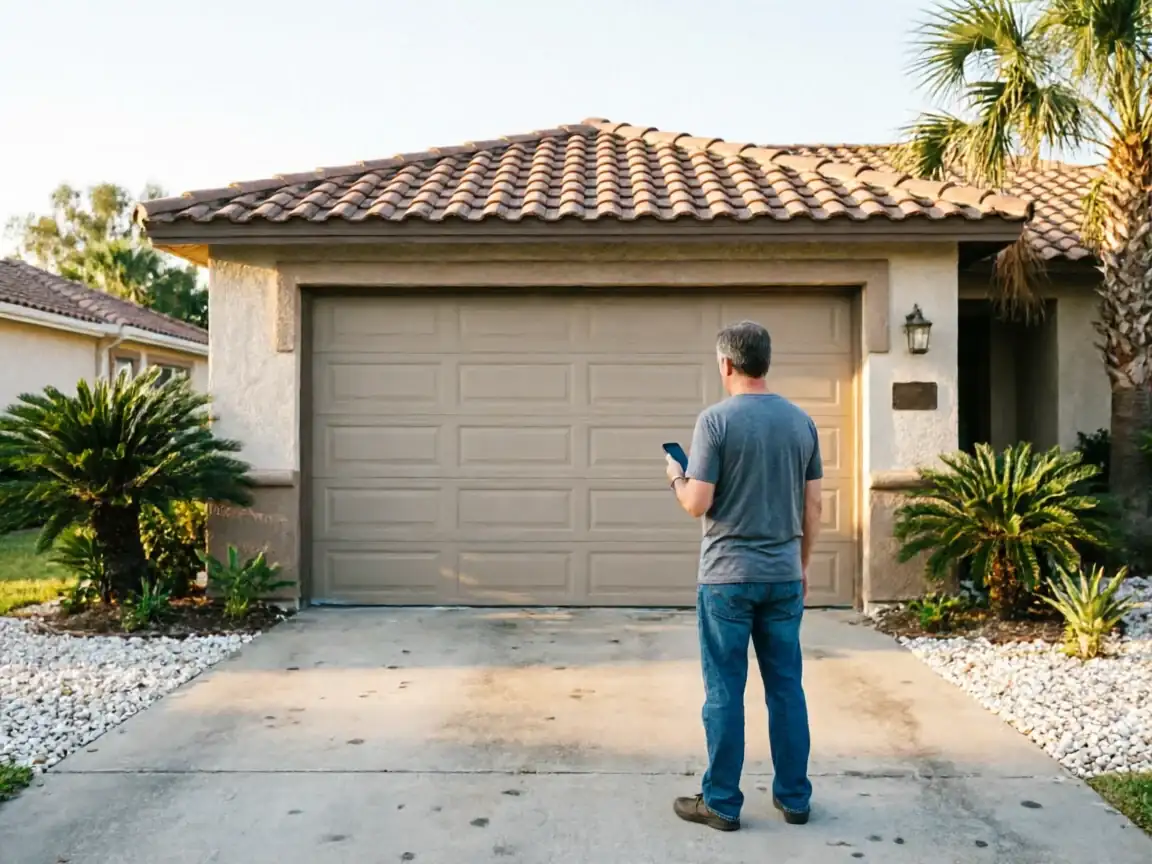
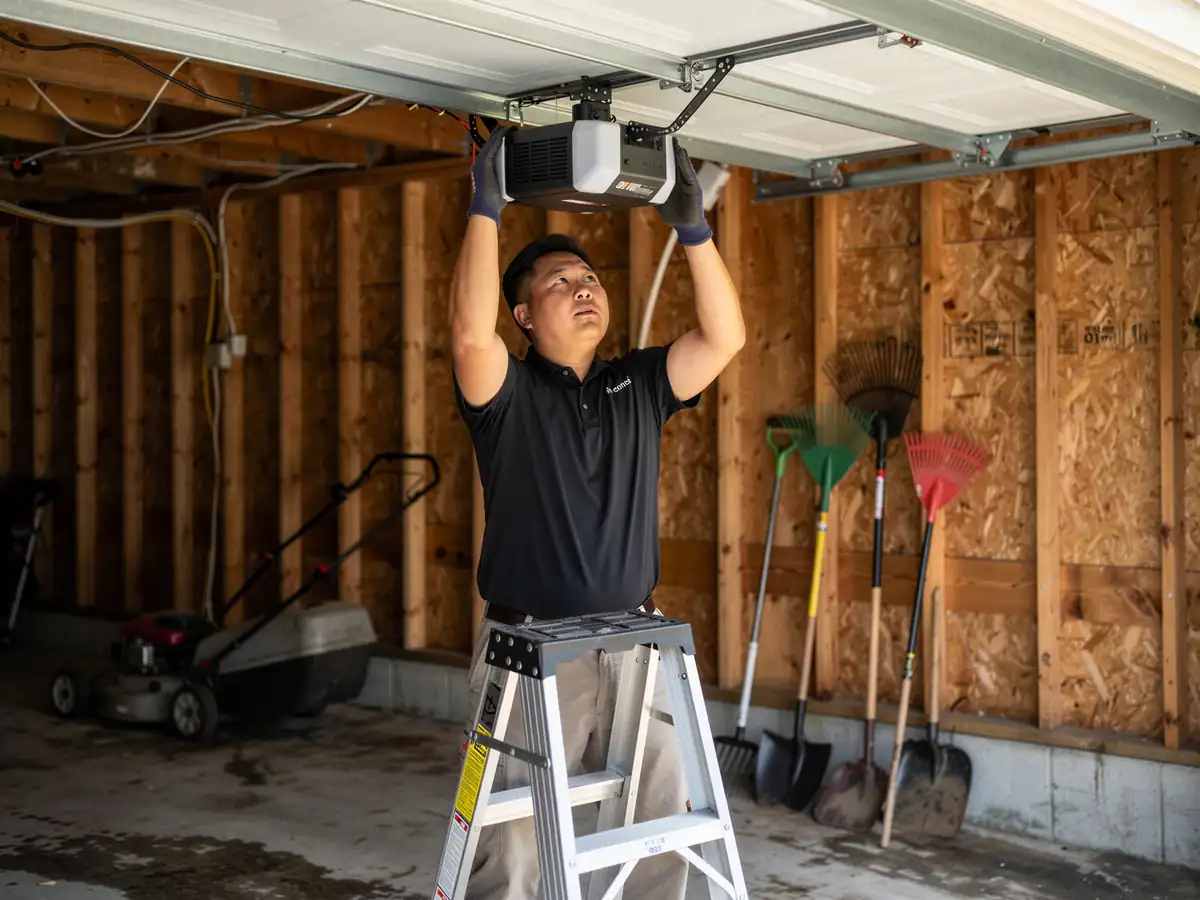
When you call for an emergency visit in Ormond-by-the-Sea, we're coming from Daytona Beach, about 11 miles out. We don't keep a branch or a drop box on this stretch of coast, so we ask what's wrong with the door before we load the truck - stuck torsion spring, opener that won't fire, cable off the drum, panel that won't track. That lets us bring the right spring size and the right roller stock instead of guessing. Across the broader service area the housing stock runs from 1972 to 1993, but the homes out here on the barrier side skew to the early end of that window, median year built 1972, so the hardware we load for an Ormond-by-the-Sea call often isn't the same hardware we'd load for a newer subdivision. Tell us the age of the house if you know it, or the brand name on the opener motor housing if you can read it - either helps us show up with the part already in hand instead of diagnosing twice.
The Symptom
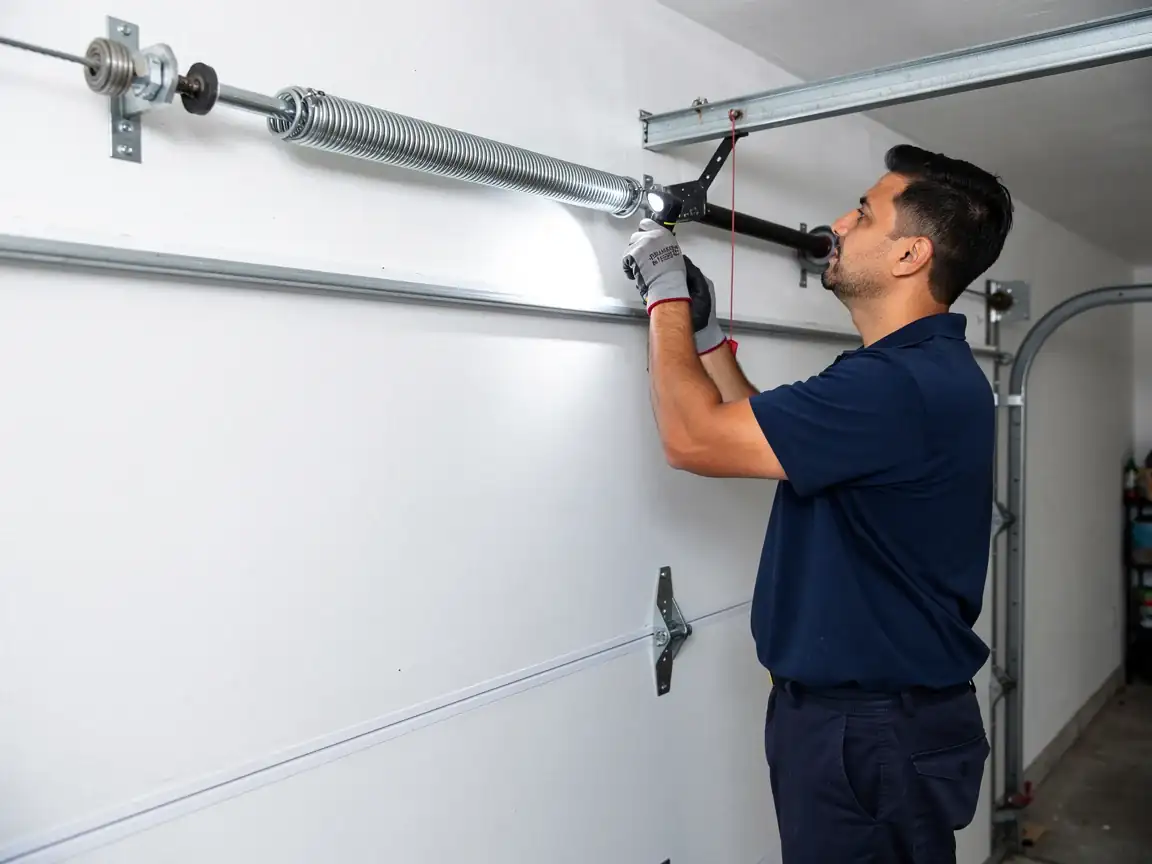
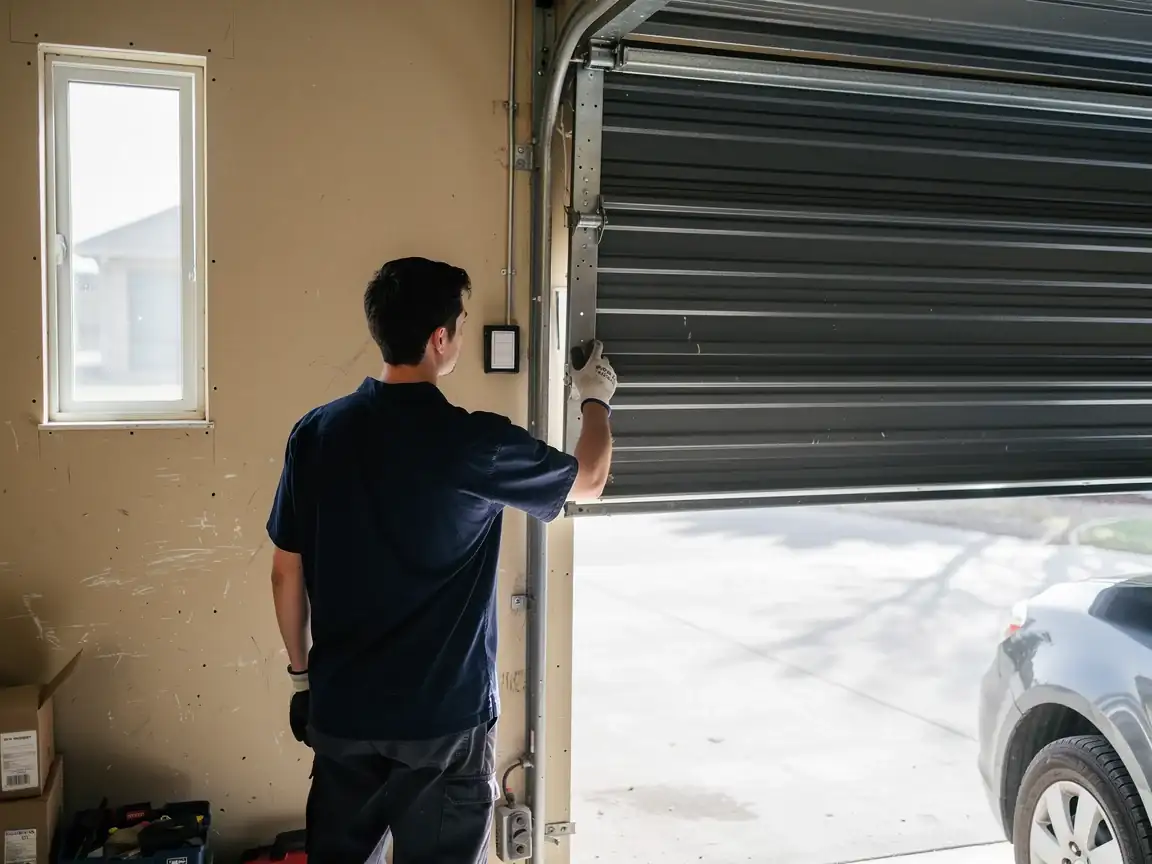
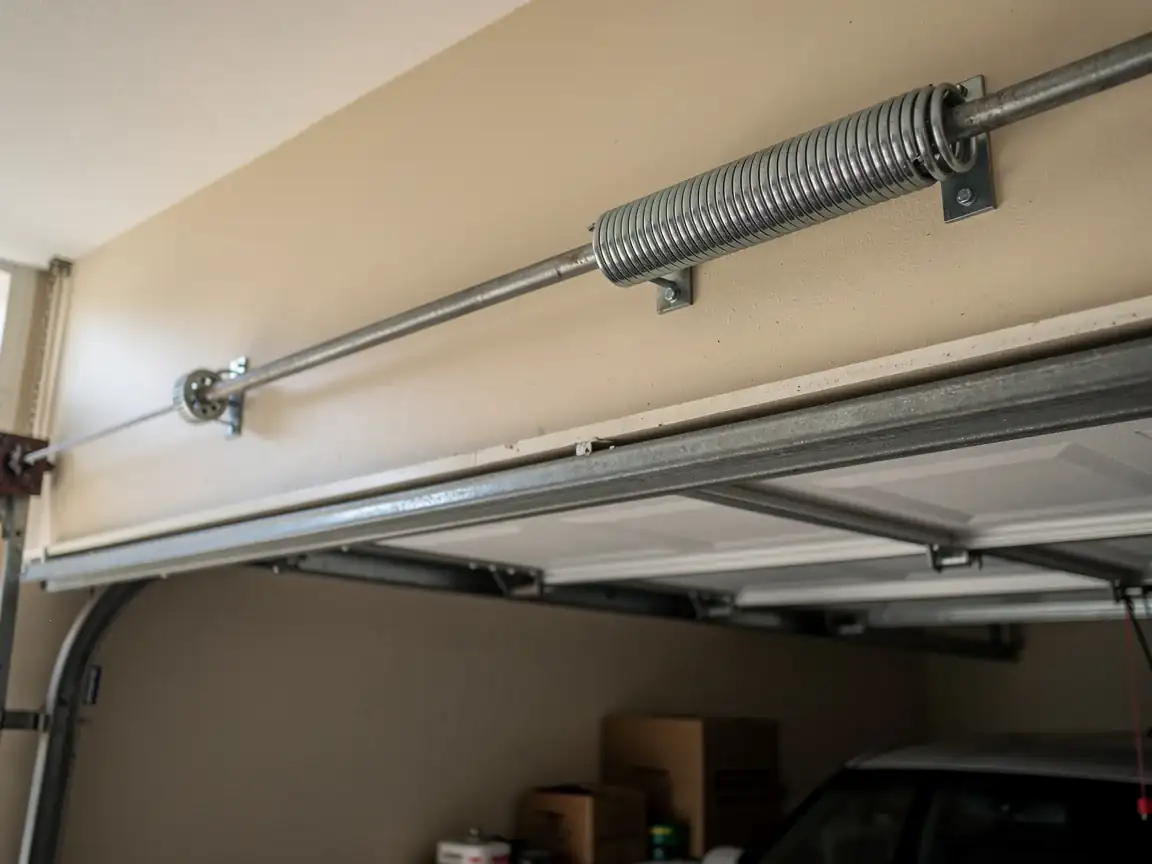
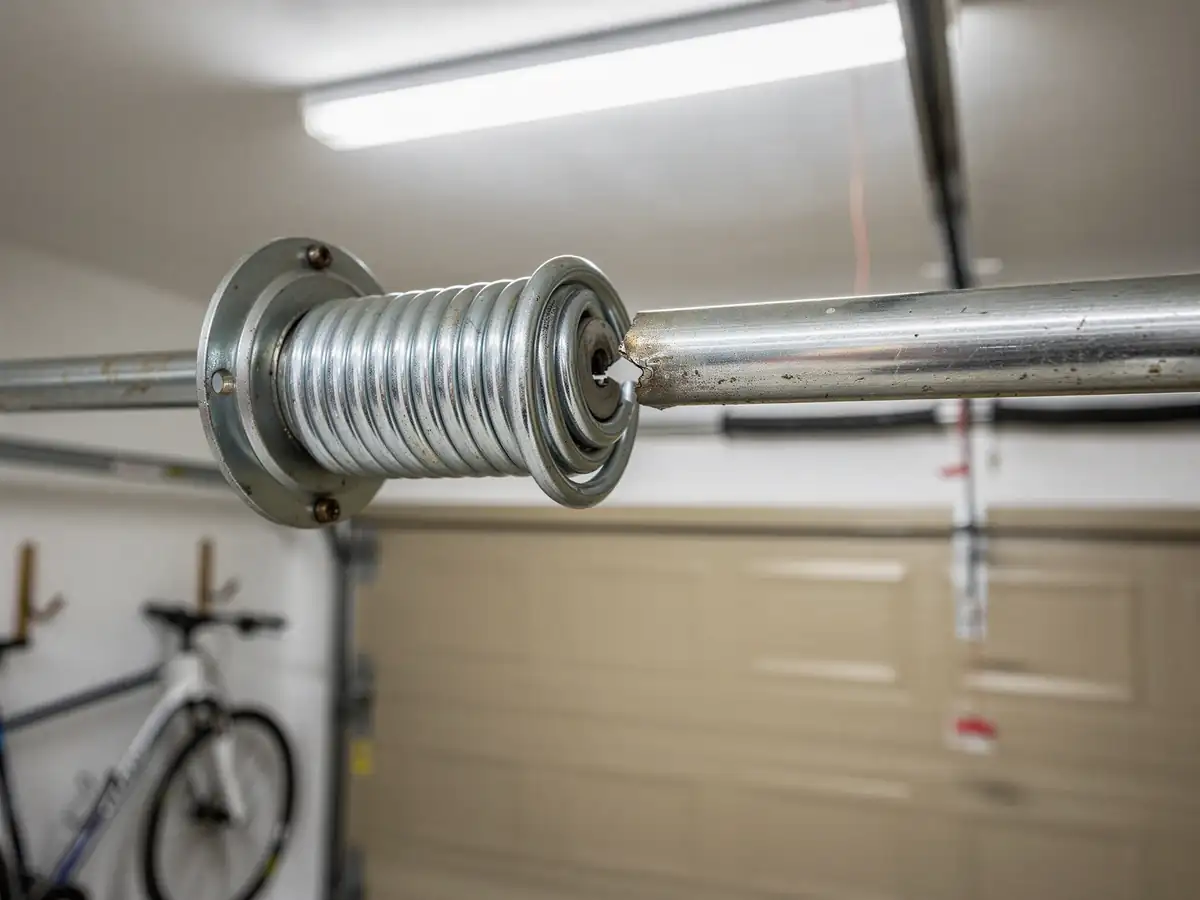
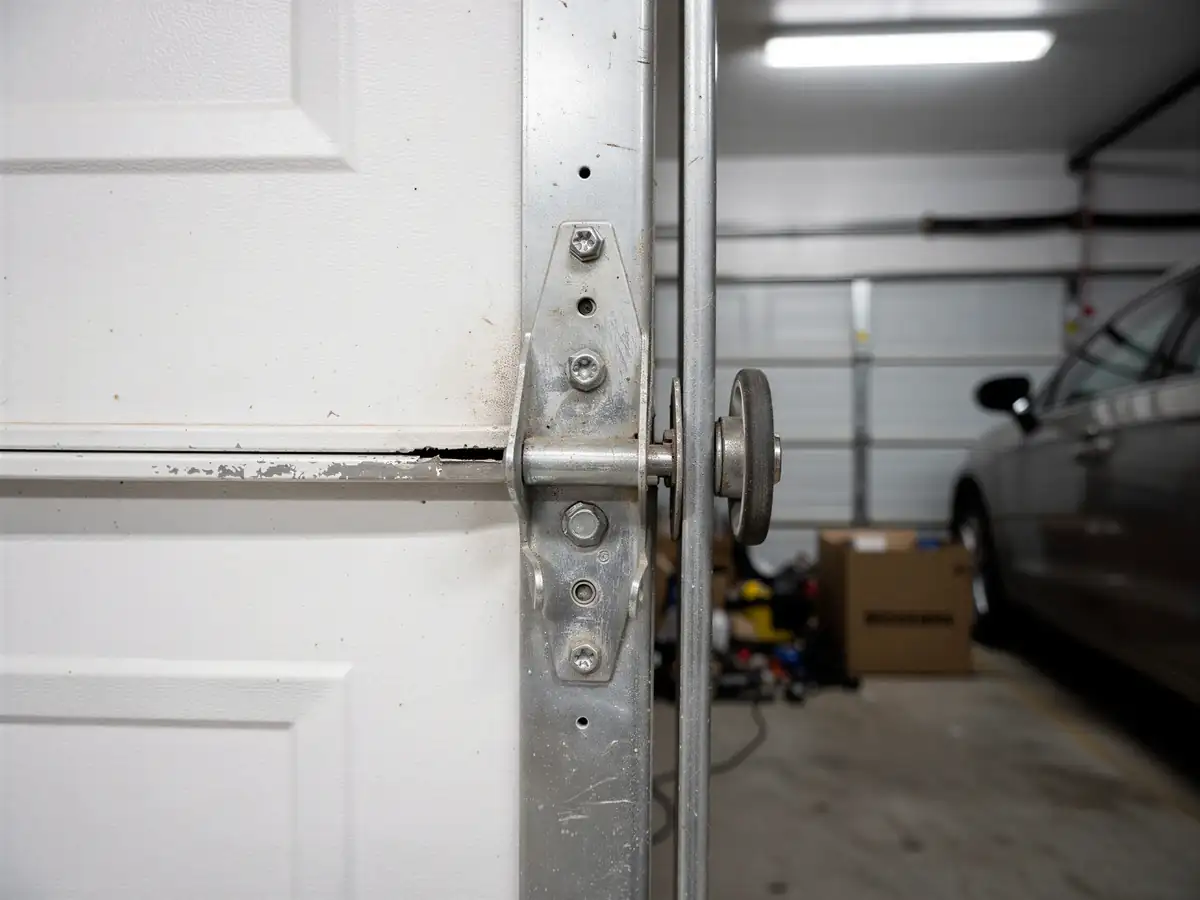
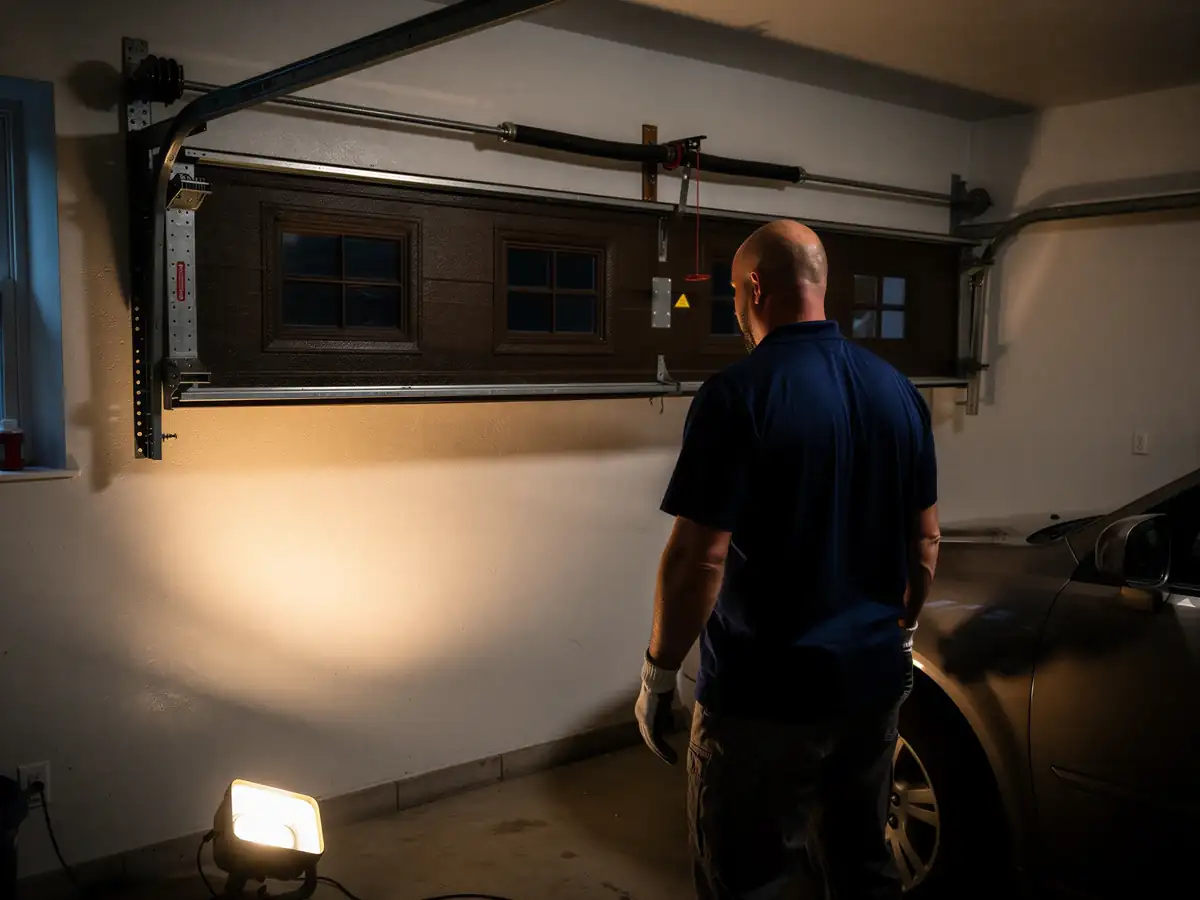
A door that was fine yesterday and won't move today usually points to one of three things on a house this age: a torsion spring that's fatigued past its coil count, a cable that's frayed off the drum, or an opener logic board that's finally given up after decades of salt-air duty. Houses built around 1972 in this part of the coast were commonly fitted with torsion hardware that's now well past any manufacturer's rated cycle life - springs don't fail on a schedule, but age and corrosion both push the odds the wrong way. If the door won't budge and the opener motor hums without moving anything, that's almost always spring tension, not the motor. If the door moves but grinds or binds partway up, look at the rollers and track before you assume it's the spring.
What the Repair Takes
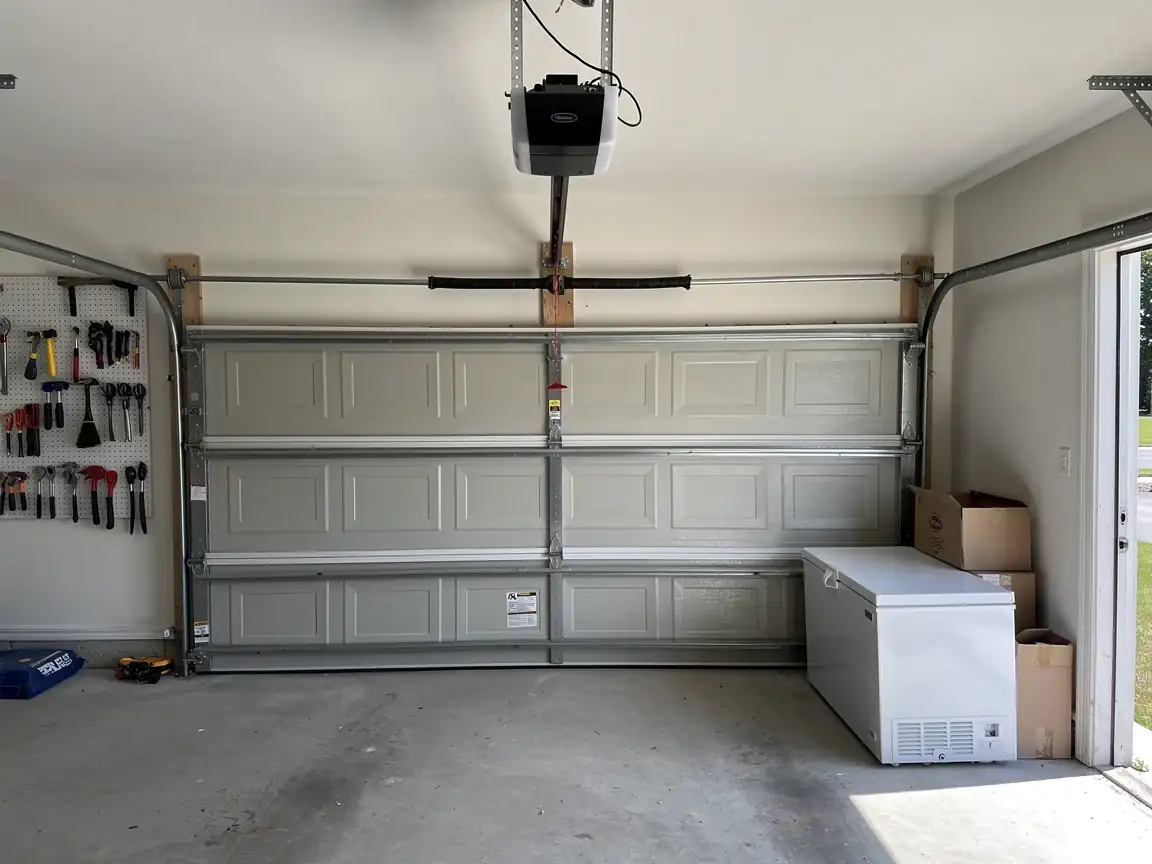
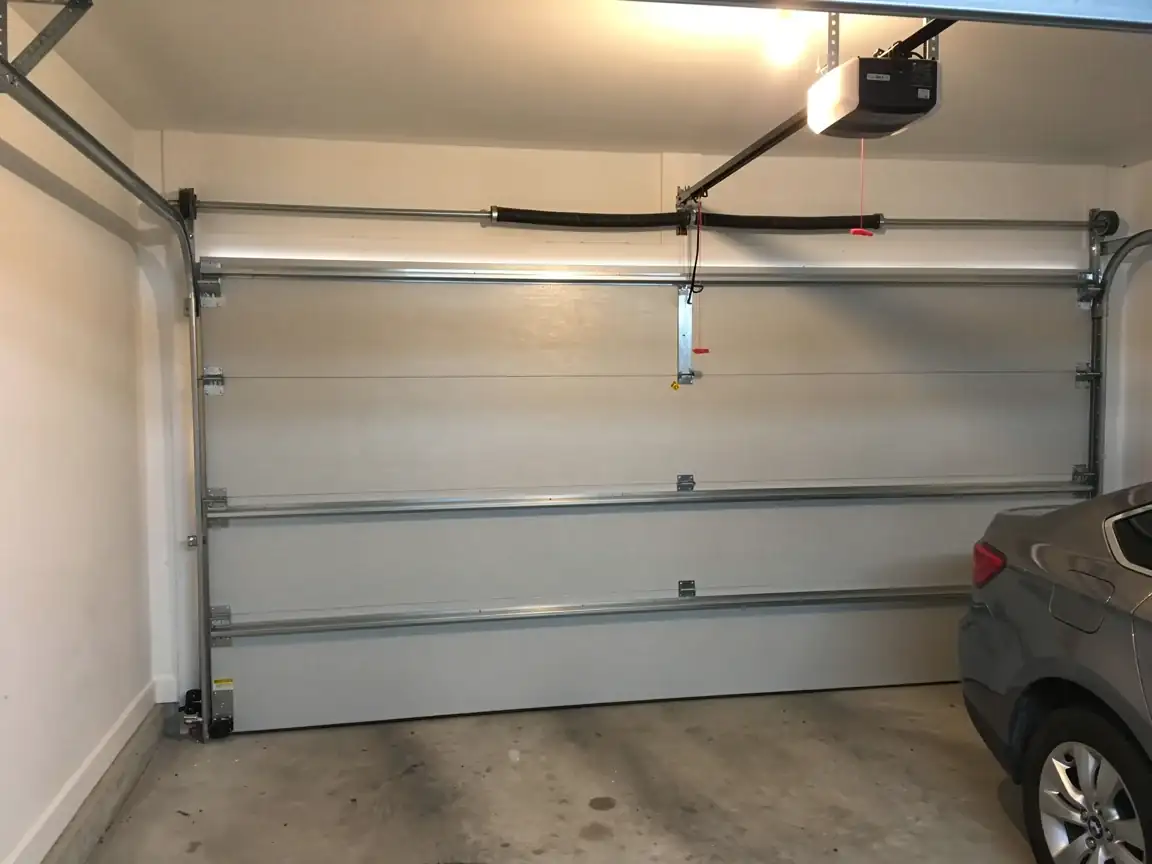
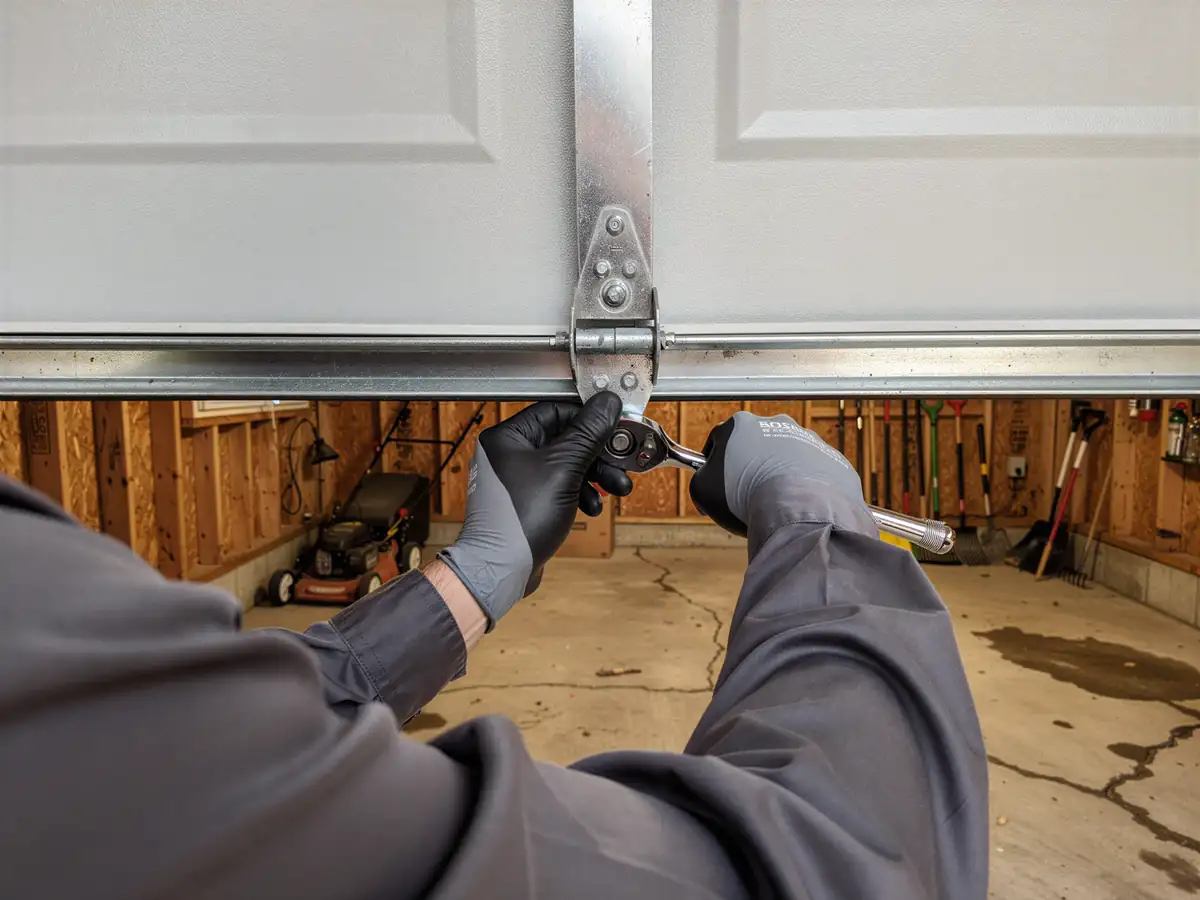
Most emergency calls split into two kinds of work: tension and drive. Tension work - springs, cables, the torsion bar itself - needs the door unwound safely before anything else happens, and on an older door that hasn't been serviced in years, the drums and bearing plates often need a look too, since one worn part tends to take others down with it. Drive work - opener motor, logic board, chain or belt - is usually faster, especially on a common residential brand. On homes from the early 1970s we also check the track alignment and the header bracket mounting before closing out the call, because decades of coastal humidity work on fasteners the same way they work on hinges, loosening what used to be solid. We'll tell you straight if a repair isn't worth doing - a door shell that's rusted through at the bottom panel is a replacement conversation, not a patch job.
The Complications
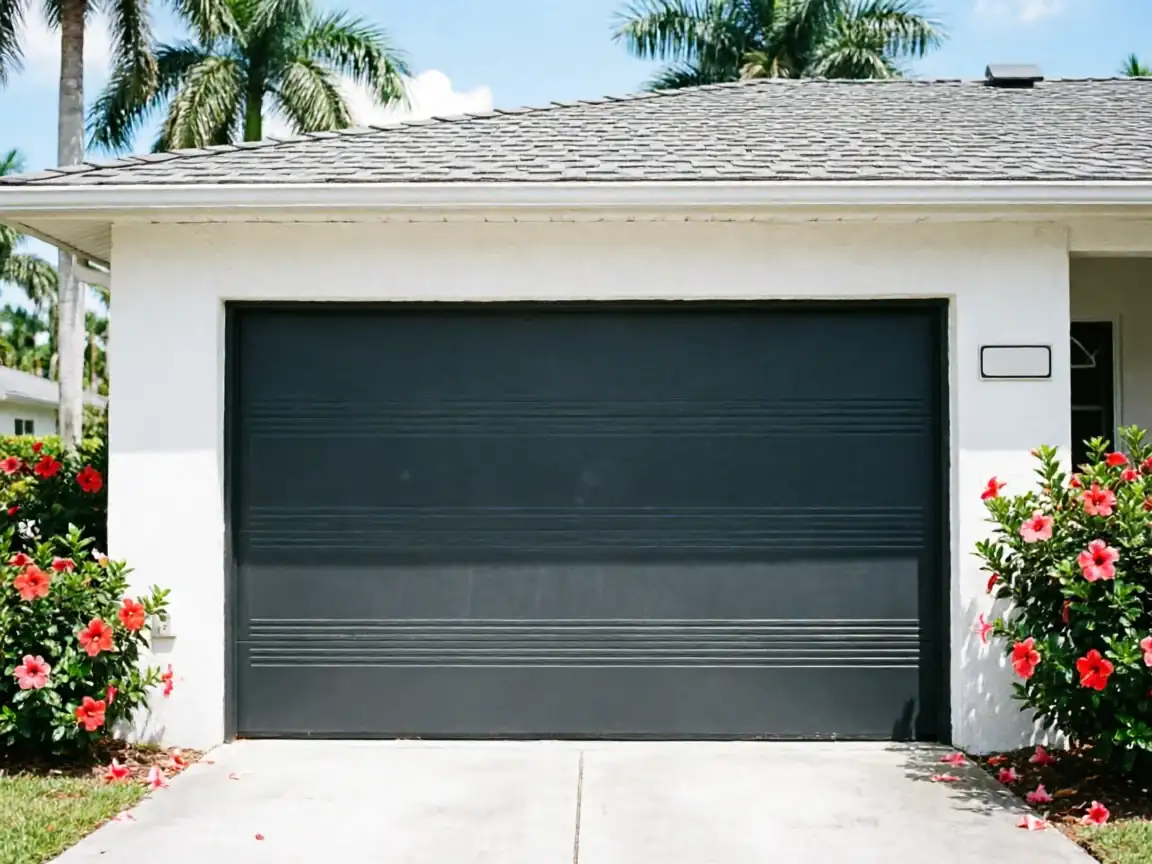
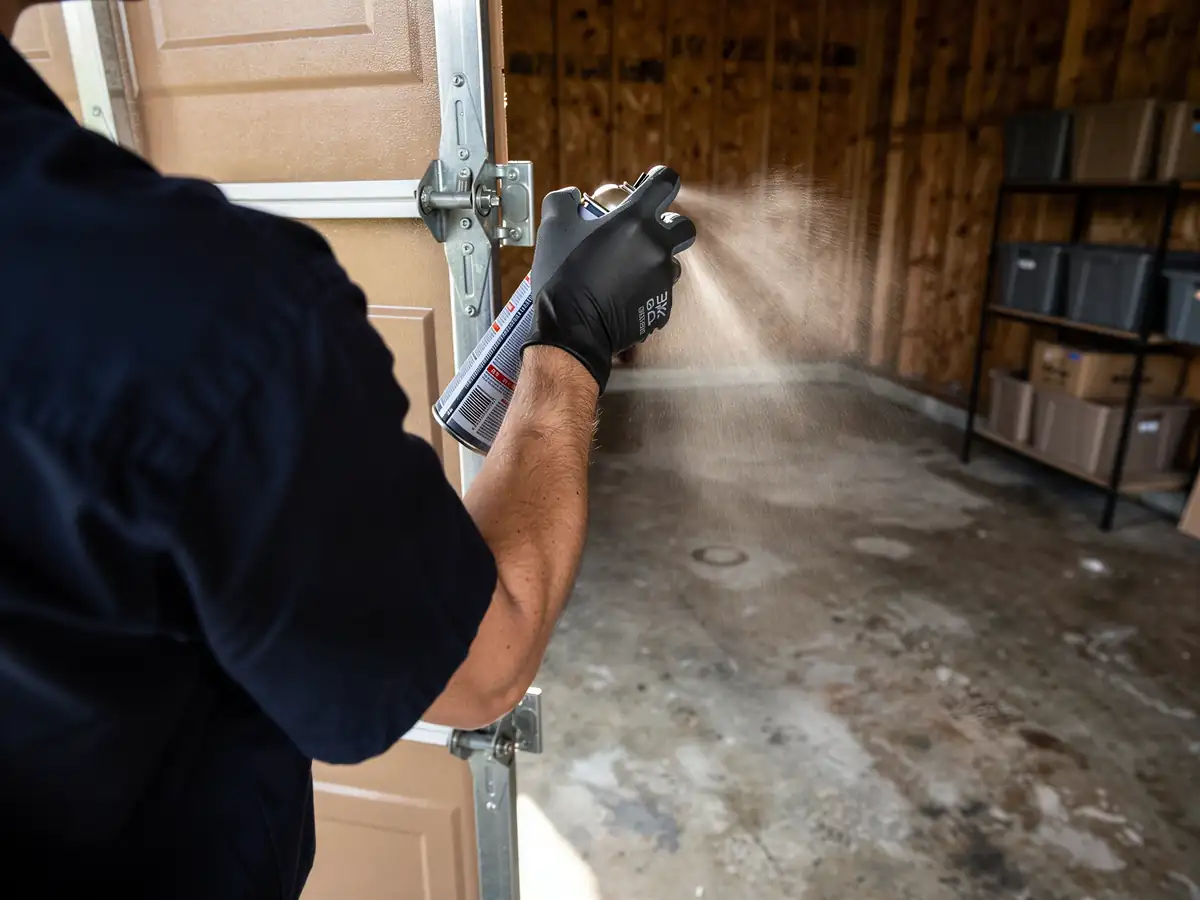
Ormond-by-the-Sea sits in a mild temperate climate band, so we're not dealing with freeze-thaw damage to tracks or seals the way colder regions do, but salt air off the coast is its own problem - it corrodes springs, cables, and hinge pins faster than inland homes see, even on doors half the age. With roughly 3,768 households out here, most on the older end of the area's 1972-to-1993 housing range, we see more corroded hardware calls per capita than in newer tracts closer to Daytona Beach proper. One honest limitation: if the spring or track hardware on your door is an obsolete gauge or size that's no longer manufactured, we may need to order a replacement rather than fix it same-day, and that can add a day or two to the job. For general background on garage doors in this neighborhood, see our Ormond-by-the-Sea garage doors page; for the full range of emergency repair work we handle from our Daytona Beach base, see emergency garage door repair in Daytona Beach.