Booking a Visit
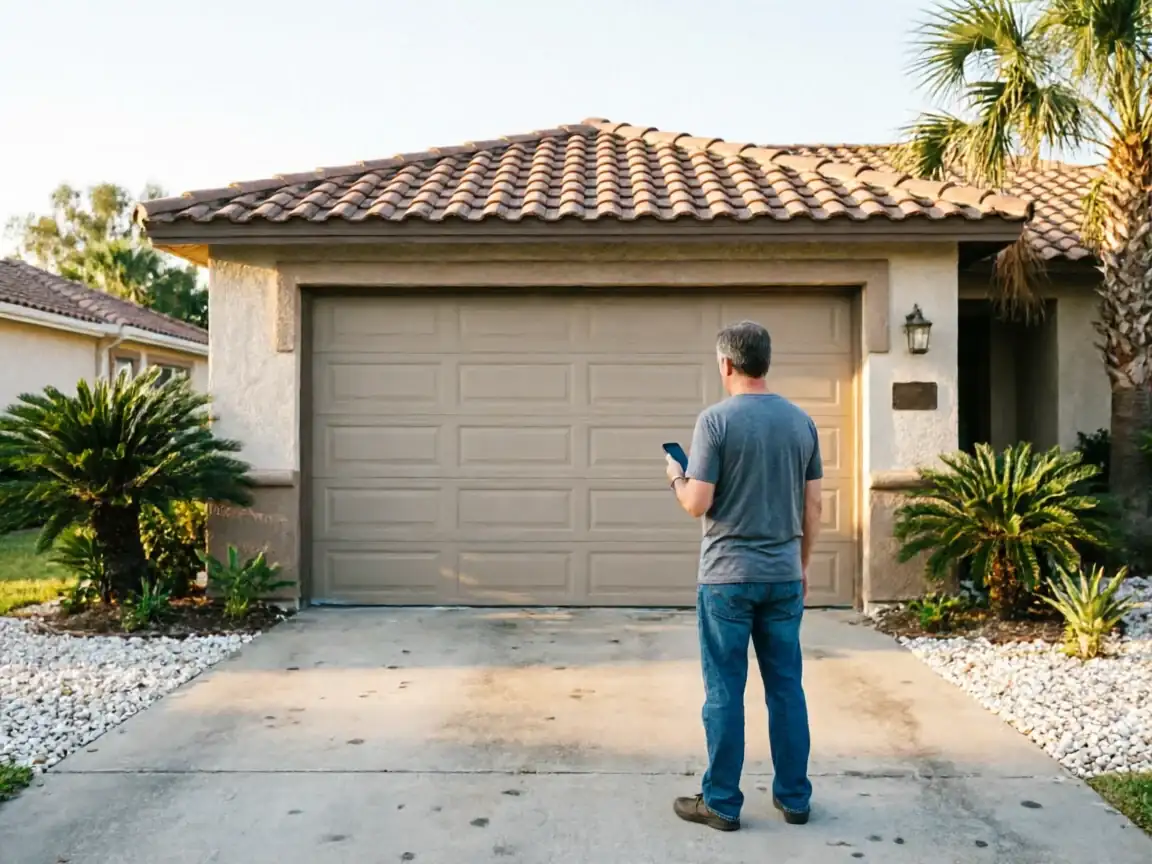
Ormond-by-the-Sea sits about 11 miles from our shop in Daytona Beach, which is a real drive, not a quick hop across town. That doesn't change whether we come out, but it does change how we schedule the day. We try to group calls on the barrier island side so a truck isn't making the same stretch of road twice in one afternoon. When you call, tell us if the door won't open at all versus if it's just noisy or slow - that distinction decides whether the job goes on today's route or tomorrow's. We don't keep a second crew stationed out here, so the honest answer on timing is: same-day is common, but it depends on where else we're already headed that day.
If you can, have someone home or the garage accessible when we arrive. A wasted trip on an 11-mile run costs more than a wasted trip across town, and that cost eventually shows up in how fast we can get back to you if the first visit doesn't finish the job.
The Symptom
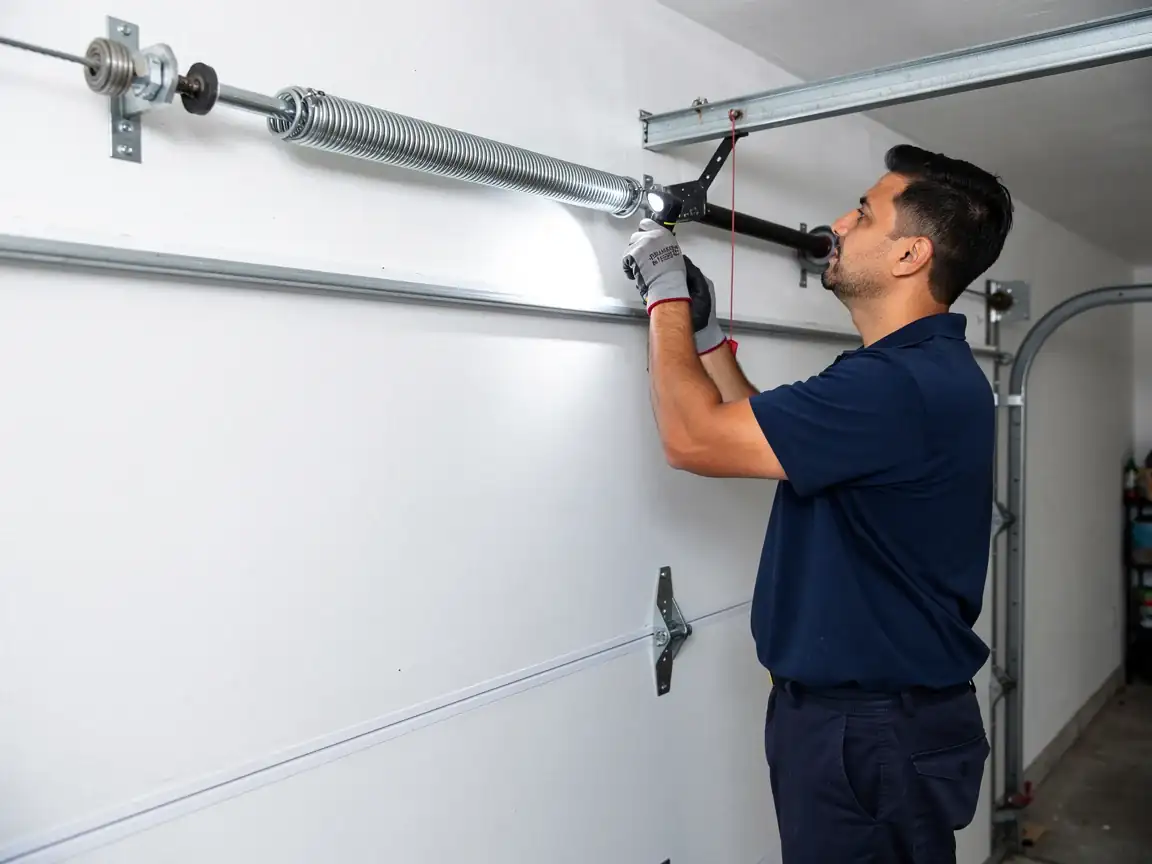
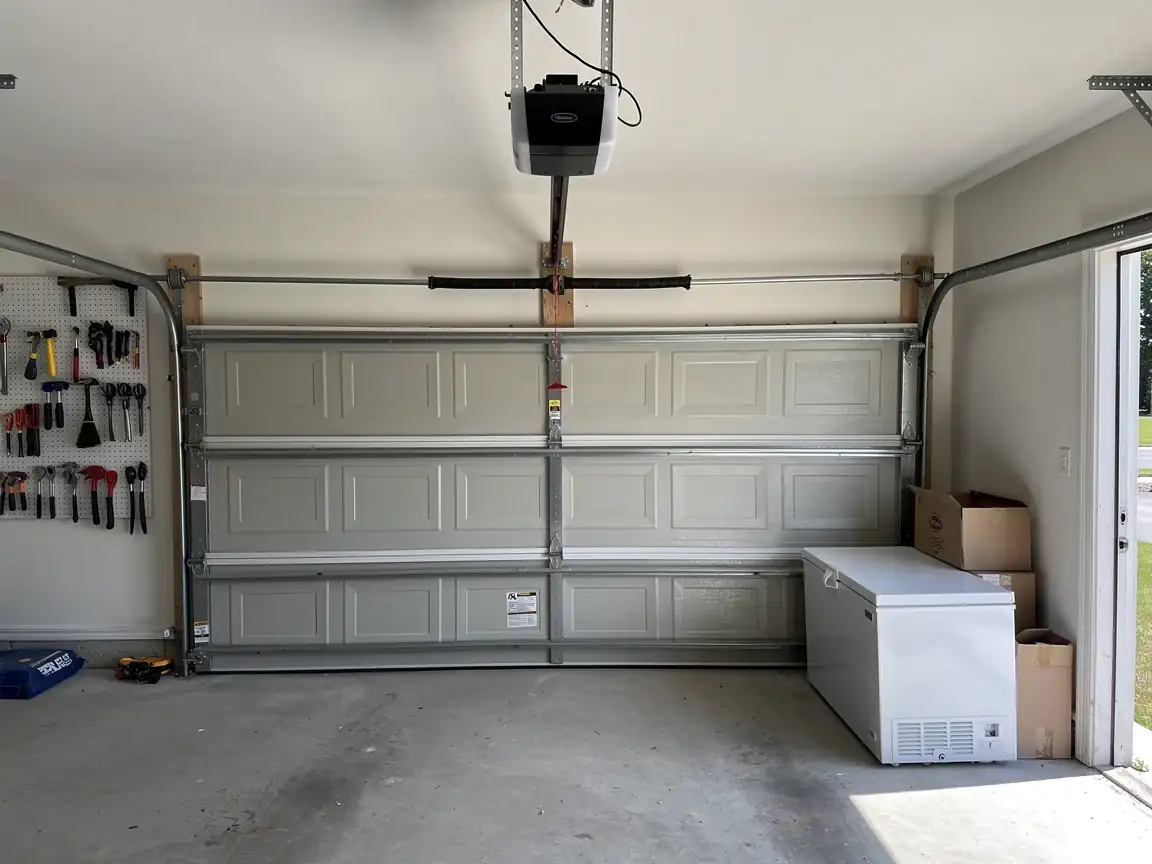
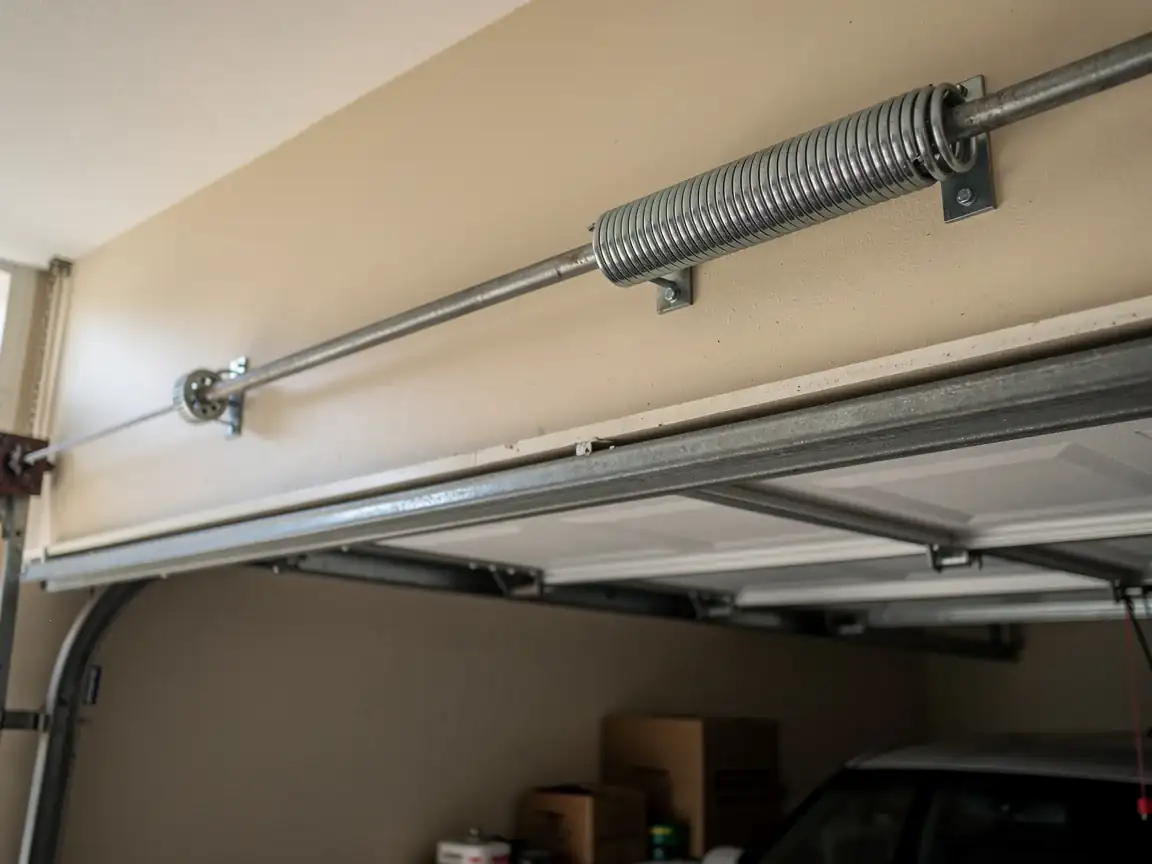
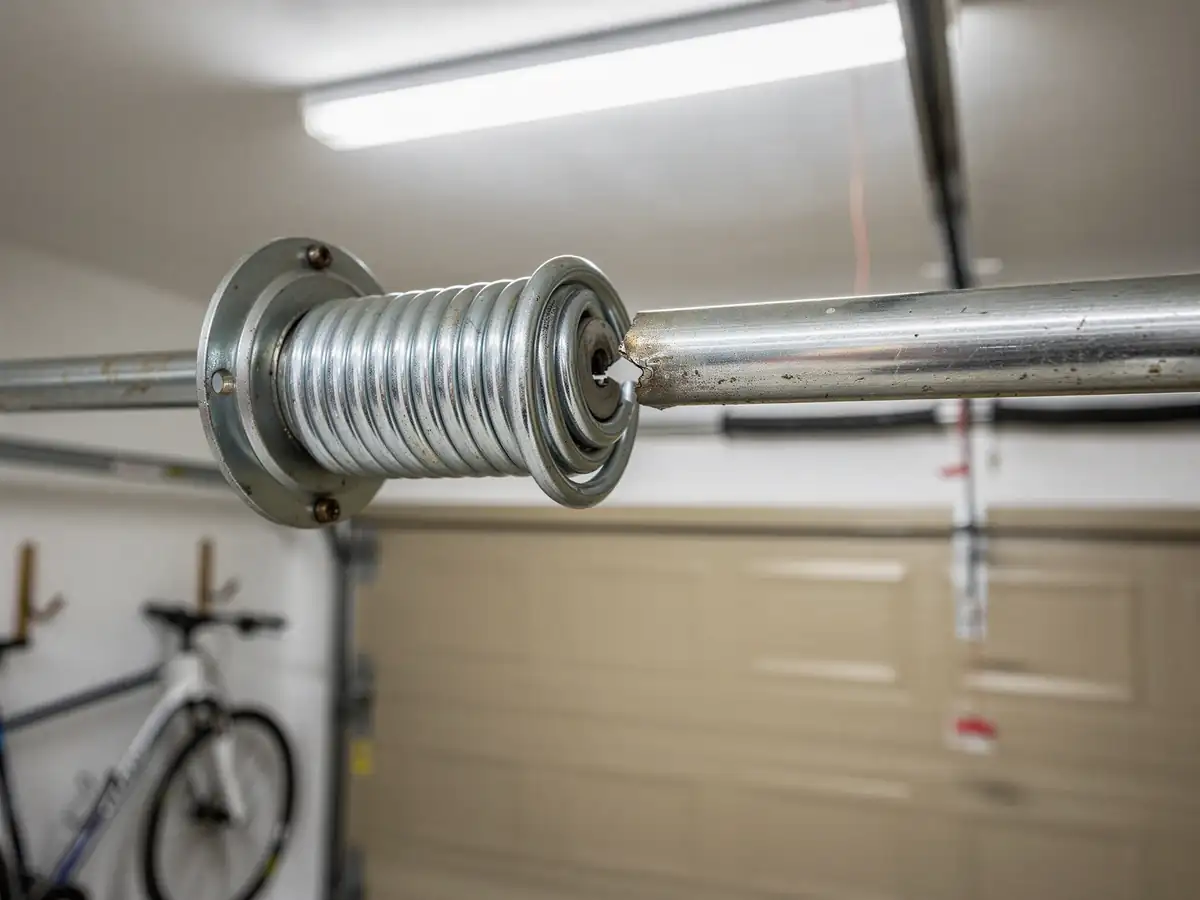
The typical house in Ormond-by-the-Sea went up around 1972, which puts it at the early edge of the 1972-1993 build range we see across this part of the service area. That matters because a door from the early 70s is more likely to still be running its original torsion spring and the hardware that came with it - steel that's now been cycling open and shut for five decades. The usual complaint we hear is a door that groans on the way up, hesitates a few inches off the floor, or suddenly won't lift at all with a loud bang from the torsion tube. That bang is almost always the spring letting go, not the opener failing.
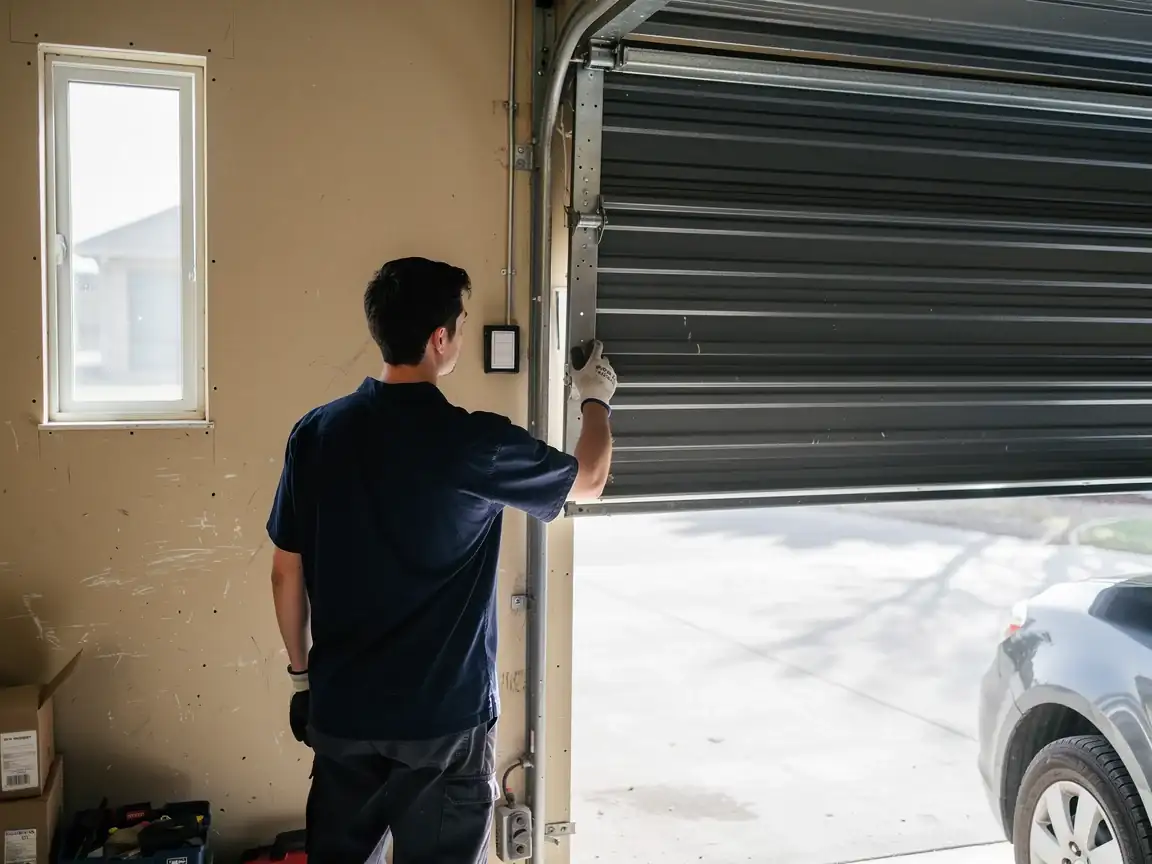
Newer doors in town, where a remodel or replacement happened at some point, tend to show different symptoms - off-track rollers, a safety sensor knocked out of alignment, or a cable that's frayed rather than snapped. Knowing which decade your door came from before we even arrive helps us load the right spring and hardware onto the truck instead of guessing.
How Long You Are Without the Door
With about 3,768 households in Ormond-by-the-Sea
This isn't a neighborhood where we keep a stocked trailer parked nearby - everything comes from Daytona Beach on the same trip as the technician. For a straightforward torsion spring swap or a broken cable, that's not a problem; the standard sizes ride on the truck already. Where it gets slower is a door old enough to use a spring size or drum that nobody carries as a stock part anymore, which does happen on 1970s-era doors that were never upgraded. In that case we may need to order the exact part before we can finish, and the drive back out adds a day or two rather than hours.
- 3,768 households
We'd rather tell you that upfront than promise a same-visit fix and not deliver it
A mild coastal climate like this one doesn't freeze hardware shut the way a cold-winter town would, so you're not racing a weather window - the delay is about the part, not the conditions.
What the Repair Takes
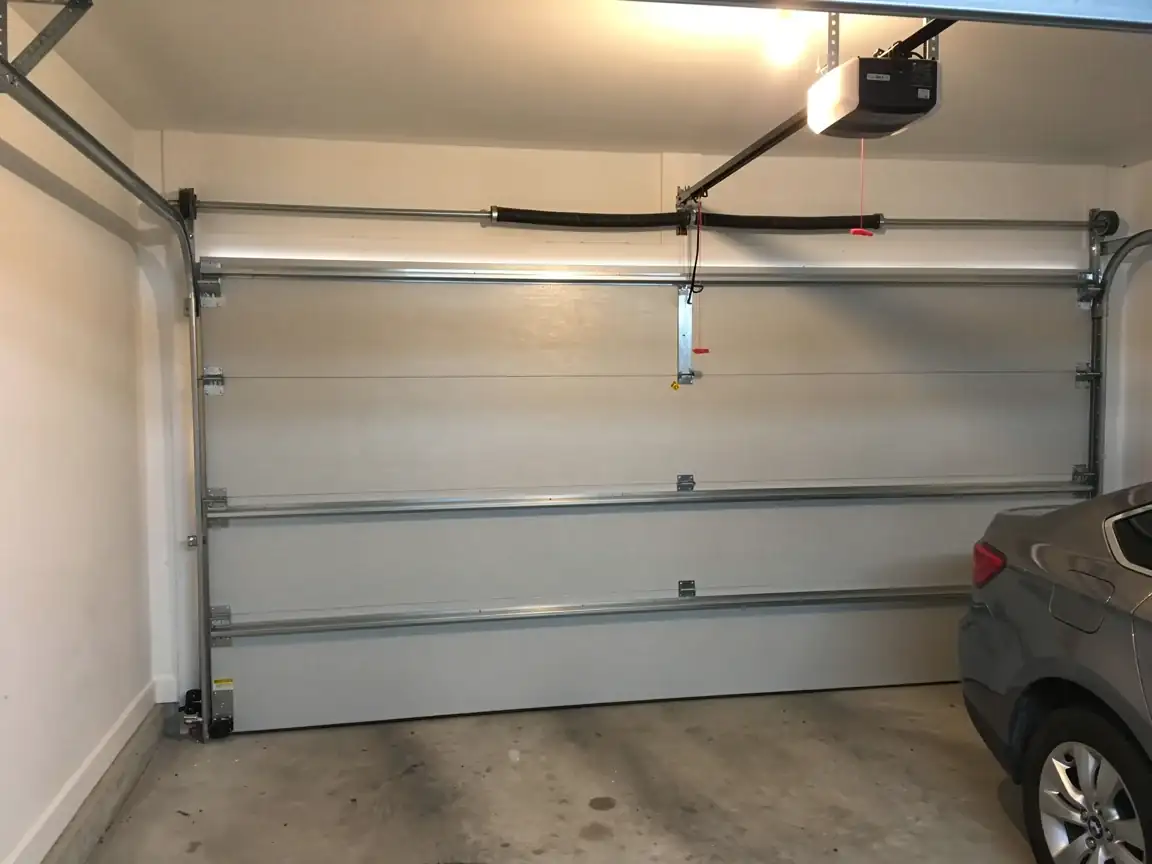
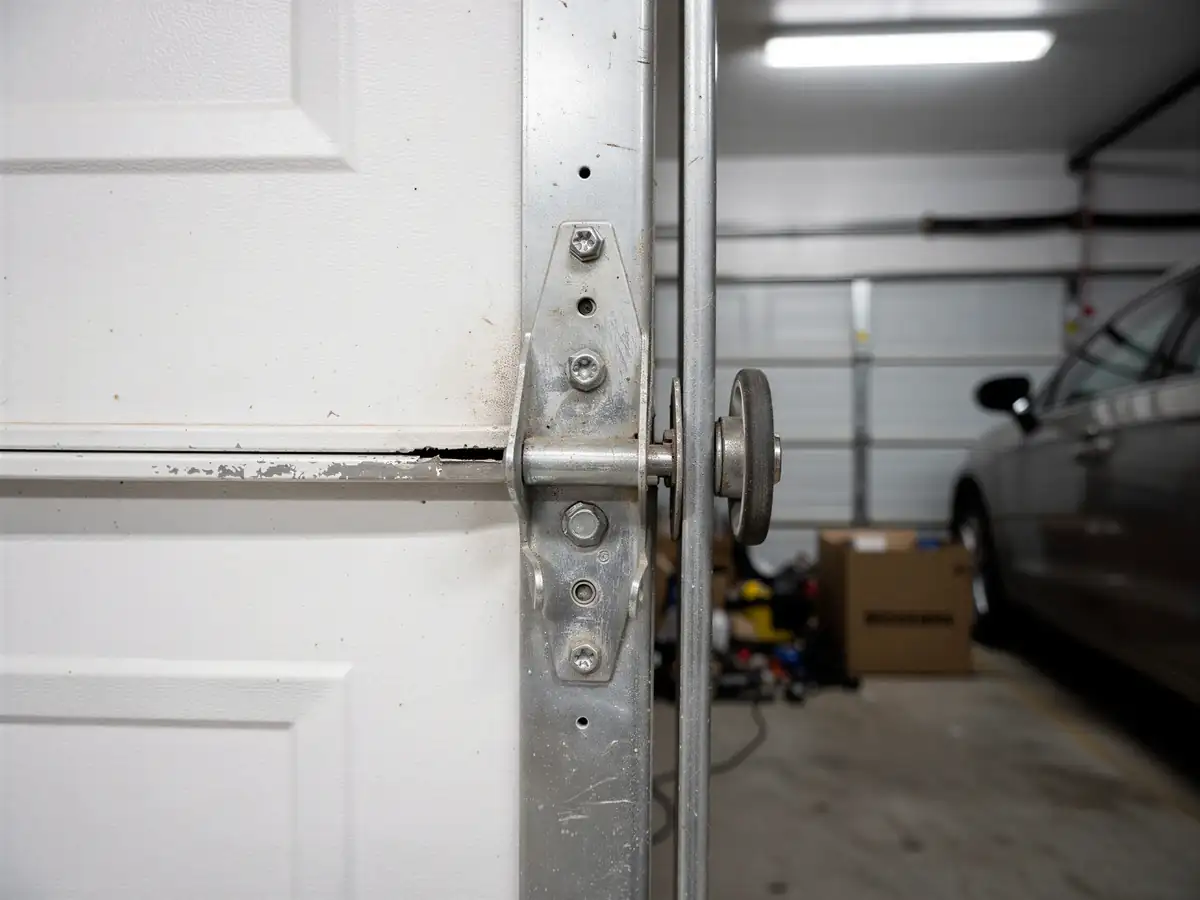
Most calls here are a torsion spring replacement, a broken cable, or a roller that's worn enough to bind in the track. On a door original to a 1972 build, we're also checking the drum and shaft for wear patterns that newer doors simply haven't had time to develop - fifty-plus years of cycles leaves marks a ten-year-old door doesn't show. If the spring is original, we replace it with a correctly sized modern equivalent rather than trying to match old specs exactly, since exact matches for hardware that age usually aren't manufactured anymore.
On the opener side, a unit installed decades ago may still be chain-drive and mechanically fine, just loud and slow by today's standard - that's a judgment call between repair and replacement, and we'll tell you honestly which one makes more sense rather than pushing a new unit when the old one has life left.
The Complications
The mild temperate climate here means we're not dealing with frozen tracks or ice-cracked panels the way a northern town would, which actually simplifies most repairs. What complicates things instead is age combined with being this close to the coast: doors from the early 1970s sometimes used track widths or spring configurations that later building updates moved away from, and matching that exactly can take an extra visit if the part isn't something we carry as standard stock.
One limitation worth saying plainly: if a door is original to a 1972 house and the track, drum, and panel are all worn together, patching one piece often just shifts the strain to the next weak point. At that stage we'll tell you replacement is the better money, even though a repair call brought us out. We're not going to keep billing you for pieces of a door that's reached the end of its run.