Booking a Visit
We run this job out of Daytona Beach, about 11 miles south, so there's no walk-in counter here and no same-day guarantee built into the price. When you call, tell us the door's width and whether it's a single or a two-car - most houses in Ormond-by-the-Sea built in the early 1970s were framed for a single bay or a narrow double, and that changes which opener unit and rail length we load on the truck before we drive out. If you know the door is original to the house, say so; it usually means older track spacing that affects mounting.
We don't keep a stocking location in Ormond-by-the-Sea itself, which means a non-stock opener model can mean a second trip if we don't have it on the truck the first time. We'd rather tell you that up front than have you wait on a doorstep.
The Symptom
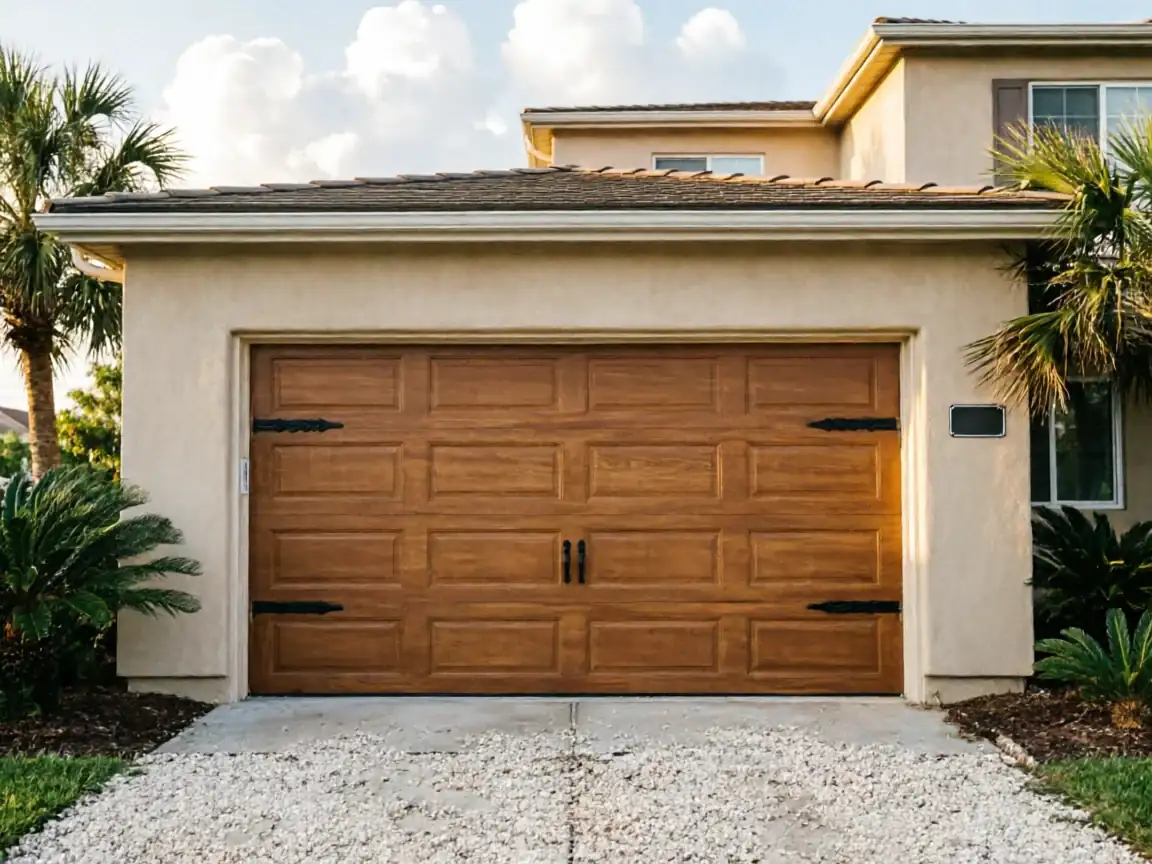
The door itself usually gives the first clue before the opener ever quits. Houses here went up mostly around 1972, and a lot of them still carry their original wood-panel or early steel door, sized light compared to the insulated steel doors sold today. Those doors were matched from the factory to a 1/3 horsepower chain-drive opener - fine for the door's original weight, underpowered for anything heavier that's been swapped in since.
What you'll notice first is the opener straining: a grinding chain, a motor that hums but doesn't lift, or a door that opens partway and reverses. That's not always a bad motor. It's often an opener built for a 1970s door trying to move something it was never sized for.
How Long You Are Without the Door
Because we're driving in from Daytona Beach rather than staging out of a local yard
The clock on an opener swap includes travel time both ways. Once we're on site, a straight swap - same rail length, same mounting points, door hardware otherwise sound - doesn't take long. Where it stretches out is when the opener we need to match an older door isn't something we carry as standard stock, which can mean ordering it and scheduling a return visit instead of finishing same-day.
We can tell you more precisely once we know the door's age and whether the original track and header bracket are still square
A 1972-era header wasn't always framed with a modern opener's mounting plate in mind.
What the Repair Takes
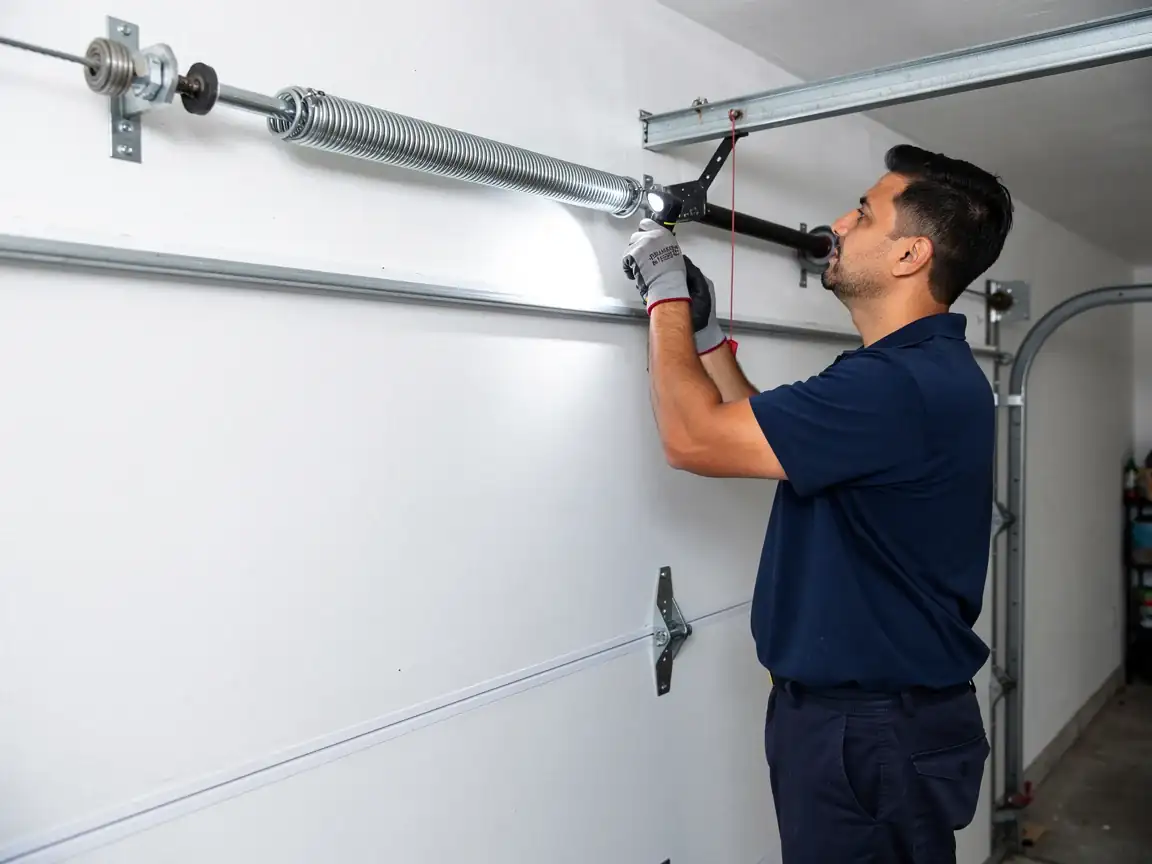
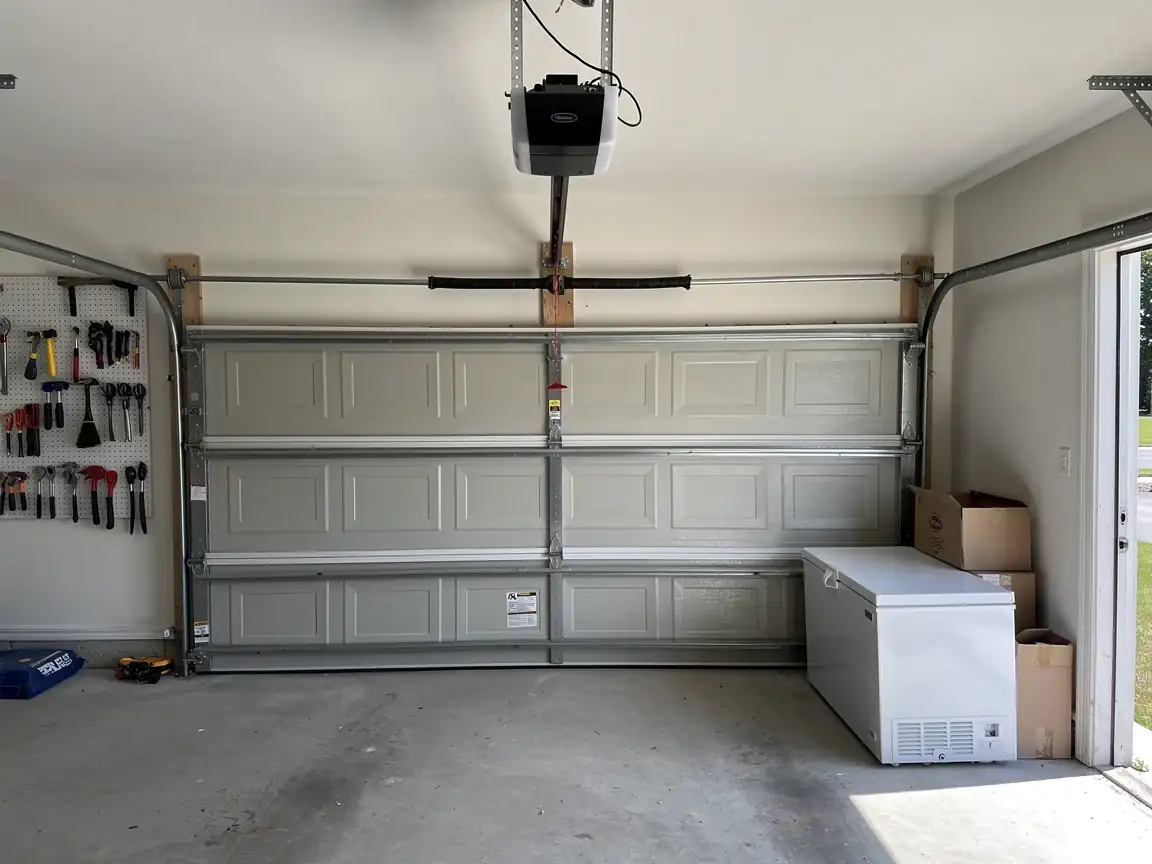
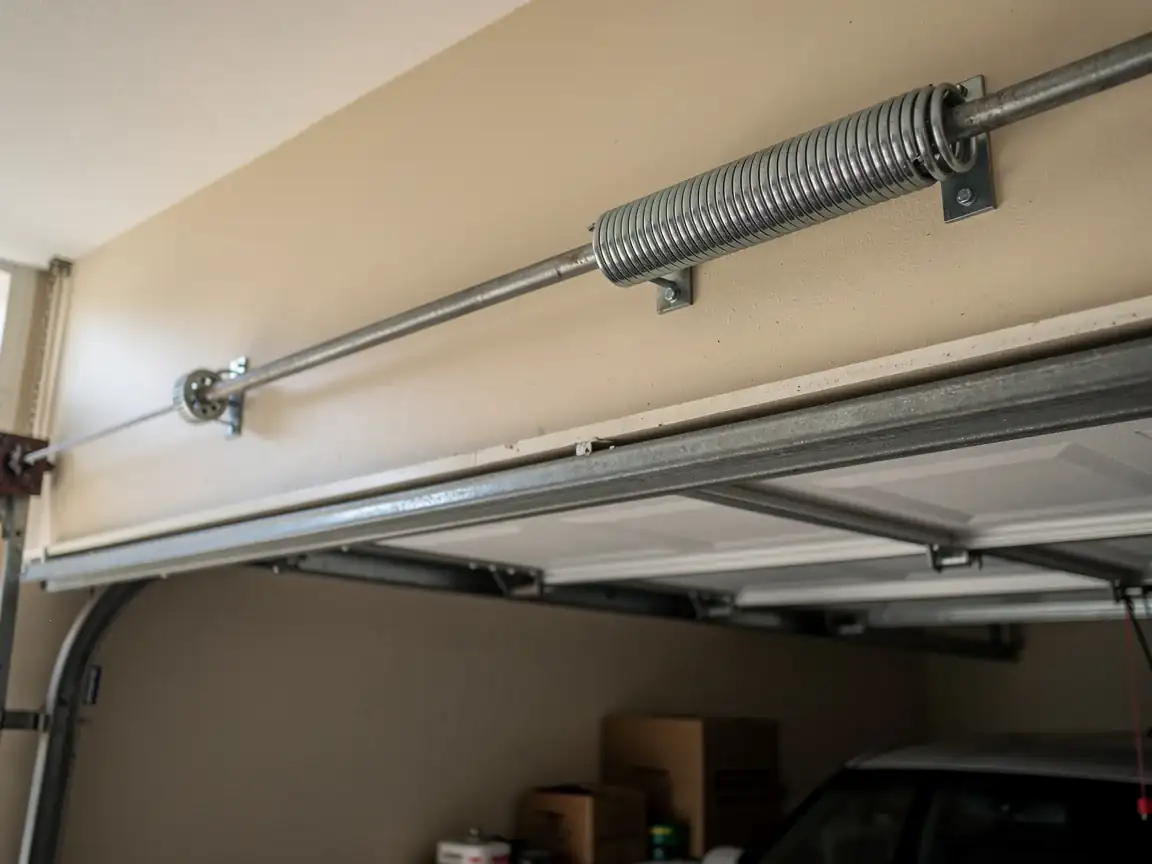
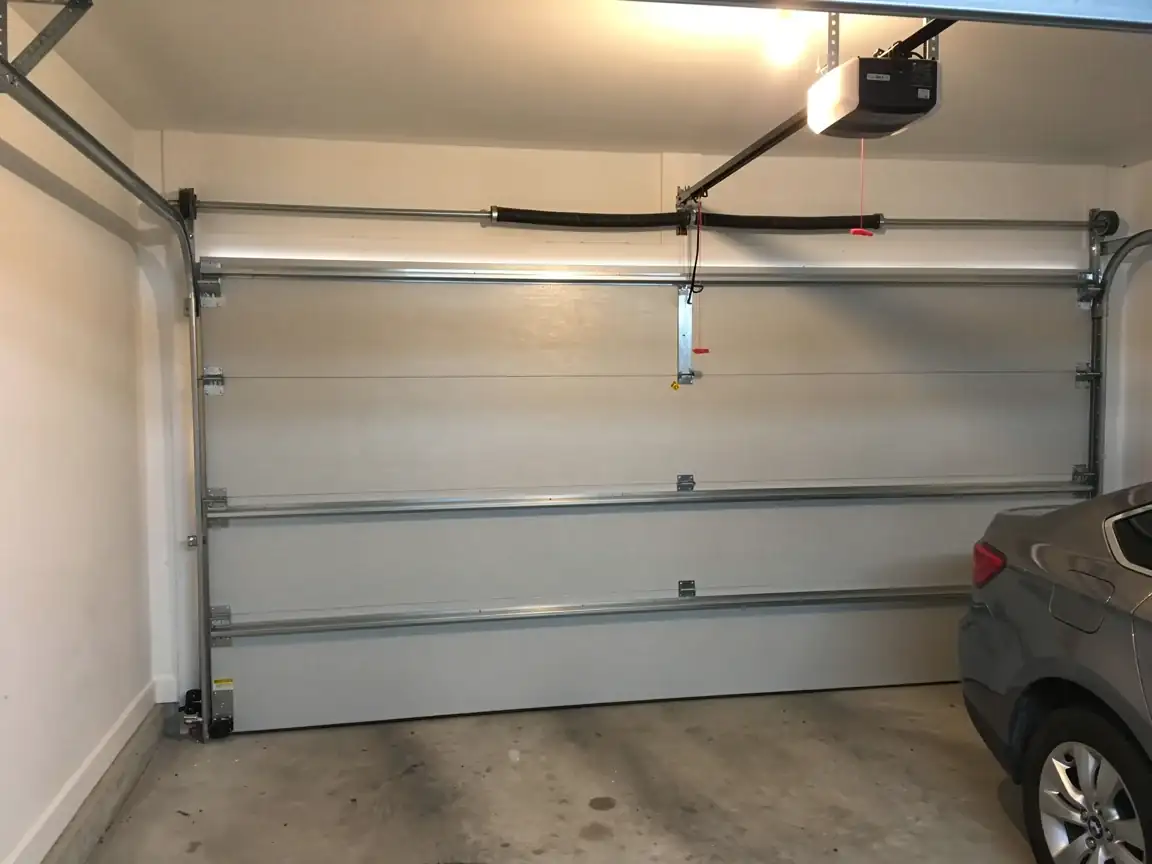
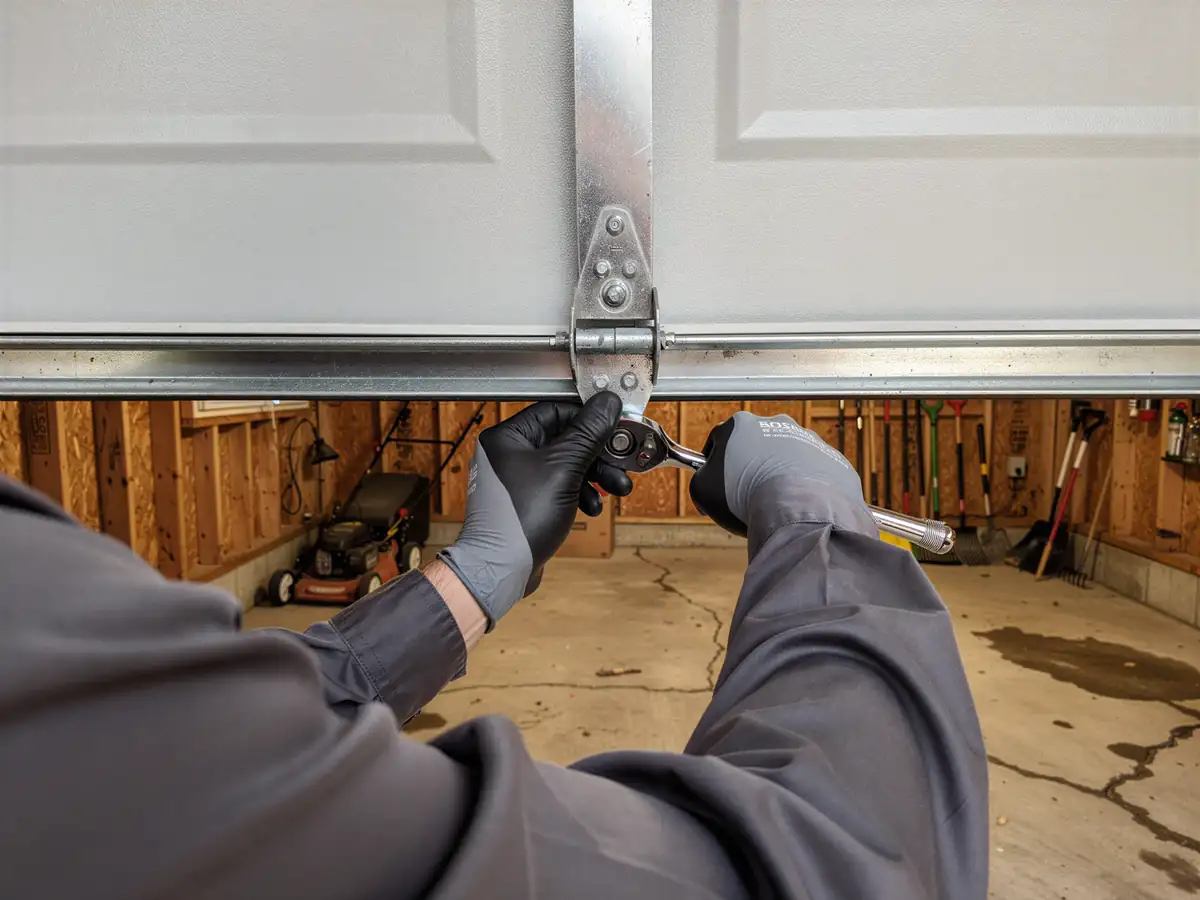
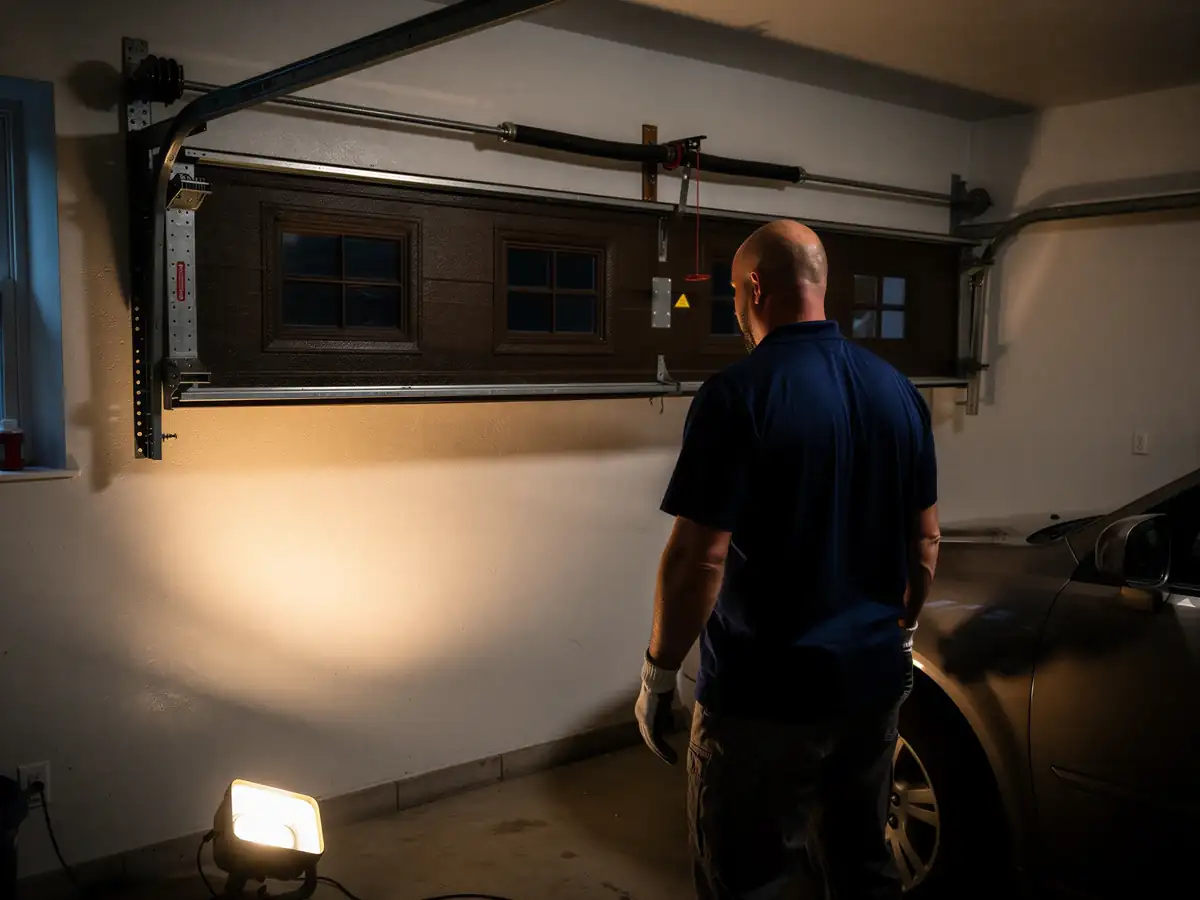
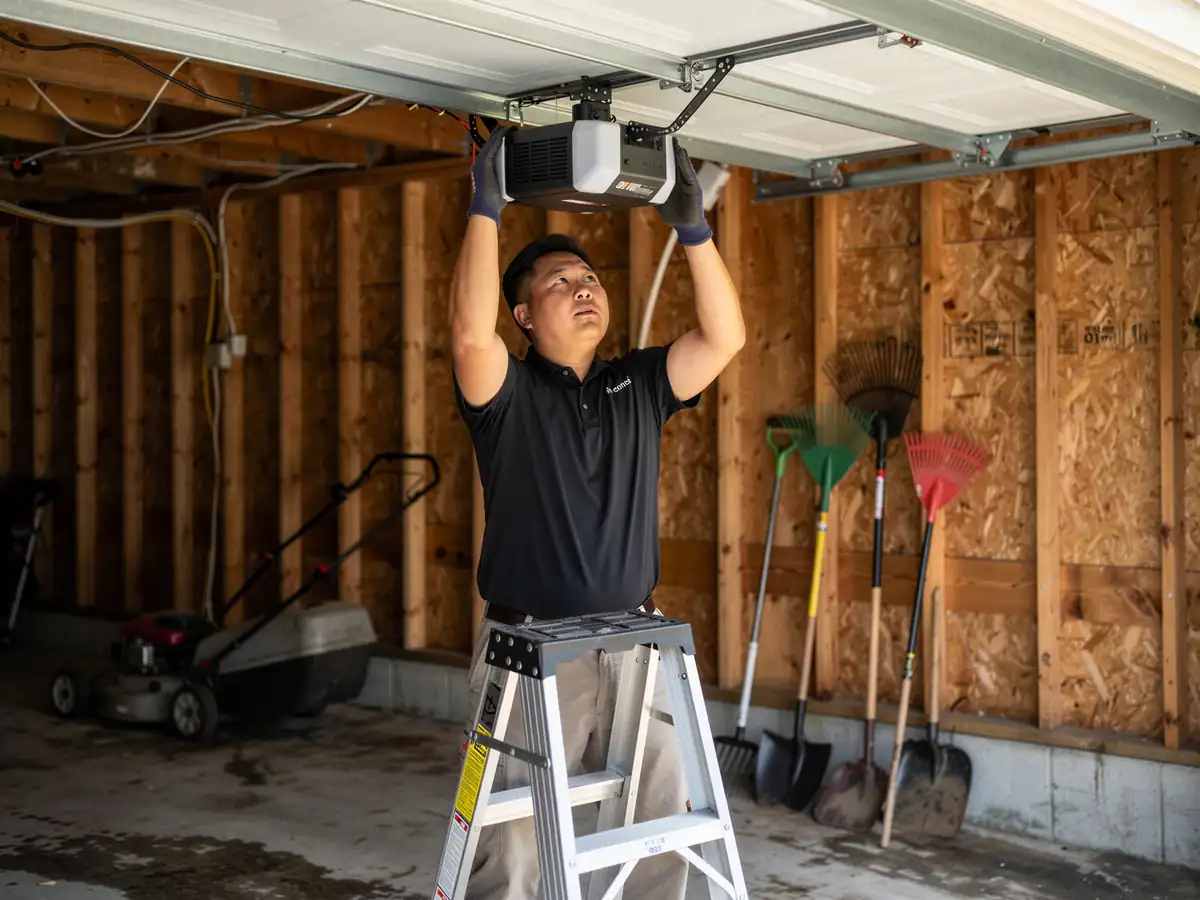
An opener installation on a house from this era usually starts with the header bracket, not the motor. If the garage was framed in 1972, the structural support above the door may predate the bracket style modern openers ship with, so we check that it can carry the load before anything gets bolted up. From there it's the rail, the motor unit, the safety sensors at the floor, and testing the travel limits against the actual door weight - not a factory default.
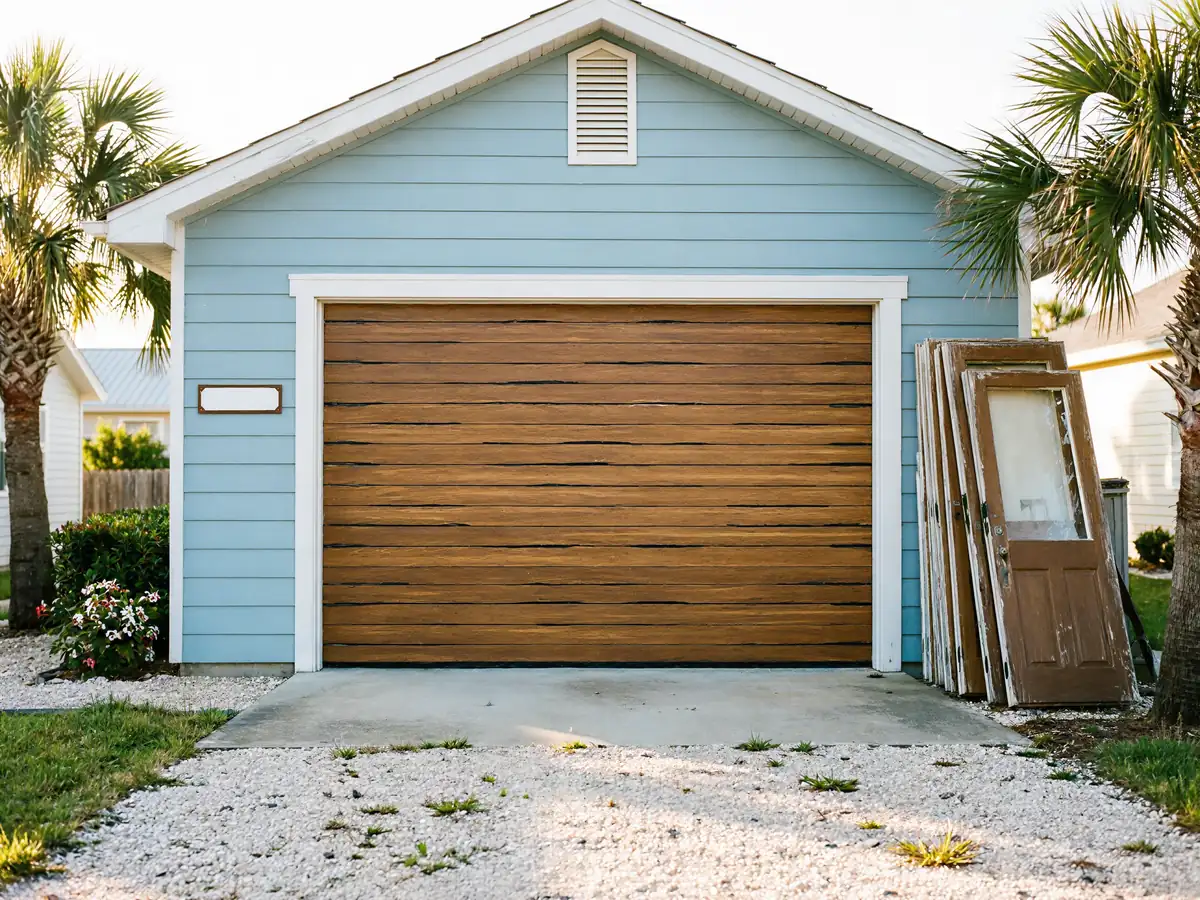
If the door itself is original wood and has gotten heavier with age from moisture or added hardware, we'll say so, because an opener sized to the door's current weight matters more than one sized to its 1972 spec sheet.
The Complications
The complication we see most in this part of the service area is a mismatch between an old door and a newer opener, or the reverse - a 1970s chain-drive unit bolted to a door that's been replaced since with a heavier insulated steel panel. Neither pairing is dangerous by itself, but it shortens the opener's life and can trip the safety reversal in ways that look like a sensor problem but aren't.
We won't install a standard residential opener on a door frame that can't support it - that's a structural fix first, not an opener job, and we'll tell you that rather than hang new hardware on an old header and hope. With roughly 3,768 households in Ormond-by-the-Sea and a median income here running a bit under the broader service area's, we try to spec the opener to the door you have, not the most expensive unit on the truck.