Old Streets and New Ones
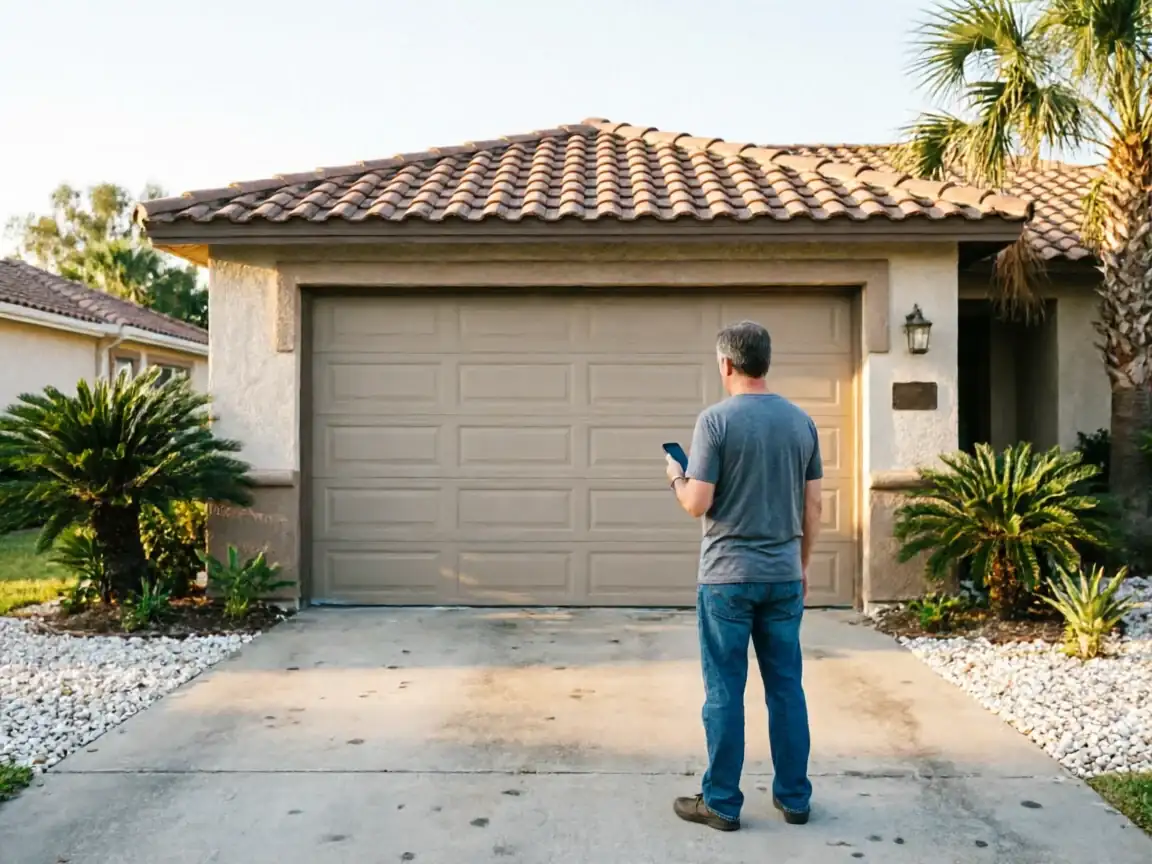
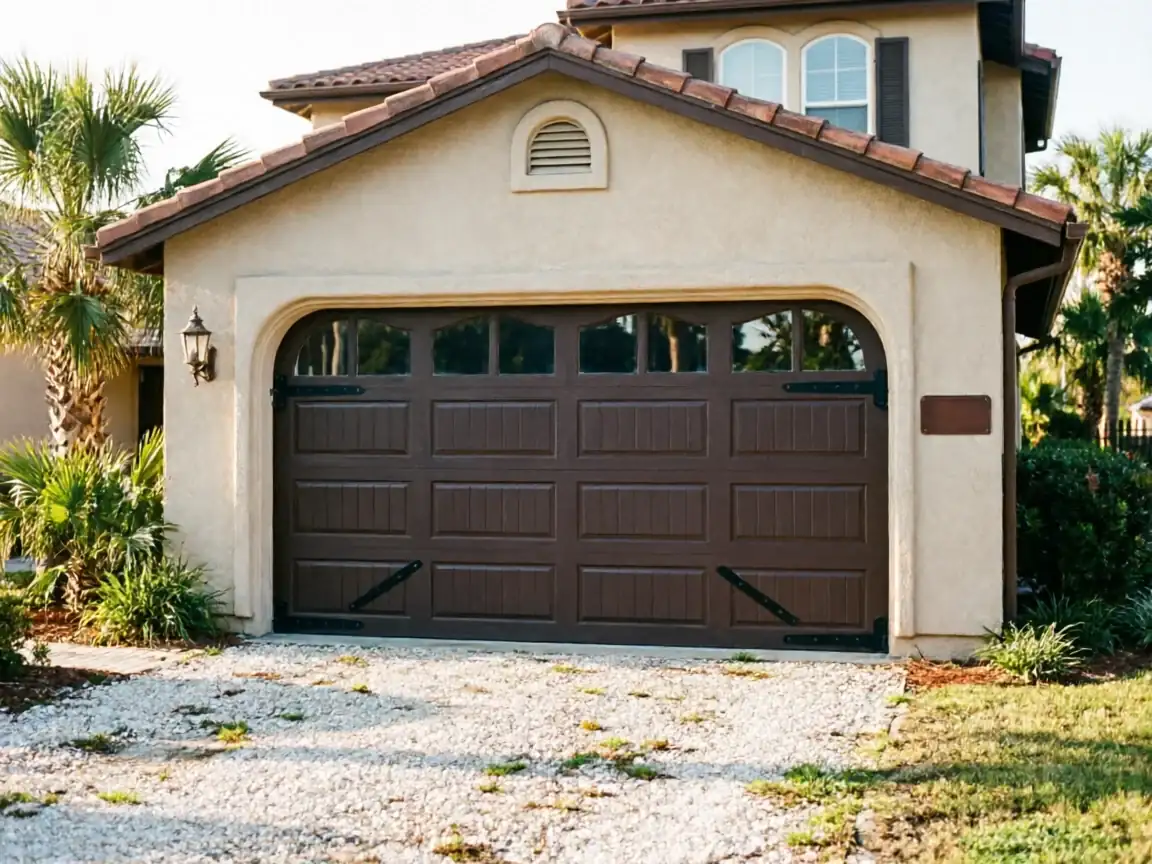
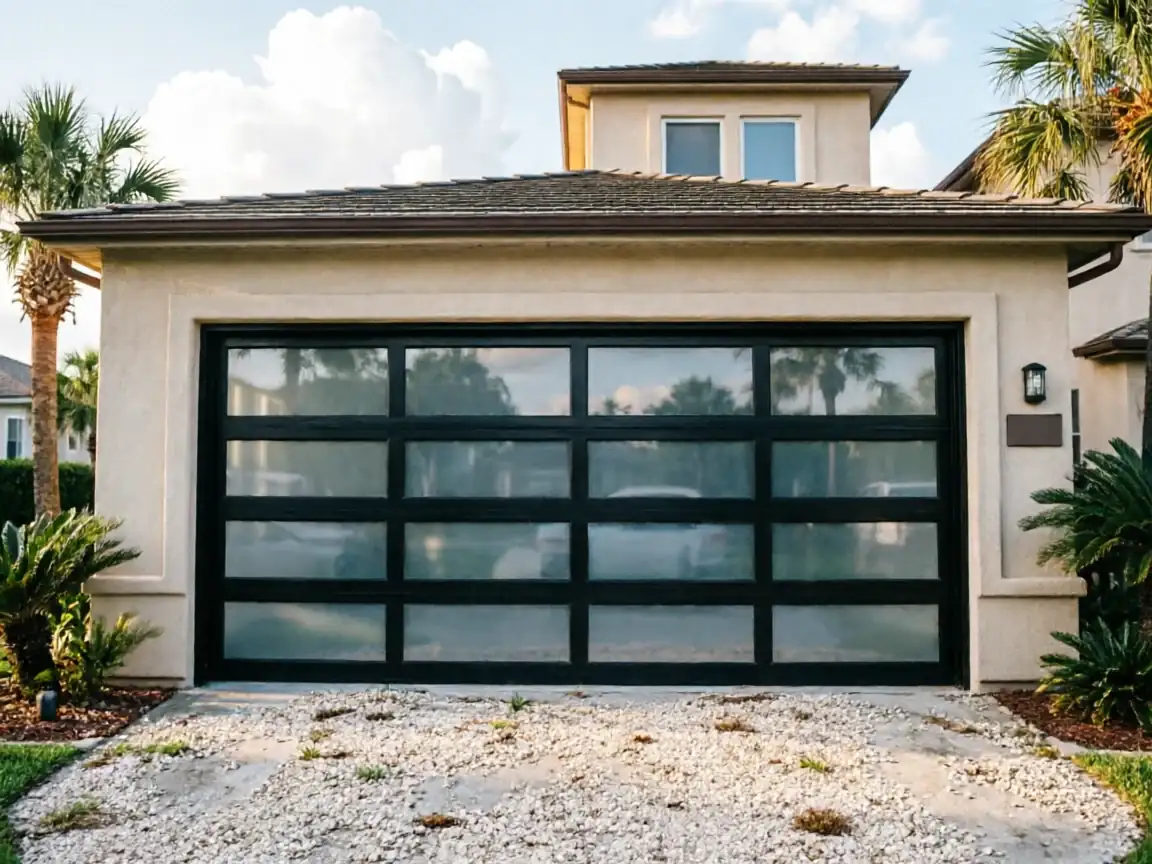
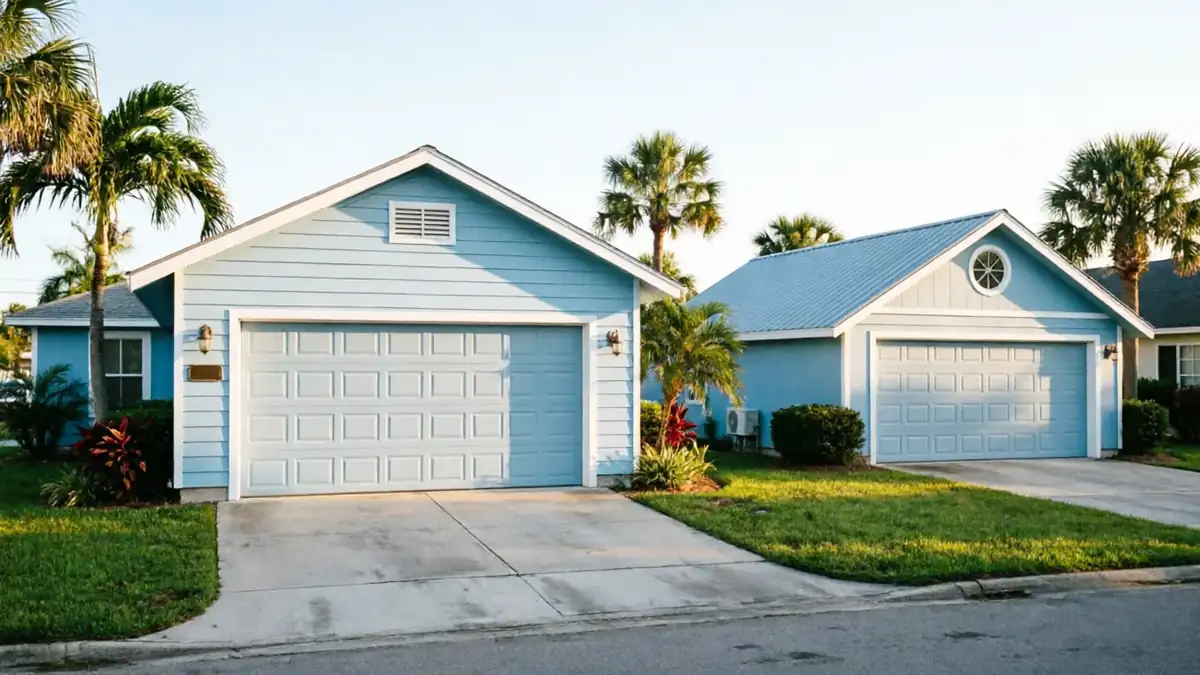
Edgewater doesn't read like one neighborhood built in one decade. The area mixes older riverfront lots with blocks of newer construction, but the bulk of what's here went up around 1987, putting it a year past the wider service area's median of 1986. That one-year gap doesn't sound like much until you're standing in front of a door from that exact window, trying to find a part that matches an opener nobody imports anymore. We come down from Daytona Beach to work on these doors, not to guess at them from a city-wide average. With roughly 10,809 households in Edgewater, there's a real range of door ages and setups to account for, from early-80s holdouts to doors replaced more recently after a storm or a failed spring. We don't pretend every house here is the same job.
What Was Built Here
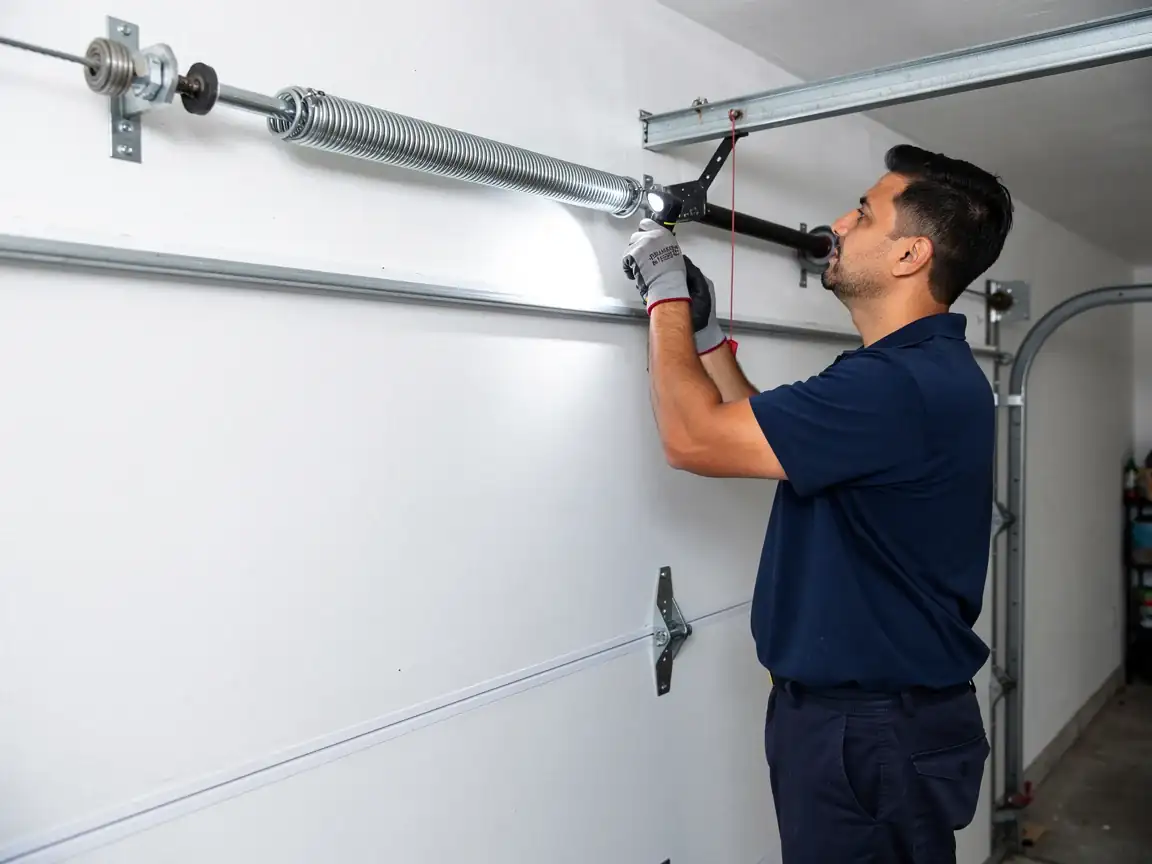
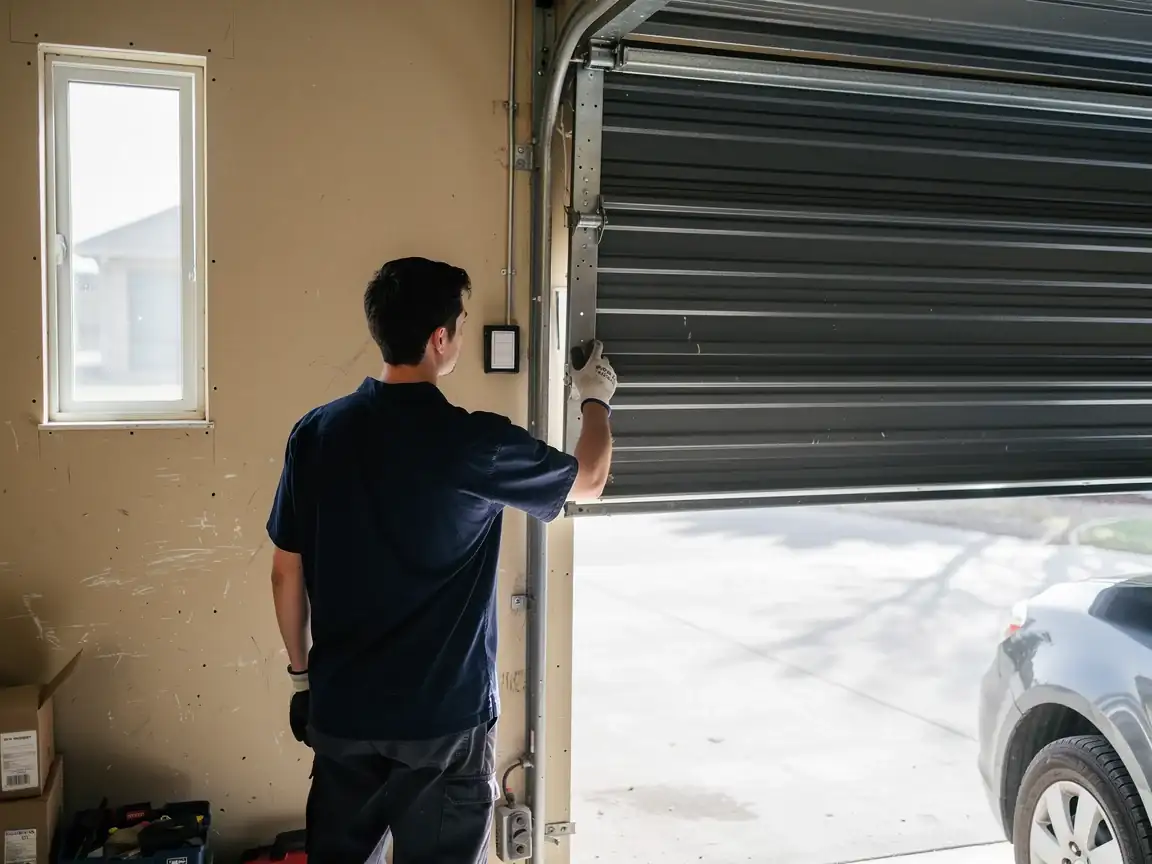
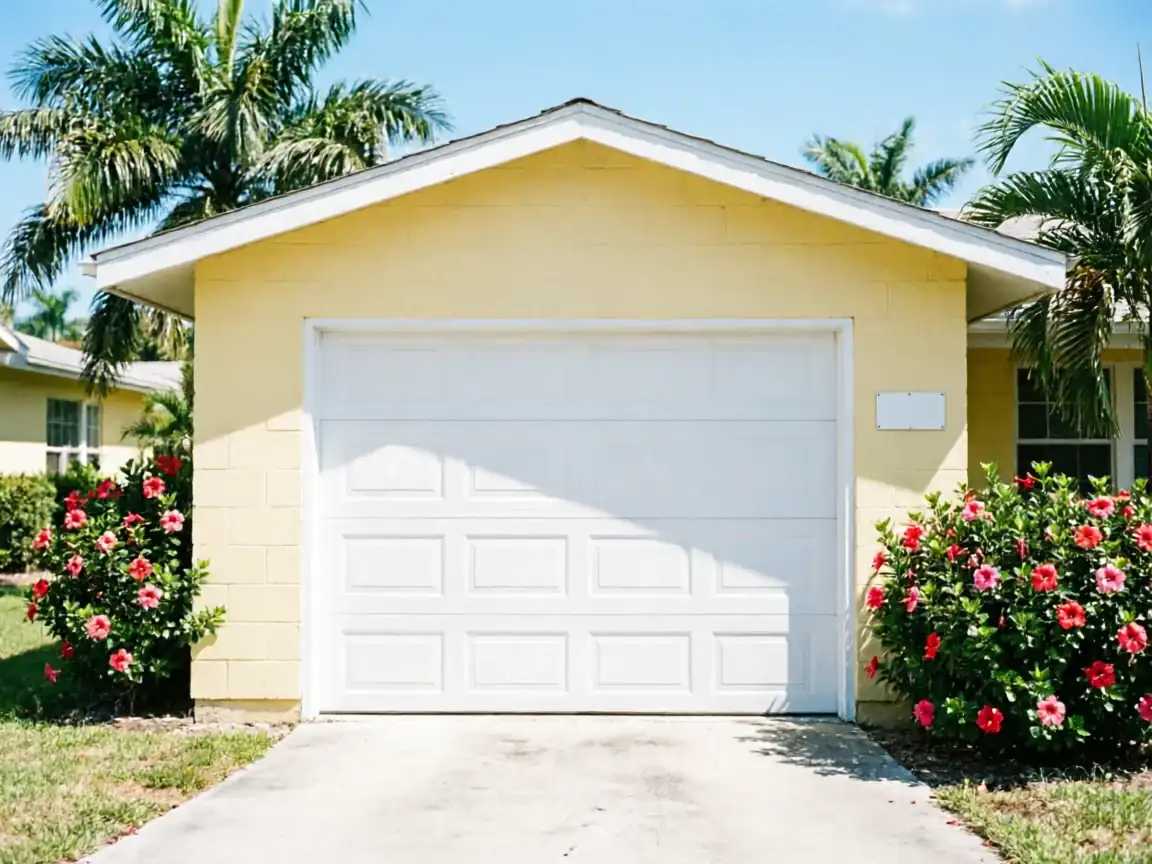
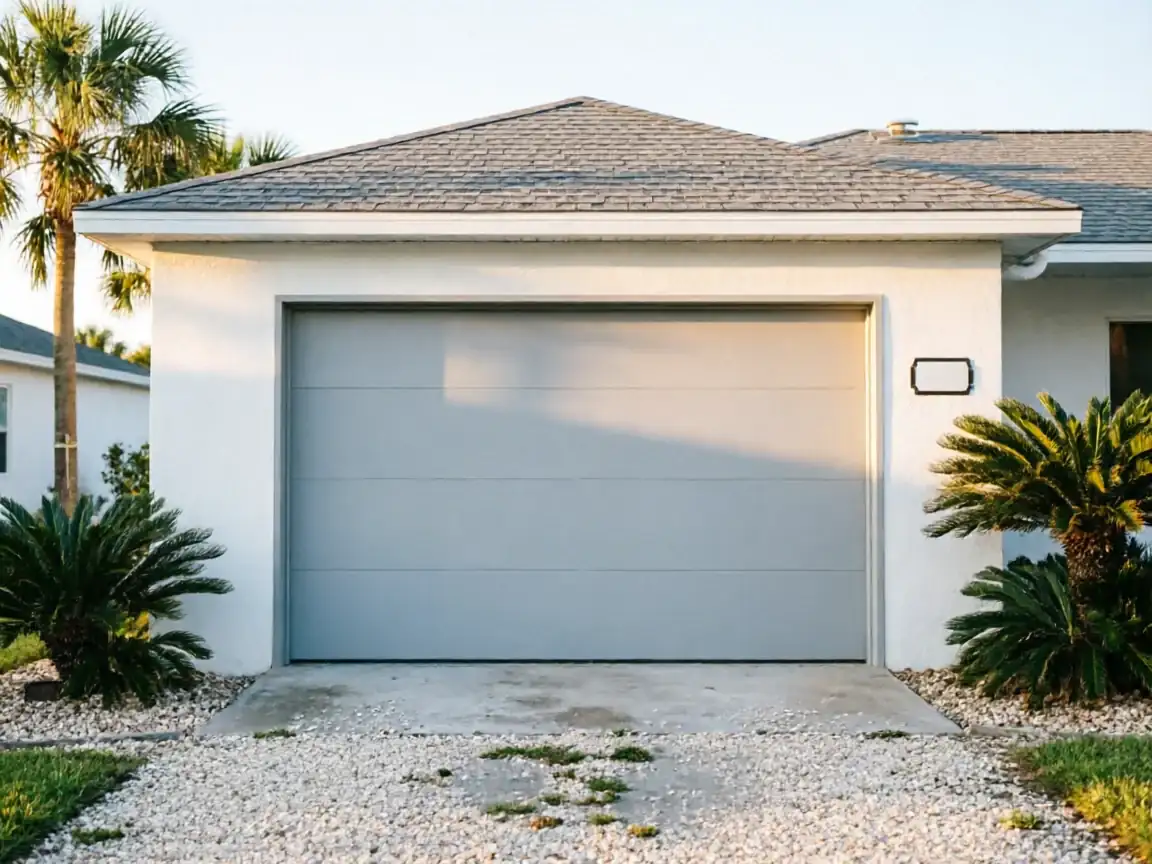
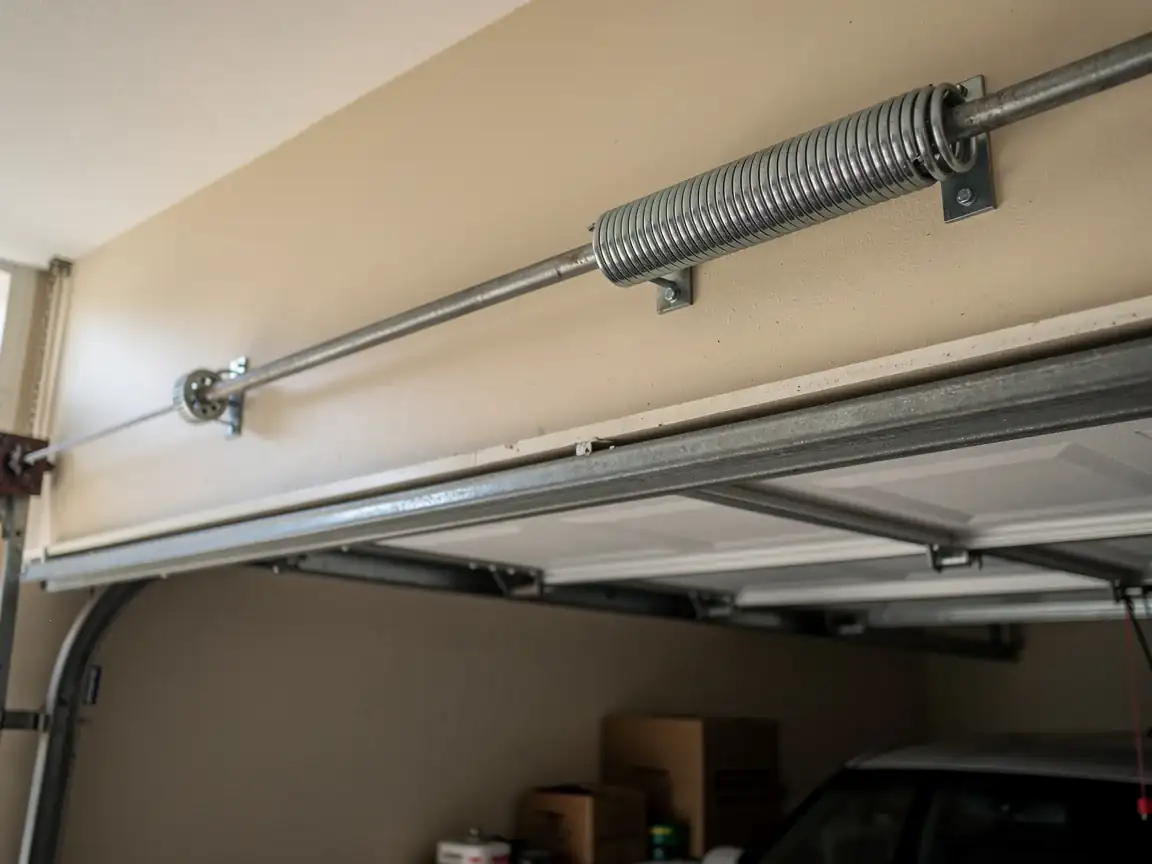
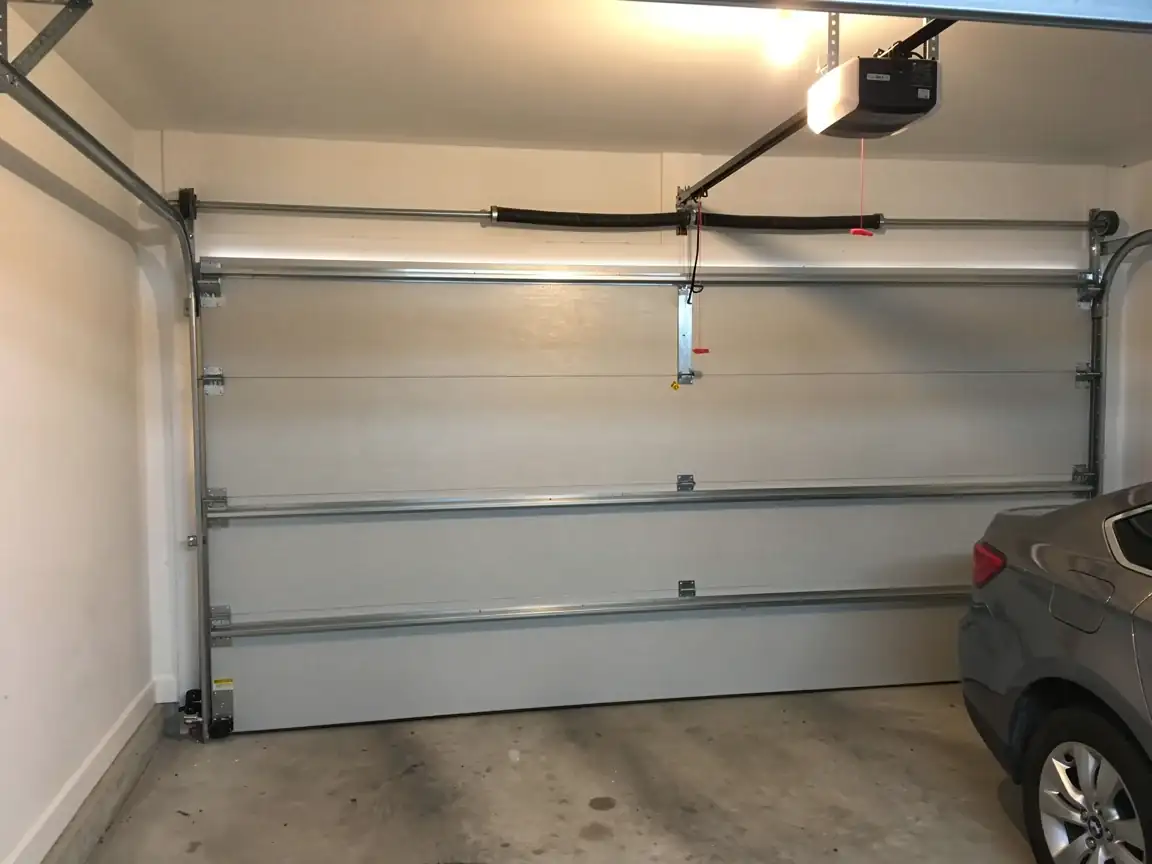
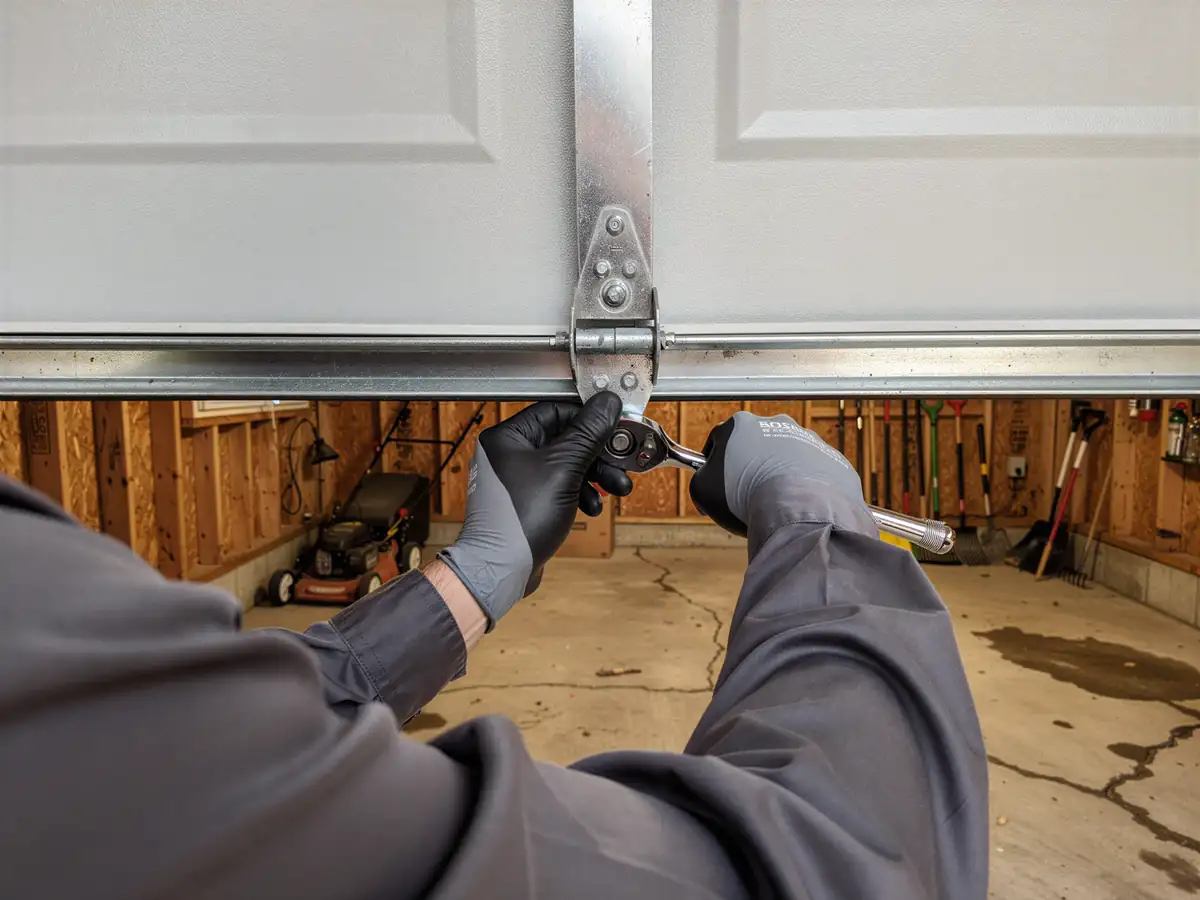
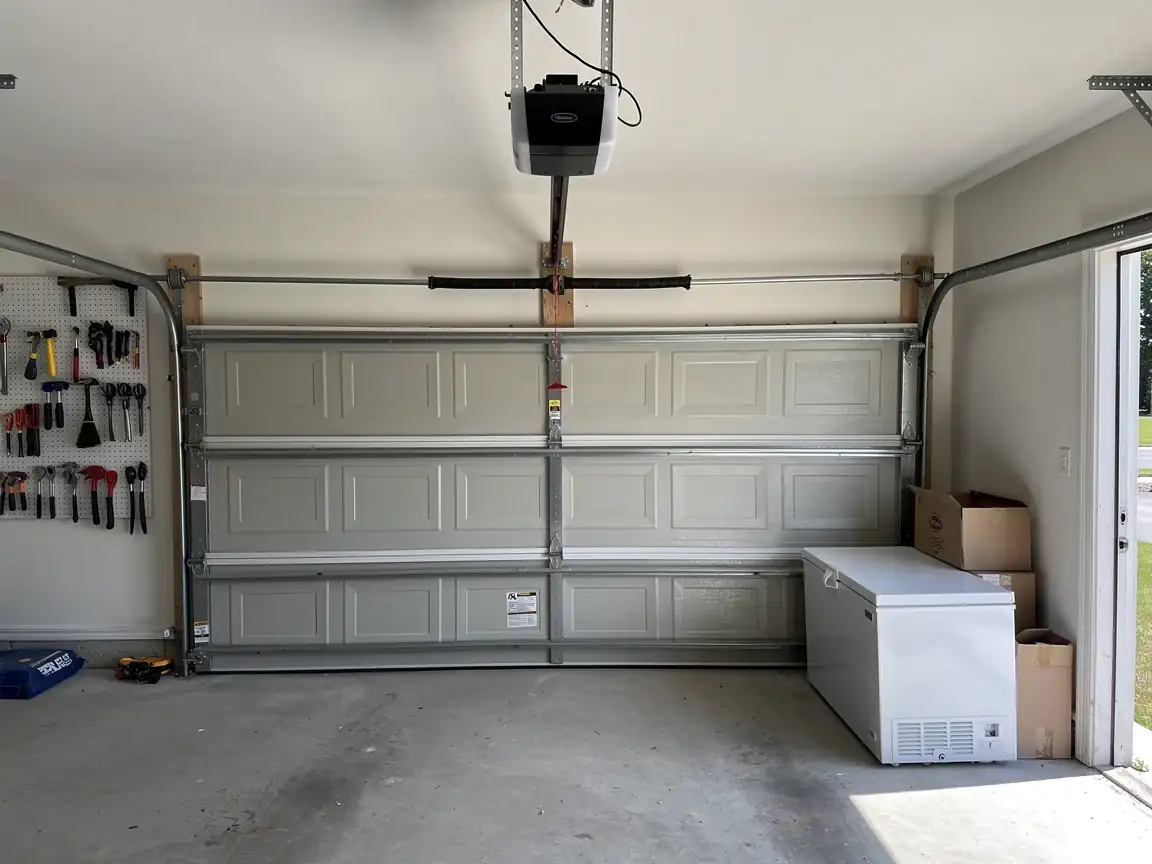
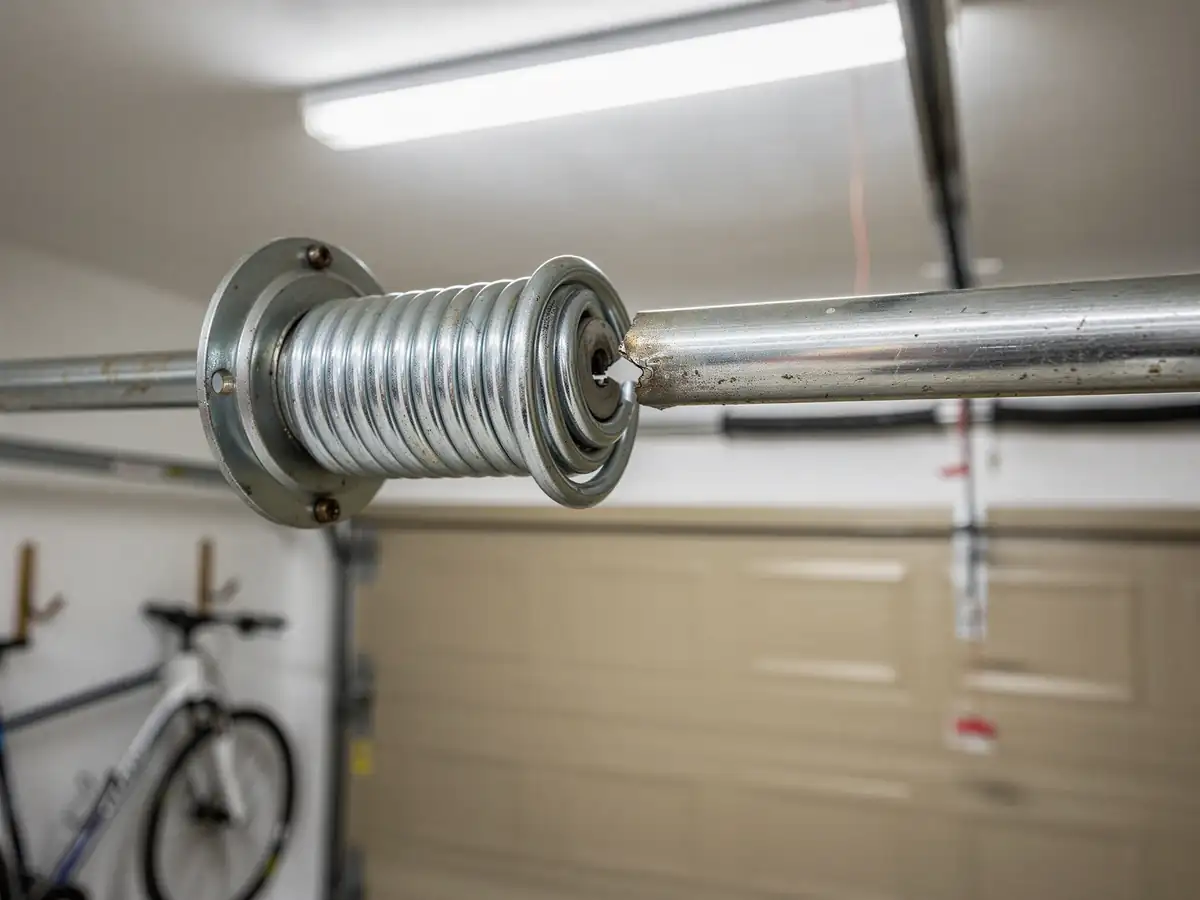
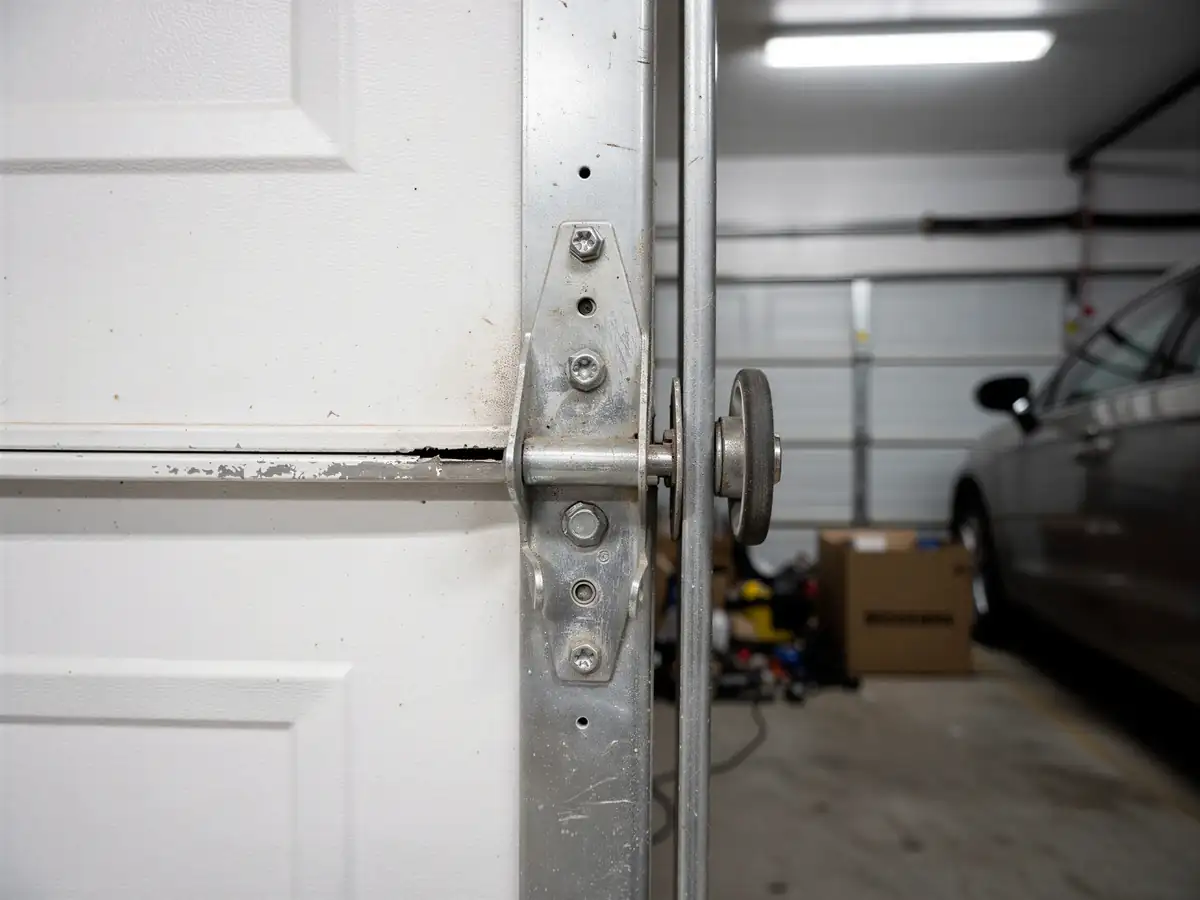
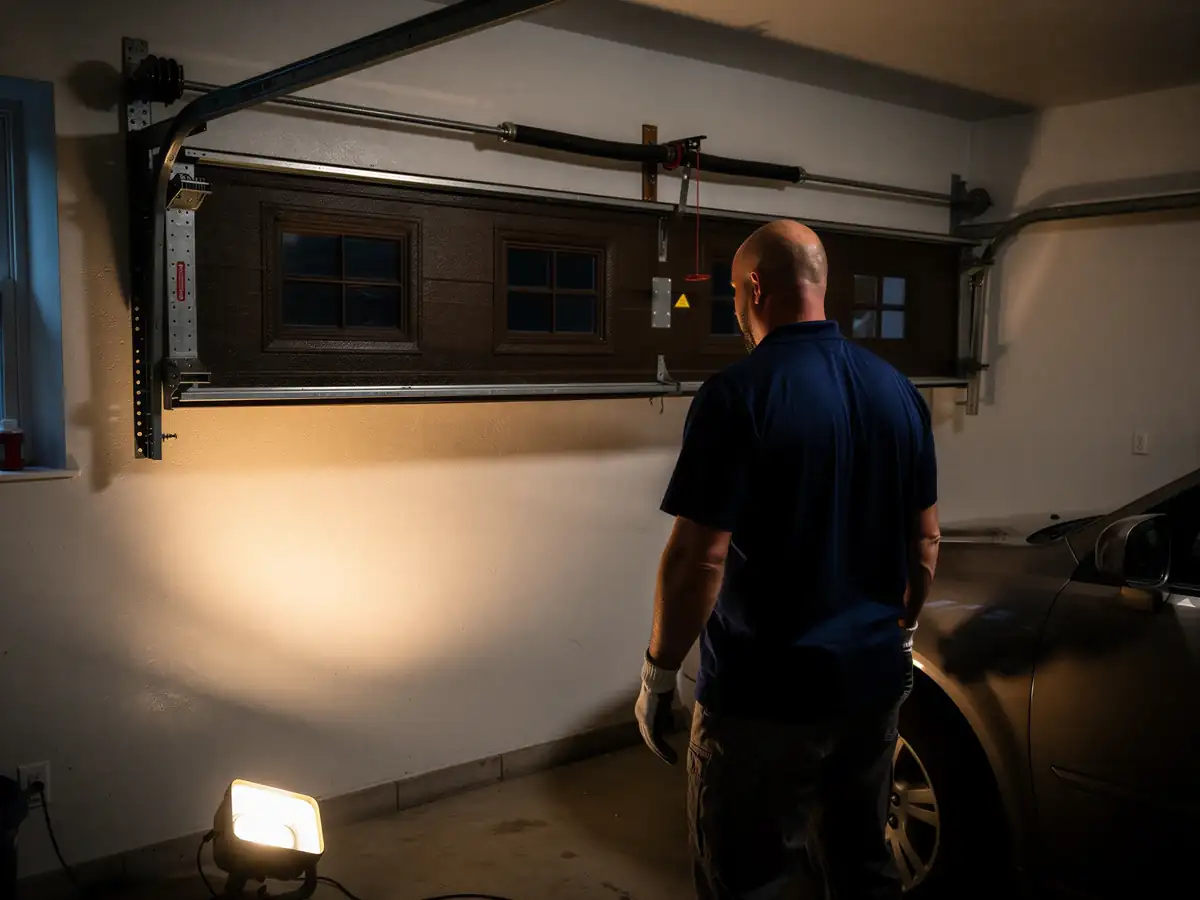
A door installed around 1987 usually came with a light steel panel, a chain-drive opener, and extension springs mounted along the horizontal track rather than a torsion bar overhead. That's the setup we expect to find on most calls out this way, and it's different from what you'd see in a neighborhood built ten years earlier or later. Extension spring systems age differently than torsion setups - the springs stretch, the safety cables (if they were ever added) wear thin, and the pulleys seize up from salt air before the springs themselves actually break. At a household income level around $58,805, we hear from a lot of owners who want the door fixed right rather than replaced outright, and for a lot of these mid-80s systems, that's a fair call. Replacement only makes sense when the track is bent, the panels are rusted through, or the opener is a design that hasn't had parts made in over a decade.
What That Means for Doors
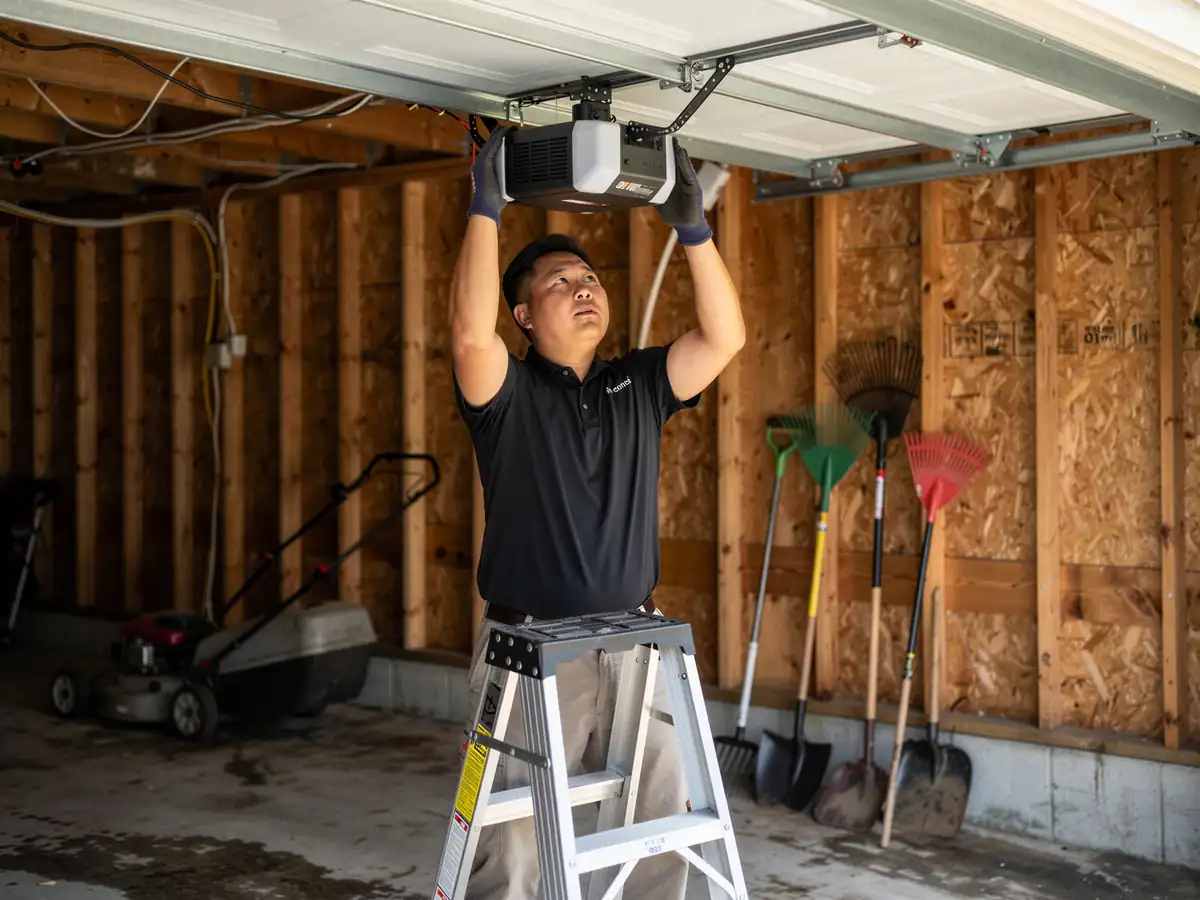
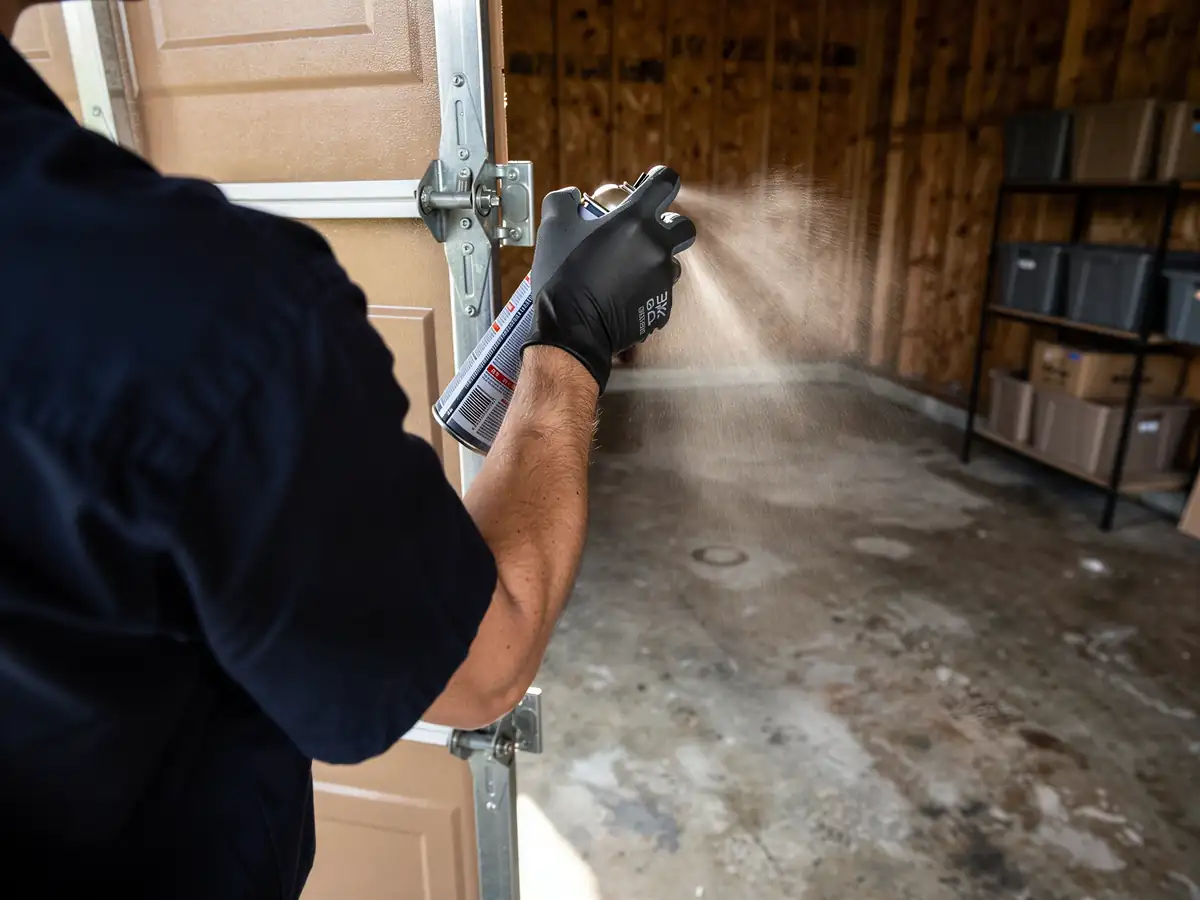
Put the build year and the drive together and you get a fairly specific picture: late-80s extension-spring doors, often with the original chain-drive opener, showing corrosion on hardware before the panels themselves give out. That's the most common failure we see on Edgewater calls - not a dented panel, but a seized pulley or a rusted-through cable end on a spring system that's been sitting in salt air for over three decades. We'll tell you straight if a repair on one of these older systems is worth doing or if the opener's age makes replacement the better money. We don't carry a bottomless stock of 1980s-specific parts on the truck for a 19-mile trip, so a second visit is sometimes the honest answer rather than a guess made on the first one.