Why This Fails Locally
Edgewater's median household income sits at $58,805, well under the $69,150 median across the wider service area. That gap matters more than it sounds like it should, because it decides whether a broken spring or a cracked panel gets fixed or the whole door gets replaced. On a $69,150 income, a homeowner can absorb a mid-range opener upgrade without blinking. On $58,805, the math changes - a $300 spring job beats a $1,400 door swap almost every time, so the repair side of this trade matters more here than it does a few miles up the road.
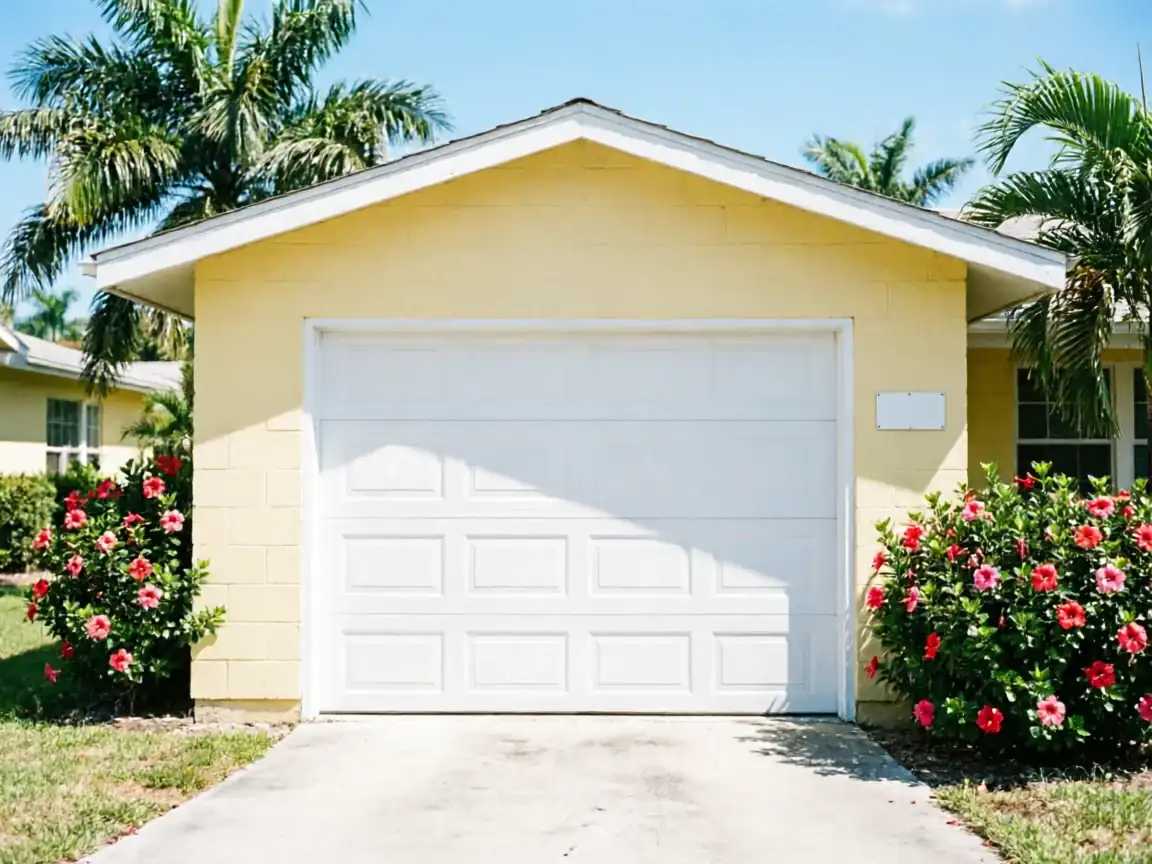
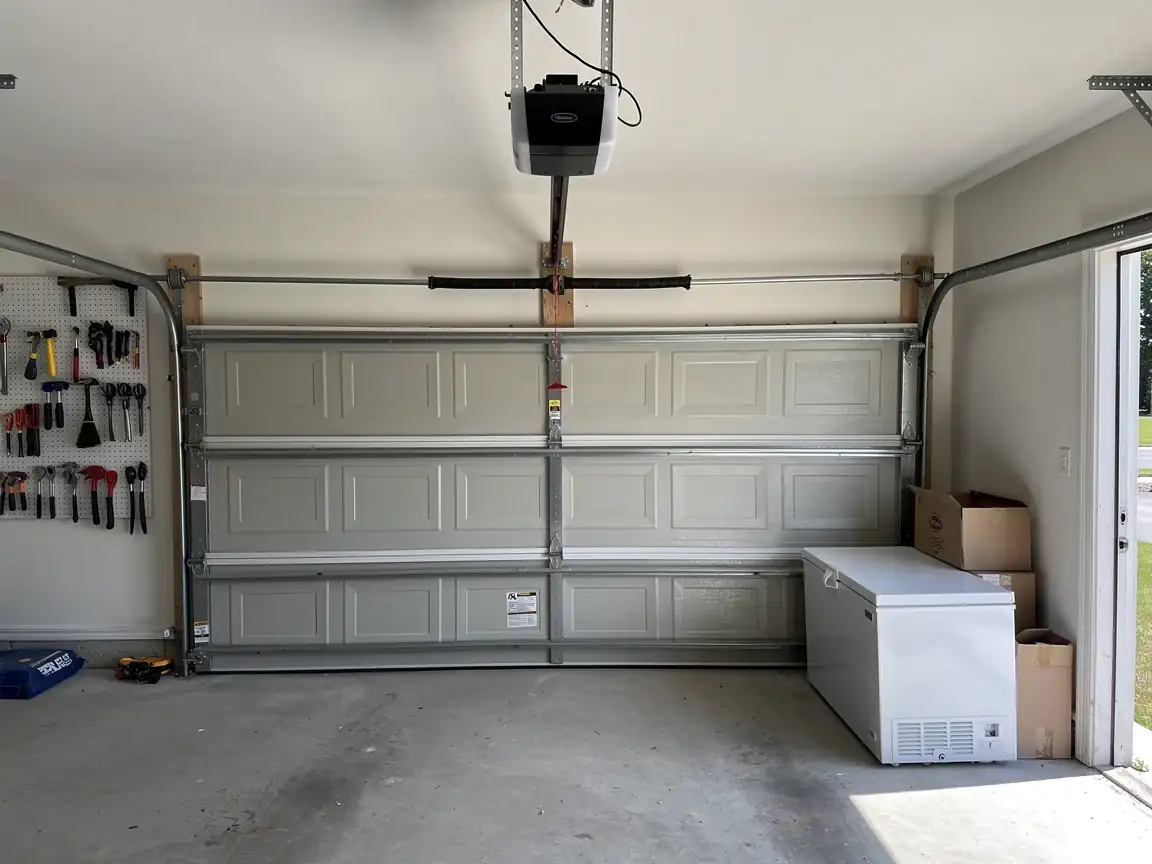
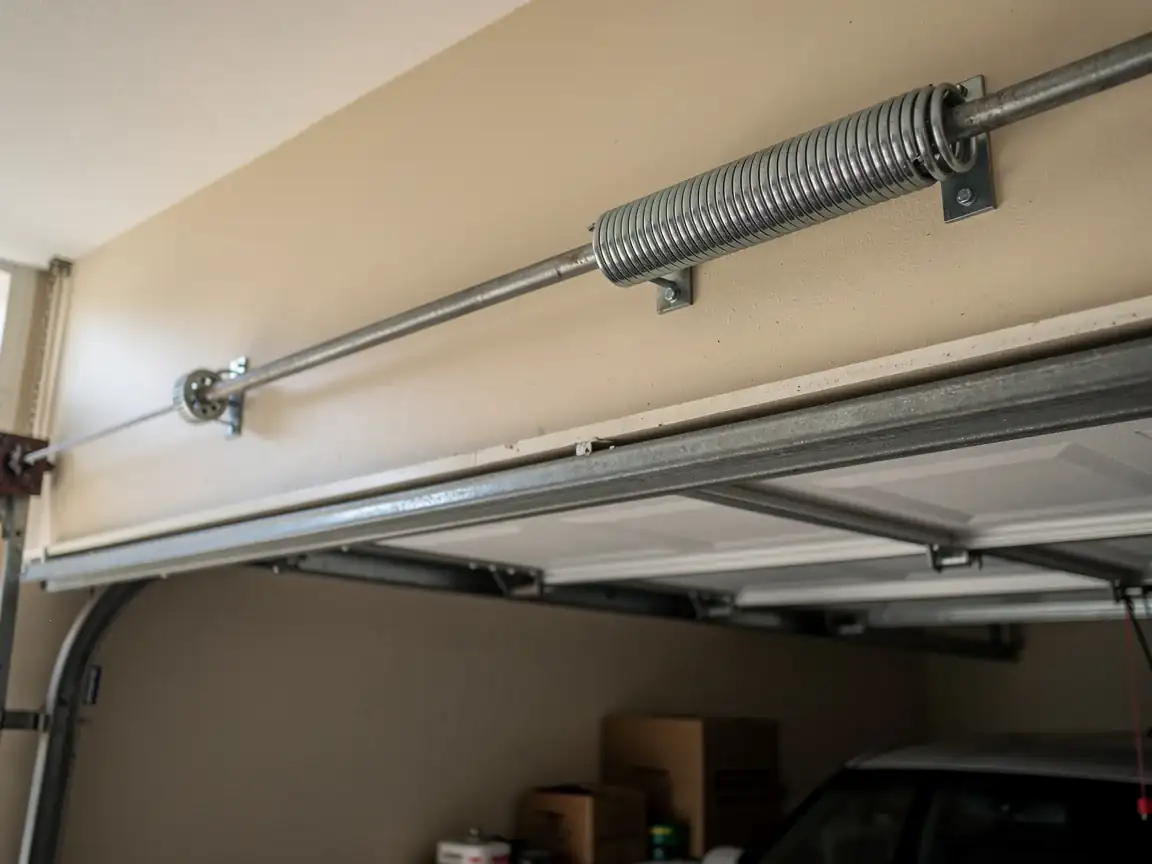
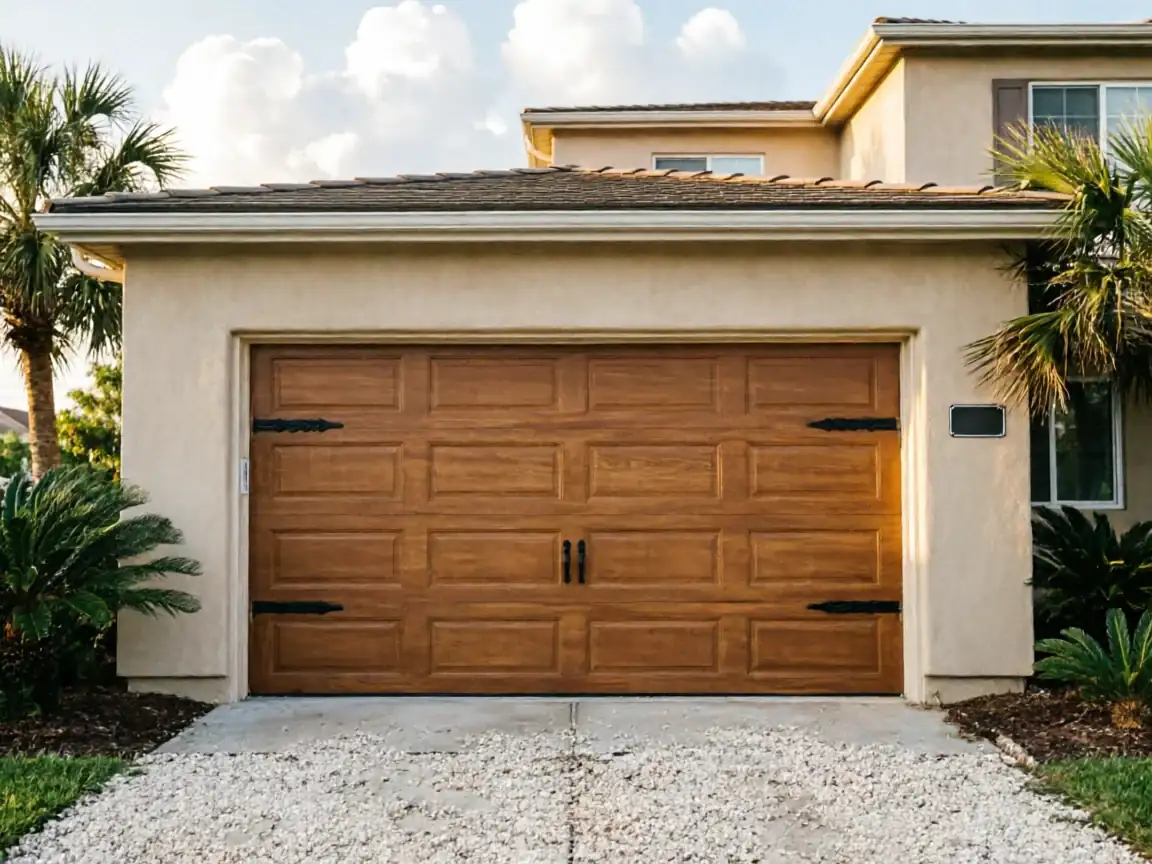
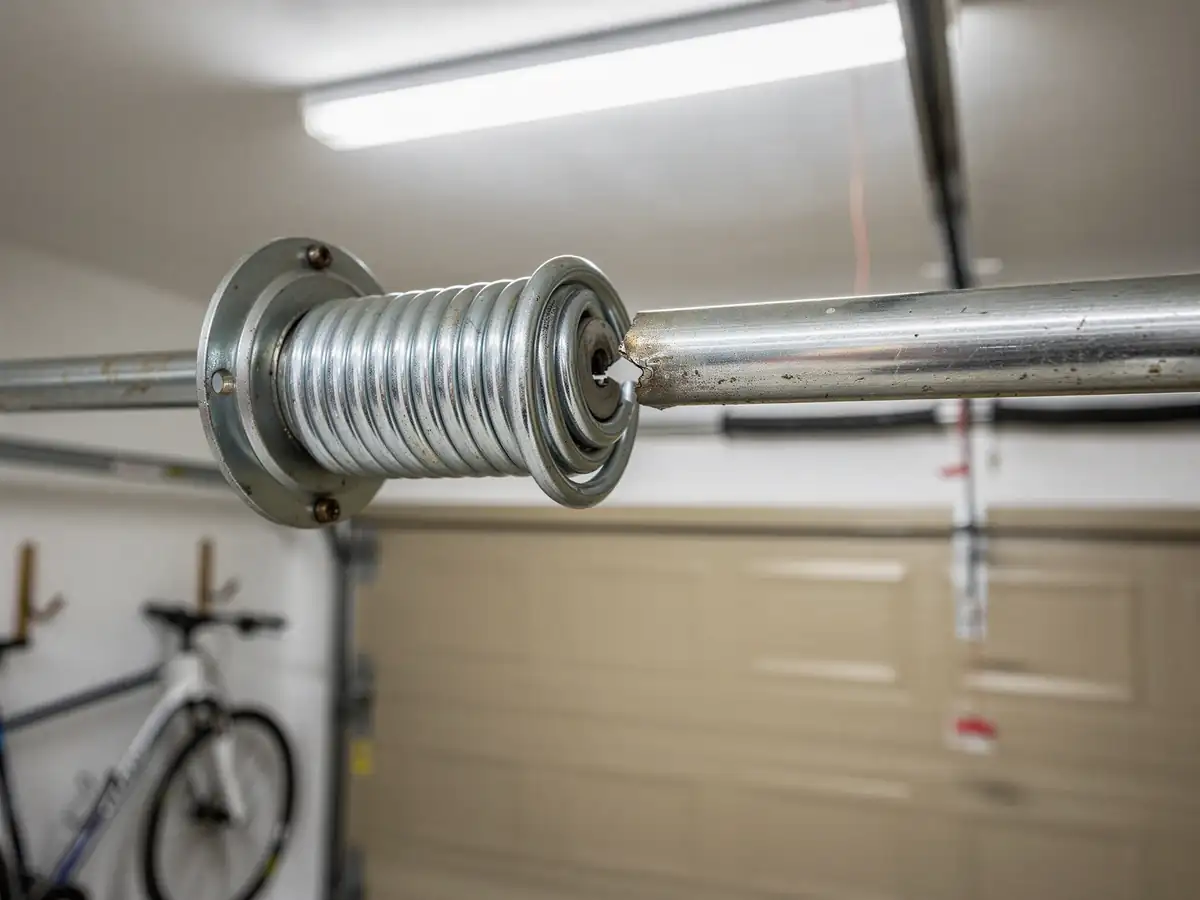
The houses themselves back this up. Edgewater's stock centers on a 1987 median build year, squarely inside the 1972-1993 window that defines hardware across this part of the service area. That means galvanized torsion springs rated for a lighter door, steel rollers instead of nylon, and openers that have usually been swapped at least once already by the time we get the call. None of this is exotic. It's just old enough that the parts and the fix aren't always the same ones you'd use on a house built in 2015.
The Complications
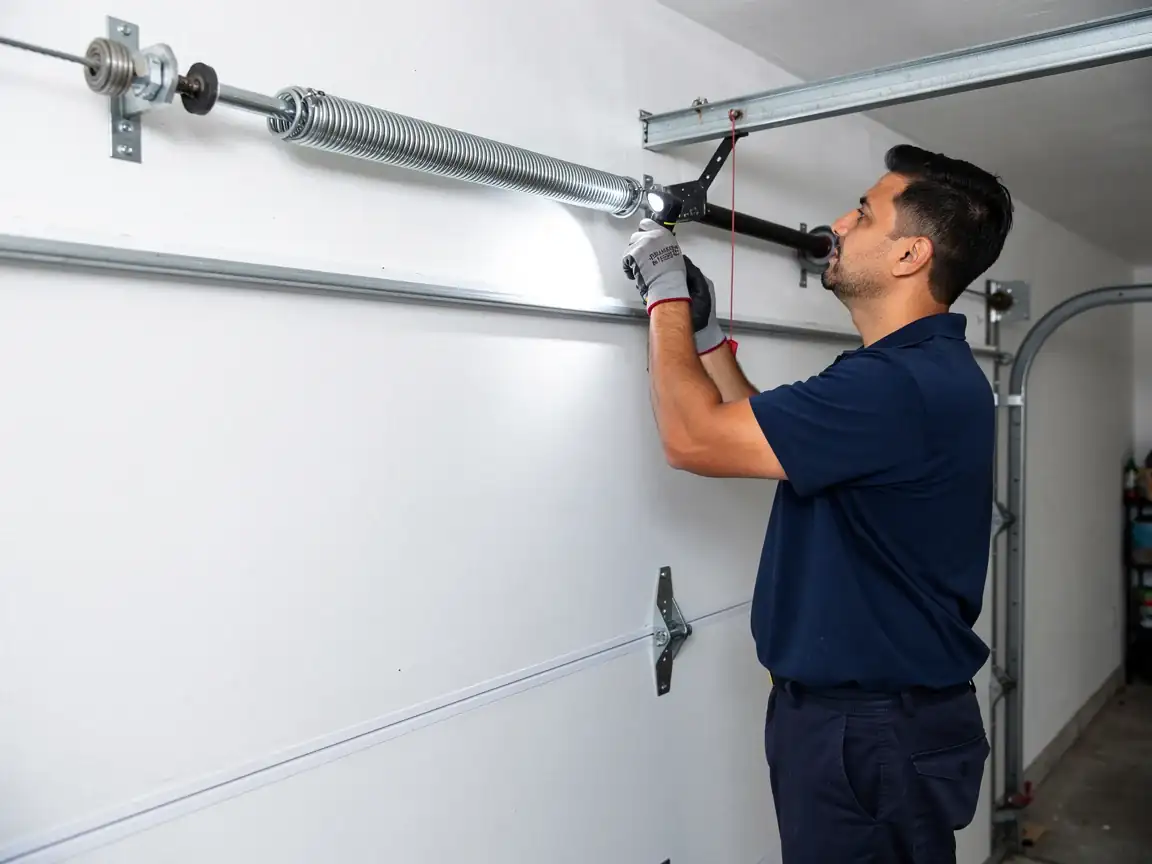
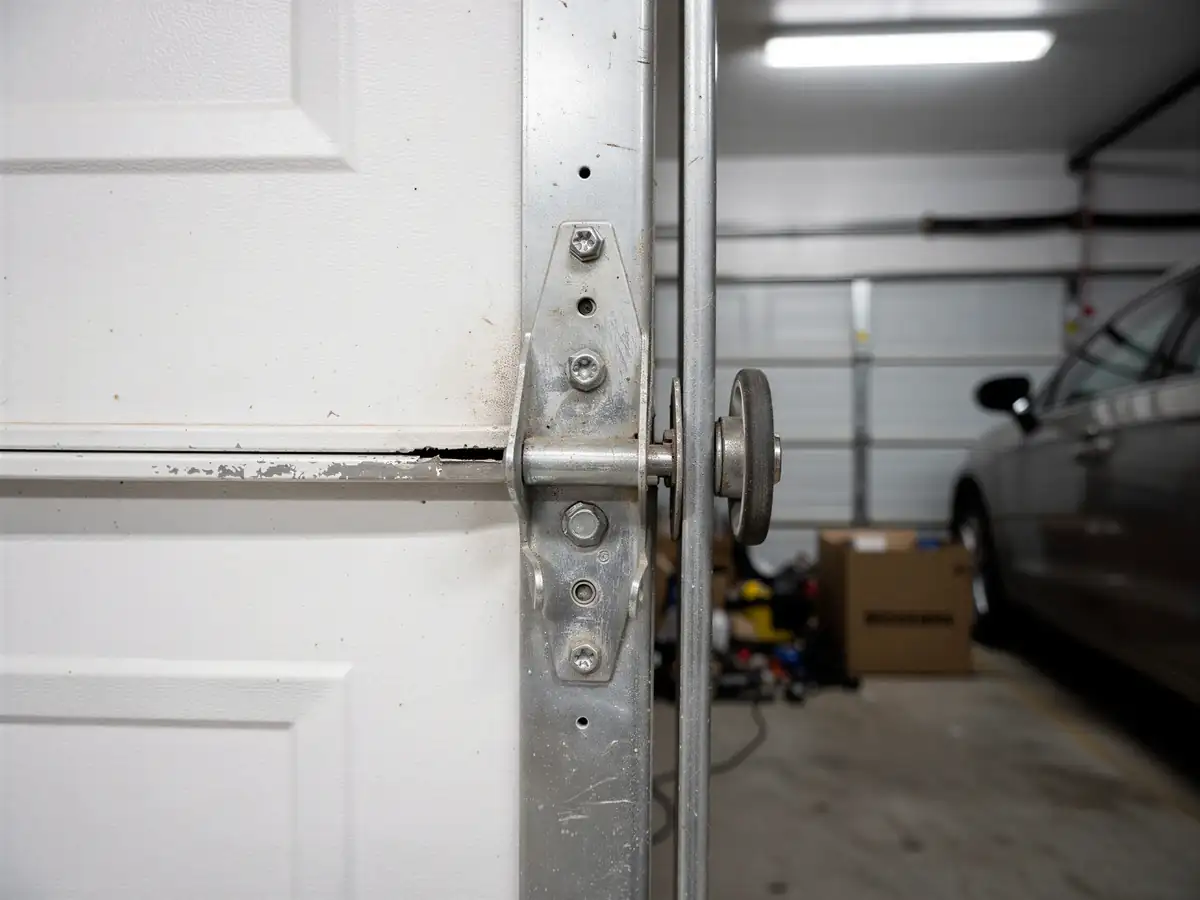
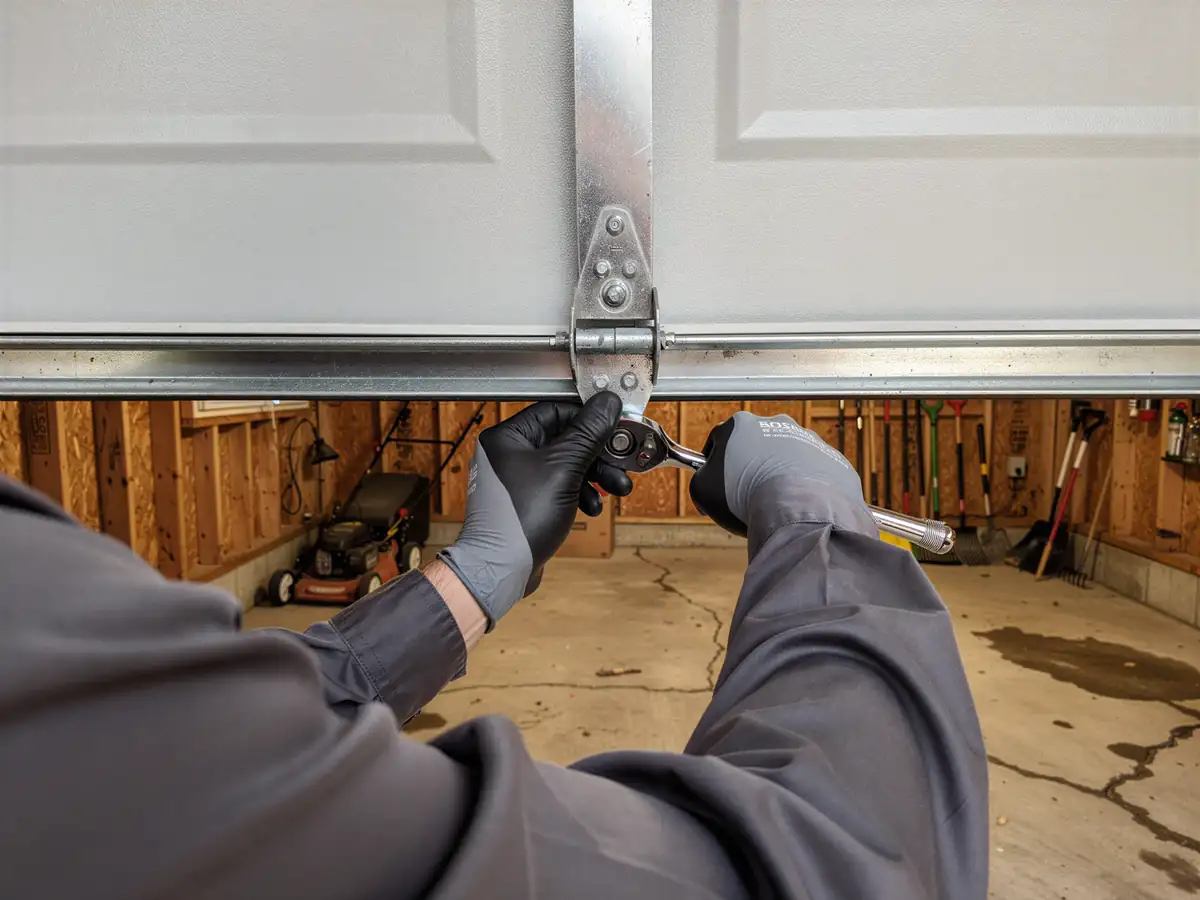
A door from the late 1980s doesn't fail the way a new one does. Track brackets loosen from decades of use rather than installer error. Spring winding cones corrode in ways that make them tricky to back off safely, especially after years in Florida's mild but humid air - the climate here doesn't swing to extremes, but it doesn't let metal dry out either, and that steady moisture is what eats at unprotected hardware over 35+ years.
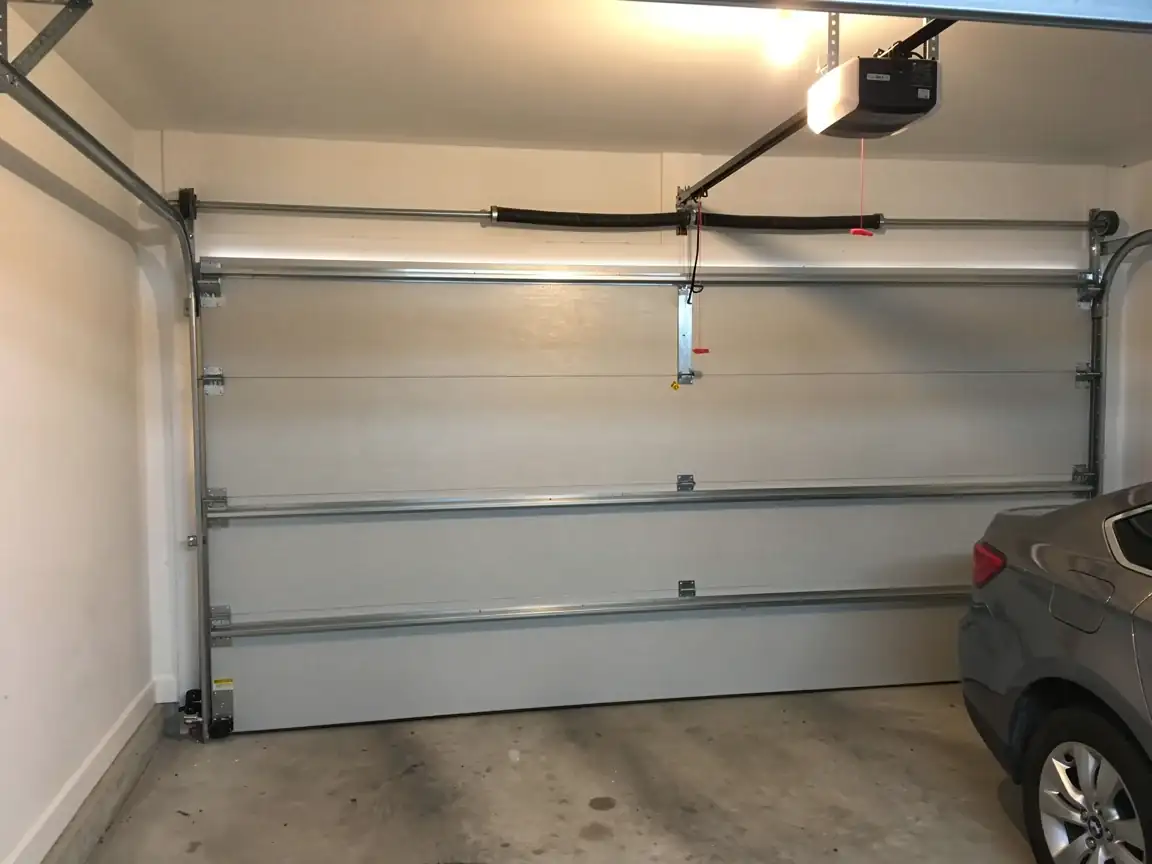
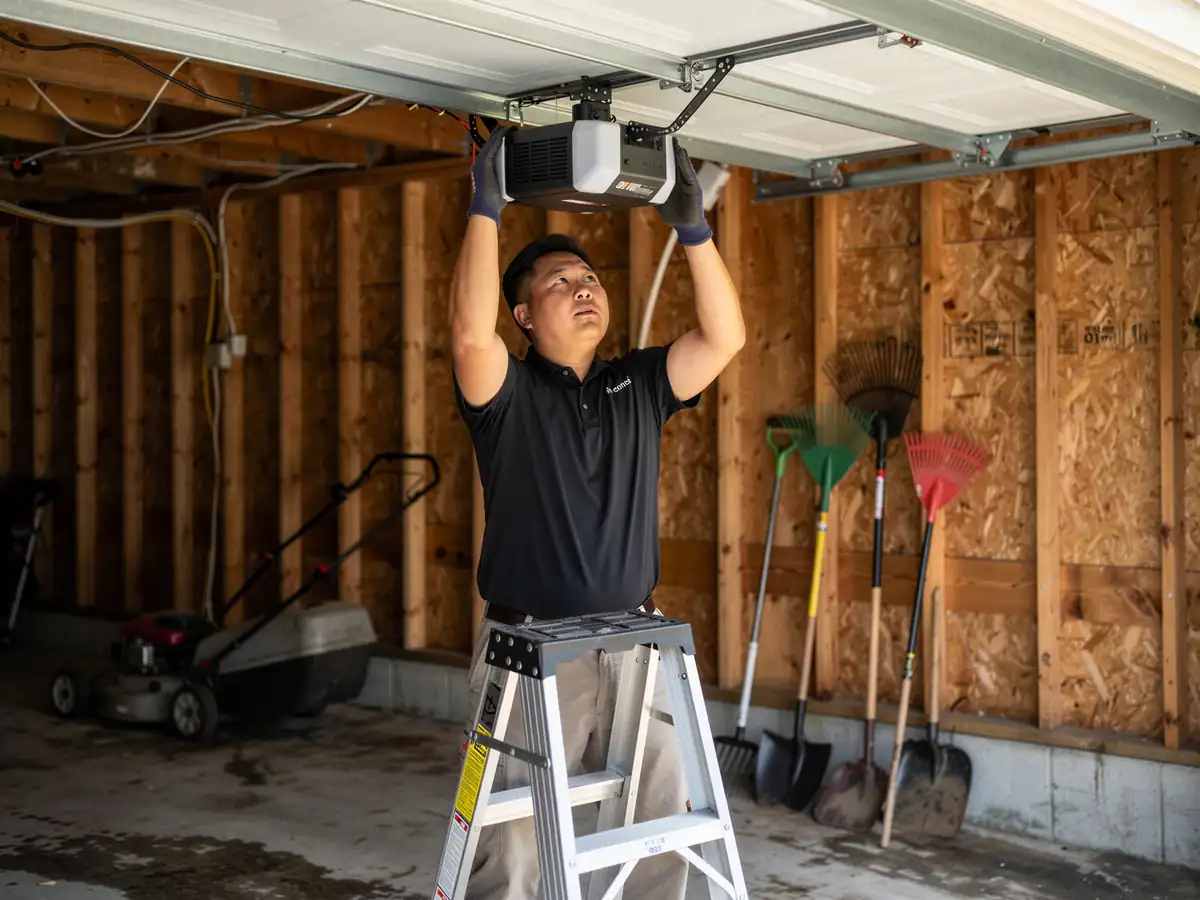
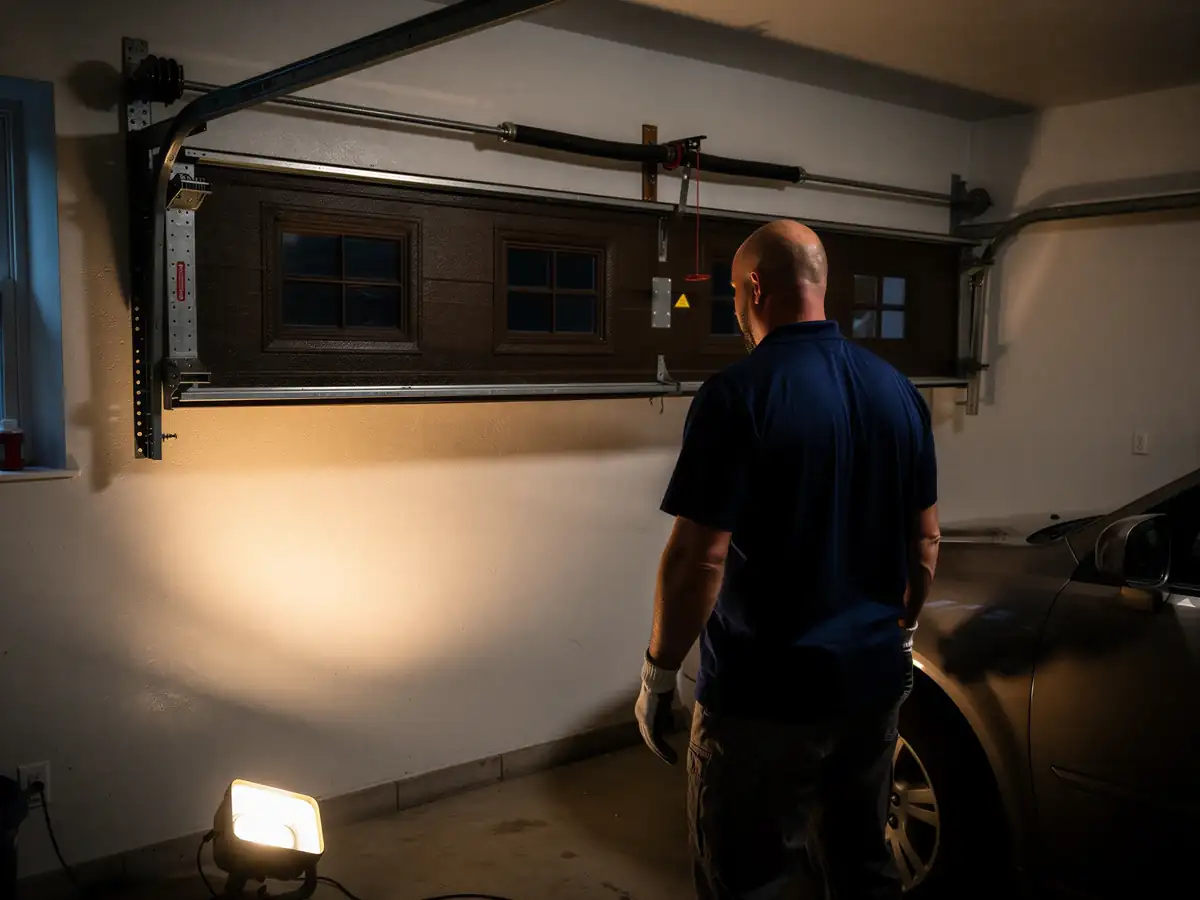
Wiring is the other complication. A lot of these openers have been replaced once, sometimes twice, which means the wall control and the safety sensors don't always match the motor unit's original specs. We've opened junction boxes with three generations of wiring stacked on top of each other. Sorting that out before we touch a spring or a cable is part of the job, not an upsell - skipping it is how someone gets a door that closes but won't reverse when it should.
Parts We Carry
For a town built mostly in the 1980s and early 1990s
The parts that get used most are torsion springs sized for the lighter steel doors common to that era, 2-inch and 2-1/4-inch track sections for the shorter bay depths typical of houses from that period, and standard lift cables rated for single and double doors without high-cycle counts. We stock these because they're what shows up on the truck sheet over and over in houses this age.
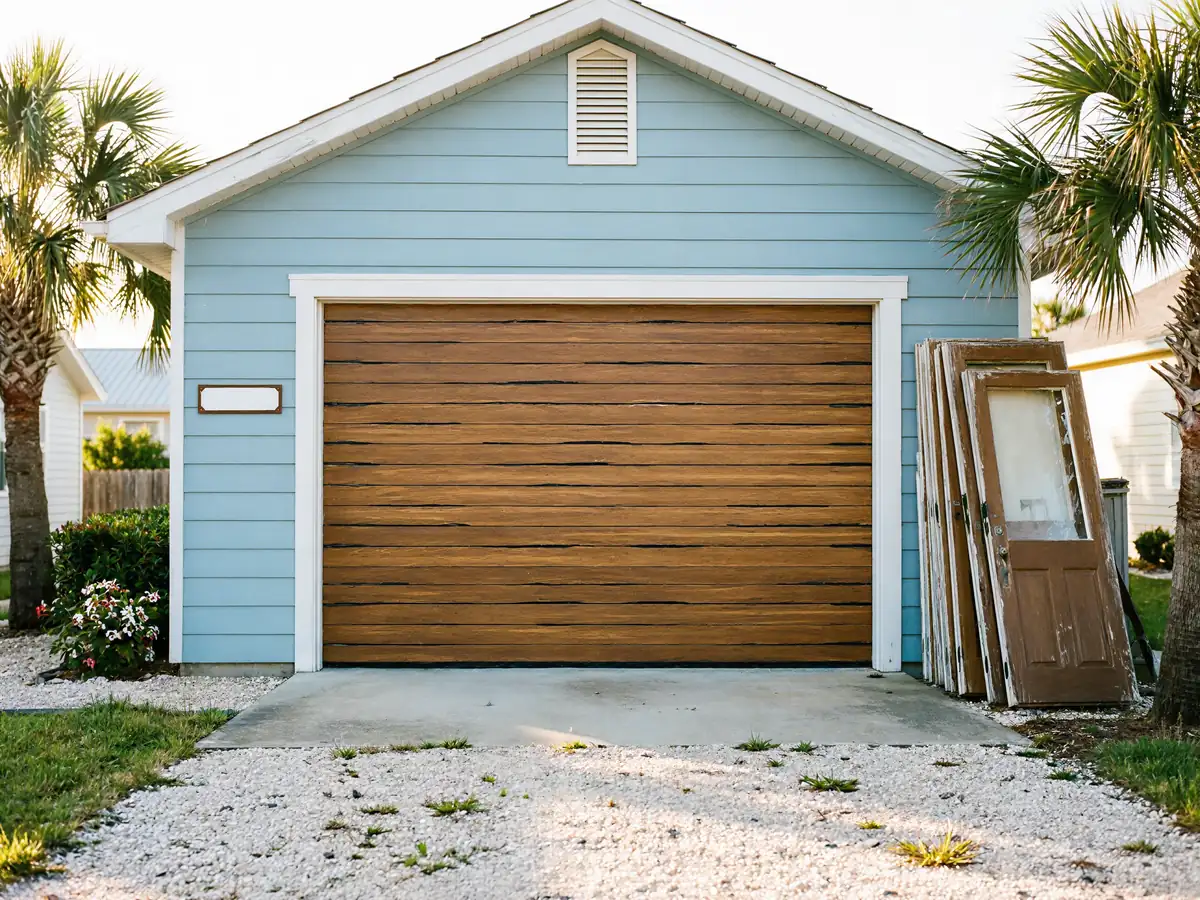
What we don't always have on the truck is a match for a specialty panel on a door that was custom-ordered decades ago and never reproduced
If your door is one of the less common models from that build era, the panel itself may need to be special-ordered, and that's a lead time we won't pretend doesn't exist. We'll tell you up front if that's the situation rather than string the job along.
How Long You Are Without the Door
We run out of Daytona Beach, about 19 miles from Edgewater, so the drive is part of the timeline on any call here - there's no local branch to shortcut that. Once we're on site, most spring and cable repairs on these 1980s-era doors close out in a single visit, because the parts involved are the common sizes we carry.
Where the wait gets longer is anything tied to a special-order panel or a motor unit discontinued long enough ago that a direct replacement doesn't exist. In those cases we'll walk you through the real timeline rather than guess at one. A door with a bent track or a snapped cable is usually safe to leave closed and unused for a few days if the repair has to wait on parts - it's a door that won't close evenly or won't stay open that we treat as the one needing a faster turn.