Why This Fails Locally
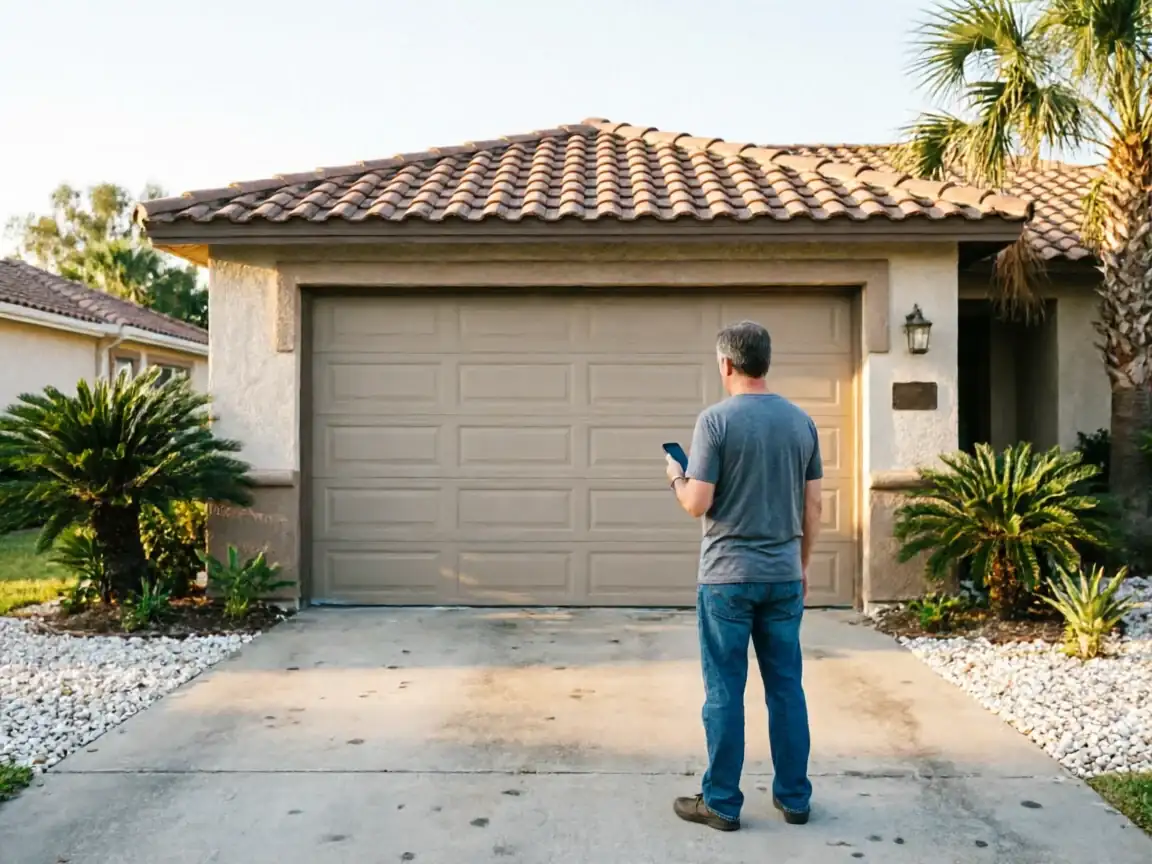
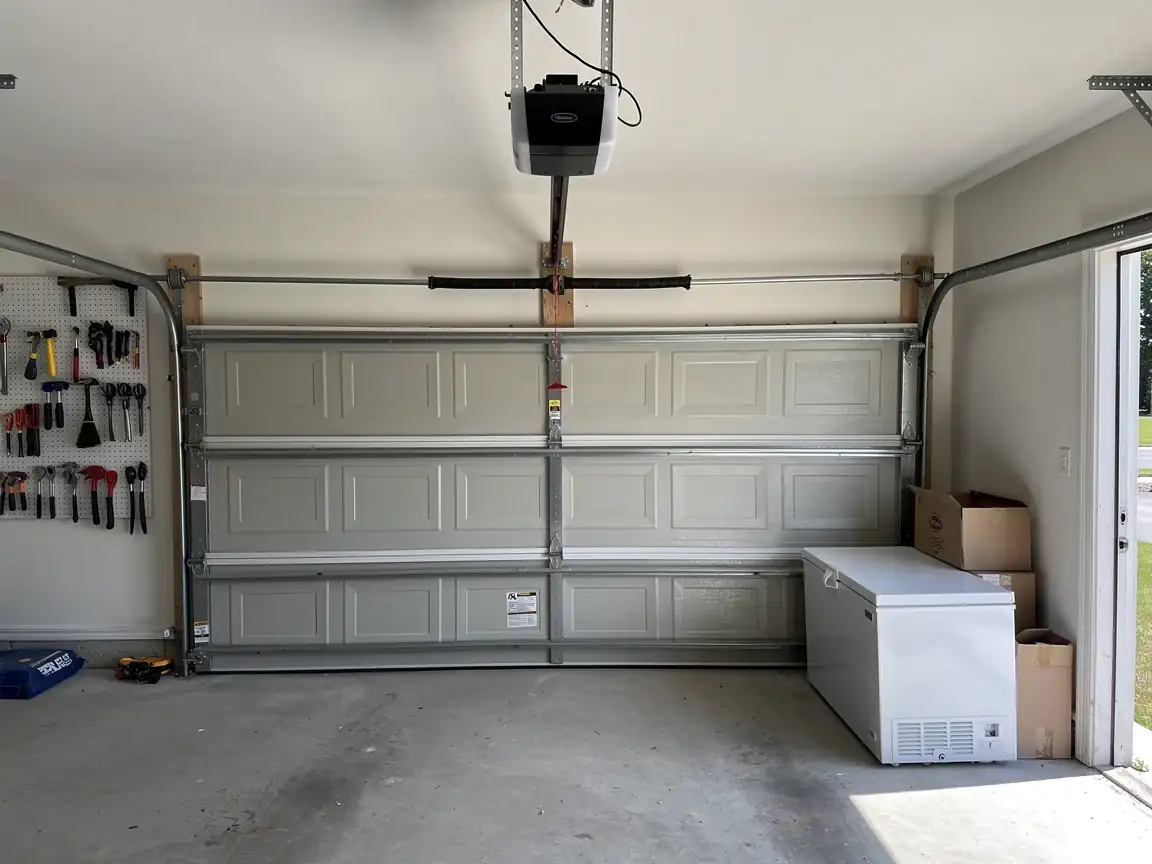
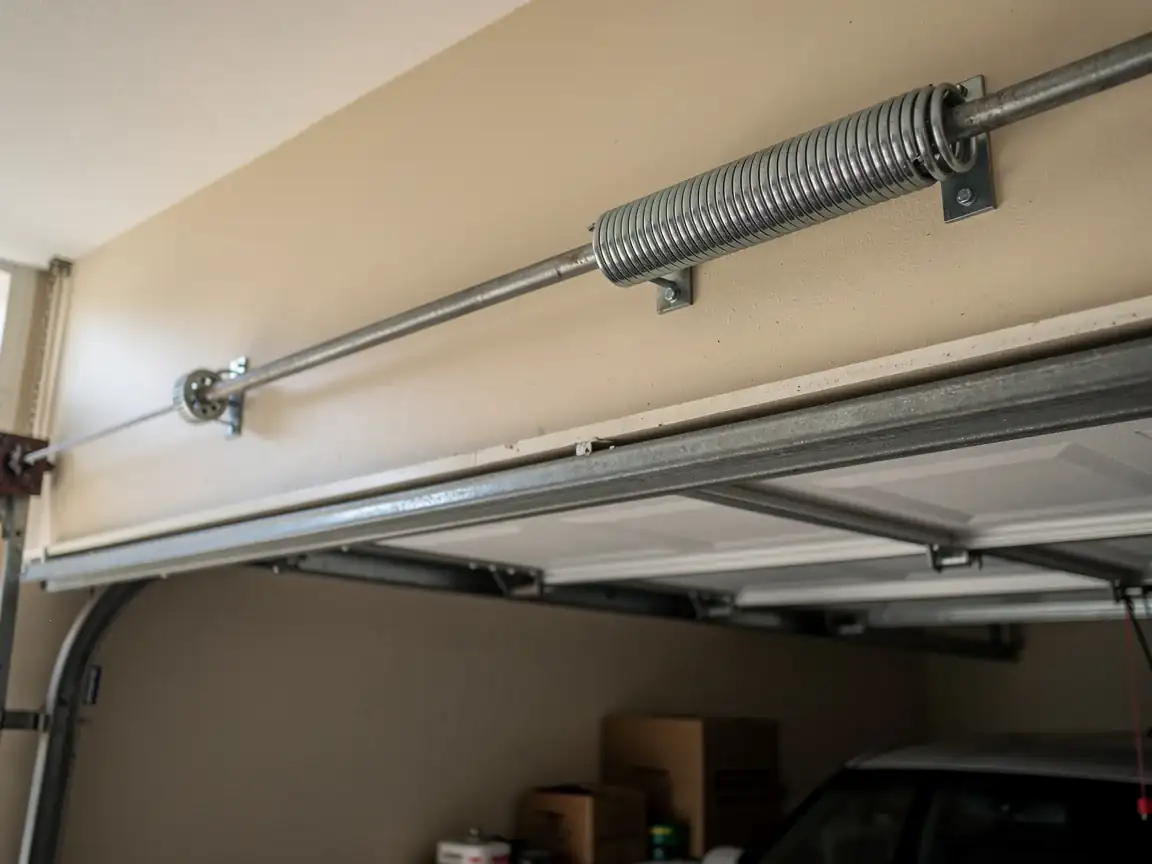
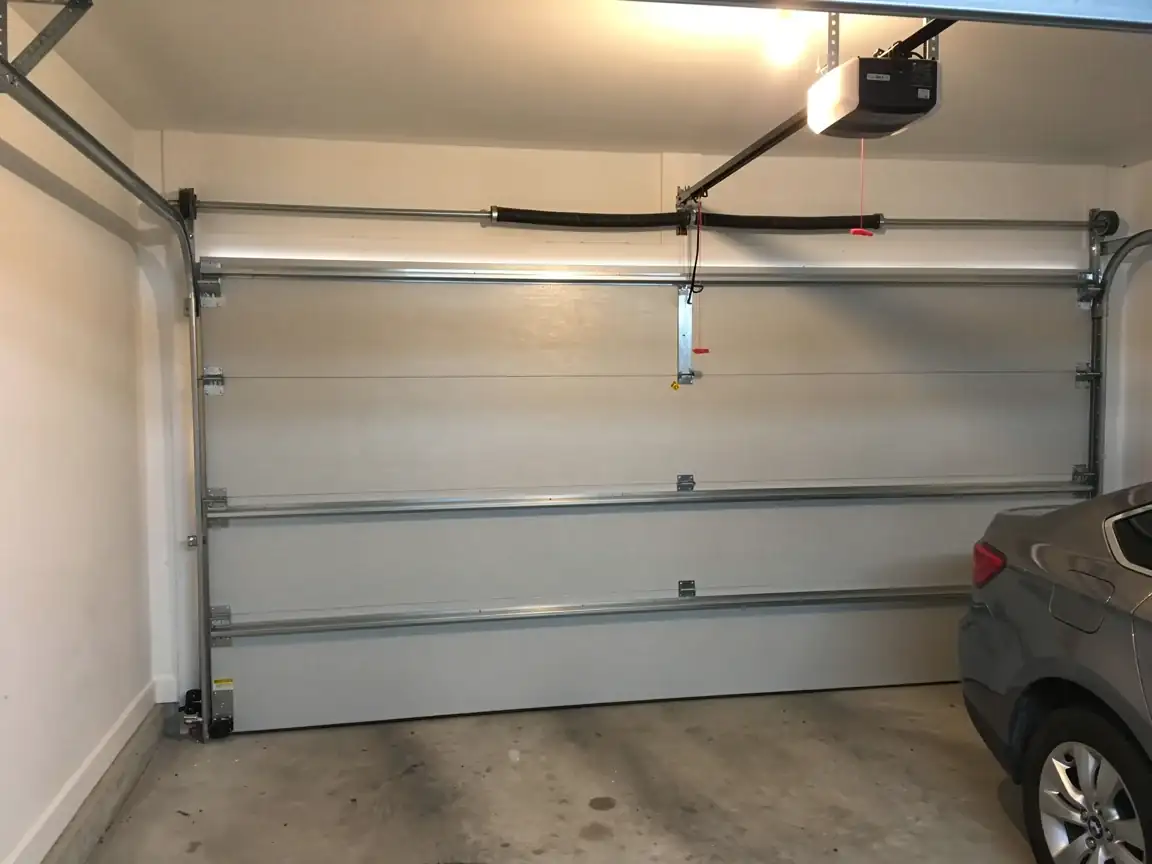
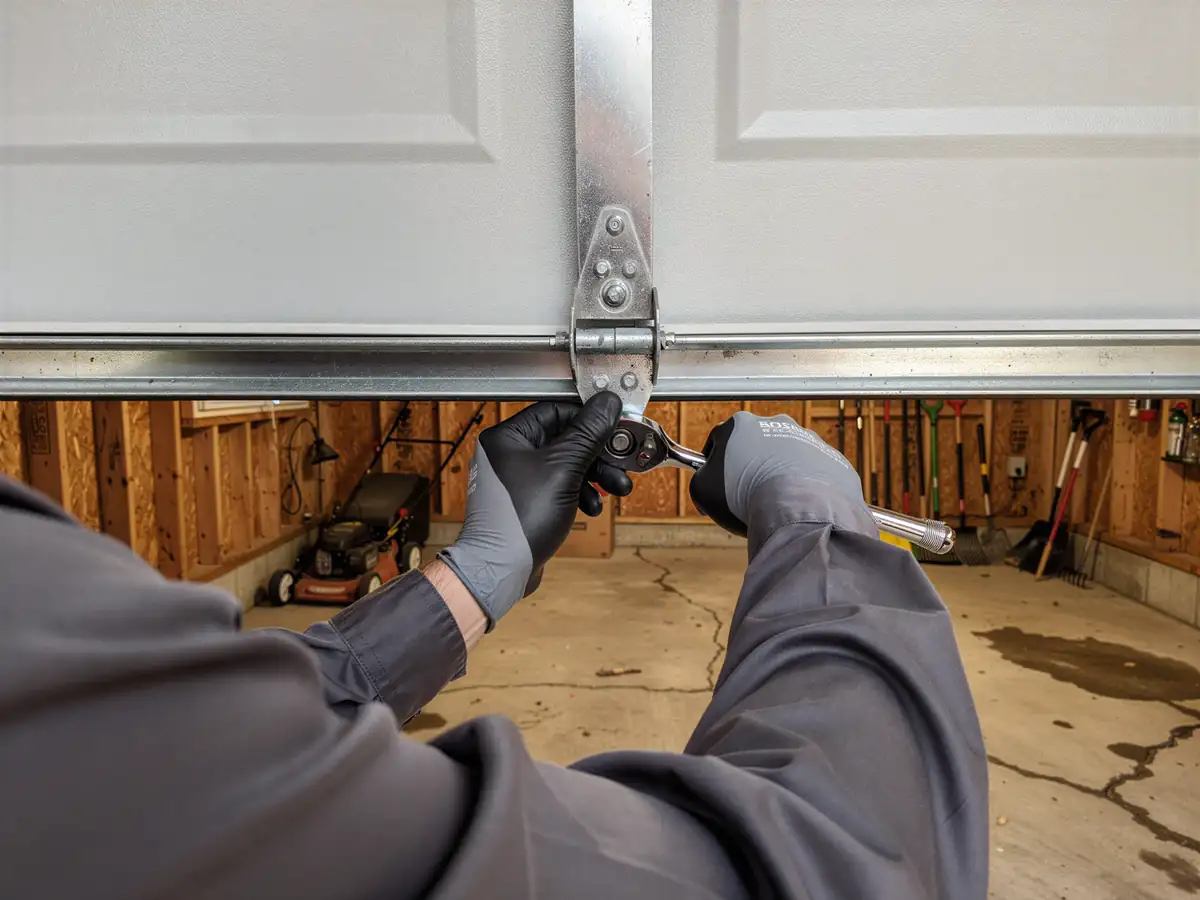
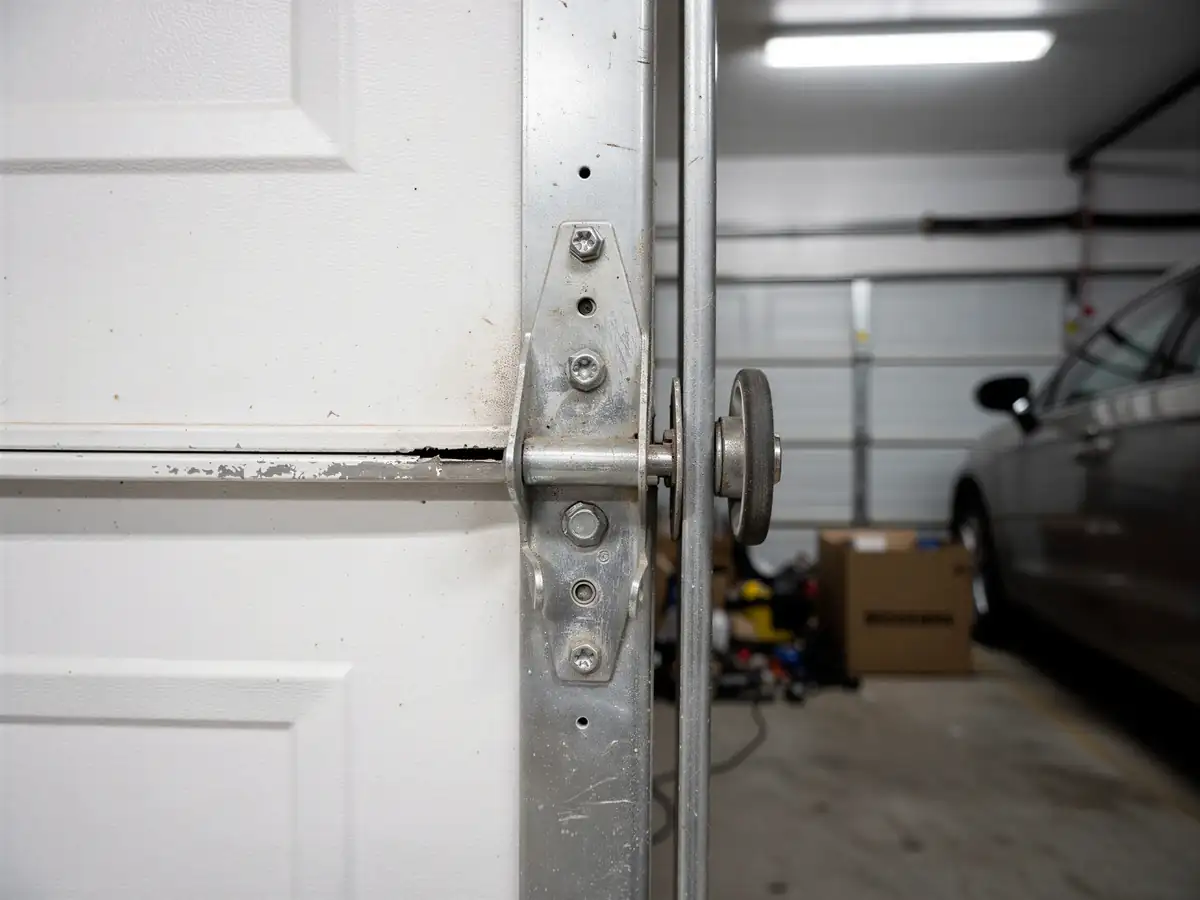
Most houses in Edgewater went up around 1987, right in the middle of the 1972-1993 wave that built out this stretch of the county. Doors from that period were almost always hung on galvanized steel track with roller brackets bolted straight to the jamb, not the reinforced vertical track and nylon rollers you see on anything built in the last fifteen years. That older bracket pattern relies on a handful of lag screws holding real weight, and after three decades those screws work loose in the wood framing. Once one bracket starts to pull, the track bows a fraction of an inch and the rollers start walking out of it instead of riding inside it.
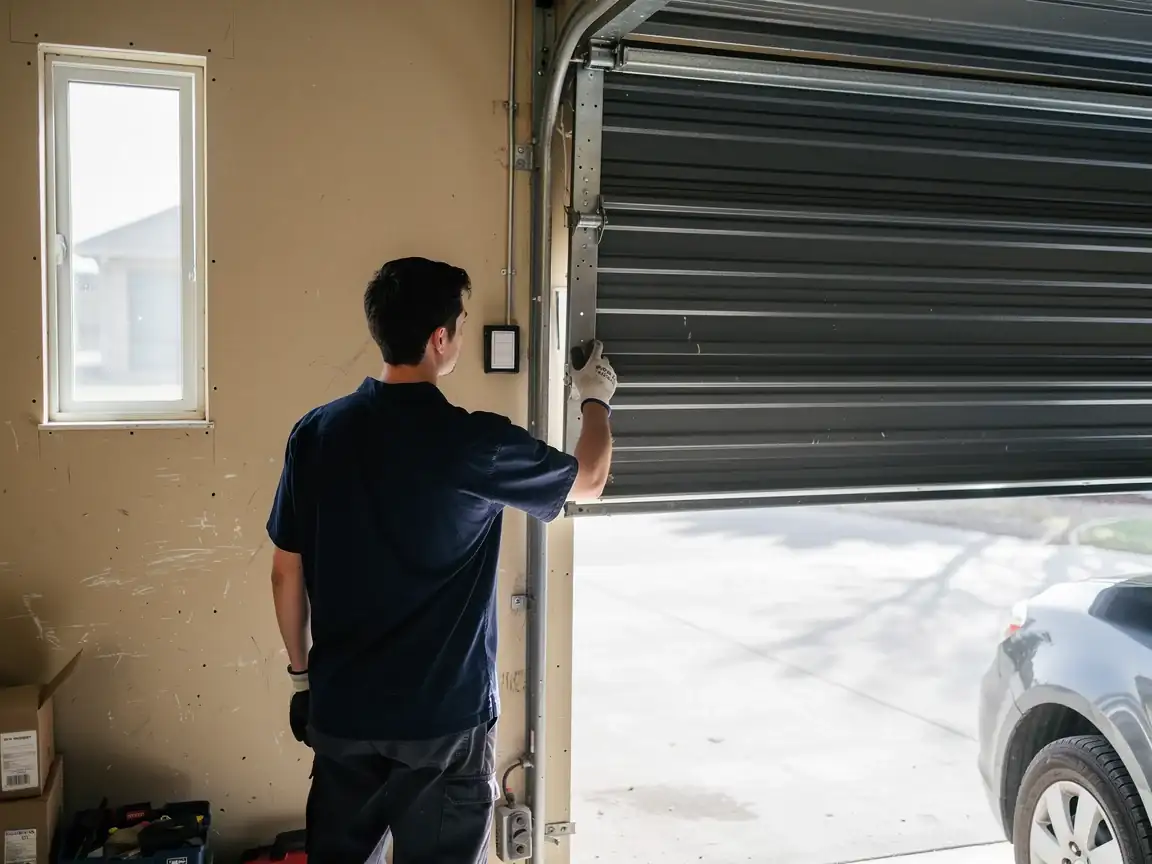
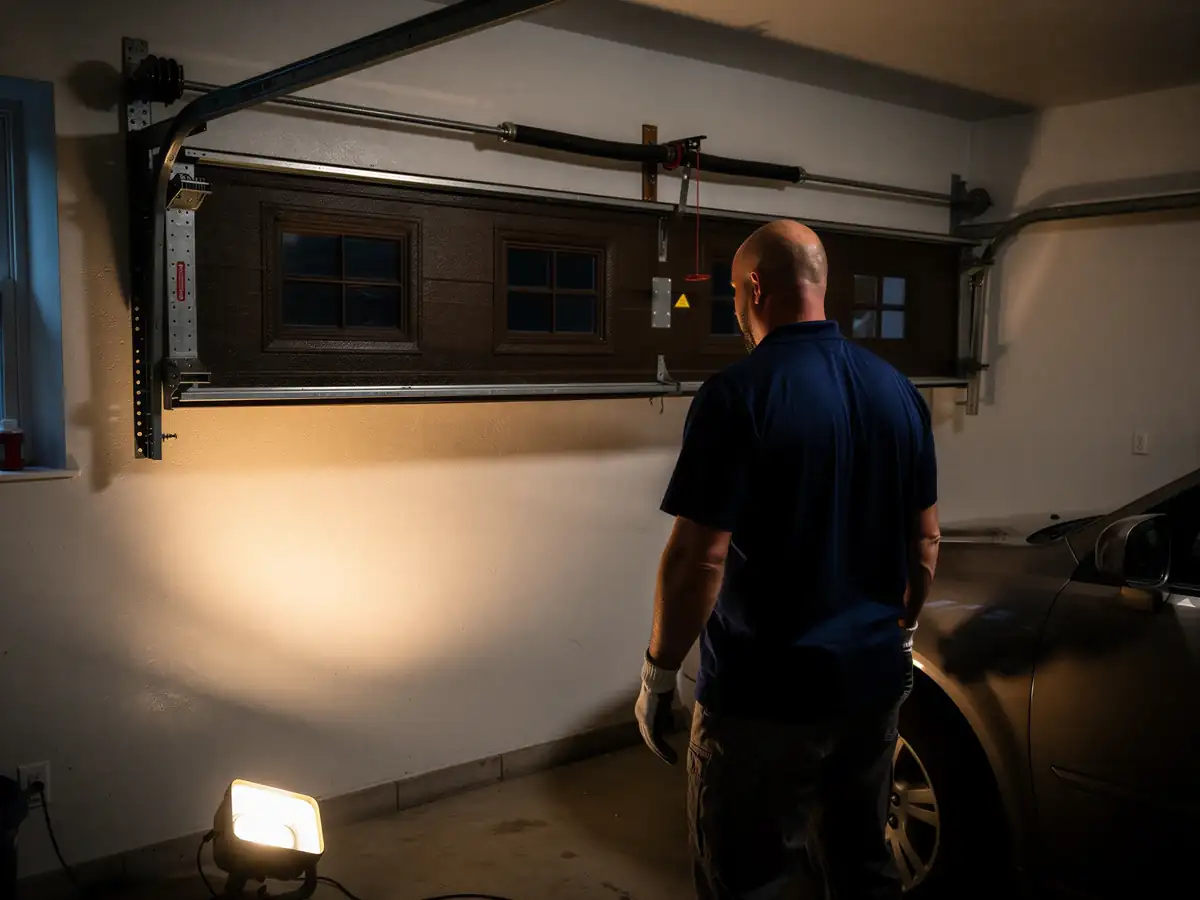
The door doesn't have to get hit by a car to come off track. On a house this age it's just as often a bracket that finally gave up holding, or a roller that's worn oval instead of round after thirty-some years of use. The door looks fine sitting still and then jumps the rail the next time it runs. That's a different repair than a door that got knocked sideways, and it changes what we show up with.
The Complications
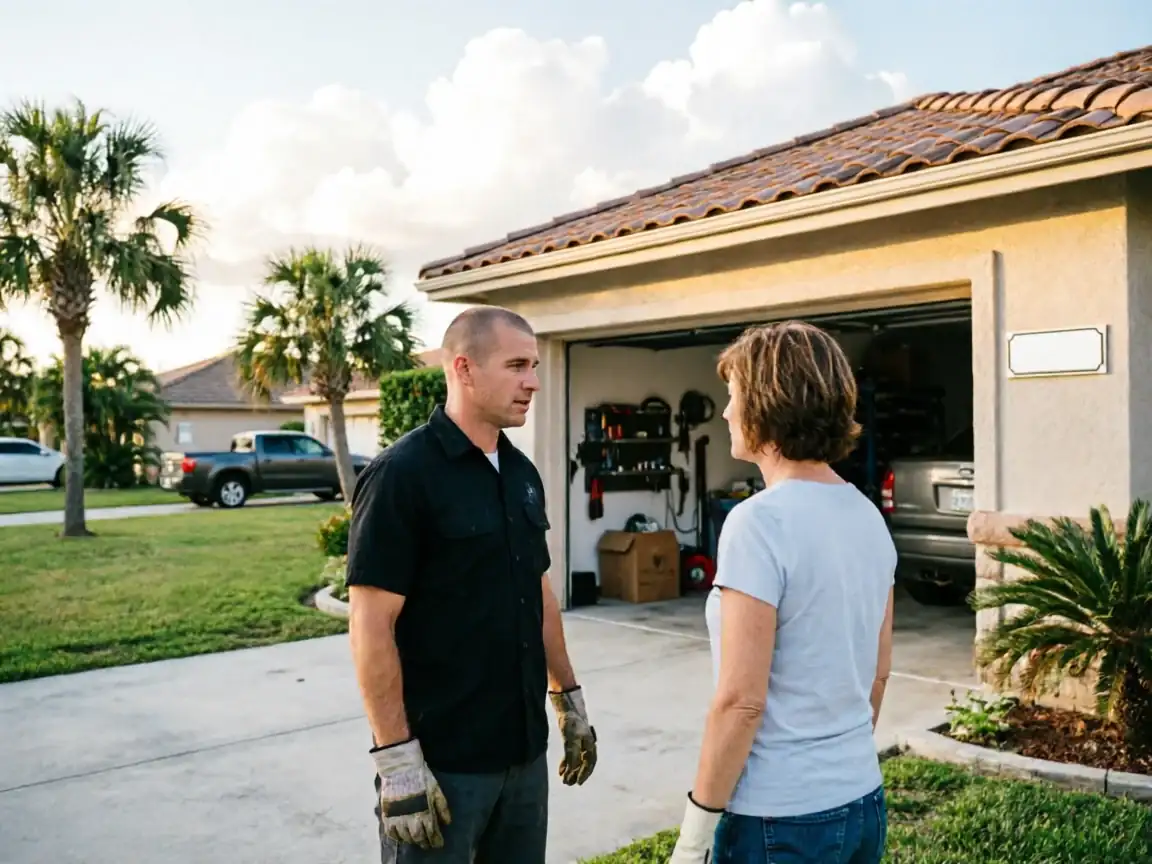
We're coming from Daytona Beach, 19 miles out, so there's no local stock to run back to if the first fix doesn't hold - we bring what the job needs the first time or we don't start it. On a house built in the mid-80s that usually means carrying both the older-gauge track sections and the brackets sized to match, because newer standard track doesn't always bolt up to the original jamb hardware without modification.
Mild coastal humidity doesn't help older track, either. Galvanized steel holds up fine against rust in this climate compared to harsher regions, but thirty-plus years of condensation cycling in an unconditioned garage will still pit the inside of a track rail enough that rollers start binding before they ever derail. If the track itself is pitted rather than just bent, straightening it back onto the bracket is a short-term fix - replacing that section is the real one.
With roughly 10,809 households in this part of the service area and a median income of $58,805, a lot of these doors have had one owner since they were built and never had the hardware updated. That means the failure we find is often original equipment, not a prior repair gone wrong.
Parts We Carry
We keep standard and heavy-duty track sections on the truck in the lengths that fit a typical single and double door opening
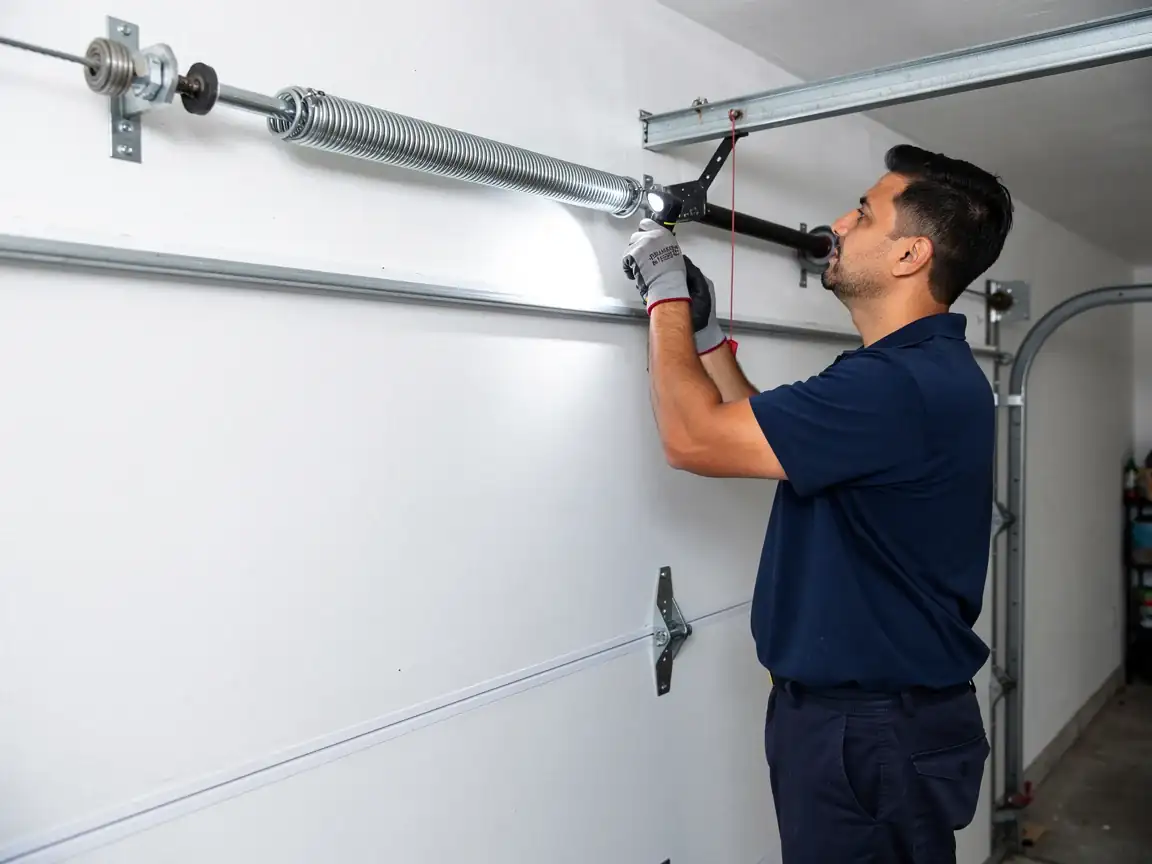
Along with both the older lag-mount roller brackets common on homes from this era and the newer reinforced brackets that get added when the jamb wood won't hold a lag screw anymore. We carry nylon rollers in the stem lengths that match older track gauges, plus the steel rollers some owners prefer for a door that sees heavy daily use.
What we don't carry is every obsolete bracket pattern a manufacturer stopped making in the 1980s
If your door has a bracket style that's no longer produced, the honest fix is swapping that section to current hardware rather than hunting for an exact match that isn't coming back into production. We'll tell you straight if that's what you're looking at before we start, not after.
How Long You Are Without the Door
A door that jumped the track because of one failed bracket is usually a same-visit fix once we're on site - realign the track, replace the bracket, check the opposite side for the same wear and swap it too since it's the same age. A door where the track itself is pitted or bent along its length takes longer, because we're cutting in new track rather than just resetting rollers.
We don't carry a stocked branch in Edgewater, so there's no walk-in parts pickup if something needs ordering - the truck runs from Daytona Beach with what the job calls for. For most off-track calls on a house from this era, that's not a problem because the hardware is common enough to carry standing stock. It only becomes a wait if the bracket or track pattern turns out to be one of the few obsolete styles that need a short order lead time.