Why This Fails Locally
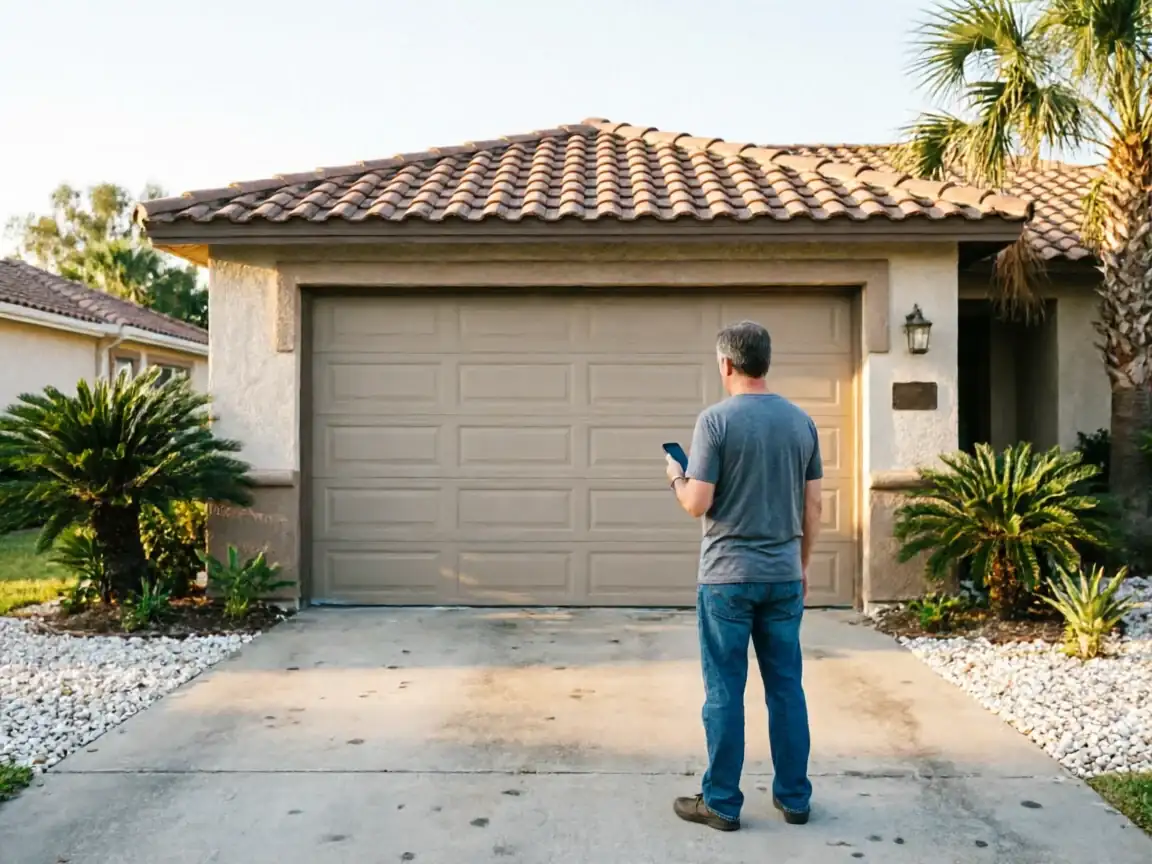
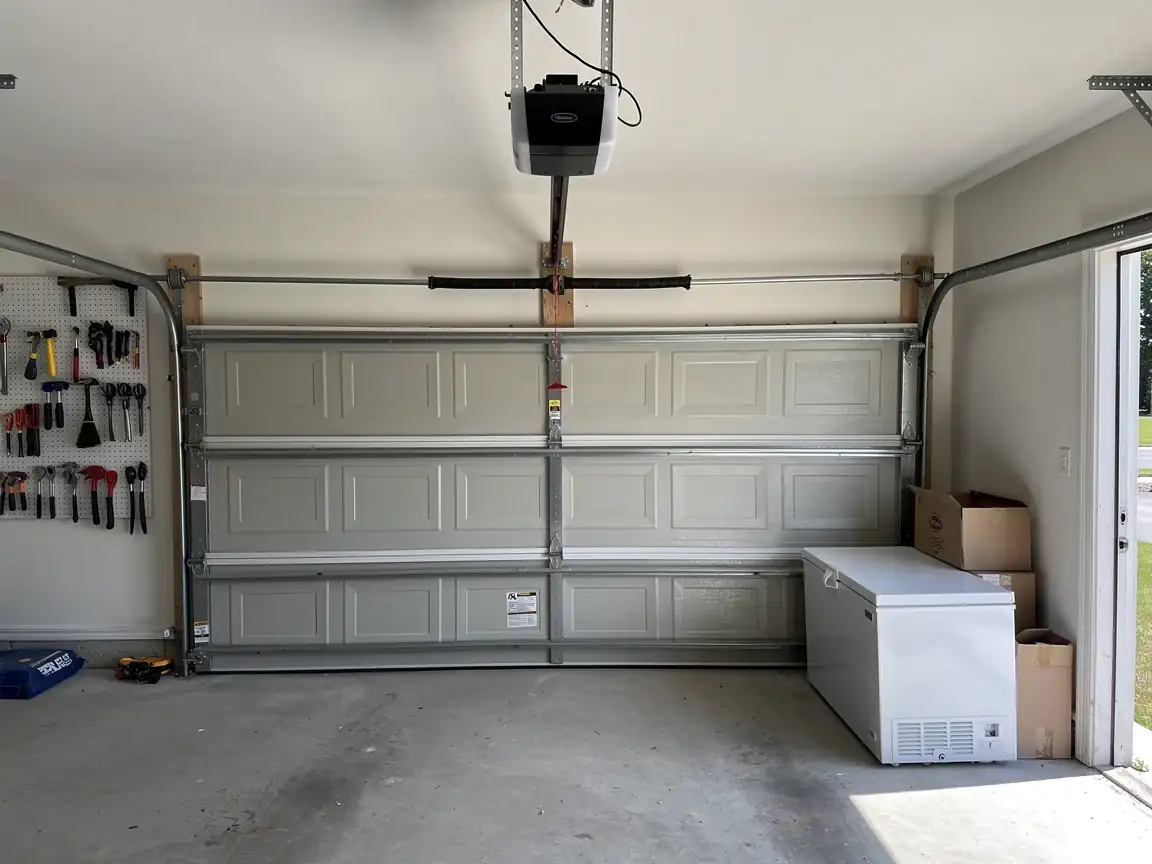
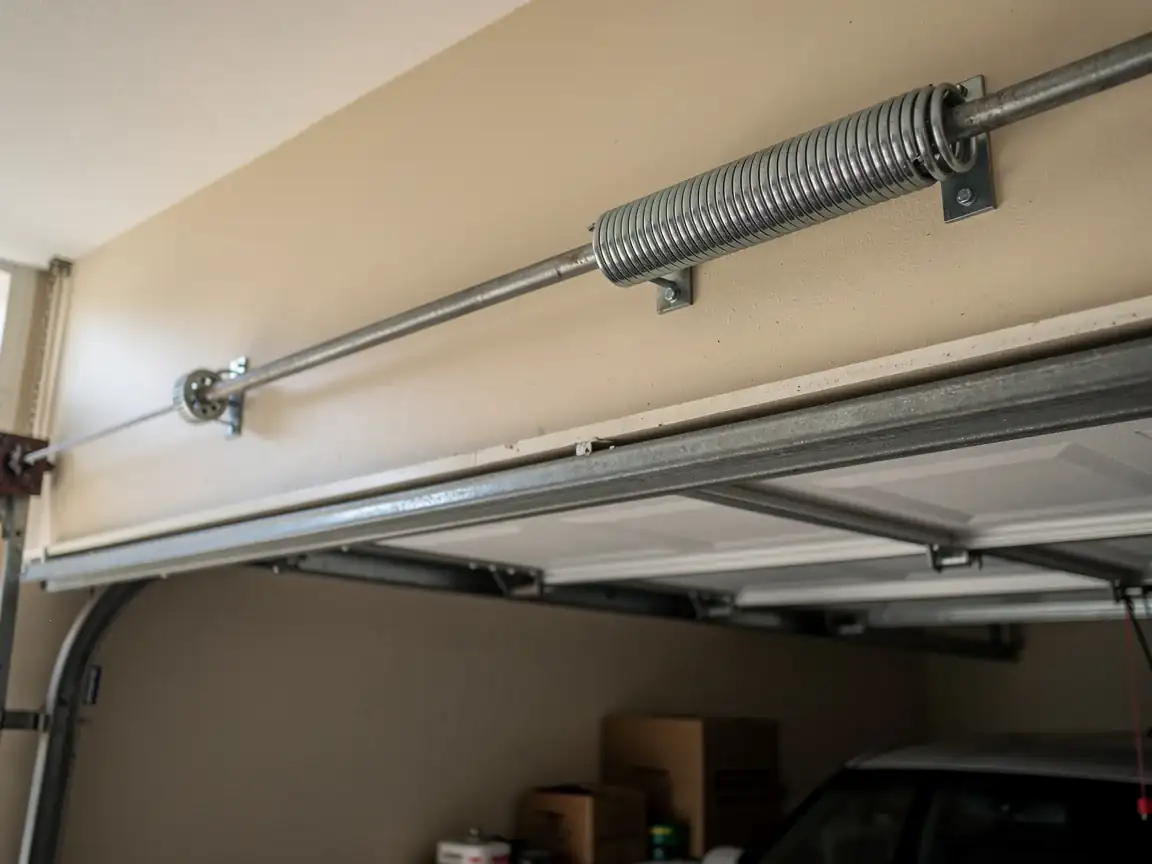
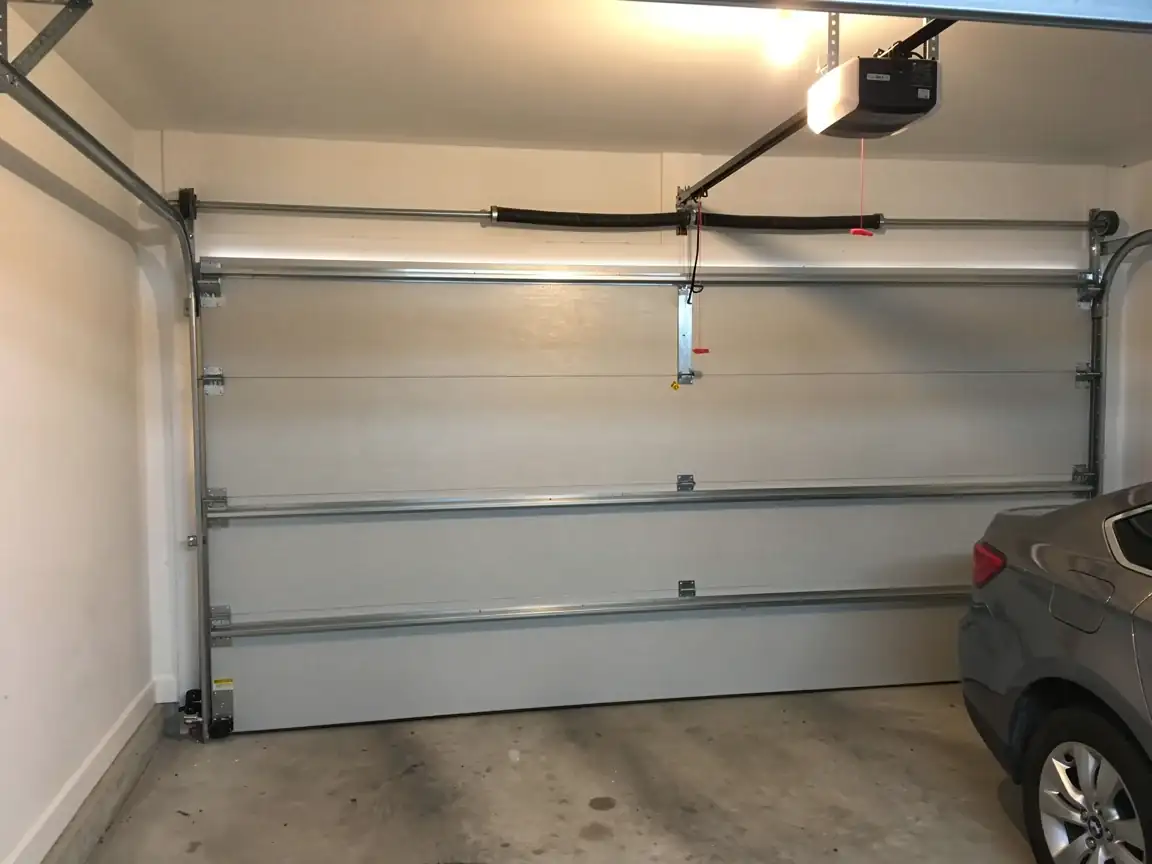
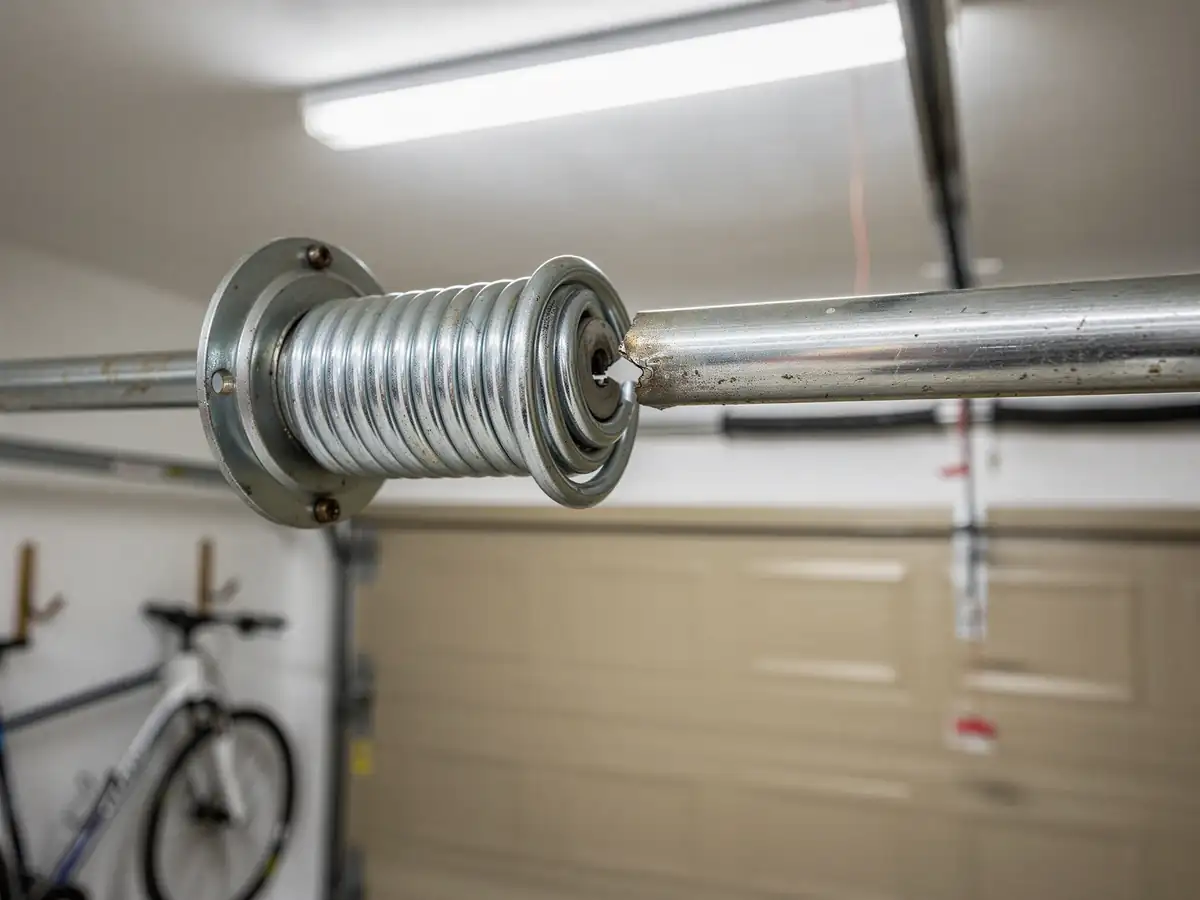
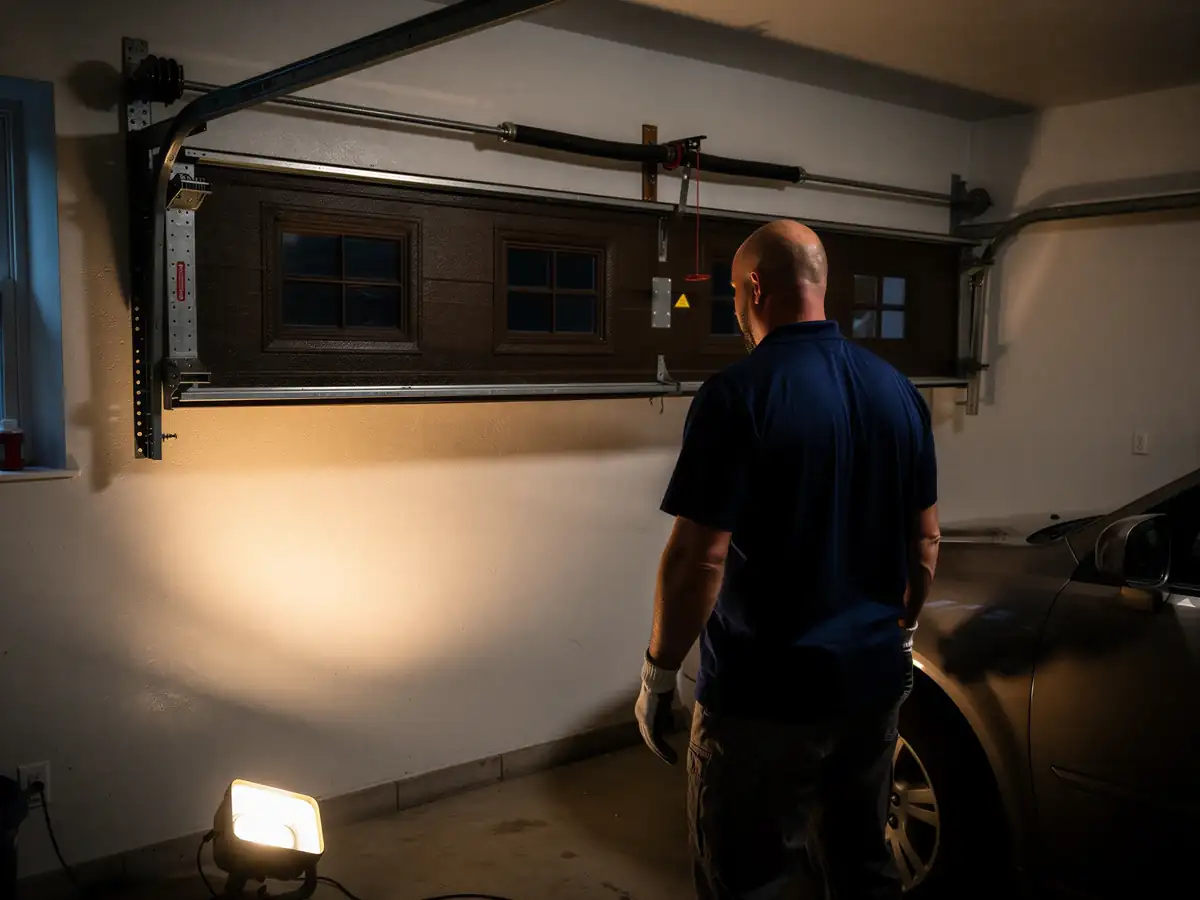
Edgewater's housing stock centers on 1987, and that number matters more than any other on this page. A door and opener installed the year a house was built has had almost four decades to run on the same torsion spring, the same end bearings, the same lift cable. Nobody in this neighborhood pattern replaces that hardware on a schedule - they replace it when it breaks, usually on a Saturday, usually when the spring finally lets go under tension it was never rated to hold this long.
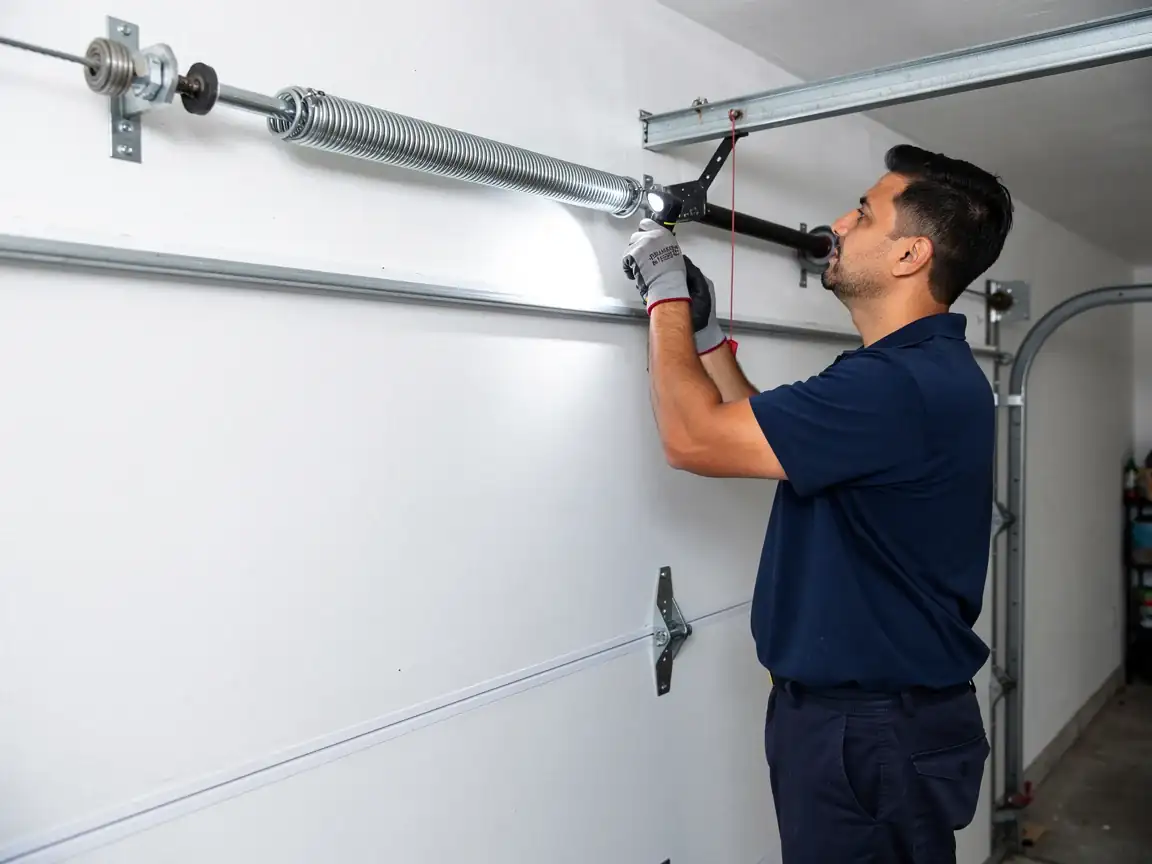
That means when we get a call from this part of the service area, the fault is rarely a new-door problem like a misaligned photo-eye or a bad circuit board. It's a spring that's fatigued past its wind count, a cable frayed from thirty-plus years of friction, or an opener motor from the same era straining to lift a door whose rollers have worn their tracks wider than spec. The hardware is original because nothing forced it not to be - and that's exactly why it fails without warning instead of giving you a slow decline to notice.
The Complications
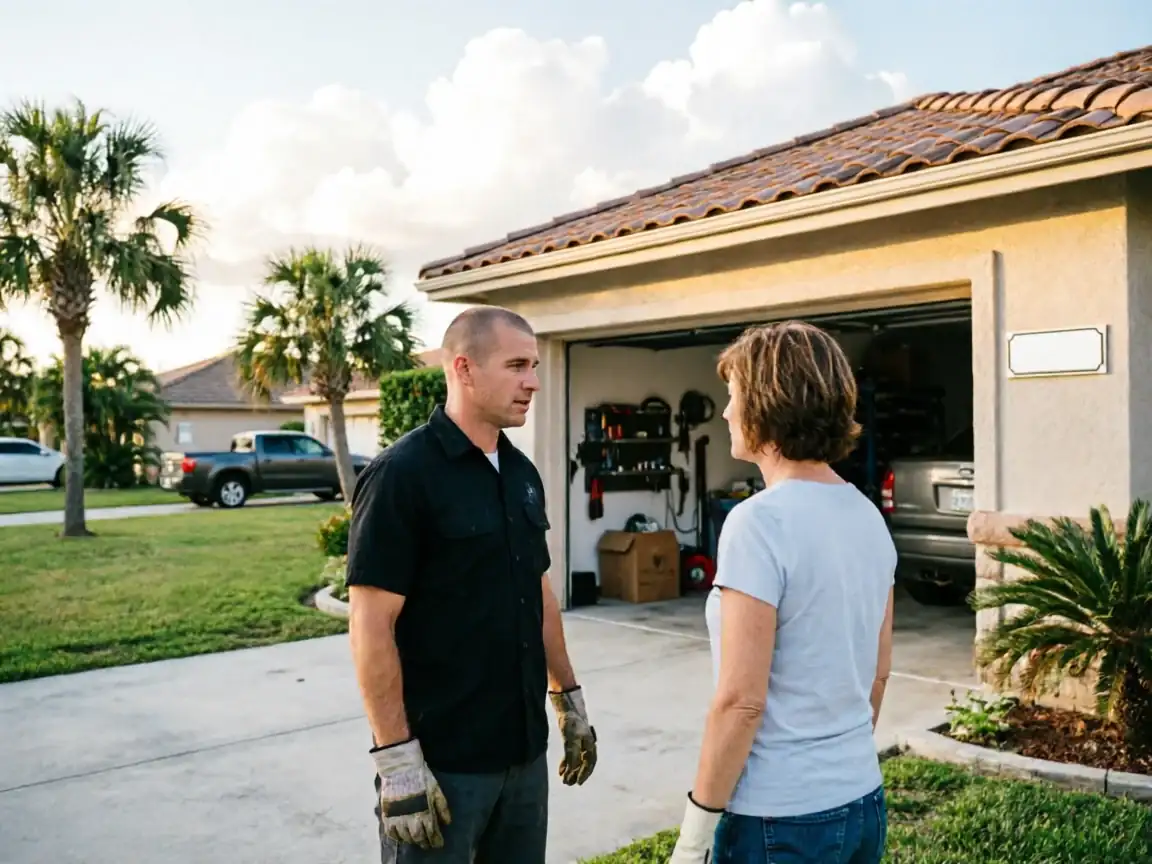
We run this call from Daytona Beach, and Edgewater sits about 19 miles out. That distance is real - it's not a branch office down the street, it's a truck making a trip, and that's worth knowing before you're standing in a driveway with a car trapped behind a dead door.
The other number that shapes these calls is income. Median household income here runs around $58,805, noticeably under the wider service area's $69,150. In practice that means more homeowners ask us to fix the original spring and cable rather than replace the whole door - and for a 1987-era door with sound panels, that's often the right call, not just the cheap one.
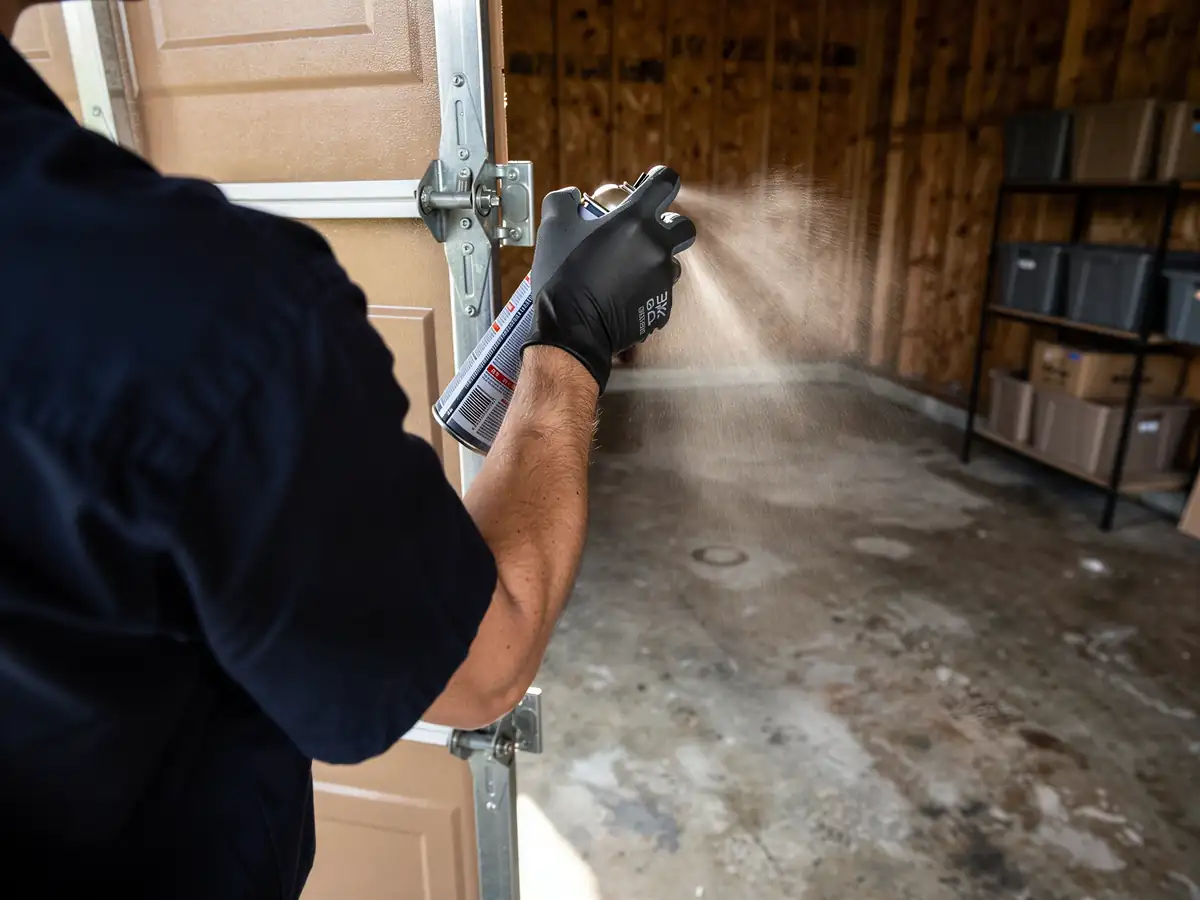
Climate plays a smaller but steady role. This is a mild temperate coastal stretch, so we're not dealing with freeze-cracked springs like a northern climate, but humidity speeds up corrosion on unlubricated cable and hinges faster than owners expect. Combine thirty-seven-year-old steel with salt air humidity and a spring that looks fine can be one cold snap from snapping.
Parts We Carry
For a neighborhood built mostly in the 1980s and 90s
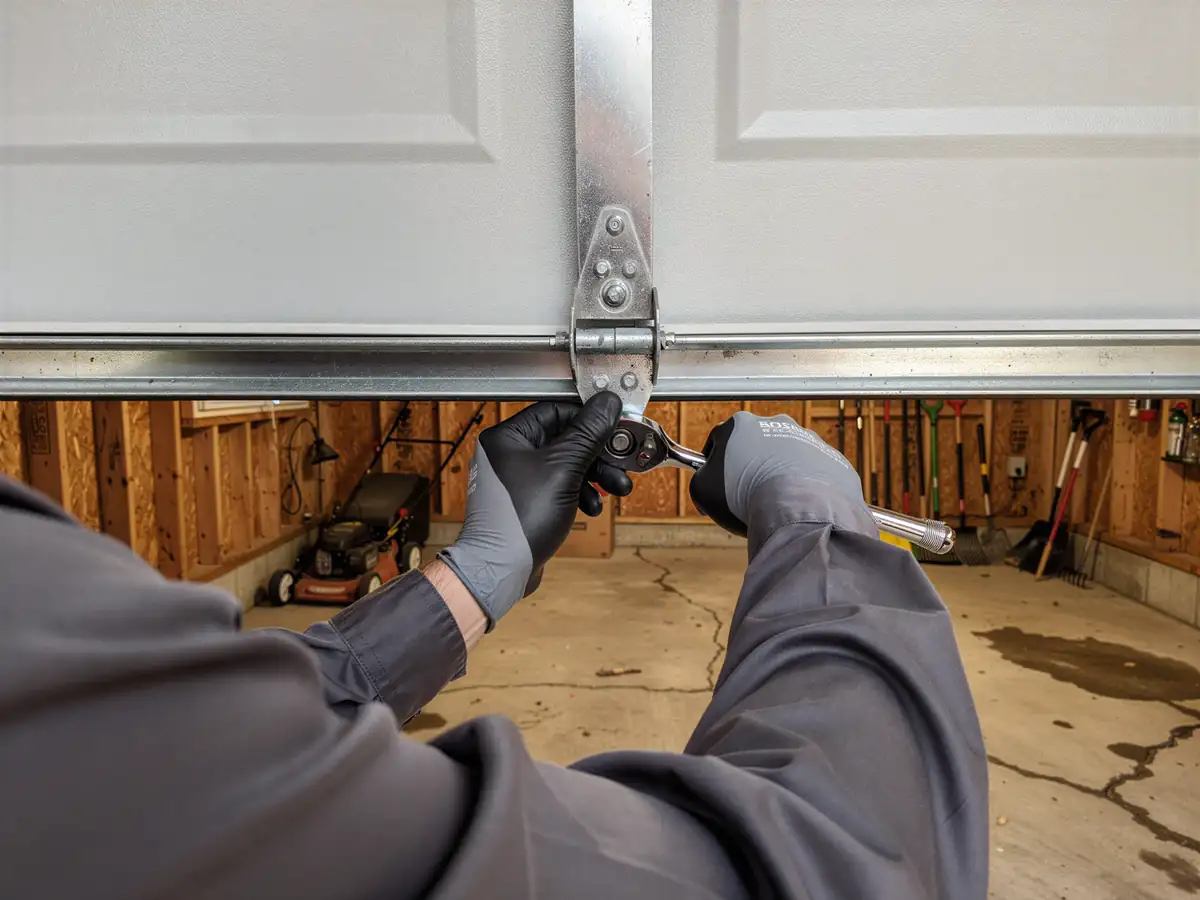
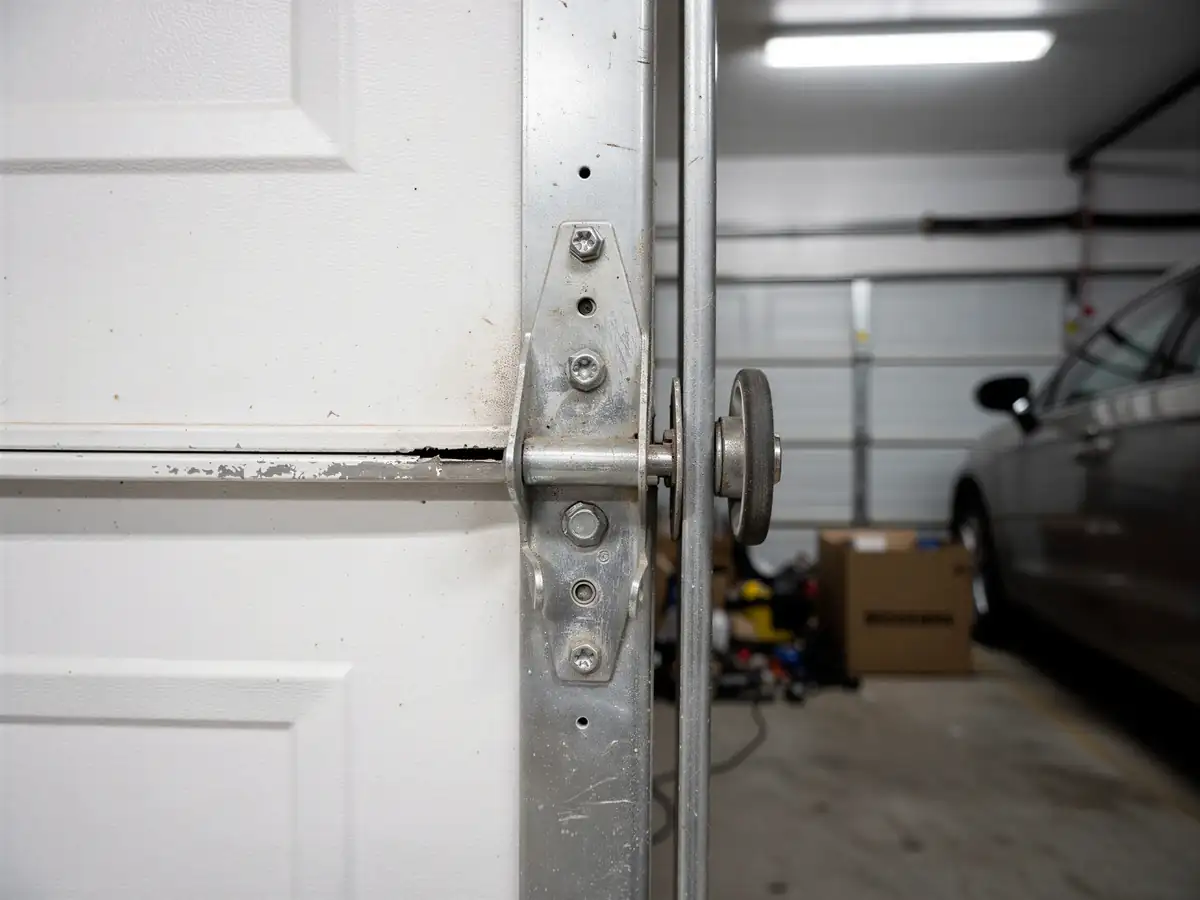
We stock torsion springs sized to the door weights and drum setups common to that era - the wind counts on these differ from what you'd put on a door built in the last ten years, and getting that wrong means a door that slams or won't hold itself open. We carry standard-gauge lift cable, ball-bearing rollers to replace the nylon originals that have worn oval instead of round, and end bearing plates that seize up after decades without grease.
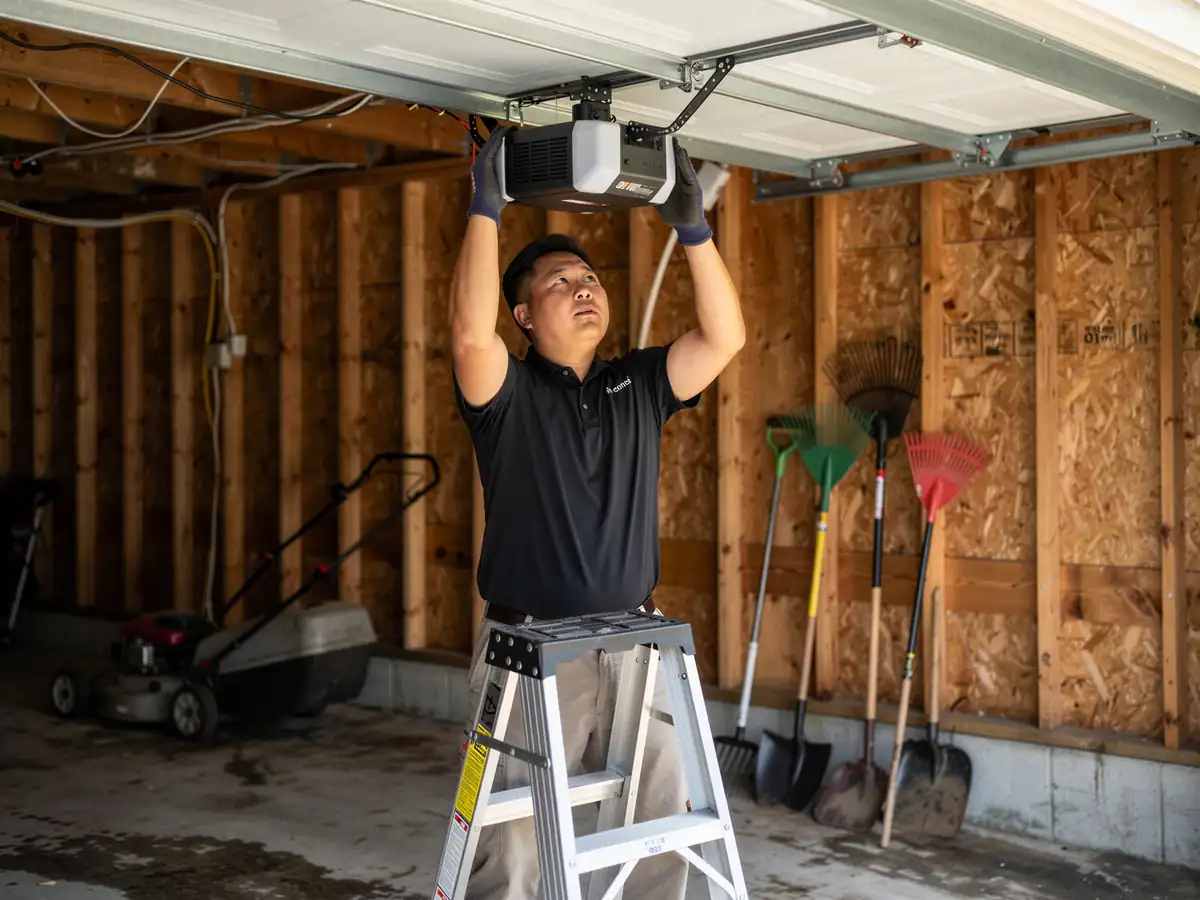
On openers, we carry parts that fit the chain and screw-drive units common on original installs from this build period
Drive gears, sprockets, and safety sensor kits that retrofit onto older units so you're not forced into a full opener swap just because one part failed.
What we don't carry on the truck: specialty panels for custom or architectural doors
If a 1987 door has a style that's been discontinued, we'll tell you straight that a full replacement may beat waiting on a panel that doesn't exist anymore.
How Long You Are Without the Door
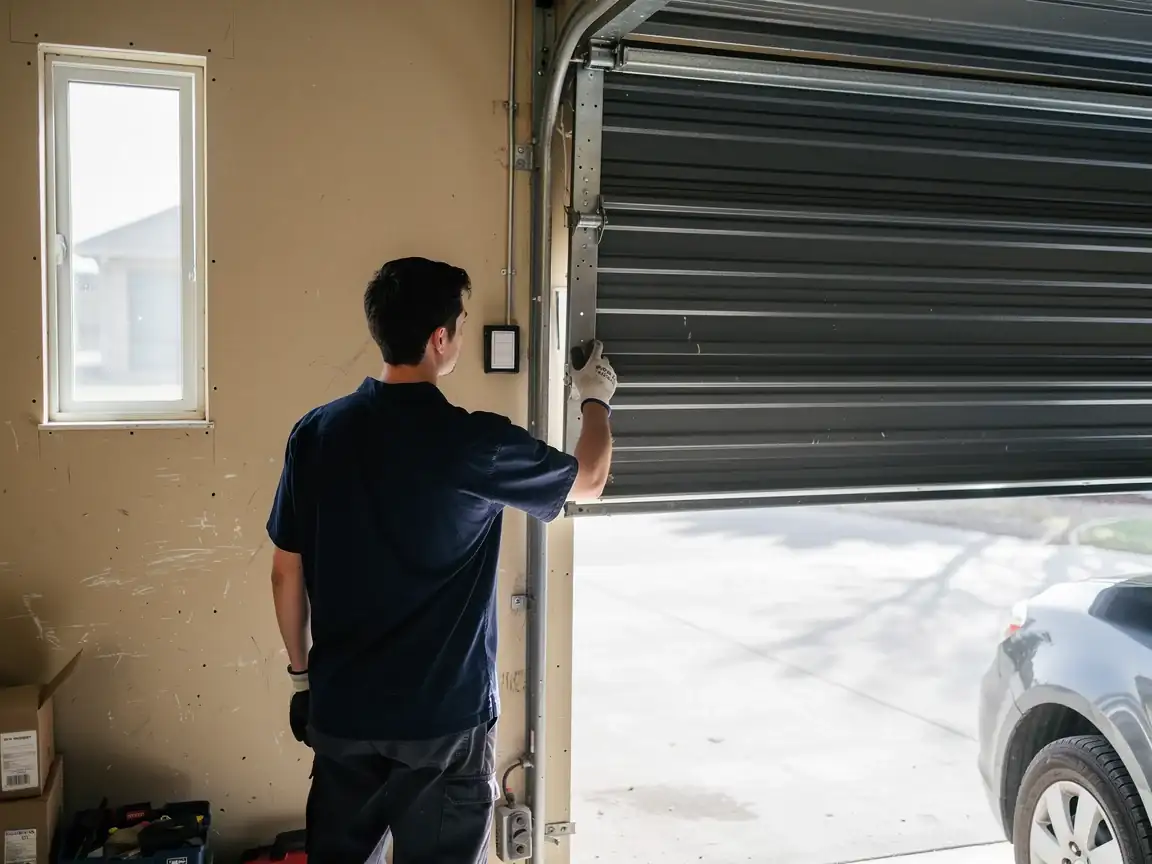
Because the truck comes from Daytona Beach, the honest answer is that travel time is part of the wait - we're not quoting a response window we can't back up from this distance. Once we're on-site, most spring, cable, and roller jobs on a door from the 1972-1993 building wave are same-visit fixes, because the failure points are predictable and the parts for them are the ones we stock.
Where it runs longer: if the opener is original and the replacement part for that specific drive type isn't something we carry standard, or if the door itself has failed structurally rather than just the hardware around it. In those cases we'll tell you on the spot whether we're ordering a part or recommending you replace rather than chase parts for a door that's earned its retirement.