Why This Fails Locally
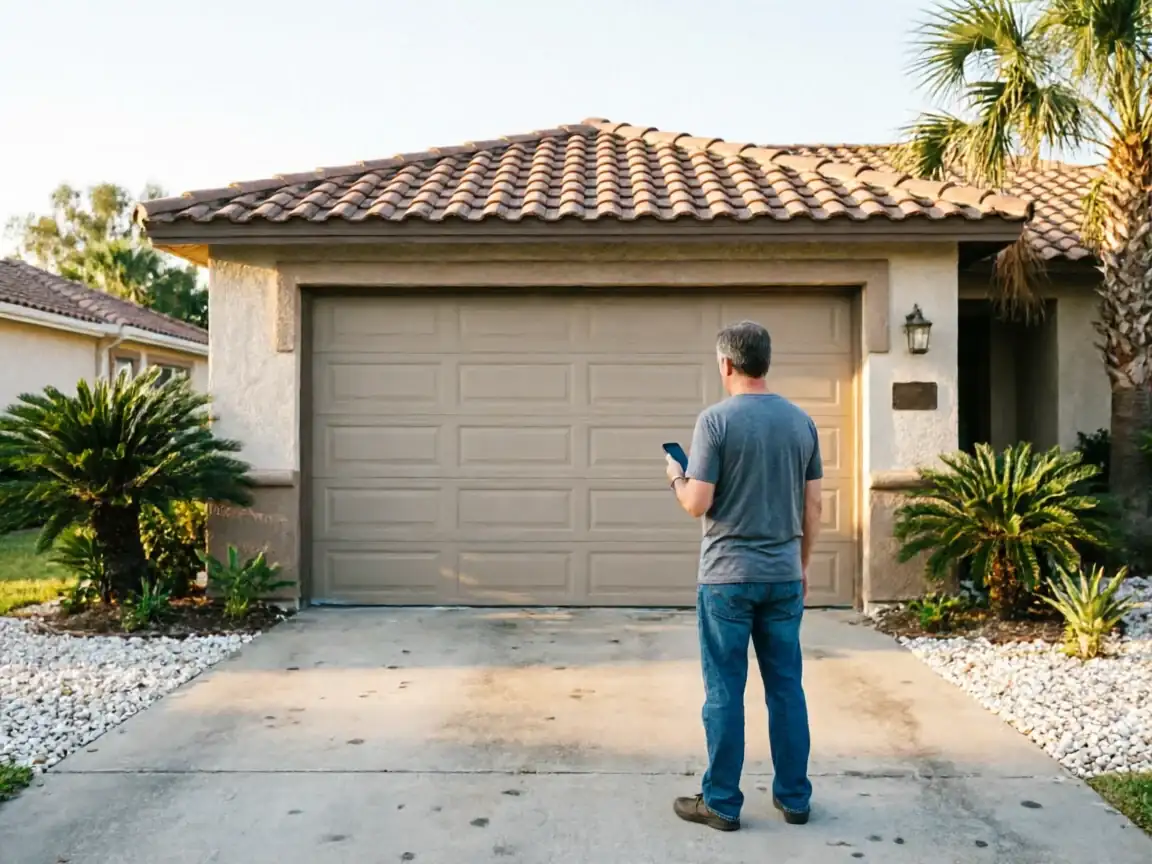
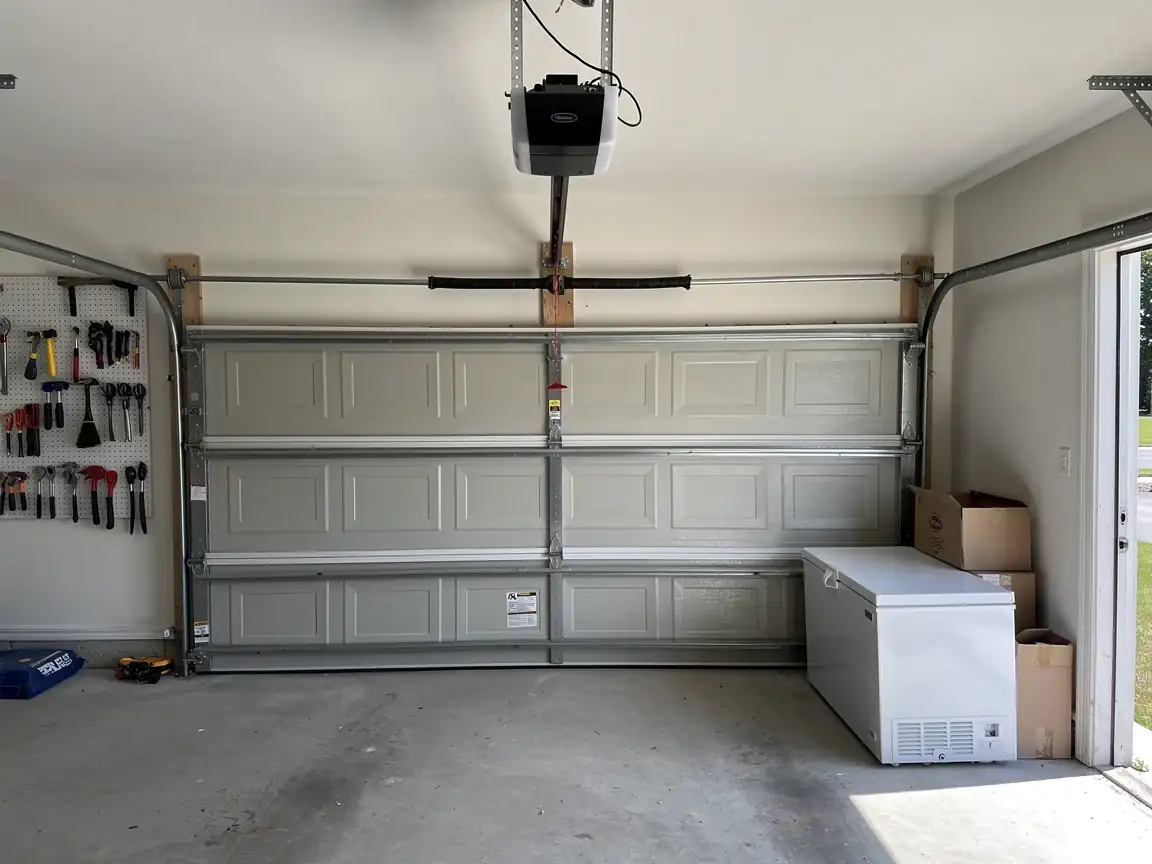
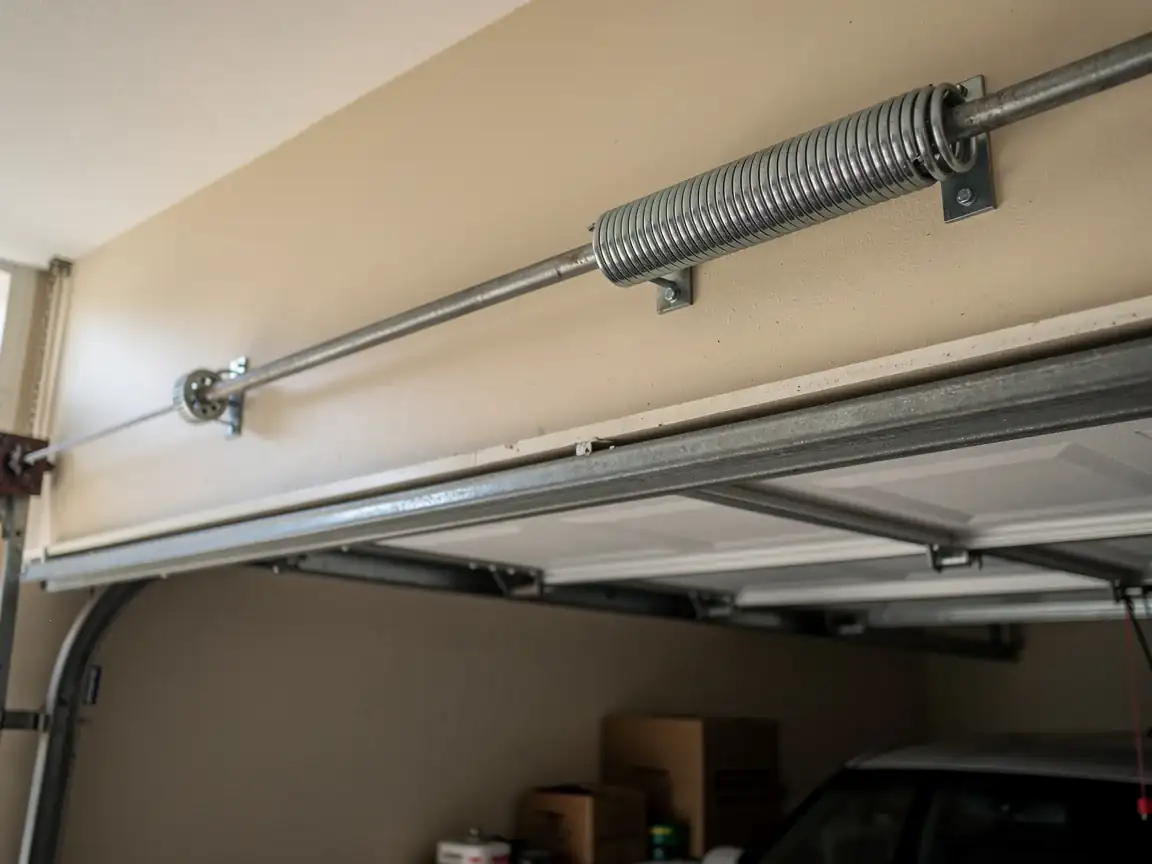
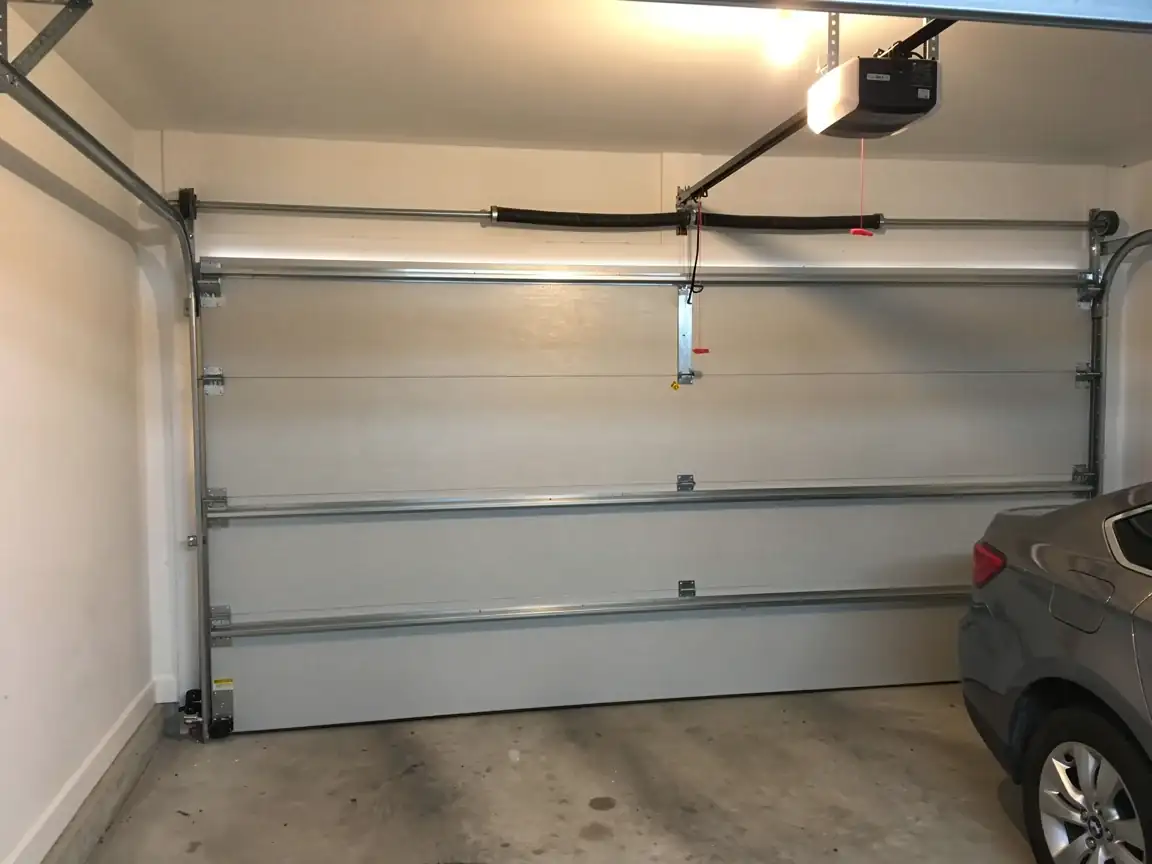
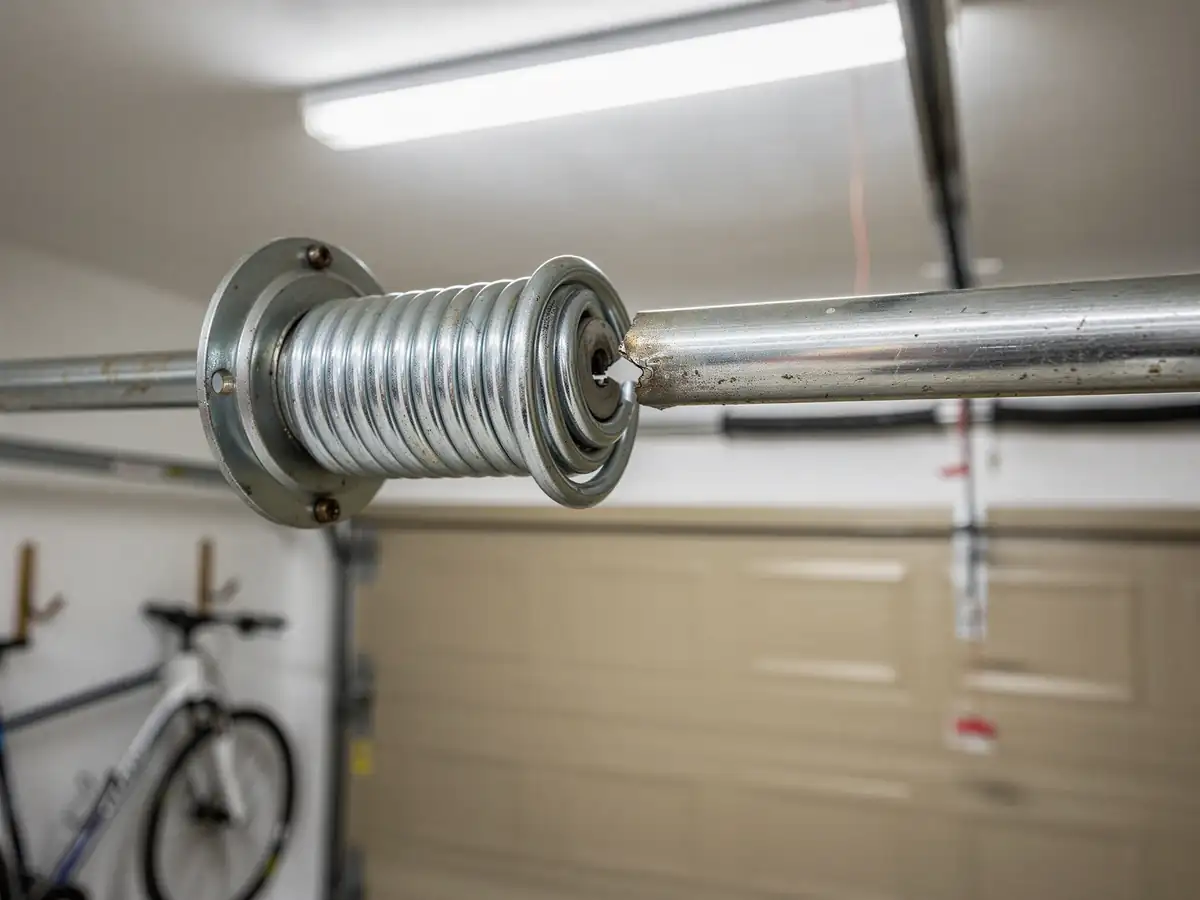
Edgewater is a smaller stop on our route than most towns we cover - about 10,809 households, which means fewer calls than a dense suburb but a narrower band of door ages to deal with. Most of the houses here went up around 1987, newer than the 1972-1993 spread across the rest of the service area. That matters for springs because a late-80s build usually means the door still has its original torsion spring and a steel shaft that has been sitting under tension for close to forty years. Steel fatigues whether or not the door gets used every day, and a spring wound in 1987 is well past any reasonable service life now. We see the same failure pattern across this stretch of houses: one morning the door won't lift, or it slams down fast because the spring already snapped and nobody noticed the cable had gone slack. Edgewater sits about 19 miles from our Daytona Beach base, which is the farthest stretch on a typical day, so we plan these calls rather than treat them as a same-day drop-in. The mild coastal climate here doesn't rust springs out early the way a harsher climate would, but it doesn't stop the wind cycle fatigue either - the spring still wears out from opening and closing, not from weather.
The Complications
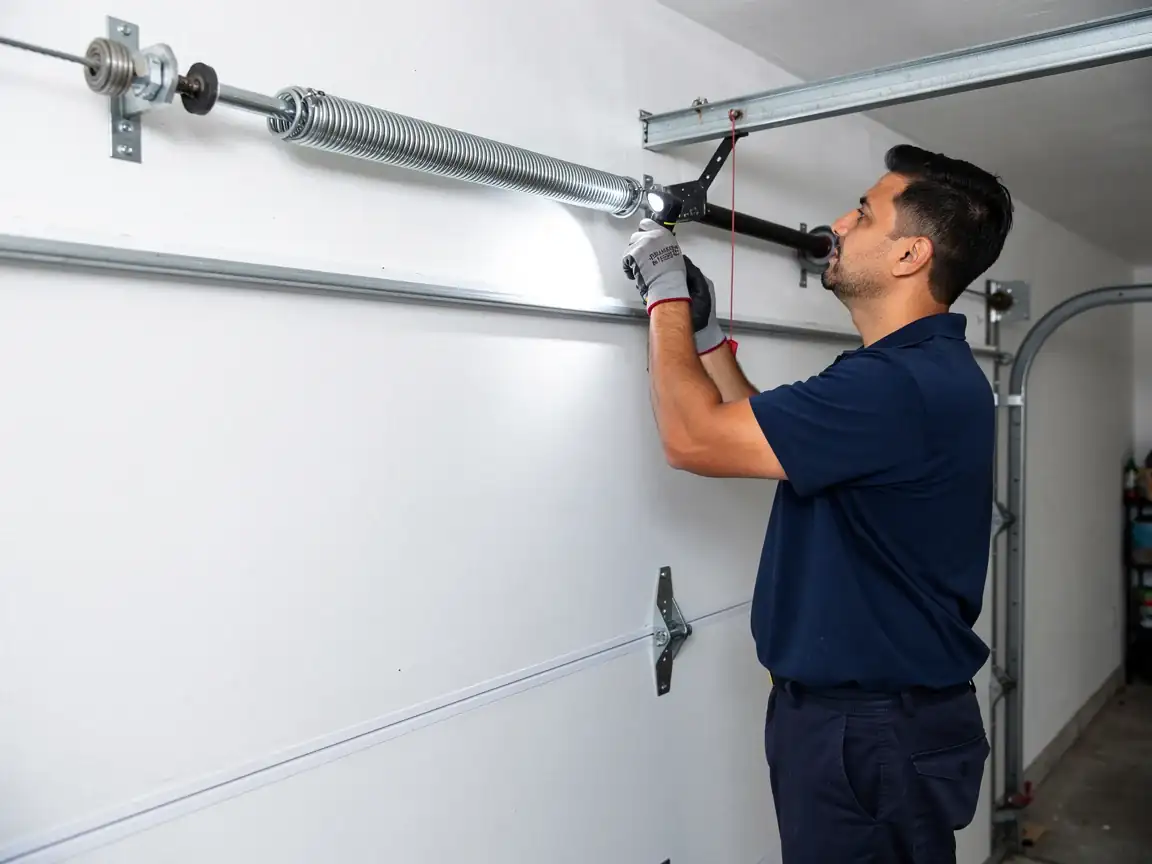
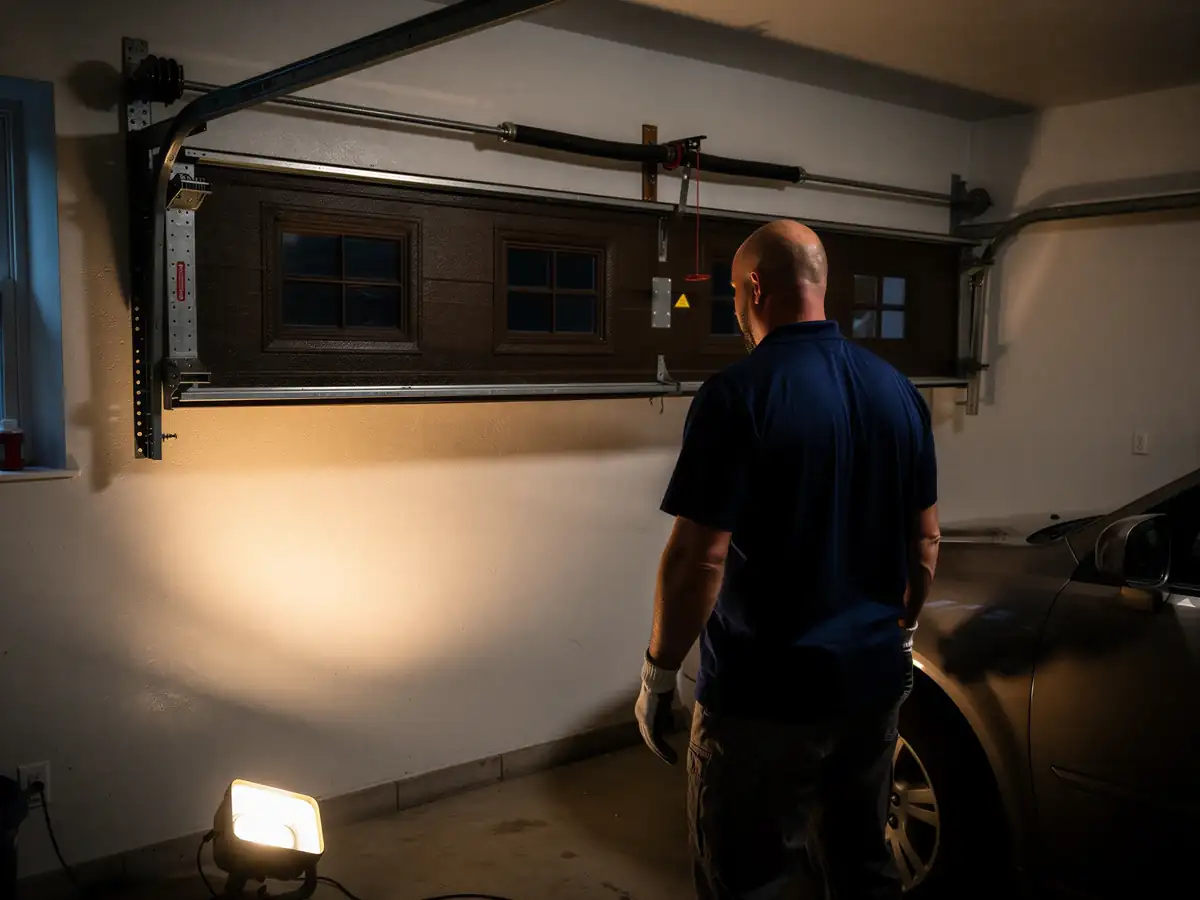
A household income of $58,805 in Edgewater runs lower than the $69,150 median across the broader service area, and that shows up in which repair gets picked, not whether the job gets done right. More owners here ask us to replace just the broken spring instead of upgrading the whole system, which is a reasonable call on a door that's otherwise sound. The complication is when a 1987-era door has a spring that was sized for a heavier wood panel that's since been swapped for a lighter insulated steel one, or the reverse - the torque is wrong for the door now hanging on it, and a straight spring swap won't hold. We also run into single-spring setups on older double doors here, which were common in that build era but aren't up to doing the job safely on a door that size. Fixing that right means adding a second spring, not just matching what broke. None of this is expensive to diagnose, but it does mean the quote over the phone can change once we see the shaft and the drum in person.
How Long You Are Without the Door
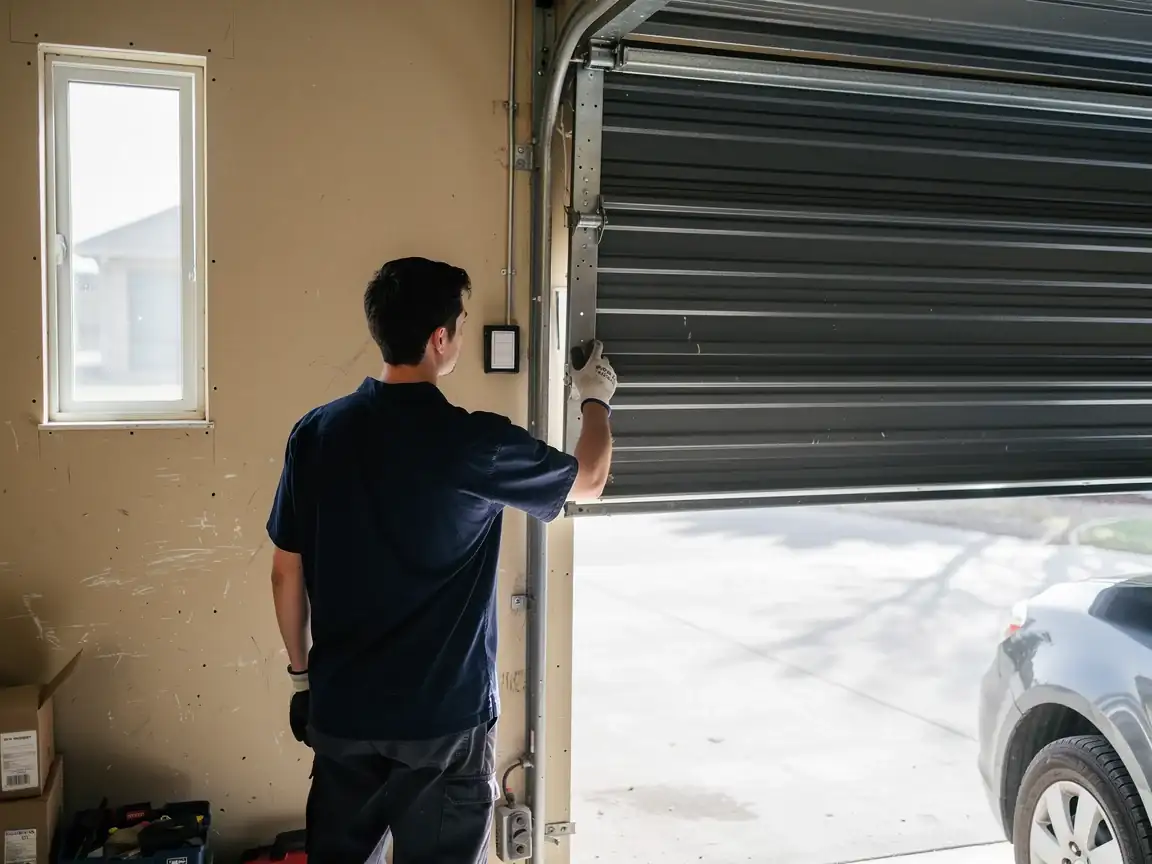
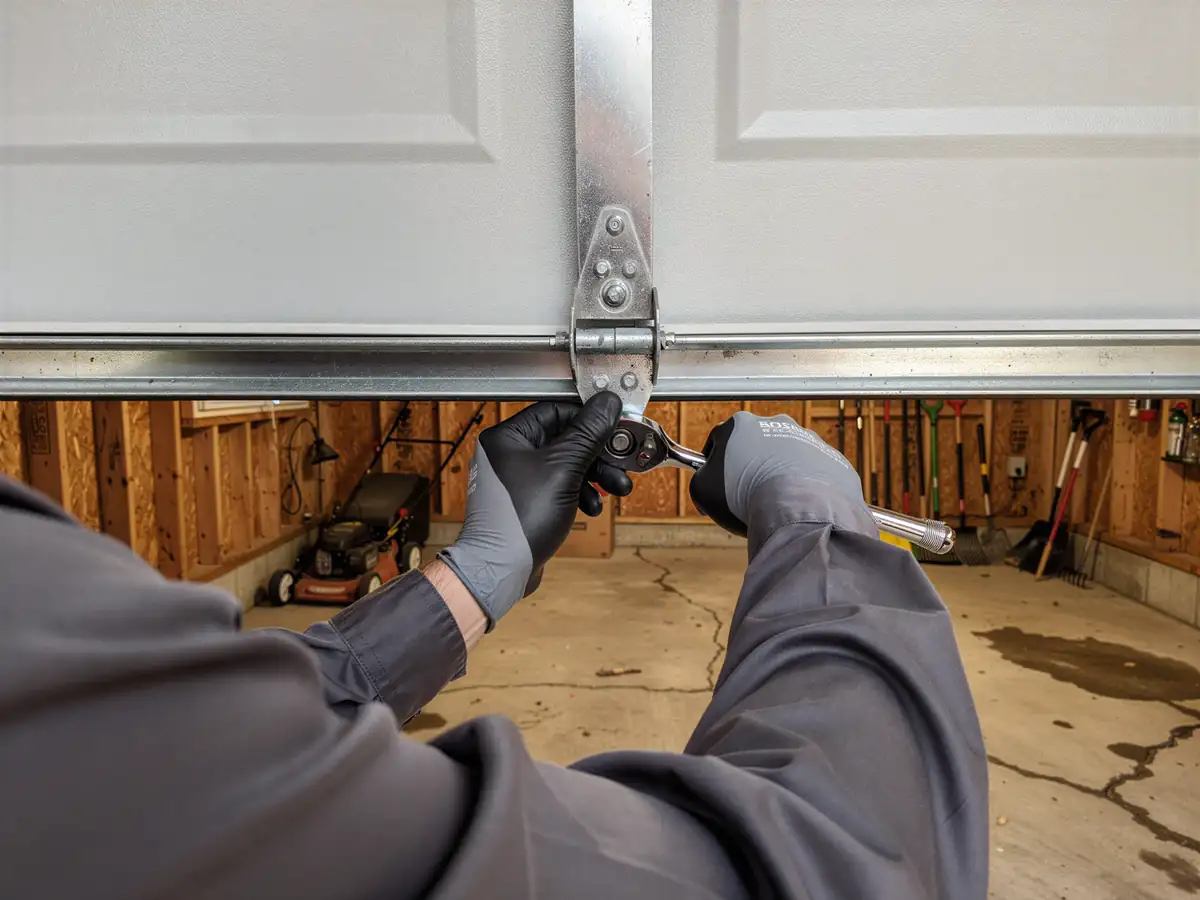
Once we're on site, a standard torsion spring replacement on a residential door usually runs under two hours, including balancing the door afterward so the opener isn't doing the lifting work the spring should be doing. The time that adds up is the drive - at 19 miles out, Edgewater calls get folded into a route rather than squeezed in between closer jobs, so the gap between your call and a truck showing up can run longer than it would for a town closer to Daytona Beach. If the spring turns out to be a non-standard size that needs ordering, the door stays out of service until that part arrives, which we'll tell you upfront rather than guess at a date. We don't recommend driving a car through a door with a broken spring in the meantime - the opener will try to force it and burn out trying.