Season by Season
Daytona Beach sits in a mild temperate band, which means this area doesn't get the hard freeze-thaw swings that crack gears and gum up lubricant in northern openers. That's the good news. The flip side is that a steady, humid warmth all year does its own slow damage to belts, chains, and the plastic housing on an opener's logic board, just without a dramatic season to blame it on. There isn't a single month where things suddenly go bad. It's a slow drift. An opener that's run fine for a decade starts hesitating on hot afternoons, then starts hesitating in the morning too, and by the time it fails outright nobody can point to the week it started. Because the climate here doesn't force a hard reset the way frost does elsewhere, a lot of owners put off opener service longer than they should, simply because nothing ever seems urgent. The service area runs from Holly Hill down through South Daytona, Daytona Beach Shores, and out past Samsula-Spruce Creek, and the mild year-round conditions are consistent across all of it. There's no part of the zone where the weather itself is the problem. The housing age is.
What the Weather Here Does to It
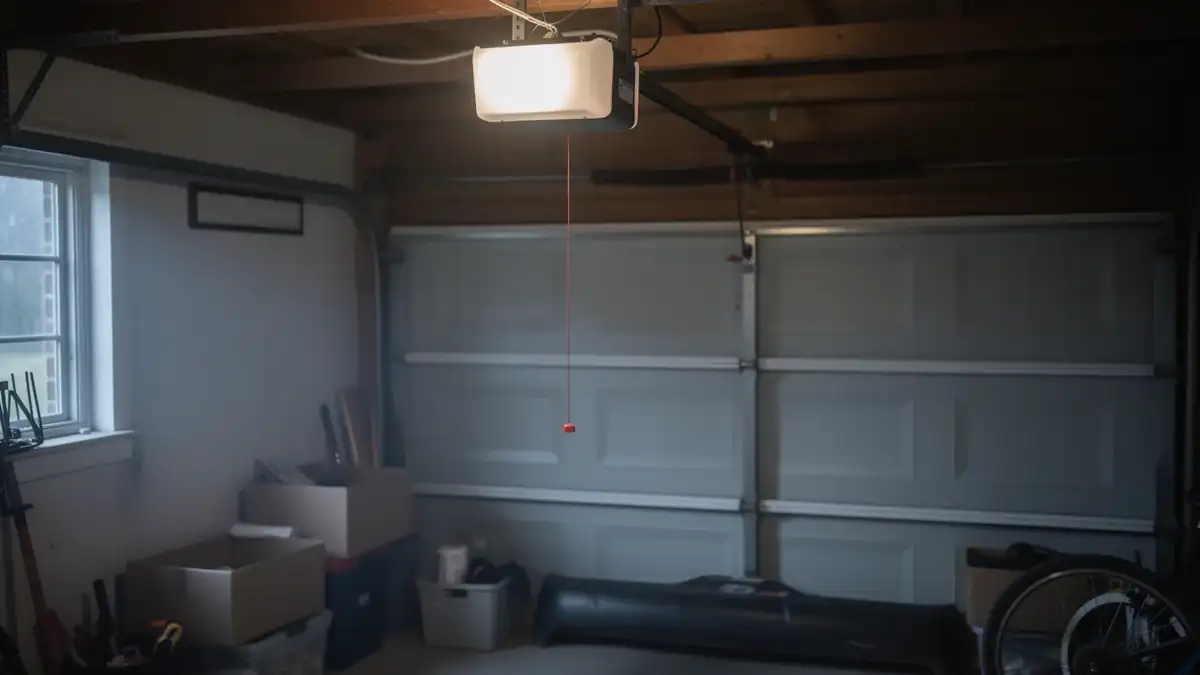
Because this is a mild temperate climate without the deep cold that seizes bearings or the hard freeze that splits seals, the components that fail here fail from age and duty cycle, not from weather shock. A chain-drive opener from the 1980s or 90s running day in, day out in steady warmth will wear its sprocket and stretch its chain well before any cold-weather failure would ever show up. What the climate does contribute is consistent humidity, which over years works into unsealed logic boards and corrodes contact points on older wall buttons and remote receivers, especially on openers that predate sealed circuit housings. That's a slower, quieter kind of failure than what you'd see somewhere with real winters, but it adds up the same way. The honest limitation here: I can't tell you this area gets named storms or specific outage patterns, because I don't have that data for this service area. What I can tell you is that any opener without battery backup, which describes most units built before battery backup became standard, will leave a door stuck wherever it was when the power goes, full stop, regardless of why the power went.
When to Call Someone
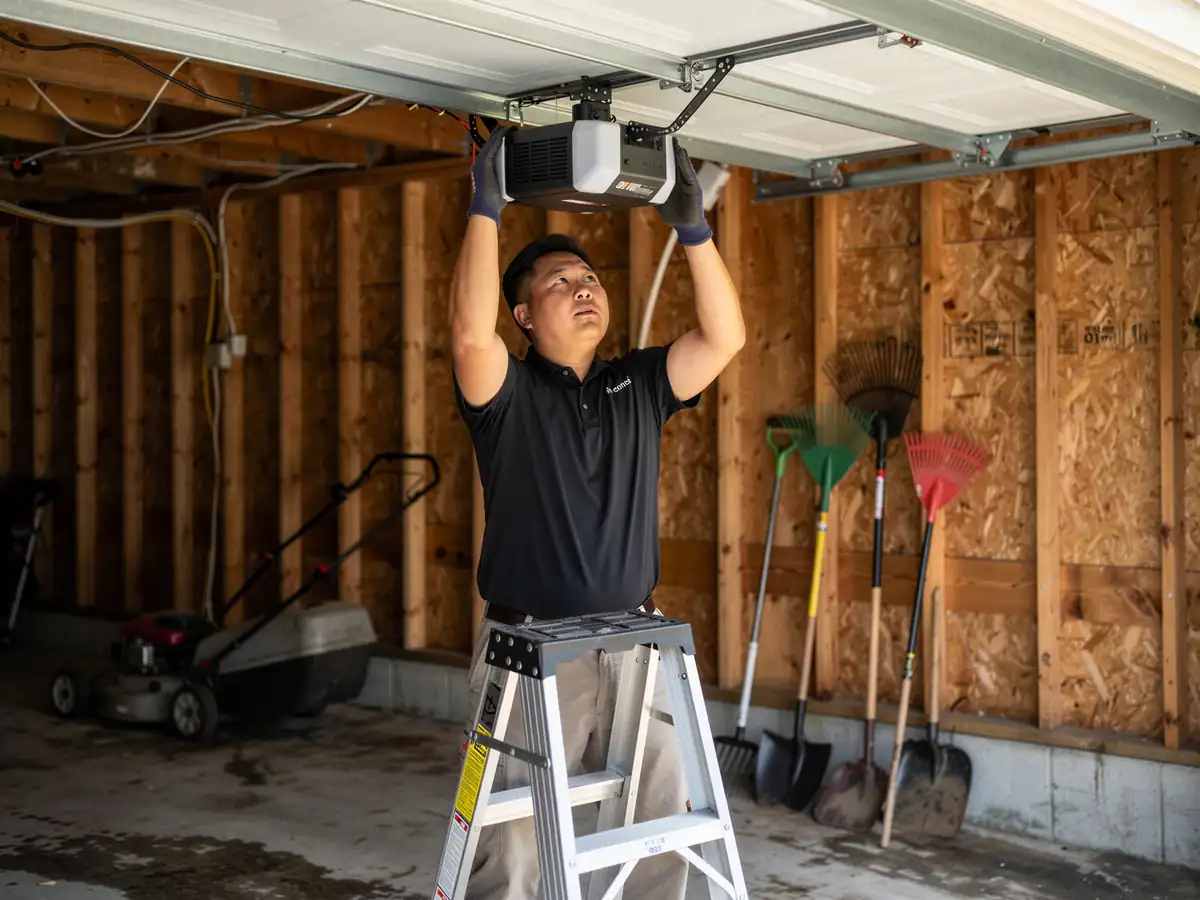
Call if the opener runs louder or slower than it used to, or if it strains and stalls partway through the cycle; that's usually wear building toward a failure, not something that fixes itself. Call if you've had a power cut and the door wouldn't release by hand afterward, since a manual release that's stuck or seized needs a look before you rely on it again. If your opener is original to a house built in that 1972-1993 window and has no battery backup, it's worth a conversation about whether a repair is worth it versus replacing with a unit that keeps running through an outage. I won't tell you every old opener needs replacing; plenty of chain-drive units from that era still run fine with a new sprocket and a lubricated chain. But if yours is stalling, humming without moving, or you've started keeping the manual release handy because the power's cut more than once, that's past the point of waiting it out.