Why This Fails Locally
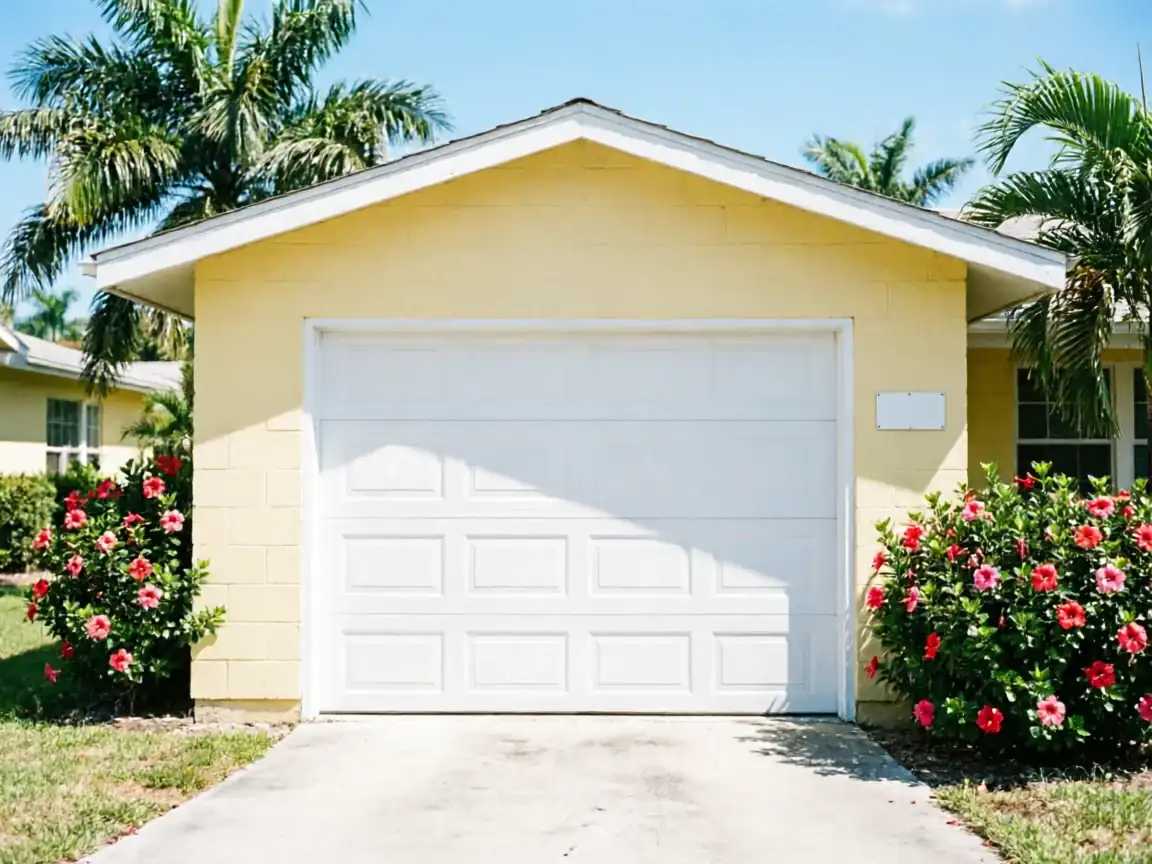
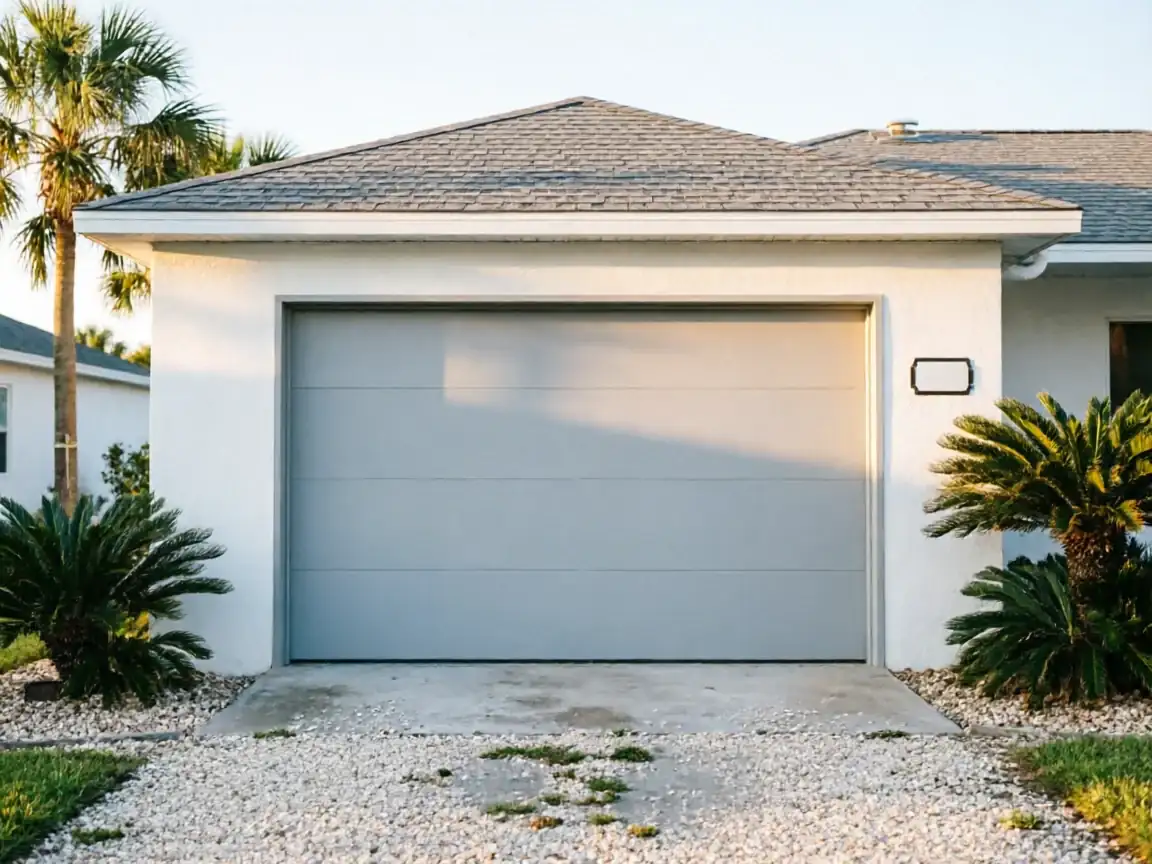
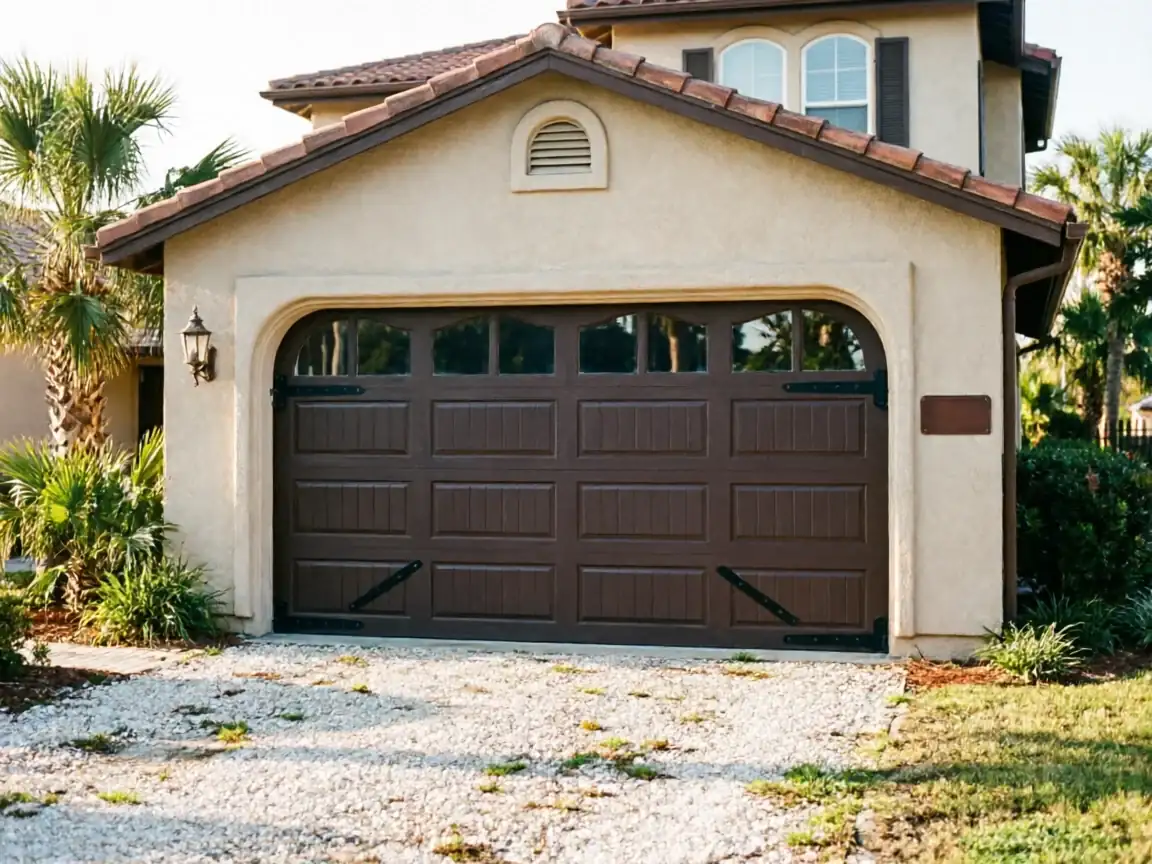
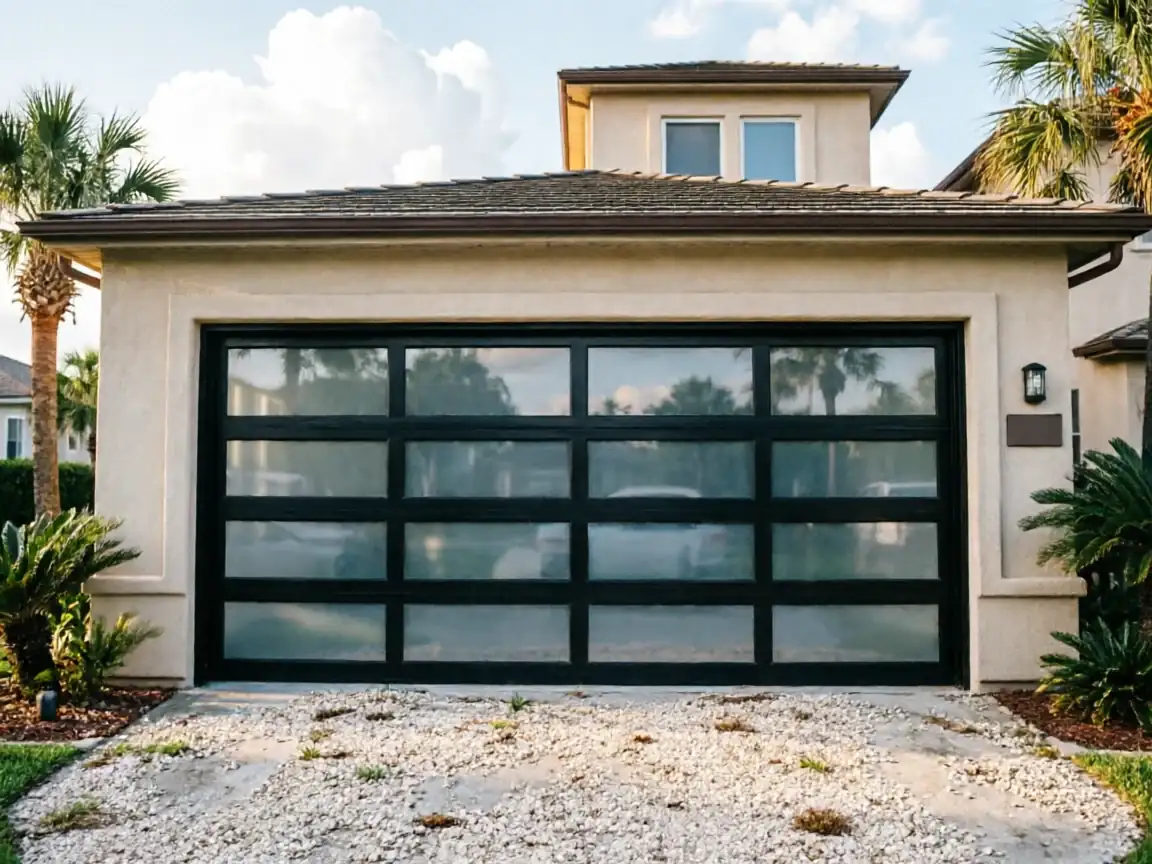
Most houses on this side of the county went up between 1972 and 1993, with the median build year sitting around 1986. That's not a coincidence of city growth, it's a problem for garage doors specifically. A door and opener installed when a house was built is now 30 to 50 years old, and across the twelve areas that make up this stretch of 1980s and 90s construction, that hardware is reaching the end of its service life at roughly the same time. Springs fatigue on a cycle count, not a calendar, but a 1986 door has had a lot more open-close cycles than a 2010 door.
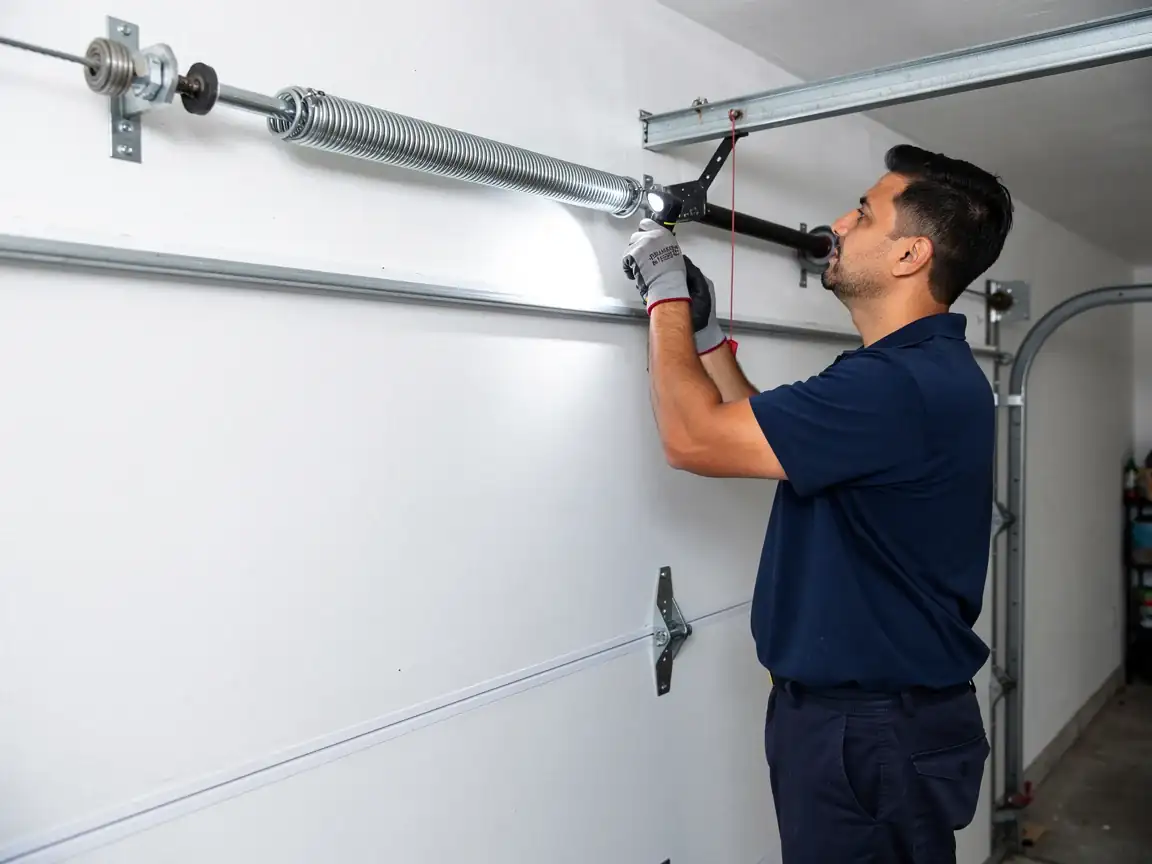
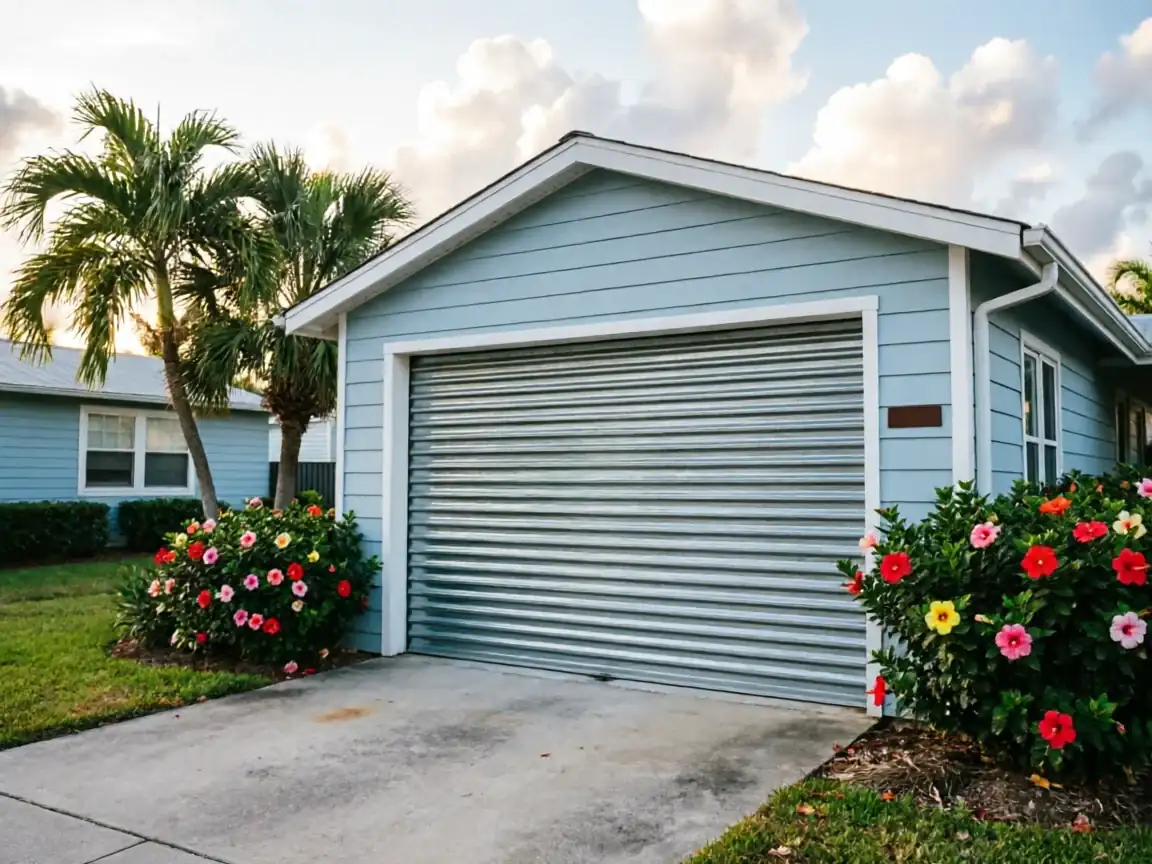
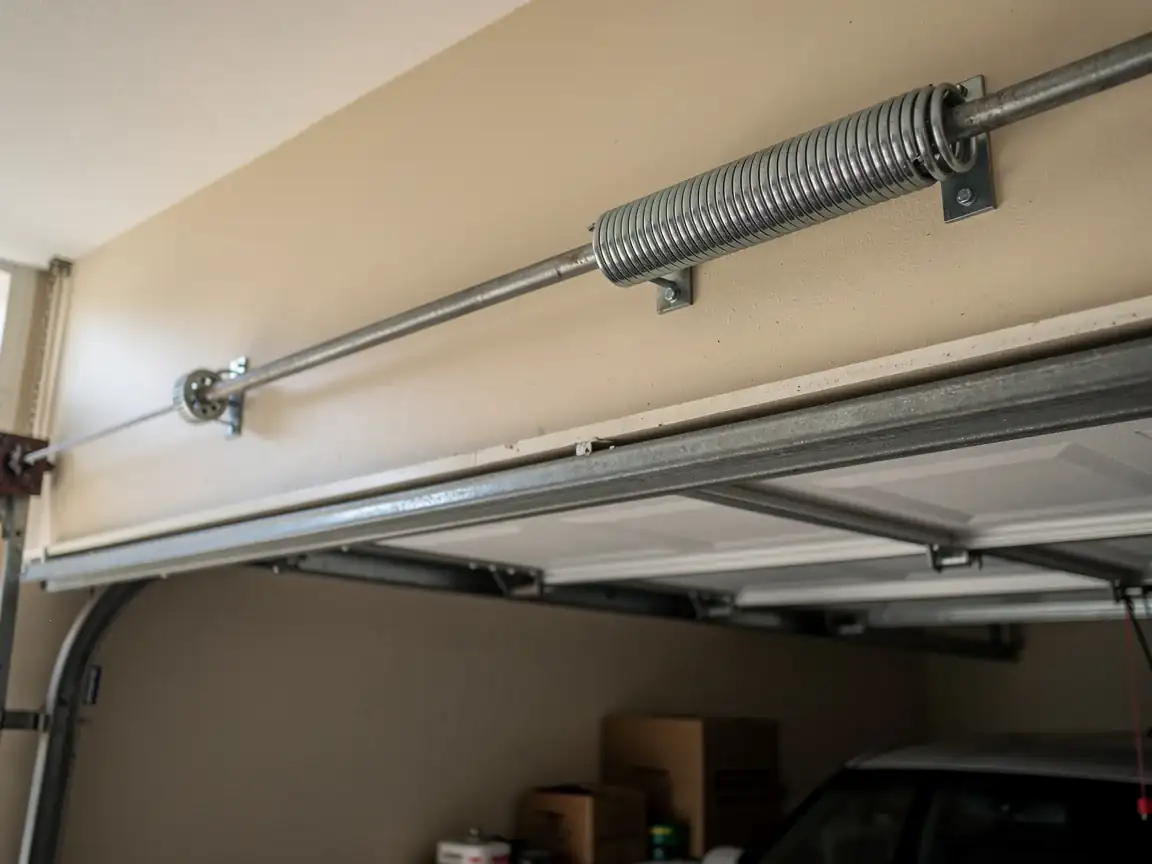
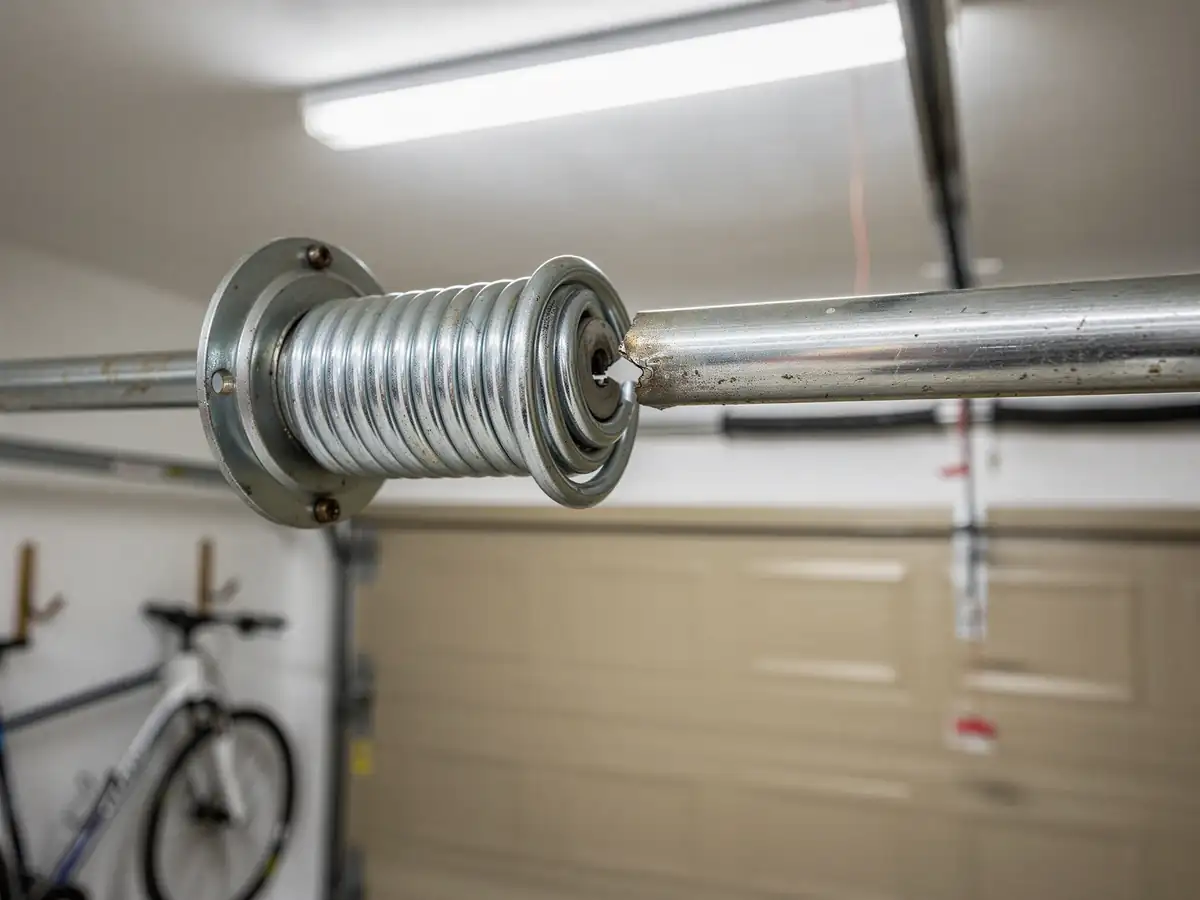
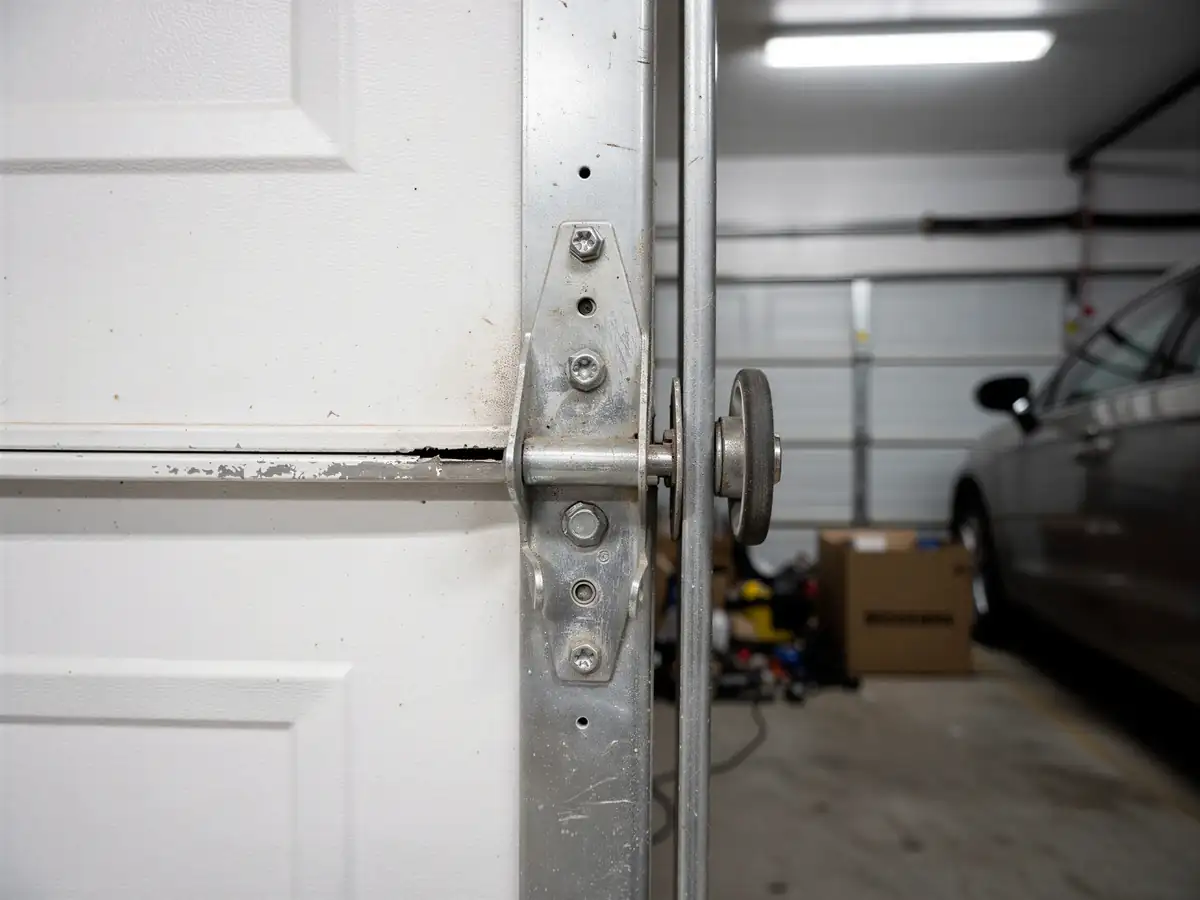
The mild temperate climate here doesn't put the same stress on doors that you'd see from freeze-thaw cracking or heavy snow load, so a lot of these original doors look fine from the driveway. What fails first is usually the track alignment and the torsion spring, both of which degrade quietly. Owners call us thinking they need a repair, and often what they actually need is a full replacement because the door panel itself is the same age as the roof. We see this pattern across the older sections of town more than in newer construction, simply because the housing stock here skews older.
Booking a Visit
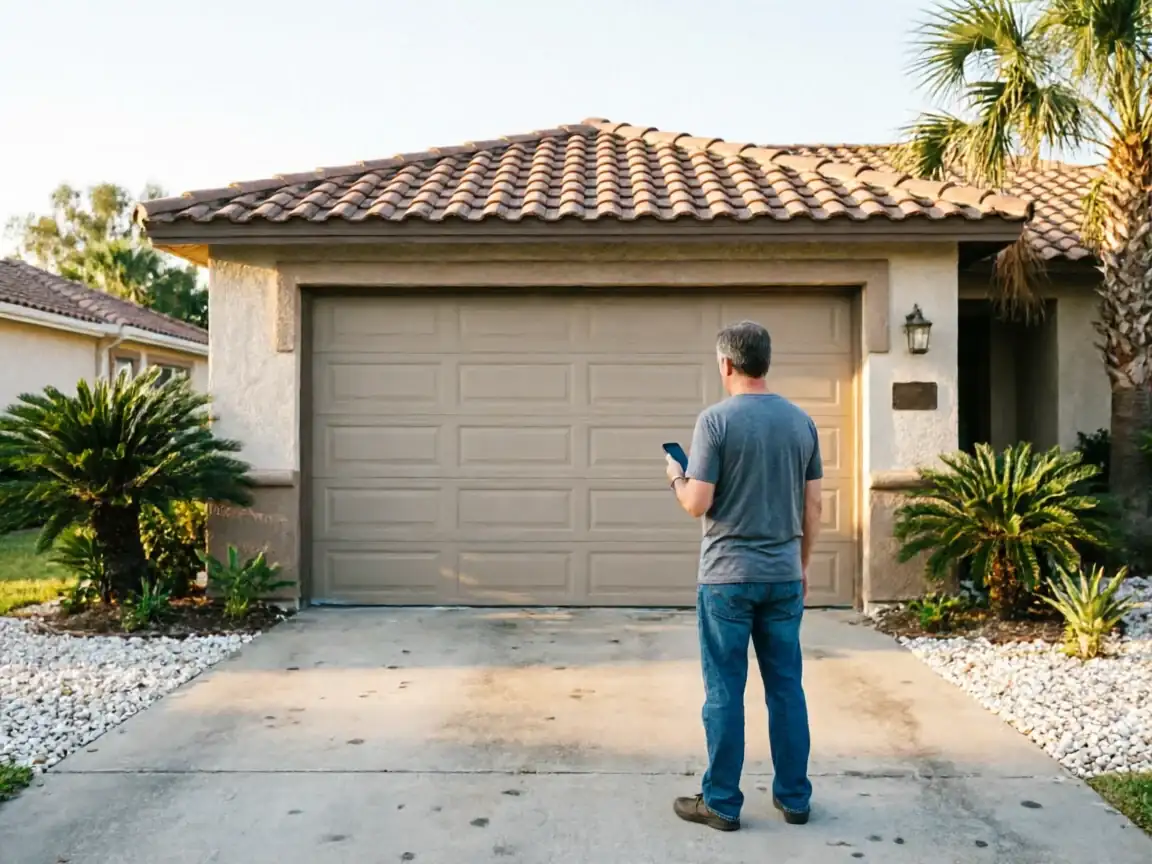
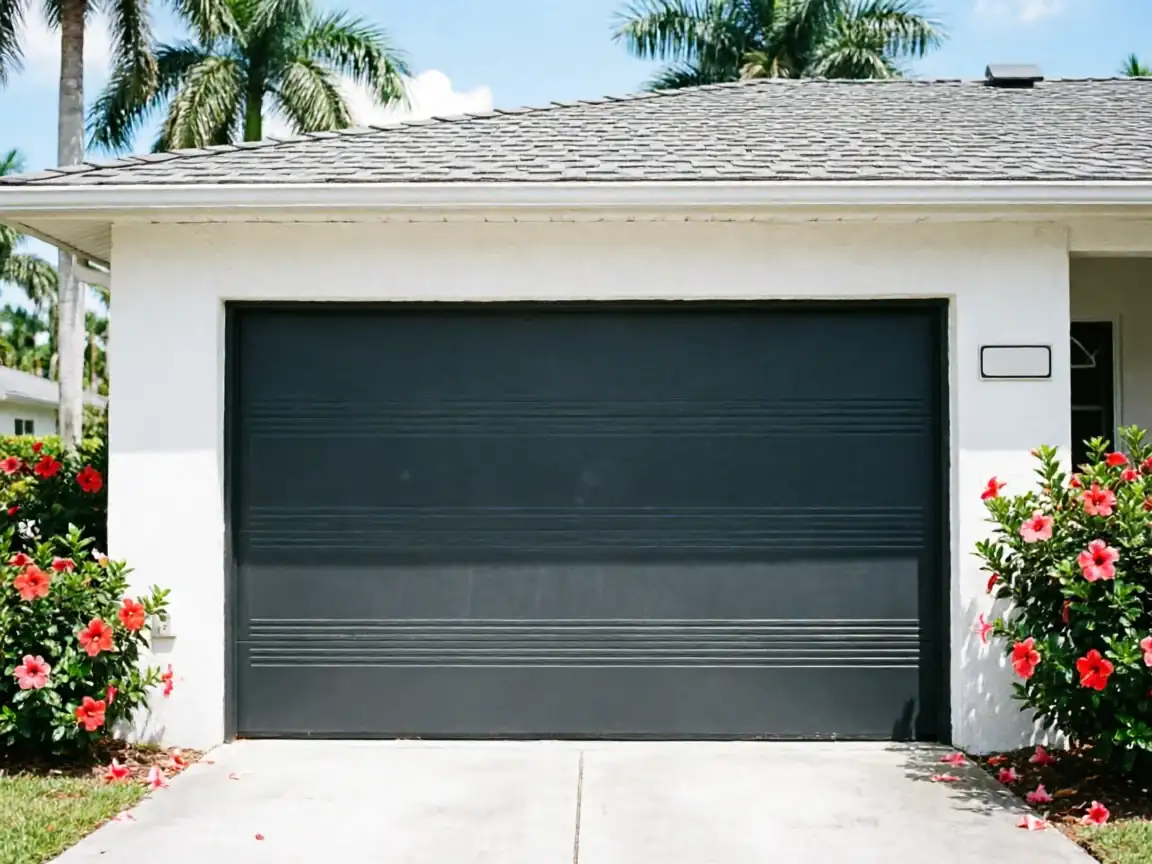
We schedule installs based on the door you're replacing and what's going into its place. A single door on a house built in the 1980s usually has different rough opening dimensions and track clearance than what current doors ship with, so the first step is confirming measurements at the house, not over the phone. If you're not sure whether you need a new door or a repair, say so when you call. We'd rather look at the actual opener and track than guess.
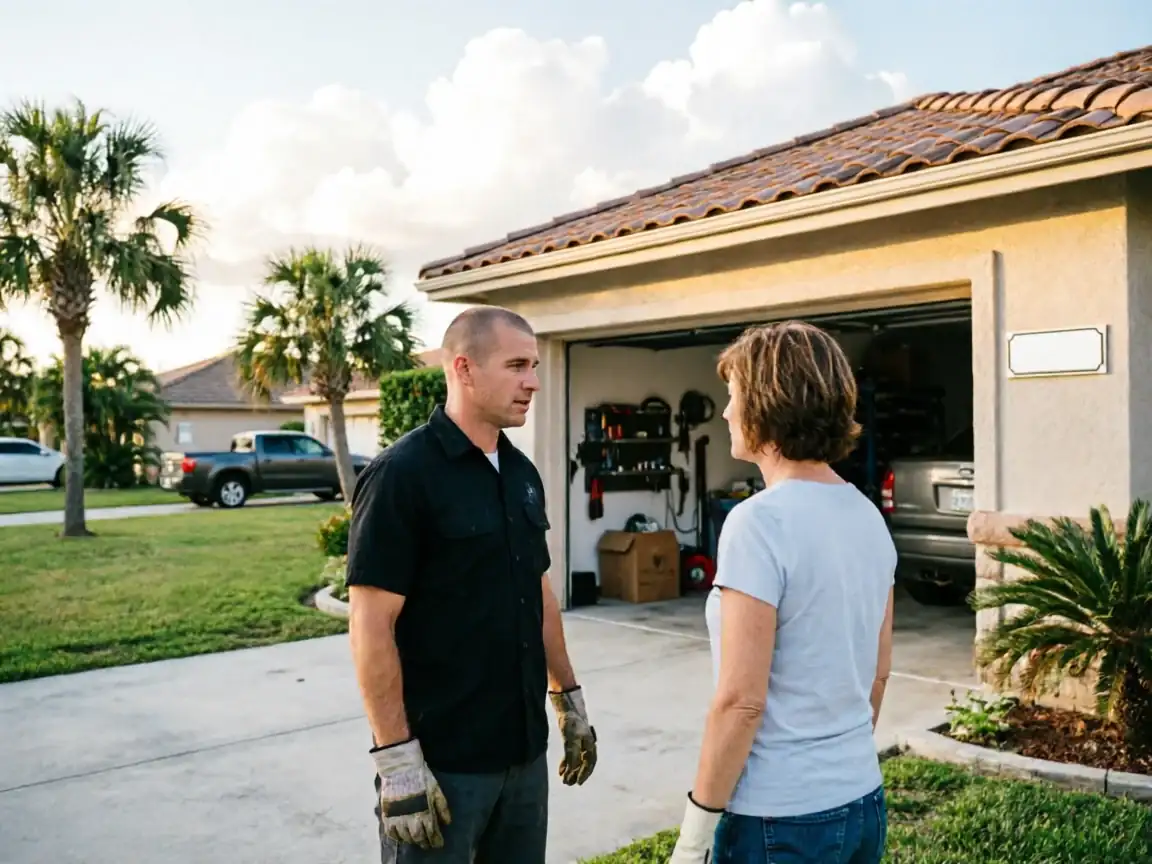
We don't keep every door style in stock for same-day install. Most jobs need the door ordered to the household's opening size, so booking a visit is really booking a measurement and a quote, with the install itself scheduled once the door arrives. That lead time is the one part of this job we don't control. If your opener is still working fine and only the door panel needs replacing, we'll tell you that rather than selling a full system swap you don't need.
The Cost of This Job
We're not going to put a number here that doesn't hold up once we're standing in your driveway
Door size, insulation level, window inserts, and whether the opener and track need replacing alongside the panel all move the price, and a lot of that depends on what's original to a 1980s build versus what's already been swapped out. Median household income in this service area runs around $69,150, and most of the installs we do land in a range that fits a homeowner planning a single big-ticket replacement rather than a routine repair.
What we can tell you is where the money usually goes on an older house
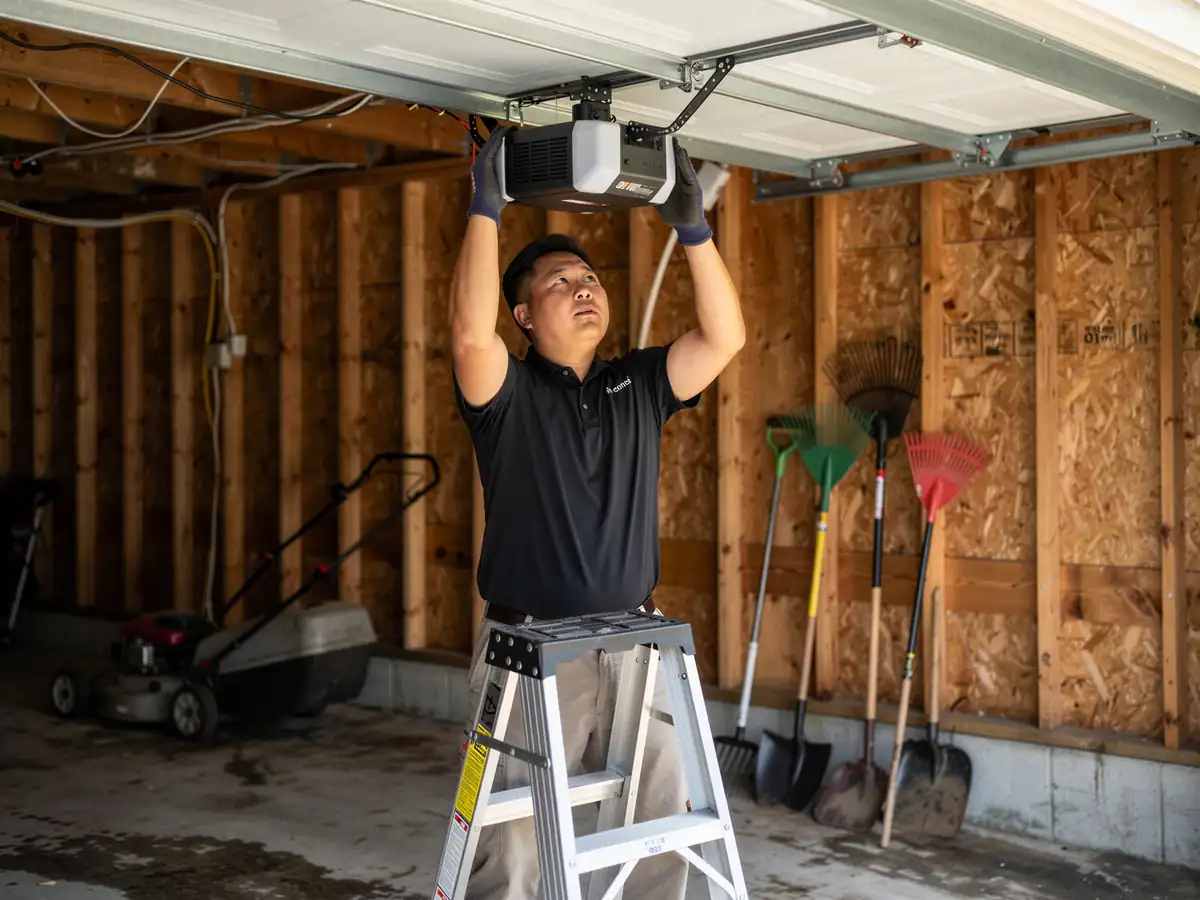
Matching a new door to a rough opening that was framed decades ago sometimes costs more in adjustment than the door itself. If your opener is original to the house, replacing it at the same time as the door almost always costs less than doing it as two separate calls. We'll walk you through what's driving your specific number before we order anything, not after.
The Symptom
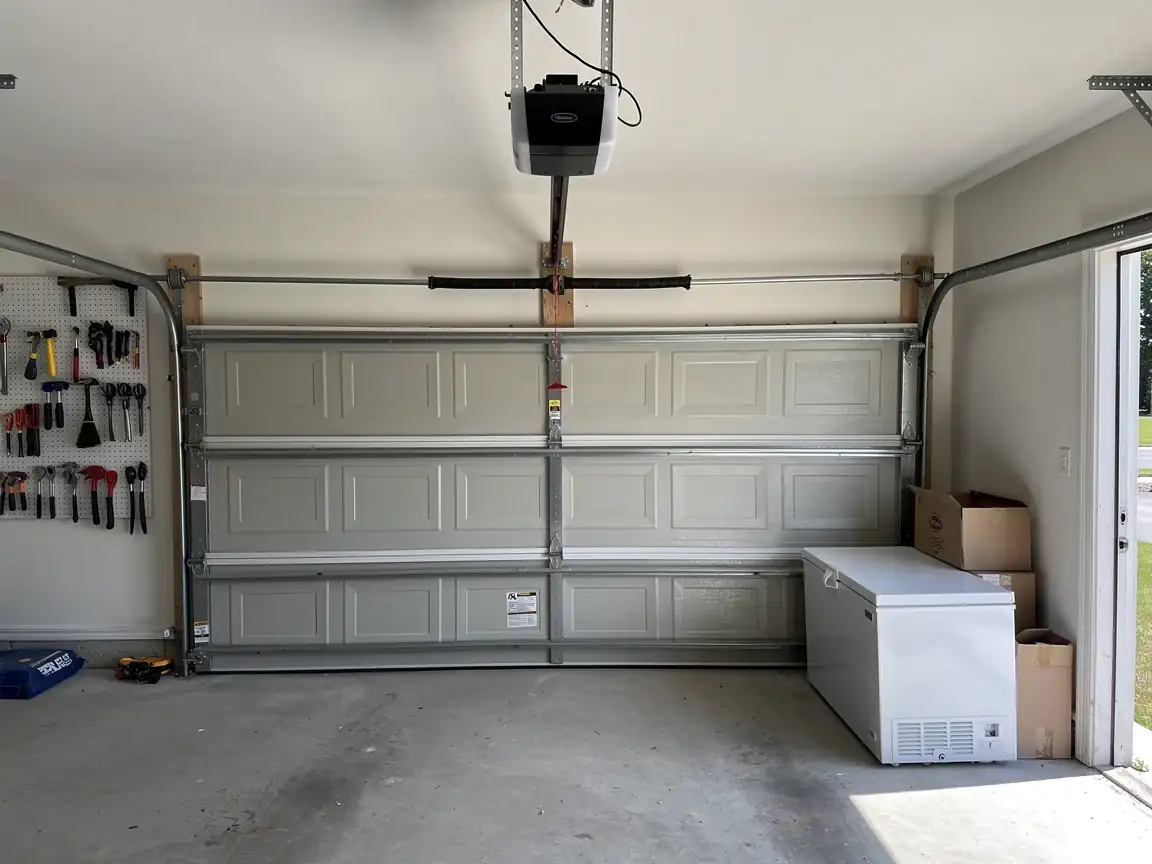
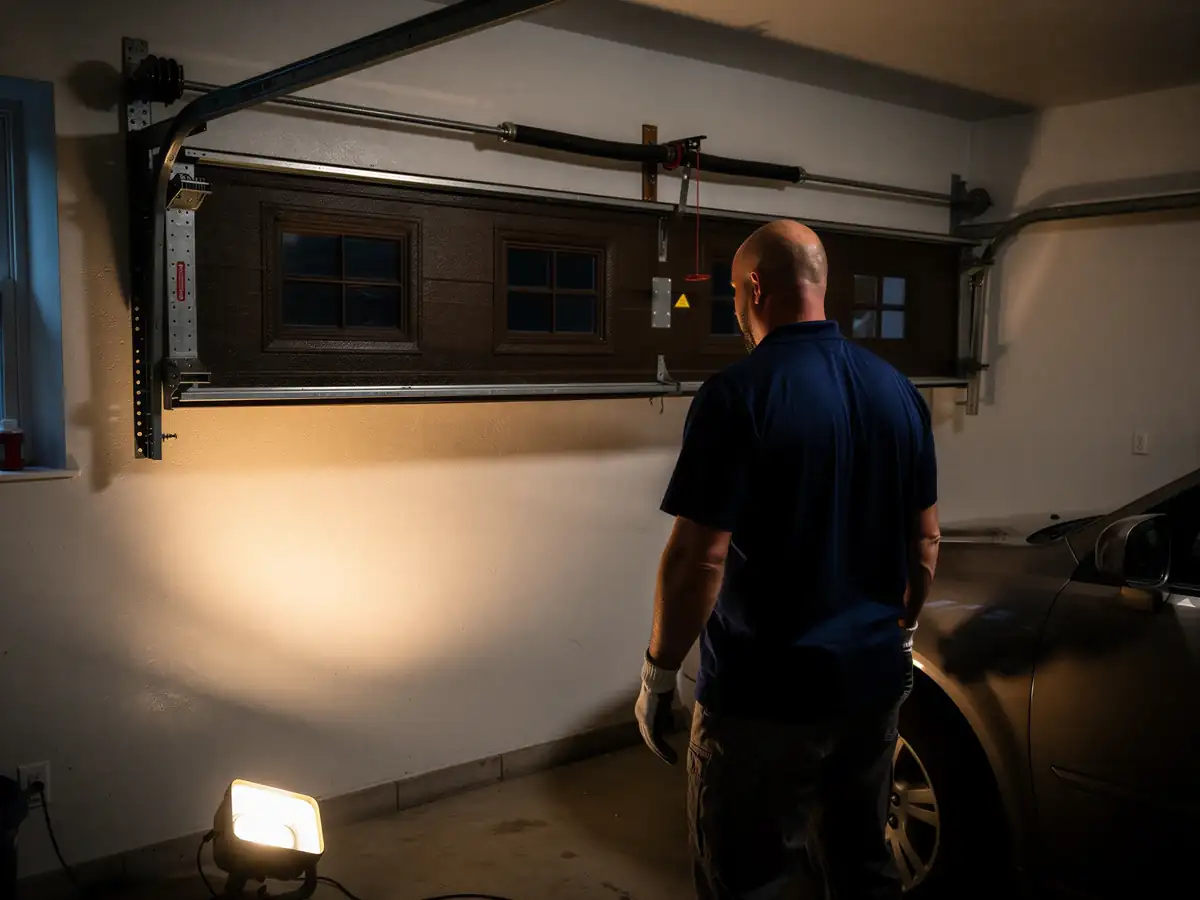
The door that reverses halfway up. The opener that runs but the door barely lifts. A visible sag in the panel when it's down. These show up more often on the older end of this town's housing stock, where the original door and torsion spring have been doing the same job since the house was built sometime between 1972 and 1993. A spring that's lost tension doesn't announce itself with a loud bang most of the time, it just makes the opener work harder until the opener itself starts failing too.
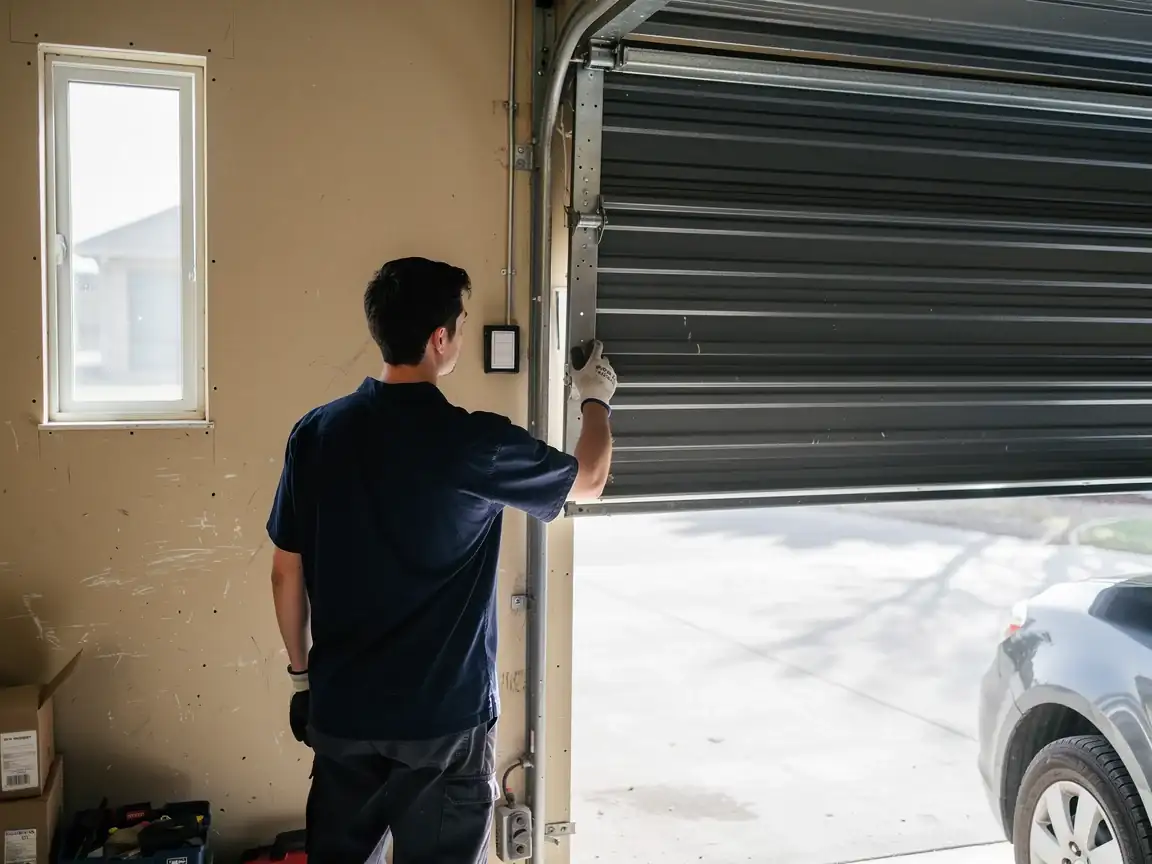
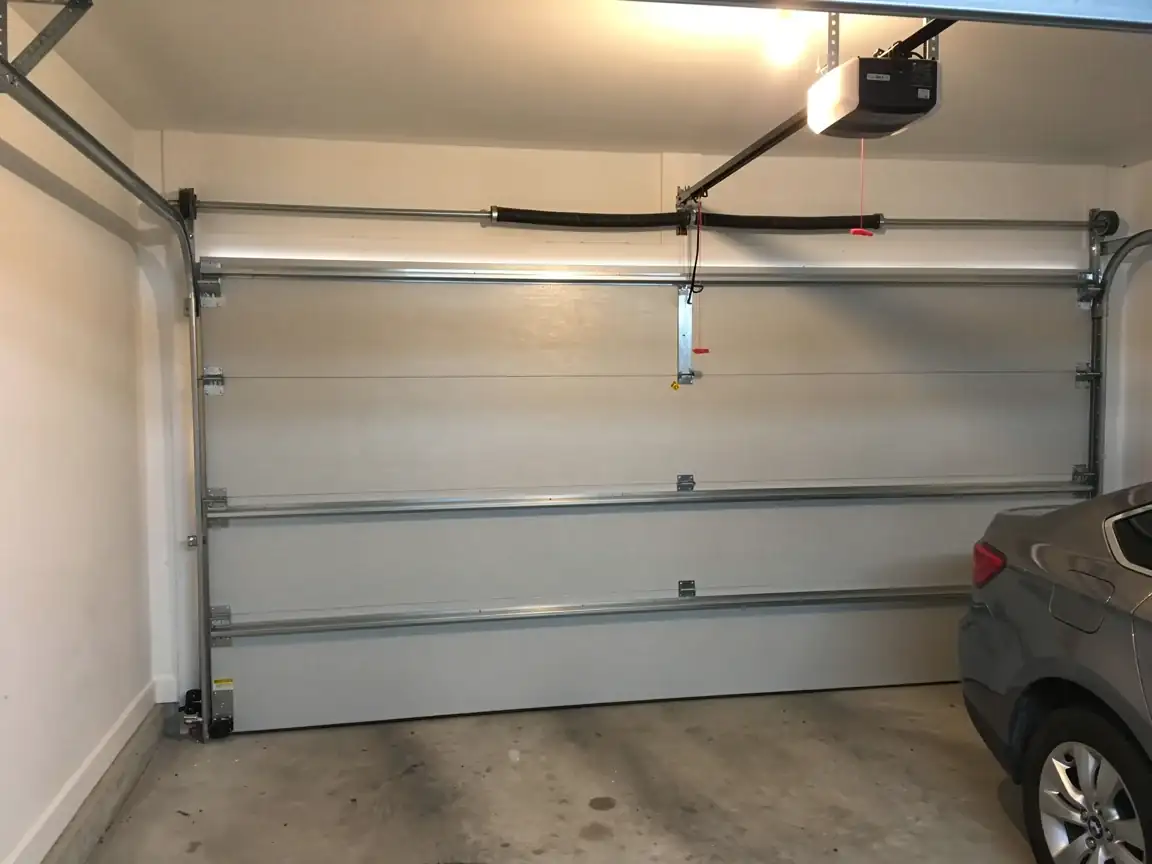
Another pattern we see: owners who've already replaced the opener once, thinking that would fix the sluggish lift, only to find the real issue was the door and spring the whole time. If your door is original to a house from that build window, an opener swap alone usually doesn't solve it. We'll tell you plainly if a repair will hold for a few more years or if you're better off replacing the whole door now instead of paying for it twice.