Why This Fails Locally
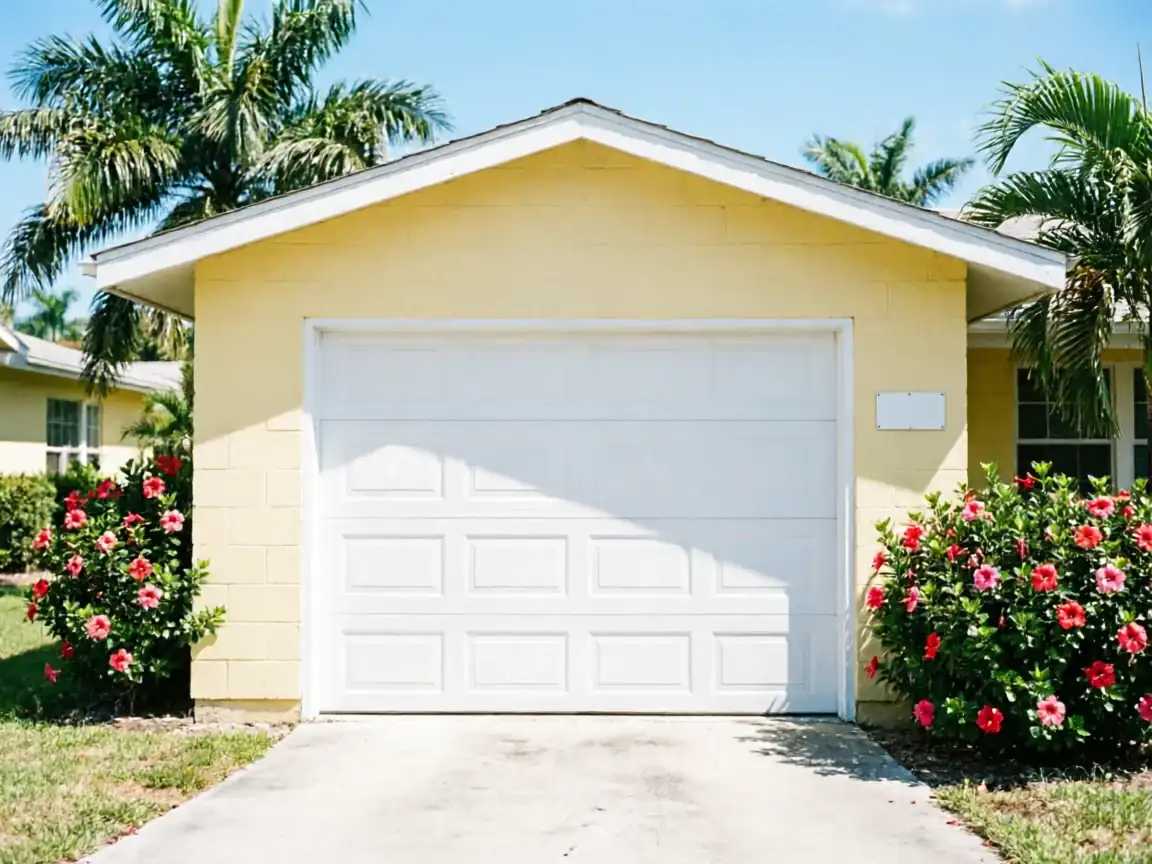
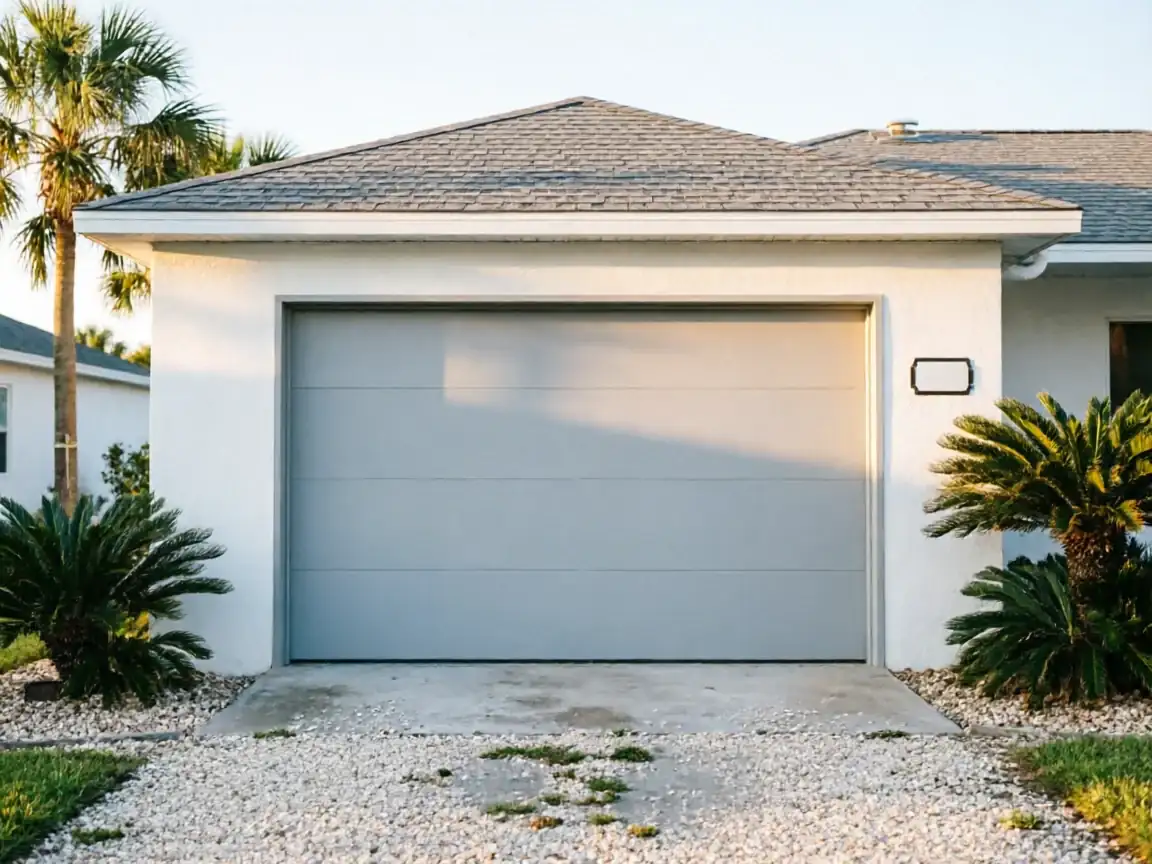
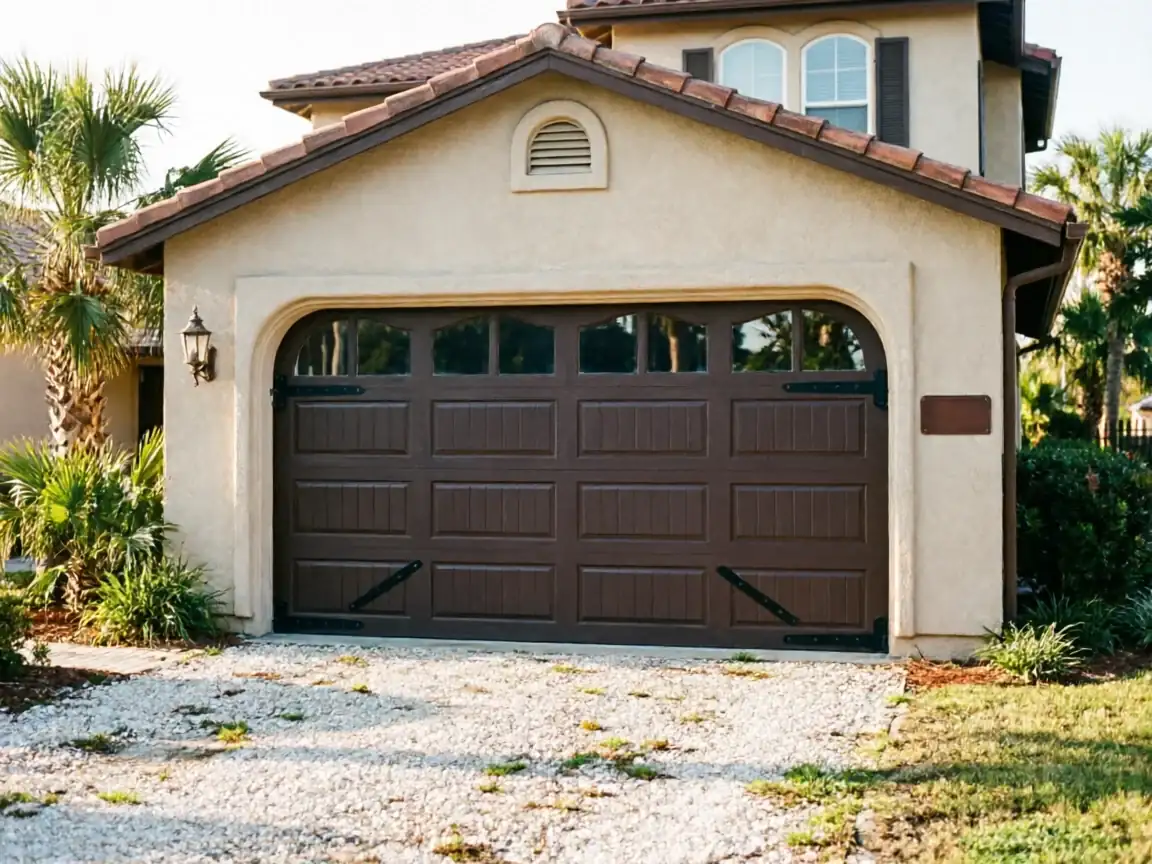
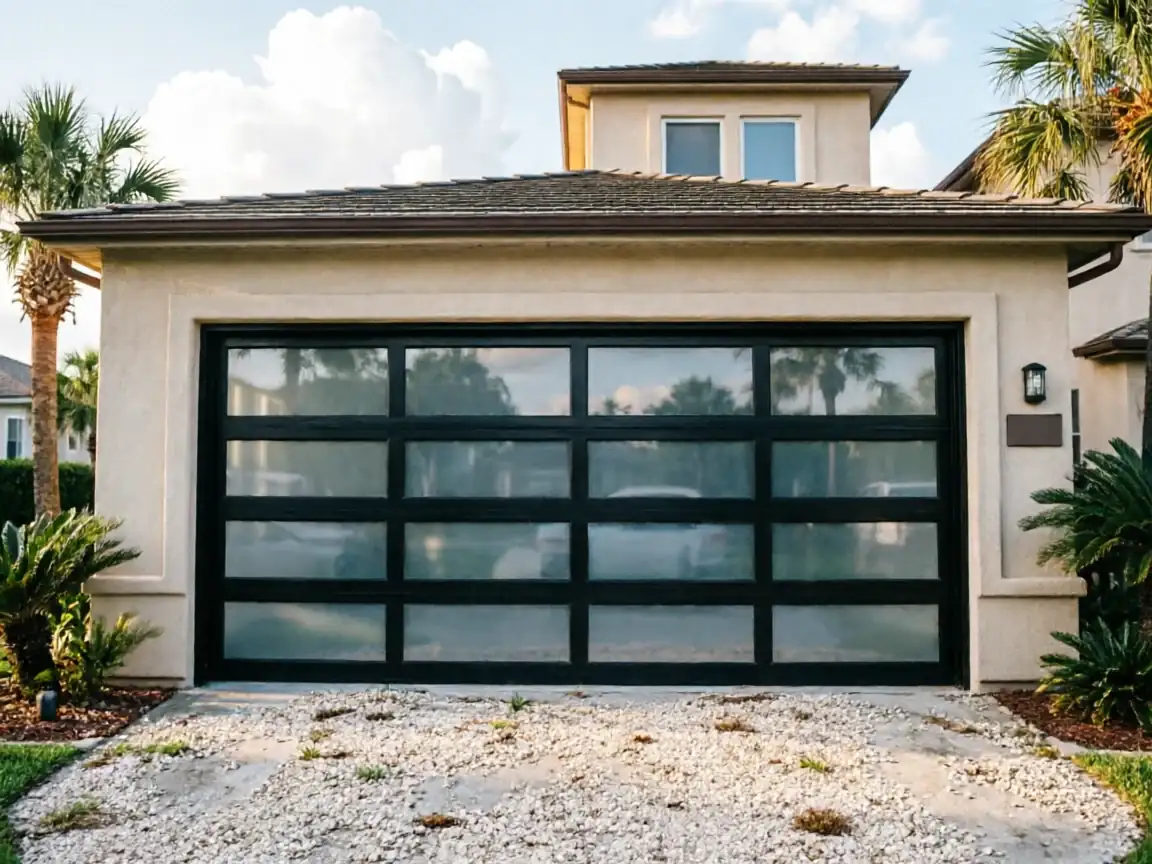
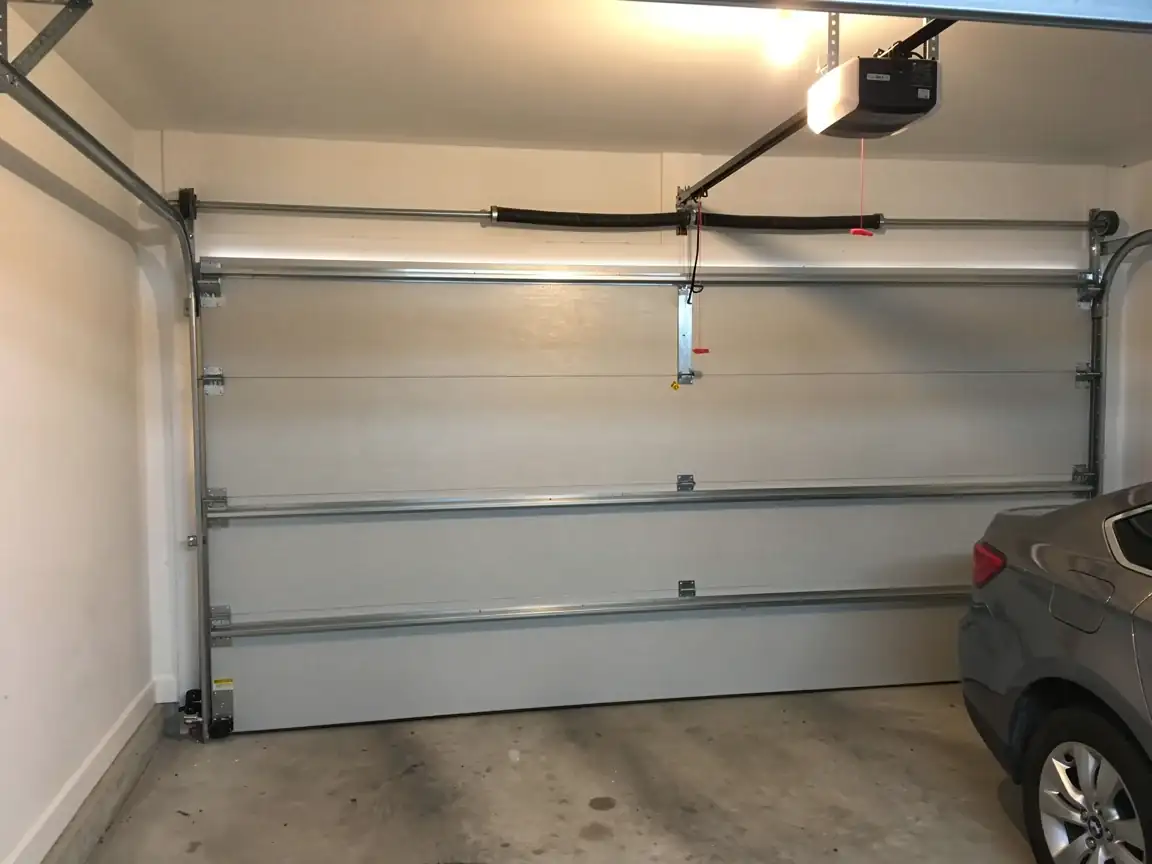
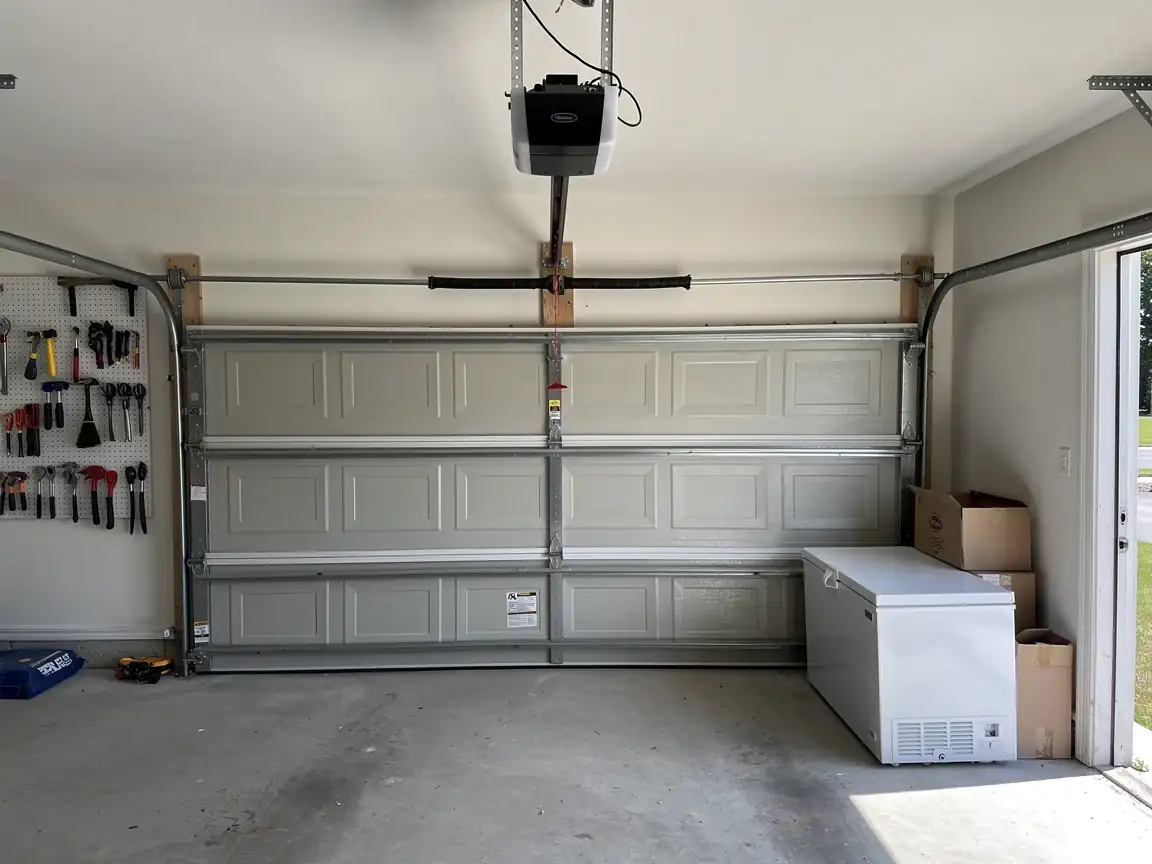
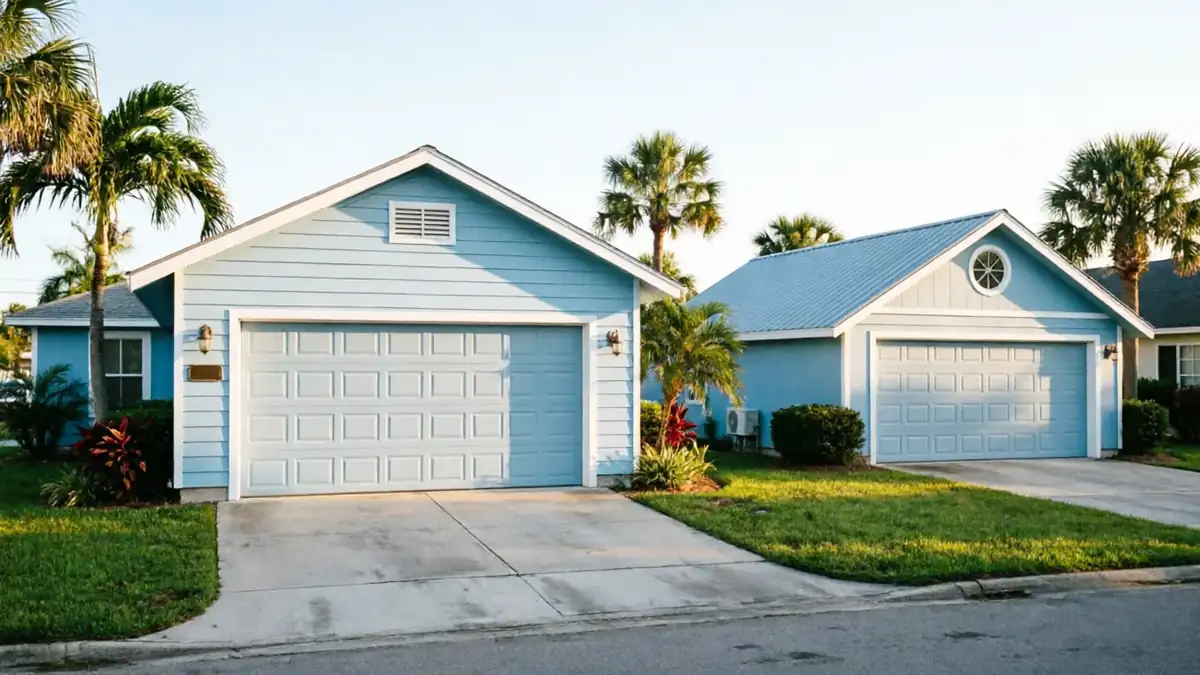
Most houses across this service area went up between 1972 and 1993, with a median build year of 1986. That's not a random stat - it tells you what's bolted to the ceiling of a lot of garages right now. Openers from that era were chain-drive units rated for lighter, uninsulated doors. Over the decades plenty of those doors got swapped for heavier insulated ones, but the original opener stayed put, straining to lift weight it was never sized for.
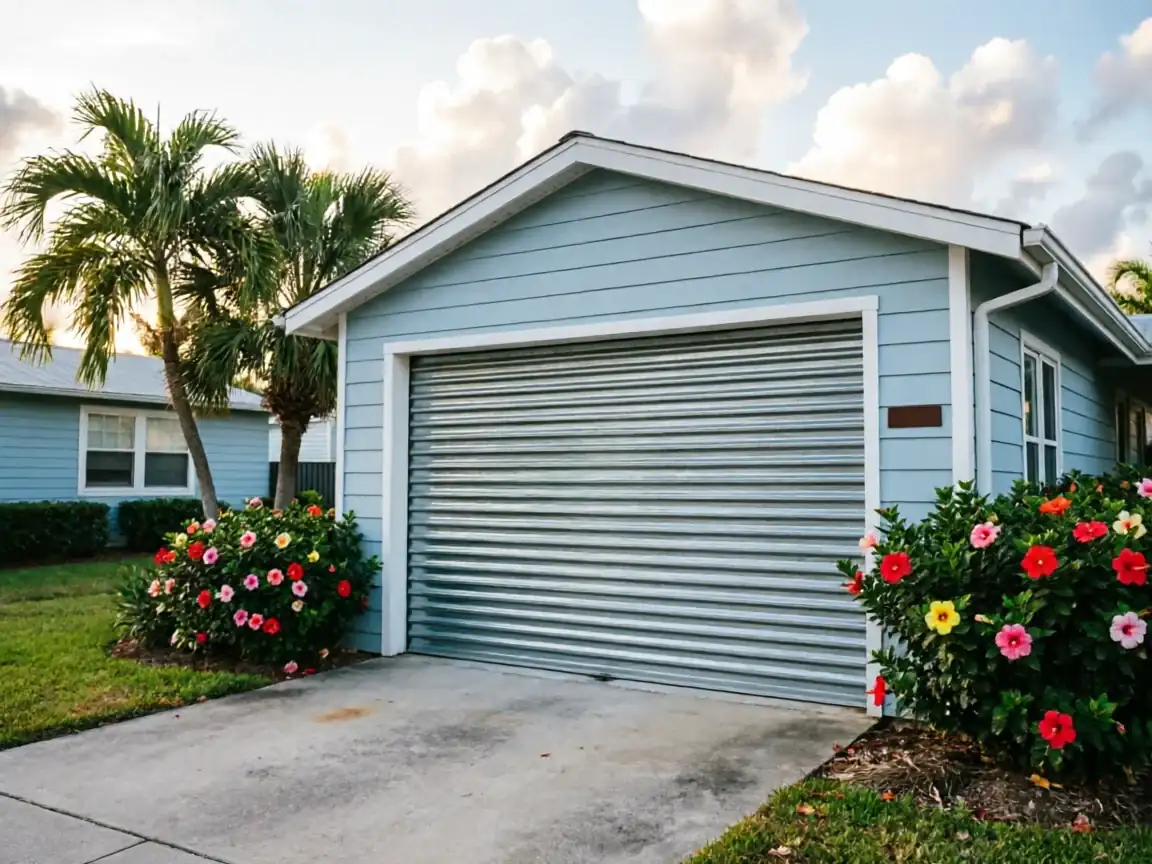
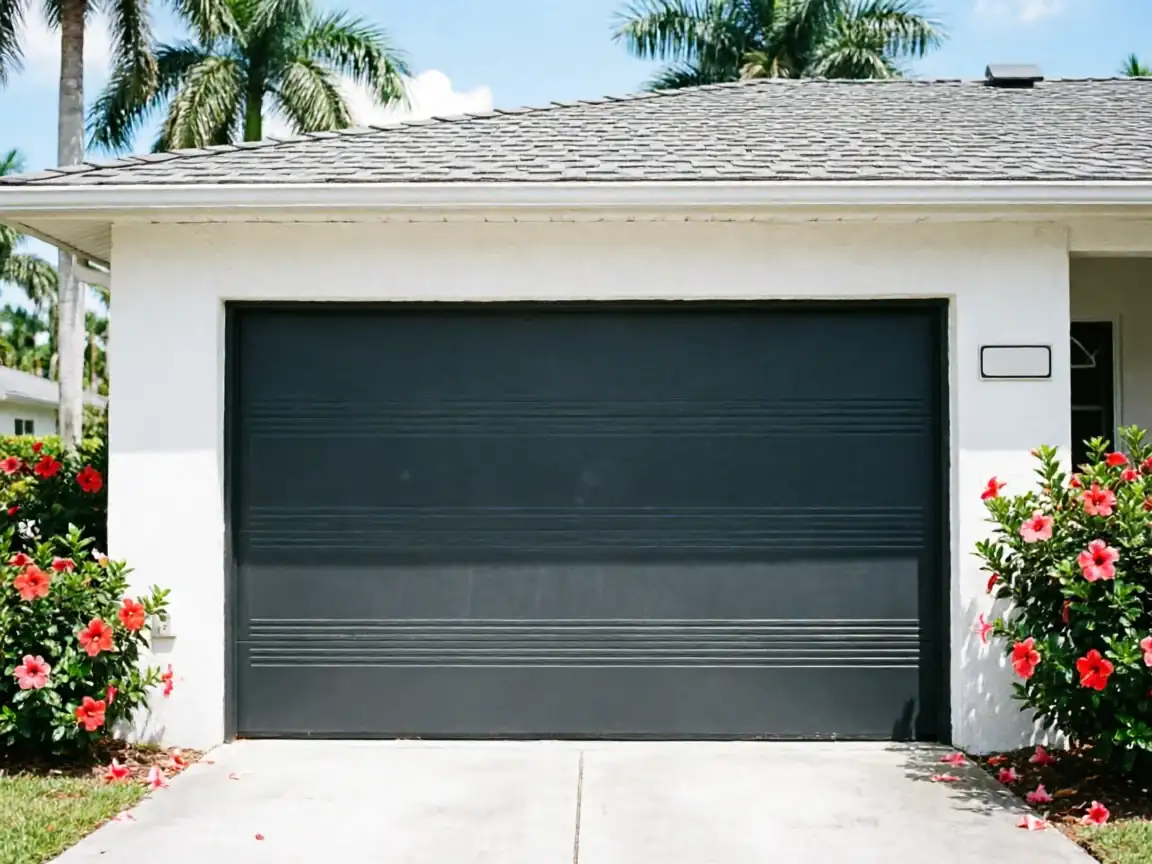
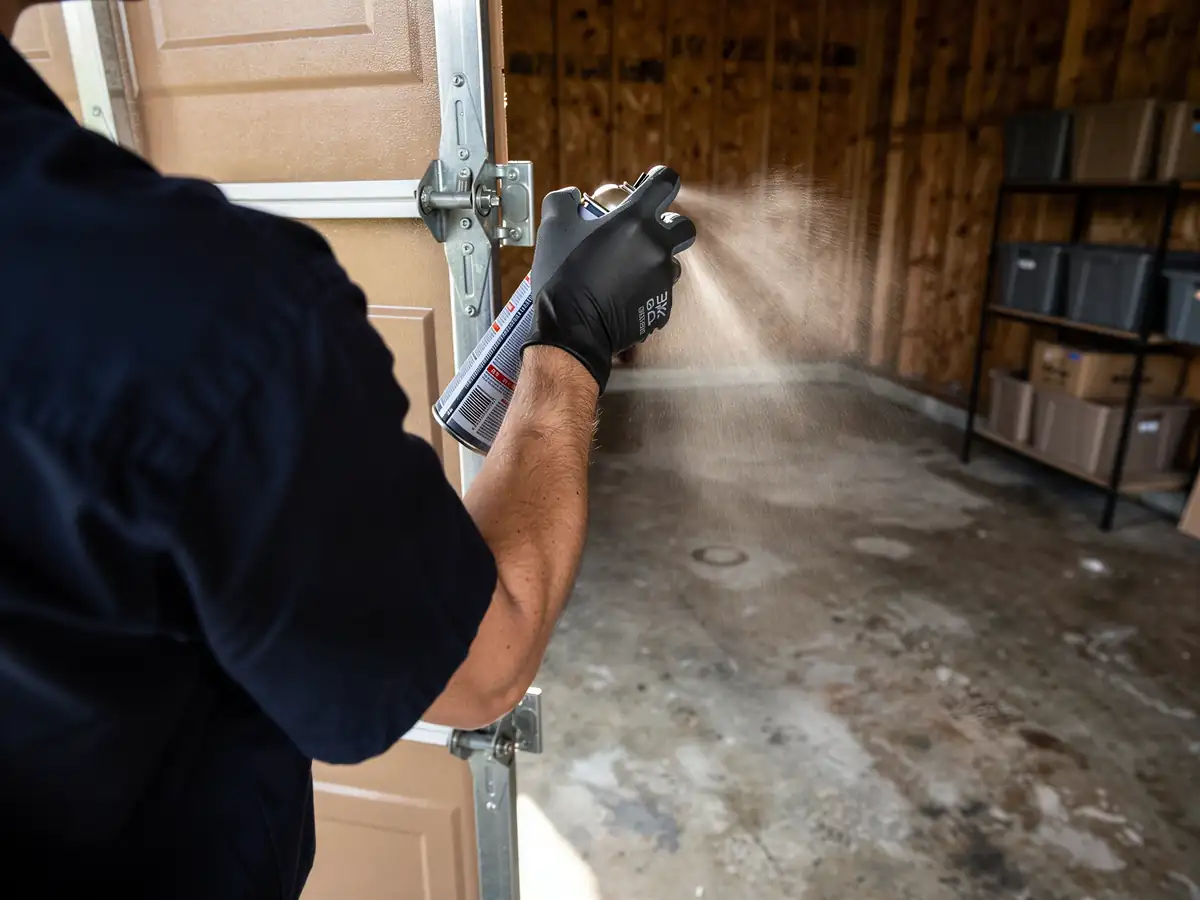
The climate here is mild temperate, so we're not dealing with frozen gears or ice-locked tracks the way a shop further north would be. But mild doesn't mean dry. Humidity gets into old grease and gums it, salt-tinged coastal air corrodes exposed logic boards and limit switches faster than you'd expect, and wood door jambs swell just enough to throw a photo-eye sensor out of alignment. That combination - old motor, added door weight, humid air - is the actual failure pattern we see on opener calls, not random bad luck.
Across the twelve named areas that make up this region, the housing stock skews 1980s and 90s pretty uniformly, so this isn't a problem tied to one subdivision. It's a problem tied to a build era.
Booking a Visit
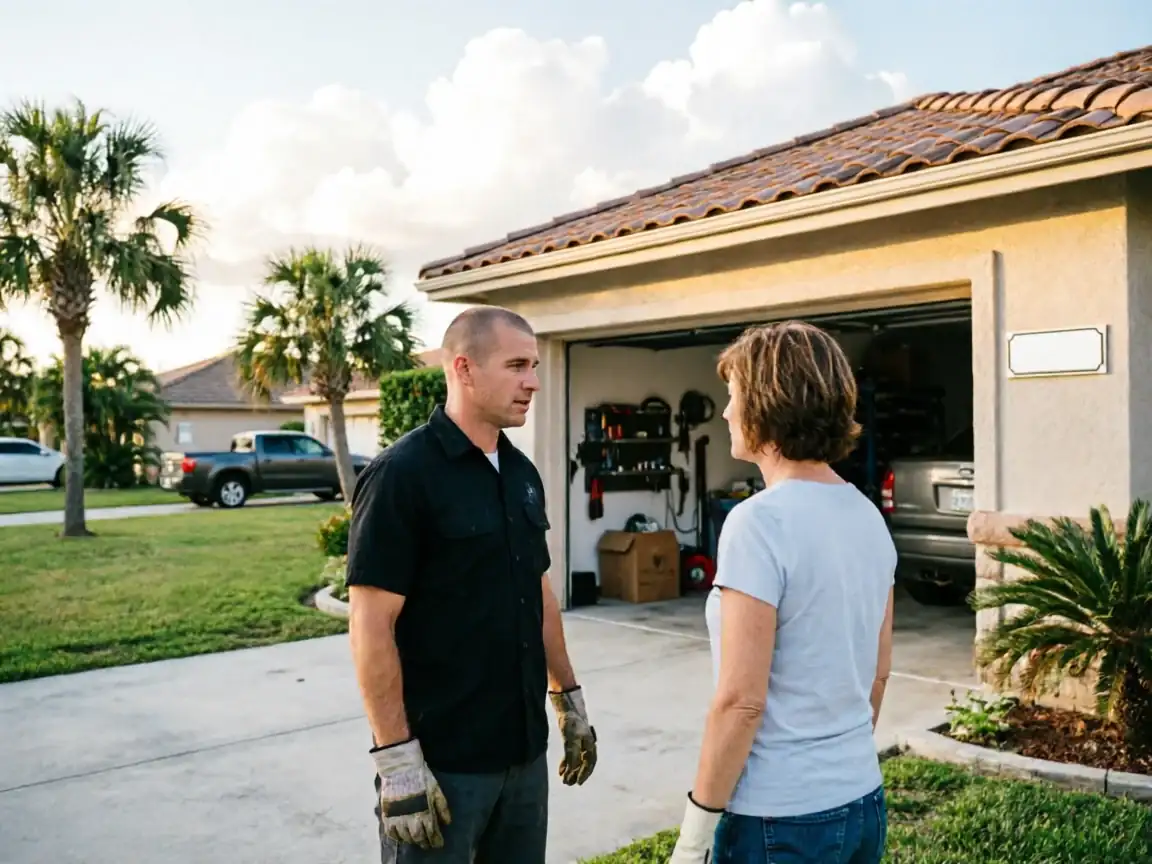
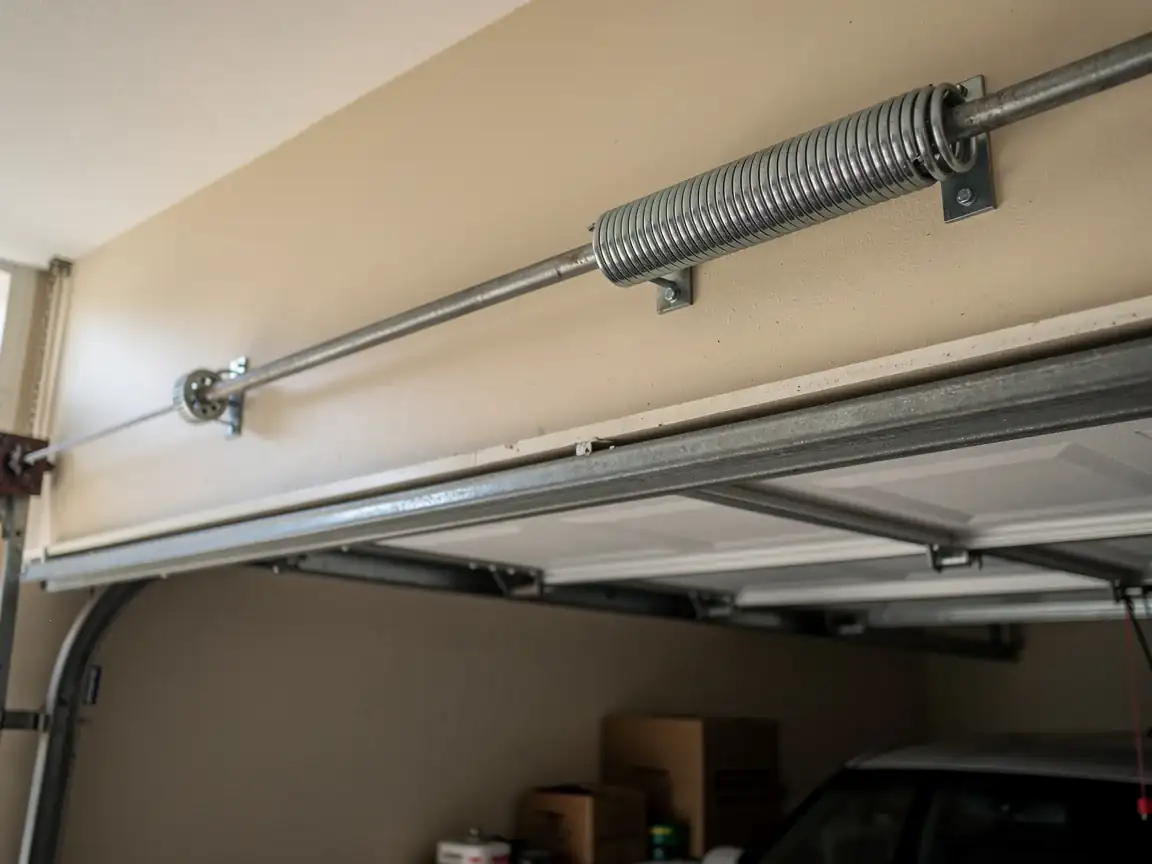
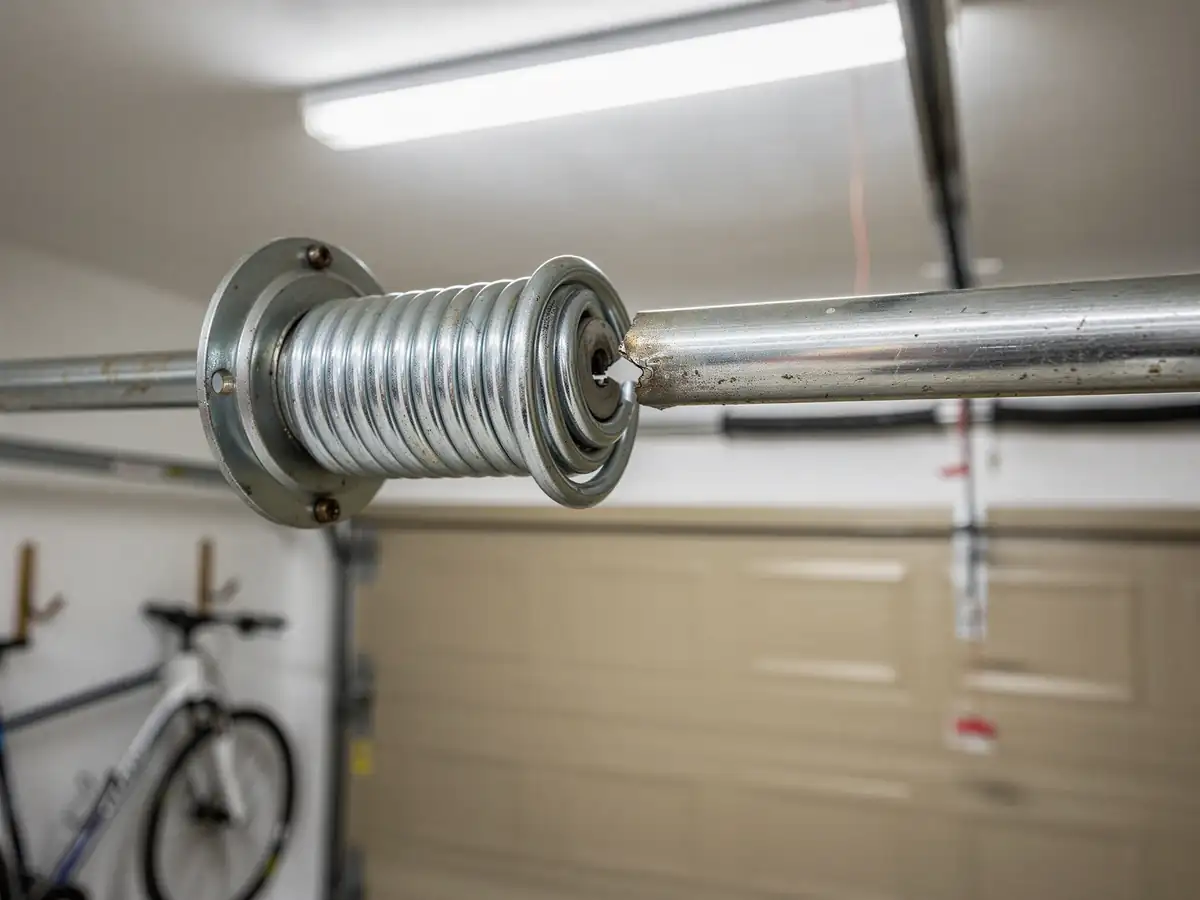
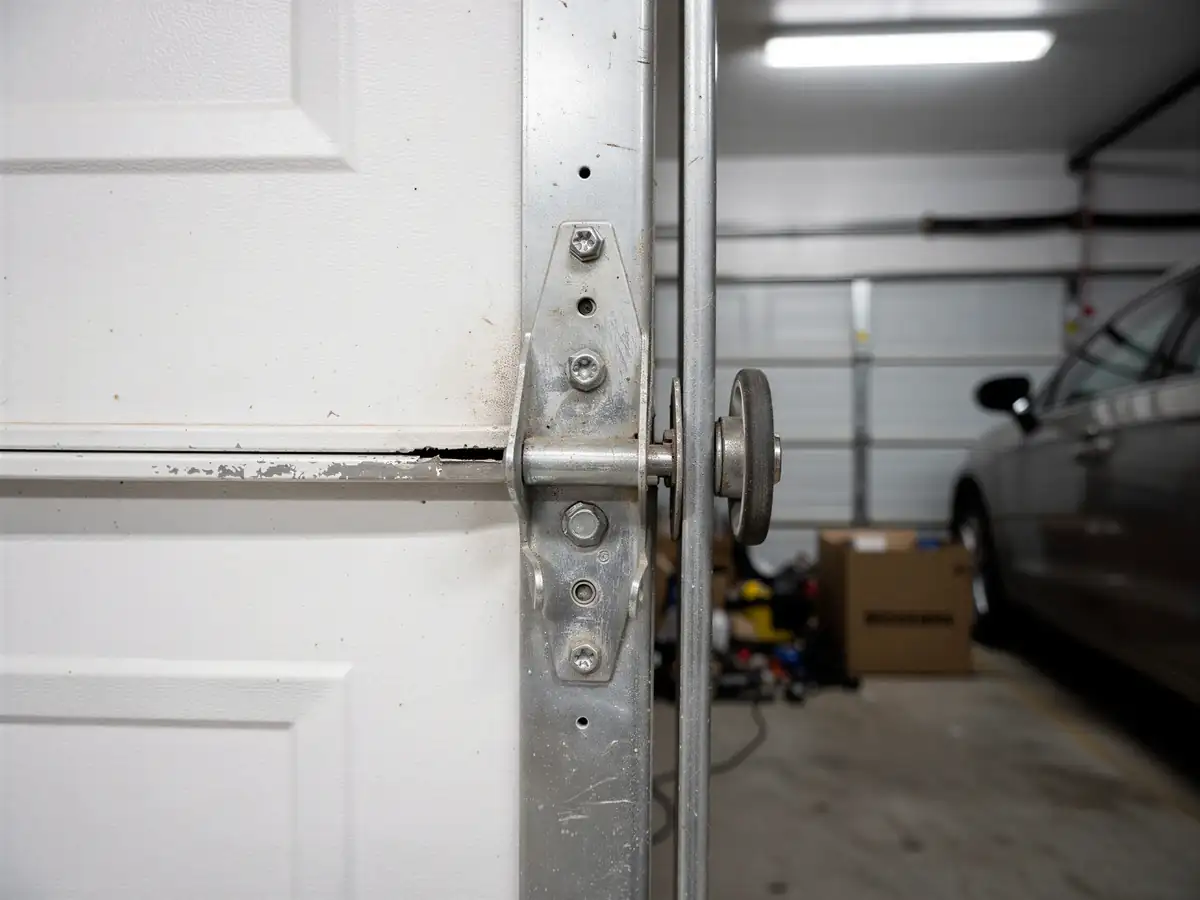
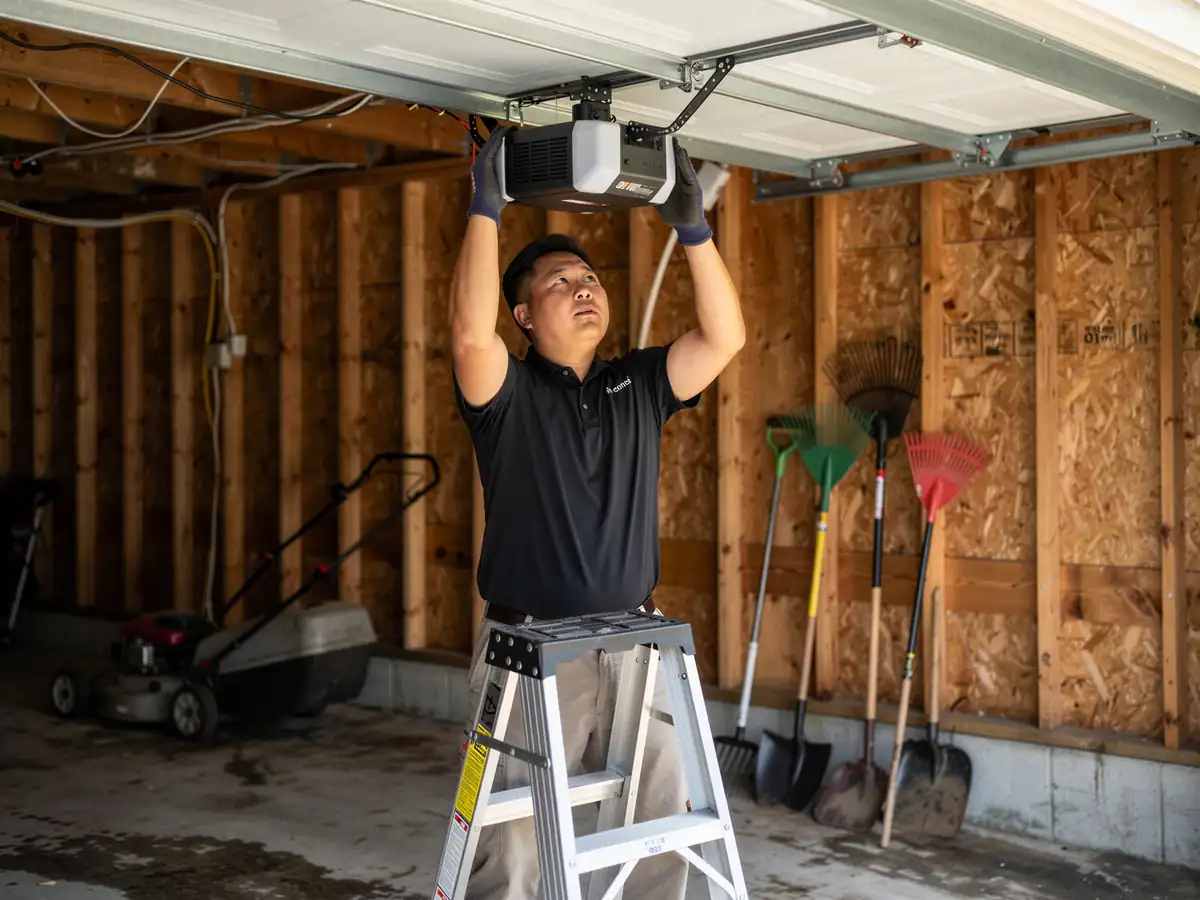
We schedule opener installs the same way we schedule any job - a call, a look at the door and the opening, and a straight answer about what unit fits. If your door is original to a house built in that 1972-1993 window, we check the spring and track before we talk opener, because a tired spring will make a brand-new motor work just as hard as the old one did.
We don't push a single brand or a single drive type on every house. A belt-drive runs quieter if the garage sits under a bedroom. A chain-drive costs less and holds up fine on a detached garage. Battery backup matters more if your block loses power during storms than if it doesn't. We'll ask about your situation before we quote a unit.
One limitation worth saying plainly: if your opener is a discontinued model from a builder-grade brand that stopped making parts years ago, we're not going to chase down a logic board that doesn't exist anymore. At that point replacement is the honest answer, not a repair quote that goes nowhere. You can reach out through our site to get a visit on the books.
The Cost of This Job
We're not going to put a number here that we can't stand behind on every job
Because opener installs vary more than people expect. A straightforward swap - same mounting points, same door weight, no rewiring - costs less than a job where we're adding a battery backup circuit or running new wiring because the garage was never set up for a modern opener.
What drives the price on a typical install in houses from this era
Whether the existing bracket and rail will reuse, whether the door's spring needs attention at the same time (and on a house this age, it often does), and which drive type you pick. Belt and direct-drive units generally cost more upfront than chain-drive but run quieter and need less upkeep.
With a median household income of $69,150 across the area
Most of what we install lands in the mid-range belt-drive category with battery backup rather than the bargain chain-drive or the top-tier smart units. That's not a rule, just what most owners here choose once they've seen the options side by side. We'll give you an actual number after we've looked at your door, not before.
- $69,150 median household income
The Symptom
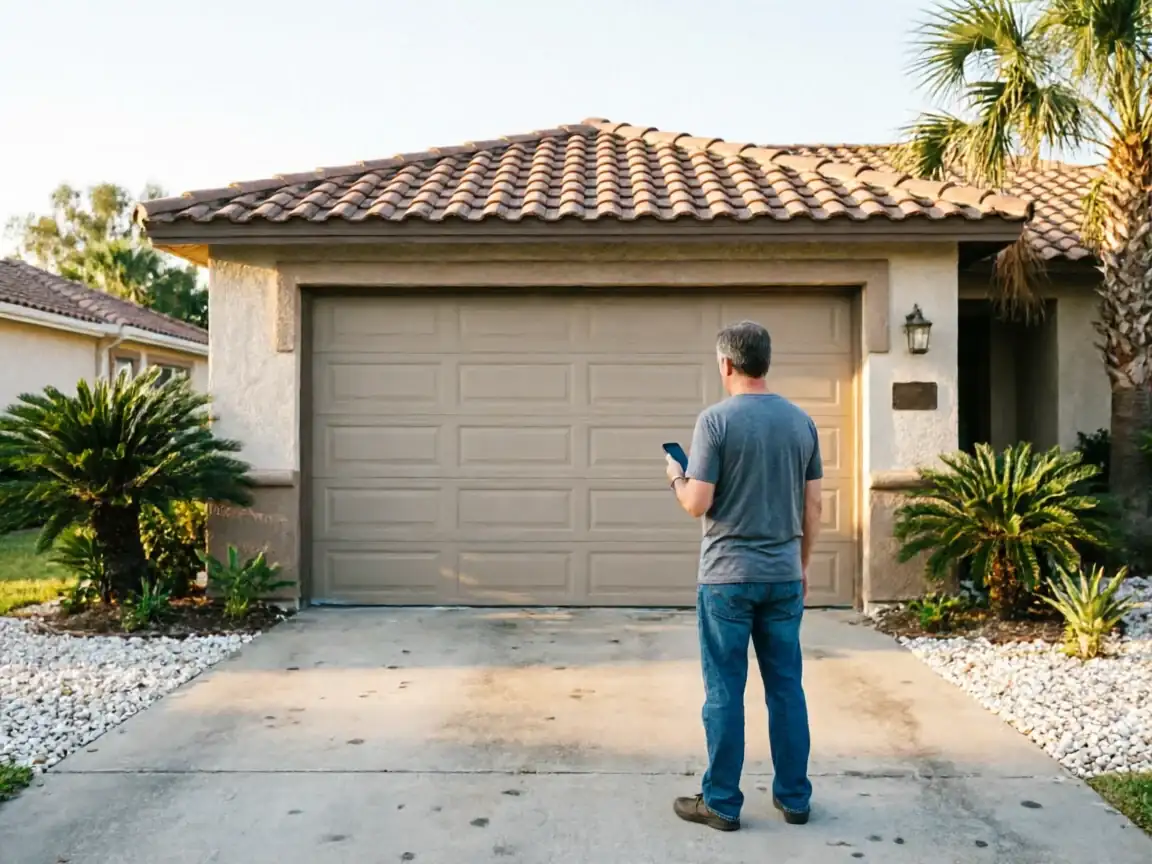
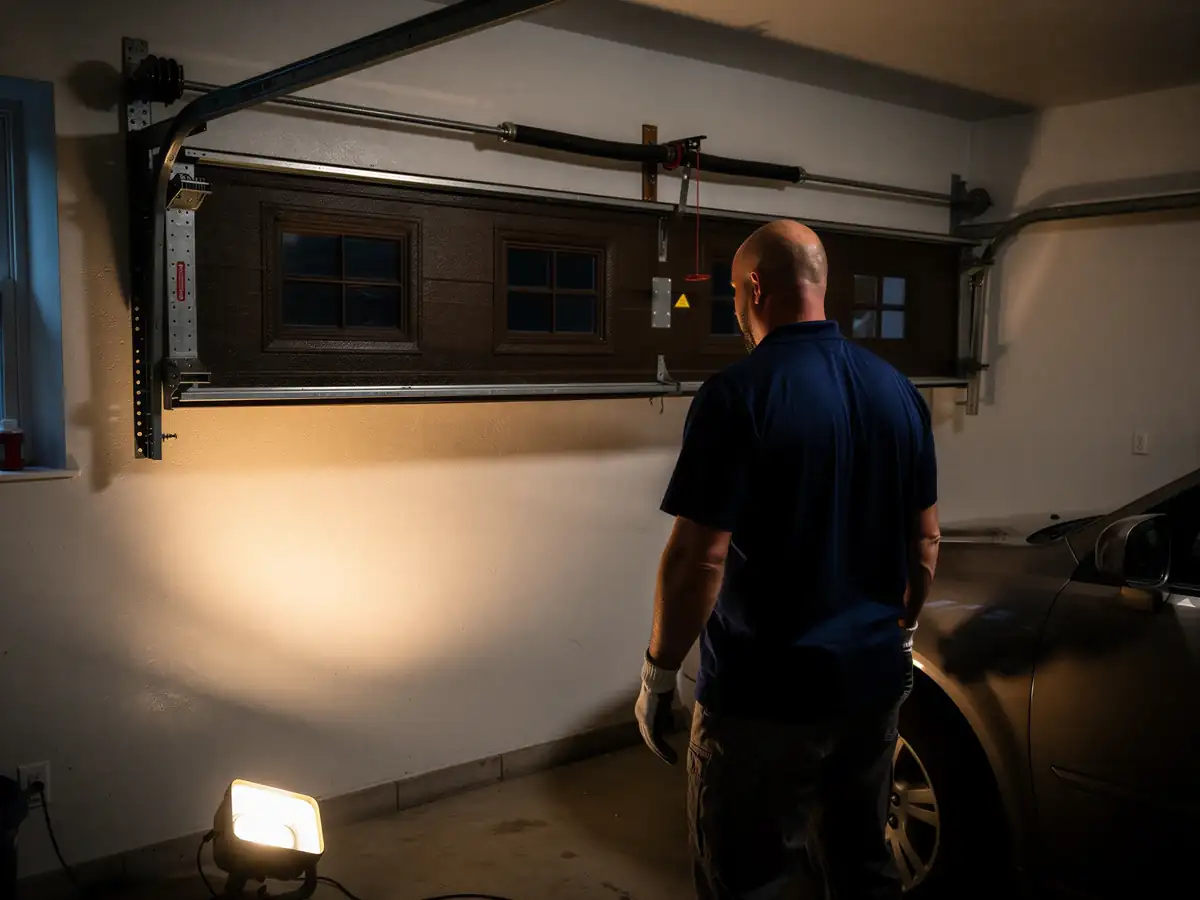
The call usually starts the same way: the door doesn't respond to the remote, or it responds but stops partway, or the motor runs and the door doesn't move at all. On houses from the 1972-1993 era, that last one is often a stripped gear inside an opener that's been quietly working too hard for years.
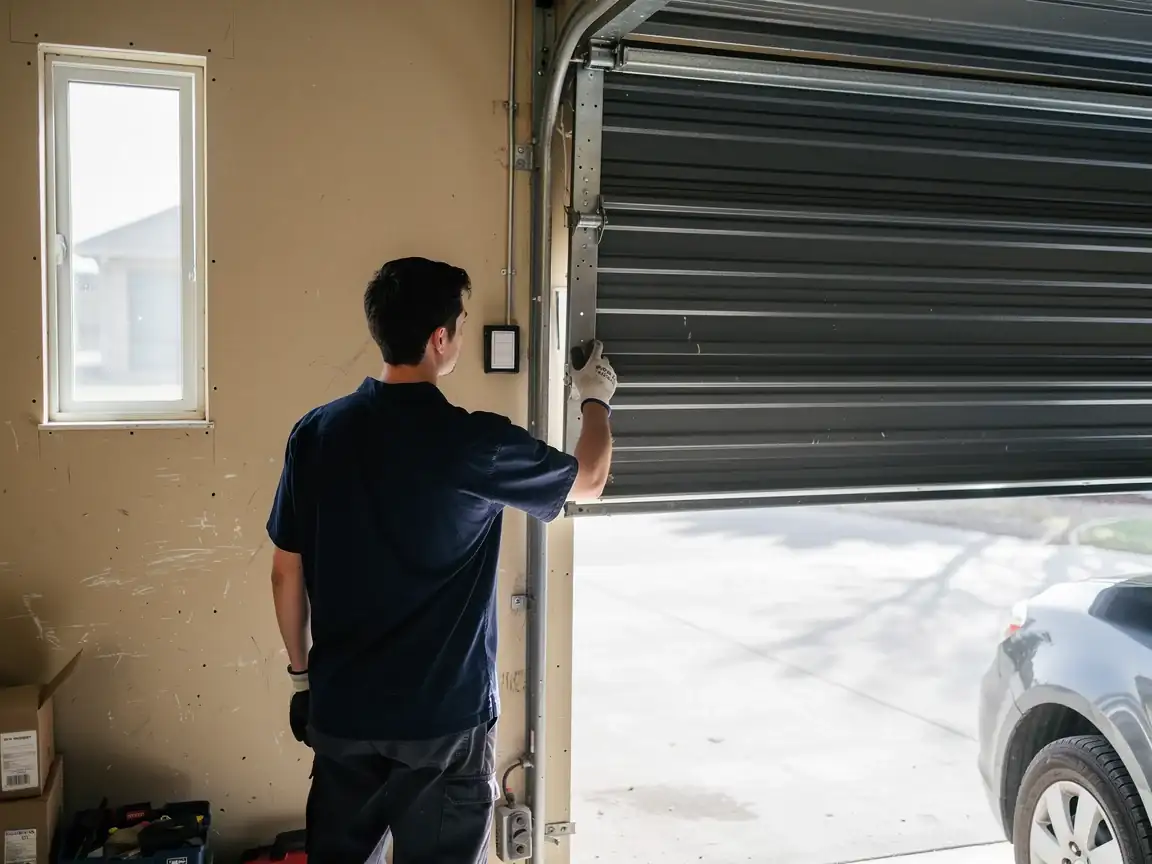
Another common version: the door reverses right after it starts closing. That's almost always the safety sensors, and on older installs those sensors sit low enough that humidity and minor jamb settling - both normal in this climate over a few decades - knock them out of alignment. It's a five-minute fix, not a new-opener problem, and we'll tell you that on the phone if that's what it sounds like.
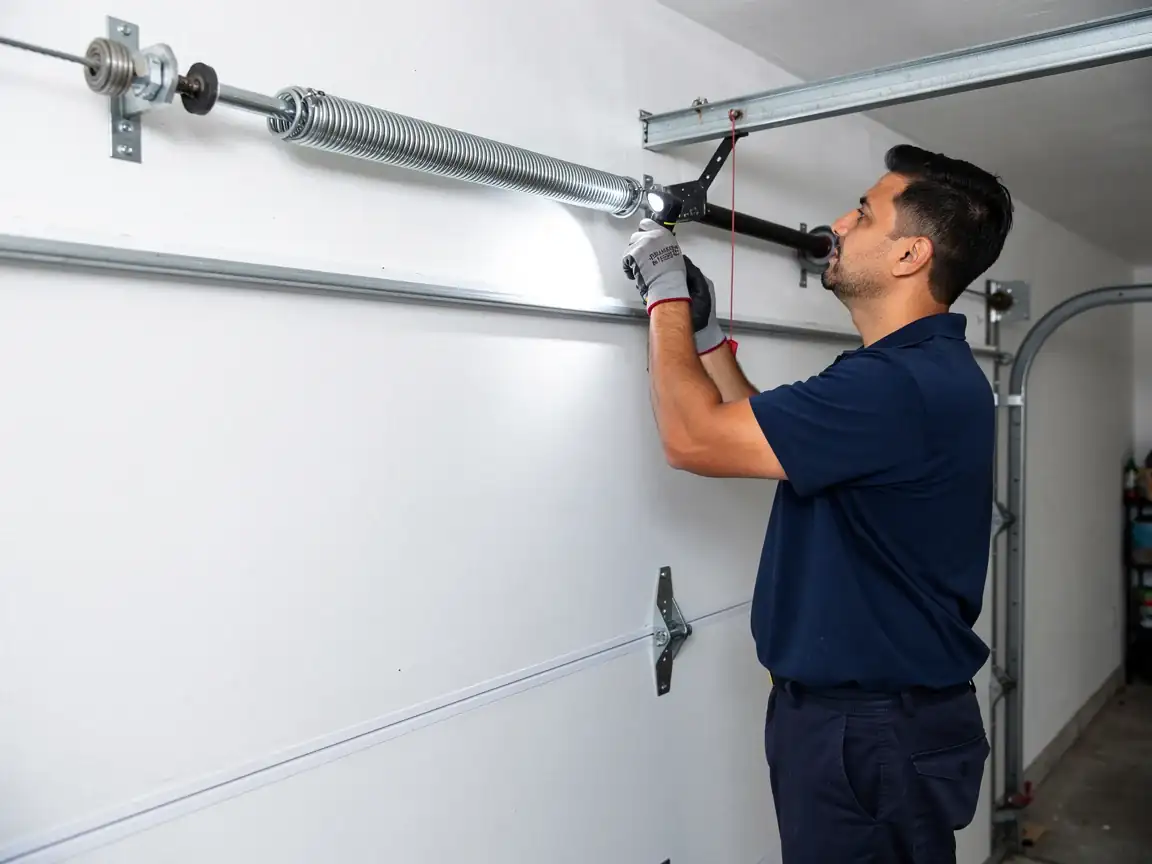
Then there's the opener that runs but the door barely lifts, or lifts and slams down. That's usually the spring, not the opener, and installing a new motor on a dead spring just burns out the new motor faster. We check the spring first on every call, because replacing an opener without fixing that is a callback waiting to happen. Get in touch through our site.