Old Streets and New Ones
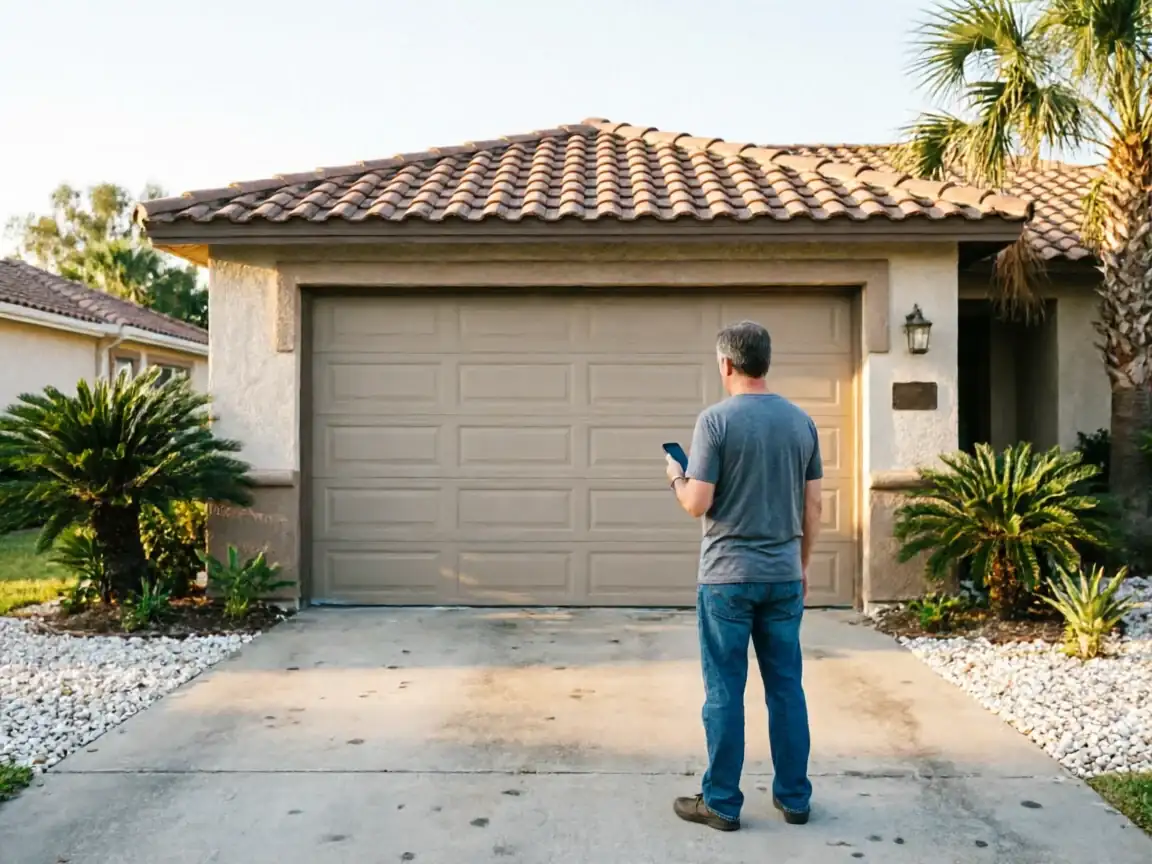
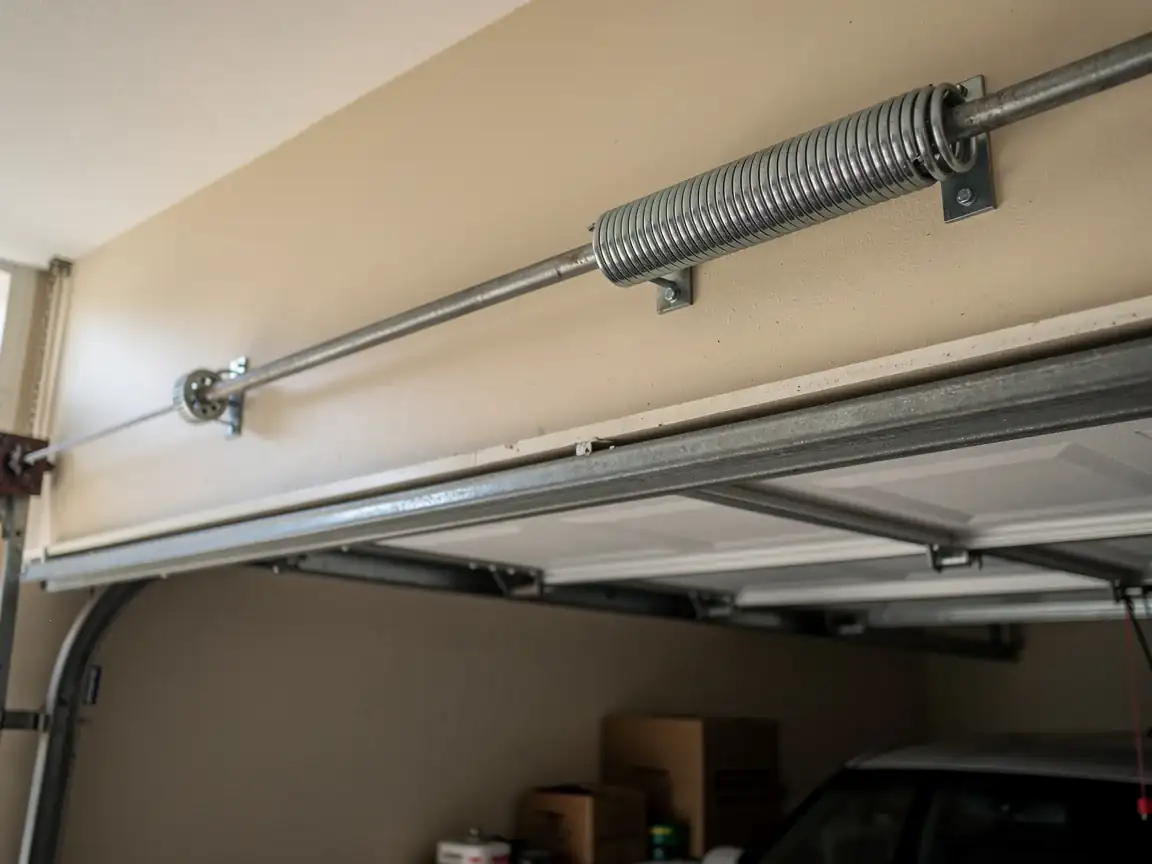
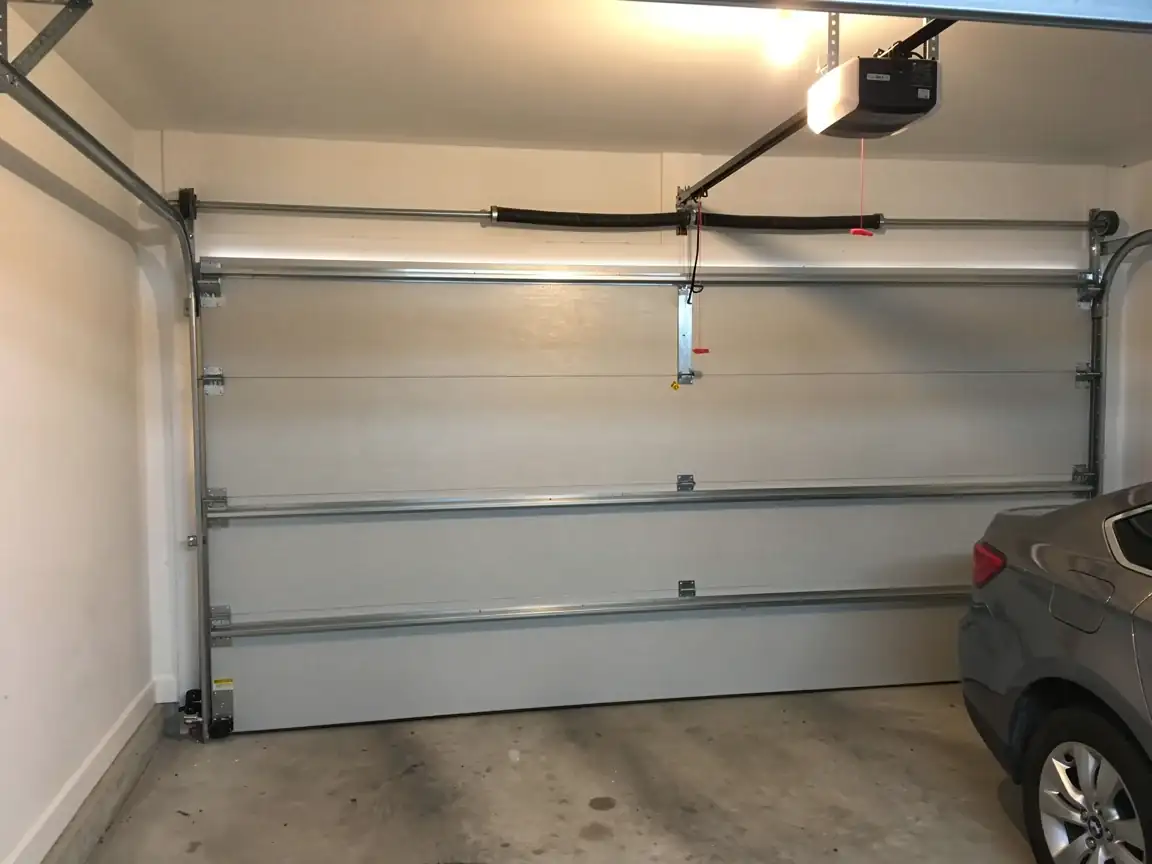
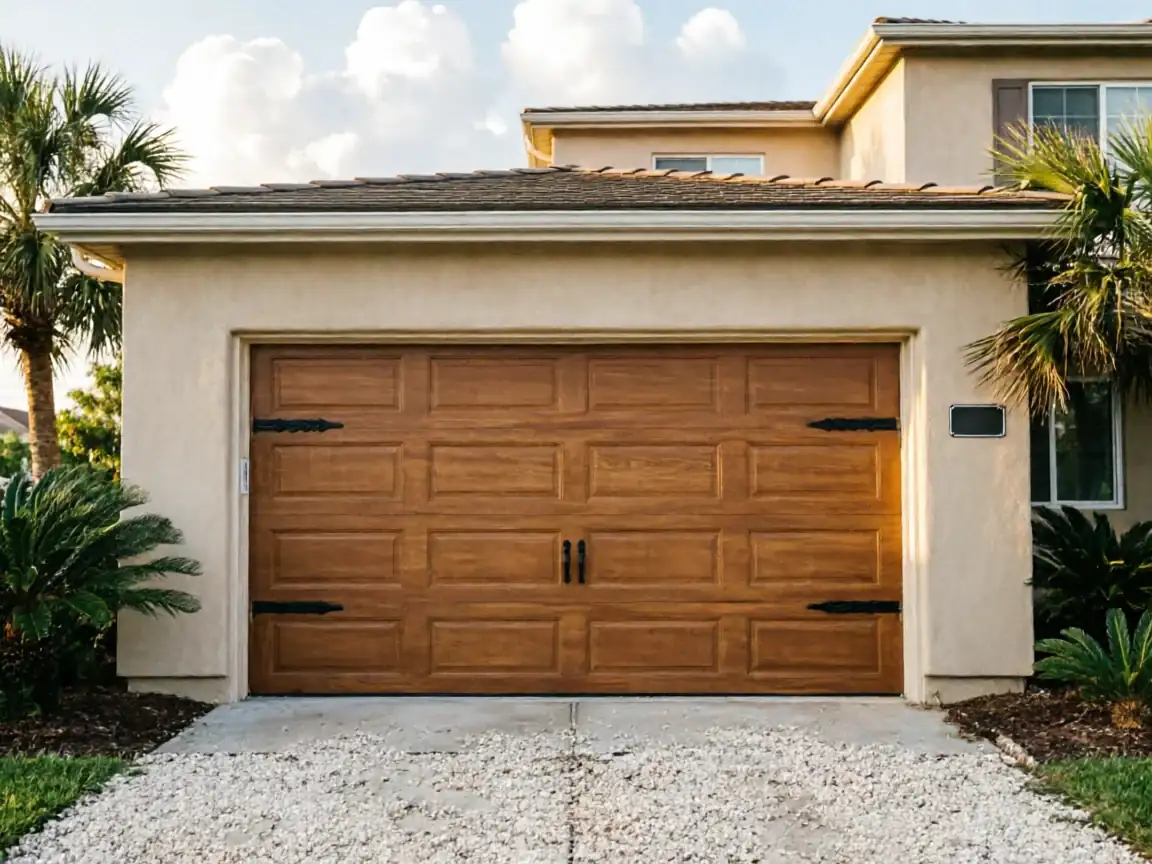
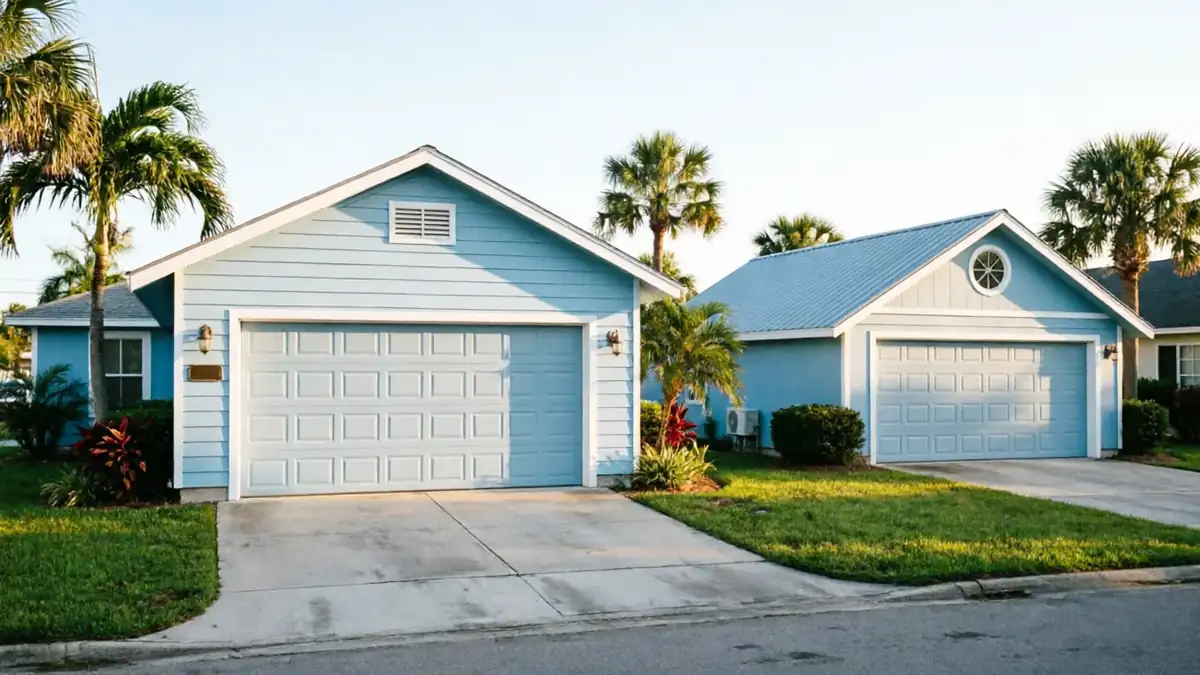
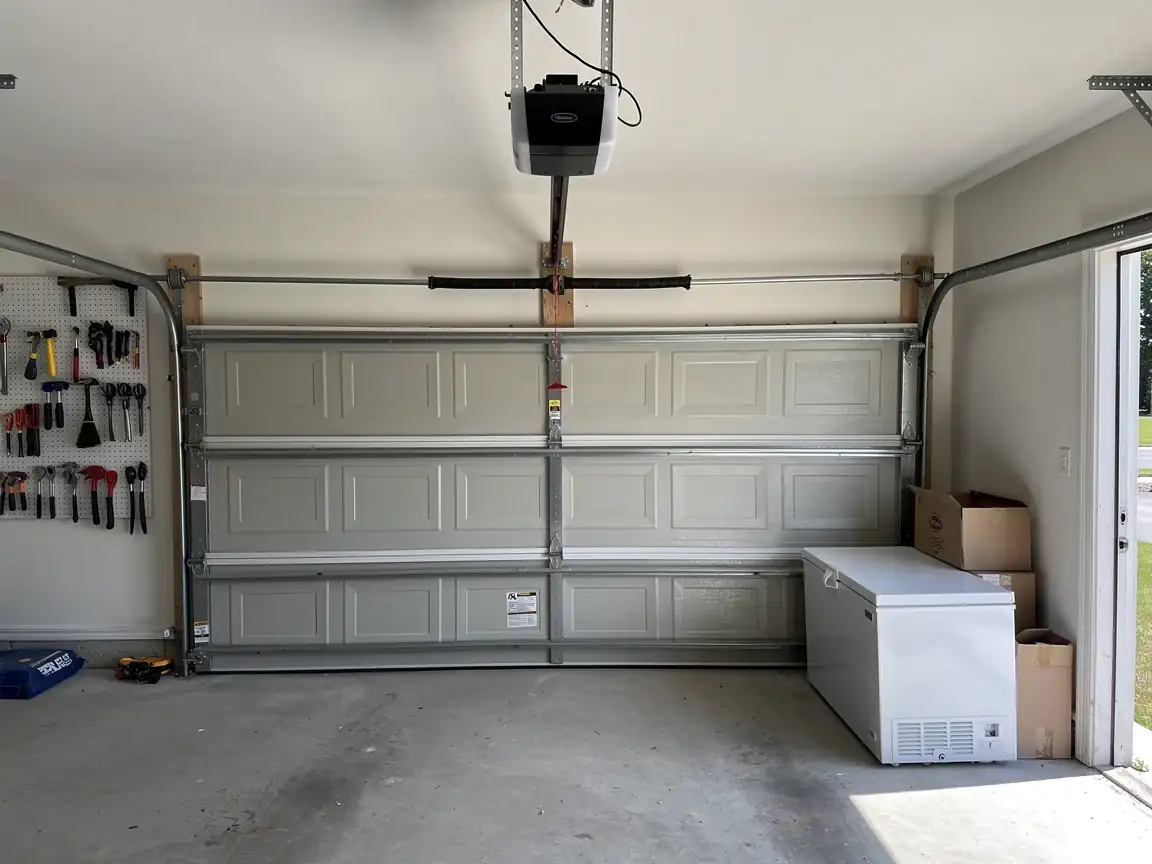
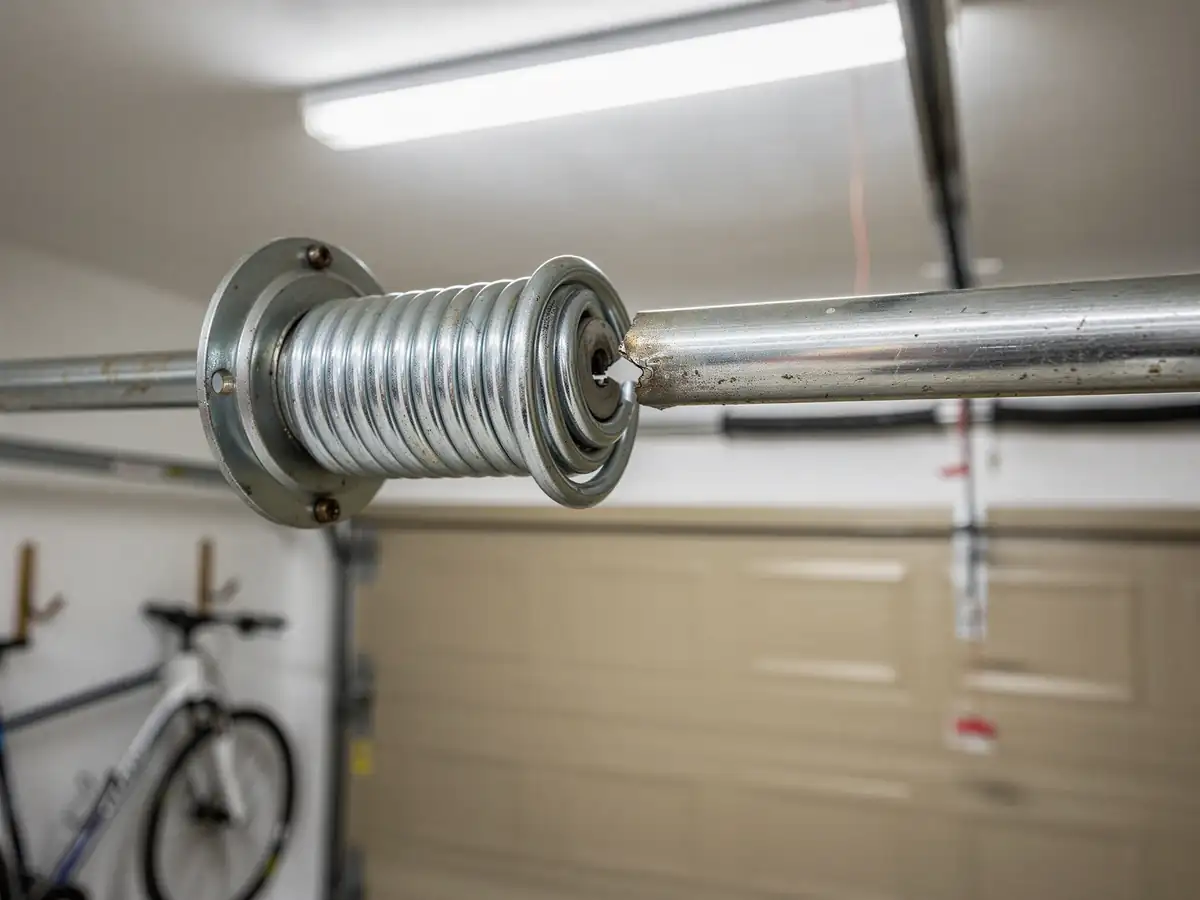
South Daytona's median home was built in 1977, which puts it a good decade ahead of the broader Daytona Beach housing wave that ran from 1972 to 1993. That matters more than it sounds like it should. A house built in the mid-to-late 1970s almost always went up with a lightweight steel sectional door running on an extension-spring system, not the torsion-spring setup that became standard in newer construction. The streets here were laid out and built up before torsion hardware was the default, and a lot of that original gear is still hanging over driveways today, patched instead of replaced. When we get a call from this part of the county, we're usually not quoting the same repair we'd quote on a house built in 1991 three miles away. We're looking at a different spring system, different bracket spacing, and often a door panel that's thinner gauge steel than what gets installed now. Knowing that before we load the truck saves a second trip for the right part.
What Was Built Here
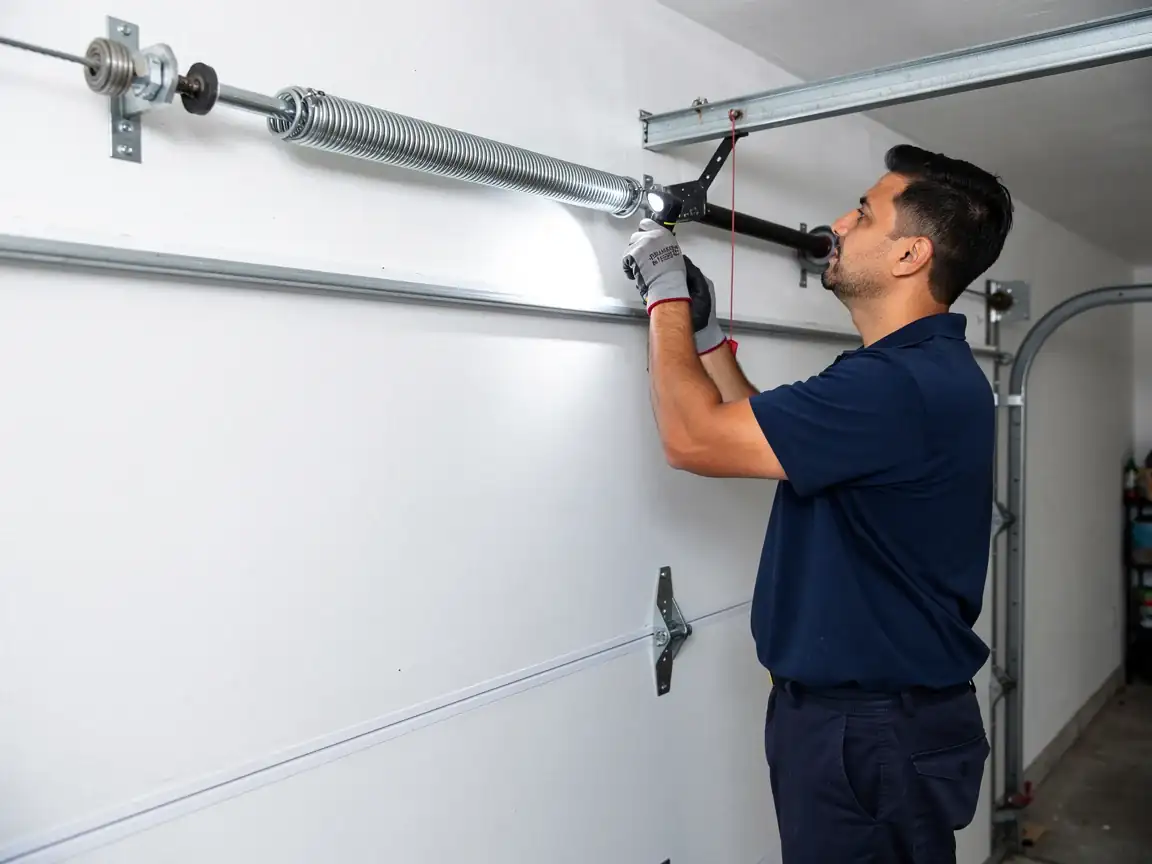
With roughly 6,285 households in South Daytona, this is a smaller, denser pocket than the city at large, and the housing reflects a tighter build window. Extension-spring doors from the late 1970s typically ran on two side springs with a pulley-and-cable setup instead of a single torsion bar over the opening. They work fine for years, but the failure mode is different: a snapped extension spring can let a cable whip loose, where a torsion spring failure usually just drops the door in place. Panels from this era are also more likely to be a single layer of steel without the foam-core insulation that's standard now, so they dent easier and they're noisier when they're out of balance. Median household income here runs around $54,931, and we see that reflected in the calls - more requests to fix what's there than to replace it outright, which is often the right call on a door body that's still square and running straight.
What That Means for Doors
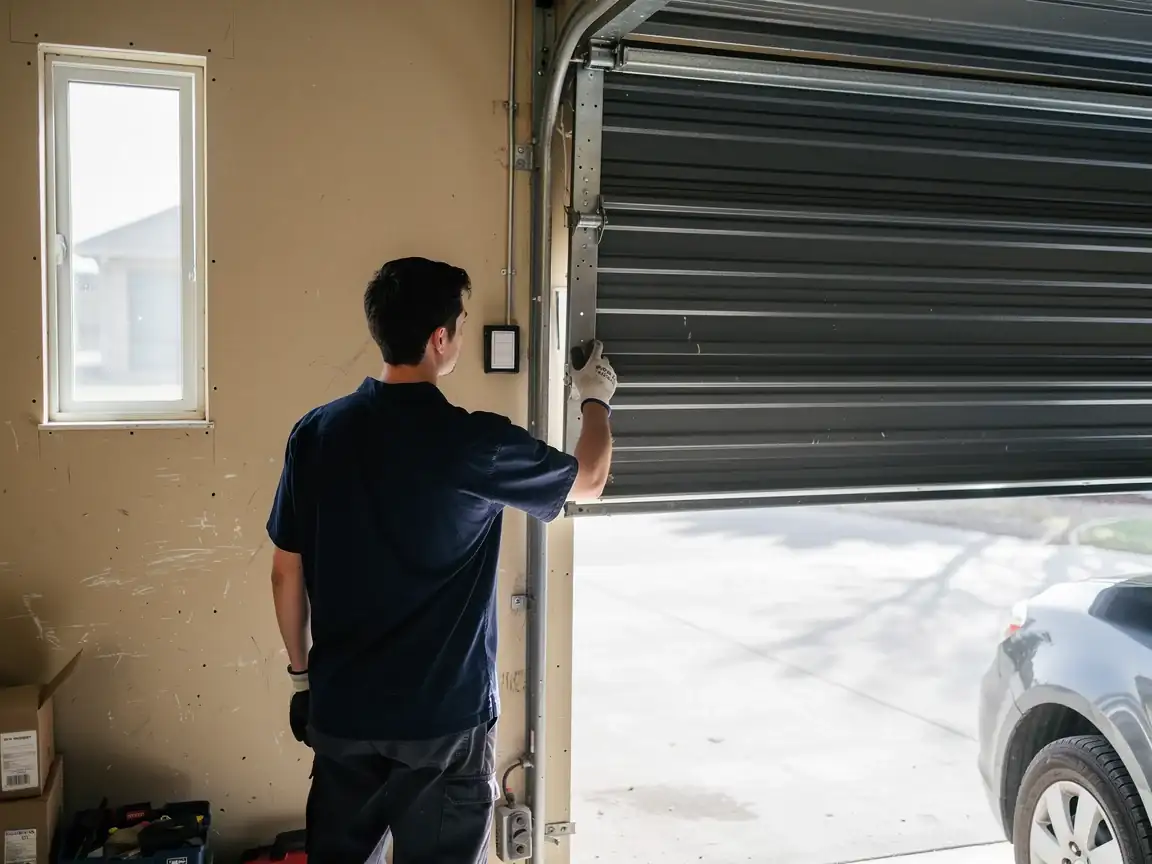
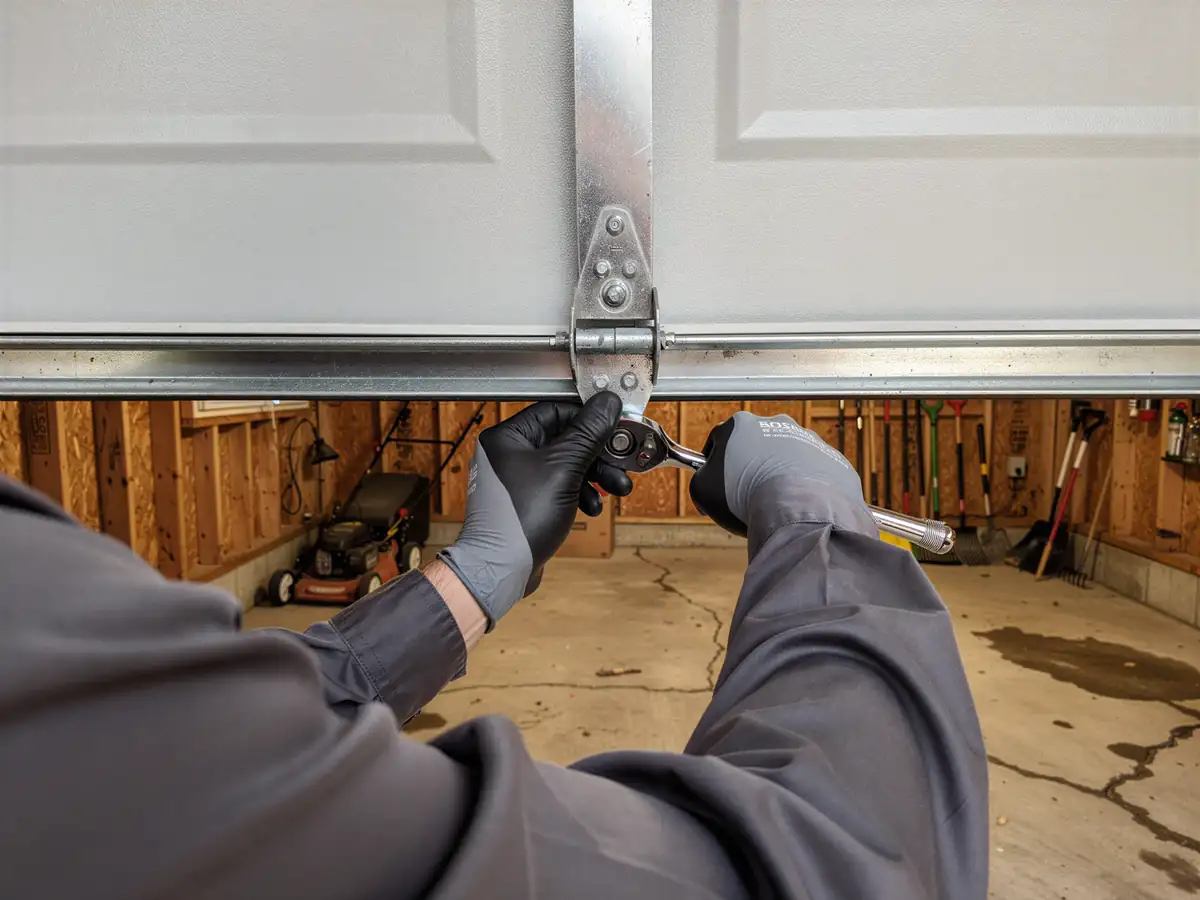
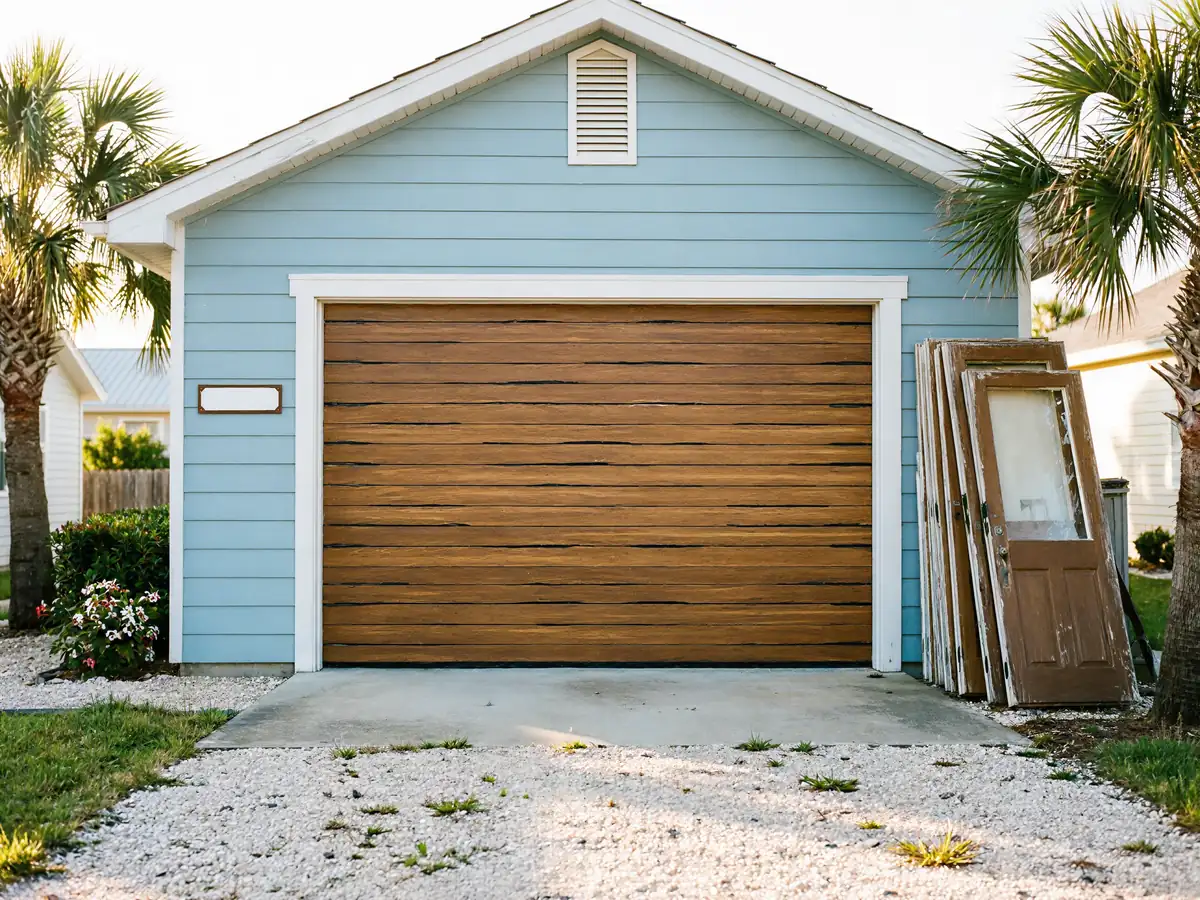
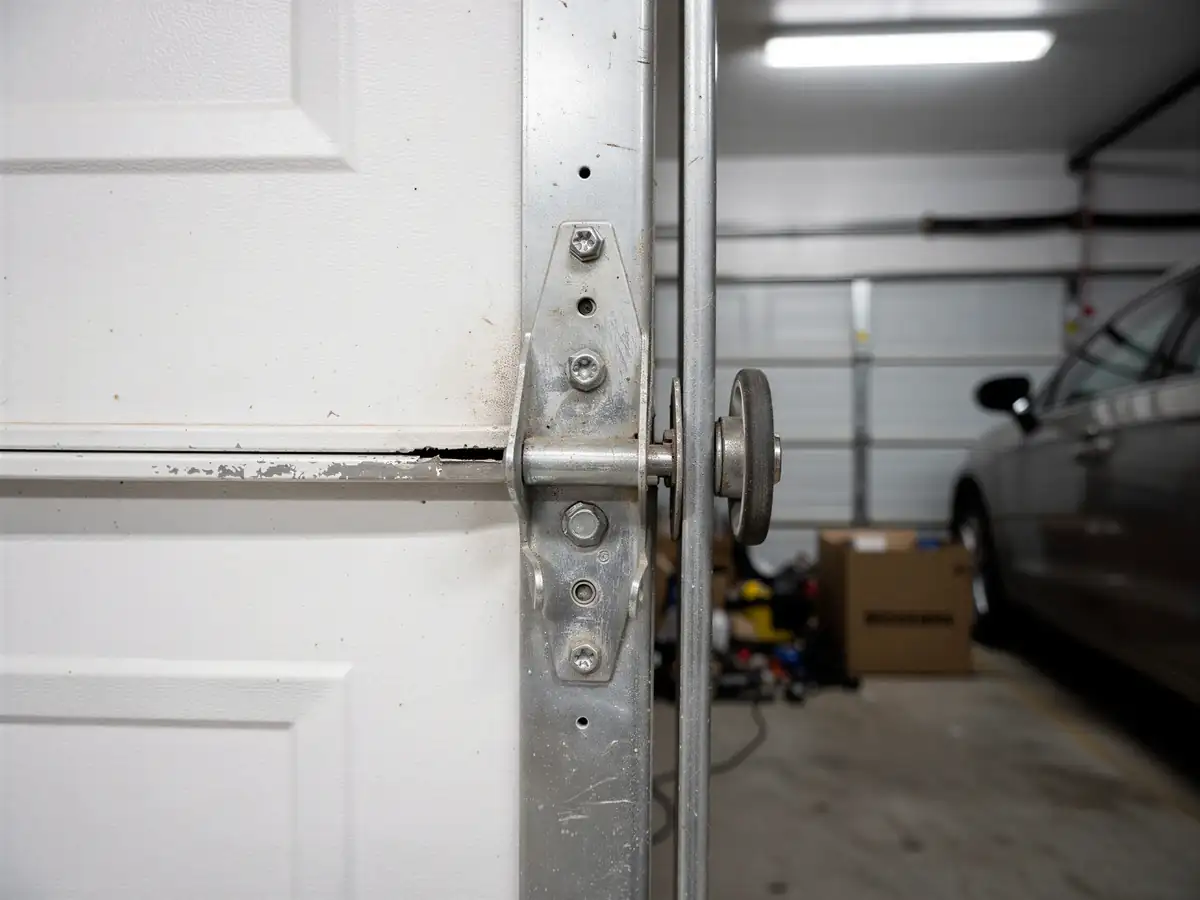
The climate here is mild temperate - no hard freezes, no wild seasonal swings - which is kinder to garage door hardware than a lot of the country gets. Steel doesn't contract and expand the way it does up north, so you don't get the same rash of cracked welds or seized torsion bars from temperature cycling. That's the good news for a 1977-era door. The bad news is that extension springs just wear out from cycle count and rust regardless of weather, and on an older single-layer panel, a stretched spring puts more strain on thin brackets that were never over-built to begin with. If your door's been getting louder, dropping unevenly, or the cable looks frayed near the pulley, that's the extension-spring system telling you it's near the end, not something to grease and ignore. One honest limit: on doors this old, we sometimes can't get an exact replacement panel to match what's left, and a full door swap ends up cheaper and faster than chasing discontinued parts.