Parts We Carry
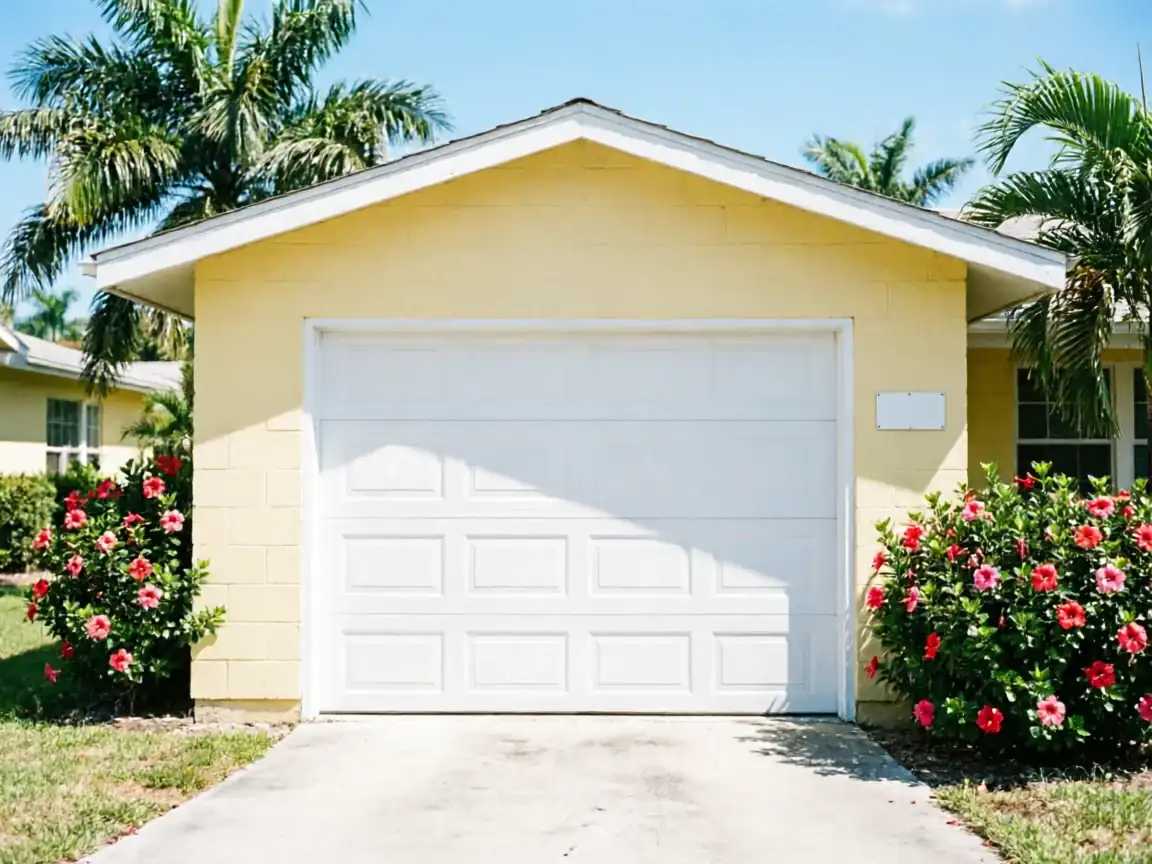
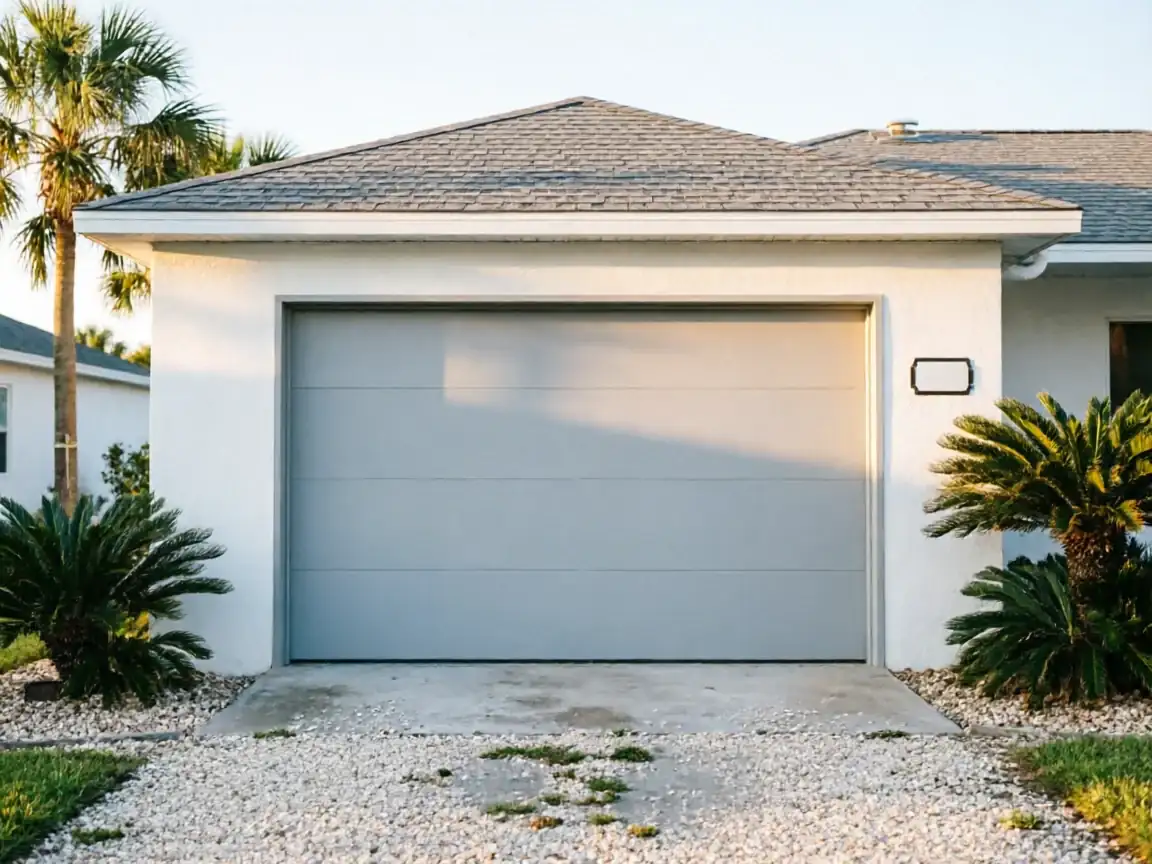
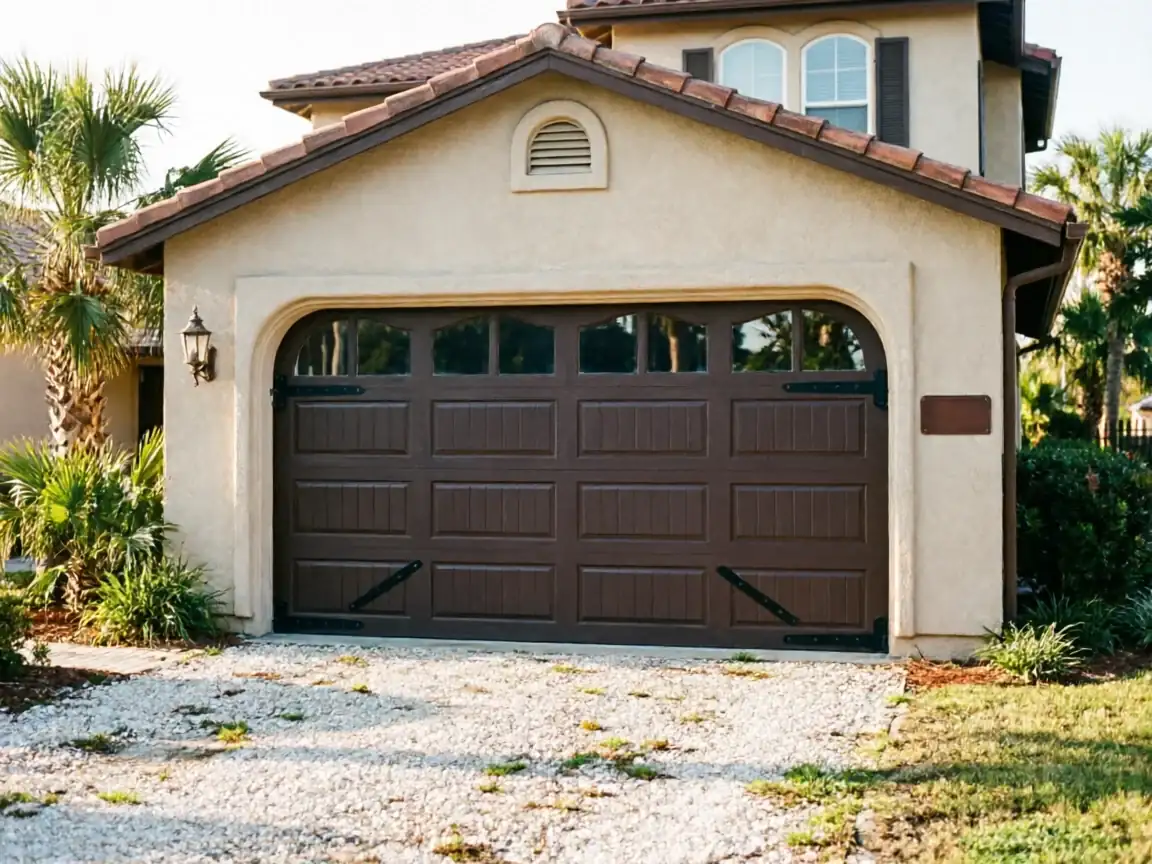
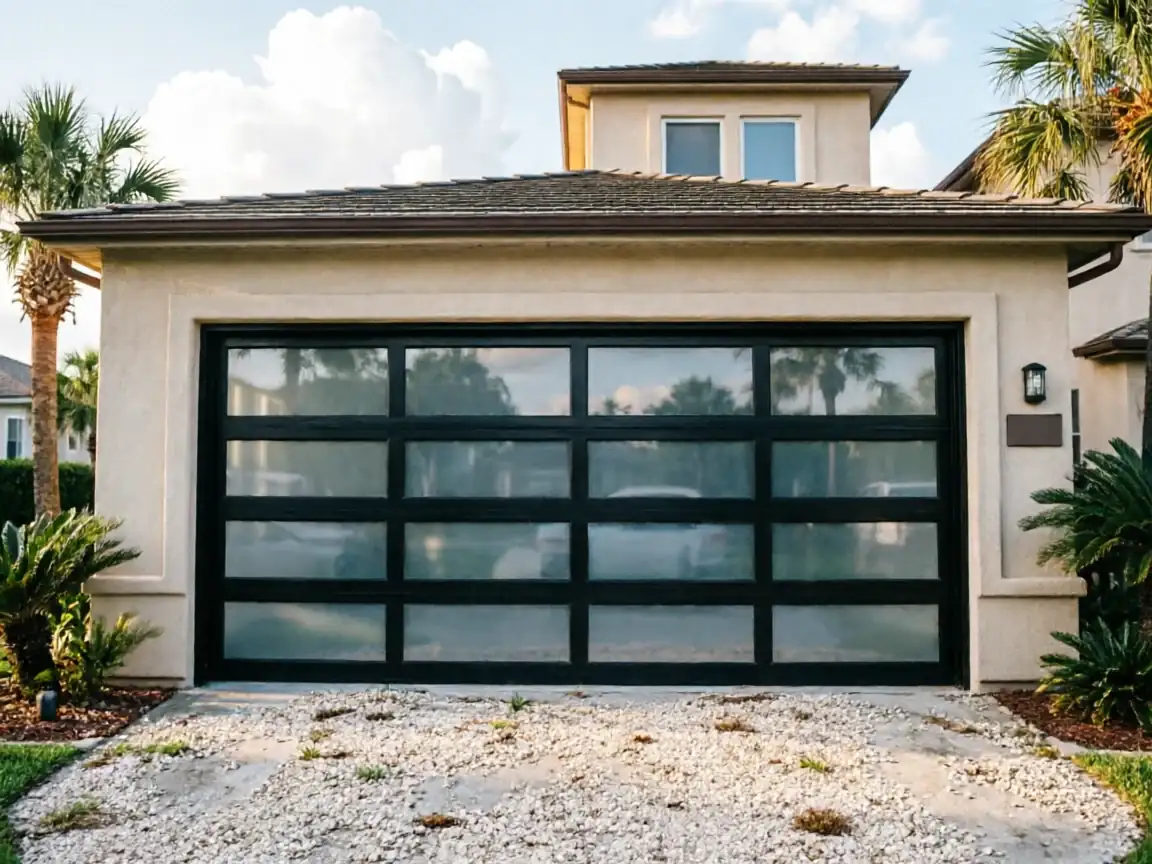
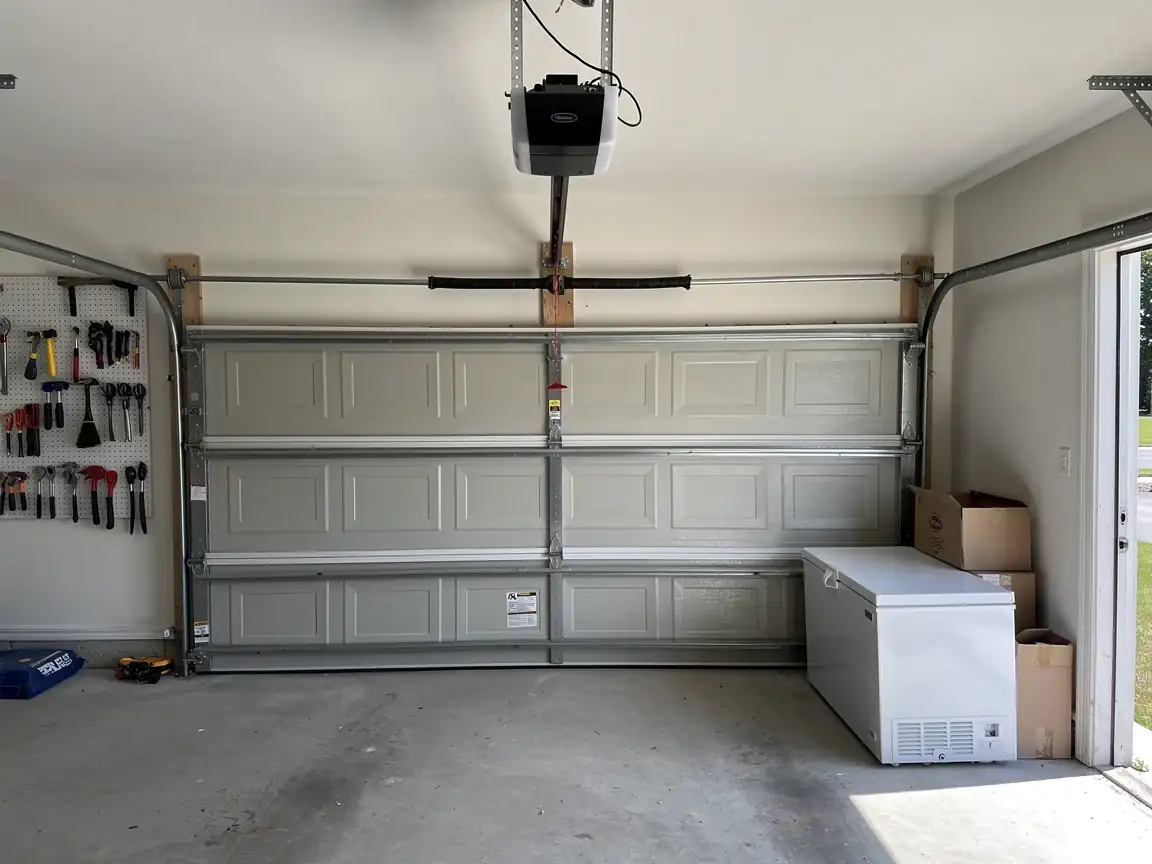
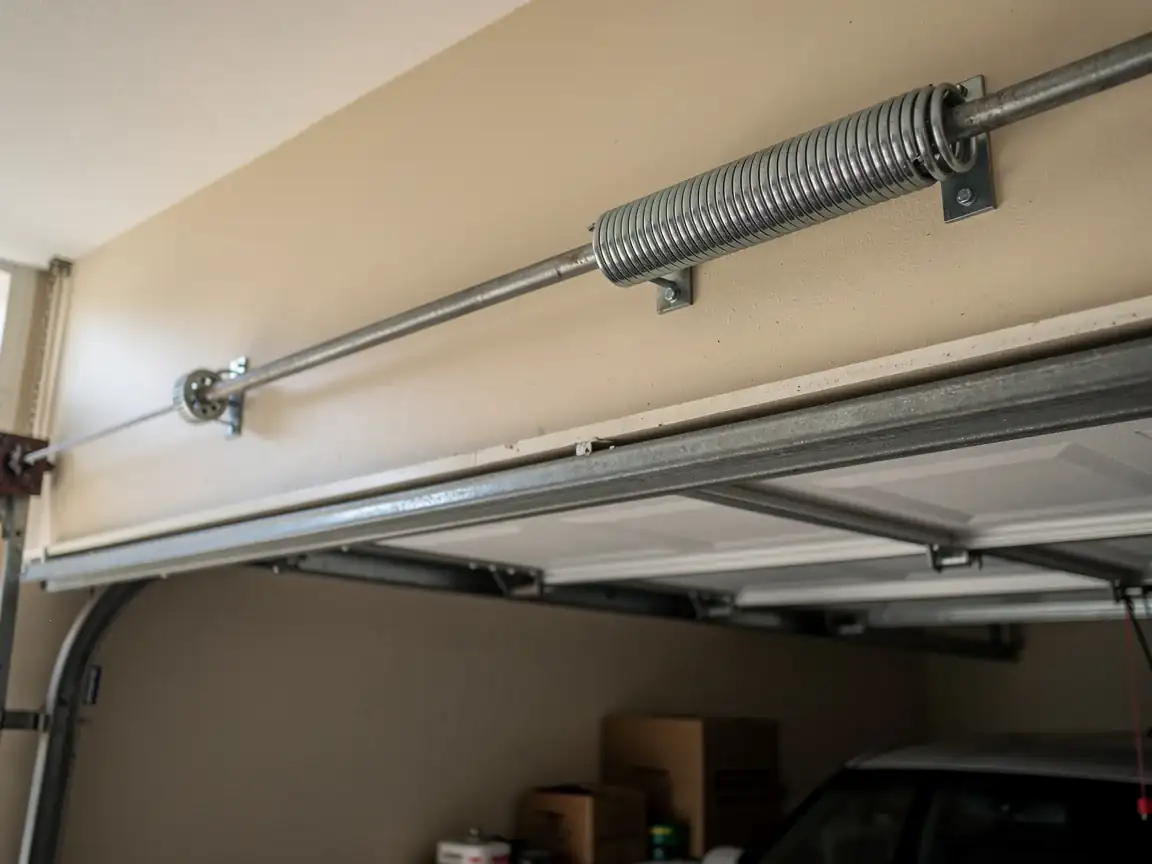
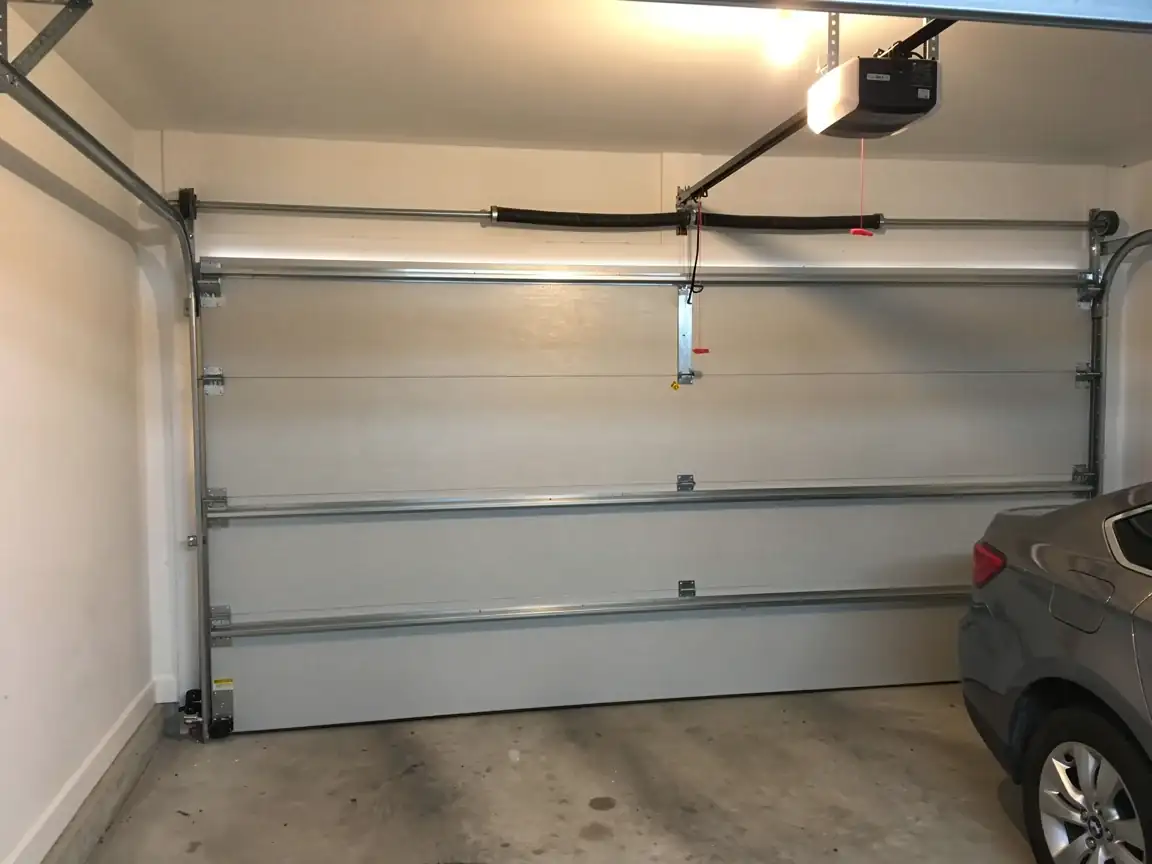
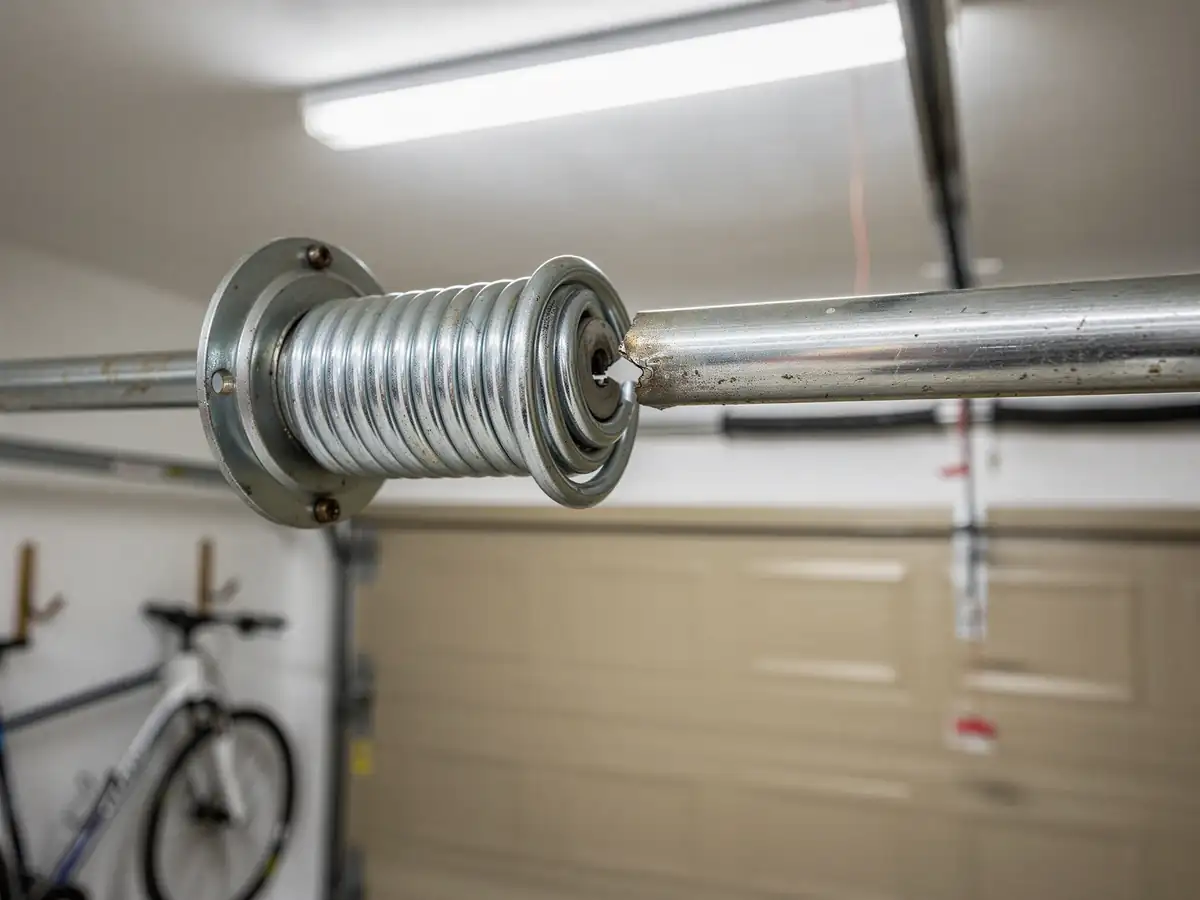
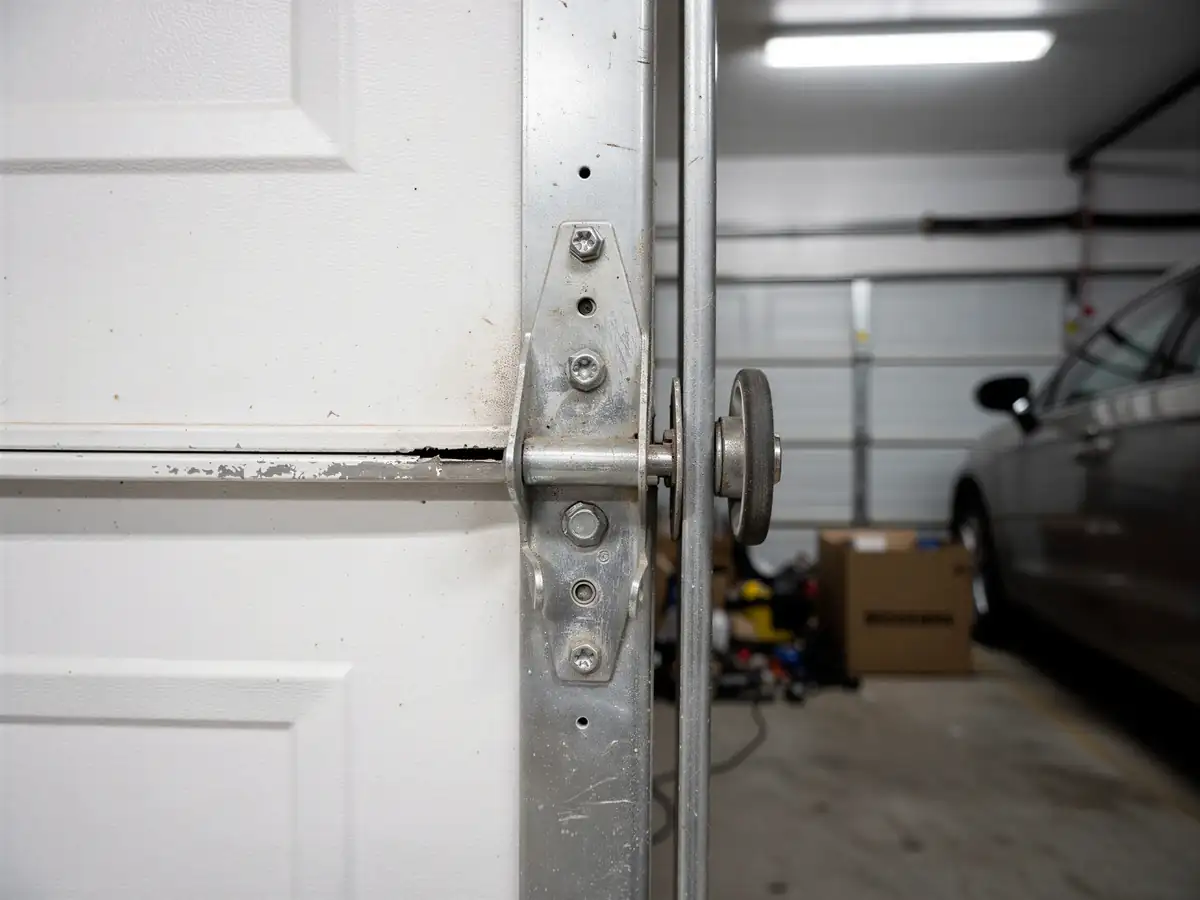
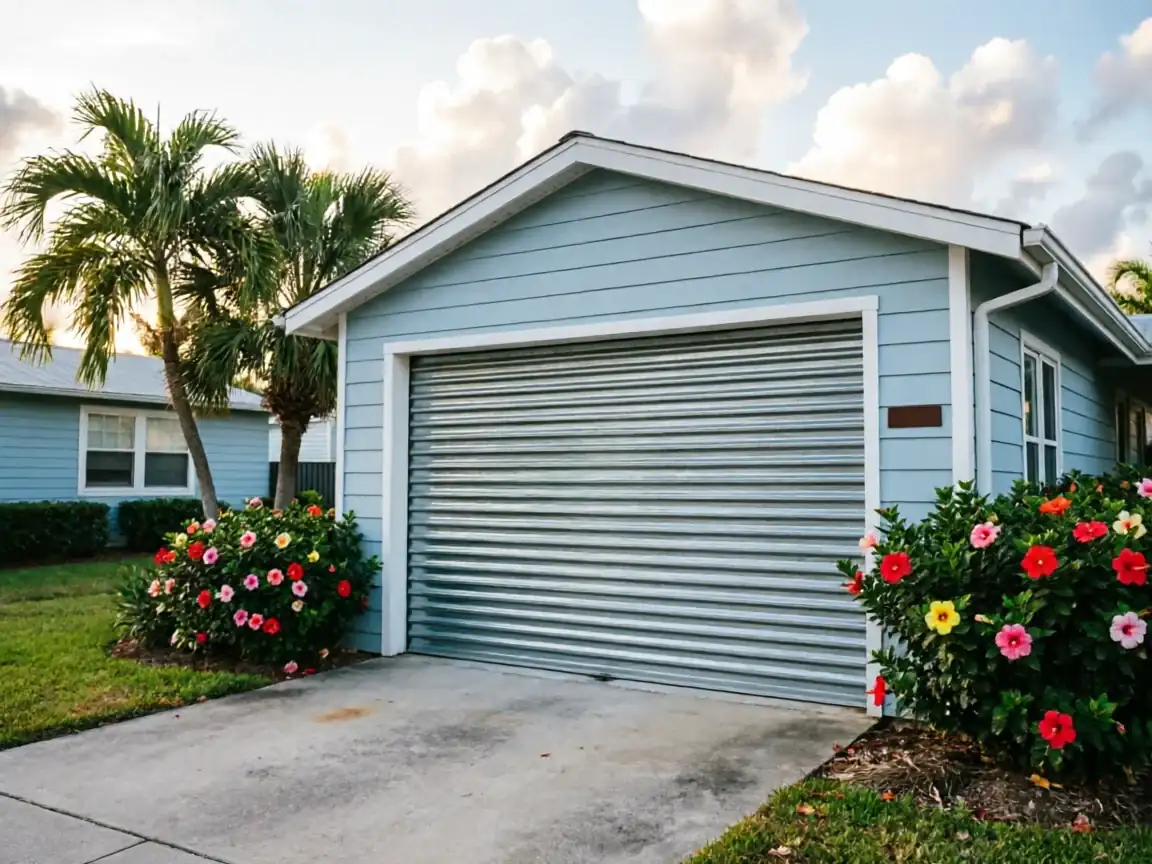
Most of South Daytona's housing went up around 1977, a good decade ahead of the 1986 median you'll find across the wider Daytona Beach service area. That earlier build date matters more than people think. A door hung in the late 1970s is almost always a single-layer steel panel on a 16x7 or 9x7 frame, non-insulated, with the kind of lightweight roller and plain torsion spring that was standard before insulated sections became common. We stock springs and rollers sized for that older hardware, along with the extension-spring conversion parts a lot of these garages still run instead of the torsion setups more common in newer construction nearby. What we don't carry on the truck is anything proprietary to a specific newer opener brand - if your door was swapped out for a 2010s insulated model, that part may need a day to source. Tell us the approximate age of the door when you call and we'll know before we arrive whether it's a same-visit part or an order.
How Long You Are Without the Door
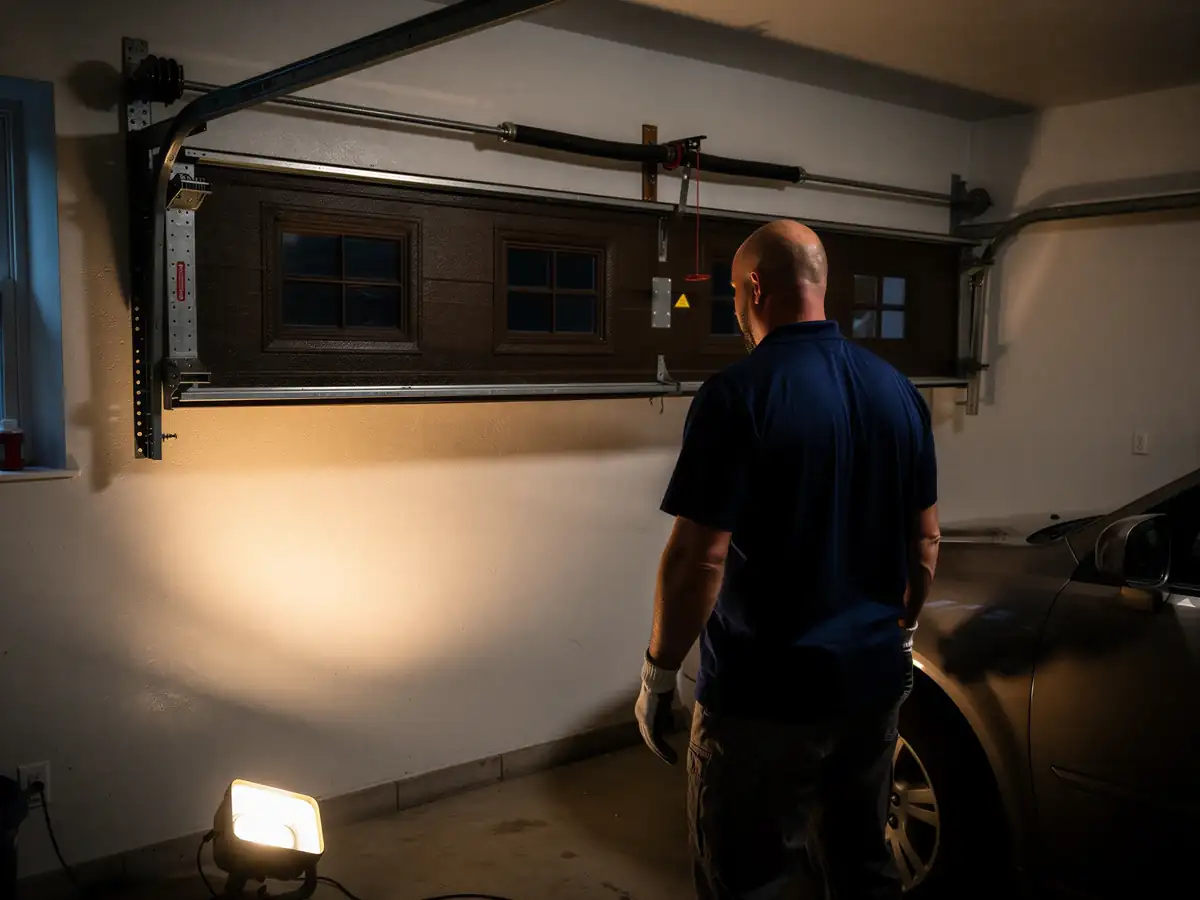
We run out of Daytona Beach, about 6 miles up the road, so the drive itself isn't the variable - what matters is whether the part needed is one we already carry for a door this age. On a door from the 1977 era, a broken spring, a snapped cable, or a worn roller is almost always something we have on hand, because that hardware hasn't changed much in 45 years and the sizes are predictable. Where it stretches out is if the door was replaced more recently with an insulated panel on different track hardware - then we're matching a newer part, not an older one, and that can mean a return trip. The mild climate here doesn't put the same stress on seals and weatherstripping that a snow-belt town would see, so those parts tend to last longer than the springs and rollers that just wear from cycle count. We'll tell you on the phone, before the truck leaves, which category your job falls into.
Can You Do This Yourself
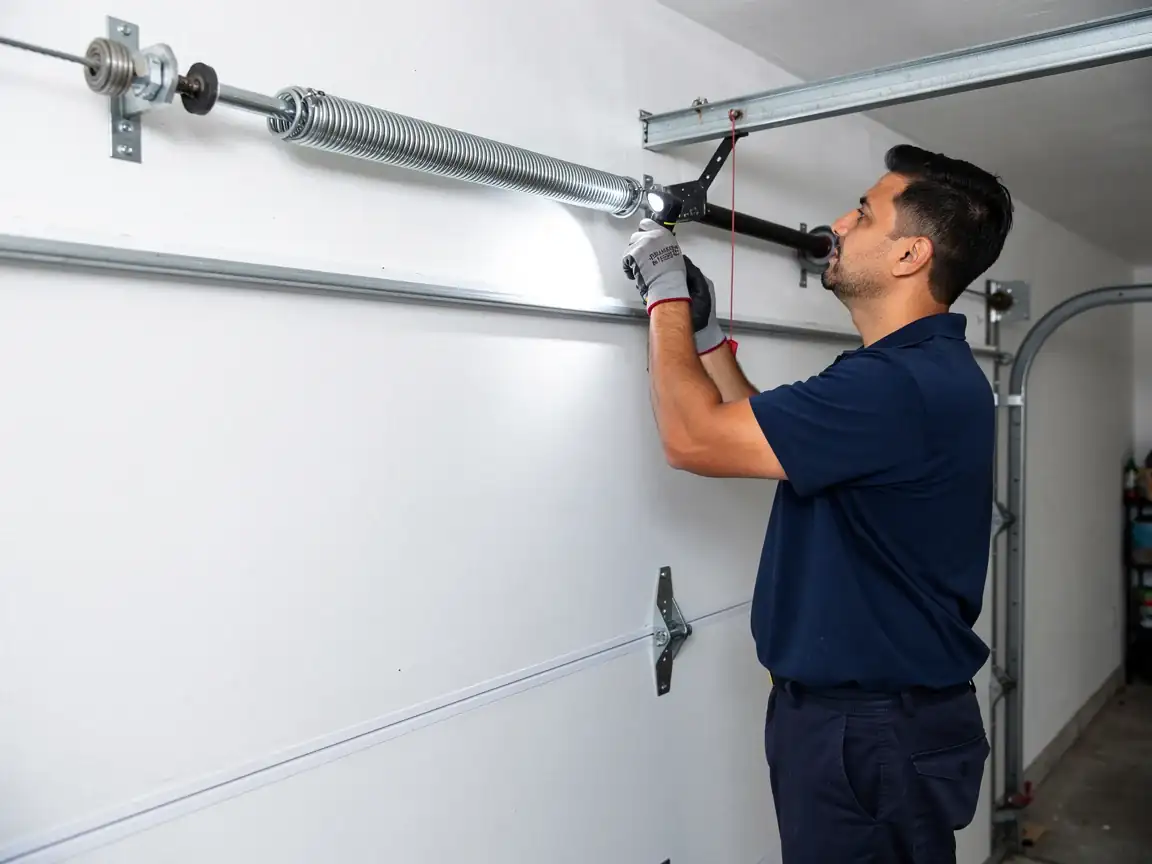
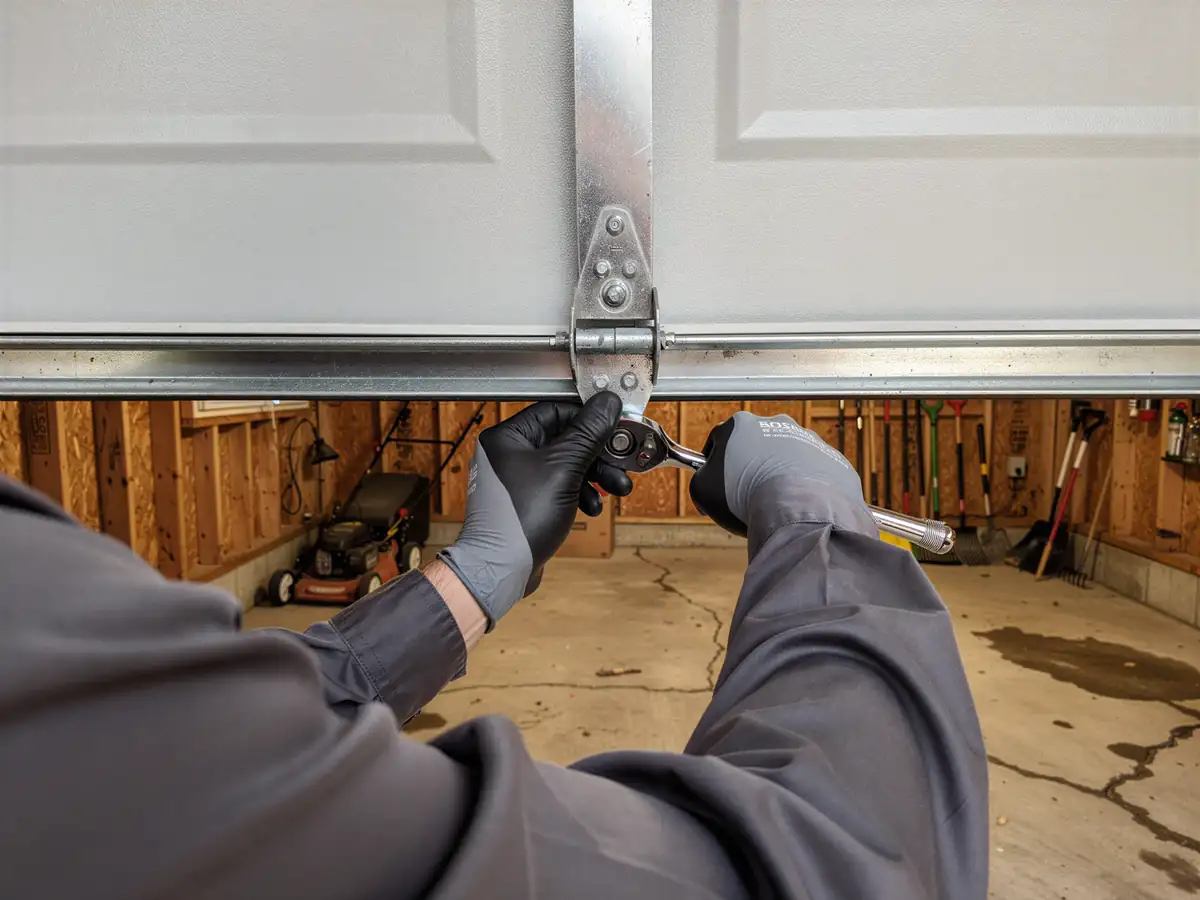
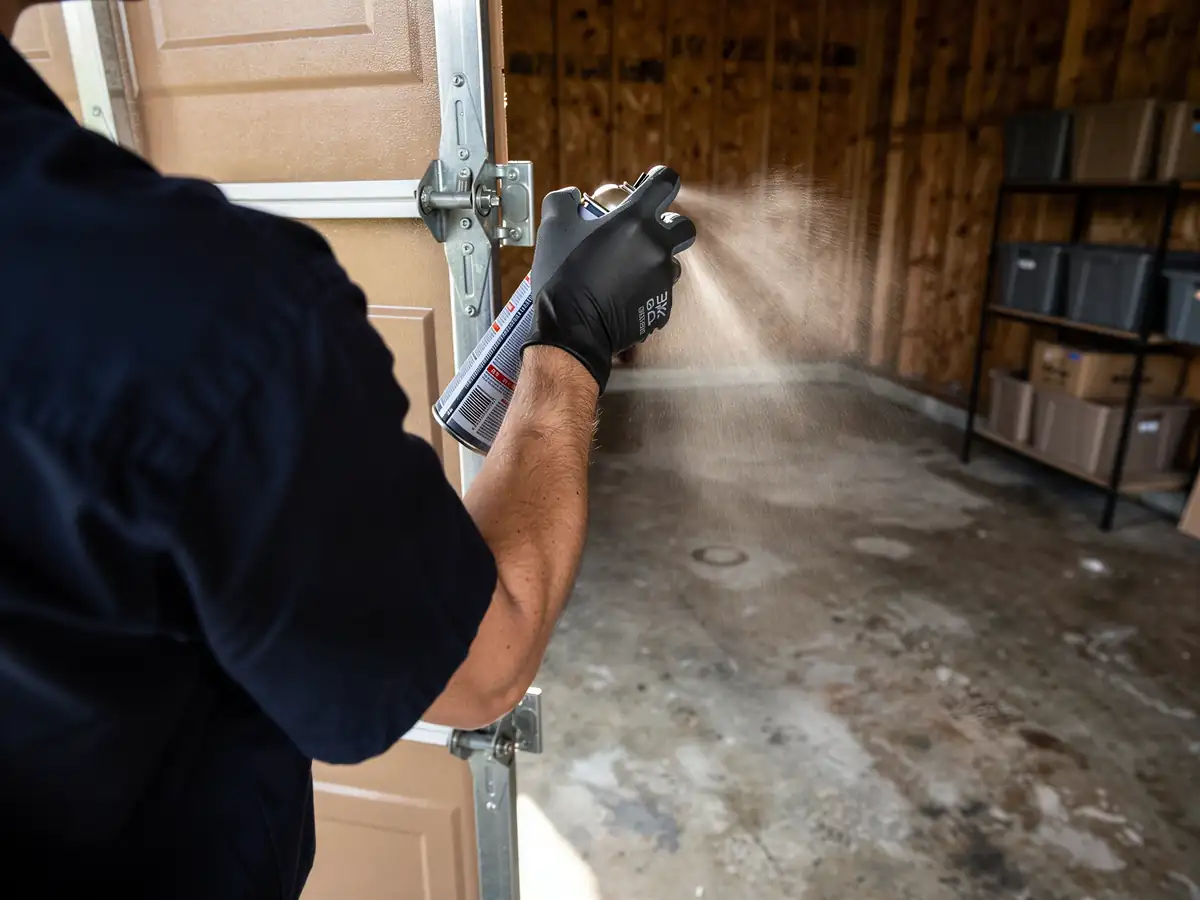
Rollers, hinges, and weatherstripping on an older steel door are reasonable DIY territory if you're comfortable on a ladder and have the right driver bits - none of that involves stored spring tension. Springs are a different matter. A torsion spring under load can cause a serious injury if it lets go while you're working on it, and on a door this old, the spring has usually been in service long enough that you can't judge its remaining tension by eye. If your household income puts a professional call at a real cost - and the median here runs lower than the wider service area - it's worth weighing a $20 roller against a spring job that goes wrong. We'll walk you through which repairs on a 1977-era door are safe to try and which ones we'd rather you not.