Parts We Carry
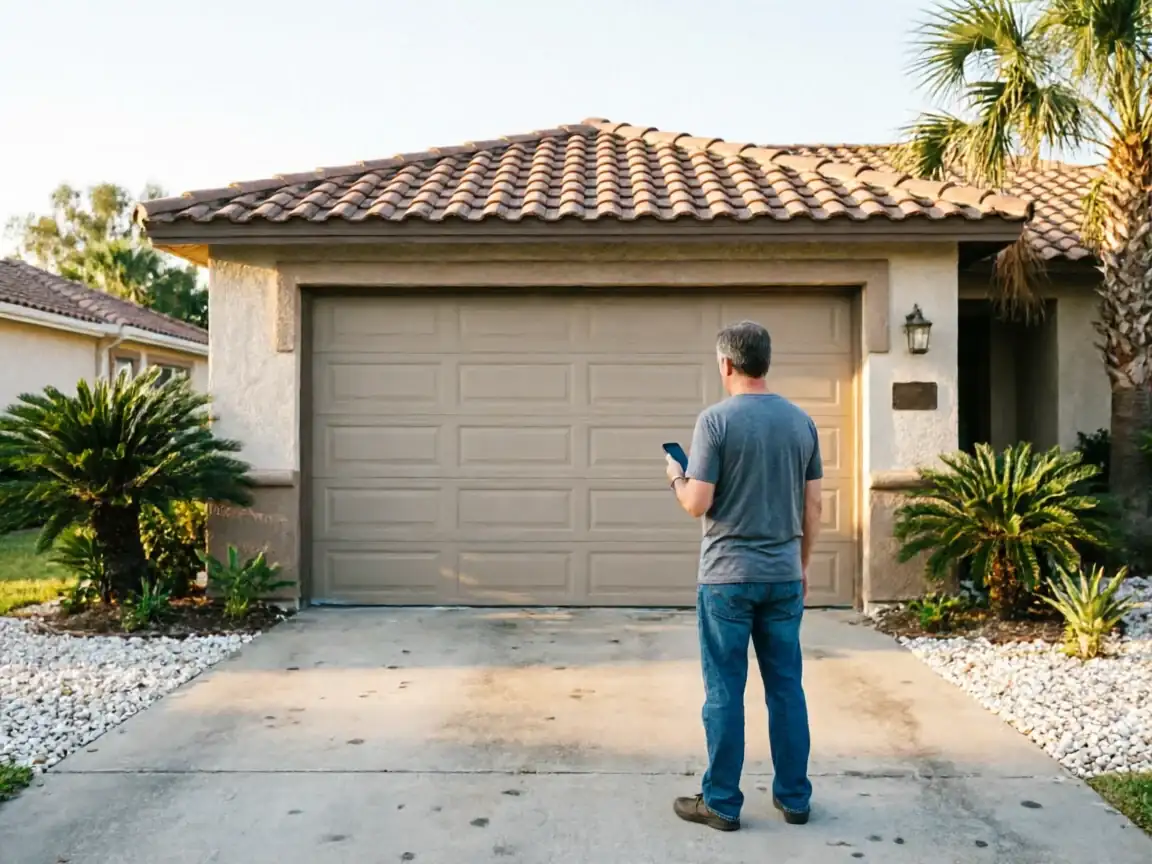
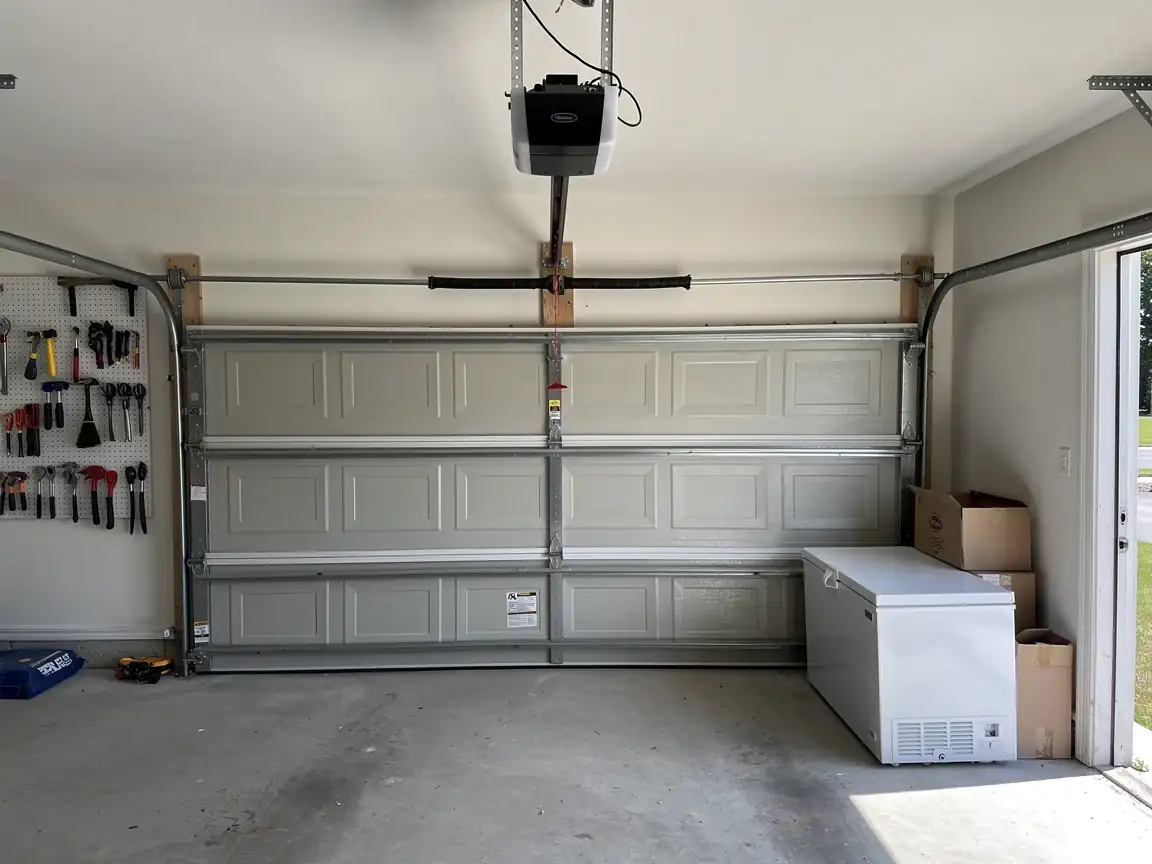
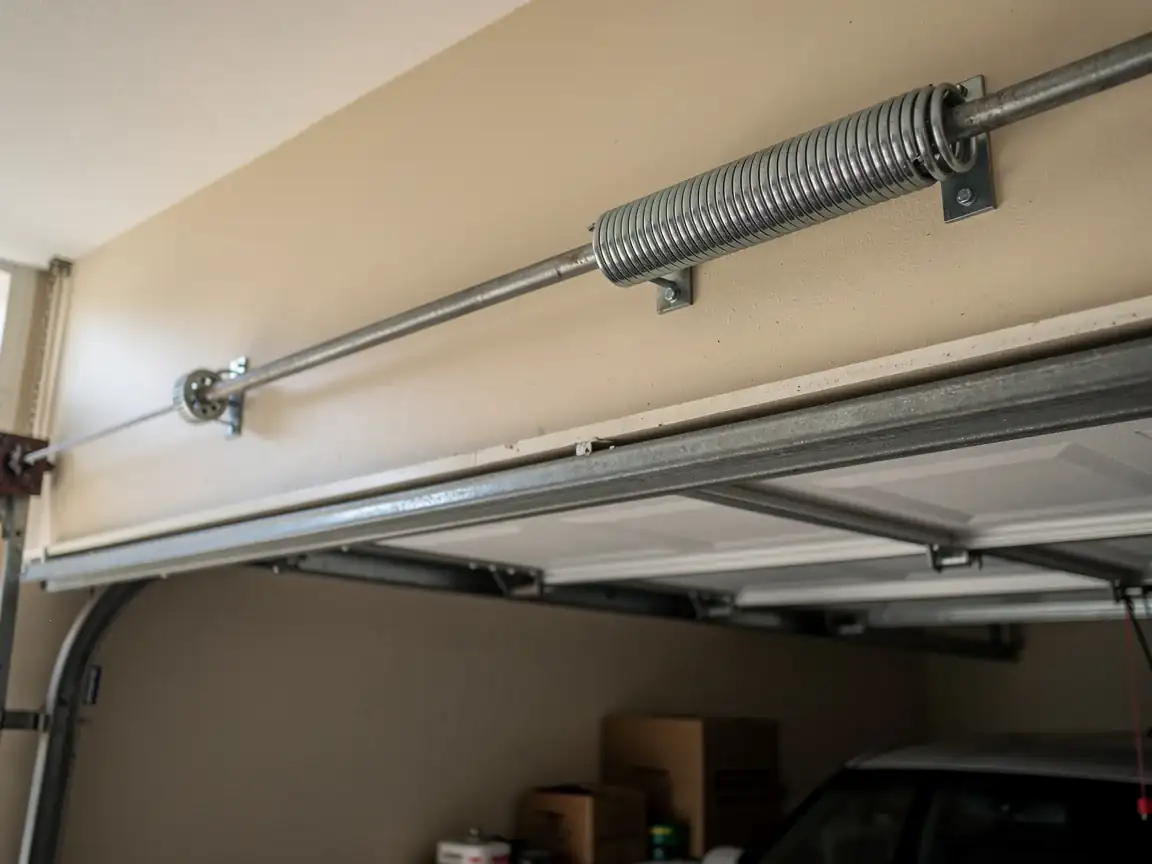
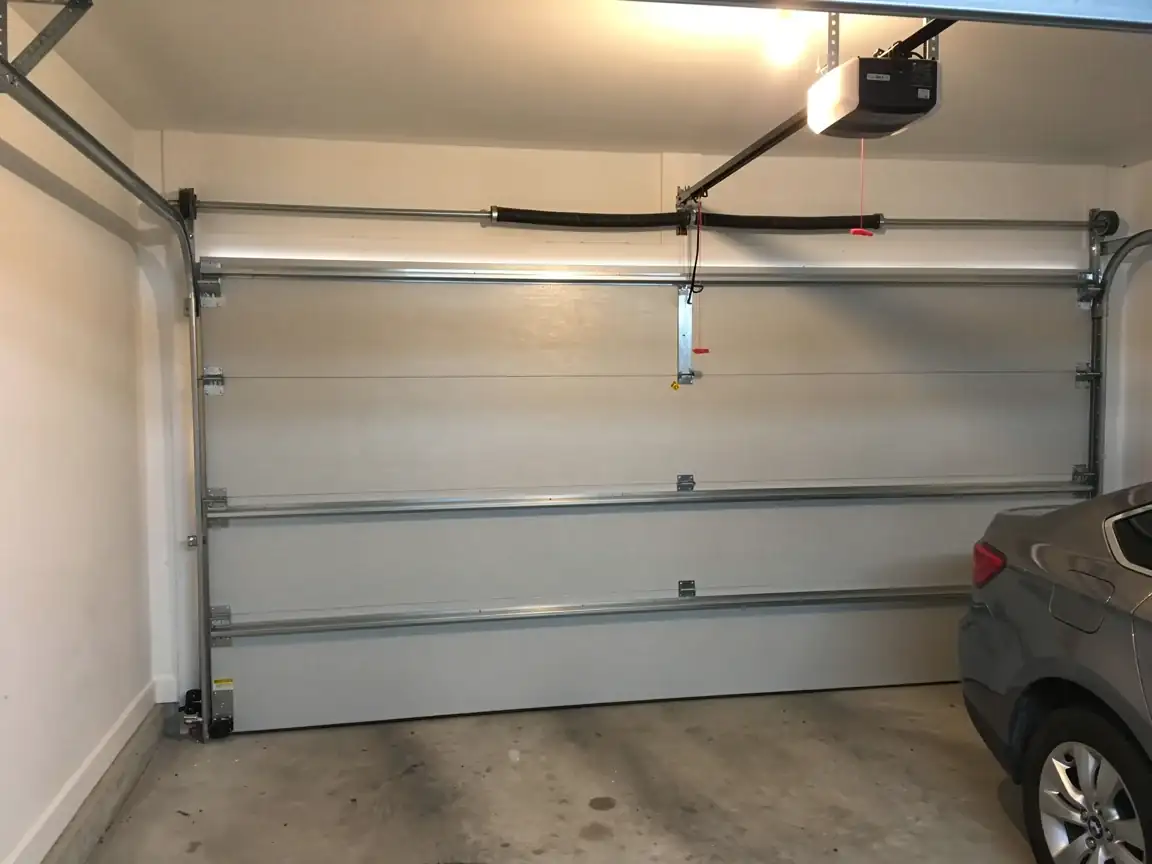
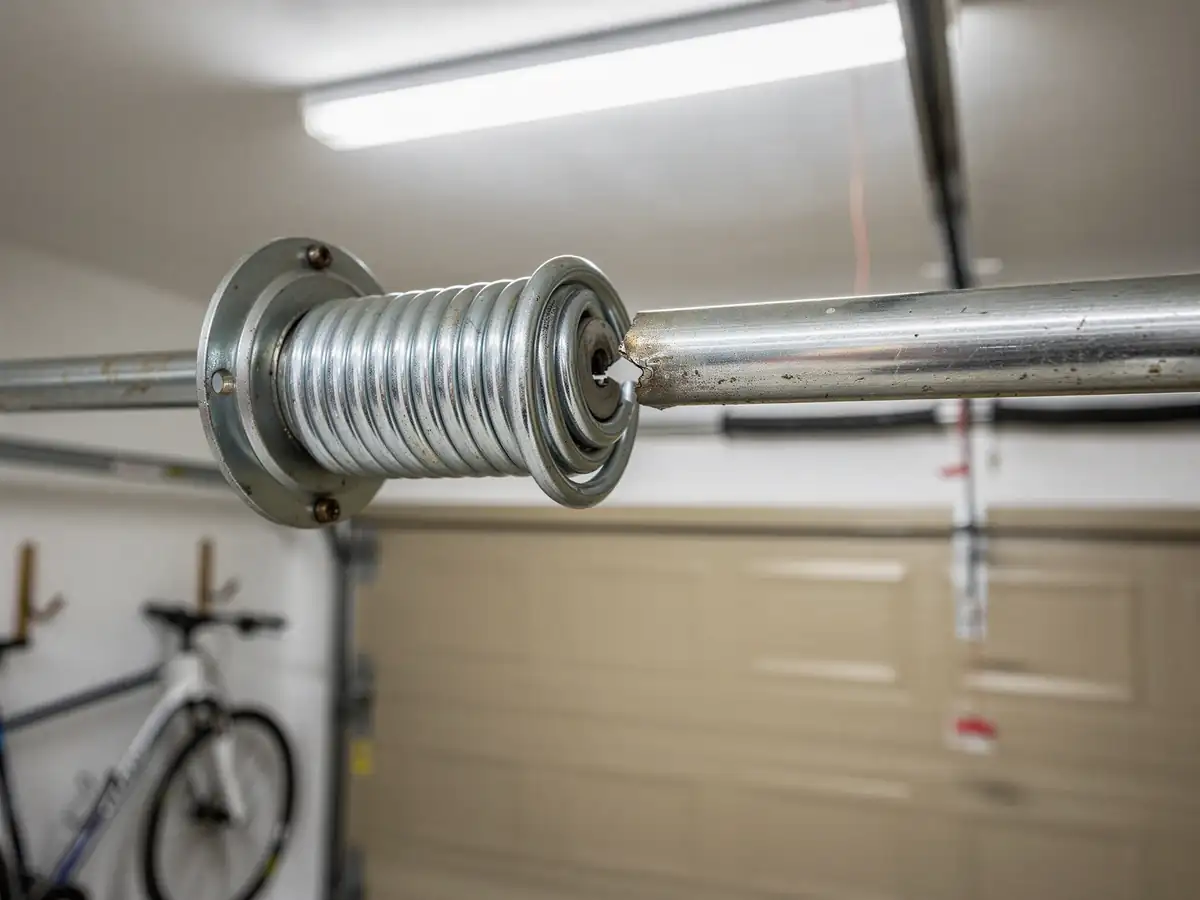
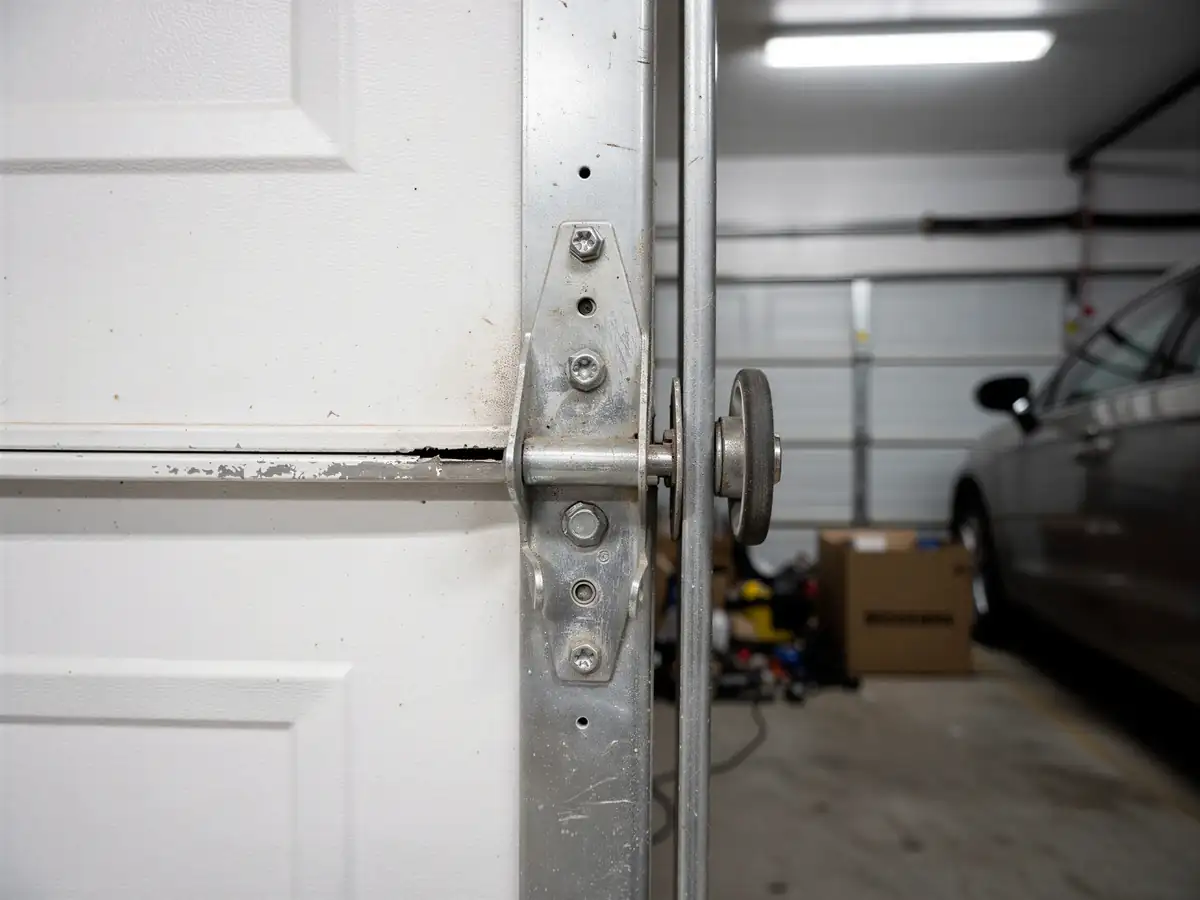
Most homes in South Daytona went up around 1977, which puts this suburb on the older edge of the broader 1972-1993 build window we see across the service area. A house built in 1977 has had close to fifty years to wear out a torsion spring, and a lot of them are still running whatever shipped from the factory. That means when we get a call here, we're not guessing - we're loading springs sized for the lighter steel sections and narrower track common to that era, along with the stamped-steel rollers and the single-nut drum fittings that builders used before nylon rollers and sealed bearings became standard. We also carry the newer parts, because plenty of these doors have had one replacement already - usually the opener, sometimes the spring, rarely the whole track system. What we don't stock on the truck is anything custom-sized. If a door's been modified with a non-standard header or someone's welded a bracket that isn't factory, we may need to order a part, and that's a day or two, not an hour. We'd rather tell you that up front than make you wait at a closed door while we figure it out on site.
If your opener still has a chain drive and a keypad with worn-off numbers, that's consistent with the age of housing stock out here, not a sign you've been neglecting it.
How Long You Are Without the Door
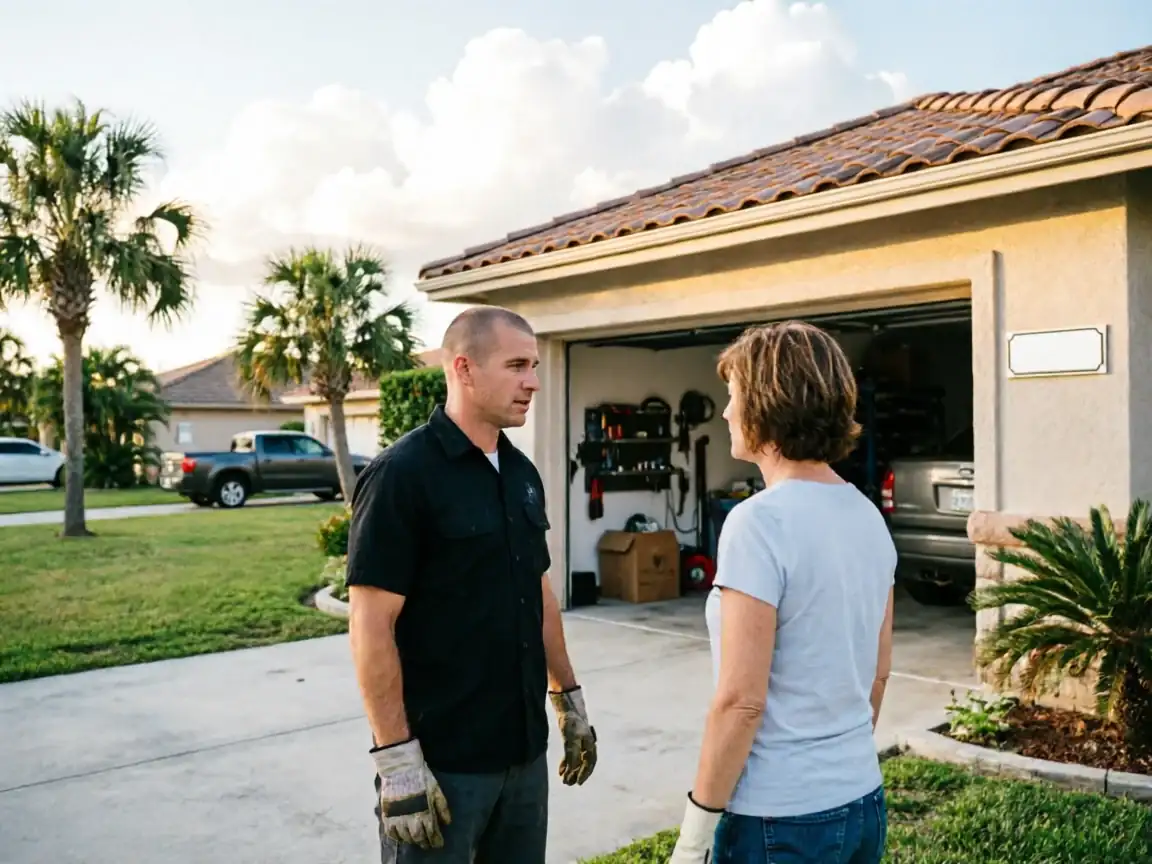
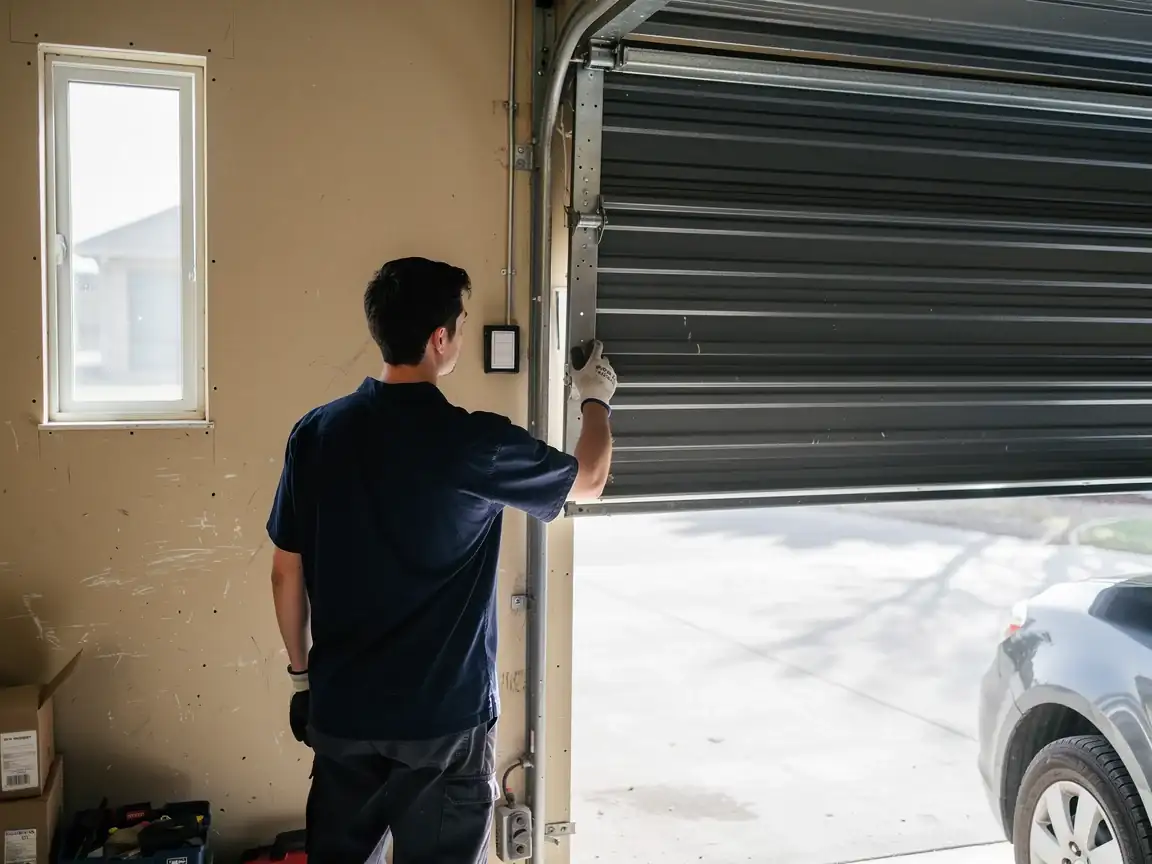
We run out of Daytona Beach, about 6 miles from South Daytona, so there's drive time built into every call - we're not stationed in the neighborhood. Once a truck is on site, most spring and cable jobs close out the same visit, because those are stock parts we carry. Where it stretches is parts we don't carry on the truck: an opener logic board for a less common brand, or a replacement panel if the original has been dented and the manufacturer no longer makes an exact match for a door this old. On a street where half the houses still have their original one-piece or sectional doors from the late 1970s, panel matching comes up more than it would in a newer subdivision. We'll tell you on the phone, before we drive out, whether your symptom sounds like a same-visit fix or a parts-order situation, so you're not stuck guessing whether to block off a whole day.
Can You Do This Yourself
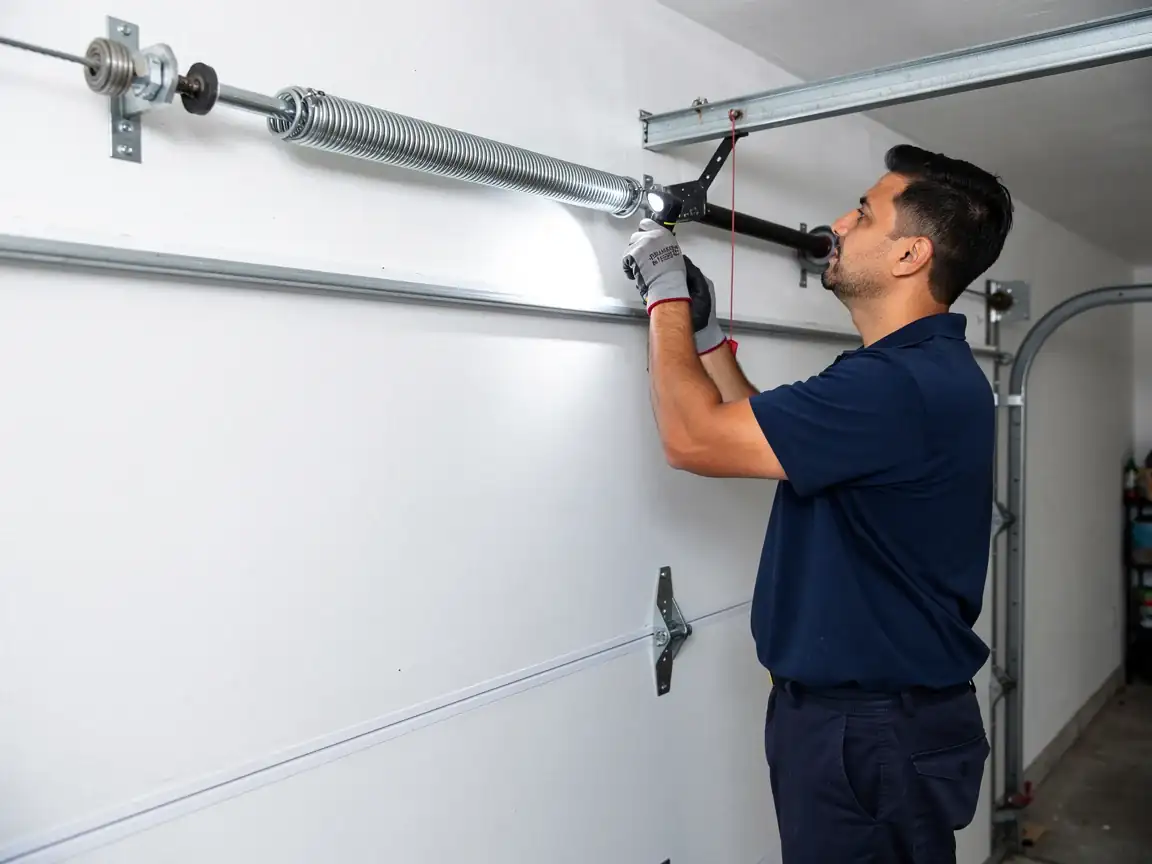
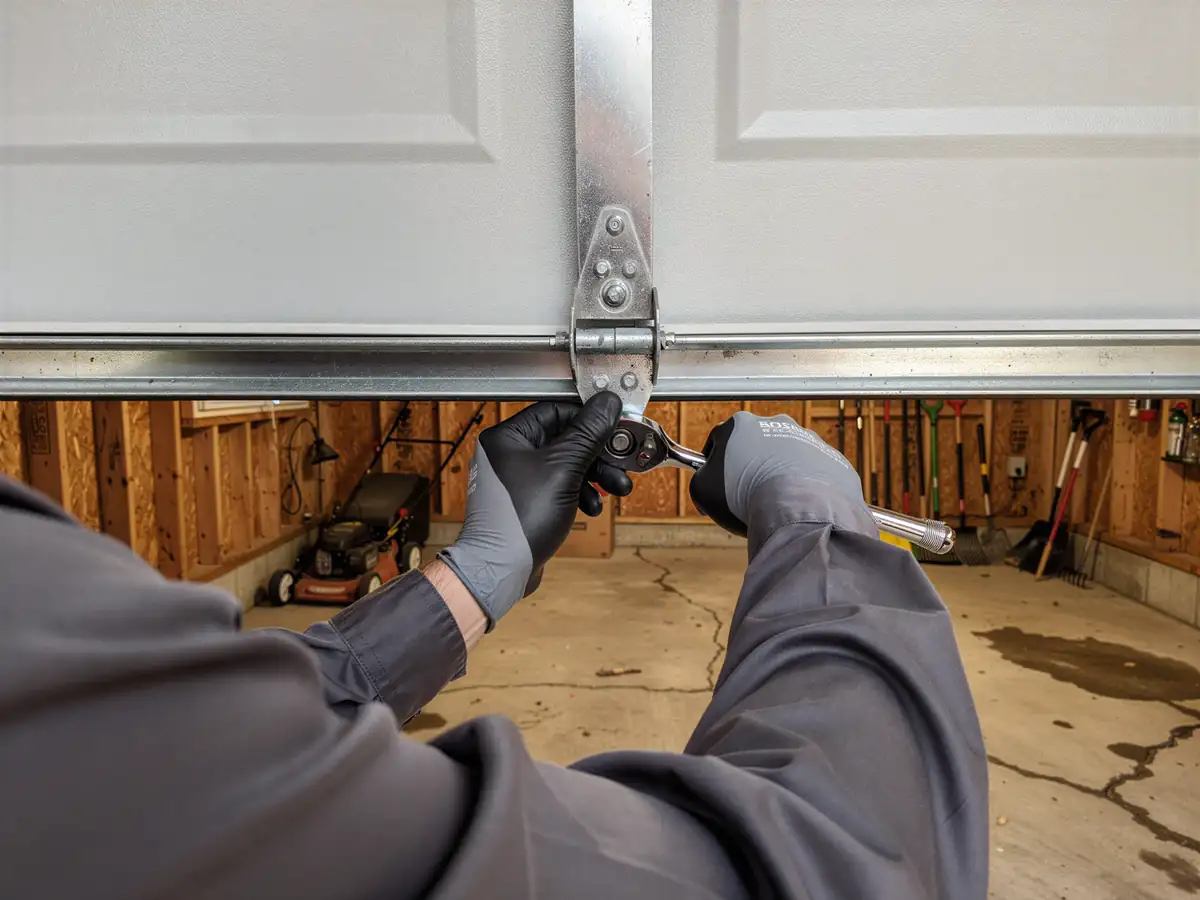
Torsion springs store enough force to break a wrist or worse, and that doesn't change because a house is older or newer. On a door built around 1977, the real risk is that the winding cone, the bearing plate, or the track bracket has corroded enough that it doesn't behave the way a modern part would under load - something can shift when you don't expect it. Rollers and weatherstripping are reasonable DIY territory on any door. Springs, cables, and anything involving the torsion bar are not, especially on hardware this age where you can't always tell from the outside how much the steel has fatigued. If the door is sagging unevenly, or one side drops faster than the other when you pull the release cord, stop and call - that's a spring or cable problem, not an opener problem, and it's not a safe one to chase yourself.