Parts We Carry
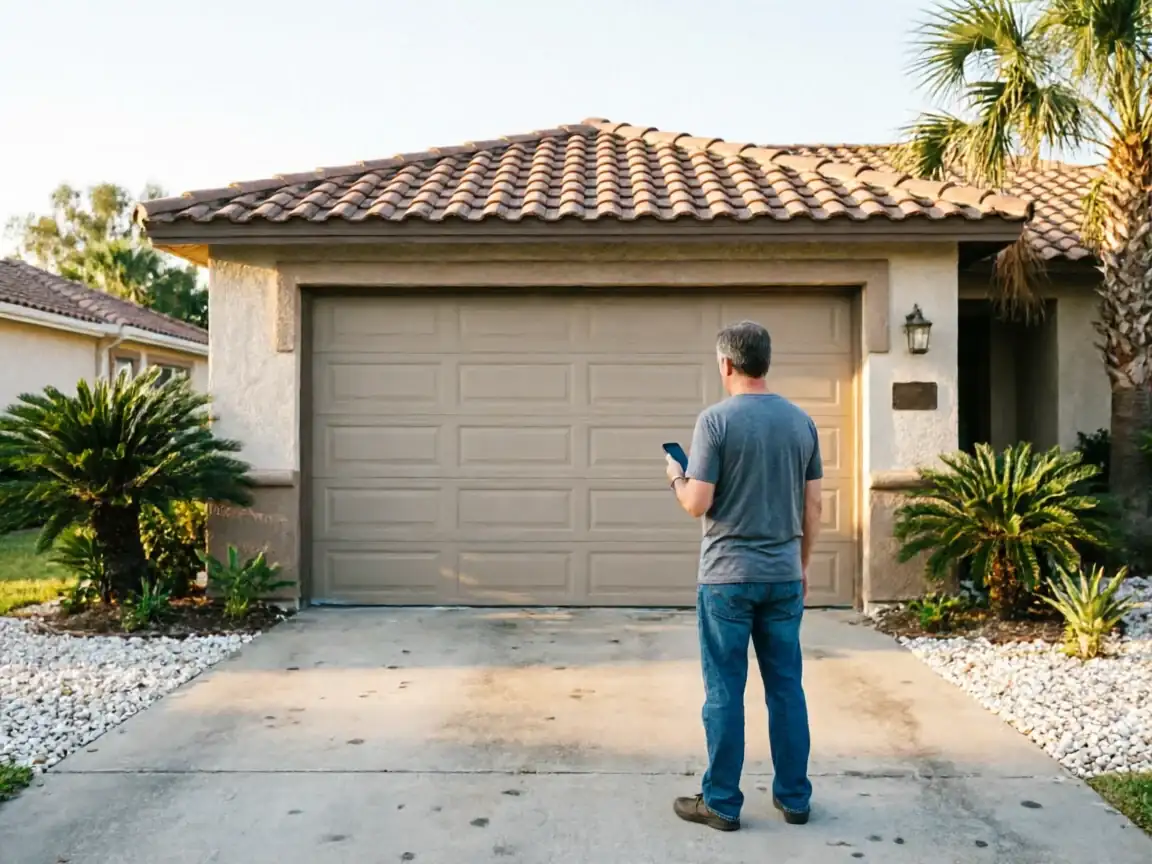
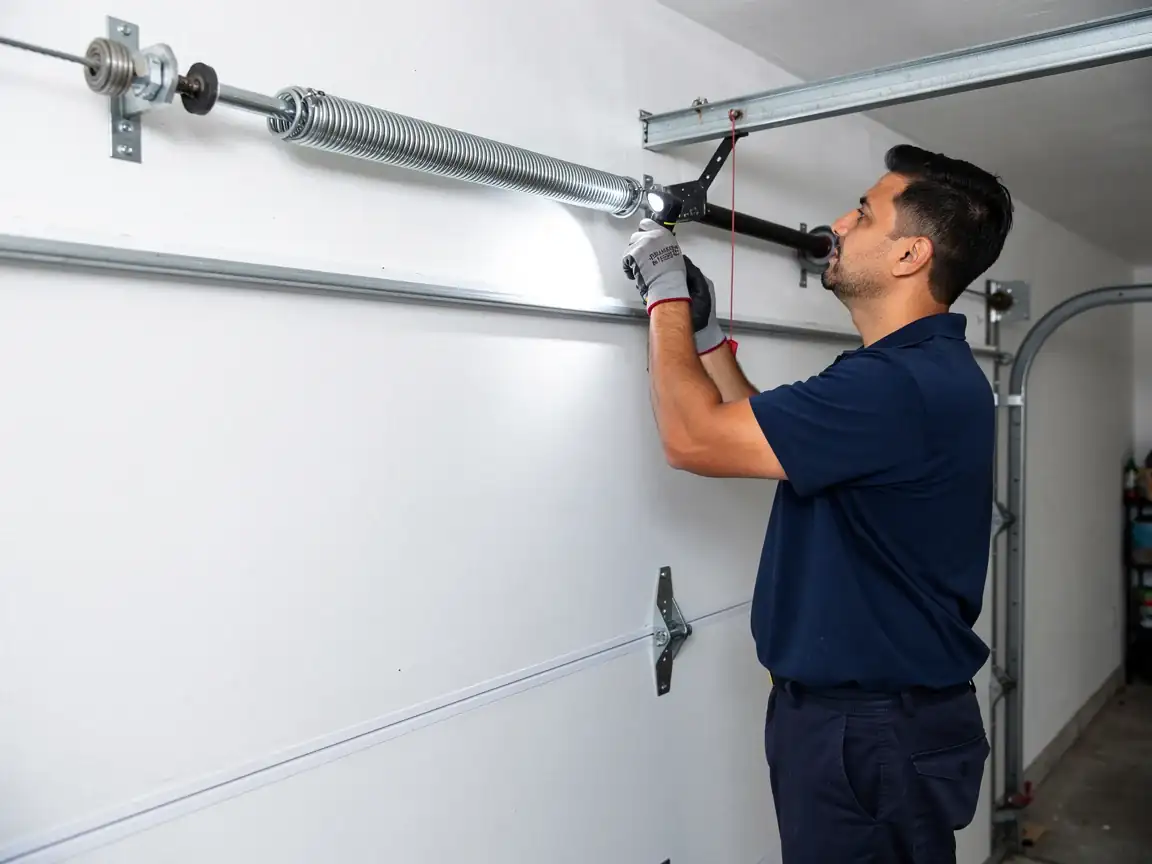
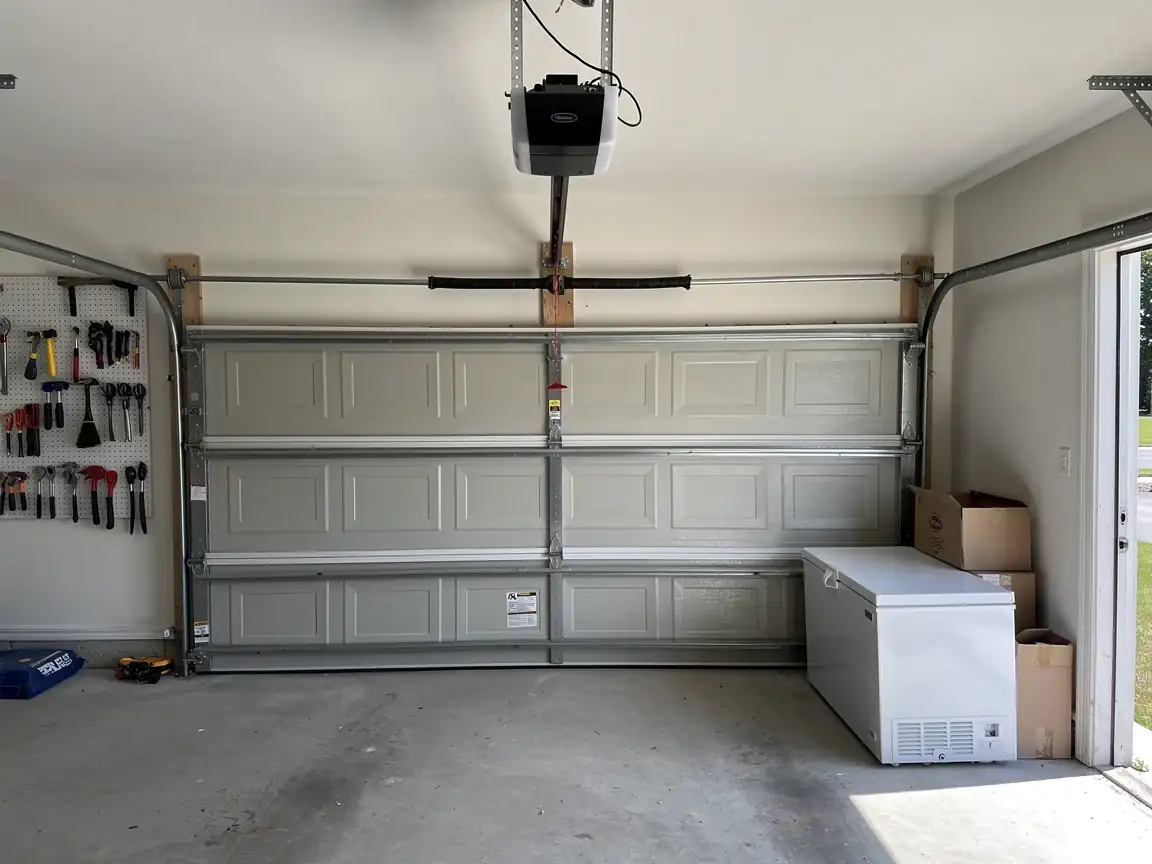
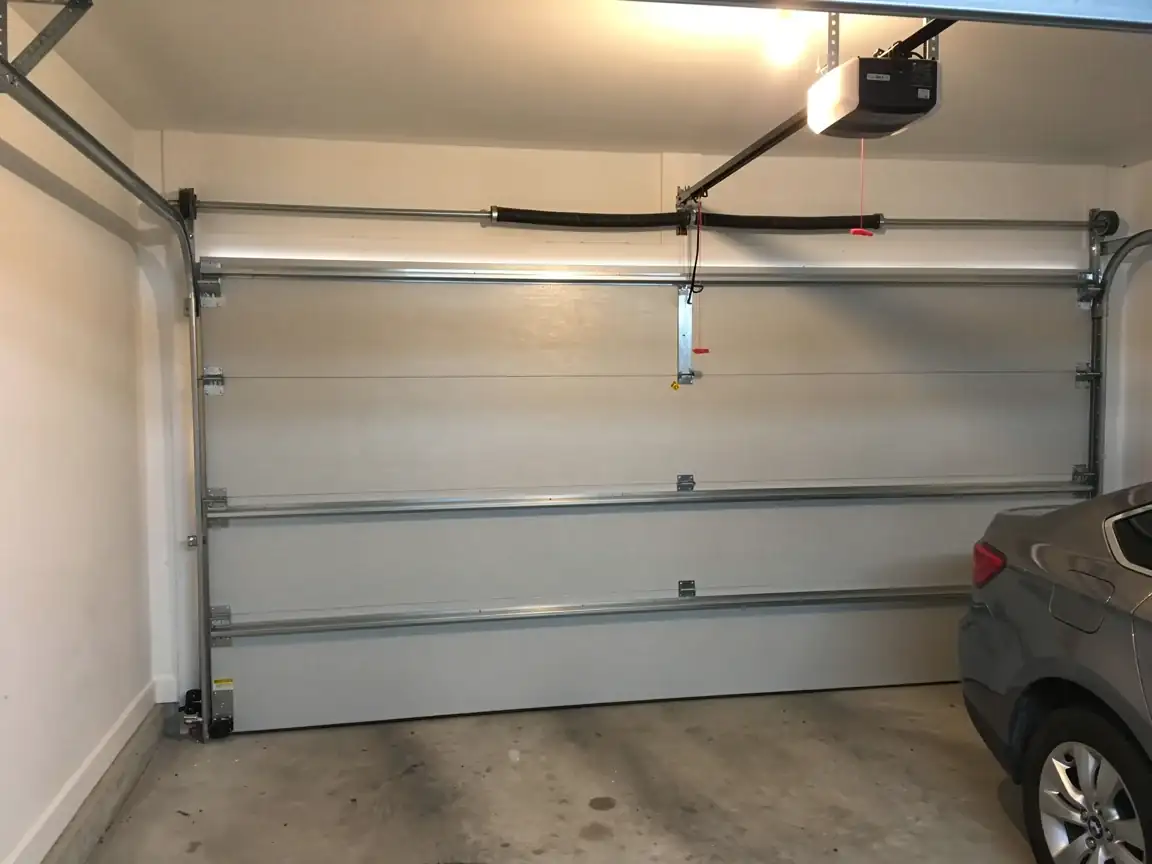
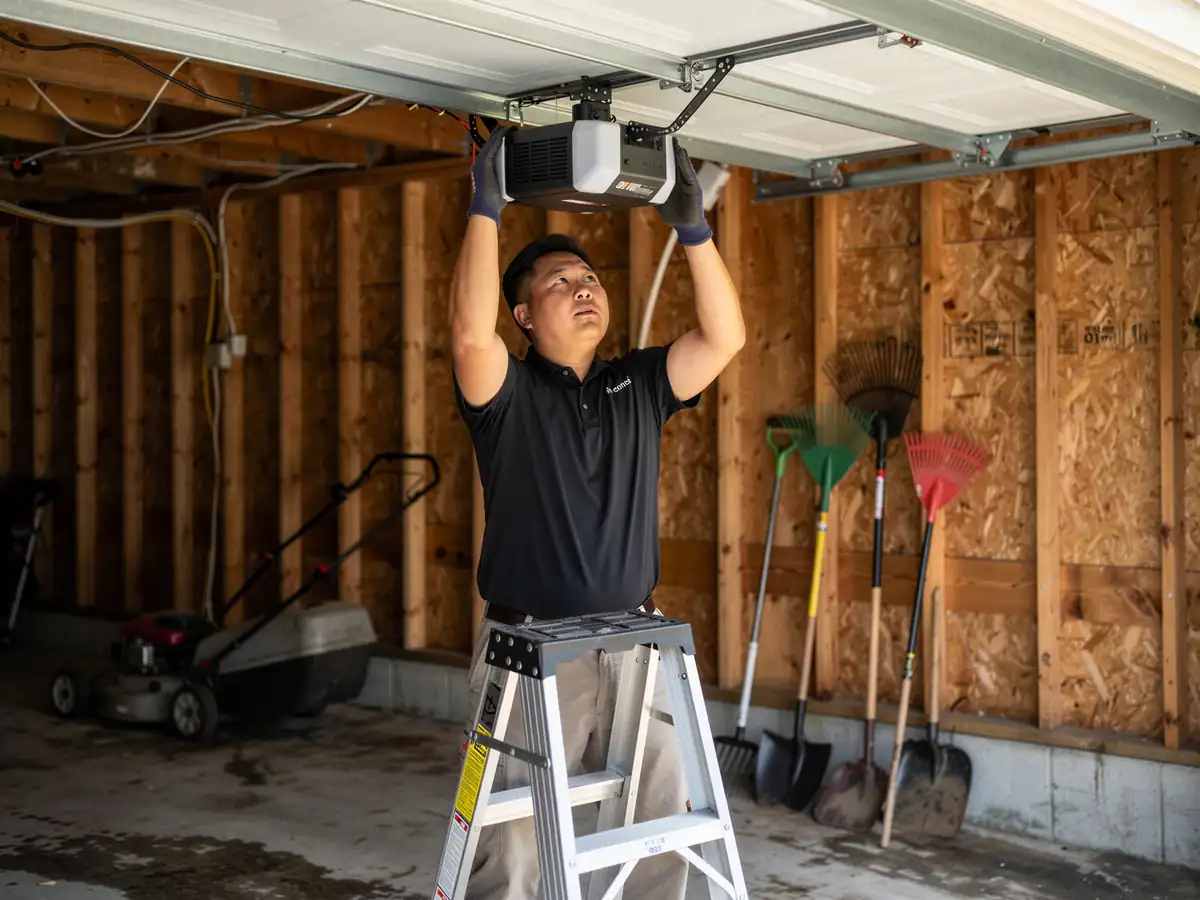
Most of South Daytona went up around 1977, close to a decade ahead of the 1986 median build year across the wider Daytona Beach service area. That matters for opener work because houses from that stretch usually still have the original single-car or narrow double tracks, older 110v wiring runs to the garage, and in plenty of cases no safety reversal sensors at all - a feature that didn't become standard until later. We carry chain-drive and belt-drive openers in the horsepower ranges that fit those older rail lengths, plus the wiring hardware to bring the circuit up to a safe modern standard. We also stock the photo-eye sensor kits these houses were built without, since we won't install an opener without them. The mild coastal climate here means we're not fighting extreme cold or heat-rated gear decisions the way a shop up north would - a standard-duty opener holds up fine. What we don't carry on the truck is every wall-mount or smart-opener accessory on the market; if you want a specific brand's app-connected unit, tell us before the appointment so we can bring the right one.
How Long You Are Without the Door
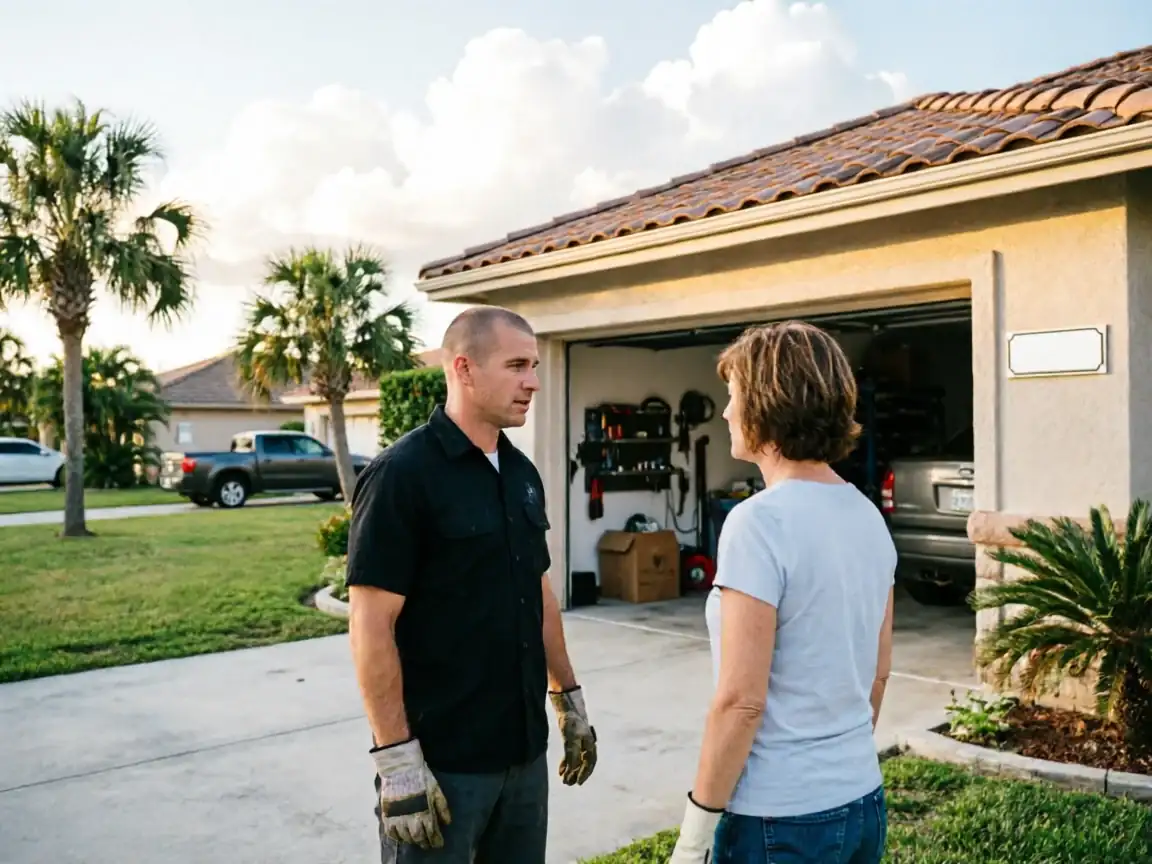
We run this job out of Daytona Beach, about six miles from South Daytona, so the appointment itself isn't a walk-in - it's scheduled. Once we're on site, a straight opener swap on an older single-track door usually runs a few hours start to finish, including pulling the old unit, rewiring to code, and setting the new safety sensors. If your garage was never wired for an opener circuit at all, which still turns up in houses from the late 1970s, that adds time because we're running new line rather than swapping onto existing wiring. We don't keep a local stock point in South Daytona itself, so if a part isn't on the truck that day, it's a return trip rather than a same-day fix. We'll tell you on the first look whether what we're carrying covers the job or whether we need to order anything.
Can You Do This Yourself
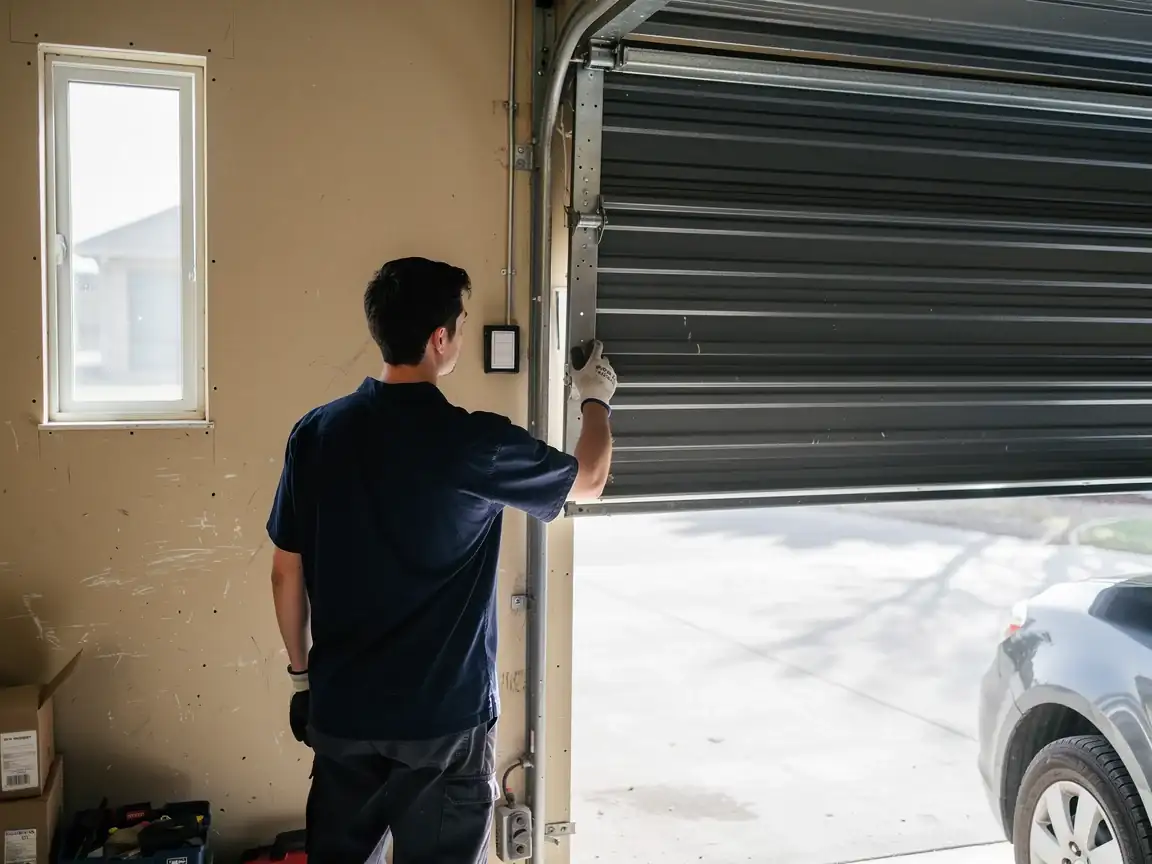
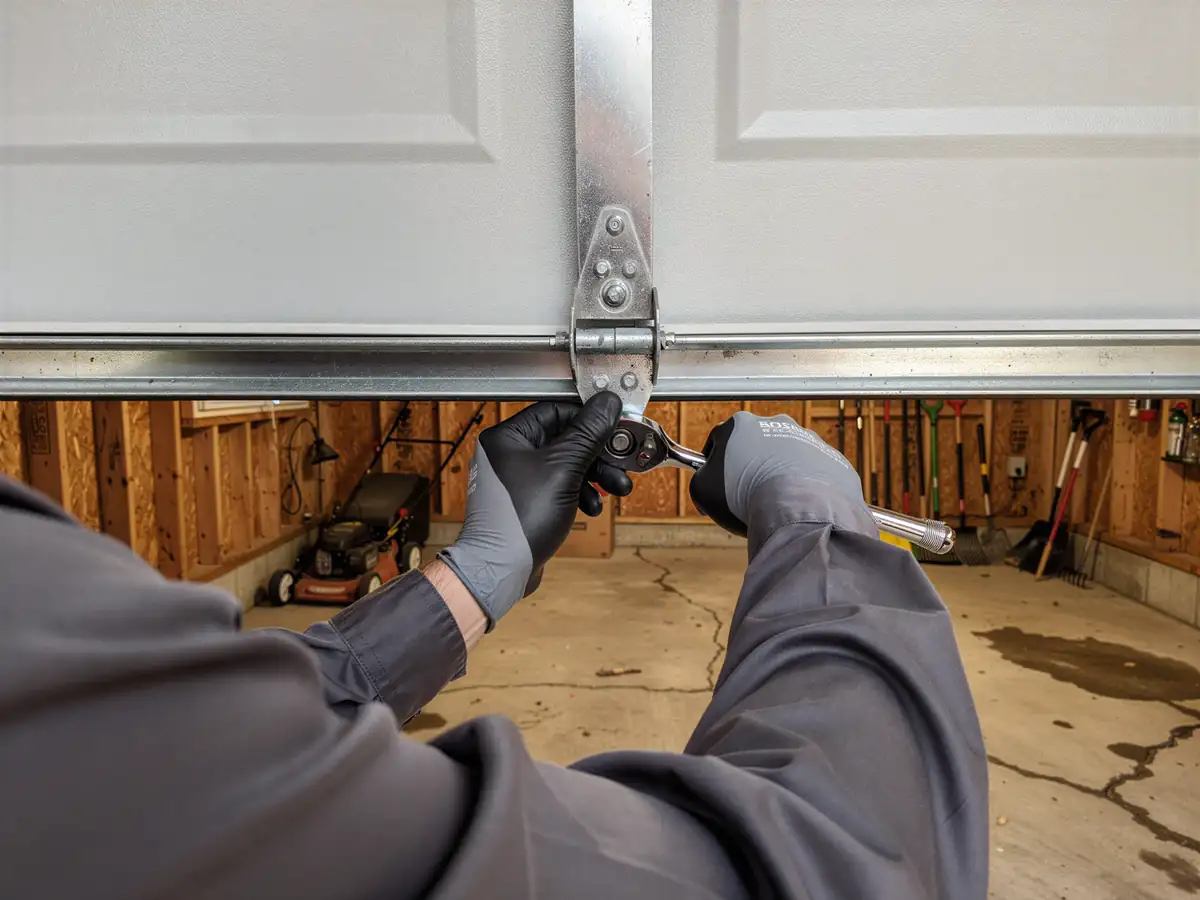
A straight opener swap, bolt for bolt, is within reach for someone comfortable with basic electrical and ladder work. Where it stops being a DIY job is the wiring and the safety sensor alignment - on a house from the late 1970s with no existing opener circuit, you're not just swapping a motor, you're running new line to code, and that's not a place to guess. We also see owners skip the force-setting step, which is the one that keeps the door from closing on a car, a pet, or a kid. If you've already got a working circuit and just want the motor and rail swapped, that's a reasonable weekend project. If you're starting from a door with no opener wiring at all, or you're not sure what's behind the drywall, that's where calling it in saves you a second trip to fix a job done once.