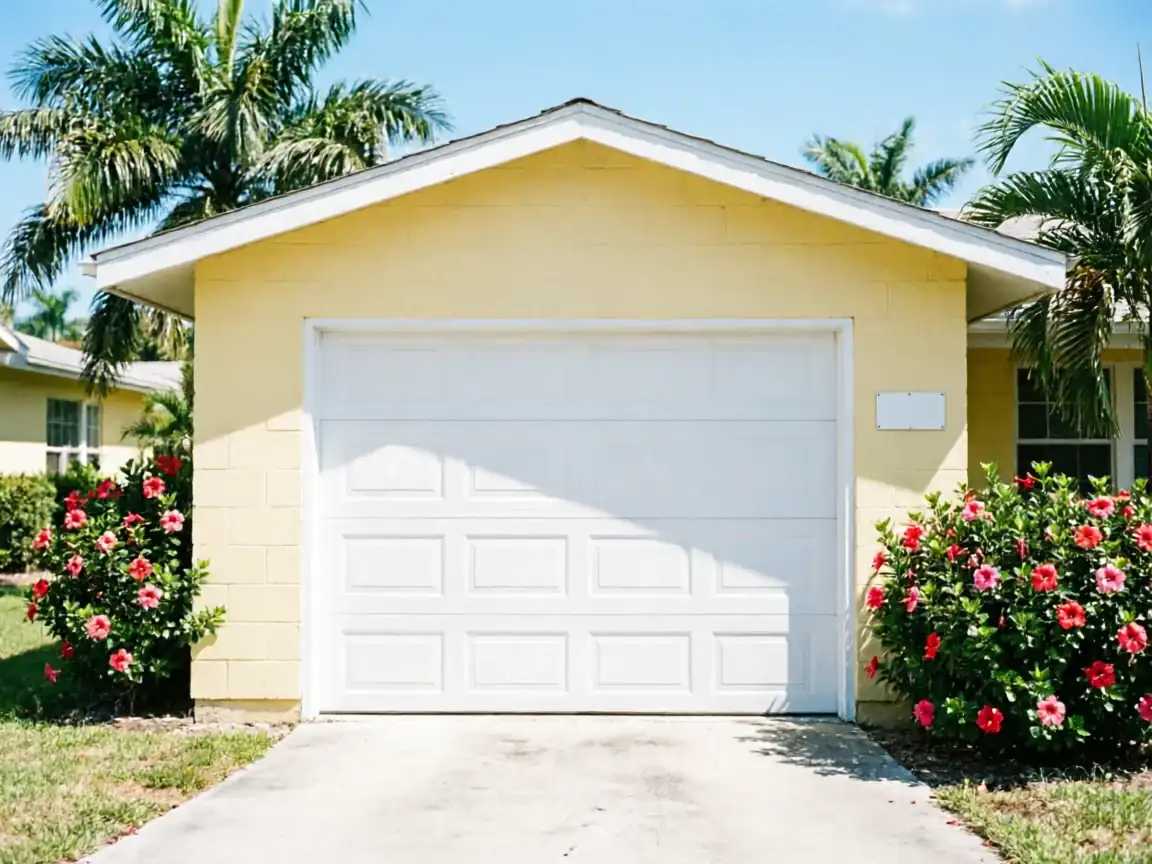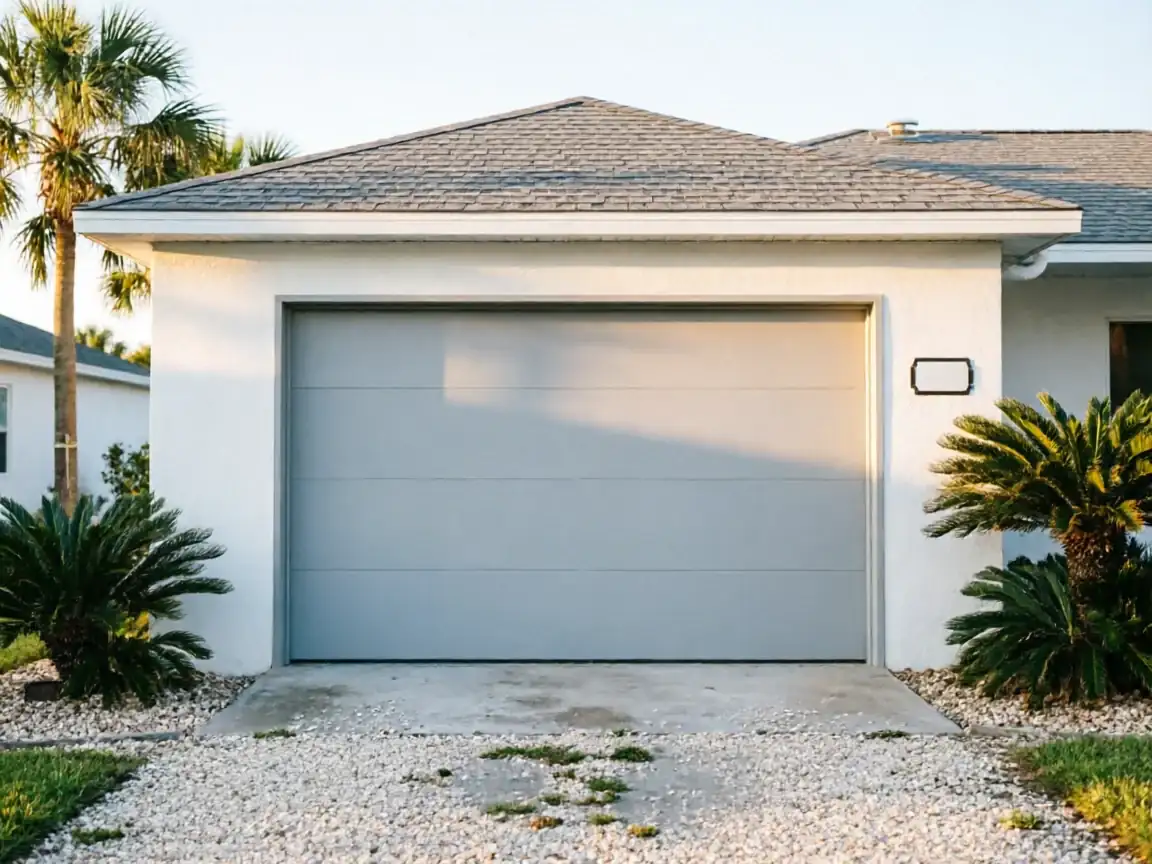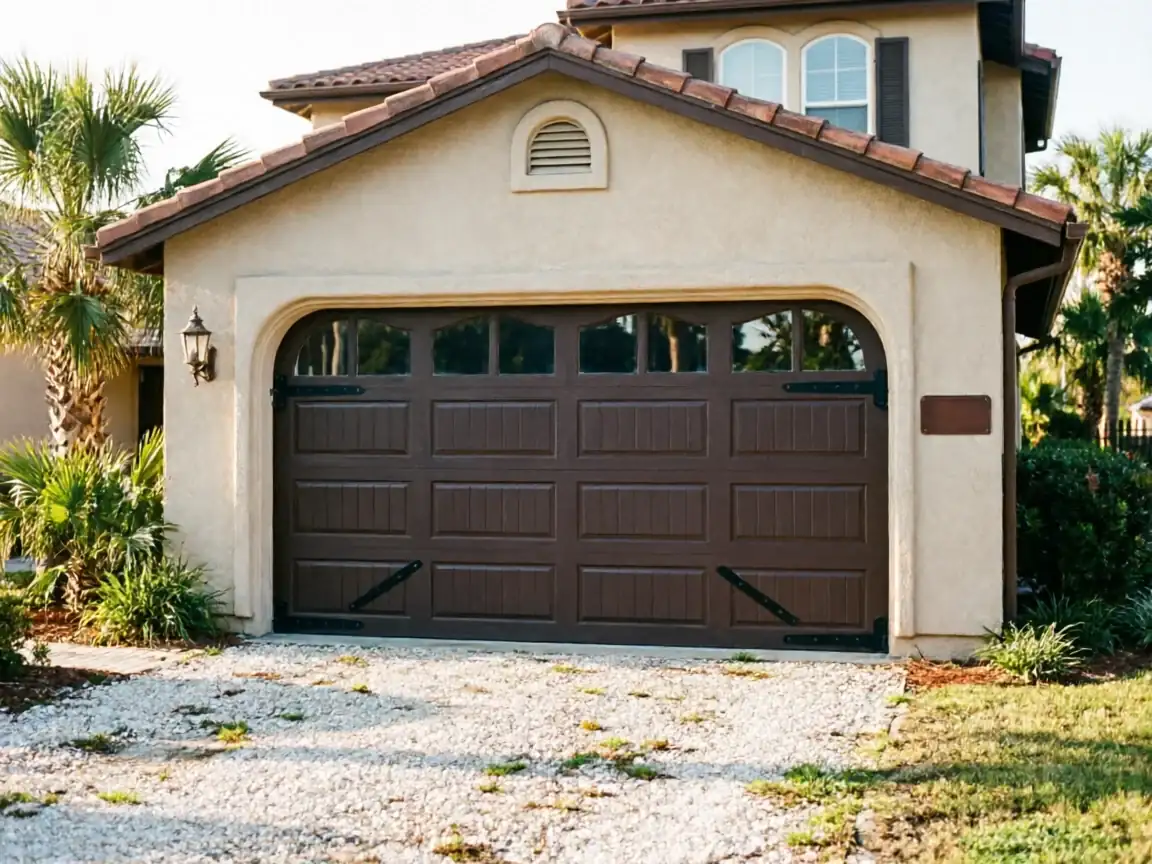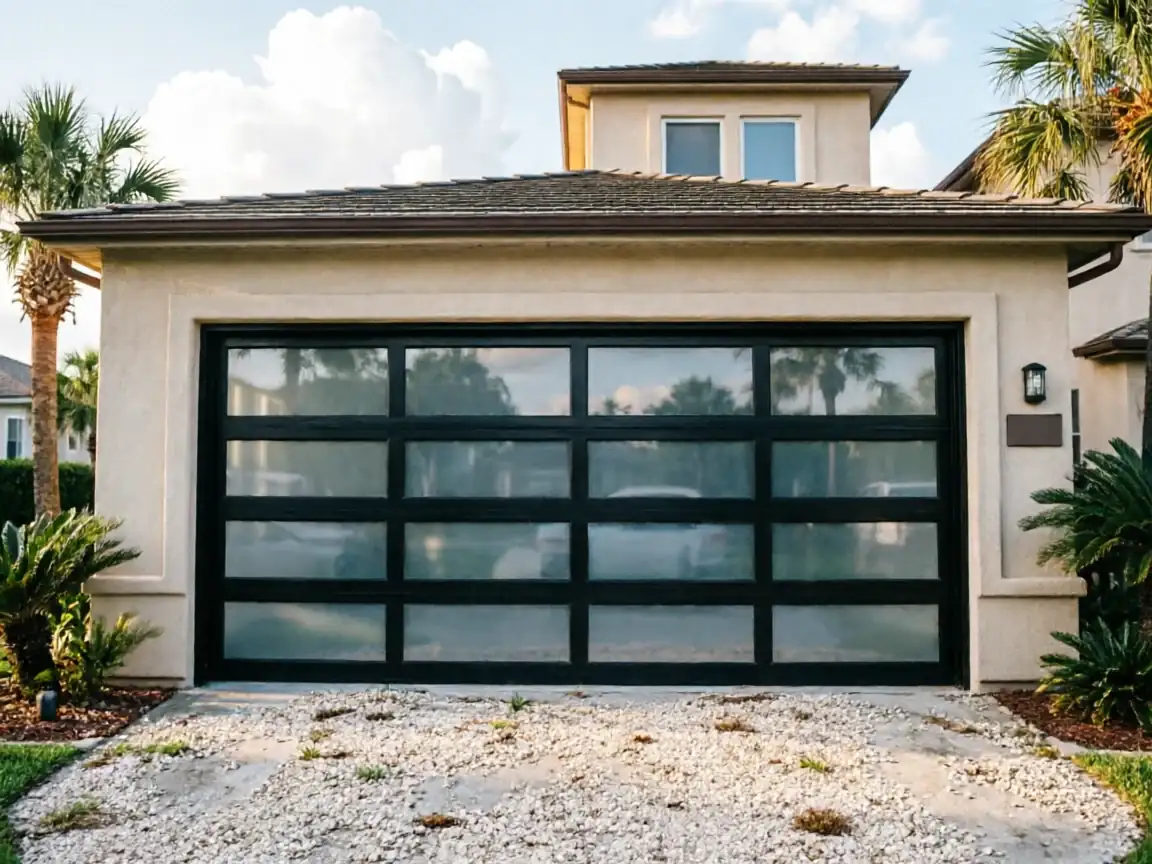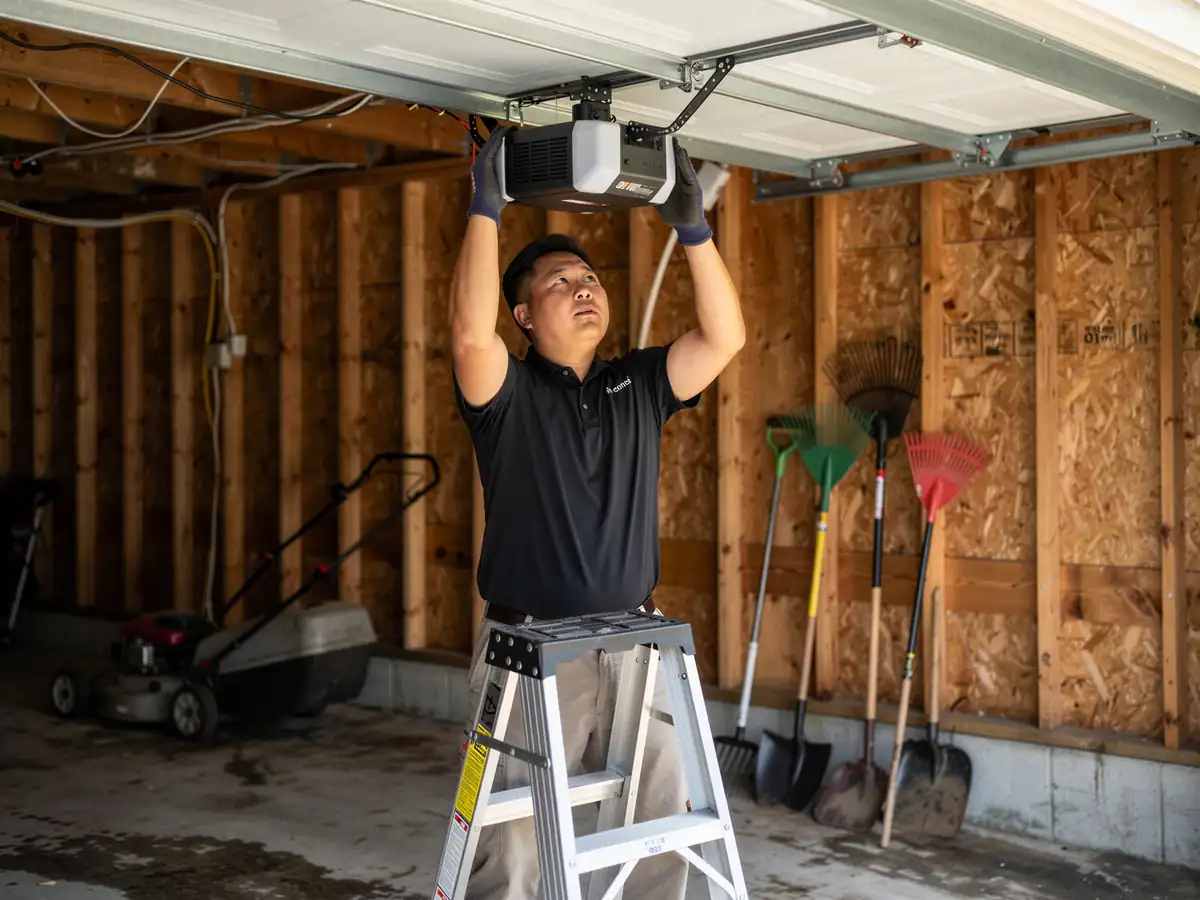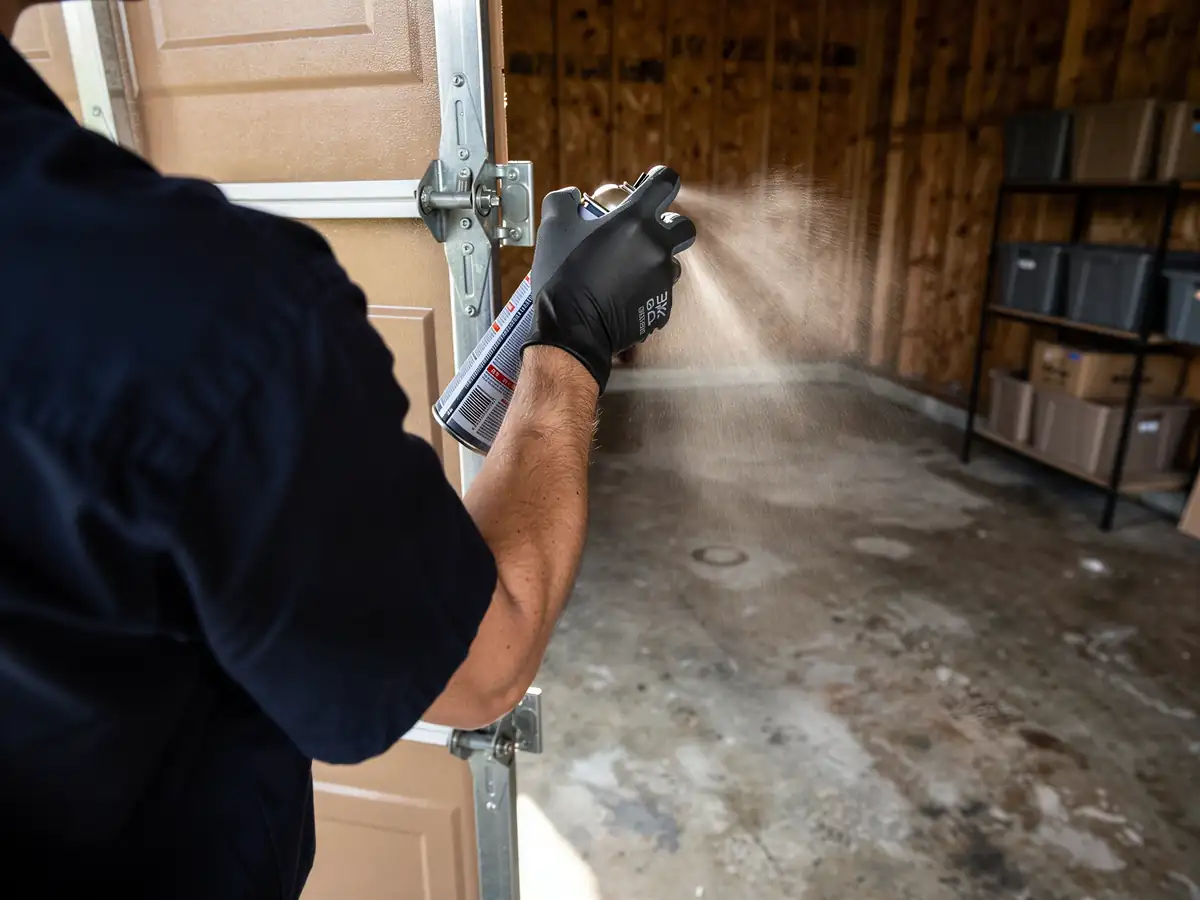
Parts We Carry
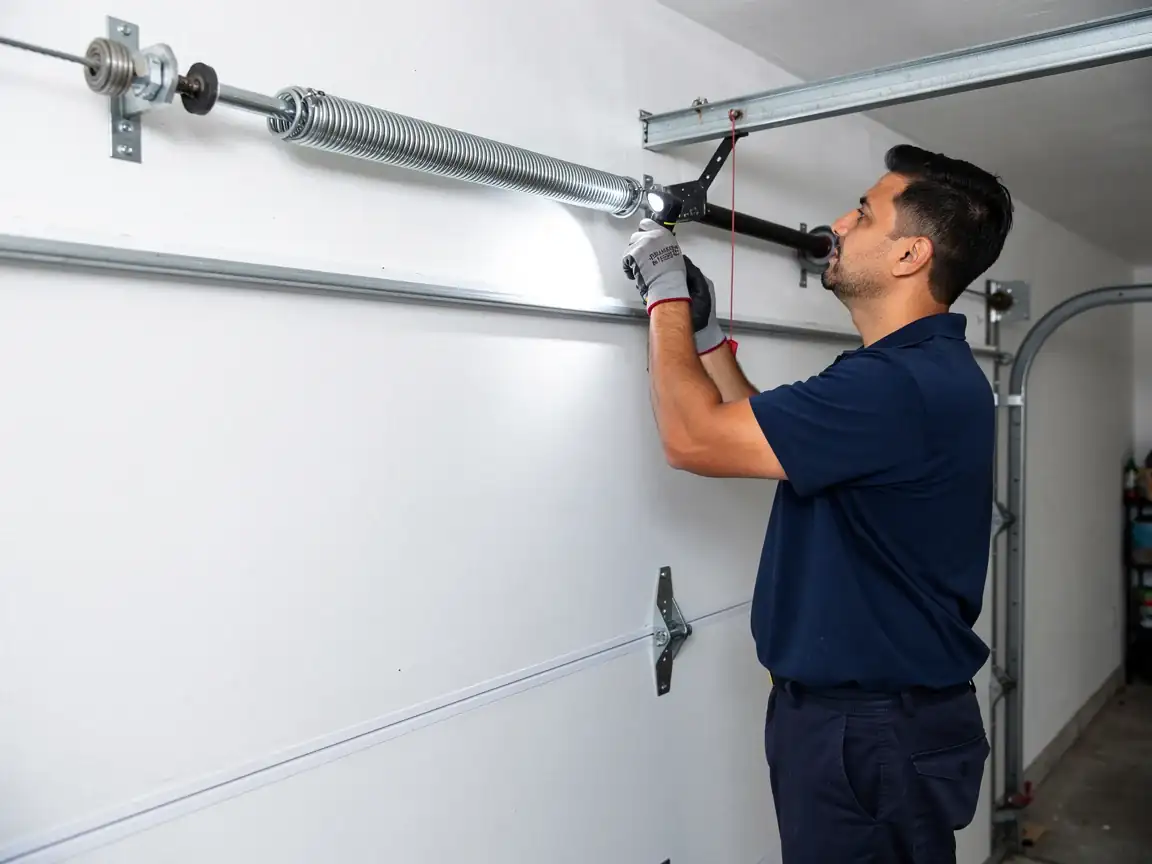
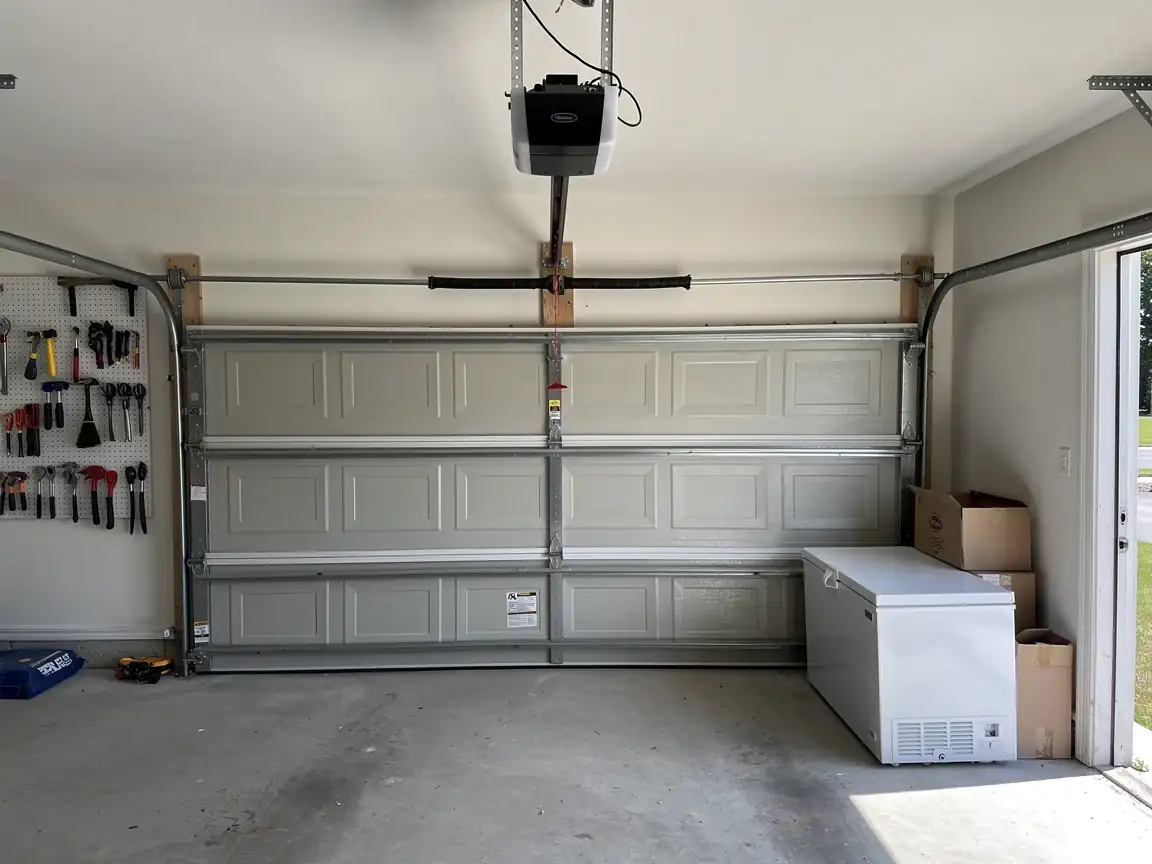
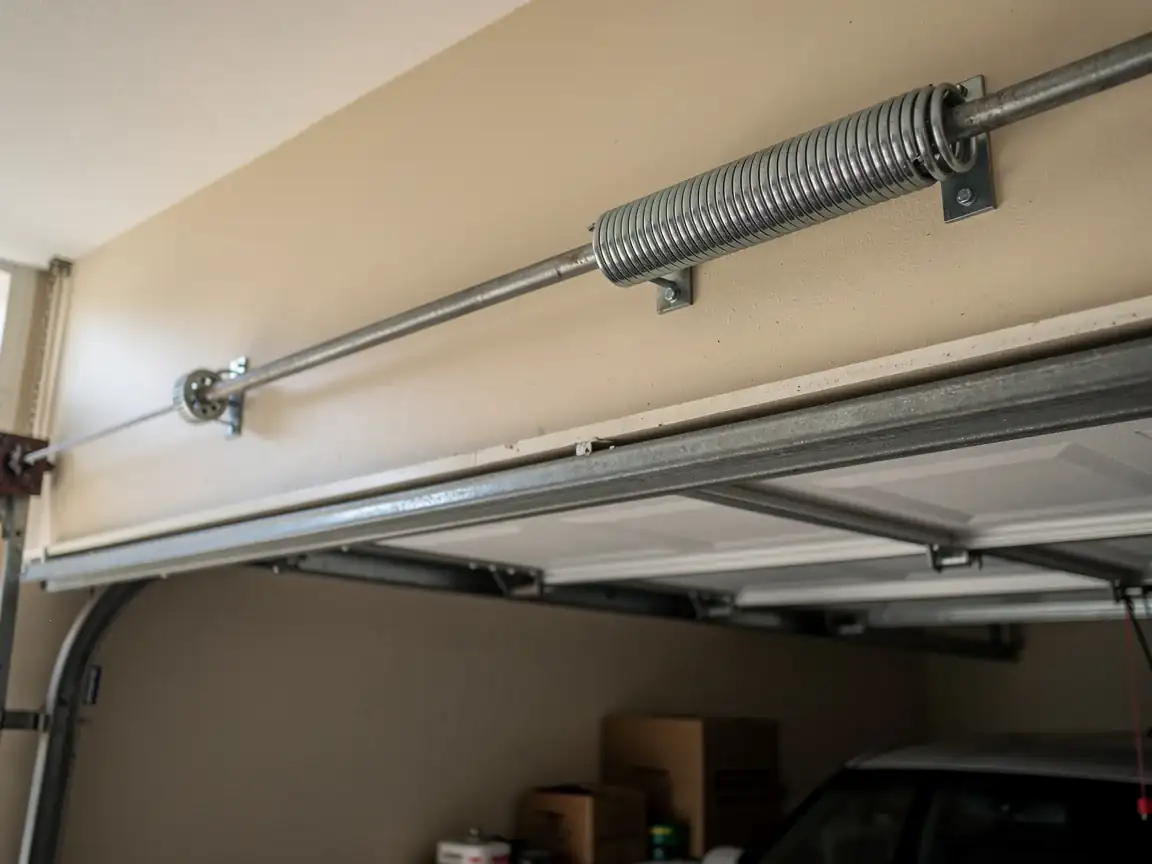
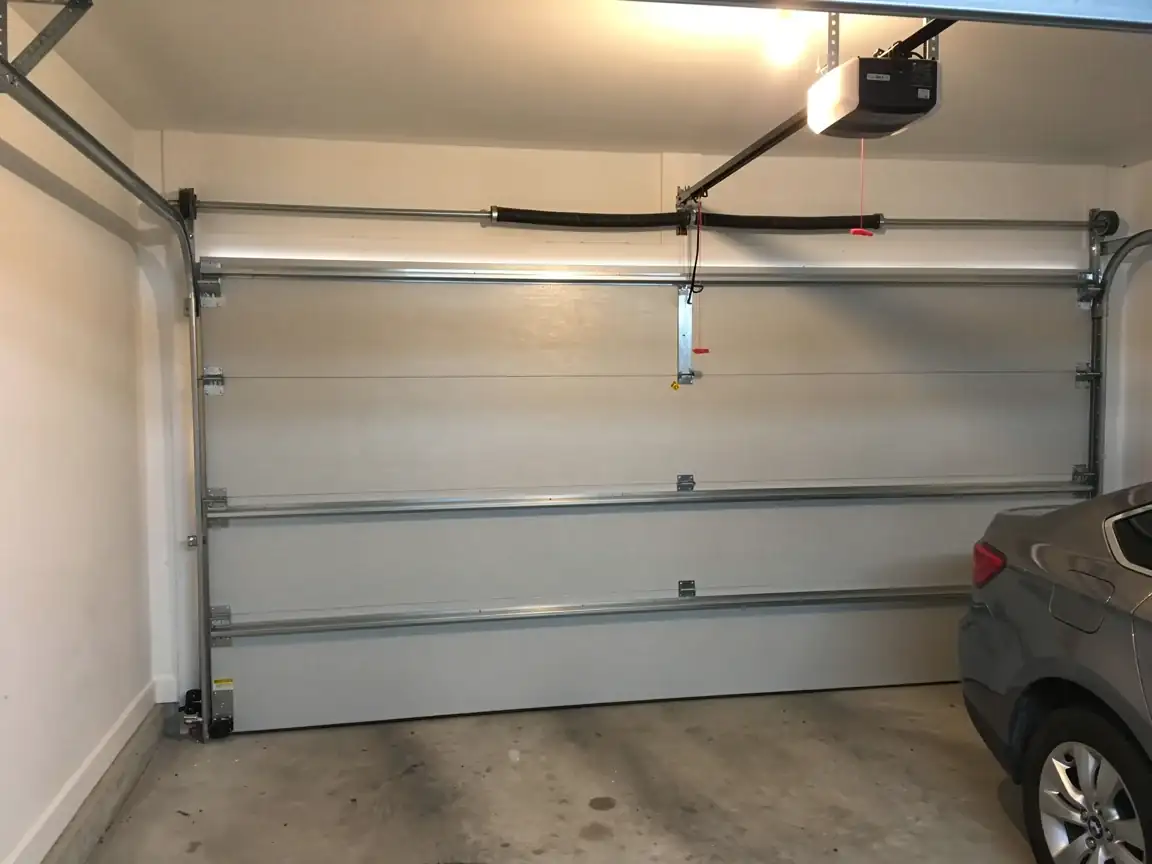
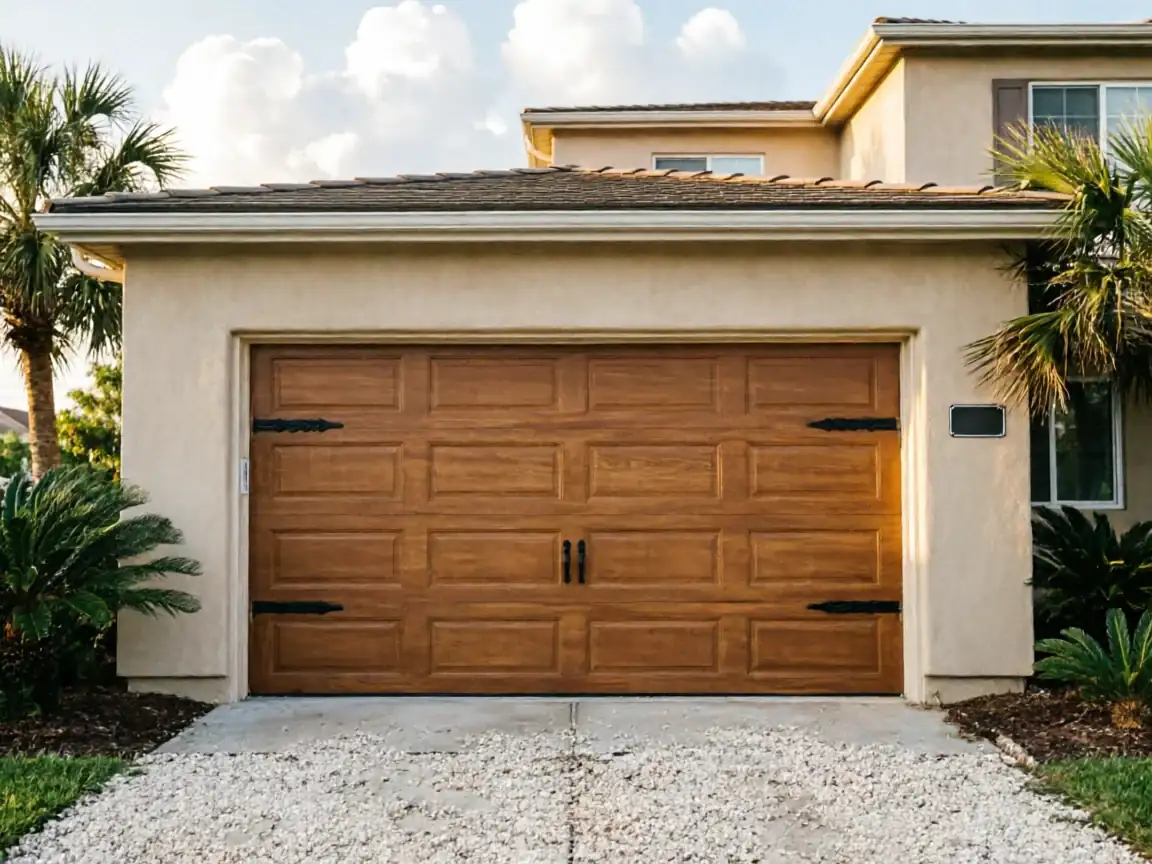
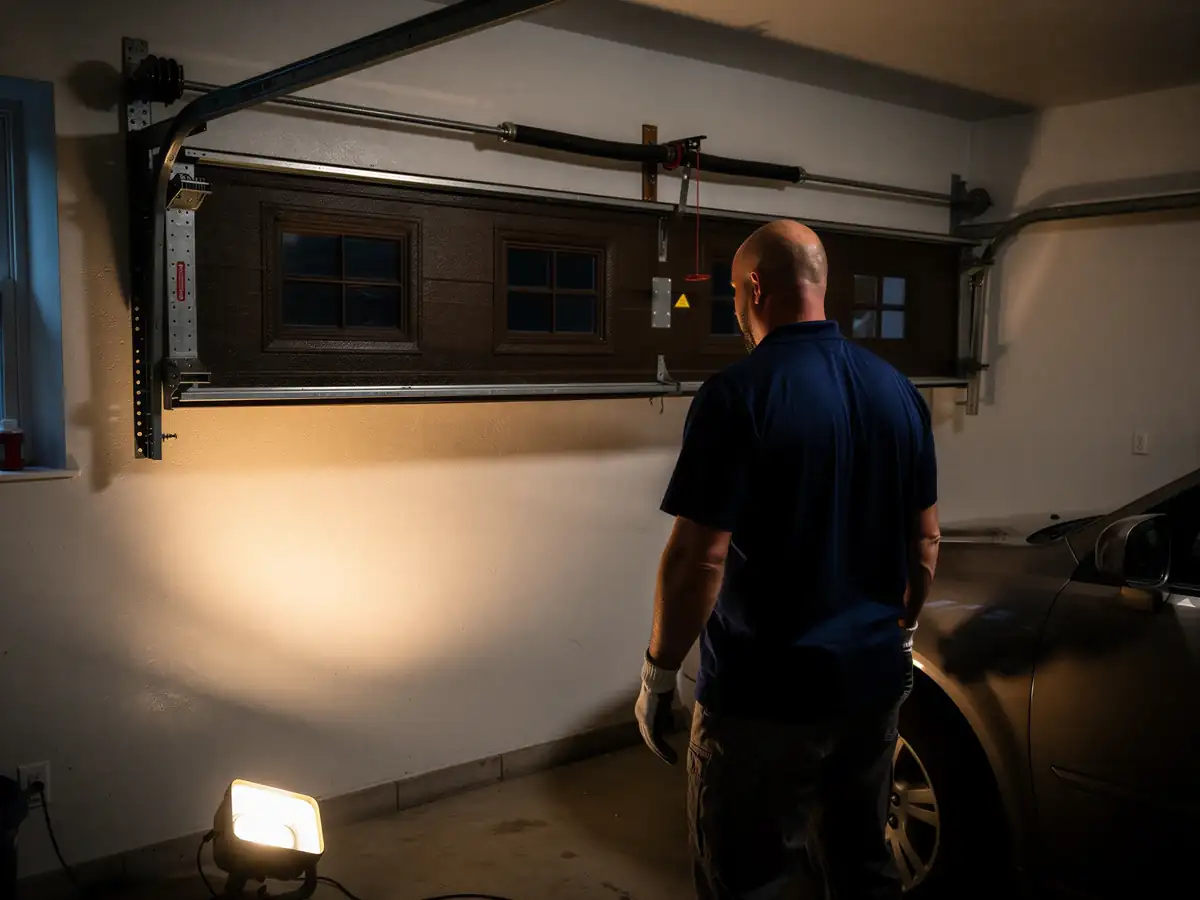
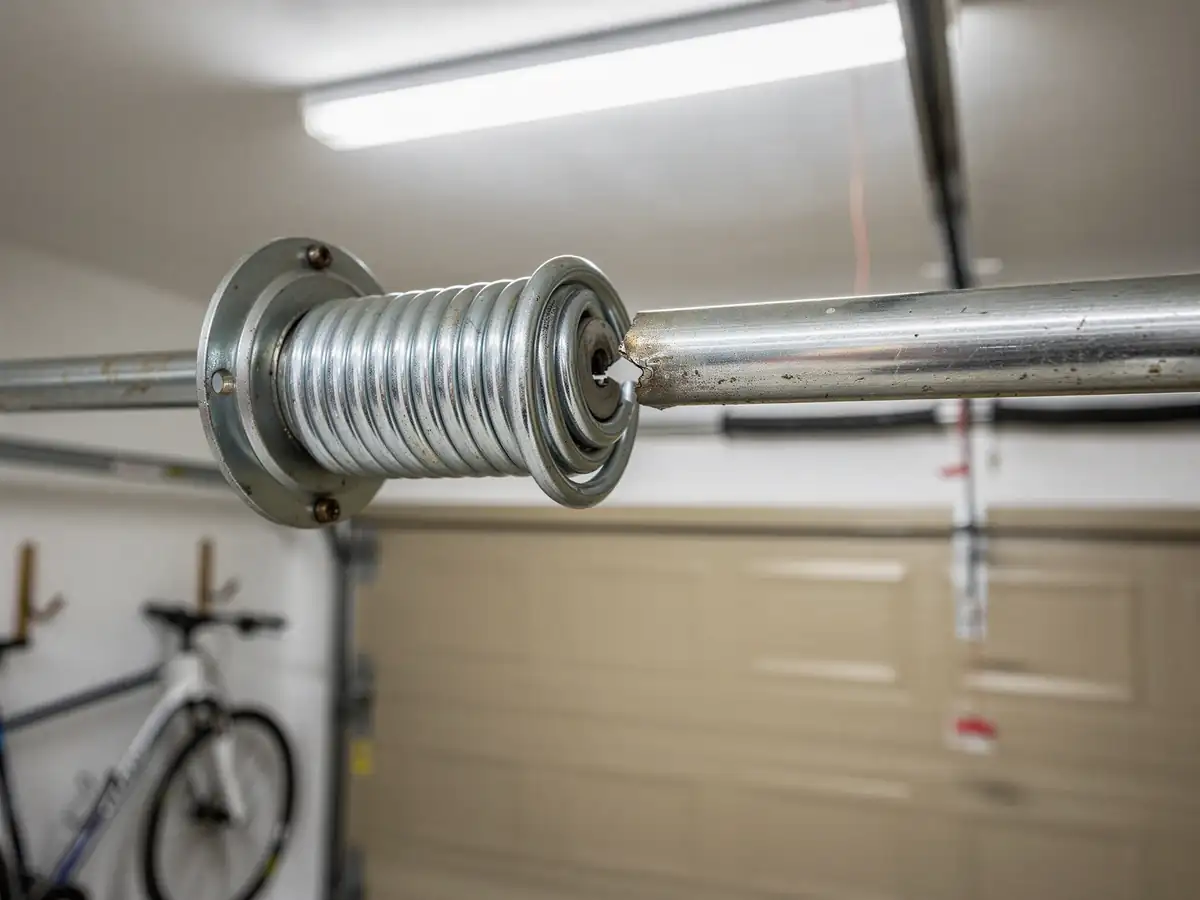
South Daytona's housing stock centers on 1977, a decade of builders moving away from extension springs mounted along the horizontal tracks and toward torsion springs on a bar above the door. That shift matters now because a lot of these houses still have their first or second spring set, and the hardware on either side of that transition isn't interchangeable. We carry torsion springs sized for the standard two-car single-spring setup that shows up again and again on houses from this era, plus the extension coils for the smaller single-bay doors some of these lots still have. What we don't do is keep a warehouse of every oddball import spring ever bolted to a door - if your opener or track was swapped out for something uncommon, that part may need a day or two to source. We'll tell you straight if that's the case before we quote the job, not after.
The mild coastal climate here (per regional data) spares these springs the extreme temperature swings that snap coils further inland, but humidity still works on galvanized wire faster than it does in drier air. That's the more common failure we see on South Daytona calls: not a sudden crack from cold, but a coil that's been quietly rusting and thinning for years until the day it lets go under normal use.
How Long You Are Without the Door
We run this route from our Daytona Beach shop, about 6 miles out, so there's no local branch sitting on South Daytona springs ready to walk over. That drive time is short, but it's still a drive, and it means the door stays down - or stuck up, depending on how it failed - until the truck arrives with the right spring already loaded. A torsion spring job, once we're on site and have the correct part, usually runs under two hours door to door for a standard double garage. Extension spring jobs on the older single-bay doors can go faster since there's less to wind and balance.
The variable isn't our work, it's the part. If your door uses a torsion spring diameter or wind that we didn't already have on the truck for a South Daytona call, that's a return trip, not a same-day fix. We'd rather tell you that up front than promise a window we can't hit.
What the Repair Takes
A spring replacement on a 1977-era South Daytona door is mostly about getting the balance right
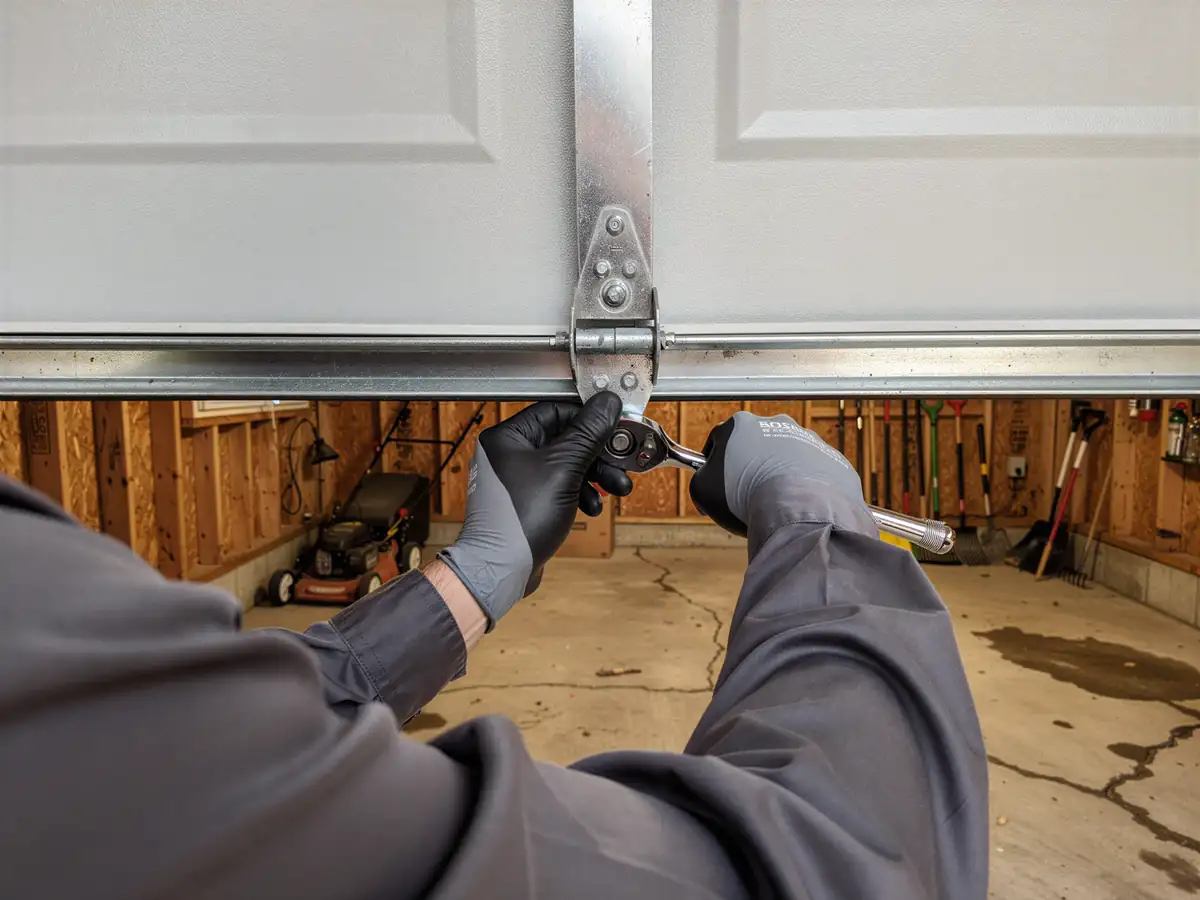
Not just swapping the broken coil. These doors were built to a specific weight and spring tension when new, and decades of panel wear, added insulation kits, or a replacement opener can shift that balance without anyone noticing until the spring fails early. We measure the door's actual working weight before picking a spring, rather than matching whatever was on there, because matching a wrong part just sets up the next failure.
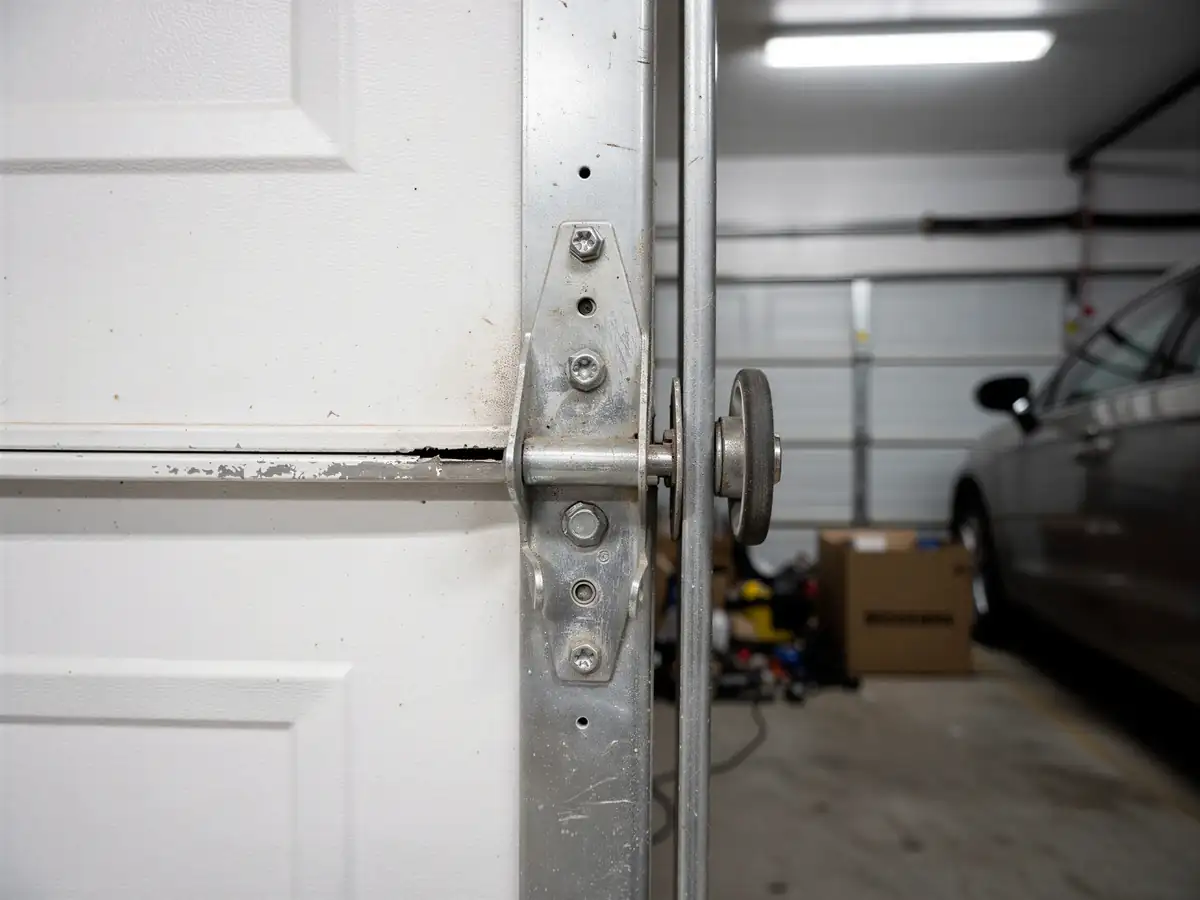
Most jobs involve unwinding and removing the old spring, inspecting the torsion bar, cable drums, and bearing plates for wear that often rides along with a snapped spring
And winding the new spring to the correct number of turns for that door's weight. If the drums or bearings are worn past serviceable, in South Daytona's income range ($54,931 median household income) that added cost is often the deciding factor in whether a homeowner repairs now or starts weighing a full door swap instead.
Can You Do This Yourself
A torsion spring holds enough stored tension to break fingers or worse if the winding bars slip, and that risk doesn't go down because the door is forty-some years old - if anything it goes up, since the hardware has had more years to corrode or wear loose. We're not going to pretend a motivated homeowner can't learn to do it. Plenty have. But we also won't talk anyone into it who's asking because they're not sure.
What we will say: on a 6,285-household town like South Daytona, where a good share of the garage doors share that same 1977-ish build window, we see a fair number of DIY attempts that go sideways not from the winding itself but from using a spring rated for the wrong door weight, pulled off a chart instead of measured on-site. If you want to swap it yourself, at minimum get the door's actual weight and the spring's wire gauge and length right before you touch a winding bar. If that sounds like more than you want to take on, that's what the call is for.