Why This Fails Locally
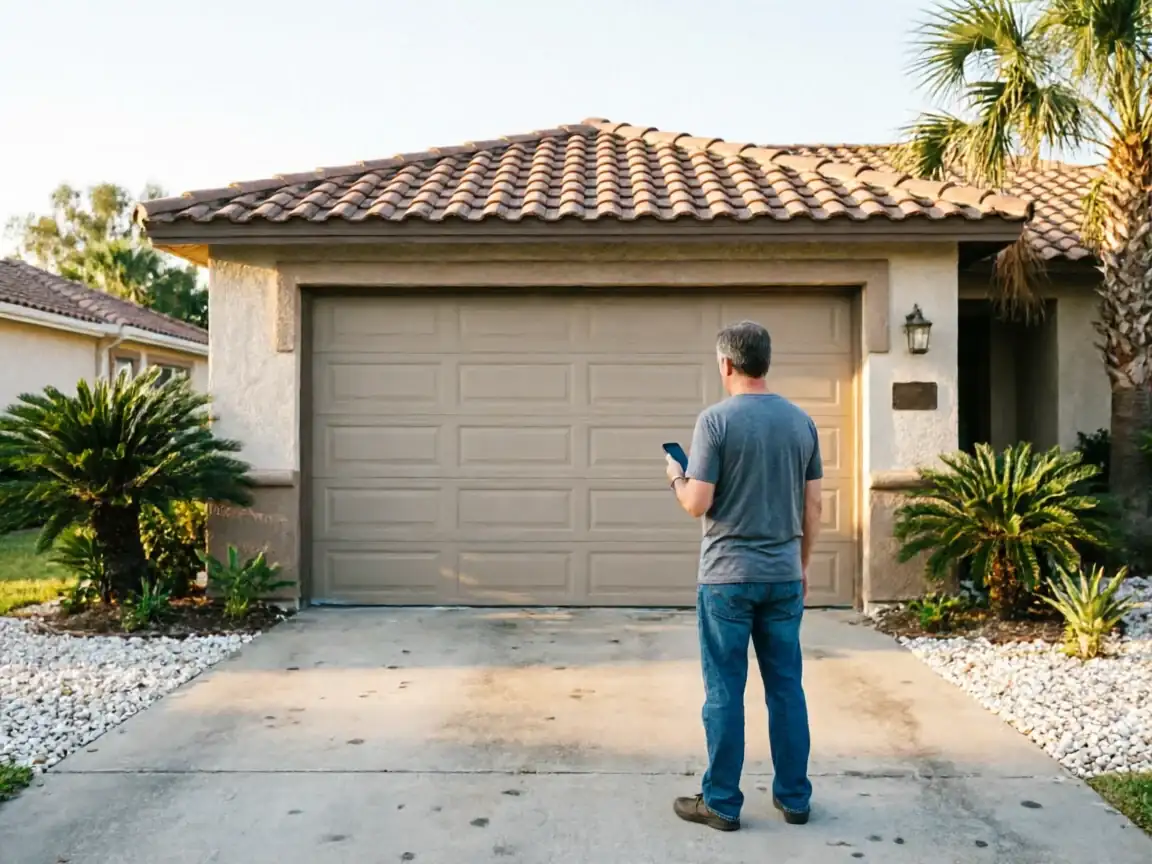
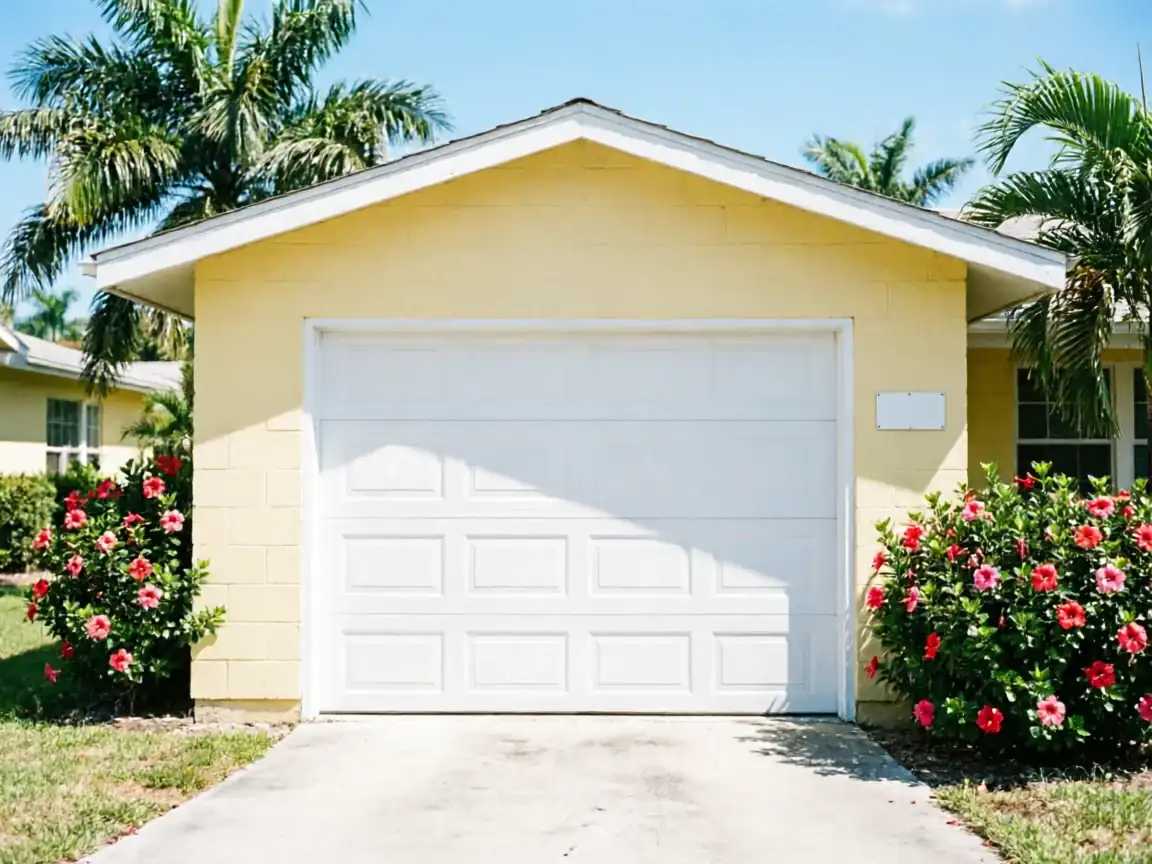
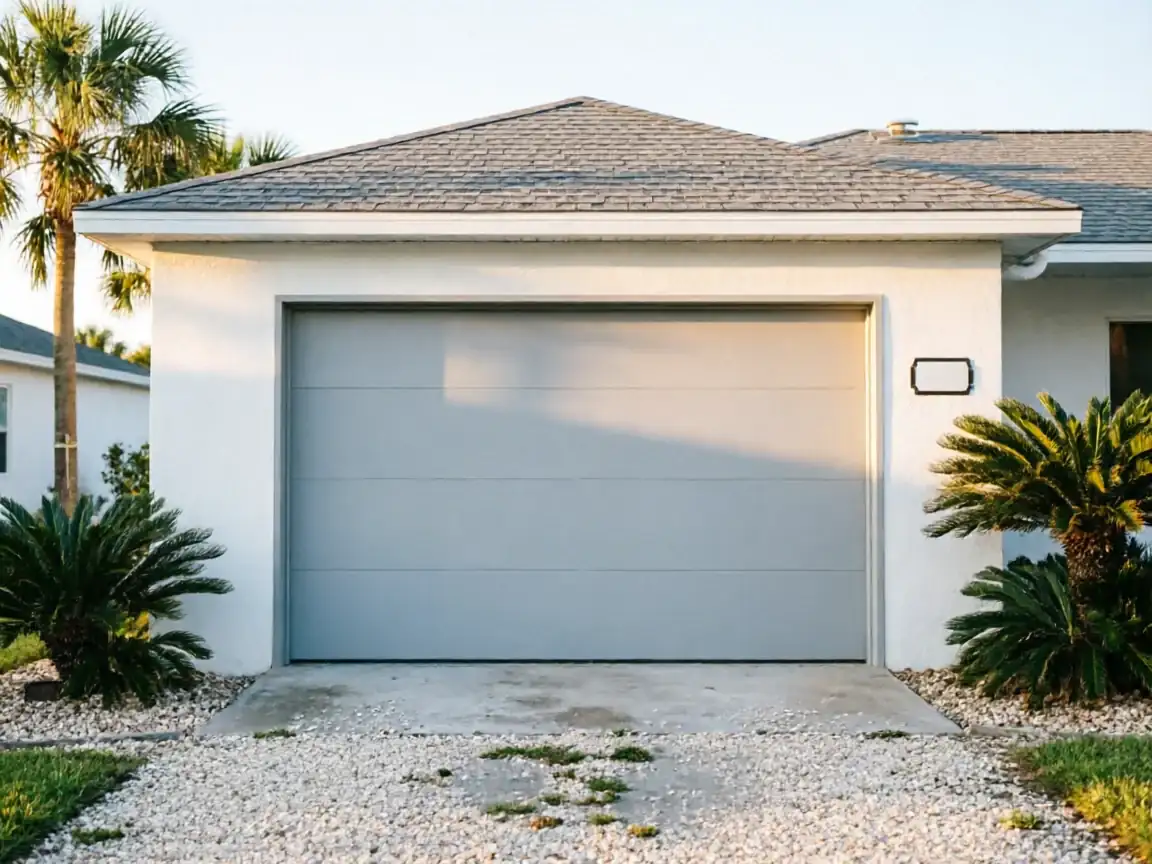
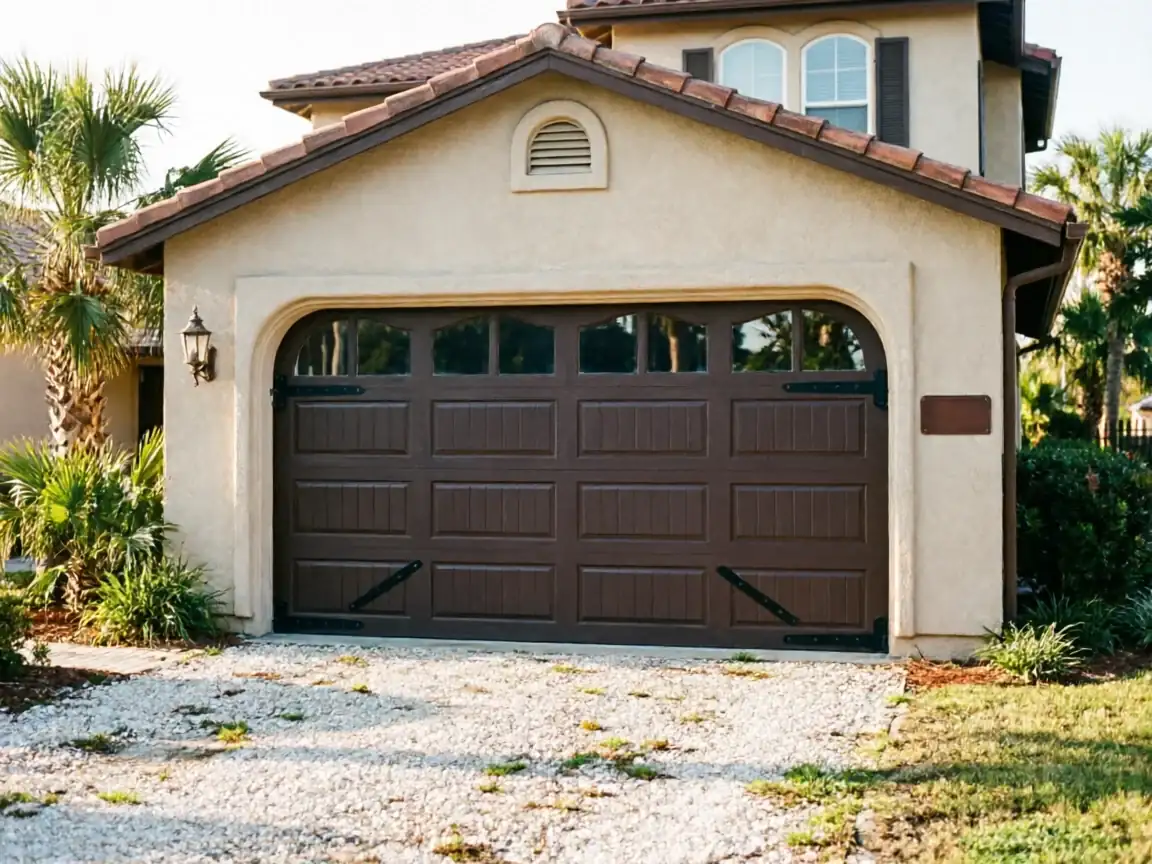
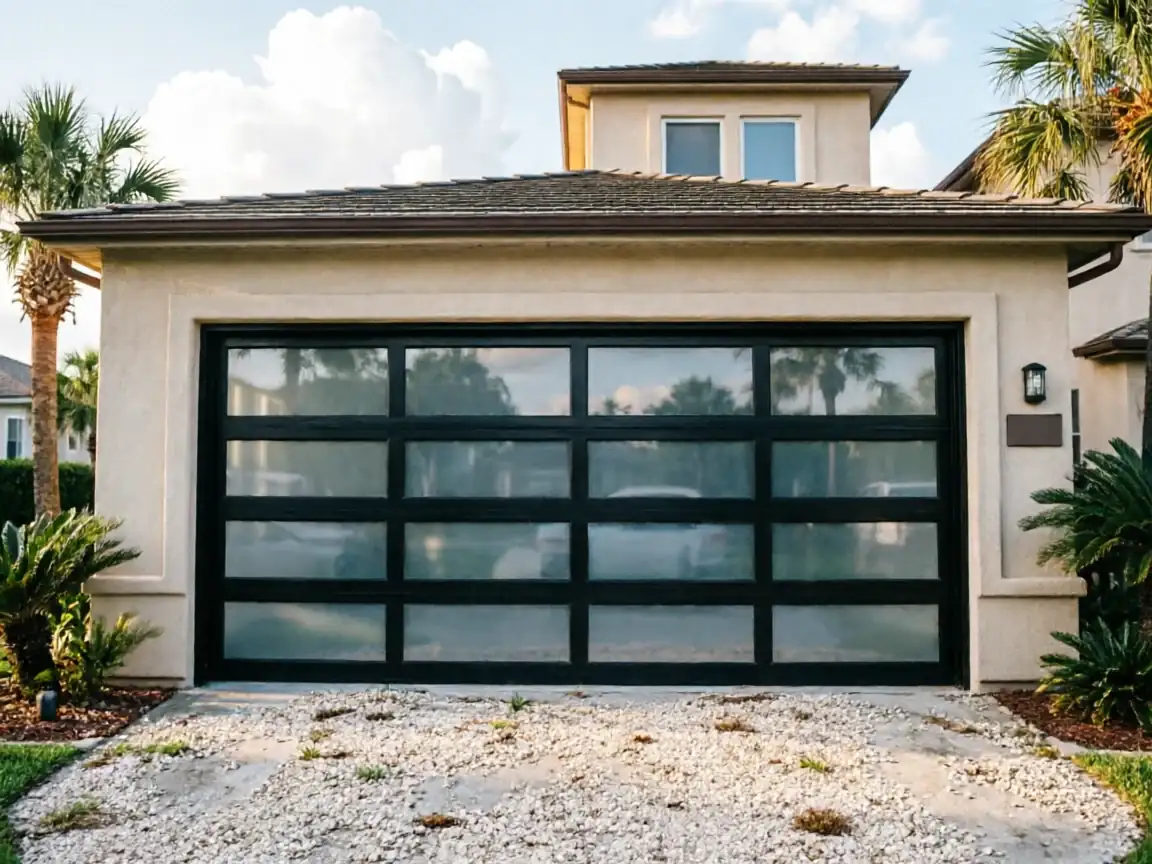
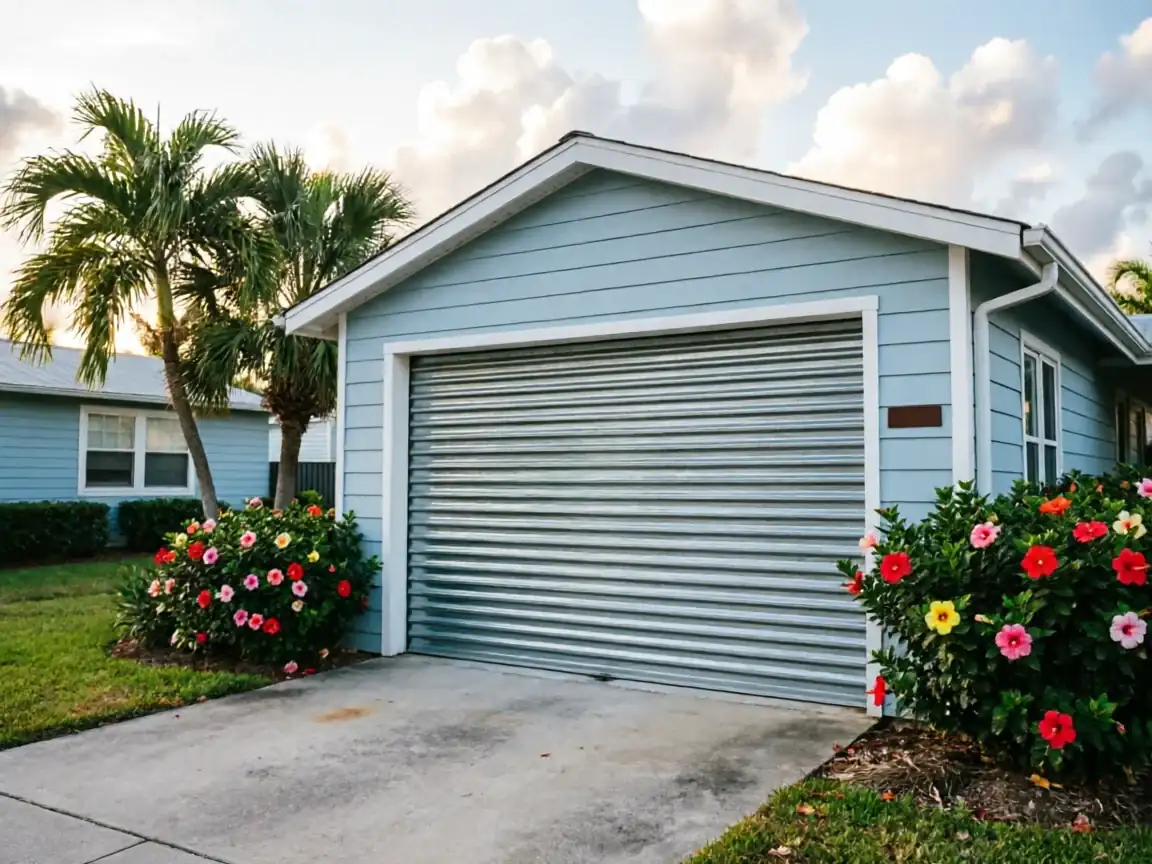
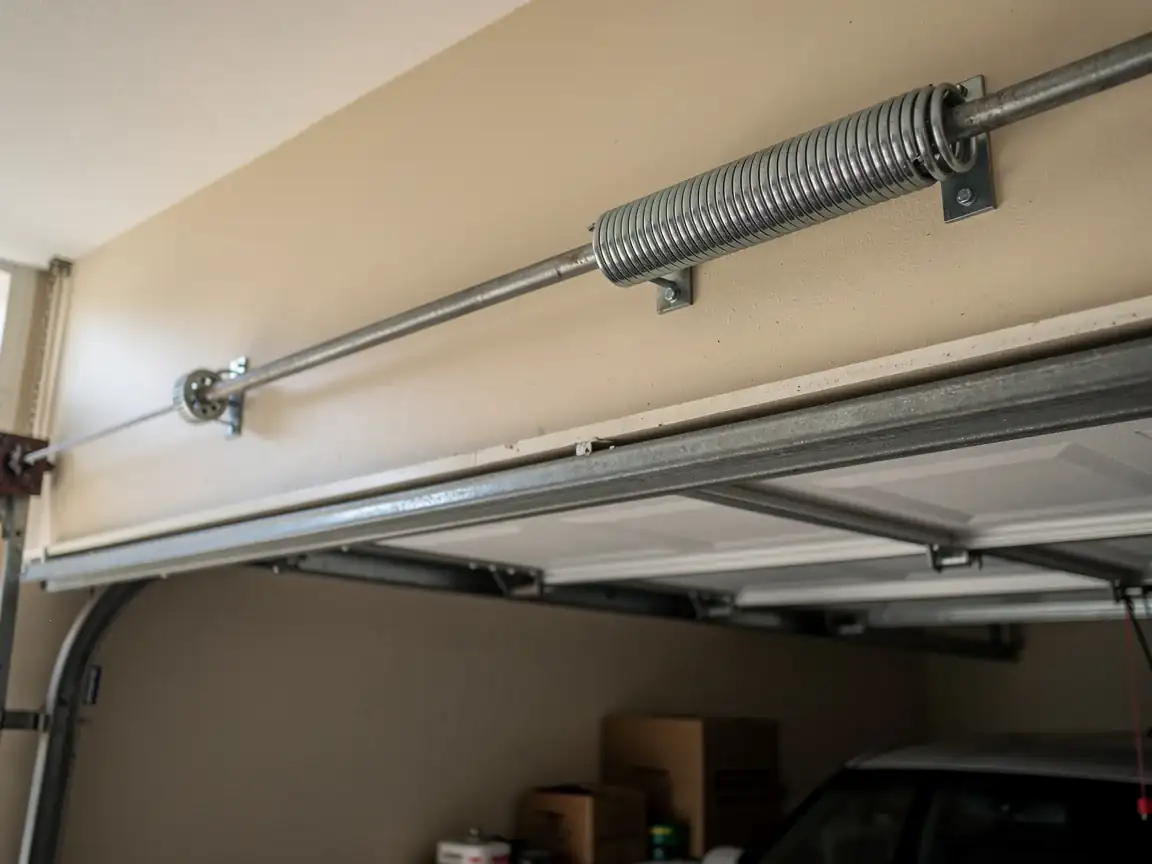
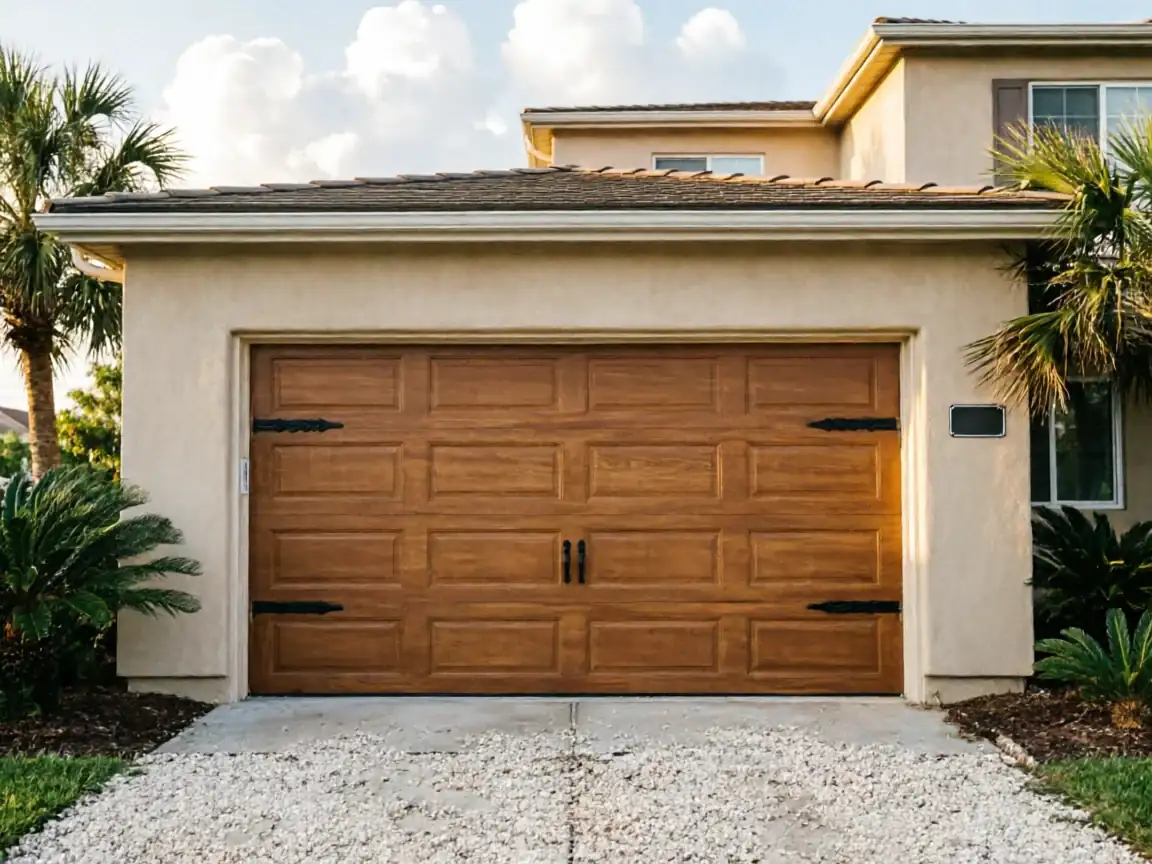
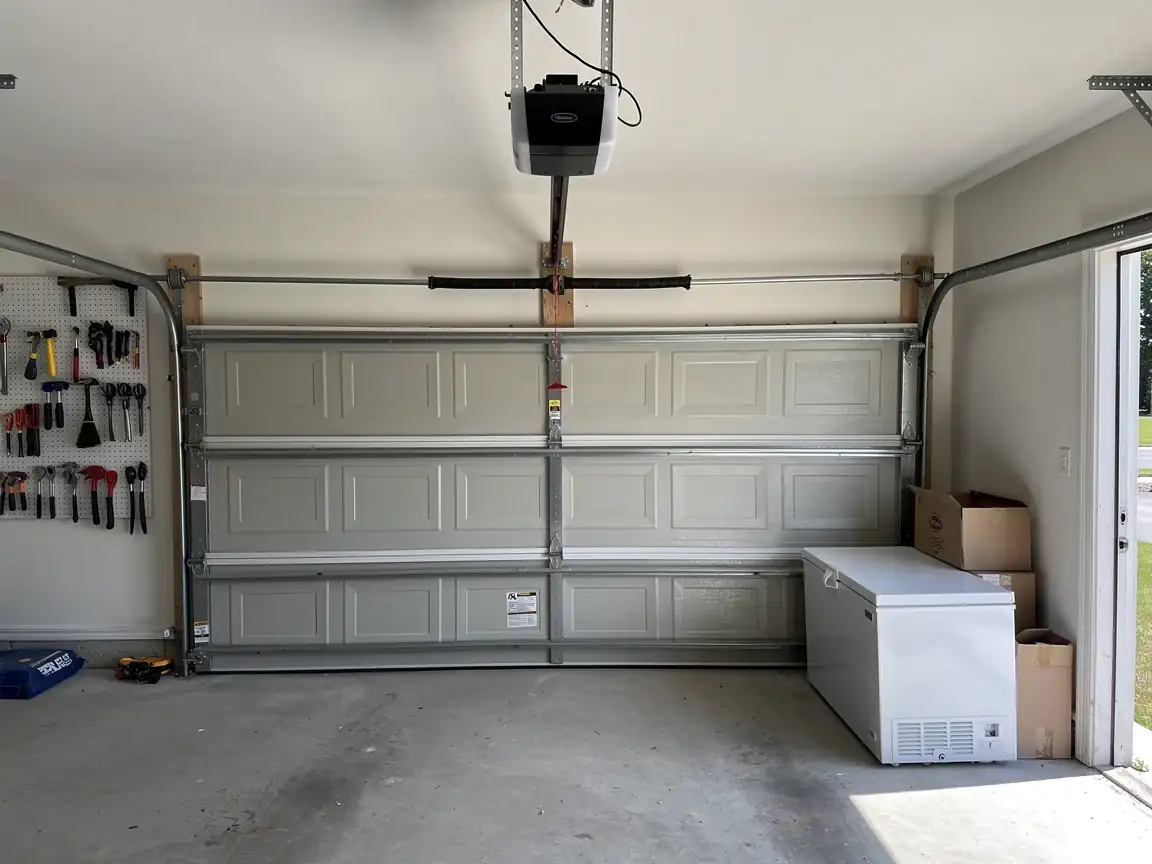
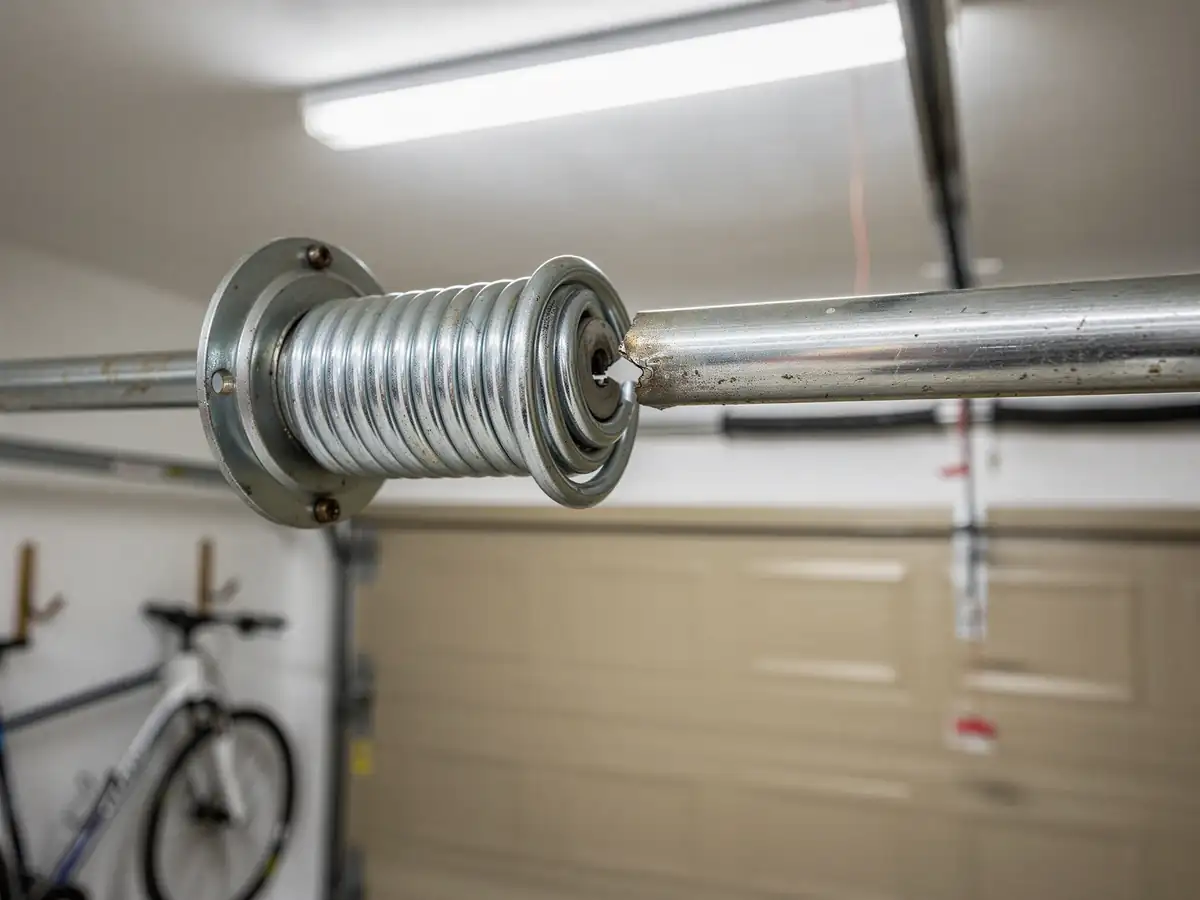
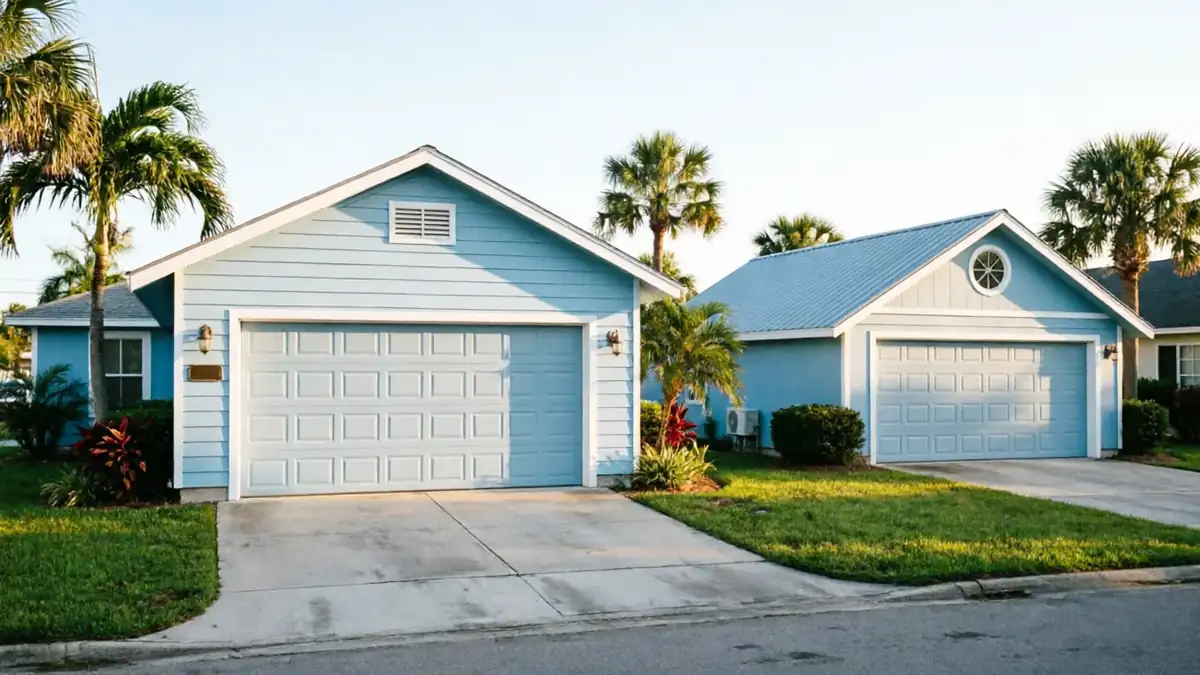
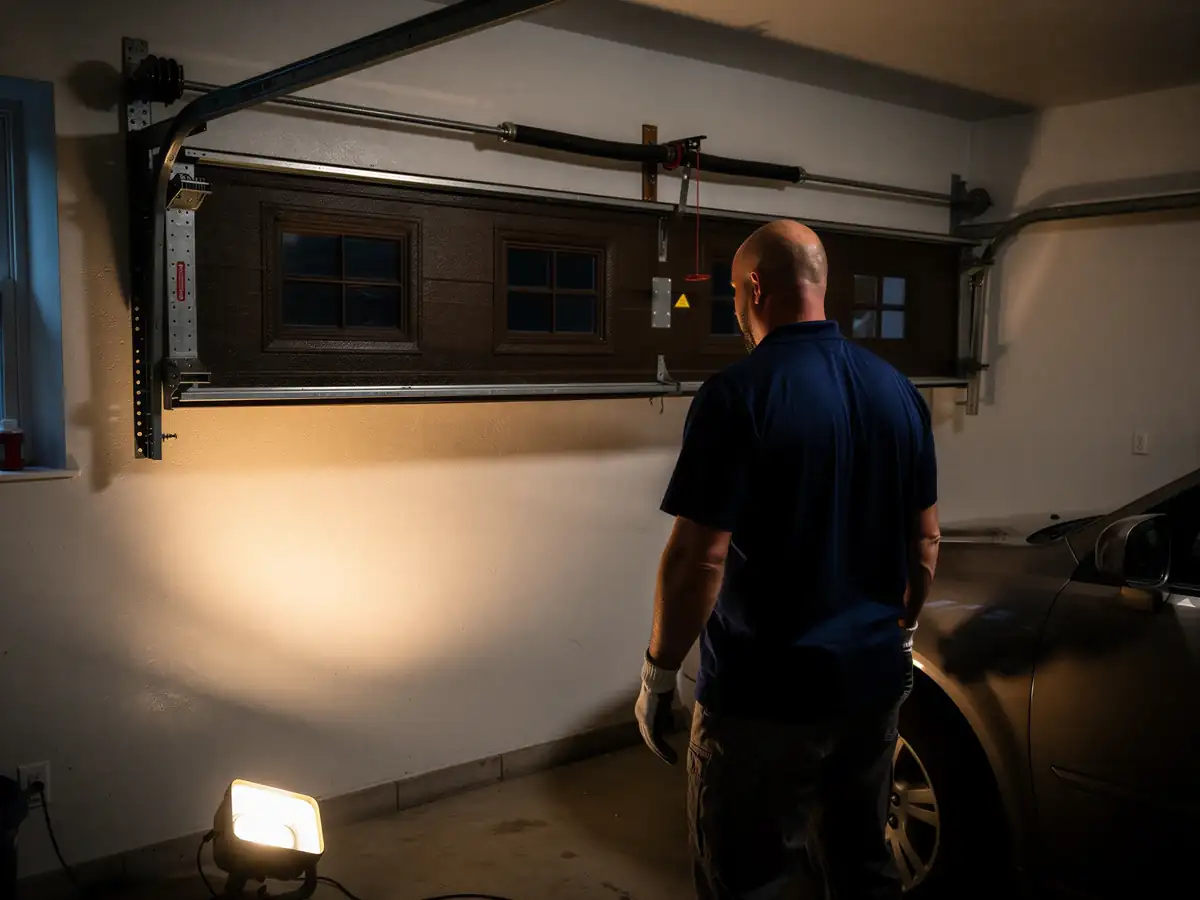
Most of the housing stock in this service area went up between 1972 and 1993, with a median build year around 1986, and that one fact drives almost every maintenance call we get. Across the twelve named areas we cover, the garage door hardware is original or close to it: steel rollers, single-stage openers, and torsion springs that were never rated for a Florida coastal climate. We sit in a mild temperate band here, which sounds easy on a door, but mild doesn't mean dry. Steady humidity and salt air corrode spring coils and roller shafts from the inside out, even in years without a single hard freeze to stress the metal. A door that would last three decades in a dry inland climate starts dragging, chattering, or binding on its track well before that in a house built in this window. Lubrication breaks down faster, galvanized coatings pit sooner, and the nylon rollers common in 1980s and 90s builds go brittle and crack rather than wear smooth. None of this shows up as a dramatic failure at first. It shows up as a door that's slightly louder than last year, or an opener that strains a half-second longer before it catches. That lag is the window where maintenance actually saves money, and it's the window most owners miss because nothing's broken yet.
Booking a Visit
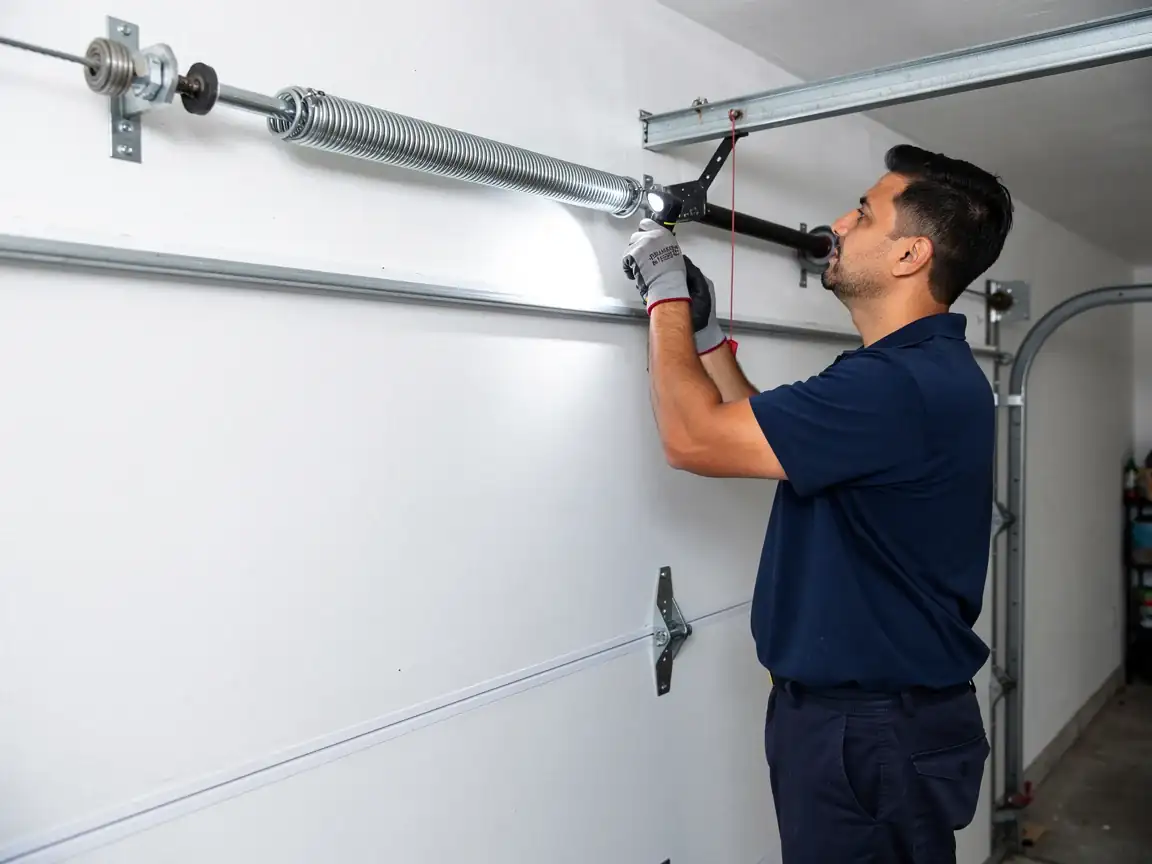
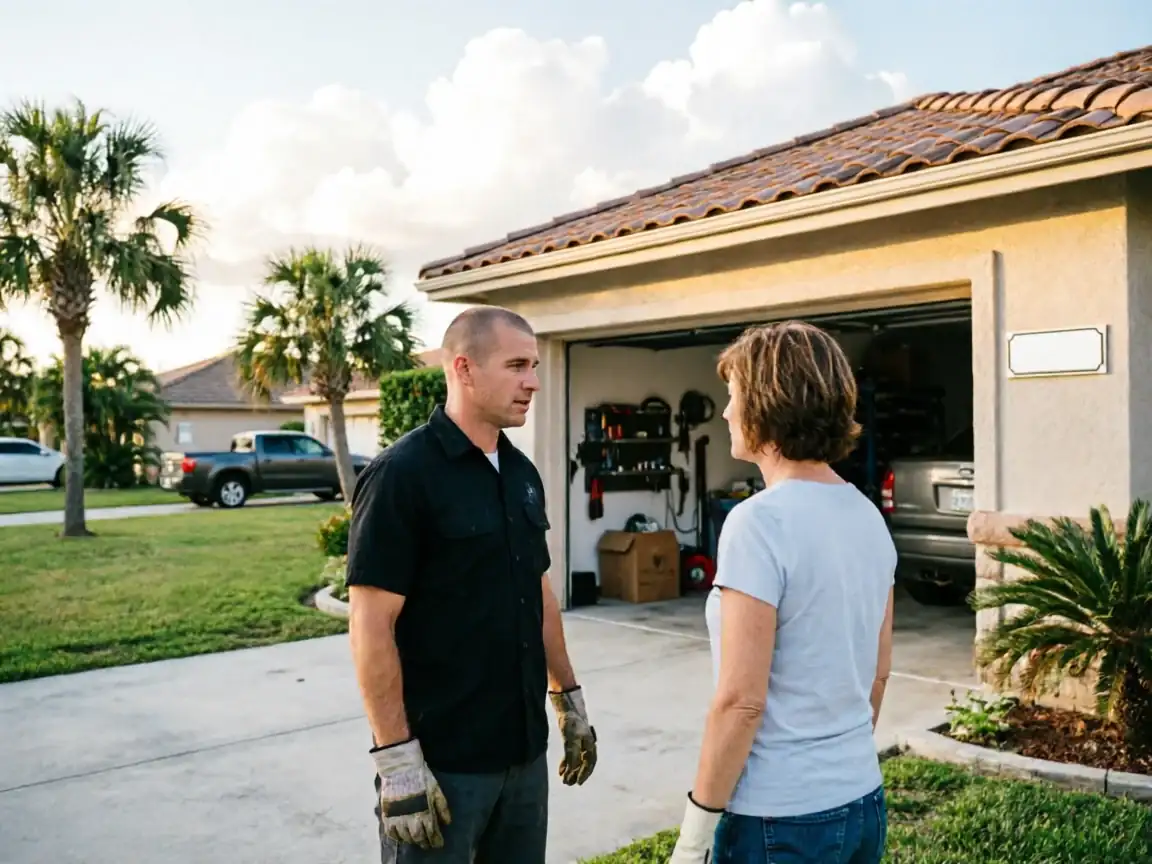
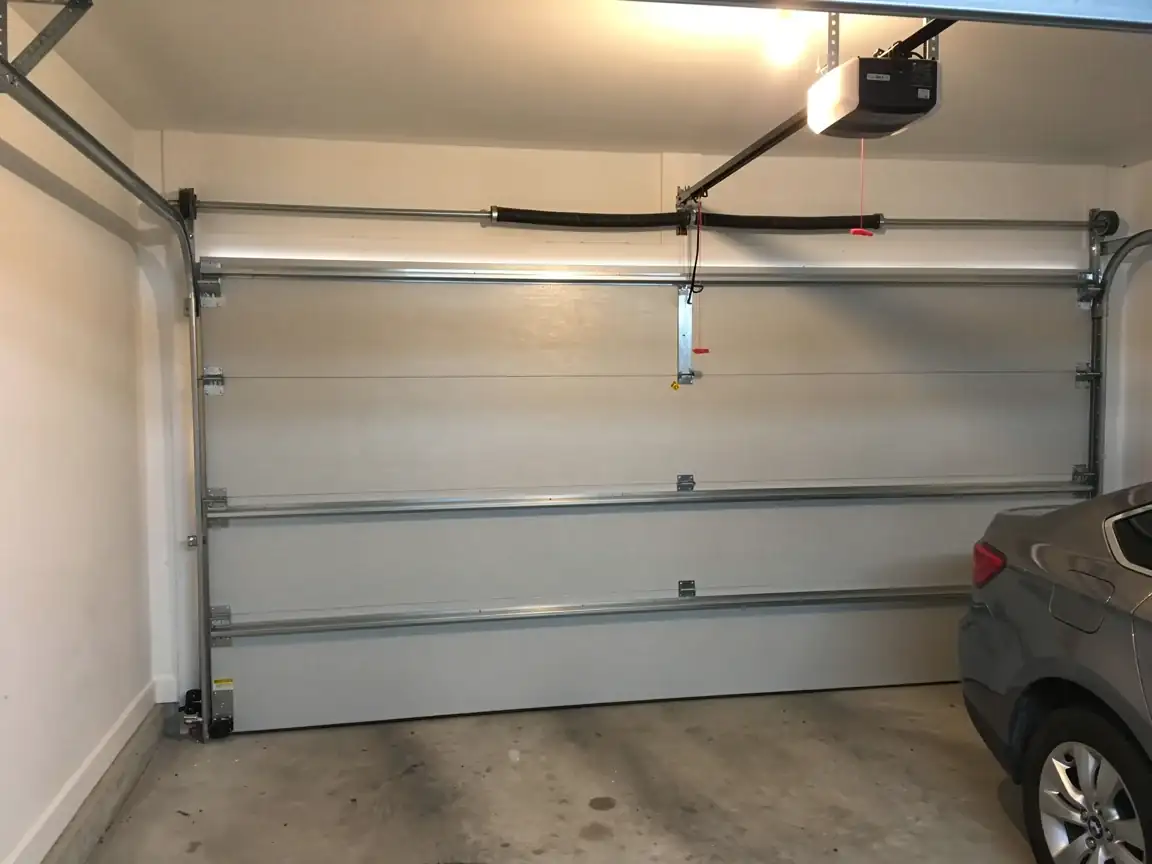
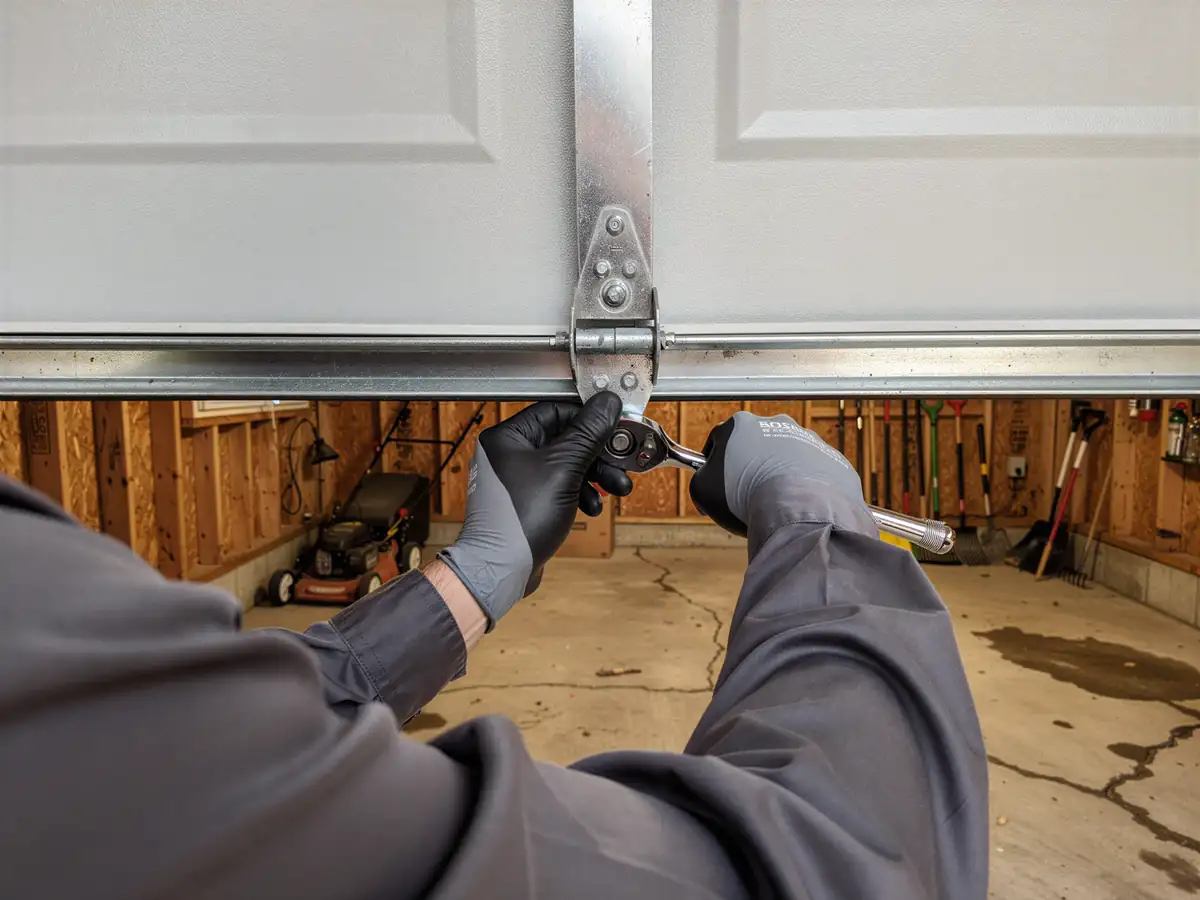
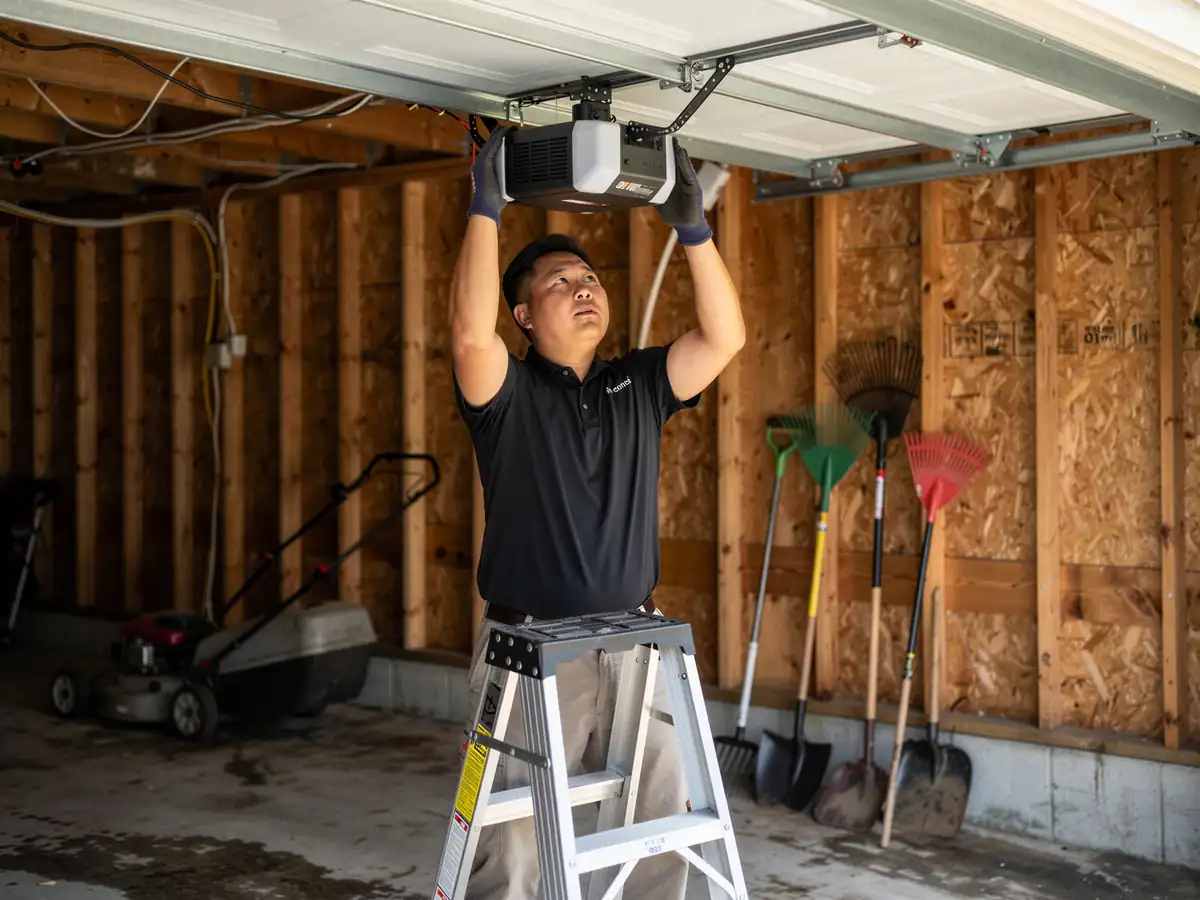
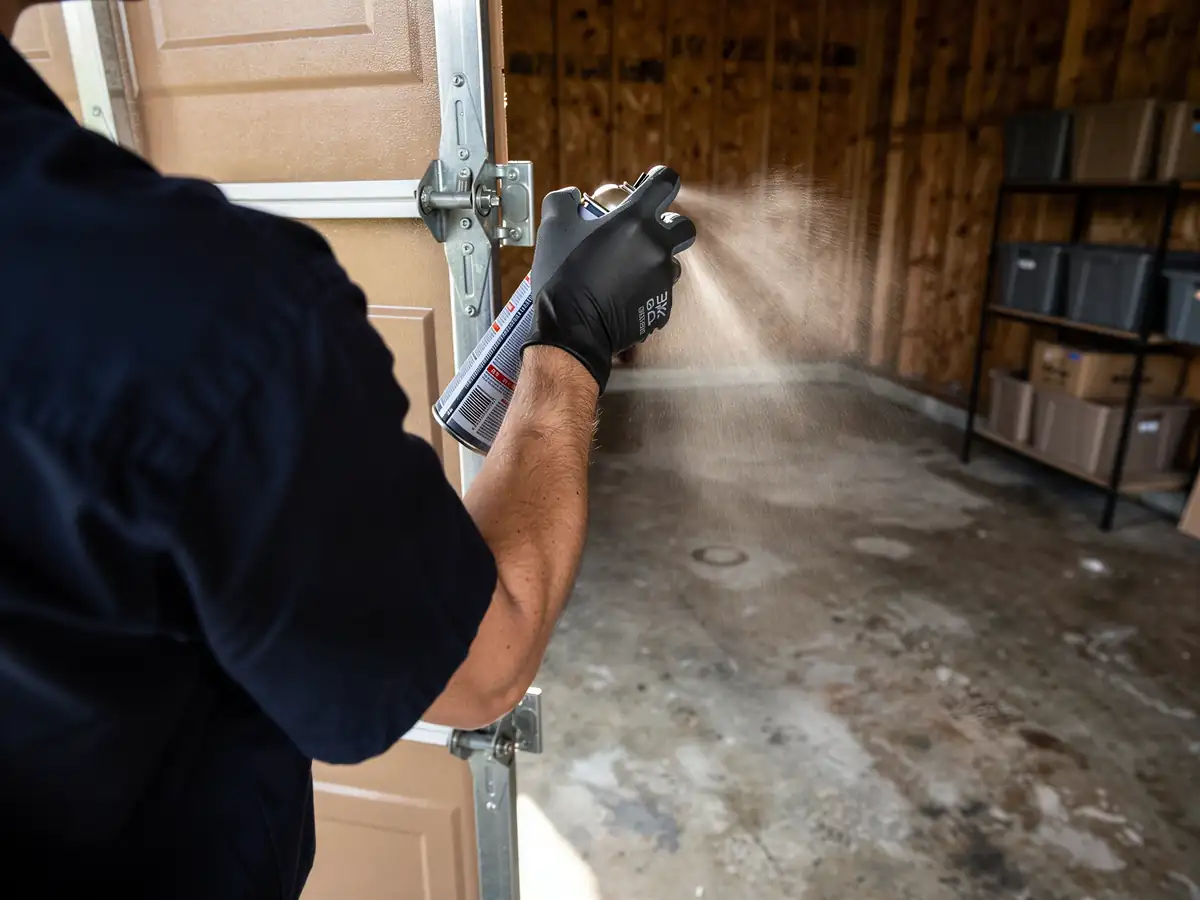
We schedule maintenance visits across the service area, not just Daytona Beach proper. If you're in Holly Hill, South Daytona, Daytona Beach Shores, or any of the other areas within our radius, a visit covers the same checklist: spring tension, track alignment, roller condition, cable wear, and opener sensor function. We ask for the approximate age of the house when you call, because a home built in the 1986 median year gets a different inspection focus than a 1993 build with slightly newer hardware. There's no walk-up storefront here, so visits are scheduled by call or through the site. We don't do same-day emergency dispatch as part of a maintenance plan - that's a different kind of call, with a different urgency. A maintenance visit is planned, not rushed, and that's by design: rushing a tension check on a torsion spring is how people get hurt.
The Symptom
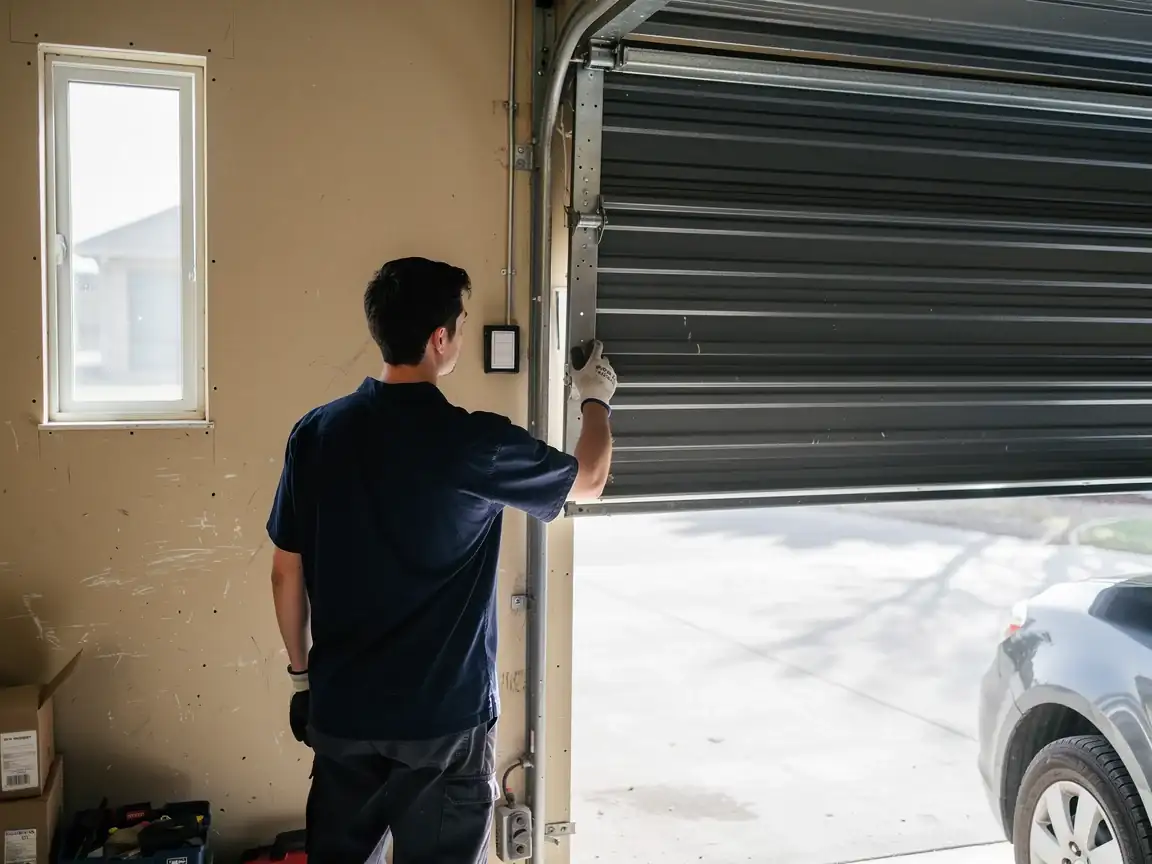
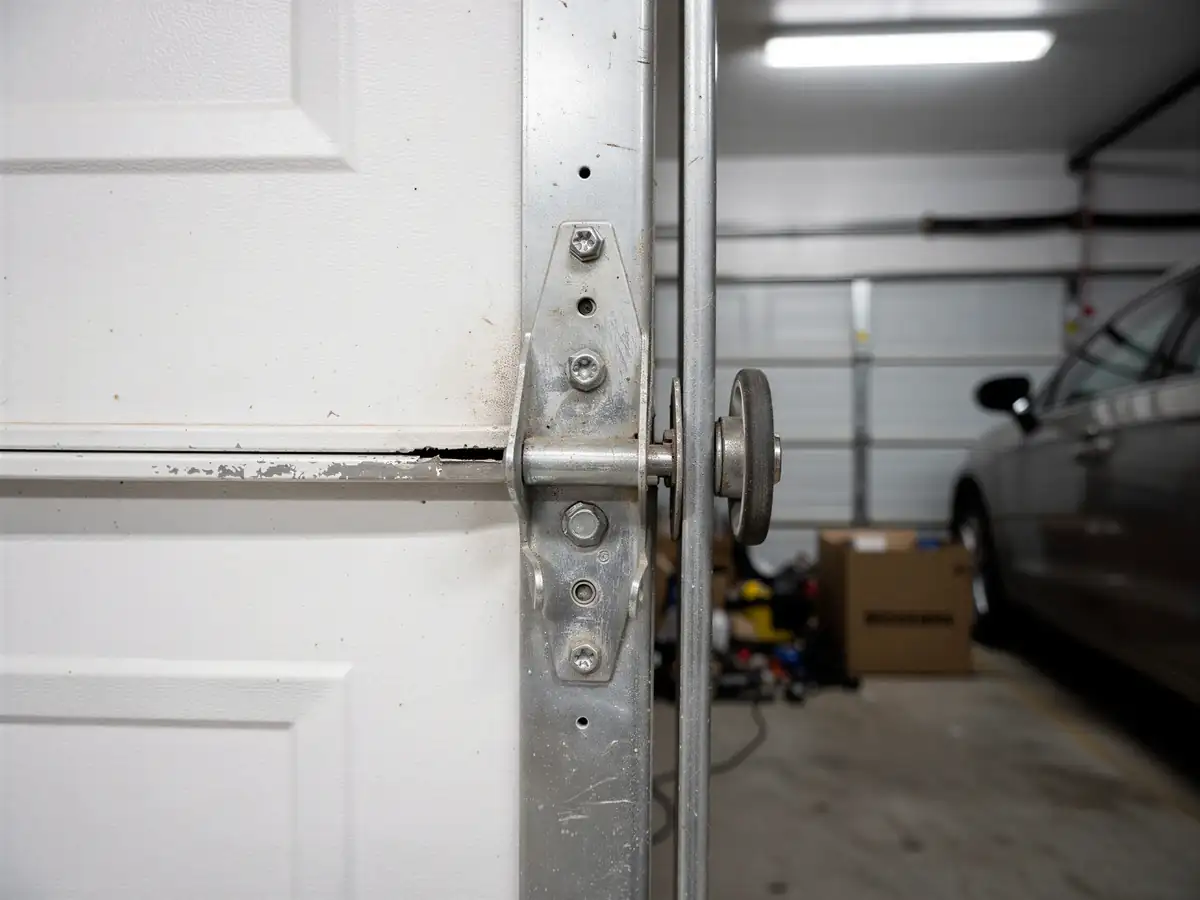
The pattern we see most in this climate band: a door that reverses partway up, or an opener motor that runs longer than it used to before the door actually moves. Both point to spring tension that's drifted off calibration, which happens faster here than in drier climates because humidity works on the coil finish year-round, not just in one bad season. A second common symptom is a roller that clicks or grinds at the same spot on the track every cycle - usually one worn roller on an otherwise serviceable 1980s-era track that doesn't need full replacement, just the one part. We also see cable fraying near the bottom bracket on original hardware, which is harder to spot than a worn roller but more serious if it lets go. None of these show up as total failure right away. That's the honest limitation of maintenance work: we can catch the drift before it breaks, but we can't always tell you exactly how many more cycles a worn part has left in it. If a spring or cable is close to the end, we'll tell you it's close, not that it's fine.