Old Streets and New Ones
New Smyrna Beach sits about 14 miles from our shop in Daytona Beach, farther out than Holly Hill, South Daytona, Daytona Beach Shores, or Samsula-Spruce Creek, all closer stops on the same route. That distance matters less for whether we'll come (we do) and more for what we bring with us, because a call out here means the truck needs to be stocked for the job before it leaves, not restocked halfway through.
The area itself isn't one uniform strip. Some streets were platted and built out earlier, others filled in later, but the median year built across the area lands at 1989 - later than the 1972-1993 spread you'd find averaged across the whole service territory. That one number changes what's actually on most garage openings here, and it's worth more than a map pin.
What Was Built Here
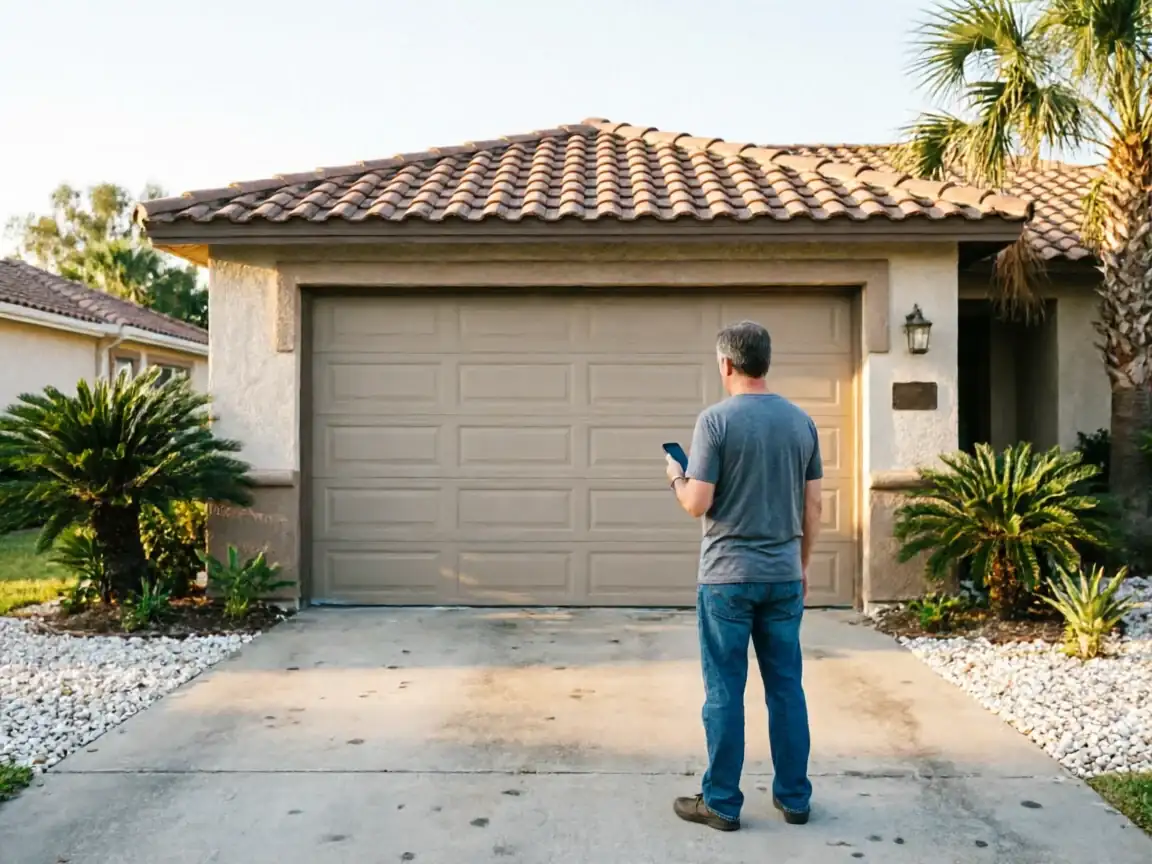
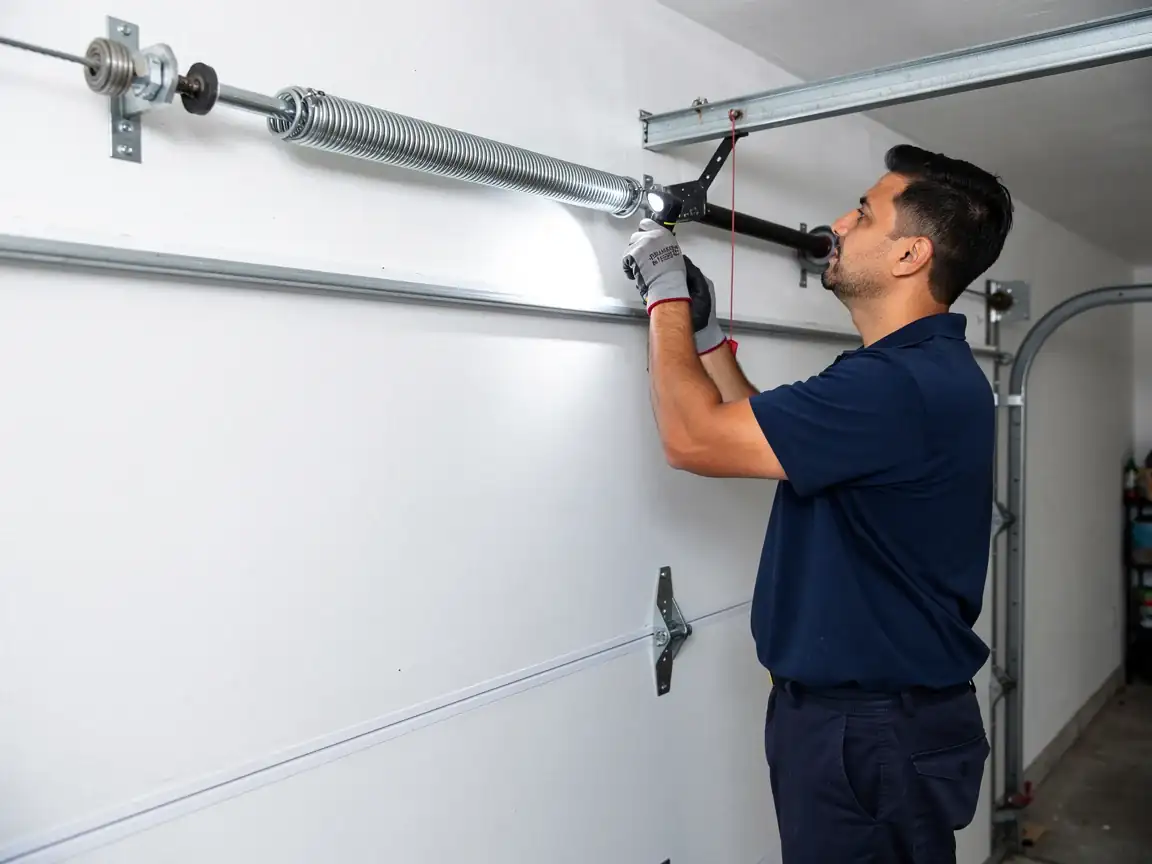
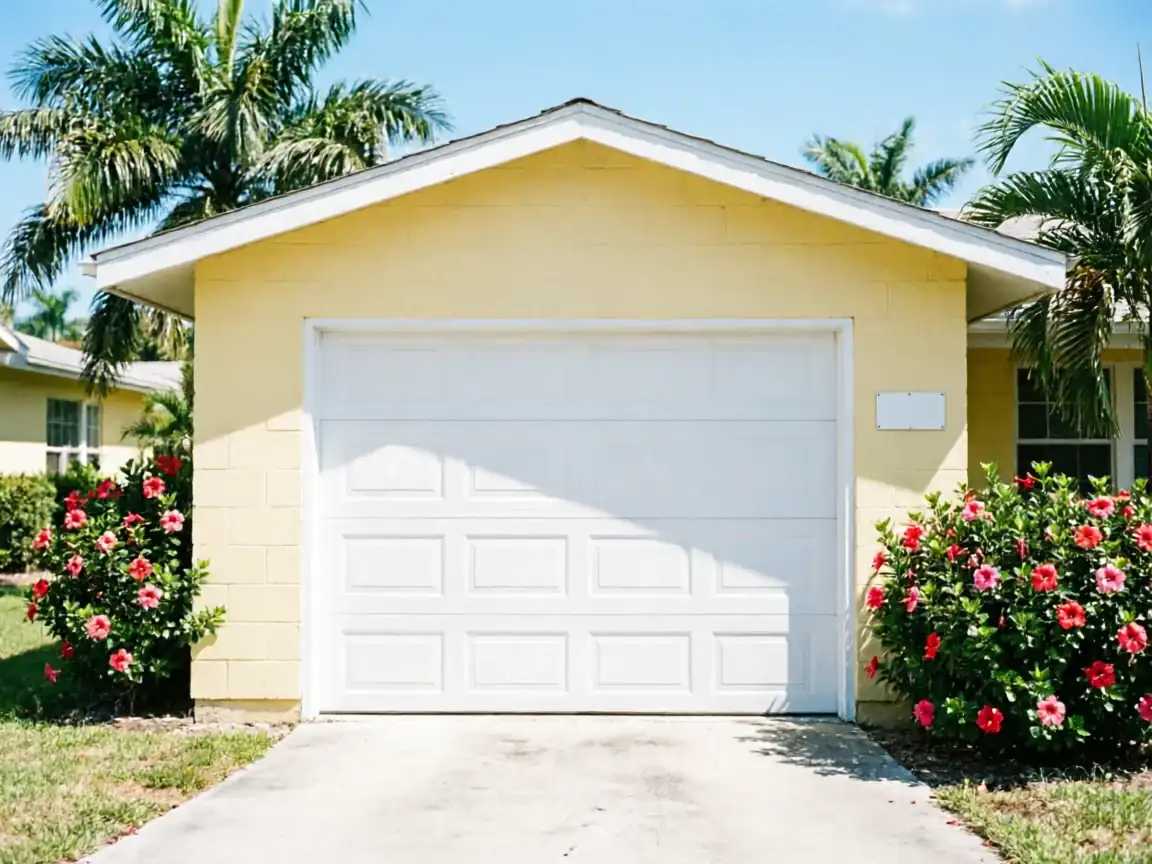
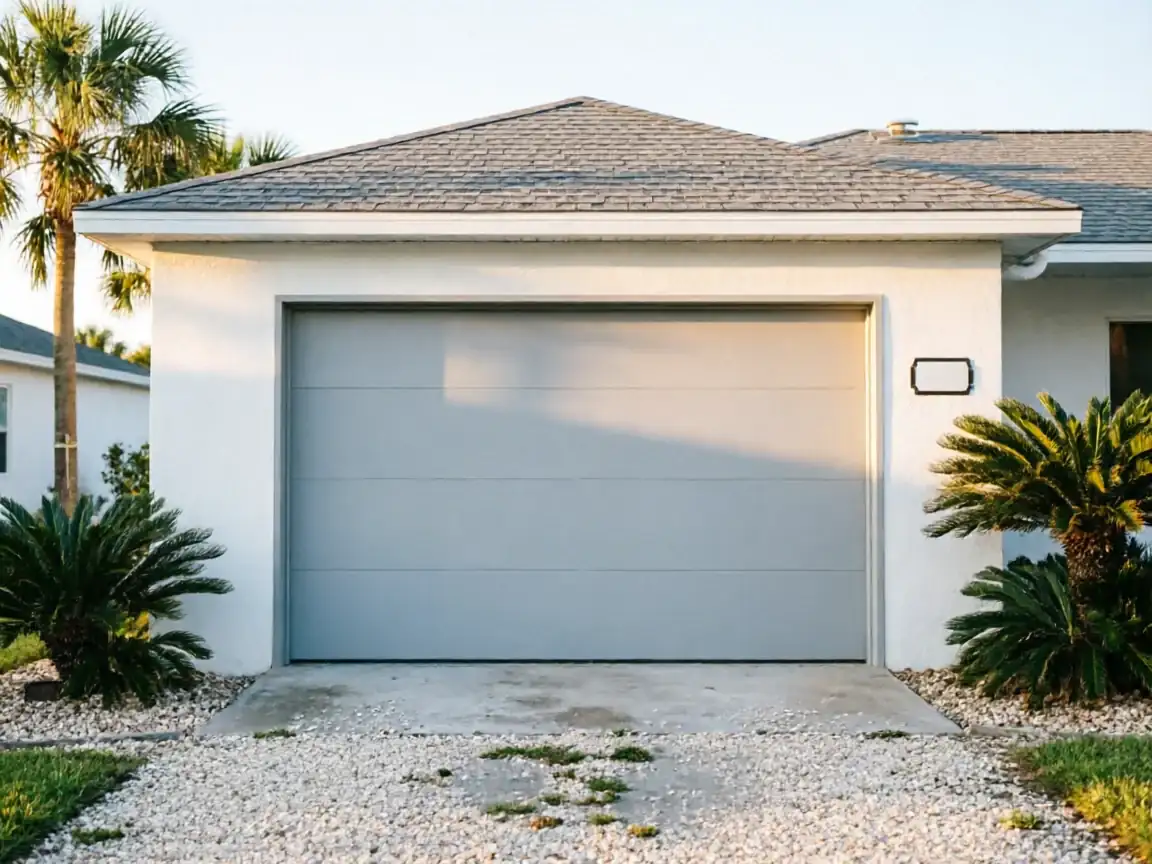
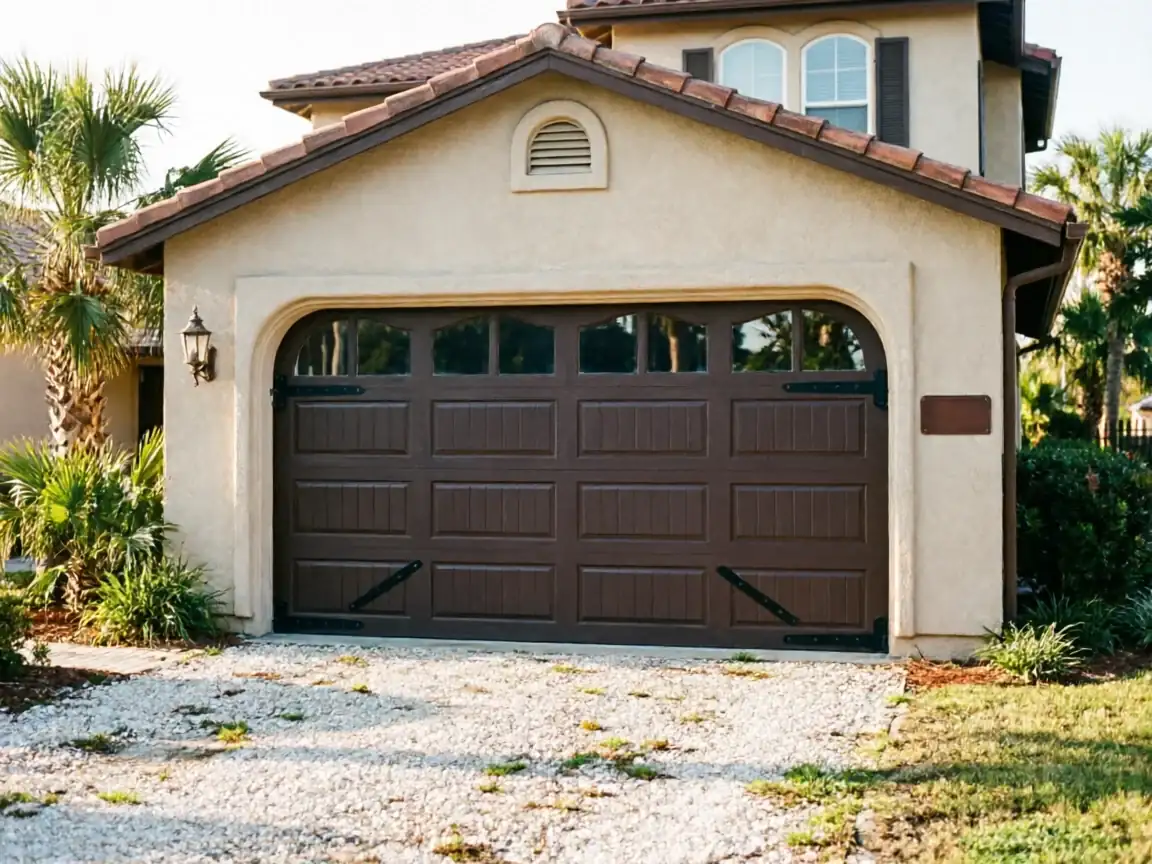
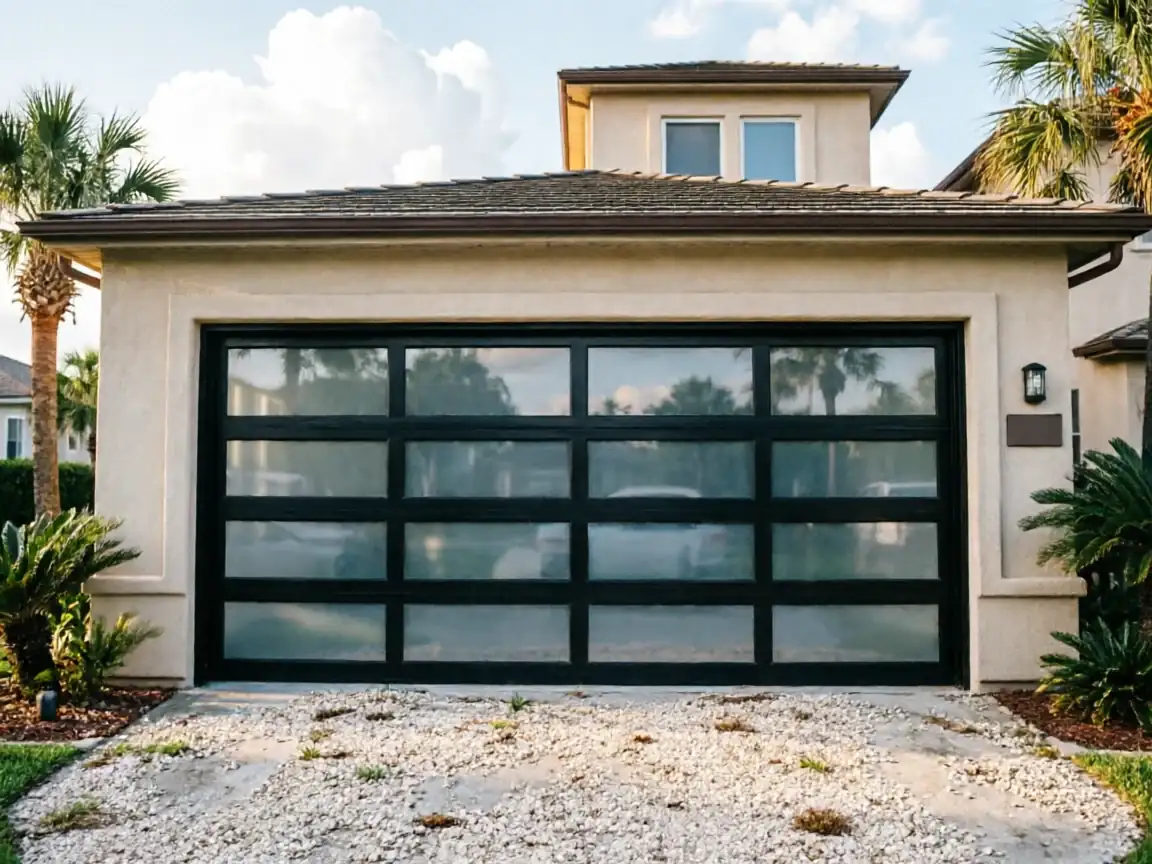
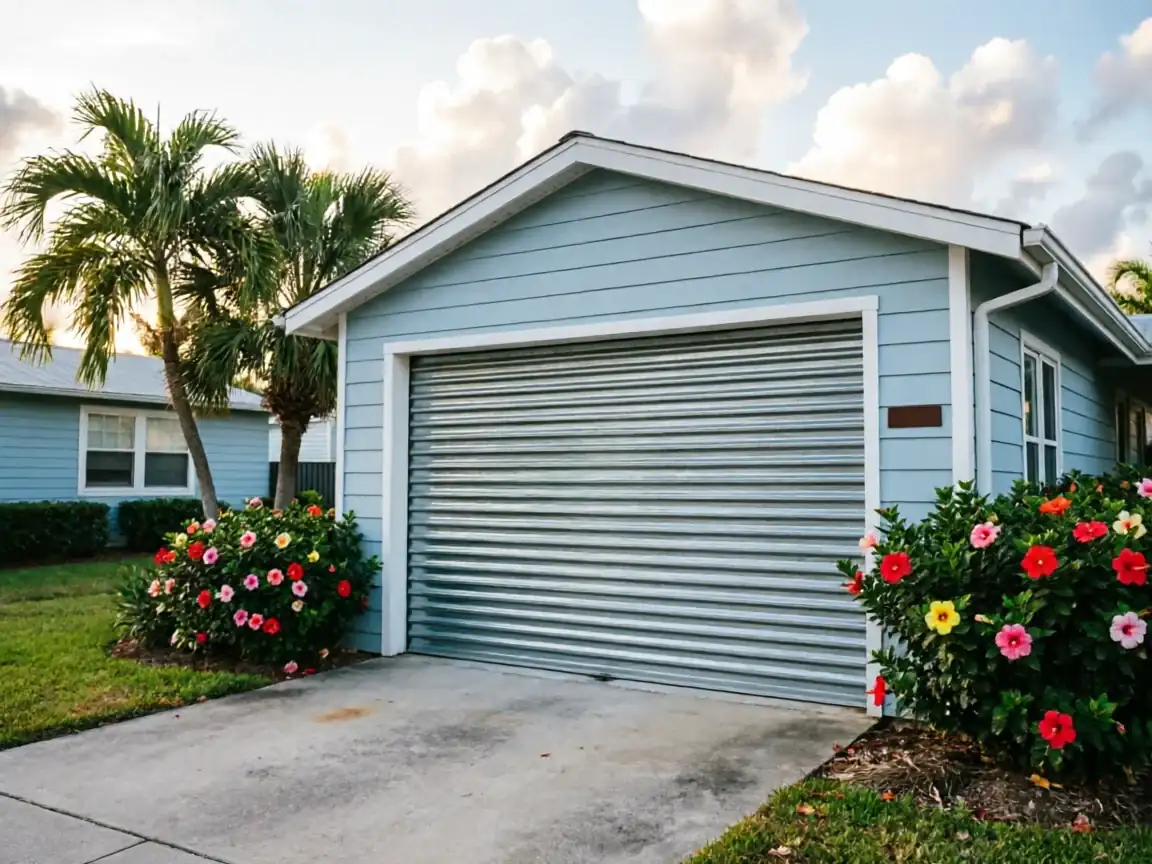
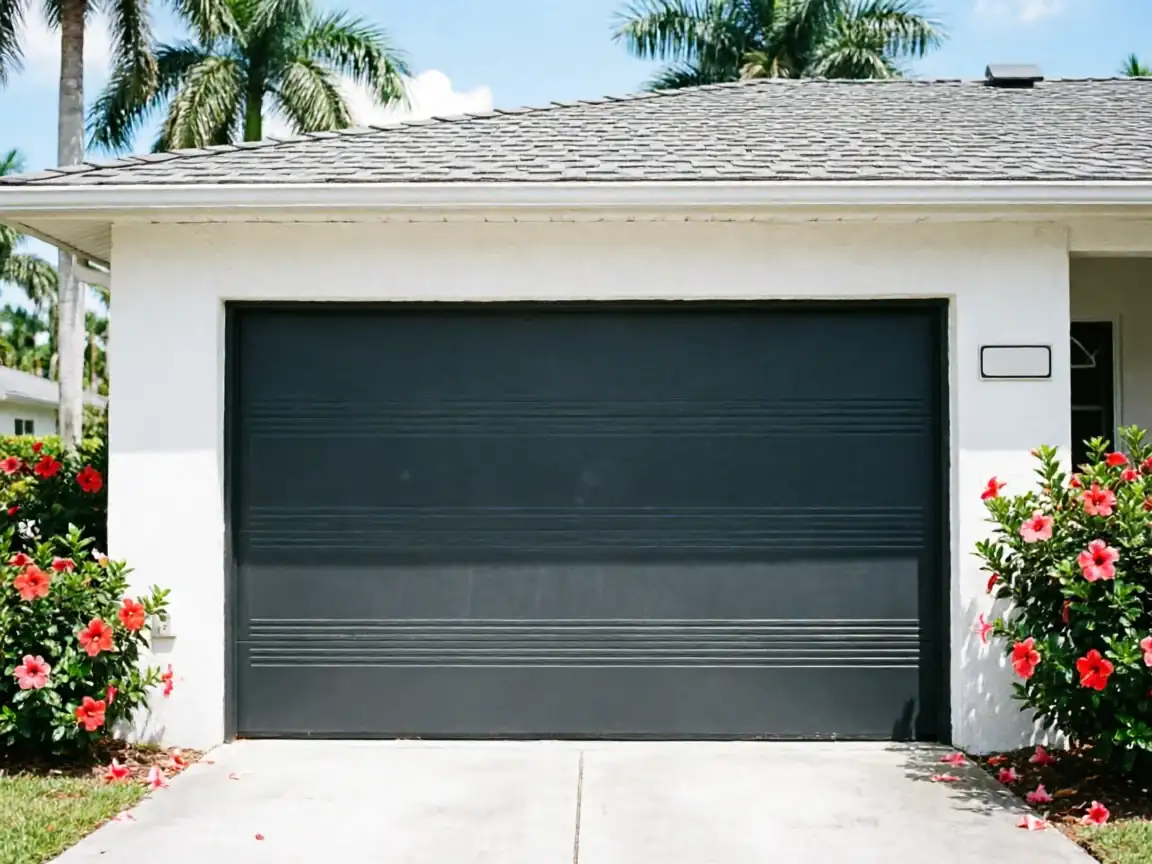
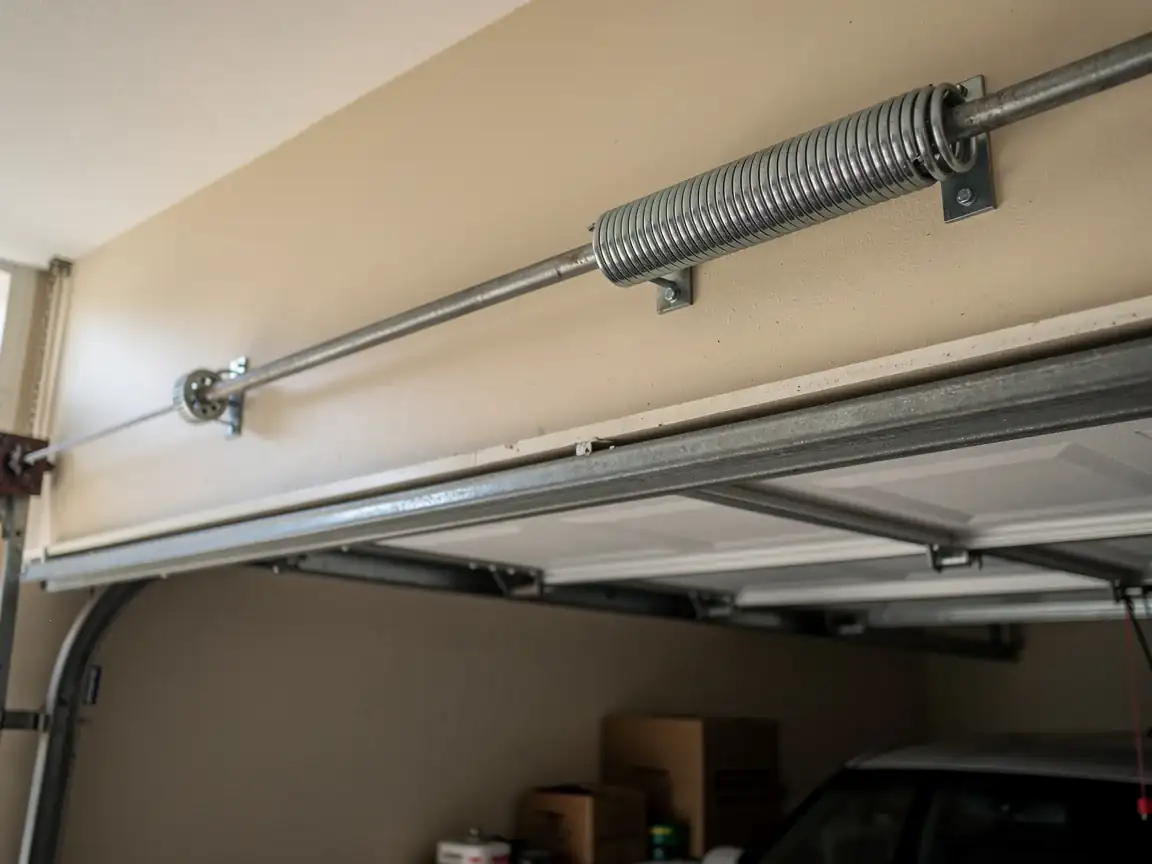
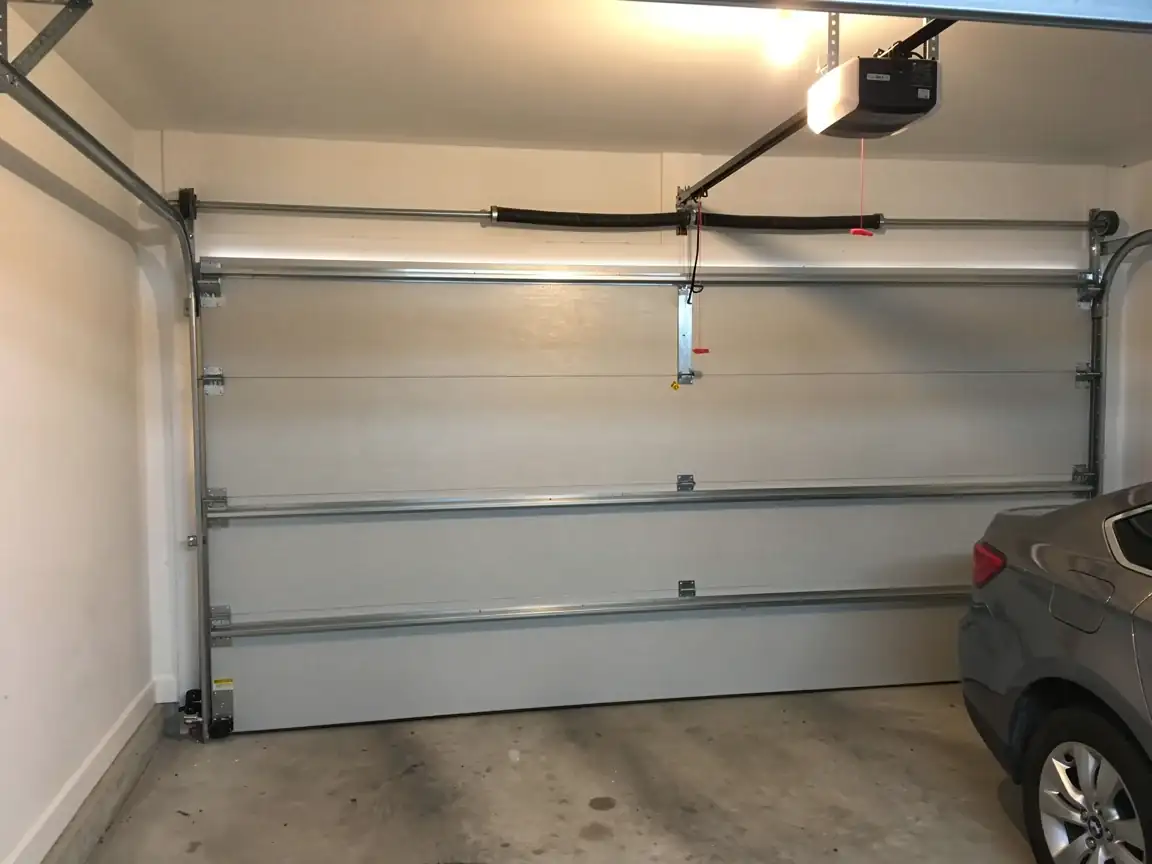
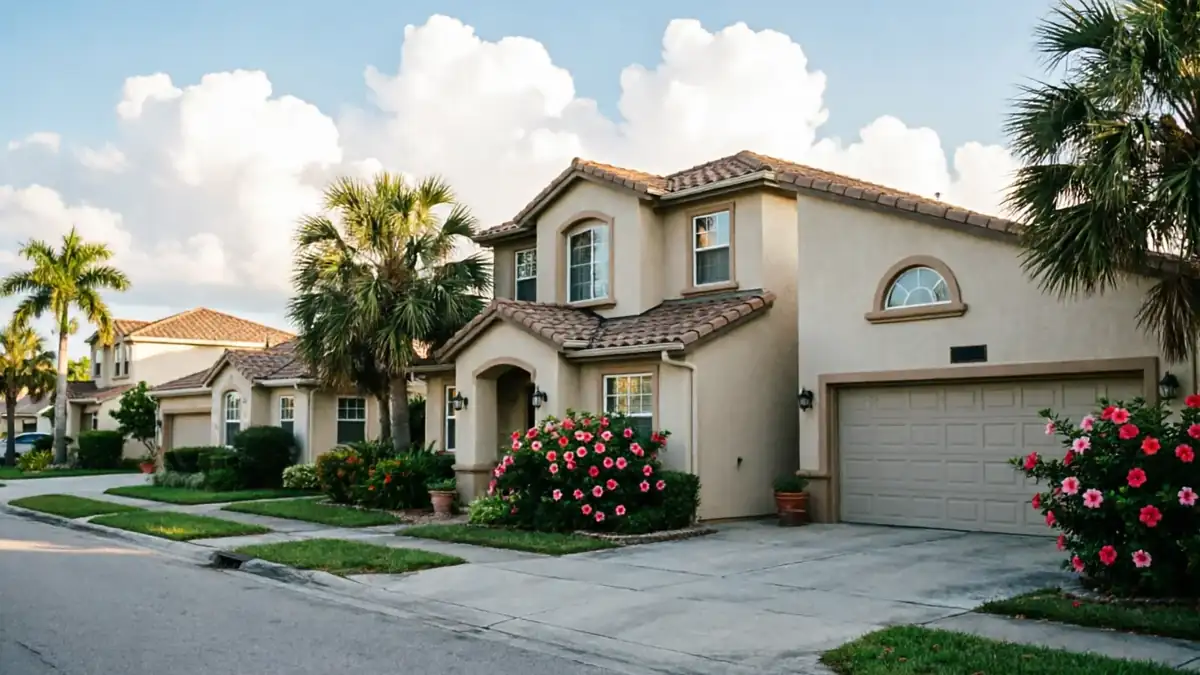
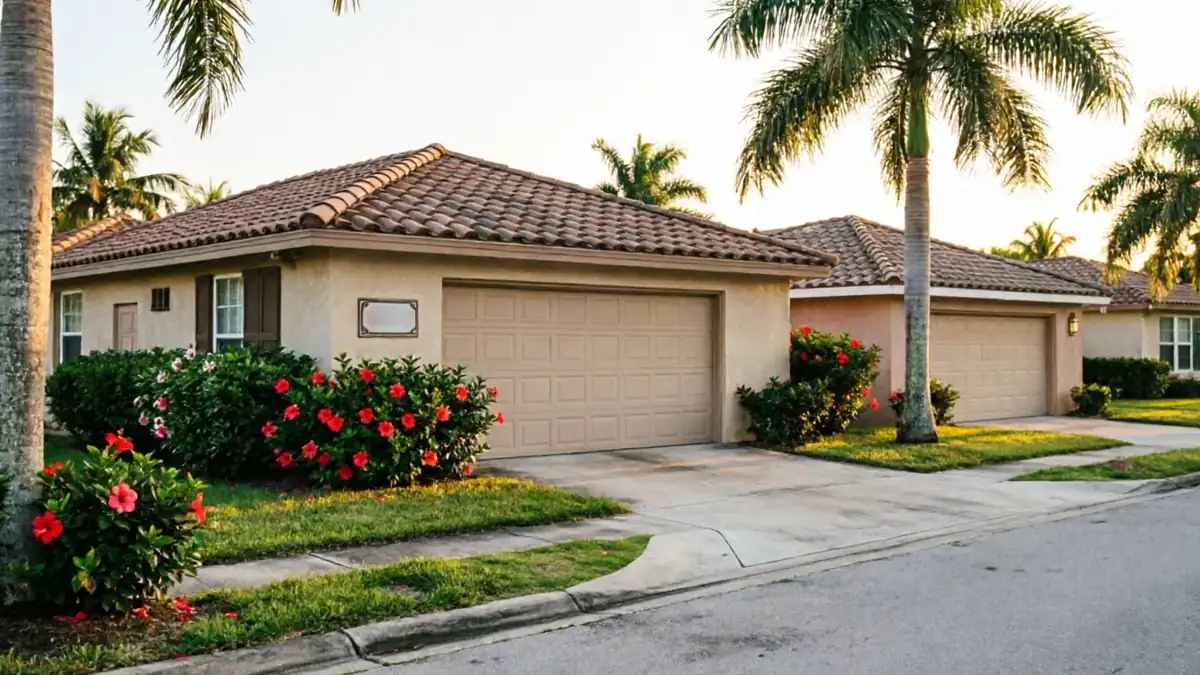
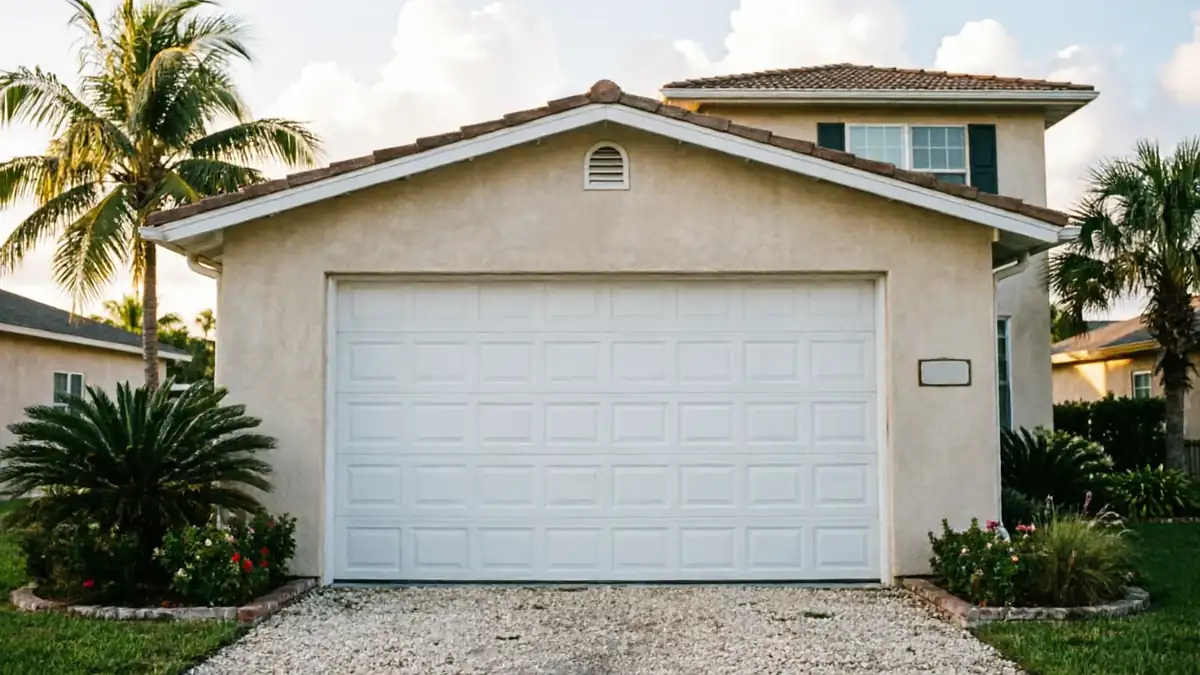
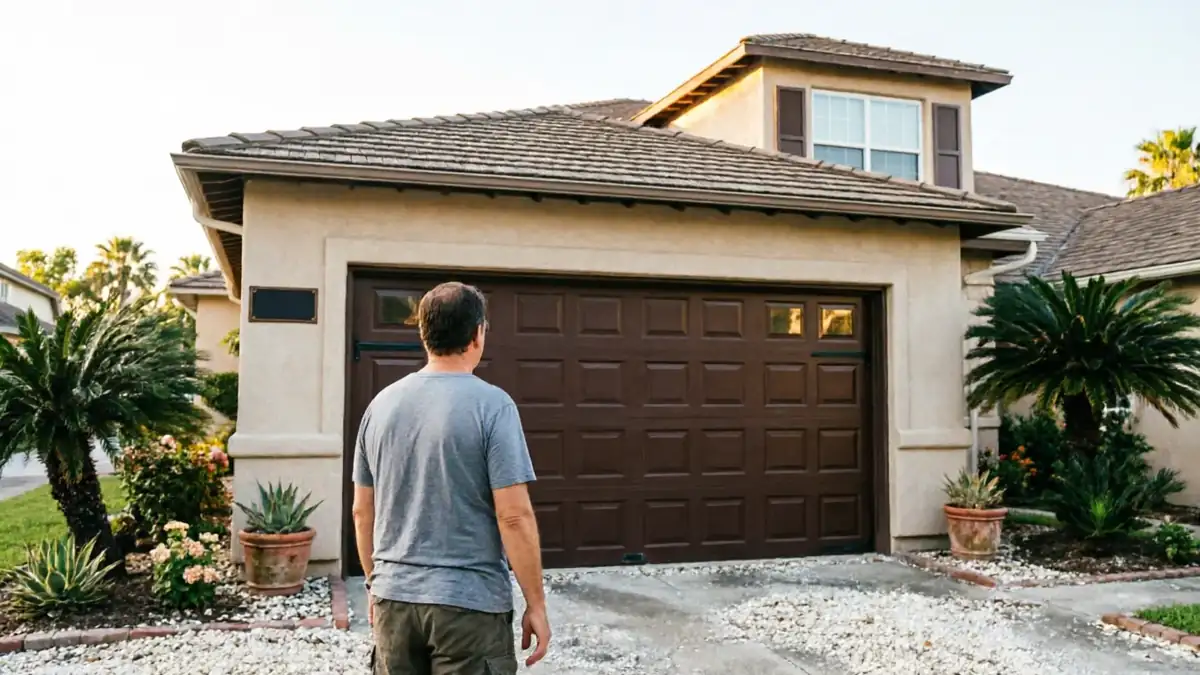
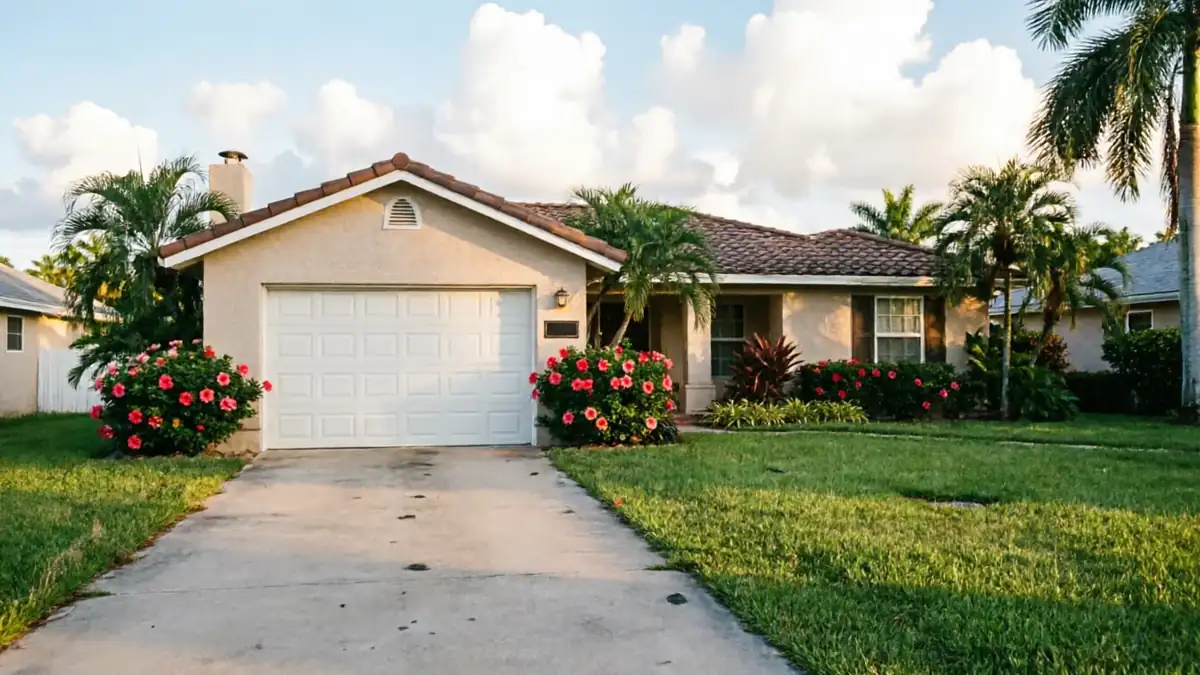
A median build year of 1989 puts most of New Smyrna Beach's garage doors squarely in the late-'80s generation: steel sectional doors, torsion spring setups on a center shaft rather than the older side-mounted extension springs you'd find on homes from the early '70s, and openers that are more likely chain-drive than the belt-drive units going in new builds now.
That's a fairly specific window. Doors from 1989 are old enough that original springs, if they haven't been replaced, are well past a normal service life. They're also recent enough that the opener is probably not original - most units from that era got swapped once already, sometimes twice. With 15,663 households in this area, that's a lot of doors sitting in the same narrow band of age, which means the same handful of failure points show up over and over: dried-out rollers, a torsion spring that finally lets go, a logic board on a chain-drive opener that's run its course.
The Drive Over
Fourteen miles each way is a real number, not a rounding error
We travel here from Daytona Beach, and the mild temperate climate along that route means we're not fighting ice or extreme heat swings that would otherwise mess with scheduling - no frozen tracks, no summer heat warping a wood jamb overnight. That's one less variable.
What the distance does mean is this
If a part turns out to be nonstandard or we didn't anticipate it, a second trip isn't a quick turnaround the way it might be on a 5-mile call to Holly Hill. We'd rather get the diagnosis right the first time, which is part of why knowing this area runs mostly 1989-era hardware matters before the truck even leaves the shop.
What That Means for Doors
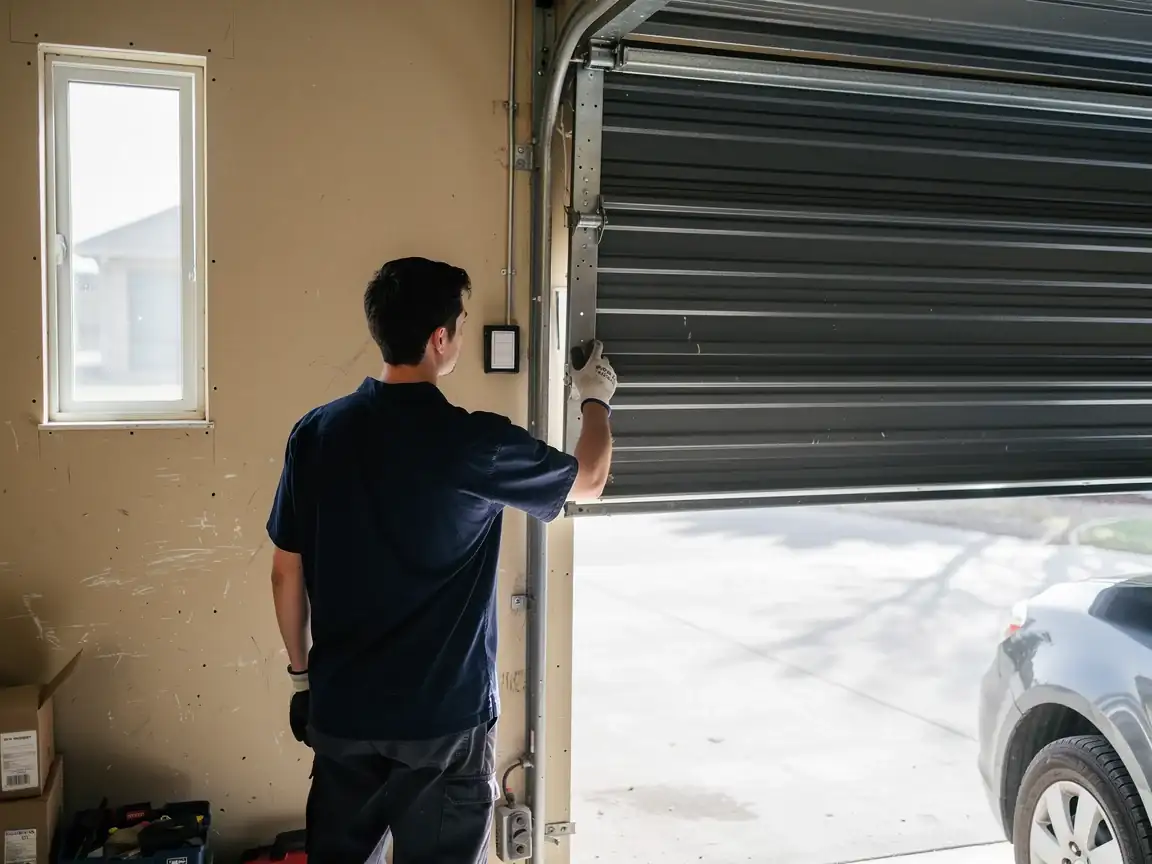
Put the build year and the distance together and you get a practical answer: most service calls out here are going to involve torsion spring replacement, roller and cable wear, or an opener that's reached the end of its chain-drive life, not the extension-spring repairs more common on older housing stock elsewhere in the territory.
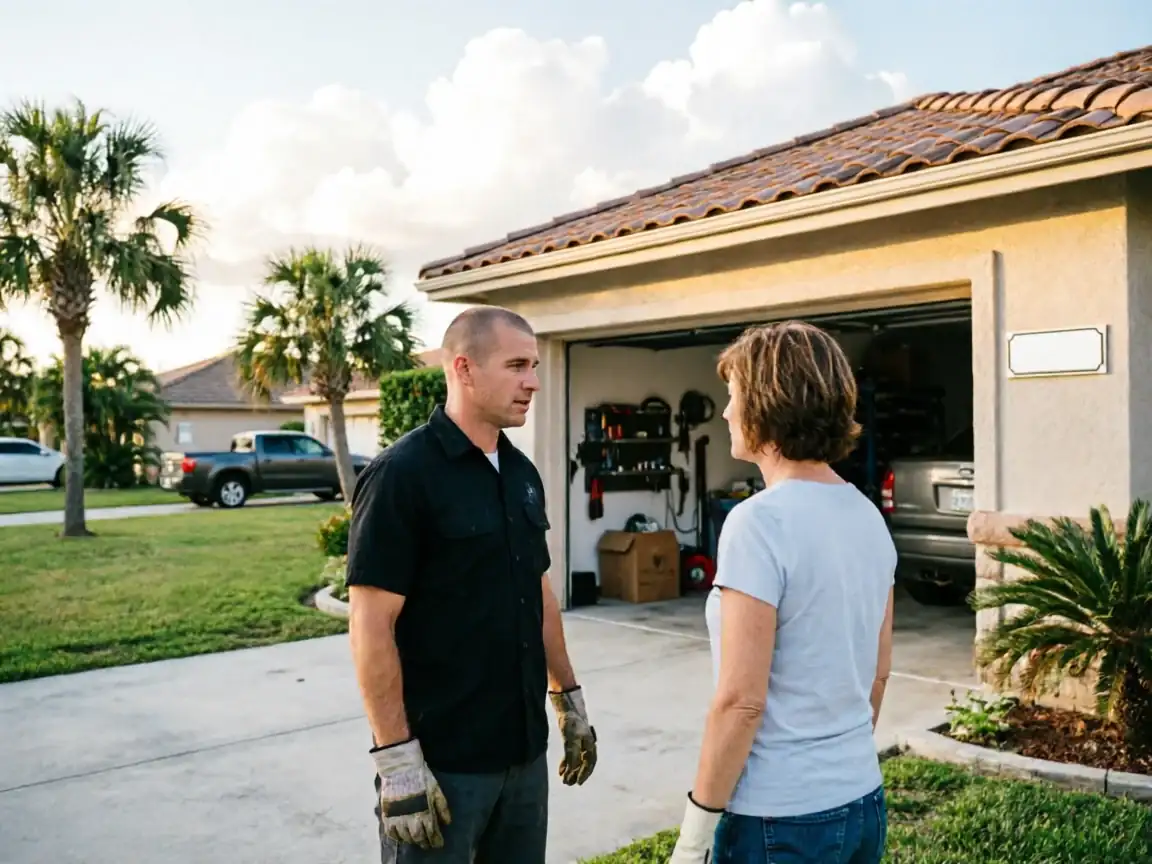
The honest limitation: if a part is unusual - an odd-sized panel, a discontinued opener model - it may not be on the truck on the first visit, and a 14-mile round trip for a part run adds real time to the job. We'd rather tell a homeowner that upfront than promise a same-visit fix we can't back up. For most 1989-era doors, though, the common failures are well understood, and a single visit covers it.