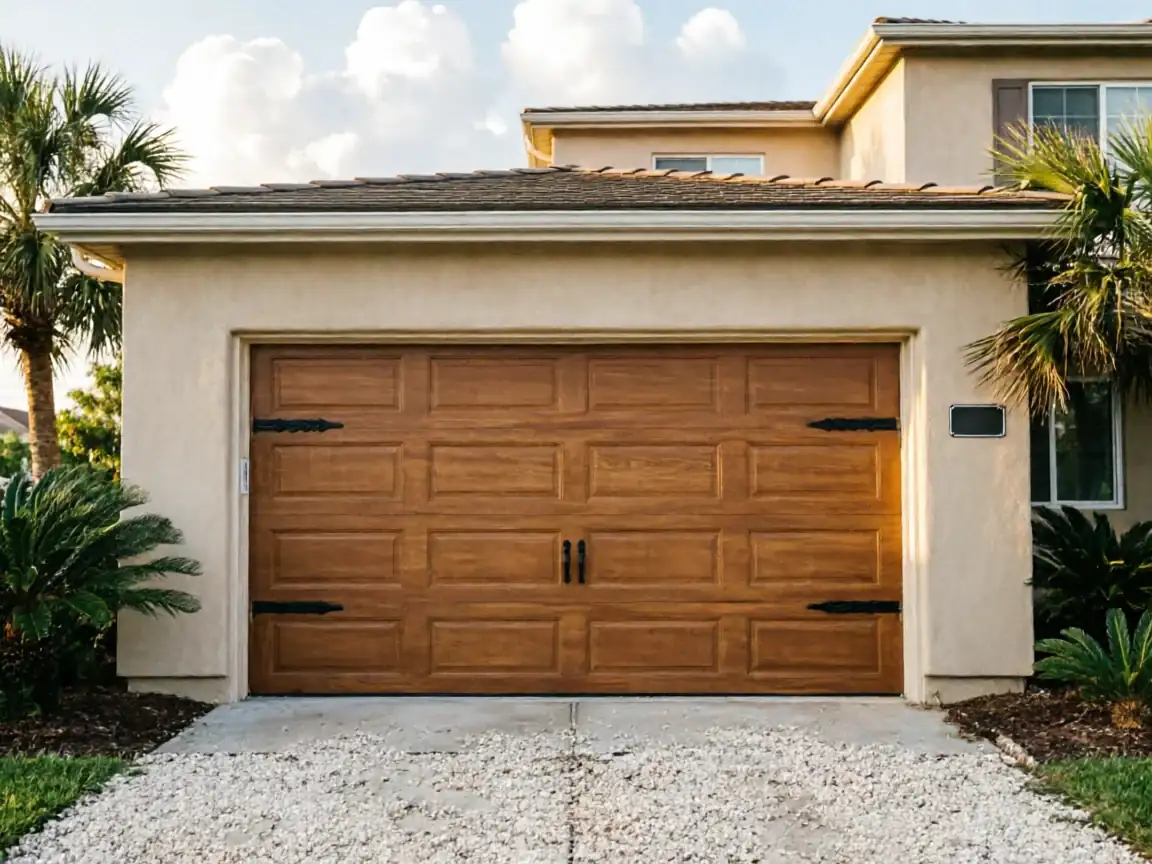
Can You Do This Yourself
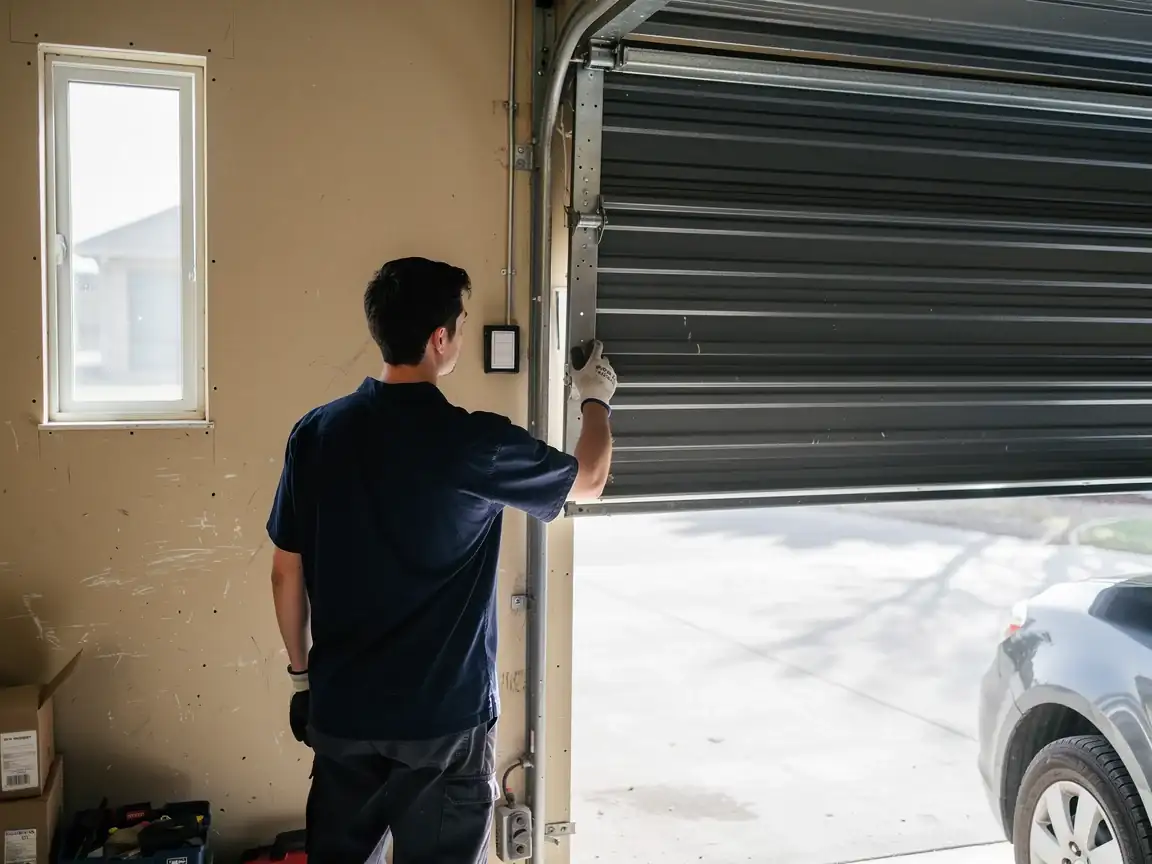
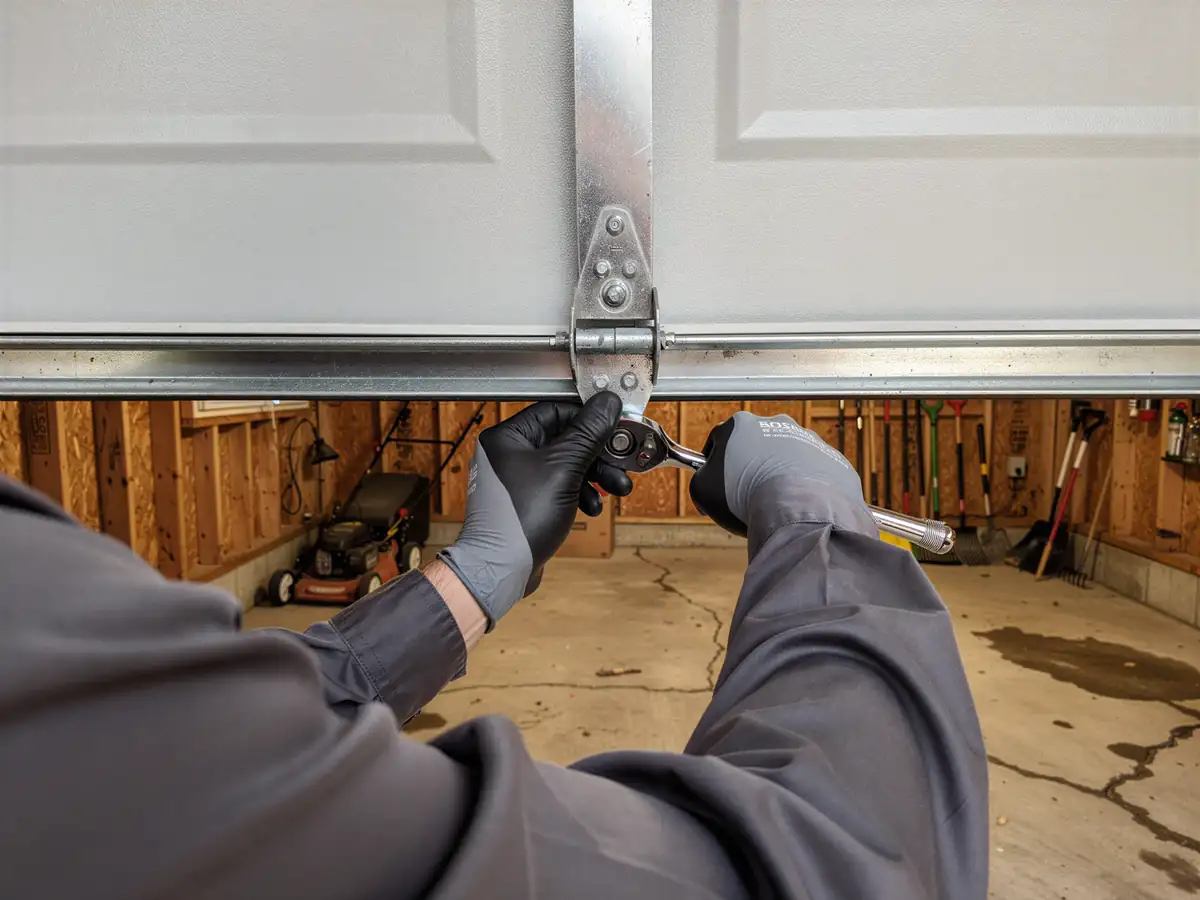
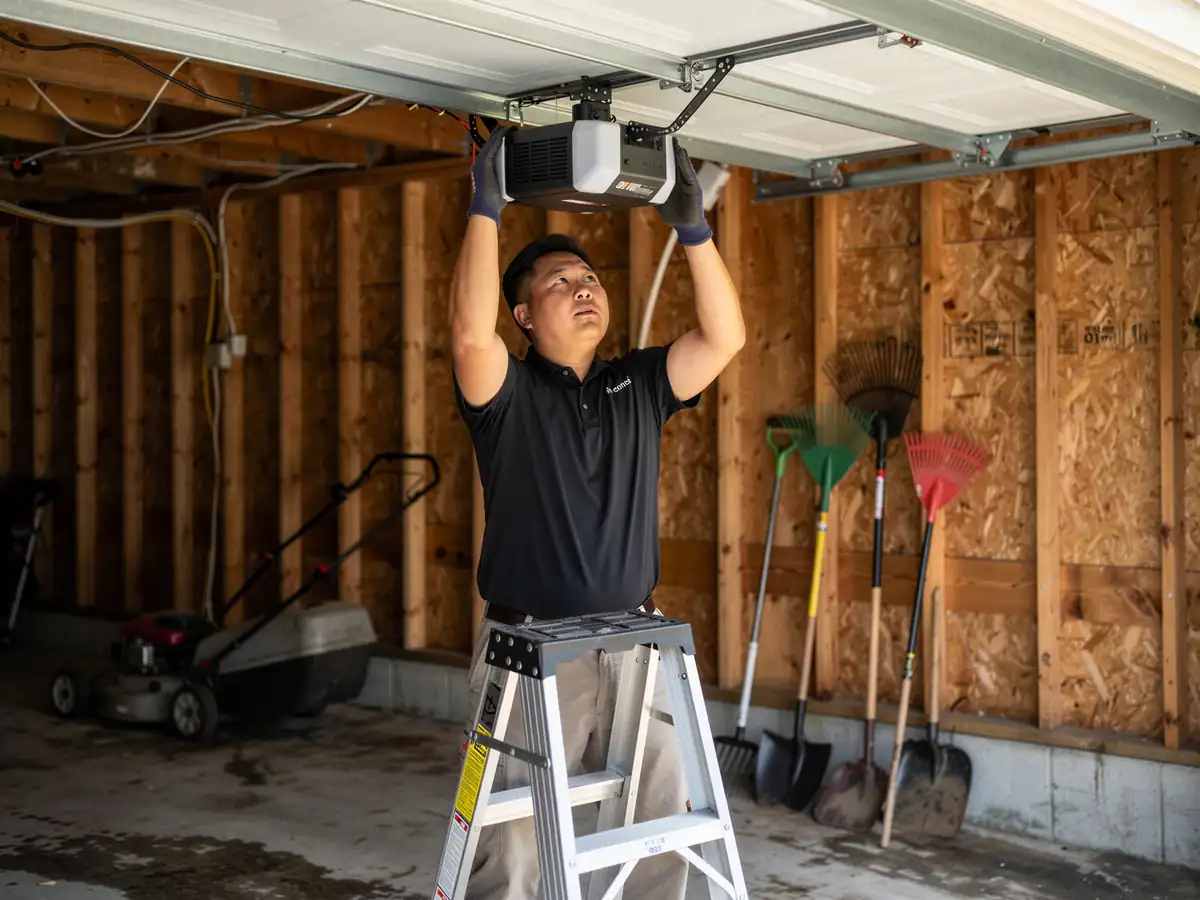
Some of it, yes. You can wipe down the tracks, check that the photo-eye sensors aren't coated in dust, and look at the weatherstripping along the bottom panel for cracking. None of that requires a tech.
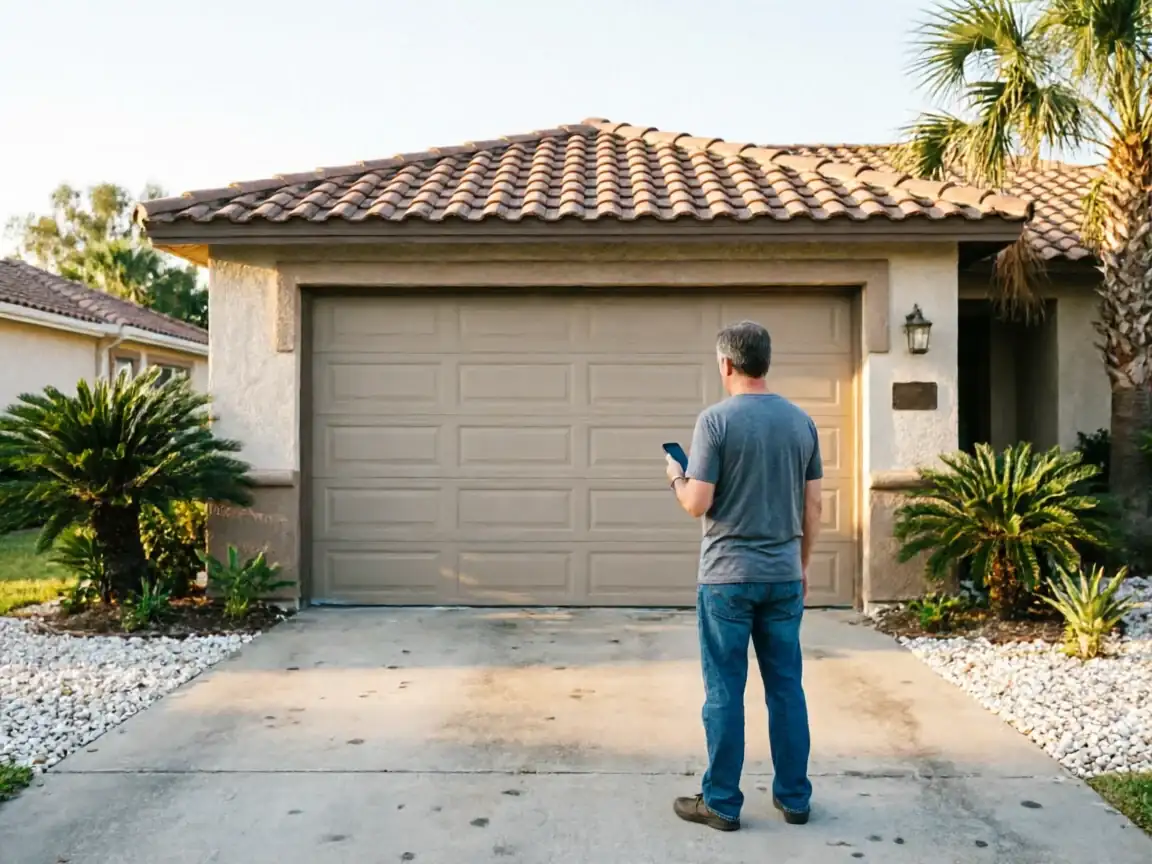
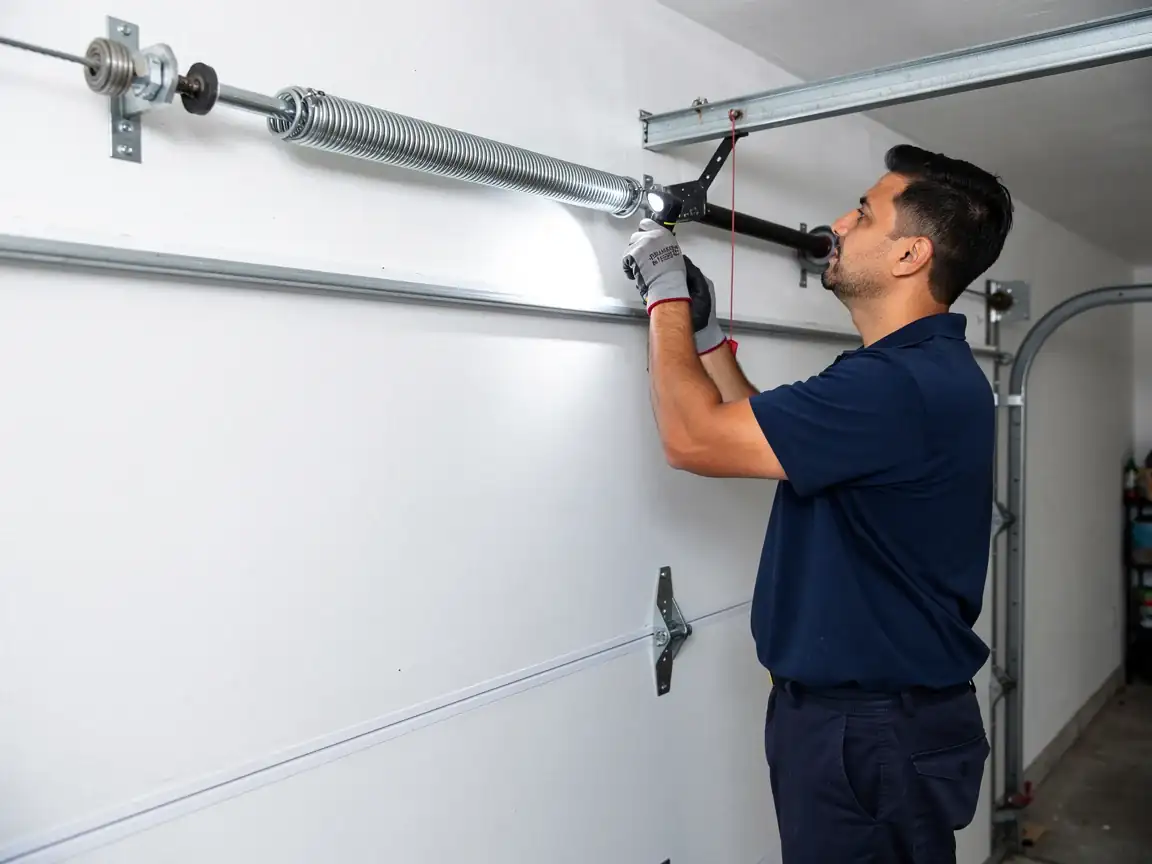
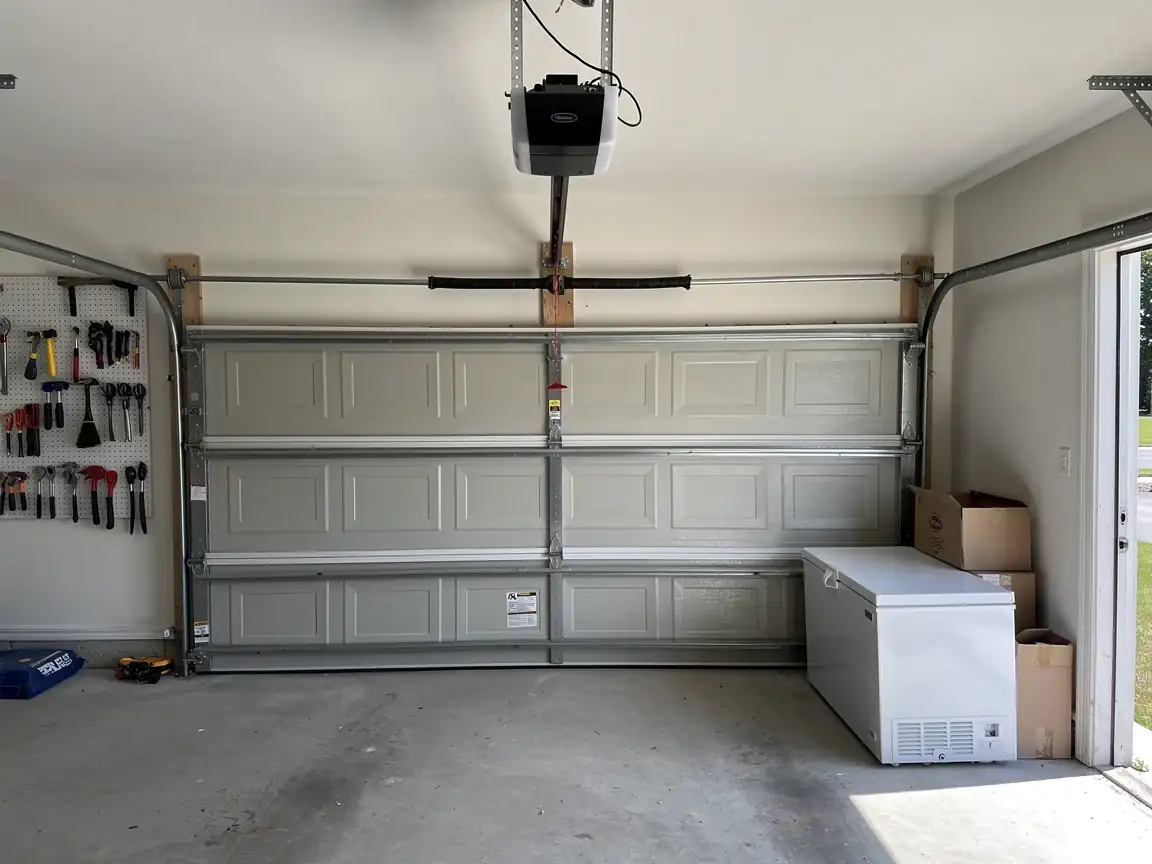
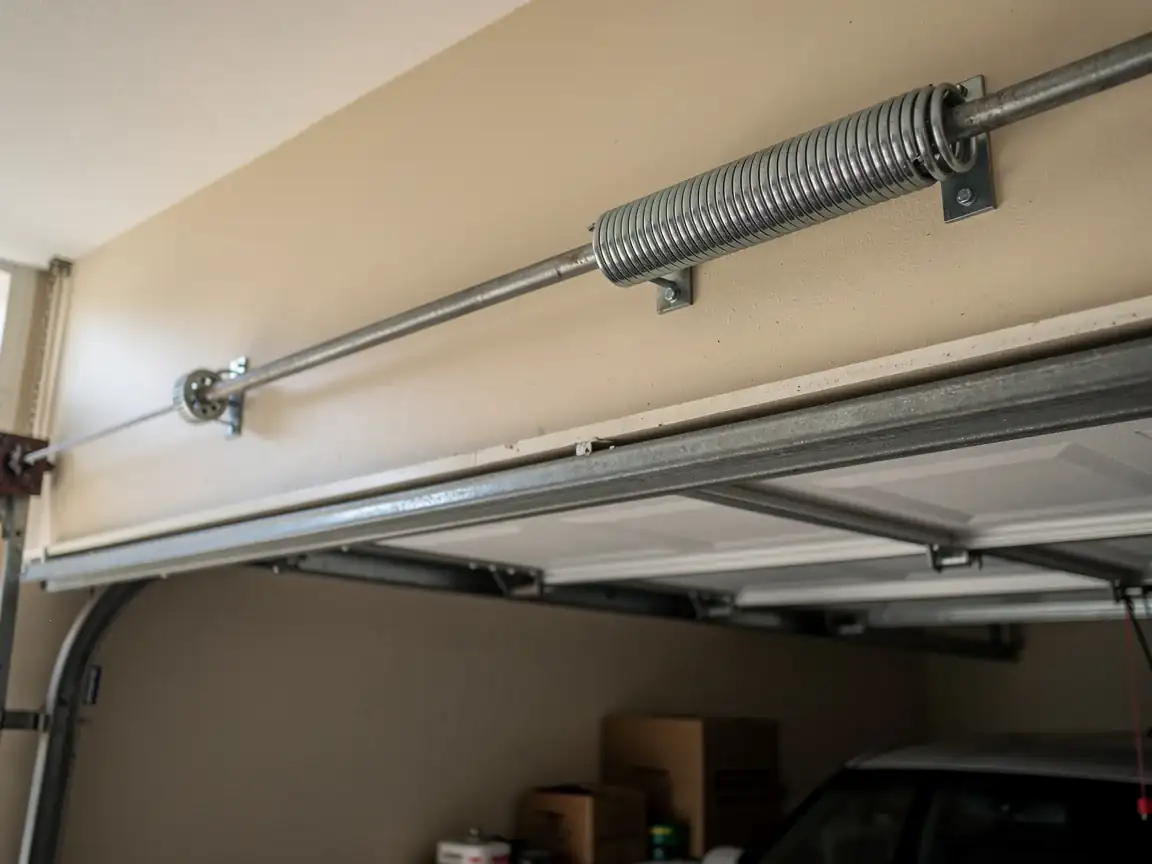
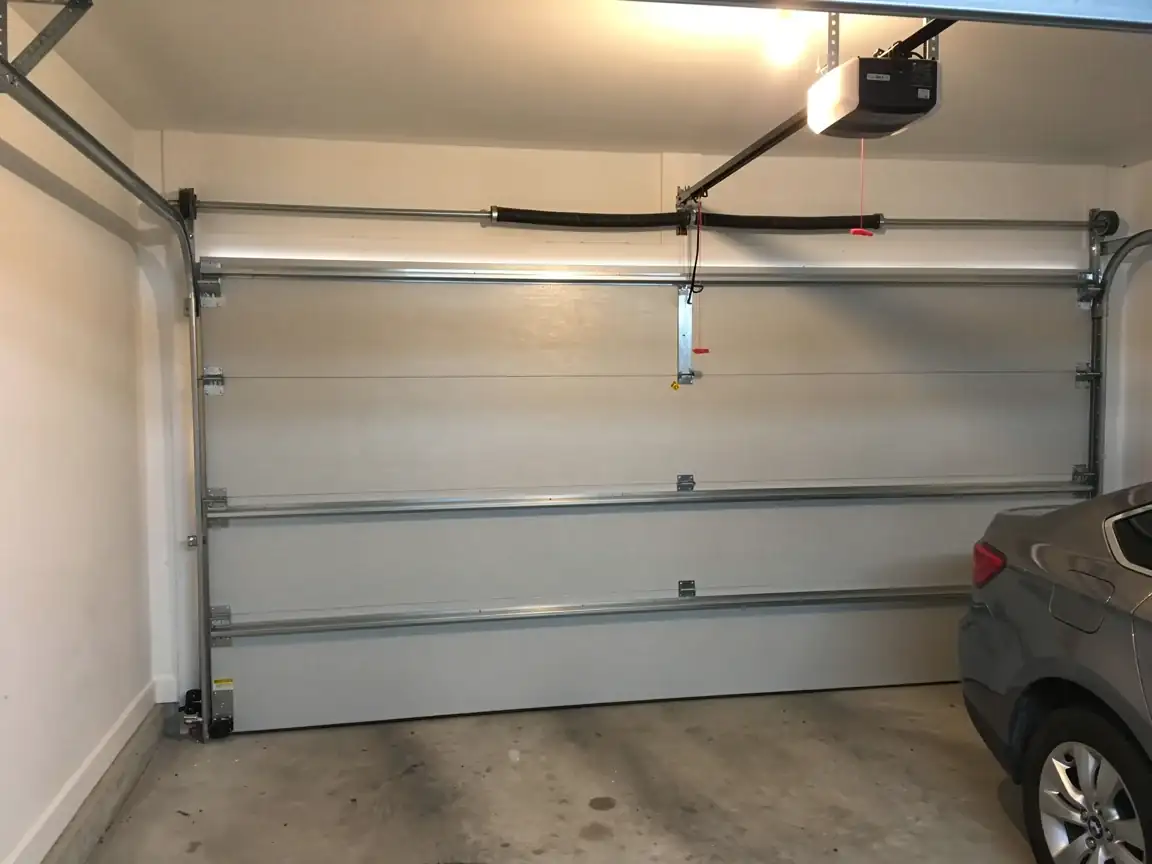
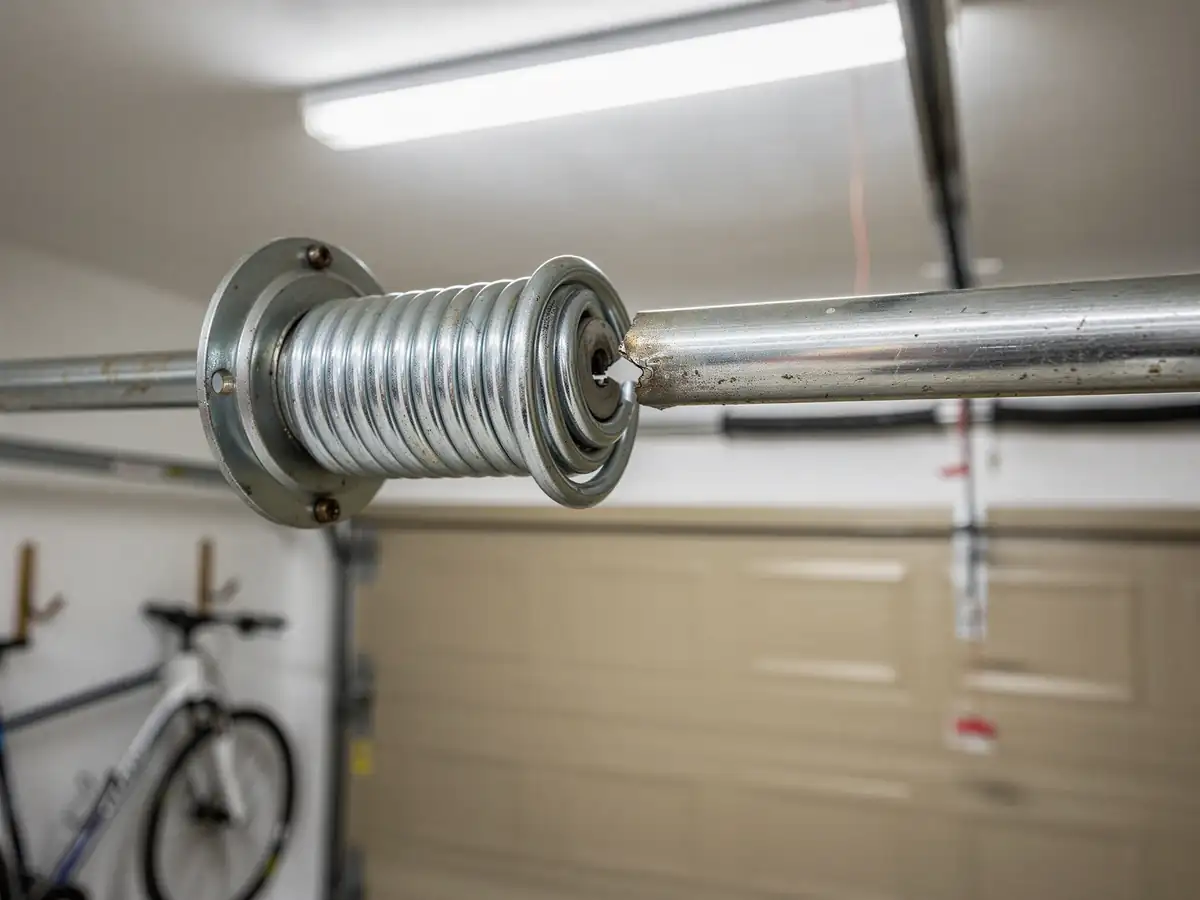
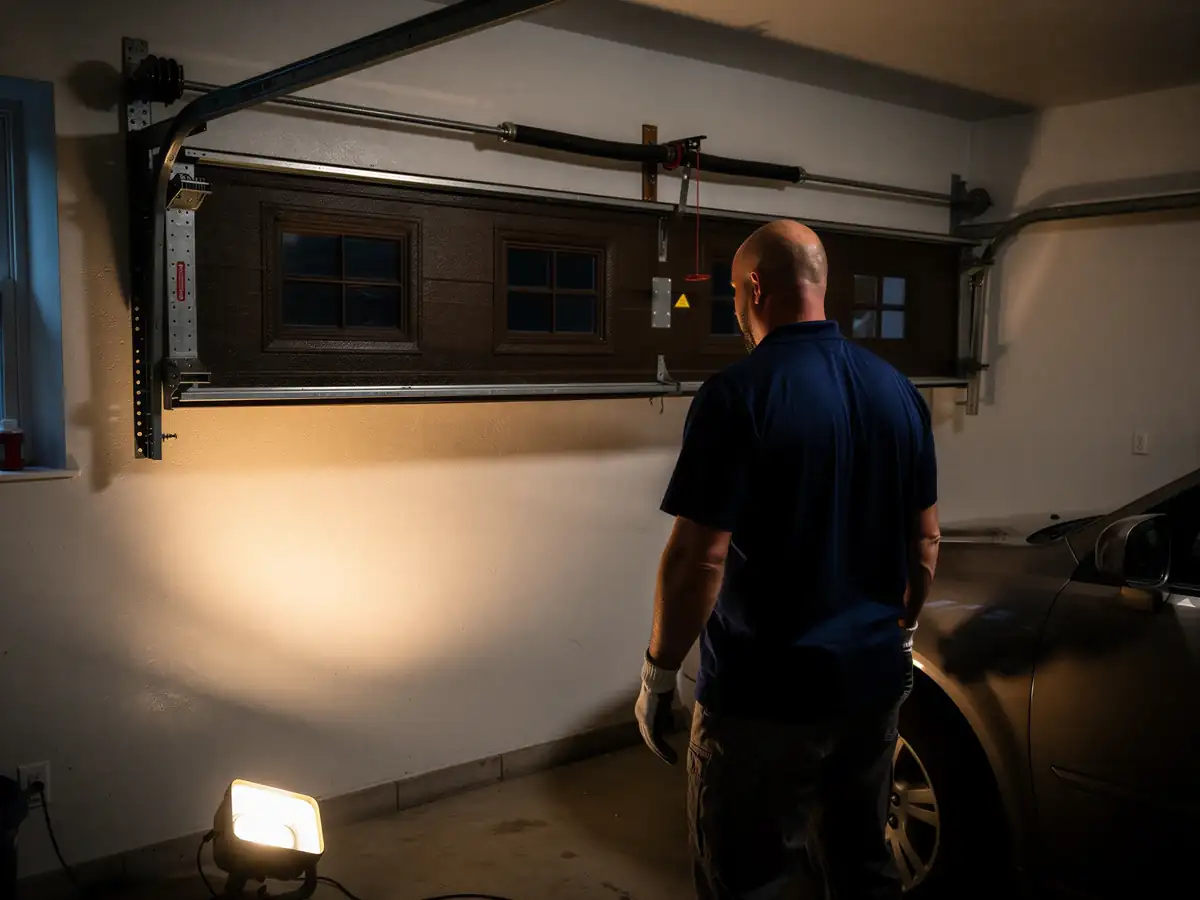
What you shouldn't touch is the spring system. In a New Smyrna Beach house built around the median year of 1989, that door is pushing 35 years old, and most doors from that era run on extension springs mounted above the horizontal track rather than the torsion bar setup builders favor now. Extension springs store less energy per coil than a torsion spring, but they're also more exposed, and a worn one can let go without much warning. If you hear a loud bang from the garage and the door won't lift evenly afterward, that's usually it.
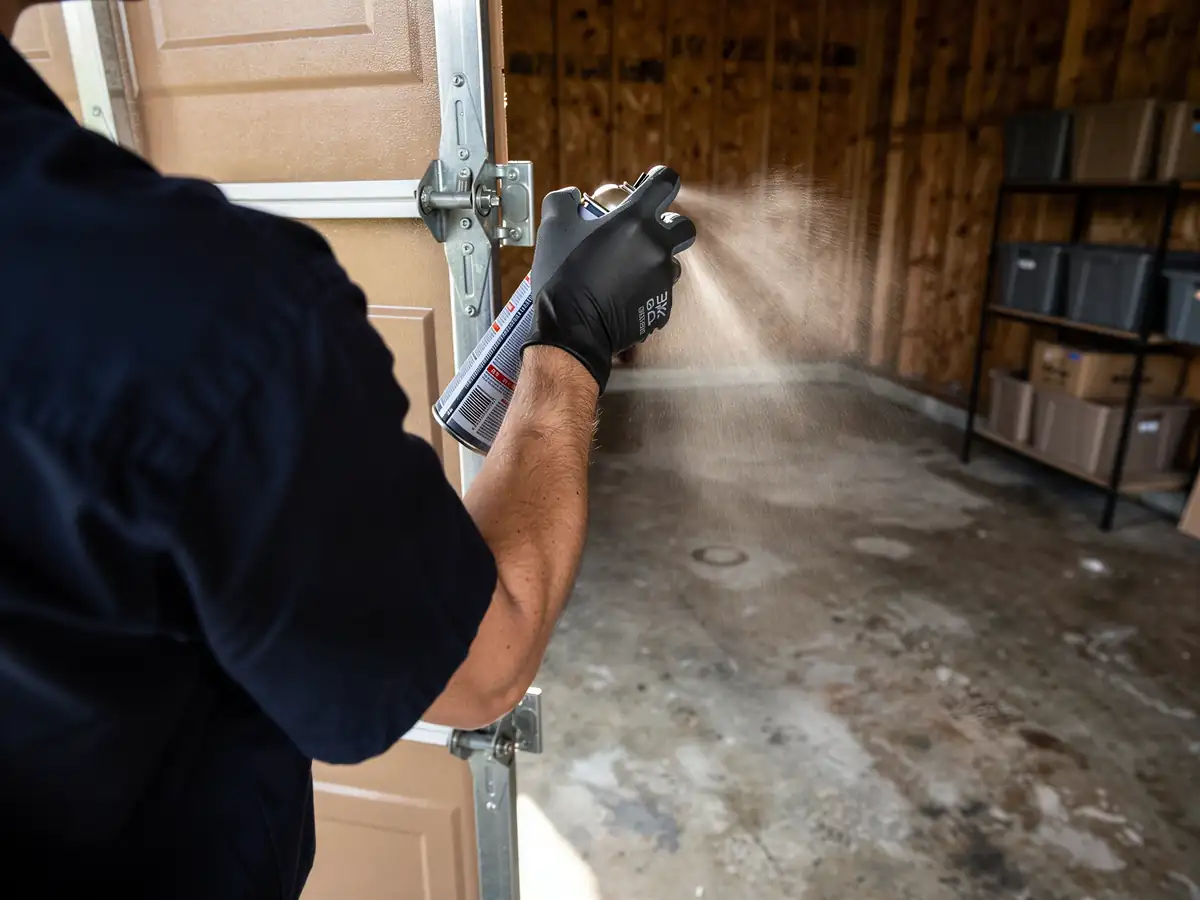
Lubrication is the other DIY-safe item. Hinges, rollers, and the lift cable itself need a light coat of garage-door-specific lubricant every few months, not WD-40, which actually strips the grease that's already there. Beyond that - spring tension, cable replacement, opener gear wear - leave it to someone who does it weekly.
The Cost of This Job
We don't quote maintenance pricing for New Smyrna Beach on this page because it depends on what the door needs once a tech is looking at it, not on the zip code. What we can tell you is what drives the number: whether the springs are original 1980s-era hardware or already replaced, how many cycles the opener has logged, and whether the track needs realignment or just a clean and lube.
At a median household income of $78,373 for this part of the service area, a lot of the calls we get here are preventive - owners who'd rather pay for a tune-up now than a full spring replacement and a new door panel later. That's the right instinct with a 1989-era door. Catching a dry bearing or a stretched cable before it fails costs less than the emergency version of the same visit.
The Complications
New Smyrna Beach sits about 14 miles from our Daytona Beach base
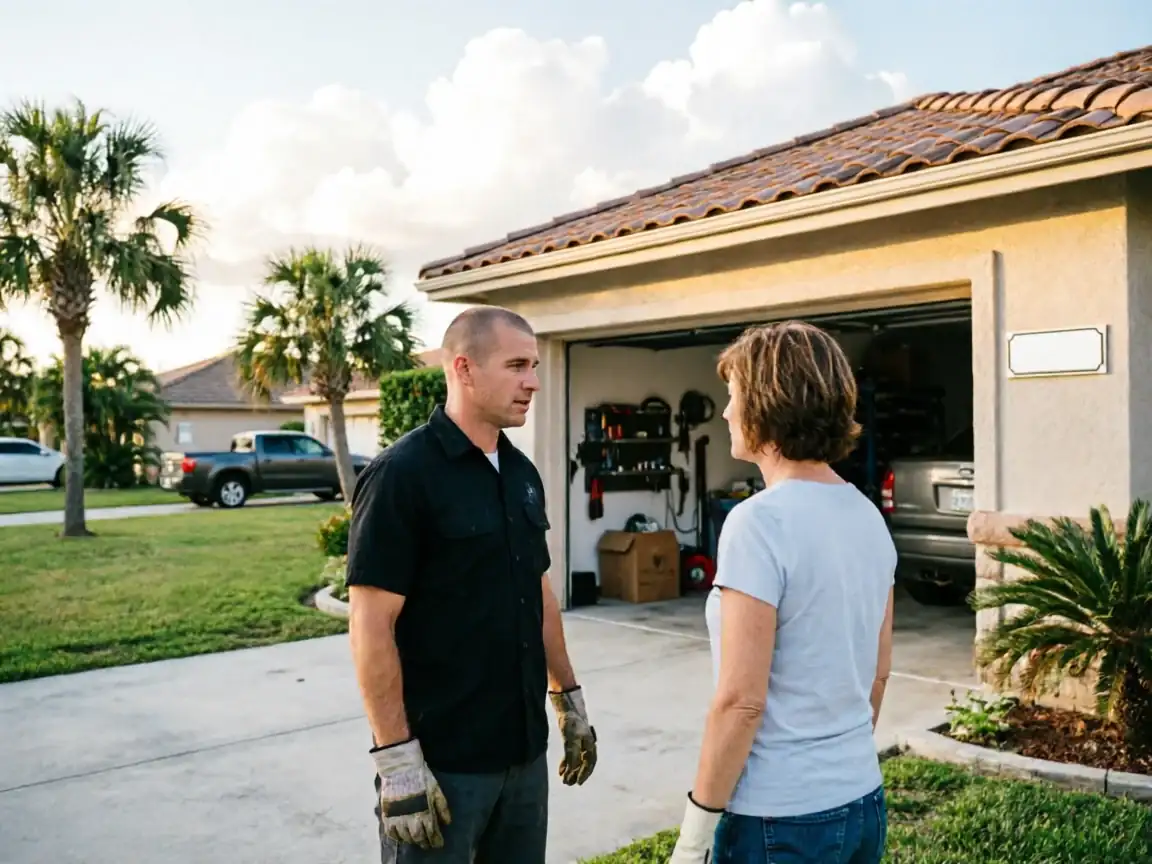
Which means a maintenance visit here gets scheduled as a route stop, not a same-day drop-in. If your opener is already making a grinding noise or the door is binding on one side, say so when you call - that changes how soon it needs to go on the schedule versus waiting for a routine pass.
- 14 miles
The other complication is parts matching
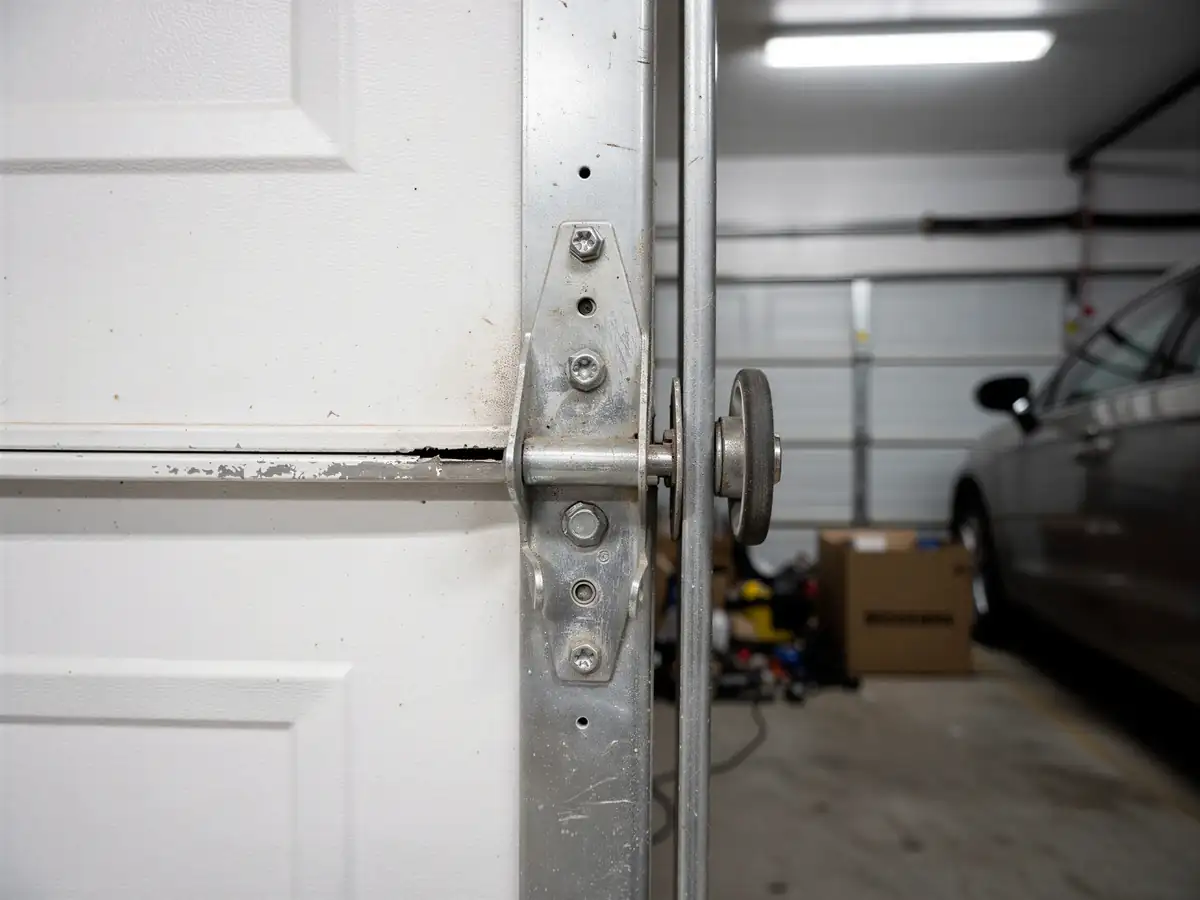
A door from the 1986-1993 building window often has hardware sized differently than what's sold today - roller diameter, spring wire gauge, sometimes the track profile itself. We carry common replacement sizes on the truck, but if your door has a less common spring wire gauge from that era, the part may need to be ordered, which adds a day or two to the job rather than finishing in one visit.
Why This Fails Locally
The failure pattern we see most in houses from this build era isn't dramatic - it's a slow accumulation. A 1989 door has had roughly three and a half decades of openings and closings, and most of the original hardware in this housing stock was never upgraded, just lubricated now and then by whoever owned the house before you.
Under the mild temperate climate this area sits in, you don't get the hard freeze-thaw cycling that cracks seals or snaps brittle springs outright. What you get instead is steady, unremarkable wear: nylon rollers going out of round, galvanized coating thinning on the torsion or extension springs, and cables fraying a strand at a time. None of it announces itself until the door won't open one morning.
A maintenance visit timed to the age of the door - not to a symptom - is what catches this before it becomes a Saturday-morning no-go. For a house at the 1989 median, that's usually already overdue.