Can You Do This Yourself
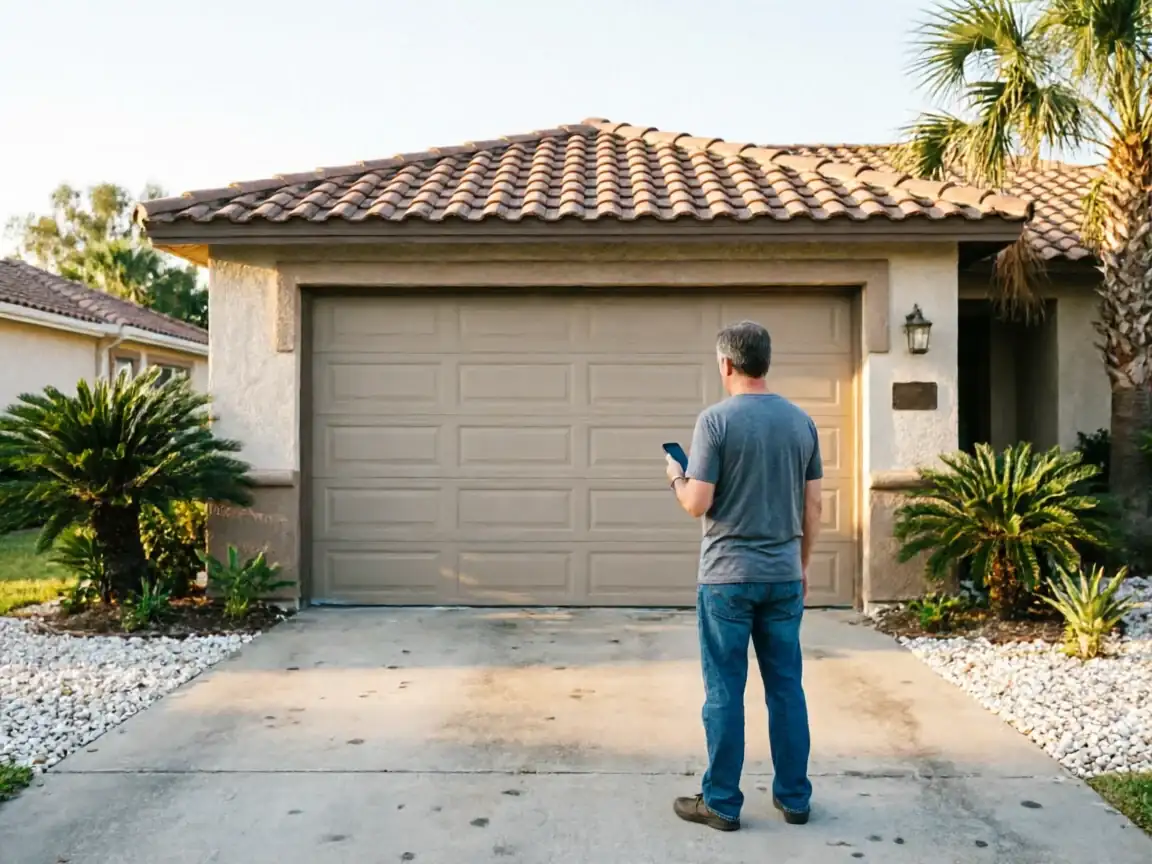
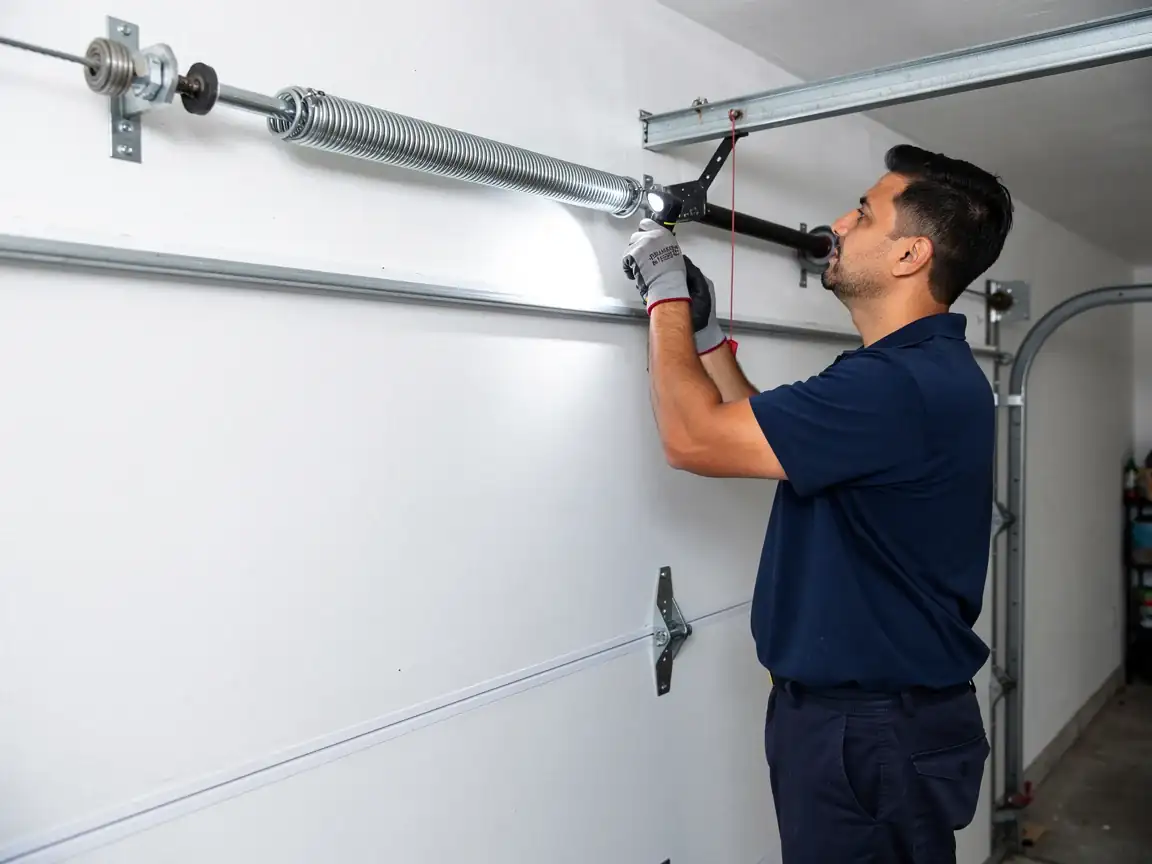
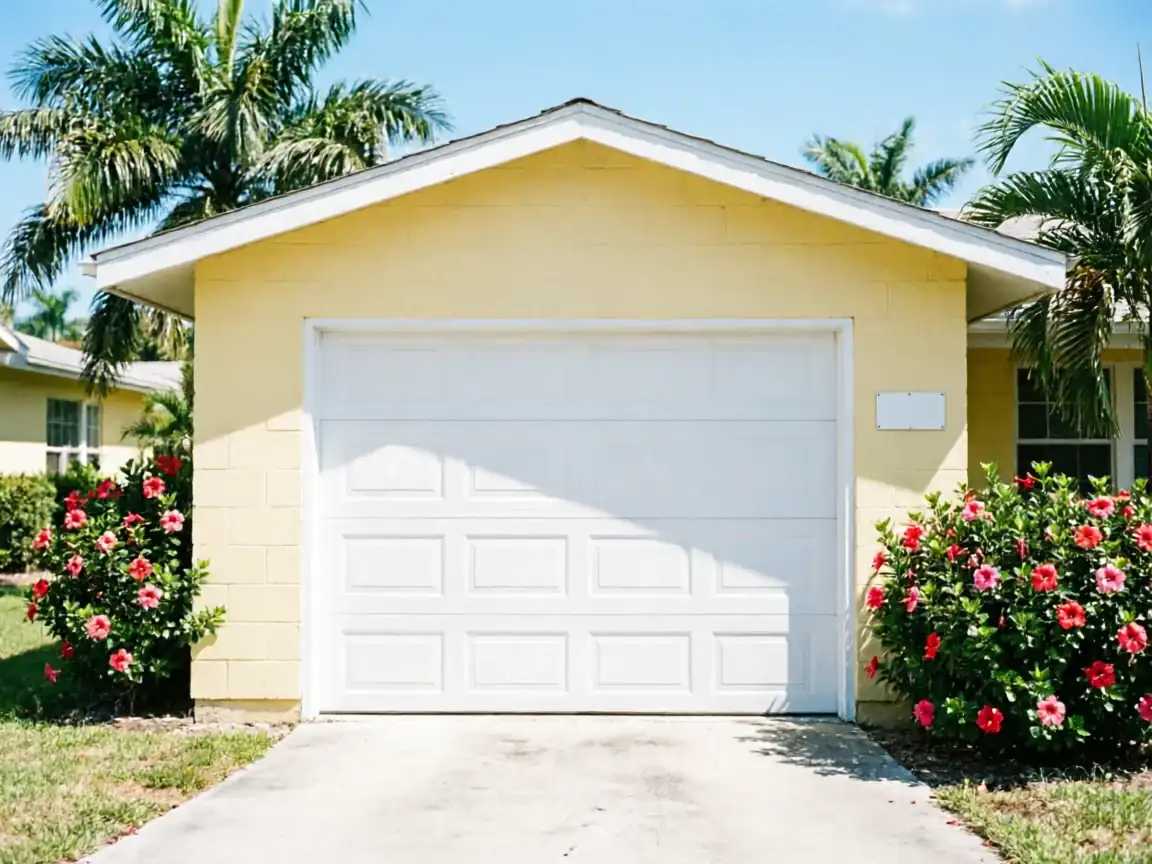
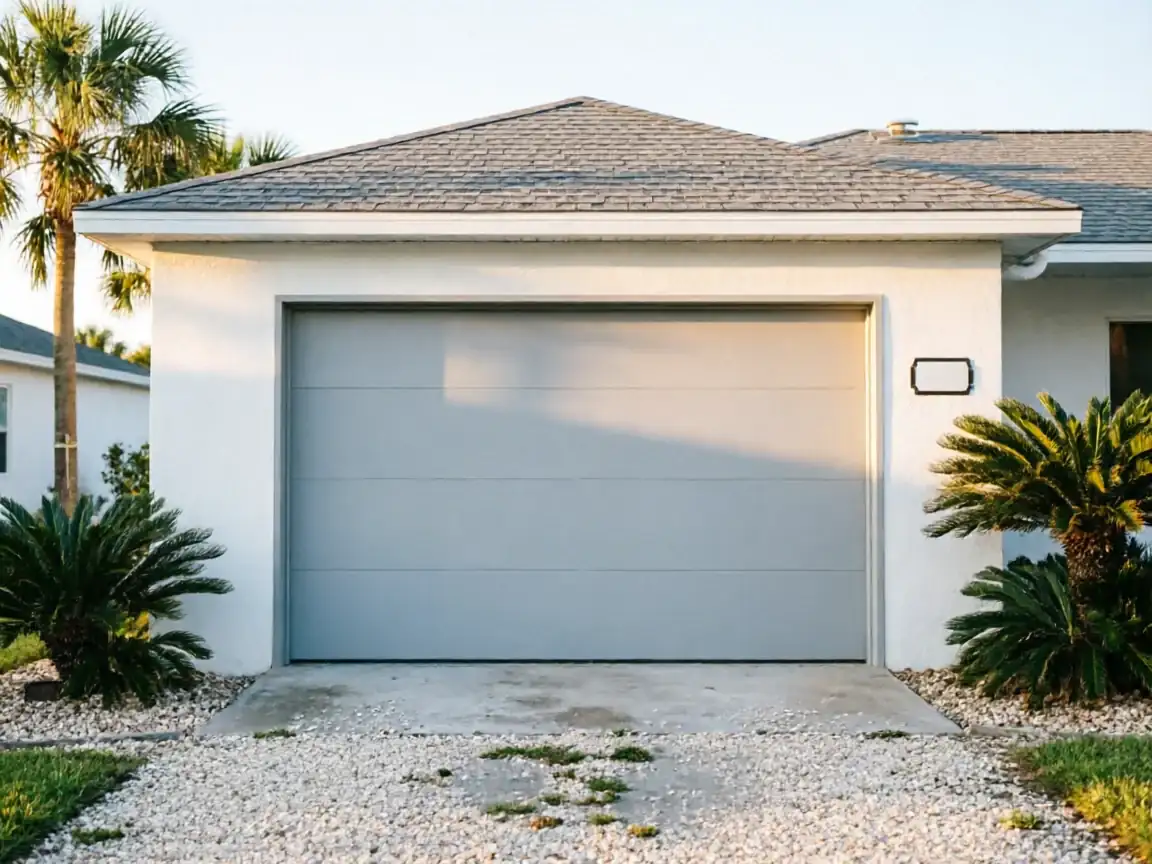
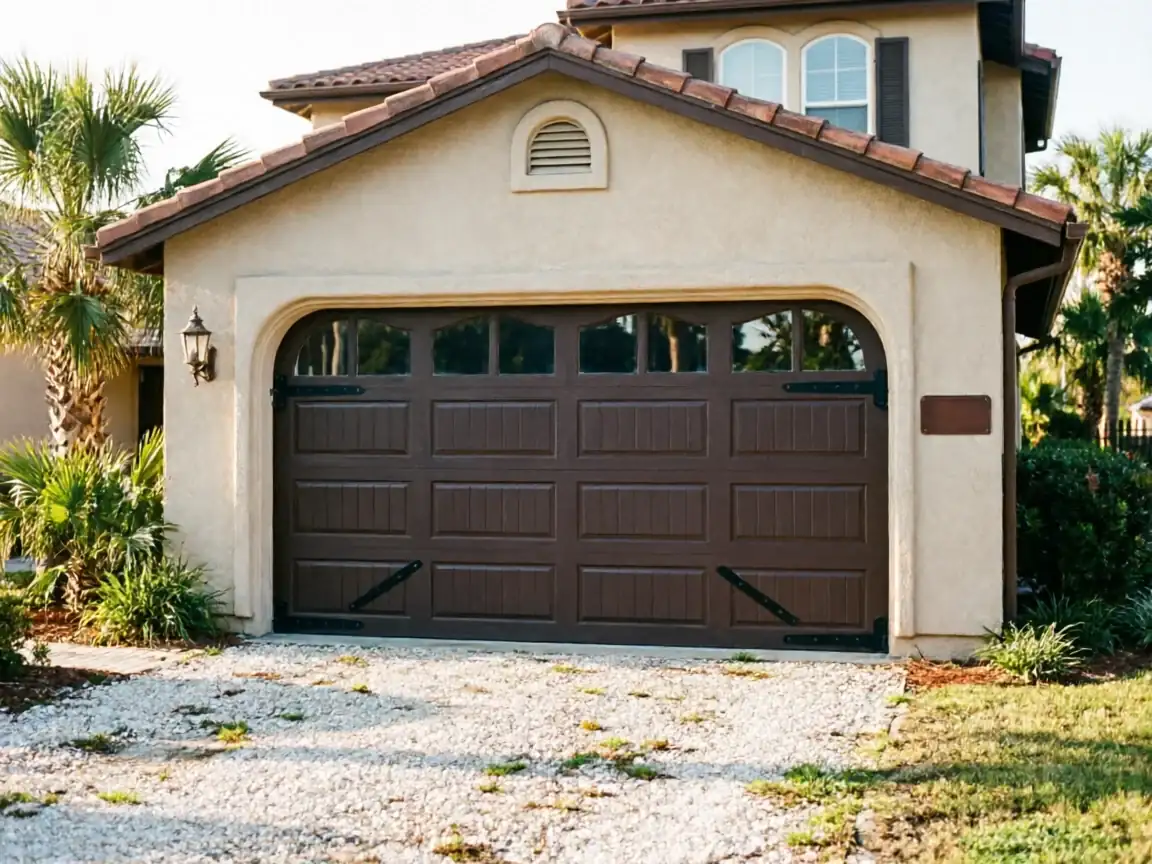
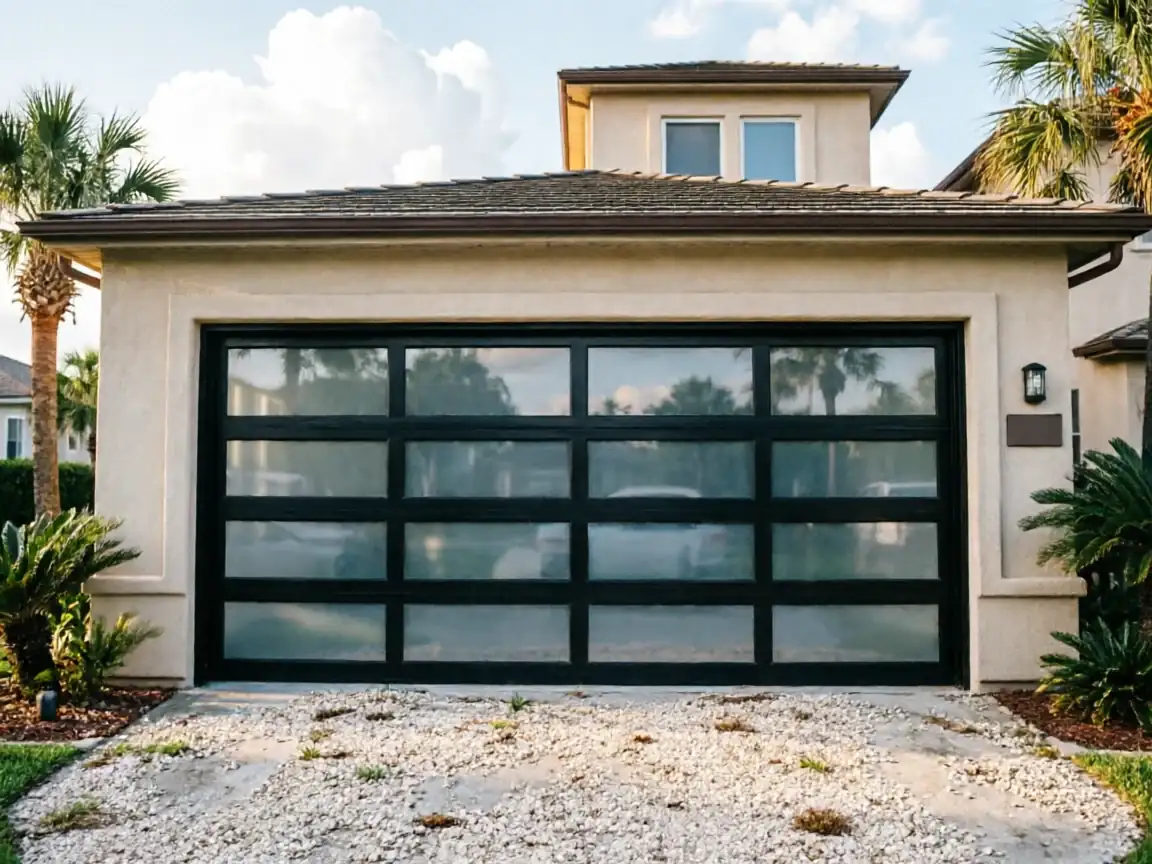
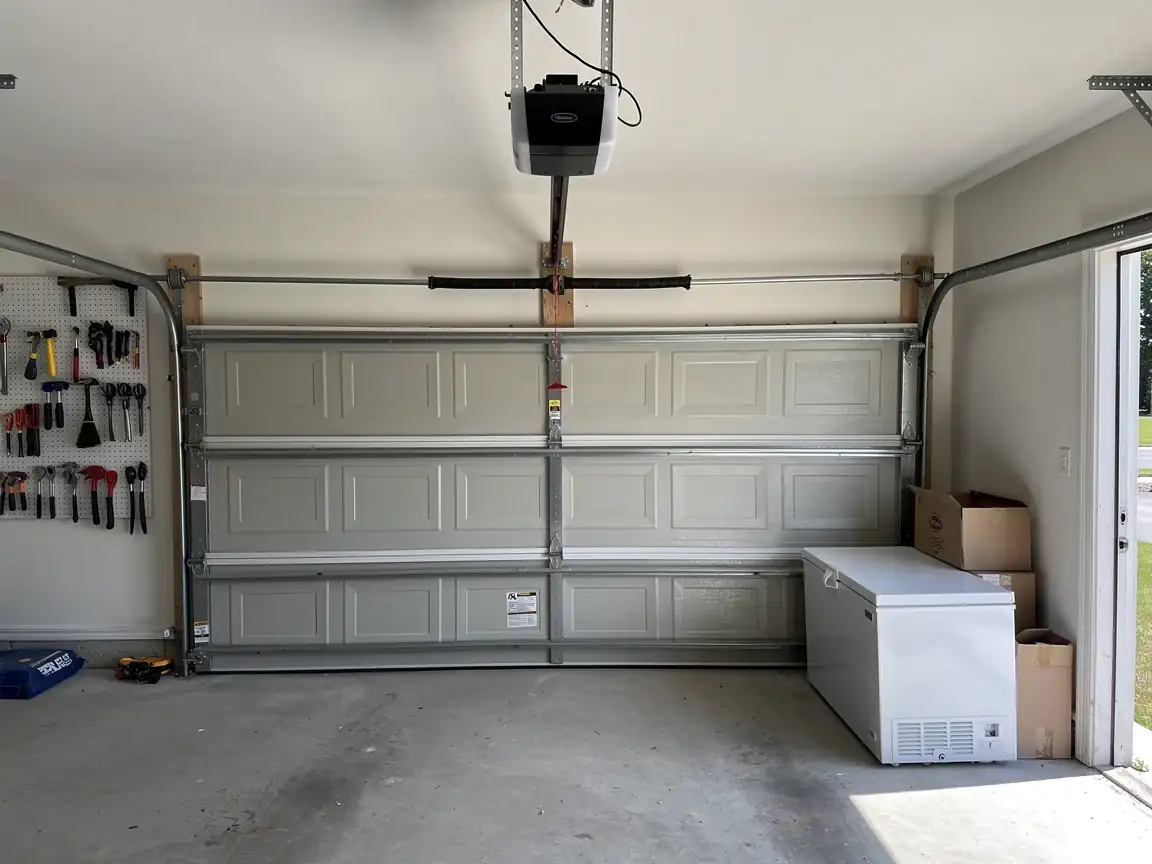
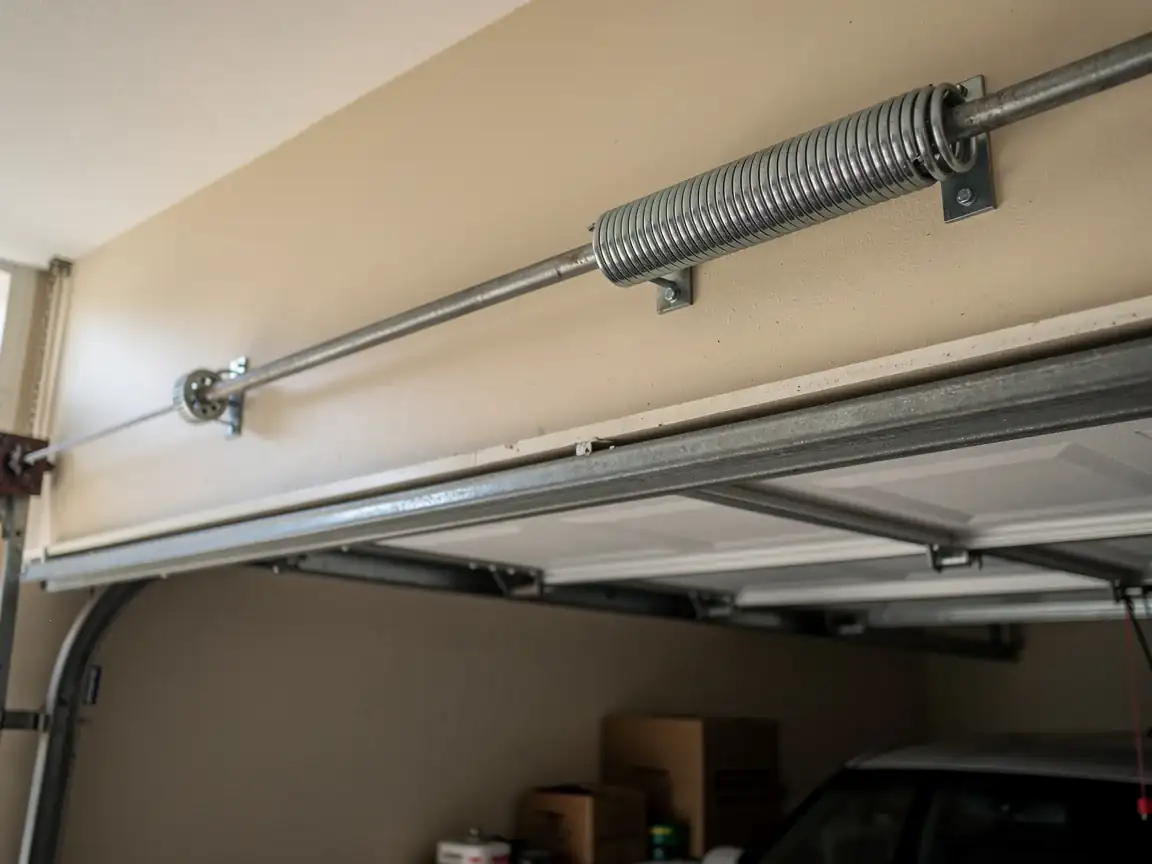
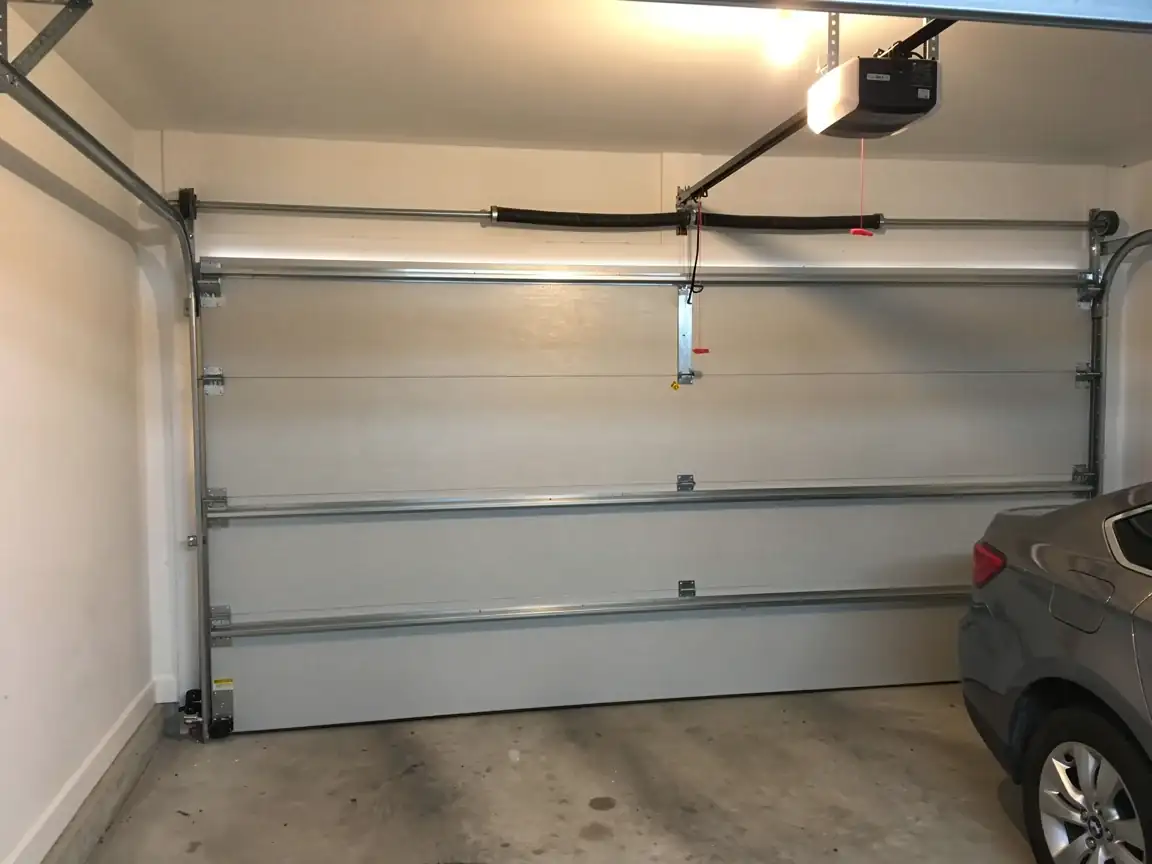
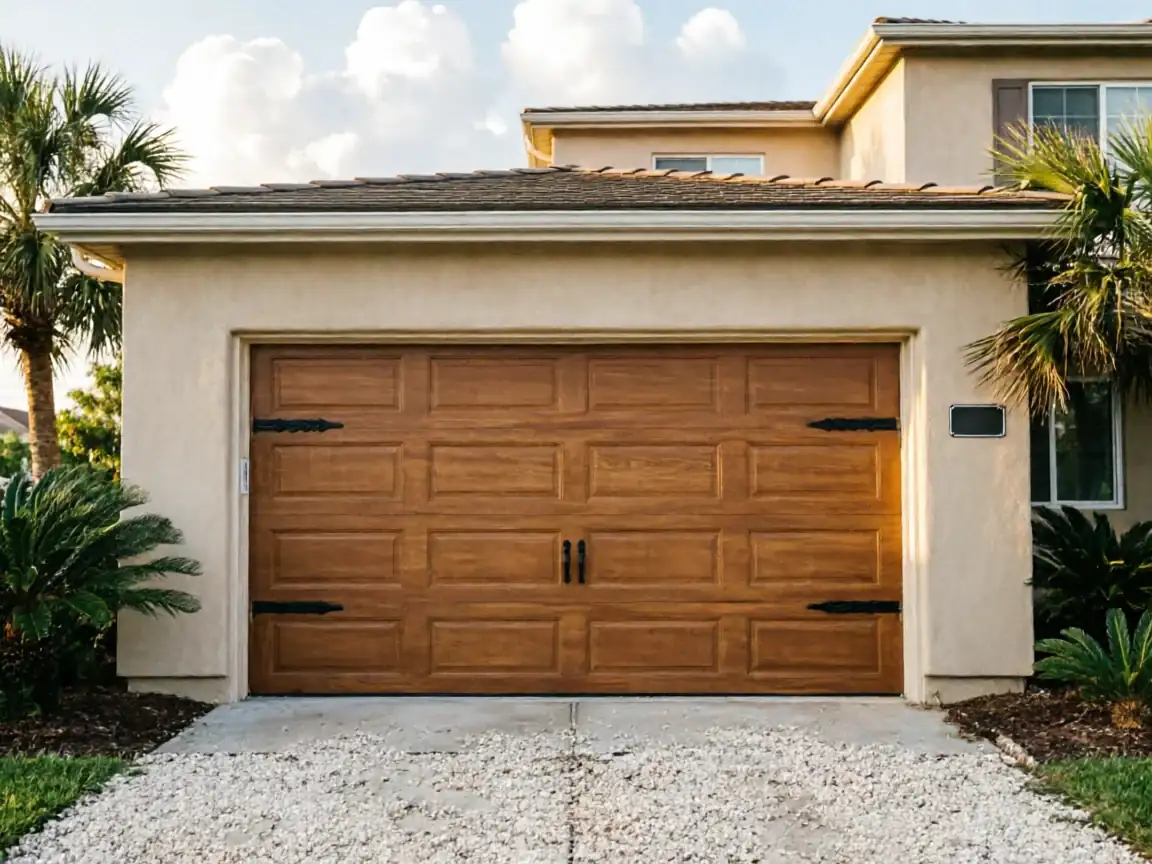
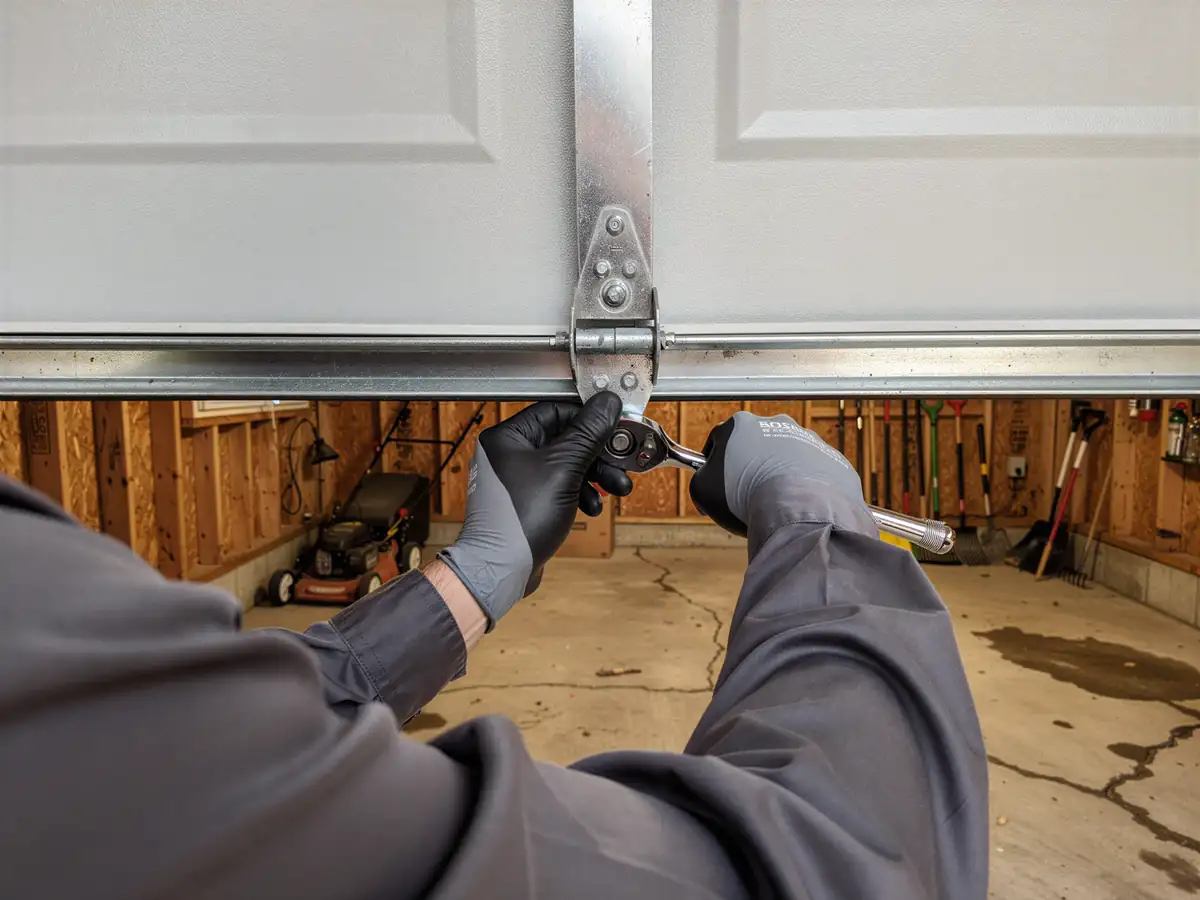
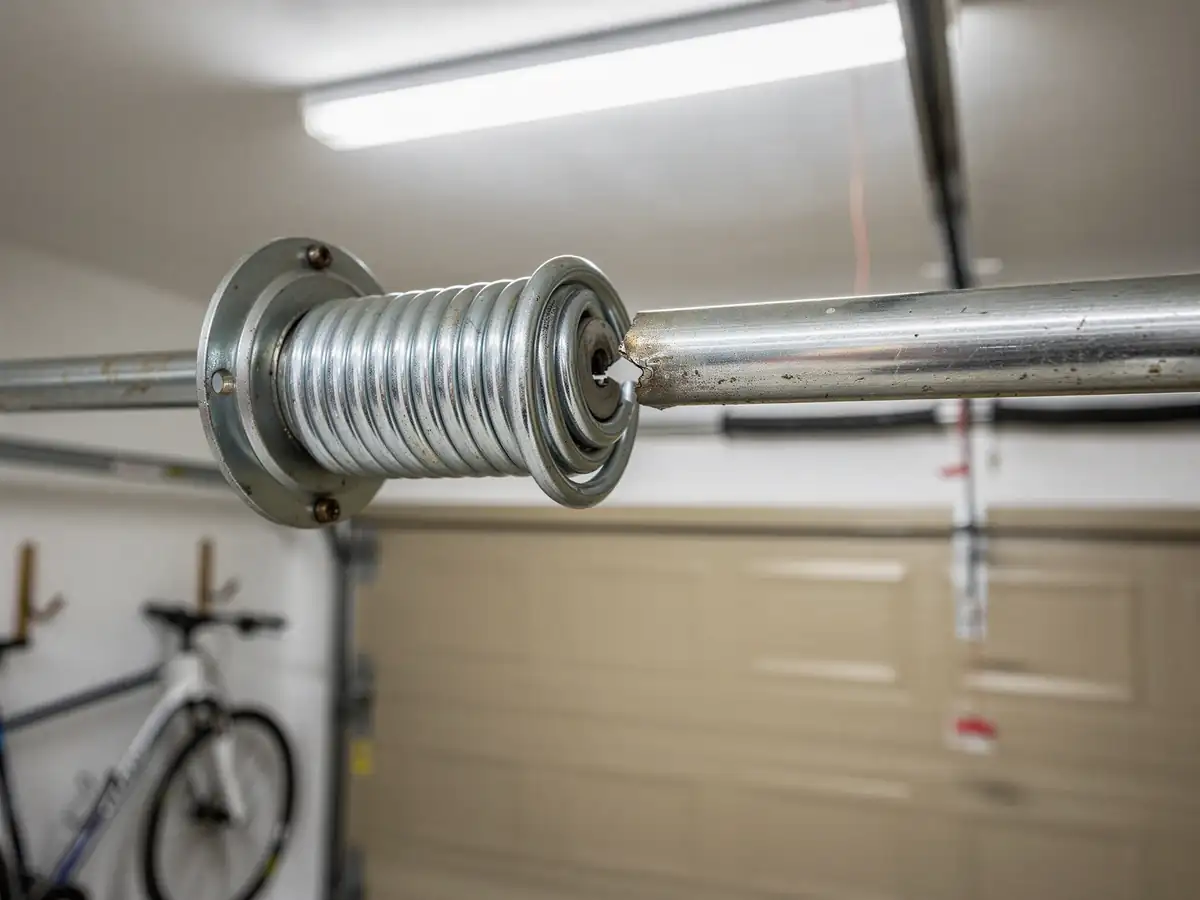
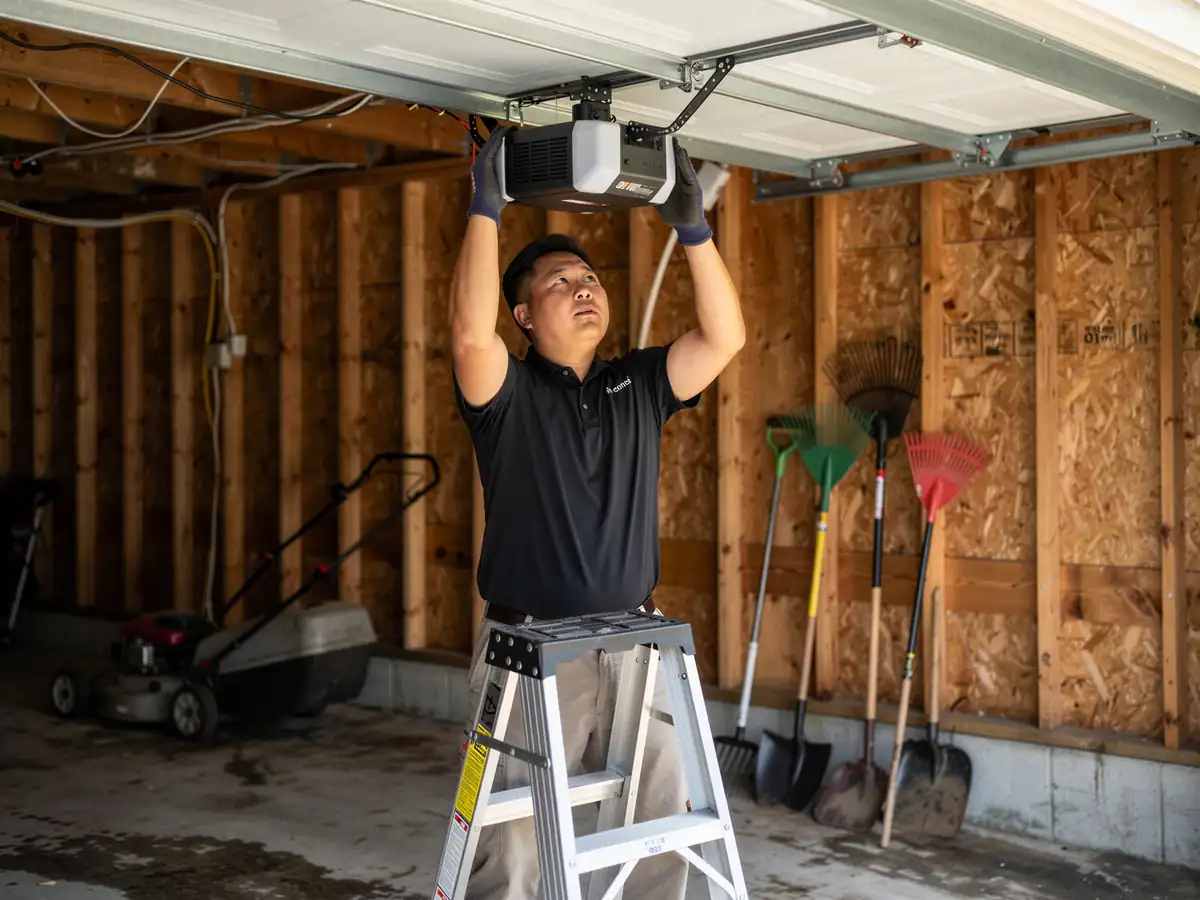
A lot of New Smyrna Beach houses went up around 1989, and the door hanging on most of them is a steel sectional, single-panel-wide, on a single torsion spring sized for a builder-grade door, not the heavier insulated steel or faux-wood doors people are putting in now. The opener that came with the house is almost always a half-horsepower chain drive, bolted to a header that was framed for that exact unit and nothing heavier. Swapping a dead chain drive for a new chain drive on the same bracket is a job a handy owner can do in an afternoon. Swapping it for a belt drive, a unit with a battery backup, or anything with a different motor head width is not, because the header bracket, the wiring to a switch, and the vent gap at the top of the door often weren't built with that newer unit in mind. We also don't recommend DIY on anything that touches the torsion spring itself - that's the one part of this job where a mistake sends a bar of wound steel across the garage. If the opener swap is a straight unit-for-unit replacement on the same rail, do it yourself. If it isn't, that's the call where we'd rather talk you through it first than show up to fix it after.</body
The Cost of This Job
We travel from Daytona Beach to reach New Smyrna Beach, about 14 miles out, so the service call itself isn't priced the same as a job across town from us - factor that into scheduling, not into the opener price. What actually moves the number here is the door, not the opener: a 1989-era header built for a half-horsepower chain unit sometimes needs a bracket swap to carry a belt-drive motor head, and that's labor, not parts. Median household income in this stretch runs close to $78,373, noticeably higher than the Daytona Beach average we quote on our main opener page, which is part of why we see more owners here asking for belt-drive and smart-opener upgrades instead of a straight like-for-like swap. We don't carry a New Smyrna Beach-specific price list - the opener itself prices the same wherever we install it - but the bracket and wiring work on an older header is the line item that varies house to house.</body
Why This Fails Locally
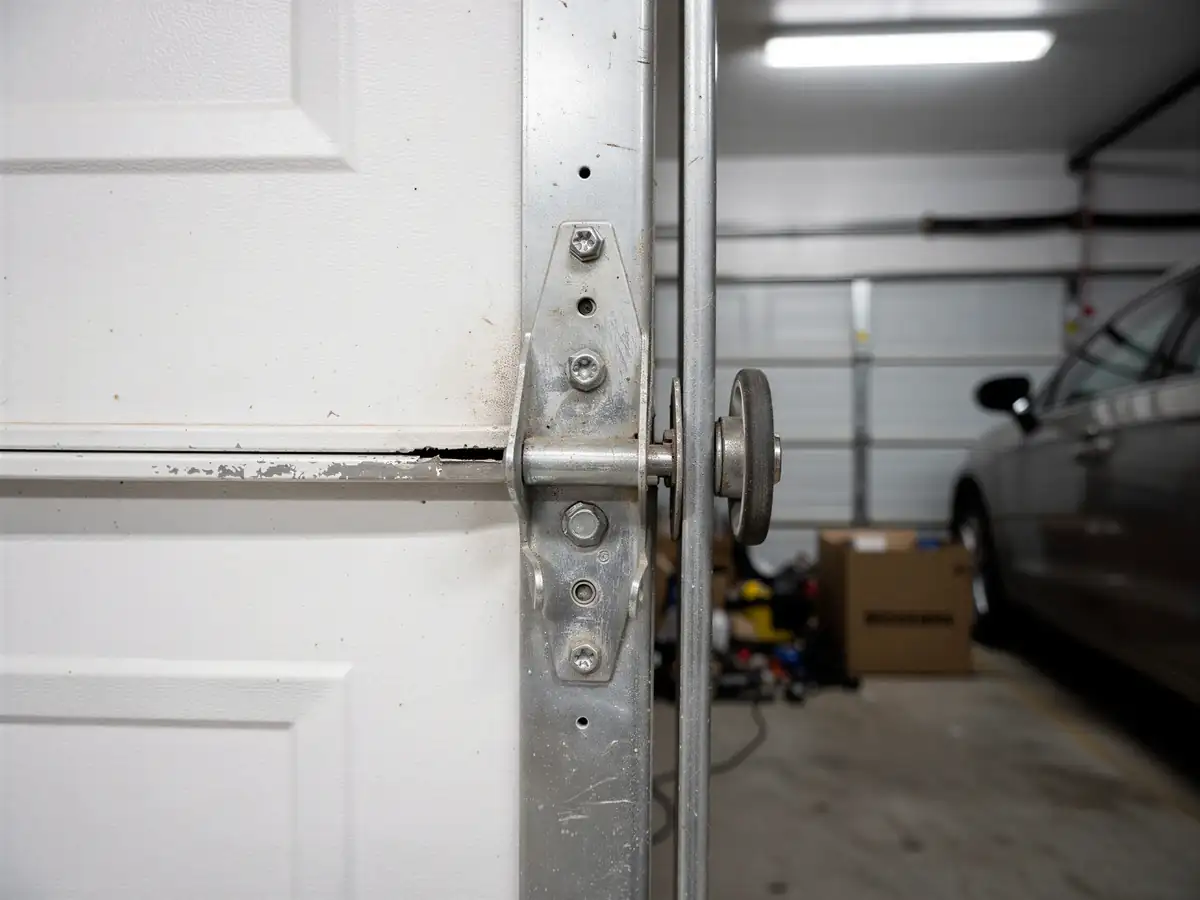
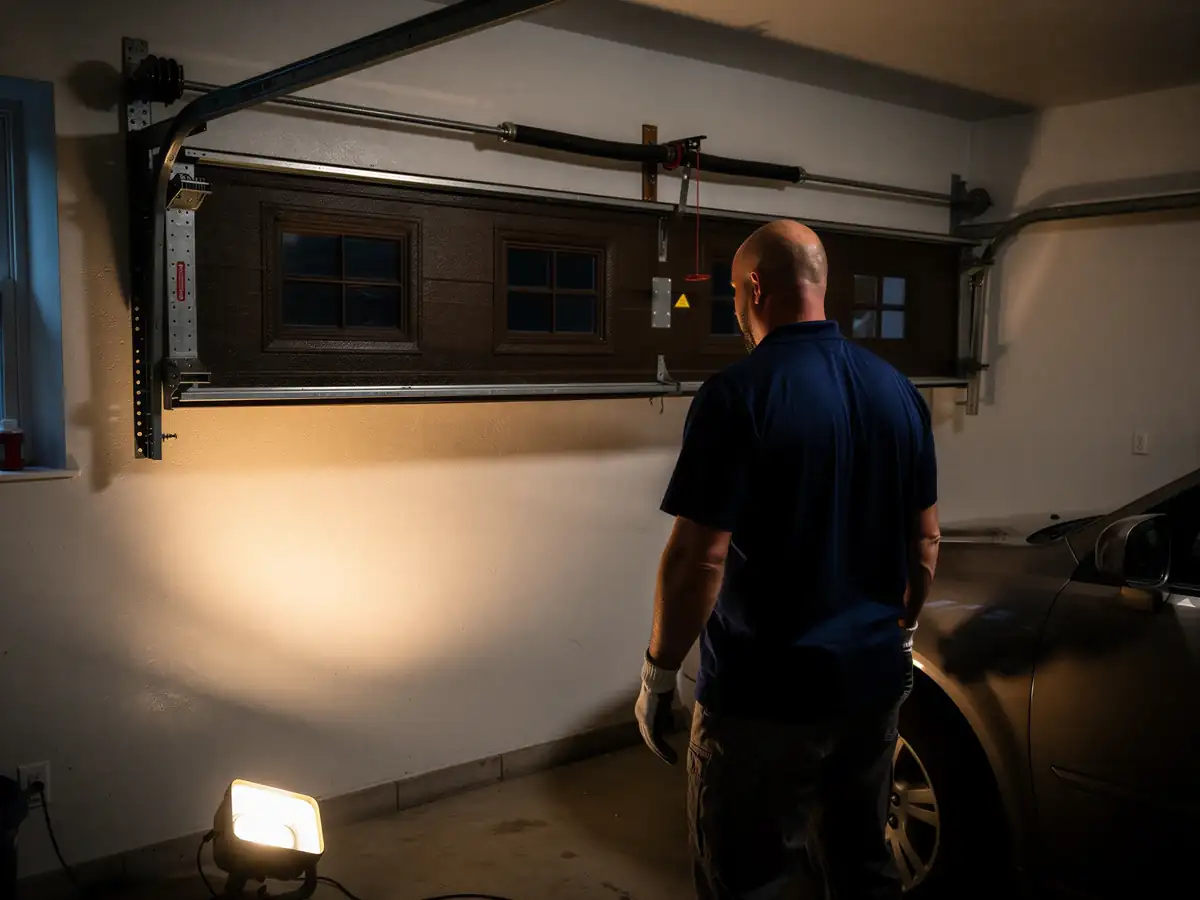
The opener swaps that go wrong here almost always come down to the same mismatch: a motor head built for 2020s torque and wiring standards, bolted onto a 1989 header that was engineered for a lighter door and a smaller draw. The bracket holds for a while, then the vibration from a belt drive running daily starts working the lag screws loose in framing that's over three decades old. With roughly 15,663 households in this service area and most of the housing stock sitting in that same late-1980s build window, we see this pattern repeat rather than show up as an outlier. The fix isn't a stronger bracket off the shelf - it's checking the header before the new unit goes up, not after it's already hanging. That's the step that gets skipped when someone orders an opener online and has it installed without anyone looking at what it's going onto.</body