Season by Season
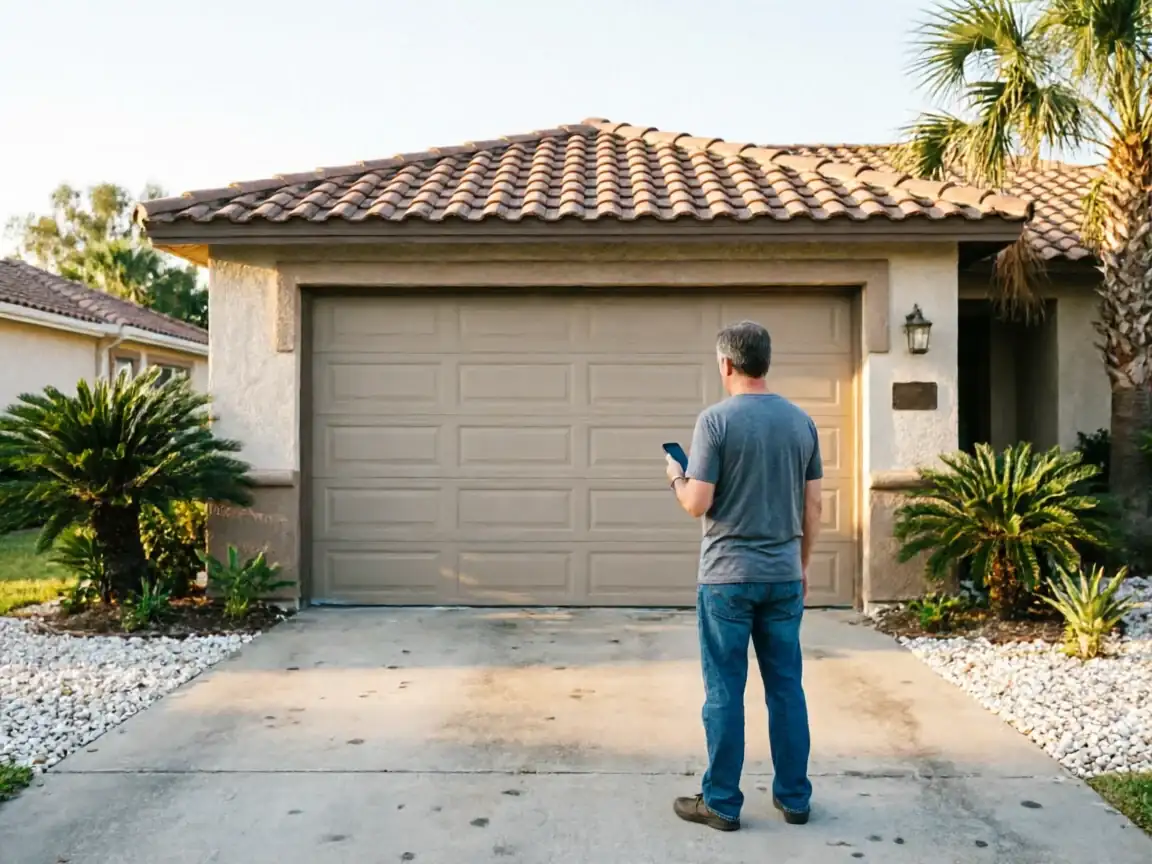
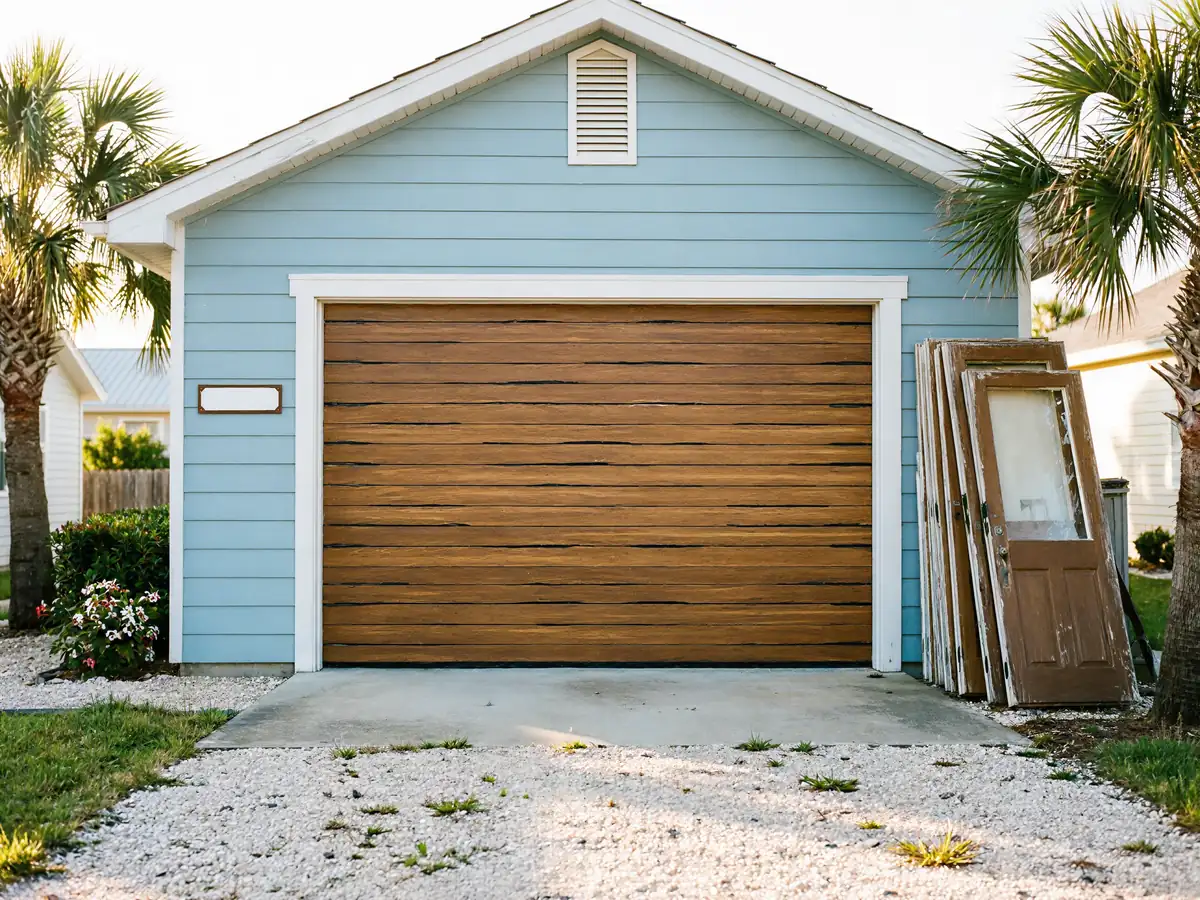
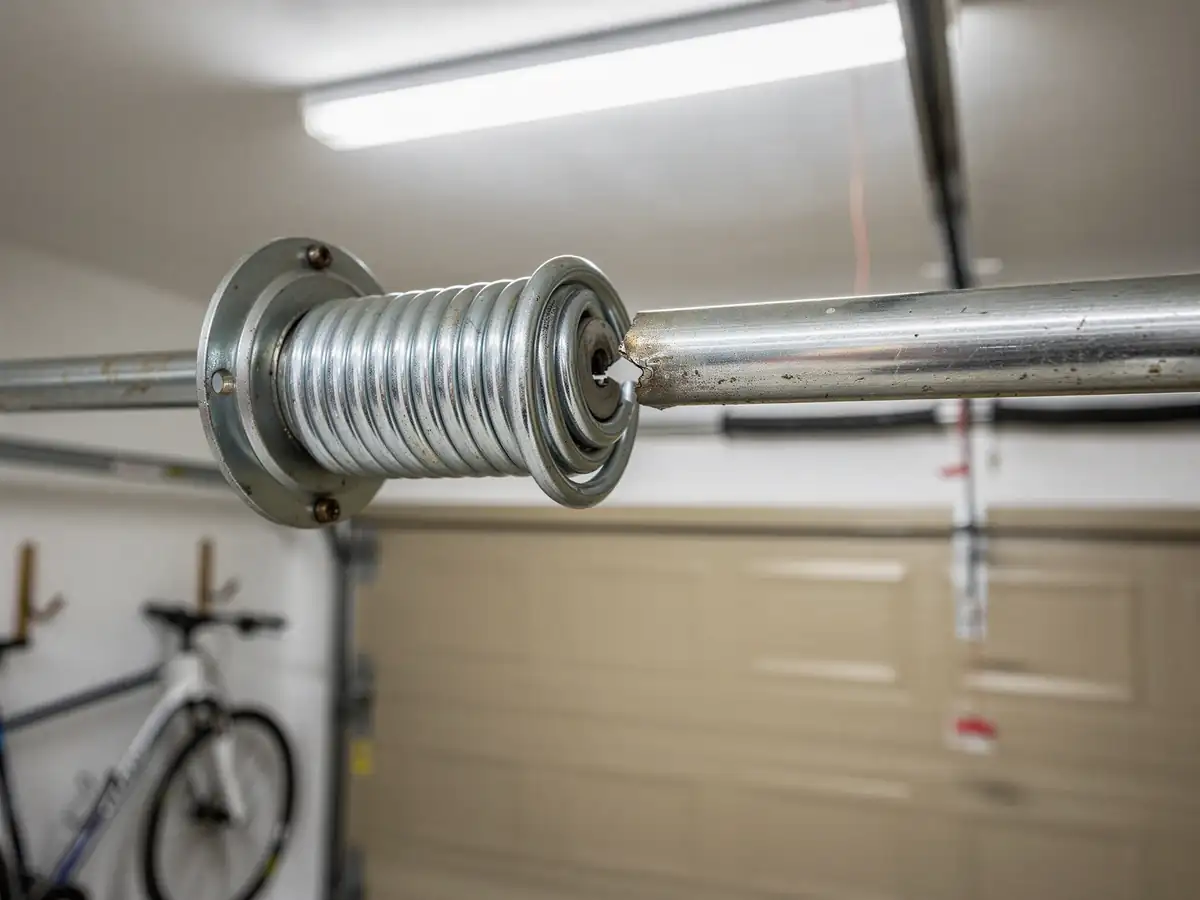
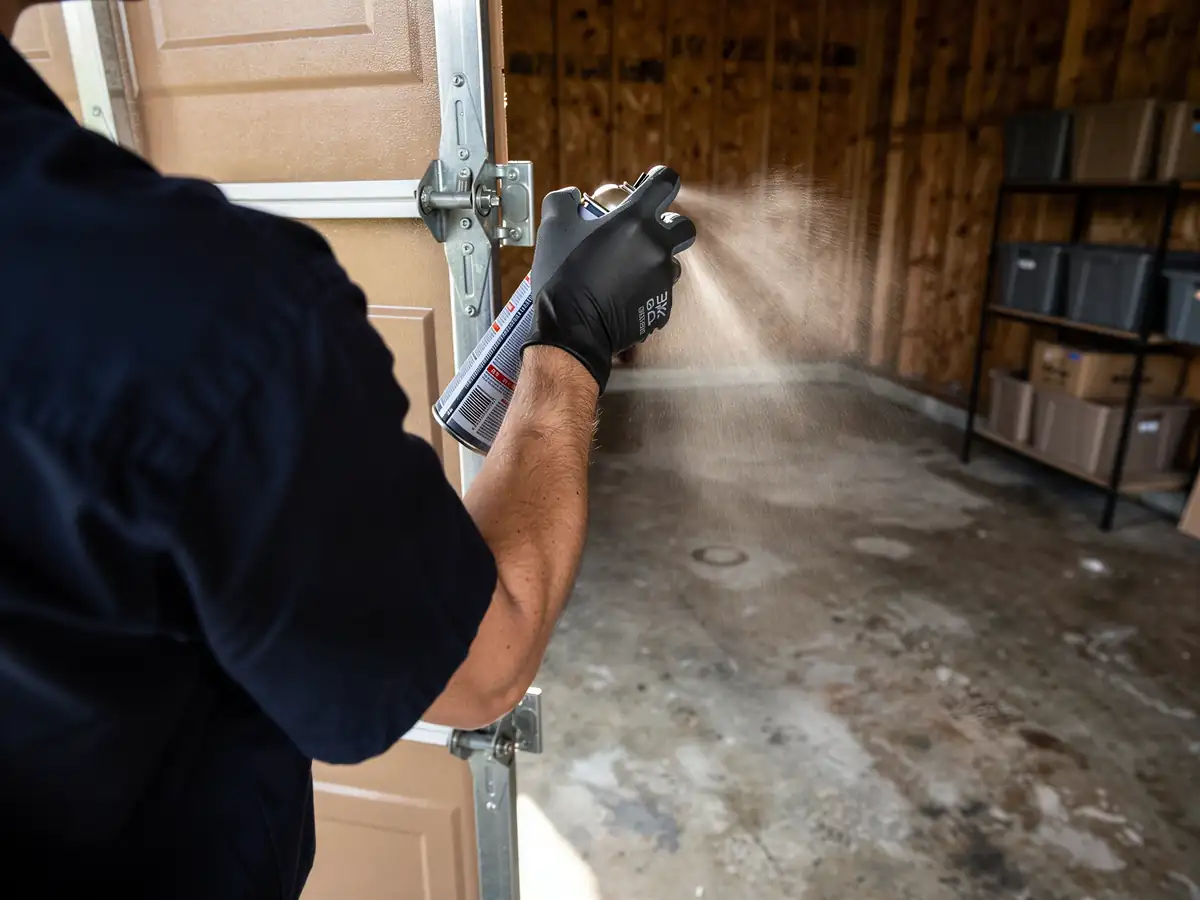
Daytona Beach doesn't give you four distinct seasons the way a lot of the country does. The climate here sits in a mild temperate band, which means we don't get the hard freeze-thaw cycle that snaps springs up north. What we get instead is a long stretch of warm, humid months that never really lets up, followed by a shorter cooler stretch that's still mild by most standards. That changes what a service call looks like here versus somewhere with real winters. We're not chasing cold-contracted metal or ice-jammed tracks. We're dealing with hardware that's under near-constant humidity exposure for most of the year, with only a brief seasonal break from it. On a typical call, that means checking for rust bloom on spring coils and hinges before it's visible on the surface, checking that lubrication hasn't washed out or gummed up, and looking at whether a wood-look or wood-composite door has started swelling at the panel seams. None of that shows up as dramatically as a cable snapping in a snowstorm, but it adds up the same way, just slower and quieter.
What the Weather Here Does to It
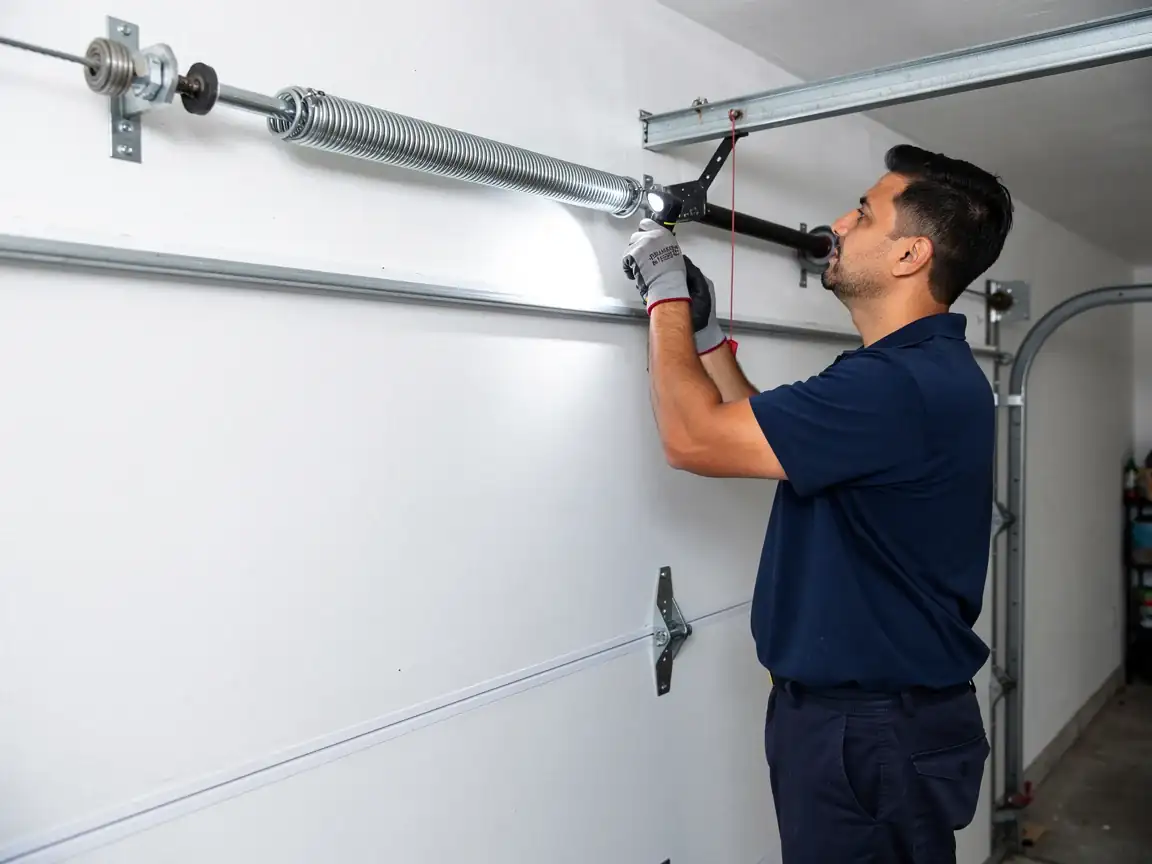
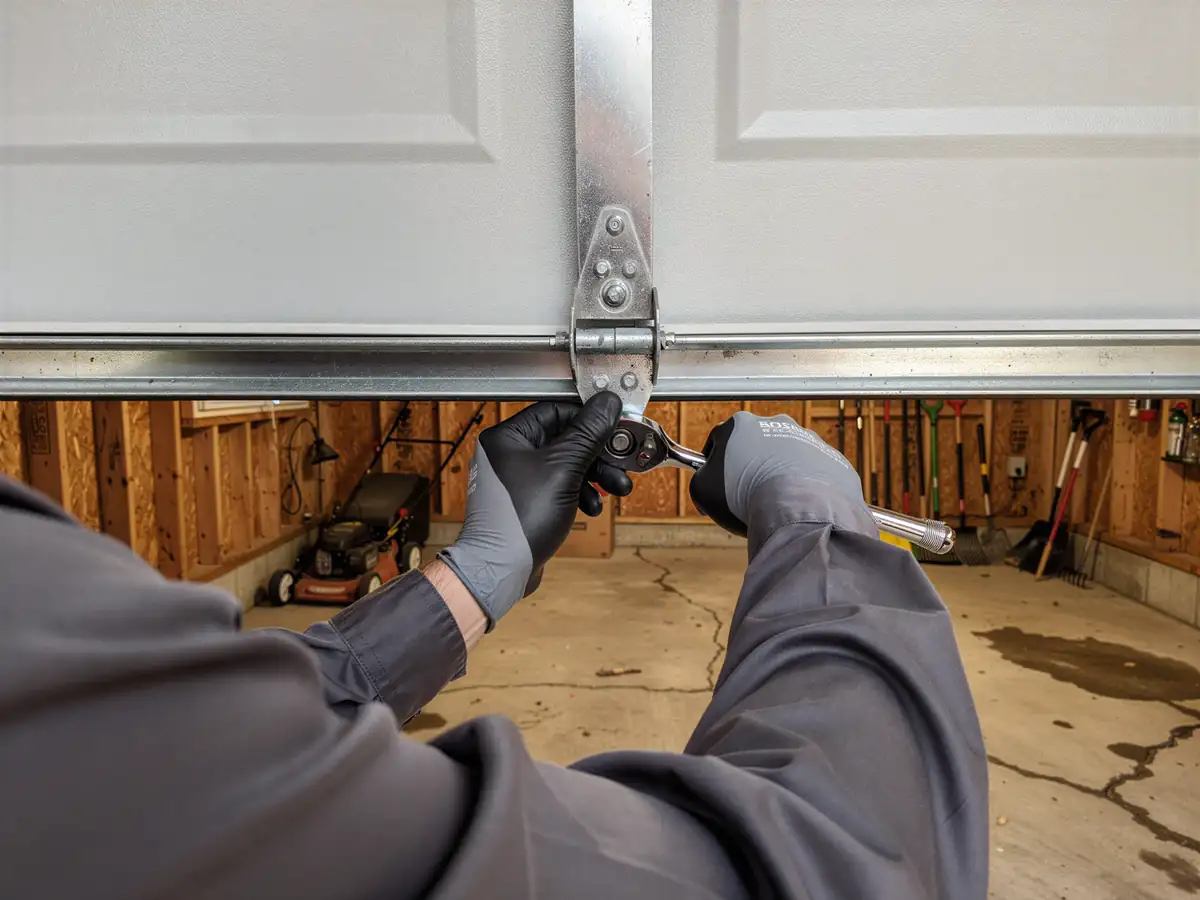
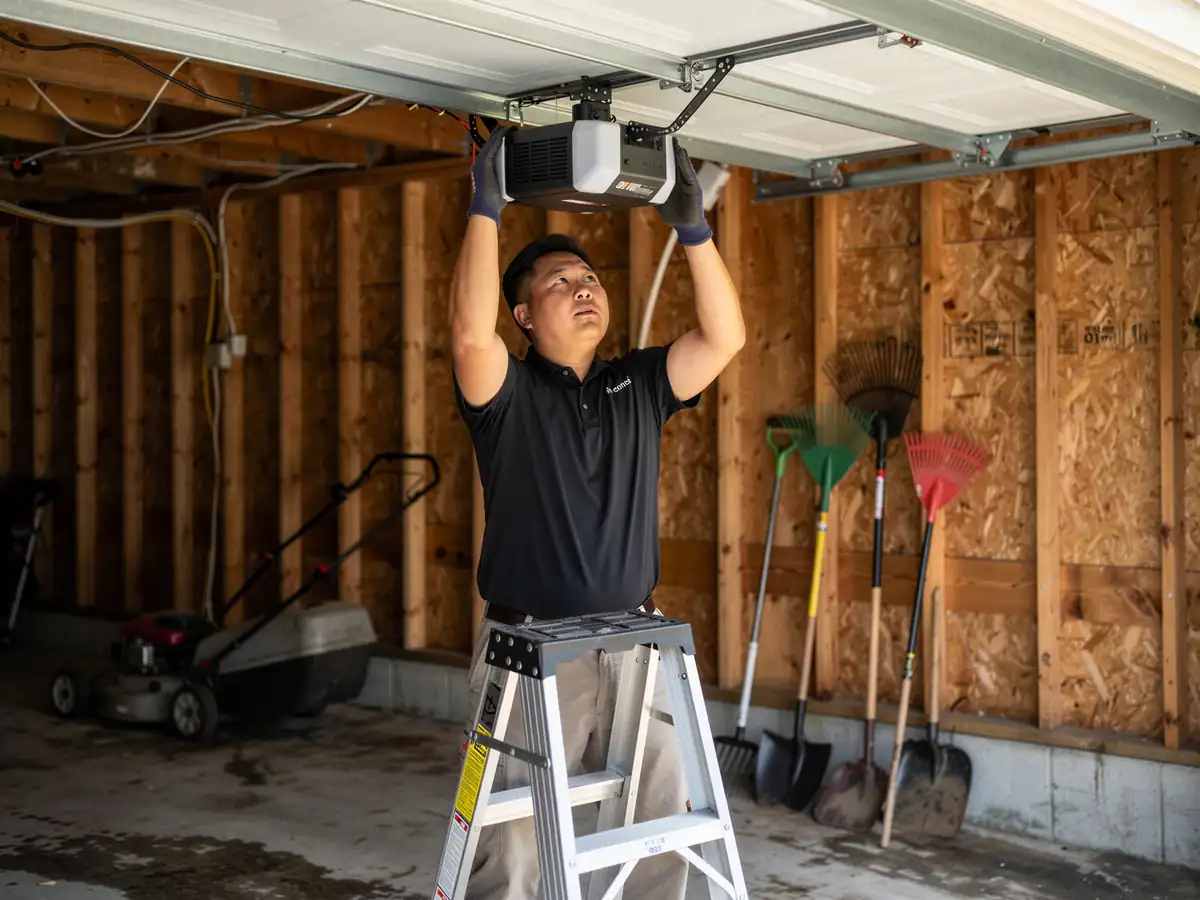
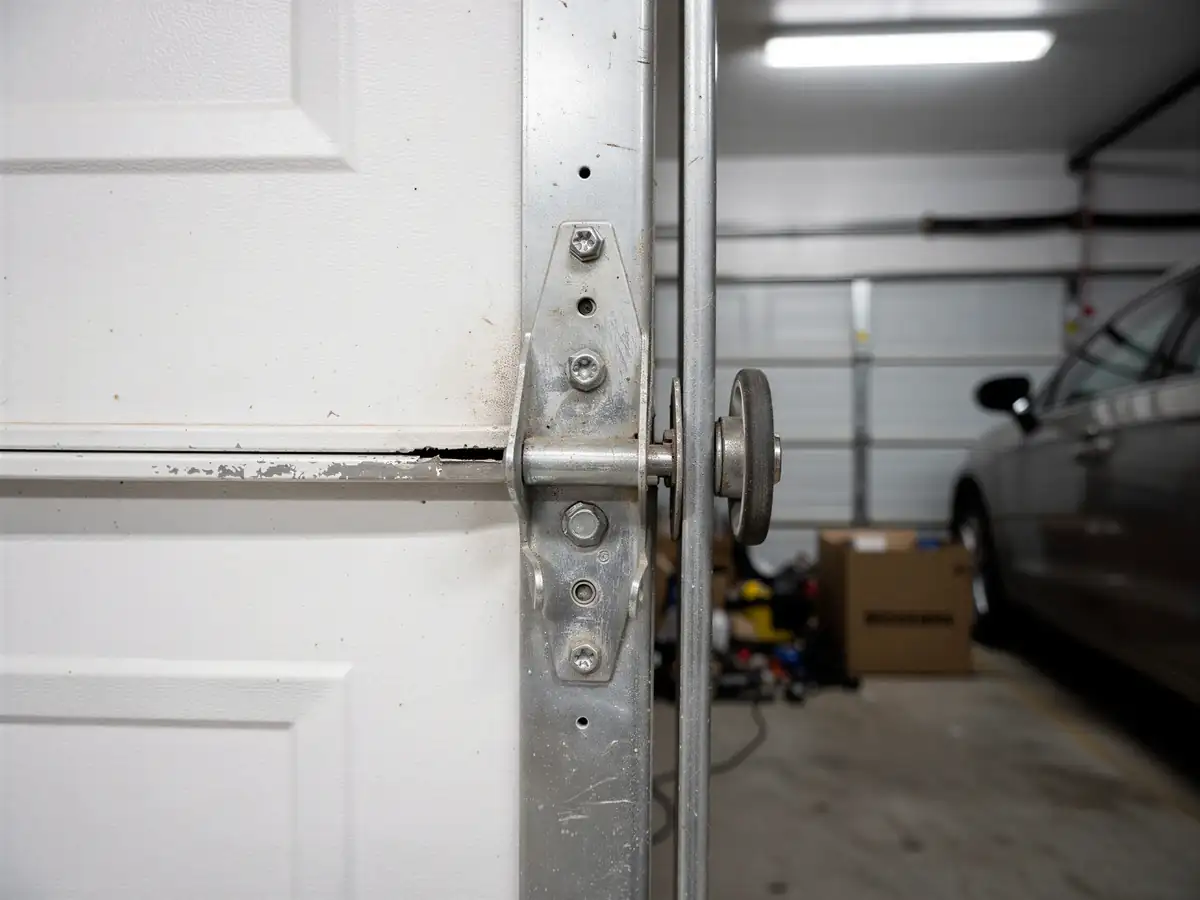
The mild temperate climate means the big failure mode we see isn't sudden cold-snap spring breakage, it's slow corrosion and cycle fatigue from sustained humidity. Galvanized springs here lose their coating faster than the same spring would in a dry inland climate, and once that coating goes, the bare metal starts pitting. Track hardware and roller bearings pick up surface rust in the same way, especially on doors that don't get opened often. A service call in this area usually includes a close look at anything exposed steel: hinges, end bearing plates, torsion bar ends, and the bottom brackets. We're also checking opener sensors and wiring connections, because humidity corrodes contact points slowly over years, which shows up as intermittent reversing or a sensor that works most days but not all of them. None of this is dramatic weather damage. It's cumulative, and it's the direct result of living somewhere that almost never freezes but almost never fully dries out either.
When to Call Someone
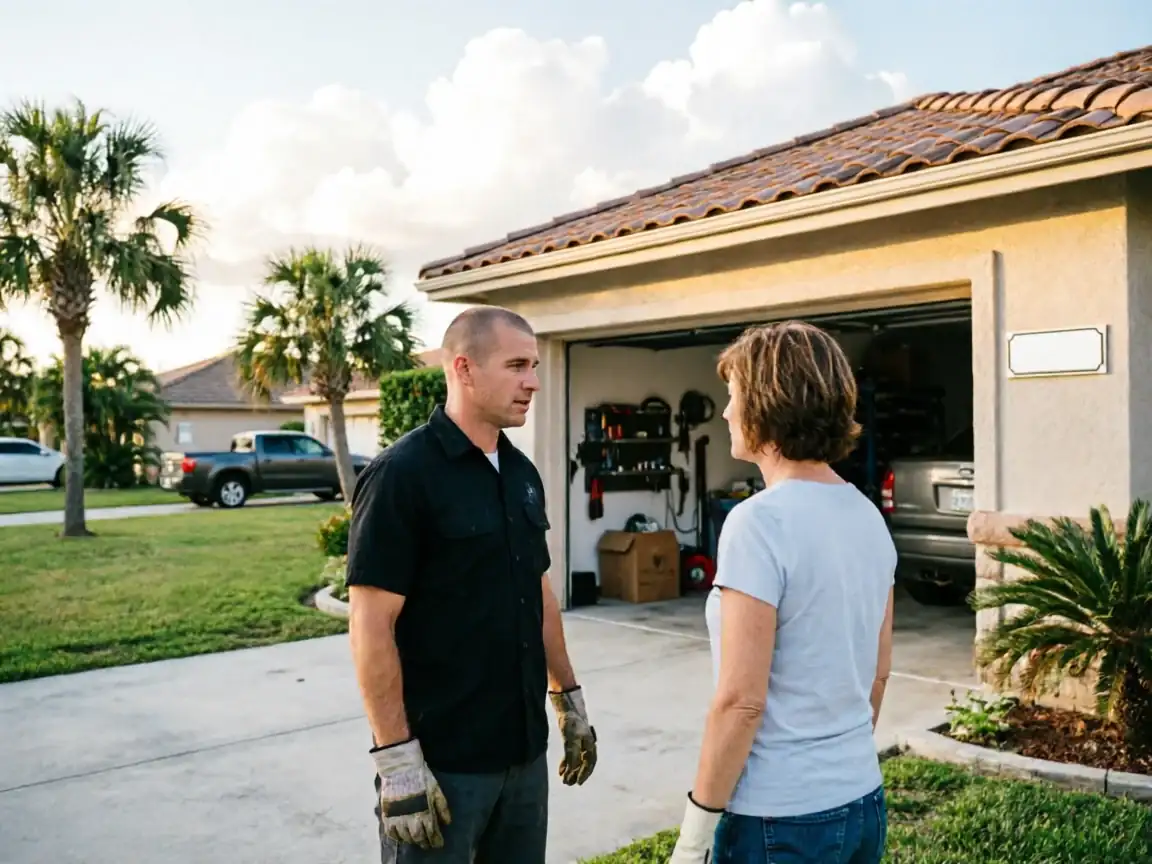
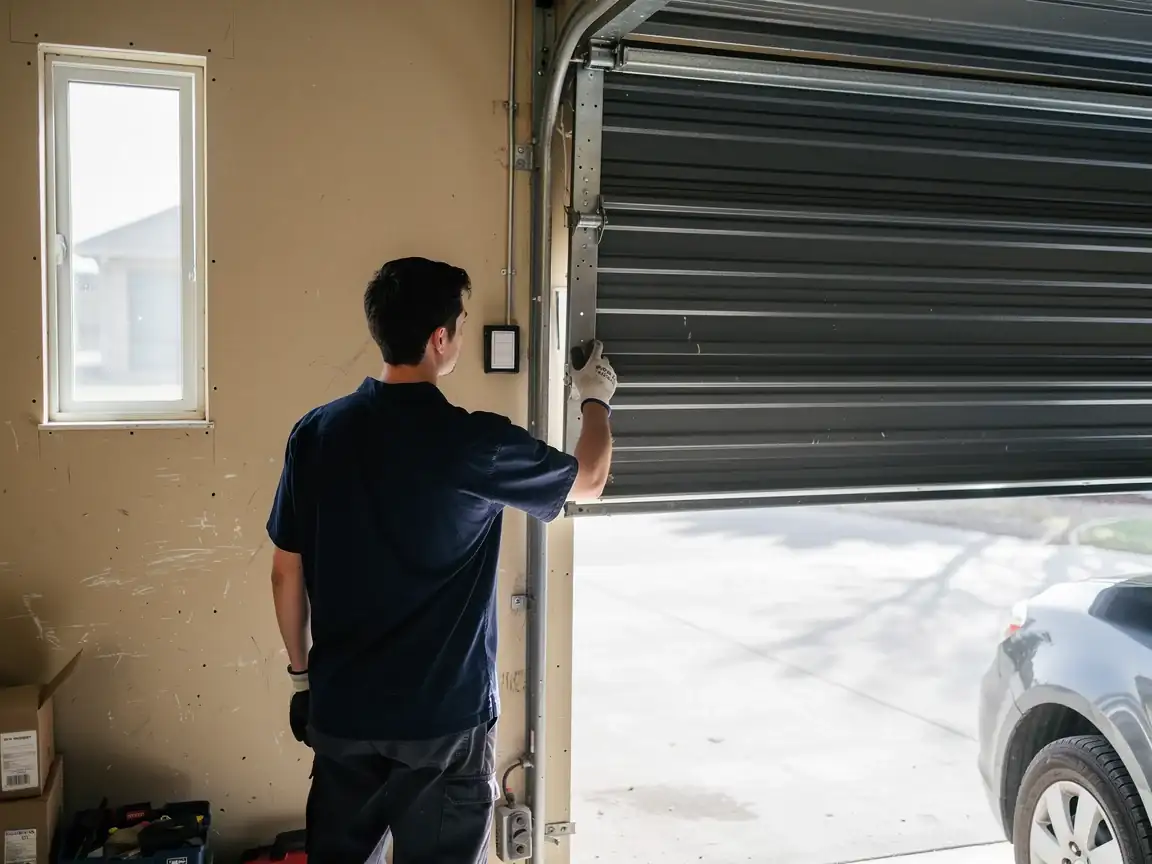
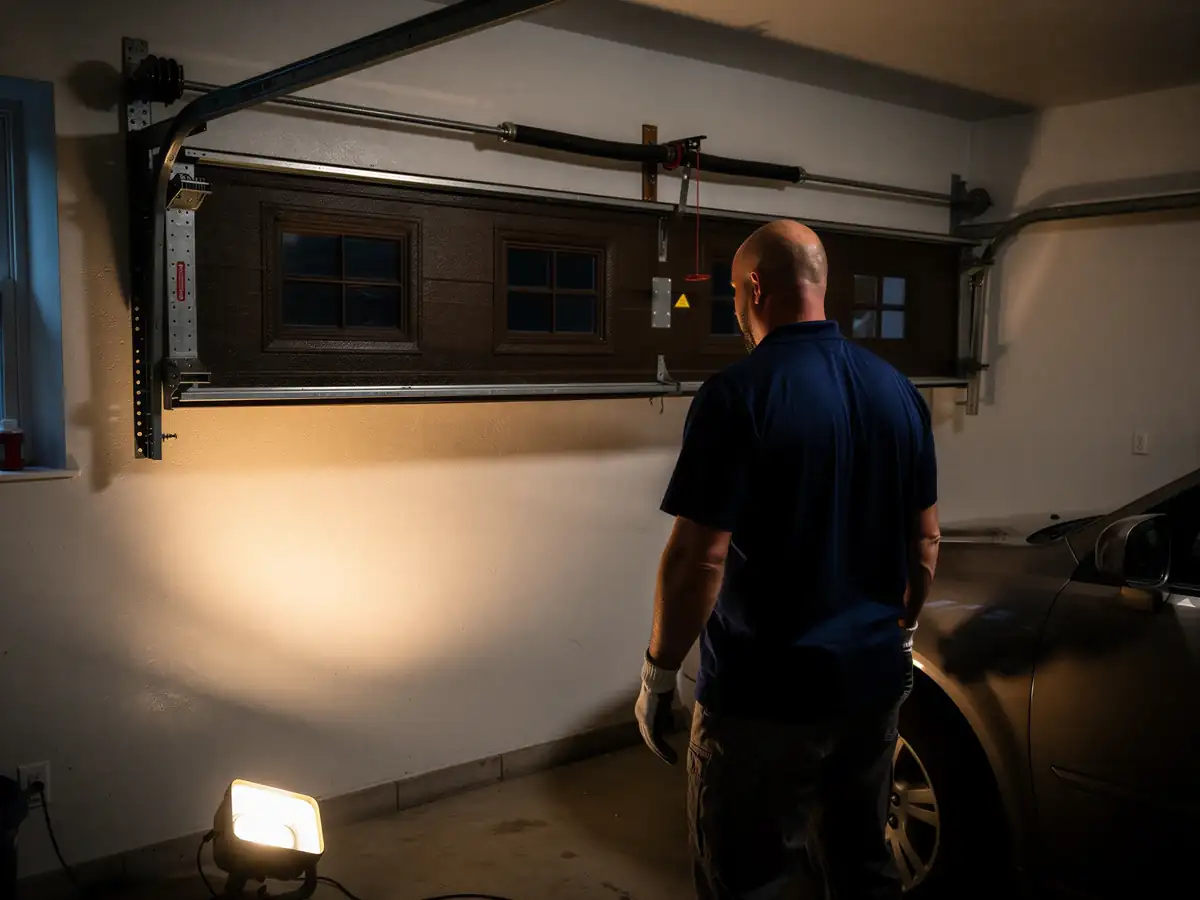
Call before a spring actually breaks, not after, if you can. Warning signs include a door that feels heavier than it used to when you lift it manually, an opener that strains or reverses partway through closing, or visible rust on the coil itself. At a median household income of $69,150 across the service area, most owners here are weighing a spring replacement against just living with a slow opener for another year, and that's a reasonable call to make as long as the door isn't unsafe. We'll tell you honestly when a repair isn't worth it. A door that's swollen, delaminated, or rusted through at the bottom panel usually costs more to patch than to replace, and we'd rather say that up front than bill you for a repair that won't hold. One limitation worth knowing: we don't stock every part for every opener model on the truck, especially older ones from houses built in the 1970s and 80s, so some jobs need a short parts order before we can finish the repair.