Old Streets and New Ones
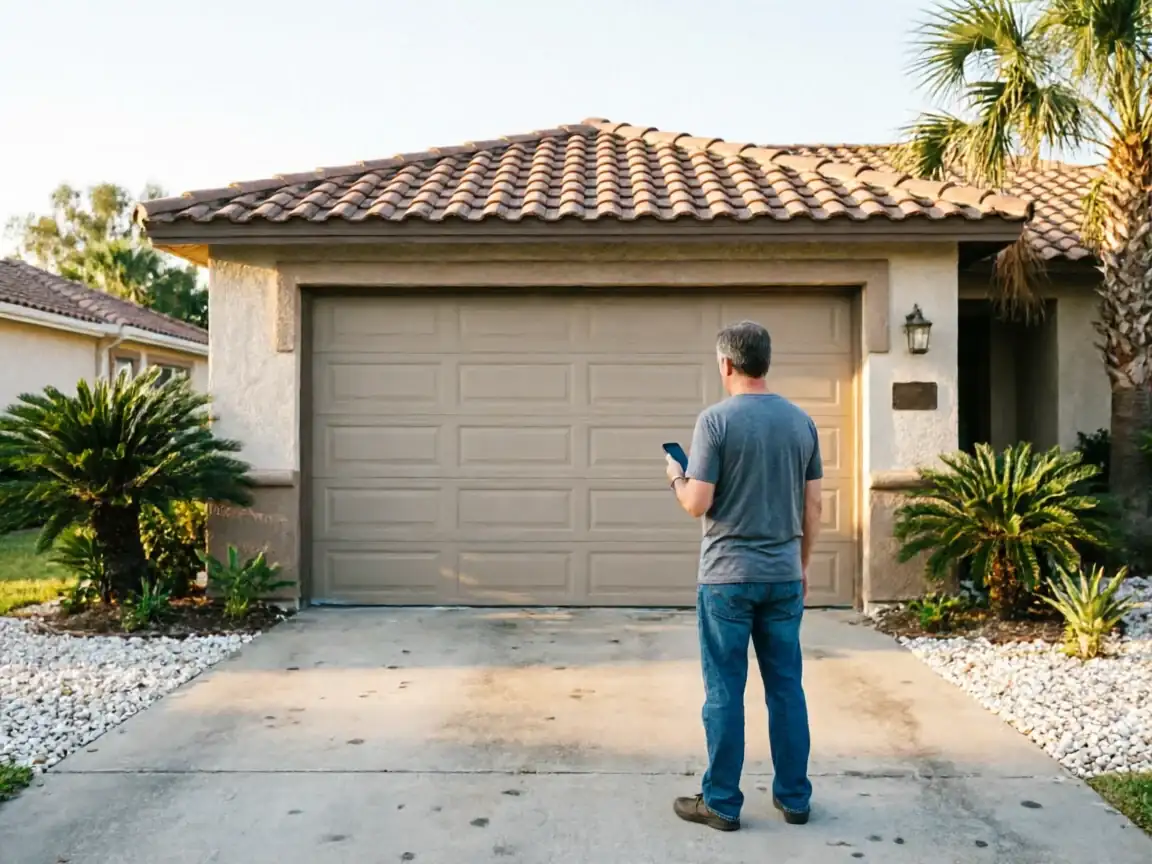
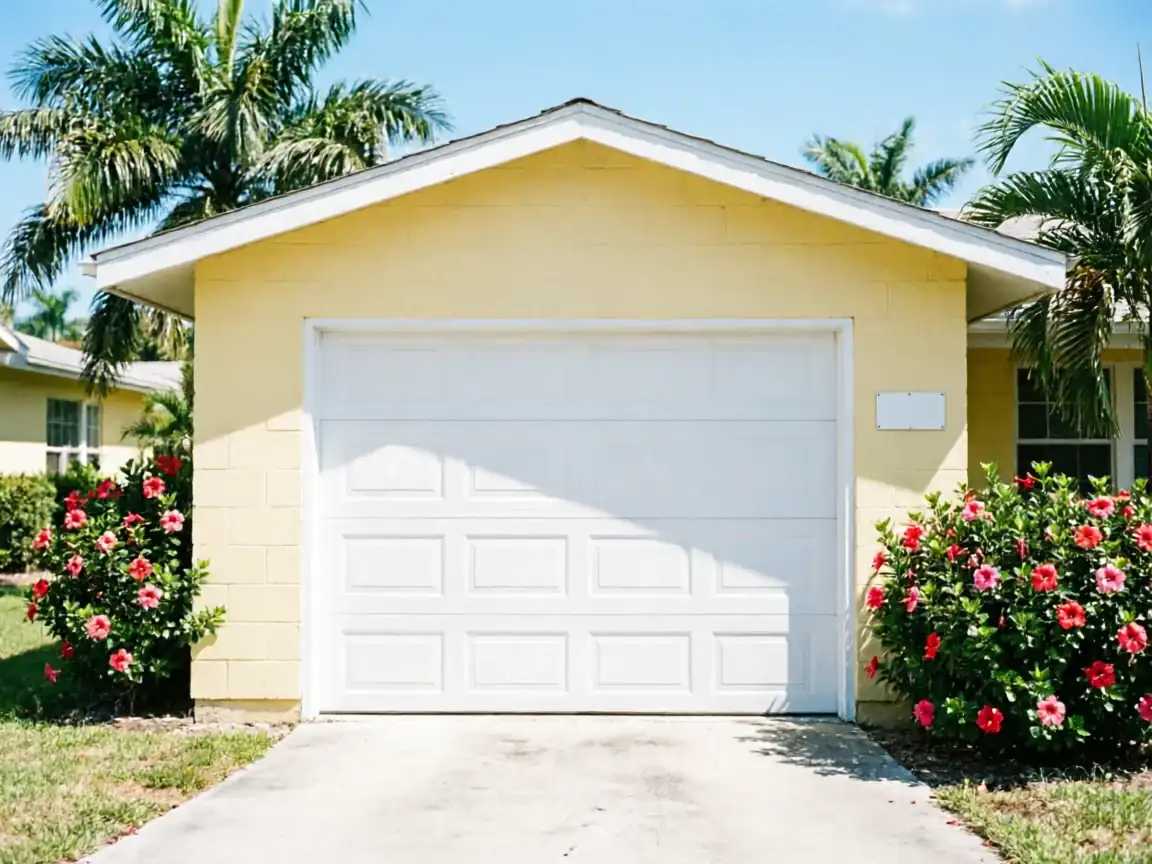
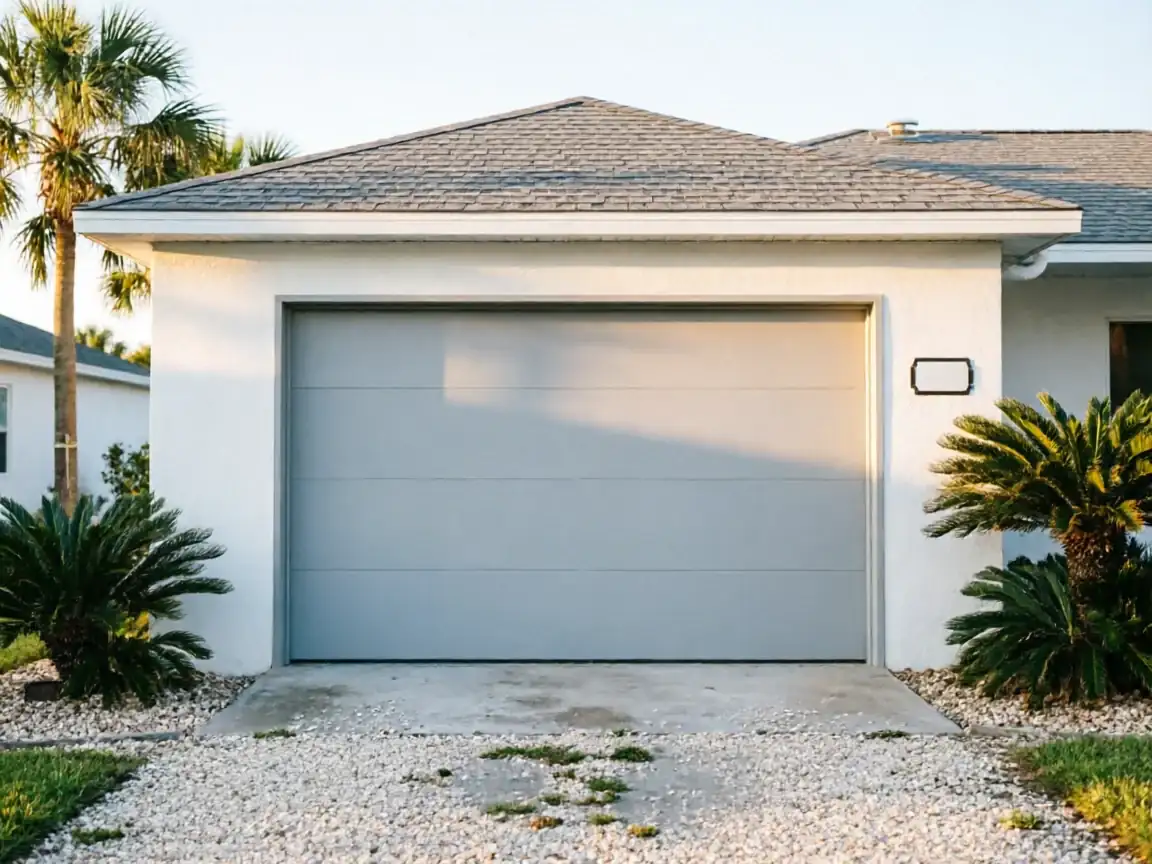
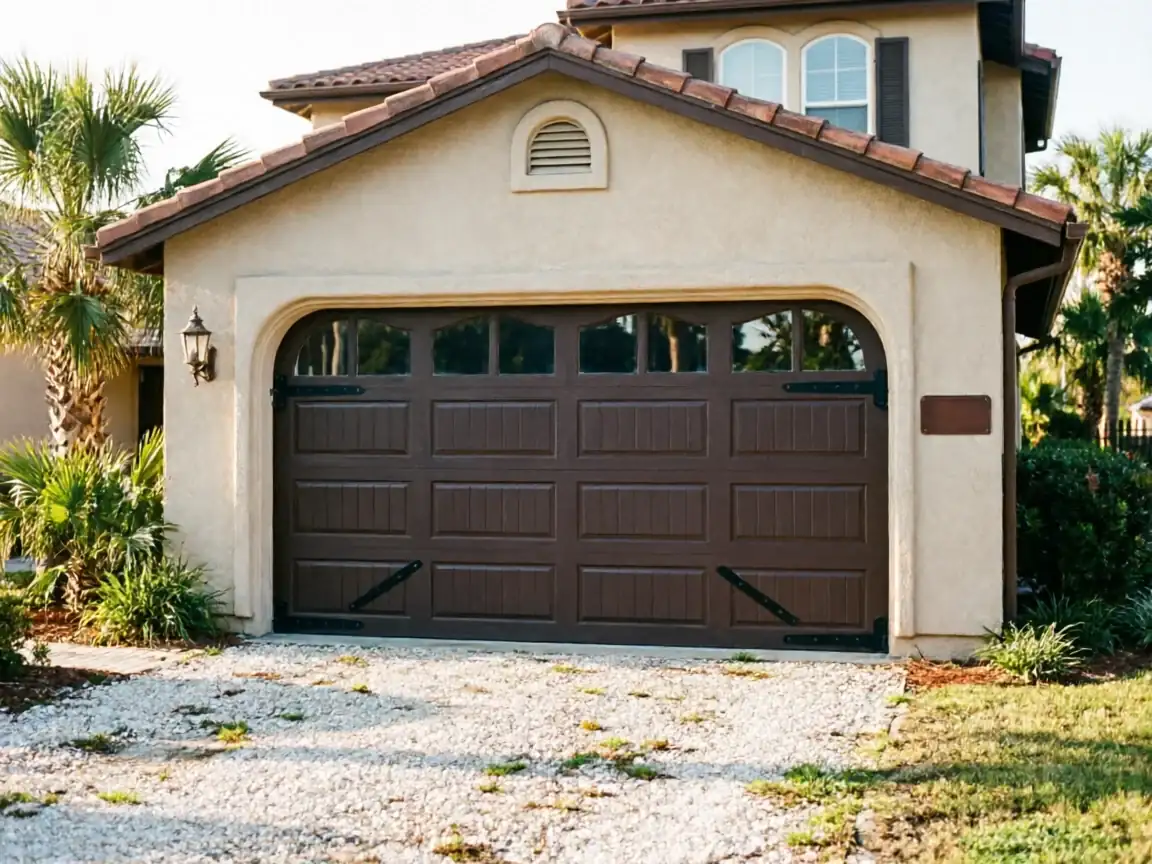
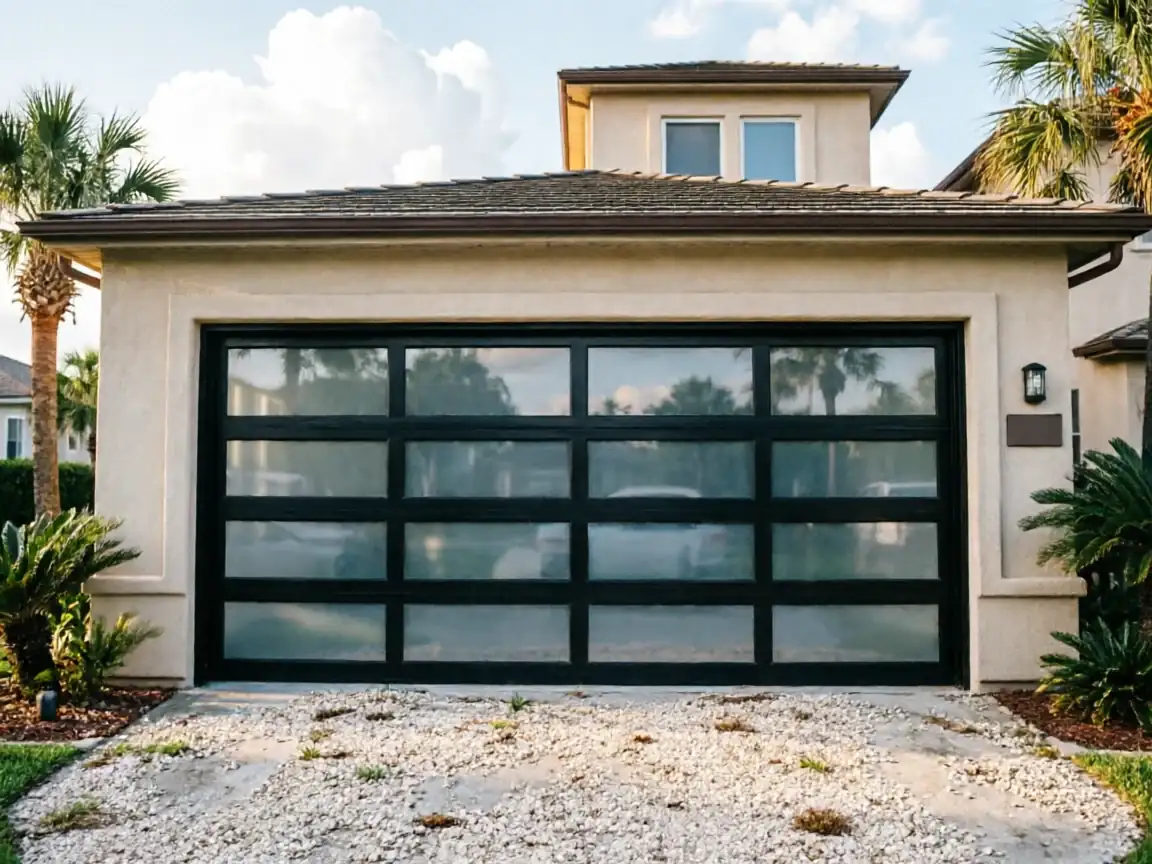
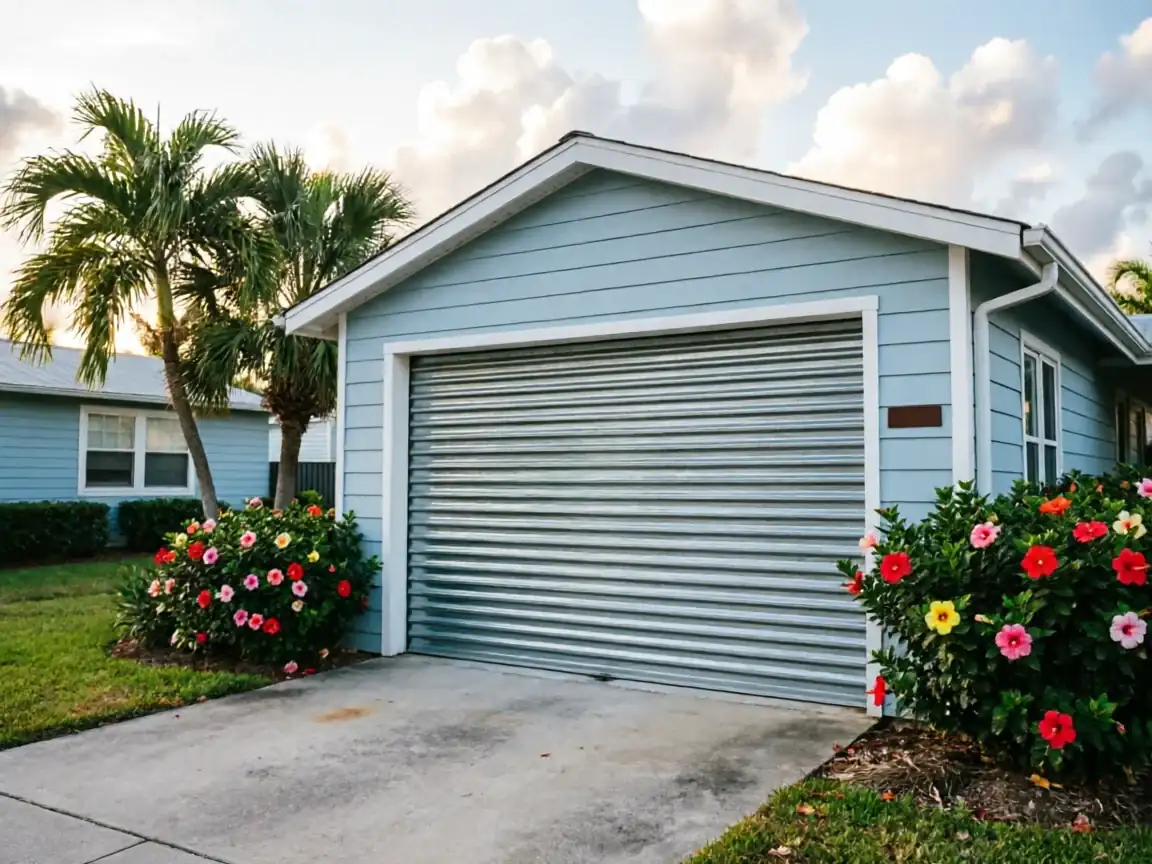
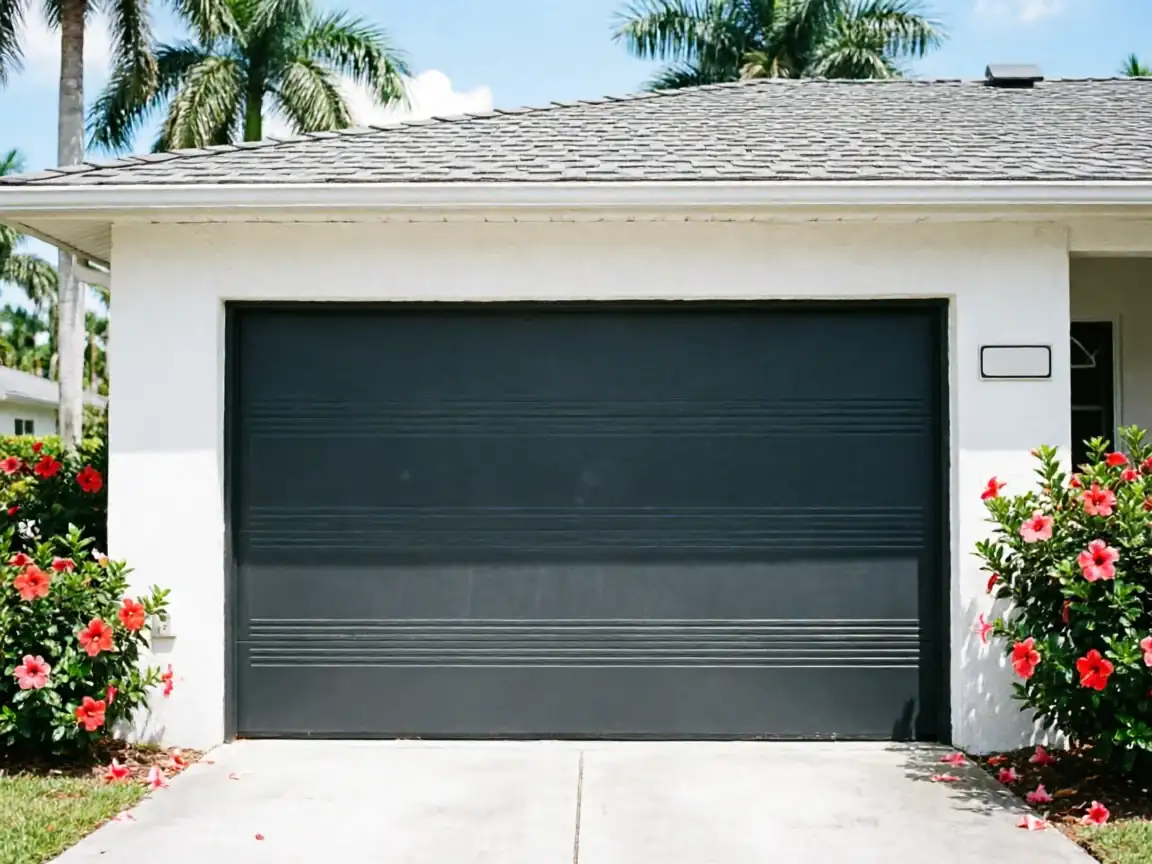
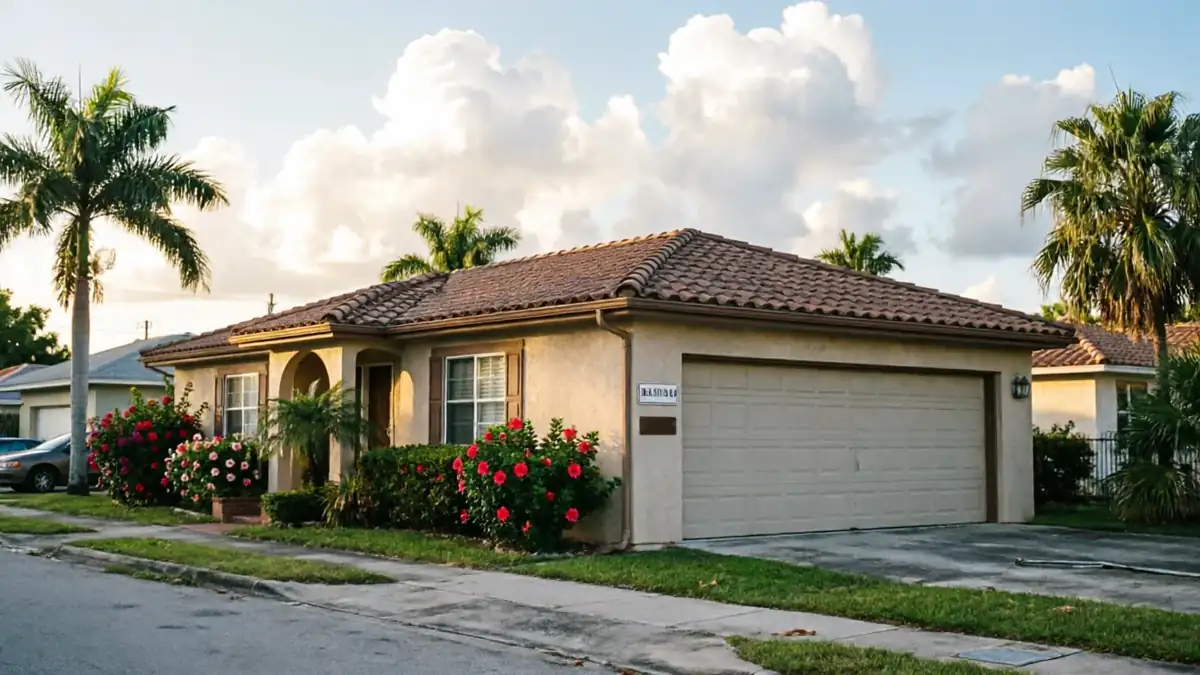
Holly Hill sits about five miles from our Daytona Beach shop, close enough that a morning call doesn't turn into an afternoon wait. But the reason we're writing a separate page for this town instead of just reusing the Daytona Beach copy is the housing itself. Across the wider service area, the typical house went up around 1986. Here in Holly Hill, the median year built is 1977, nearly a decade older. That decade matters more than it sounds like it should. A door and track system installed in 1977 was built to a different spec than one installed in 1990, and the hardware that's failed in your neighbor's garage probably isn't the same hardware that's about to fail in yours. We see a steady mix of original torsion setups still hanging on, next to openers and doors that got swapped out somewhere along the way. No two driveways here tell quite the same story, but the 1977 baseline is the thing that separates Holly Hill calls from calls in the newer pockets of the service area.
What Was Built Here
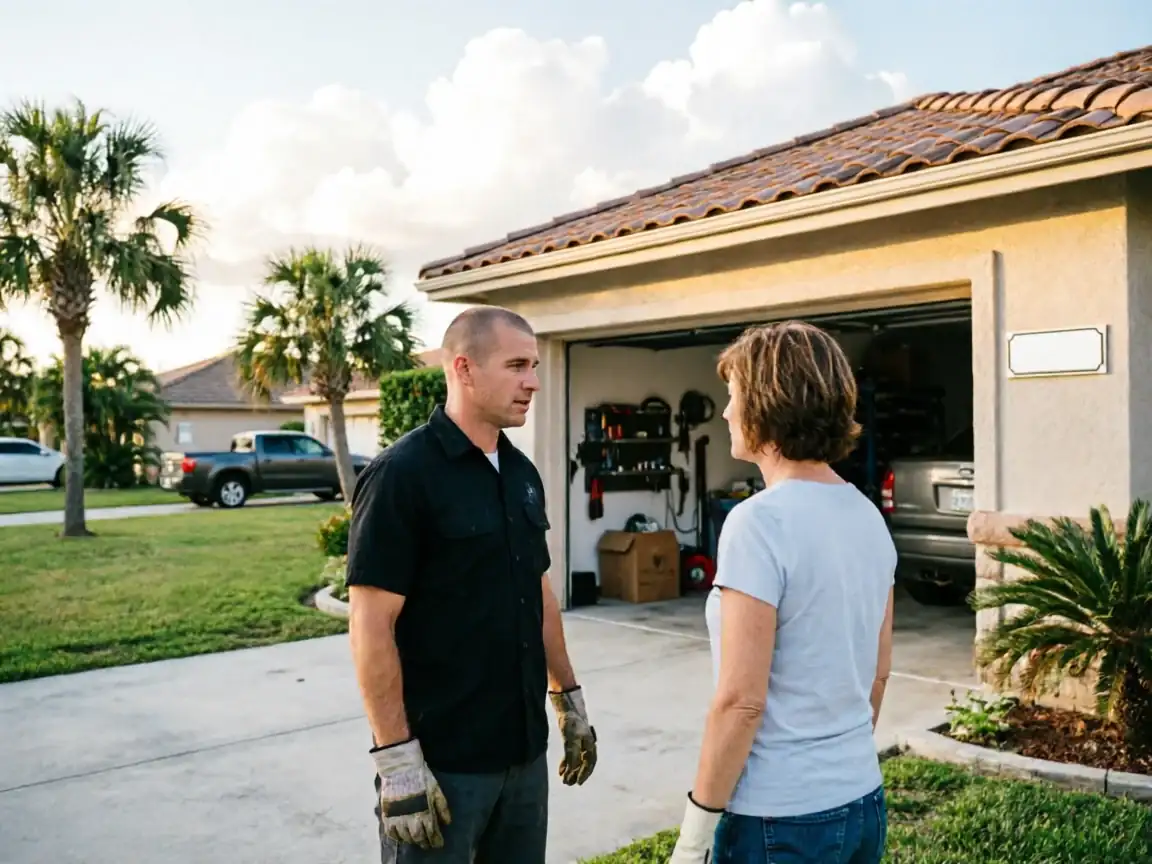
With roughly 6,122 households in Holly Hill, the housing base here skews older than the roughly 54,644 households across the full service area, where stock runs 1980s-to-90s on average. Older here means more single-car and narrower double garages, more doors on steel tracks that have been repainted or patched more than once, and more openers that have already been replaced at least once since the house was built. Median household income in Holly Hill runs $46,360, well under the area-wide figure of $69,150, which tells us something about the kind of repair call we get: homeowners who want the actual problem fixed, not a full system replaced just because one part failed. We respect that. A worn roller or a frayed cable doesn't always mean the whole door is done, and we'll tell you plainly when a repair is the right call instead of pushing you toward a new installation you don't need yet.
What That Means for Doors
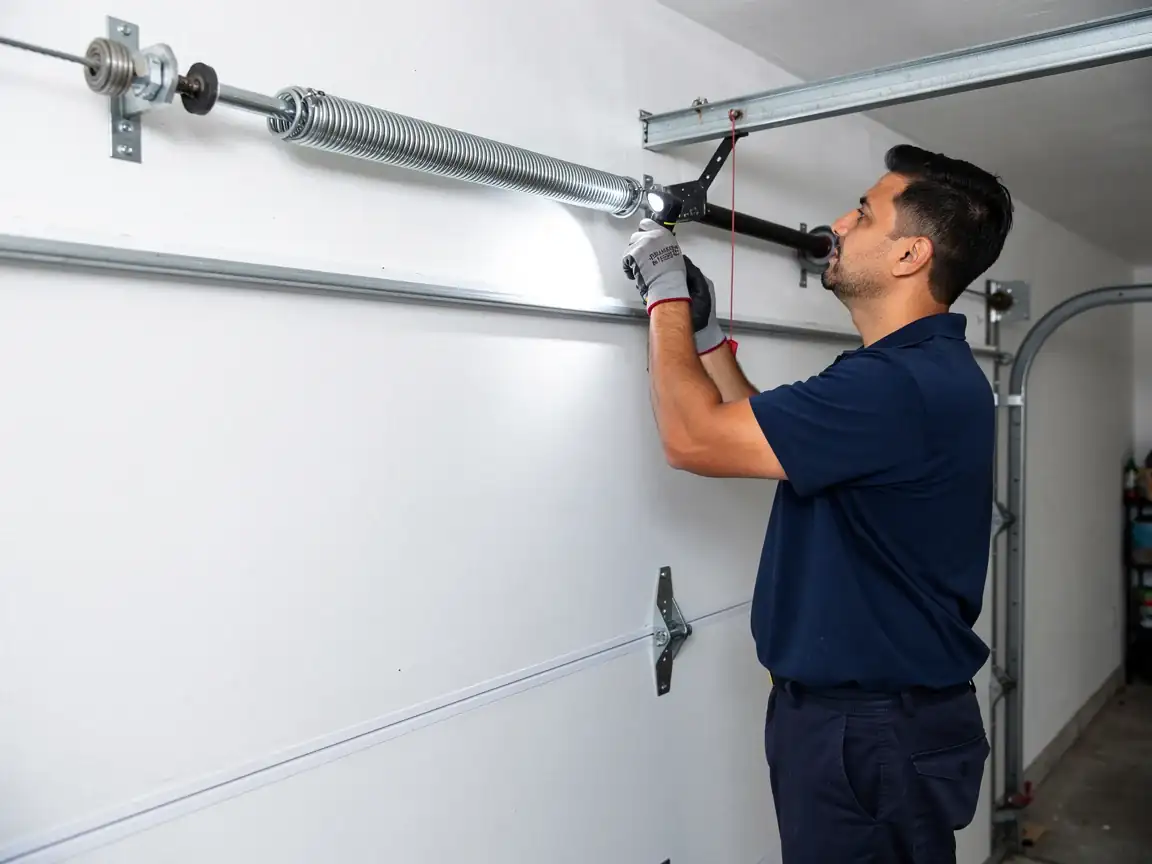
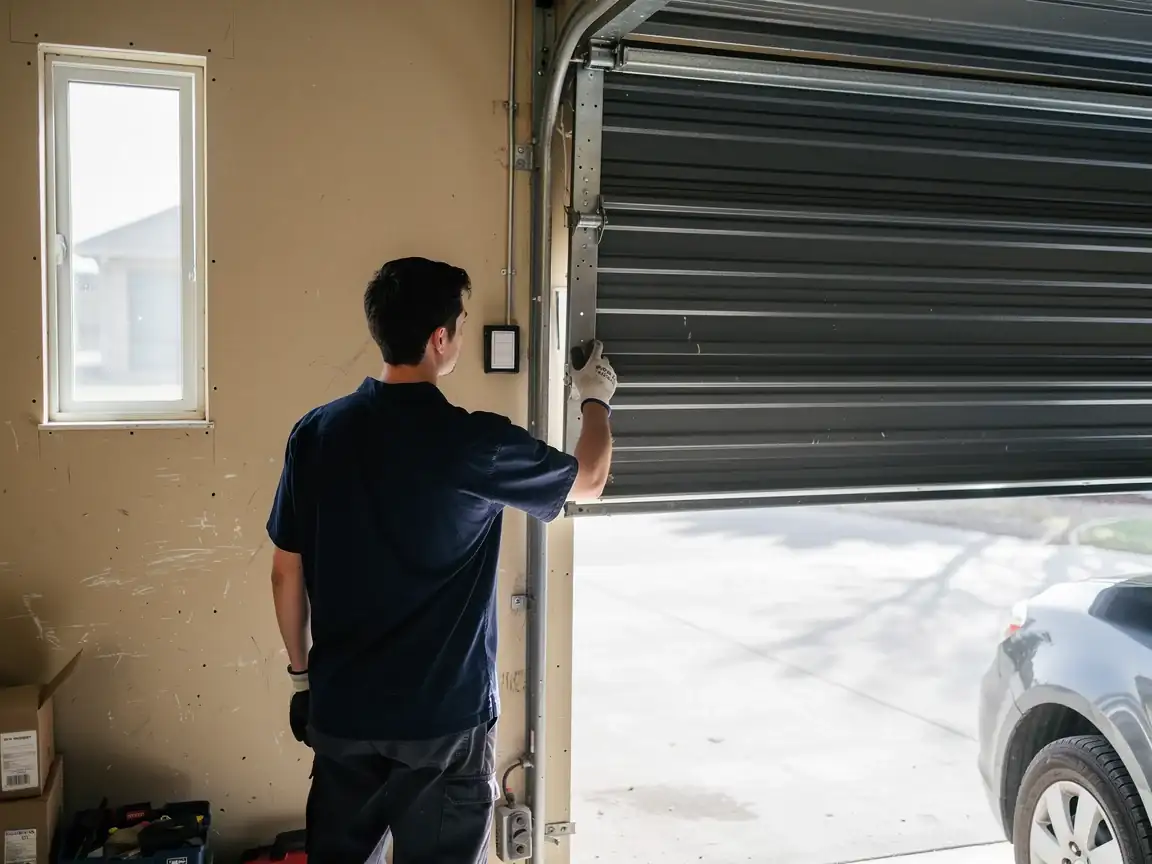
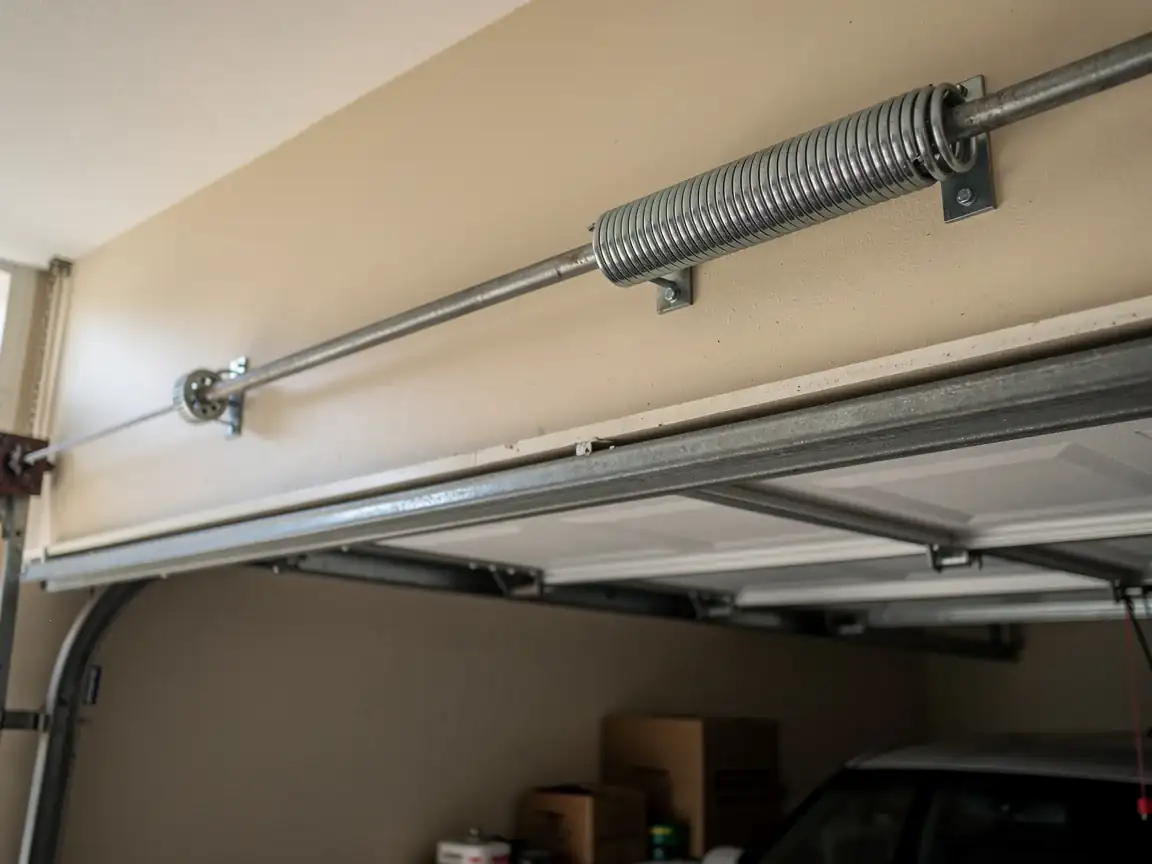
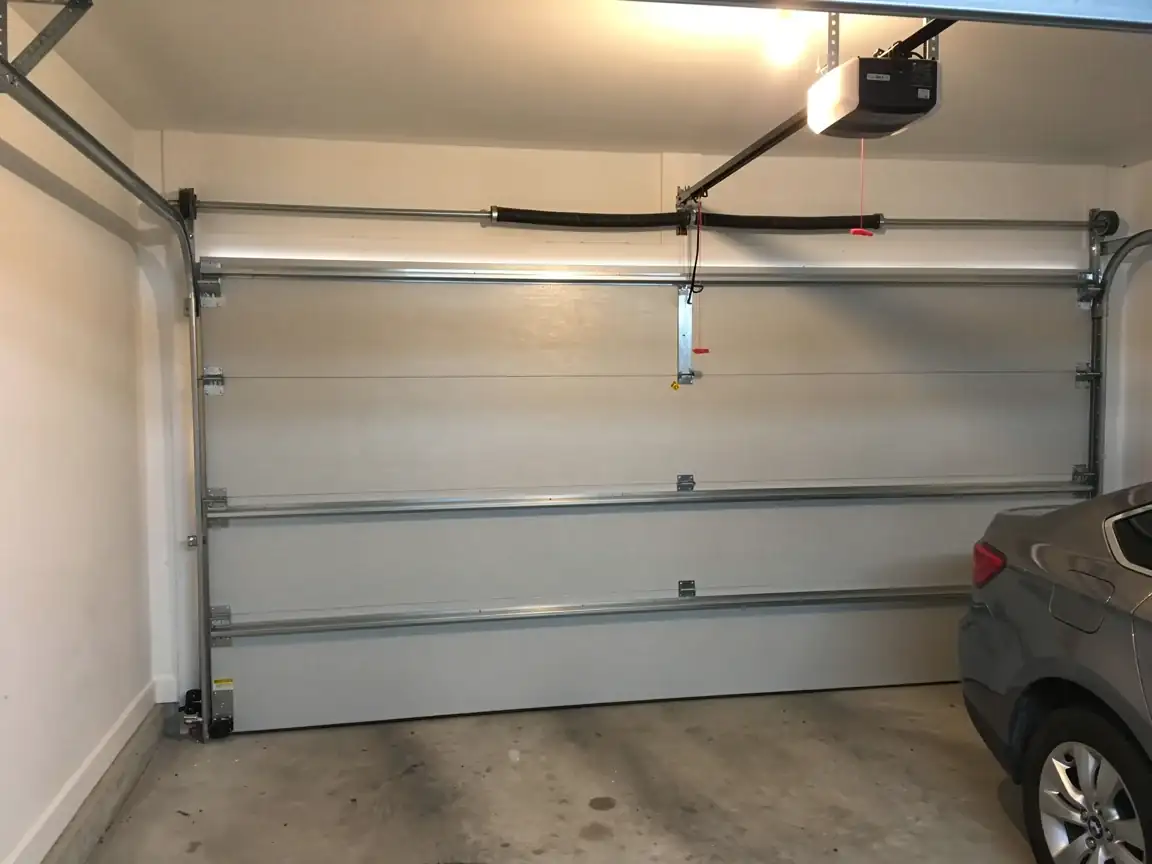
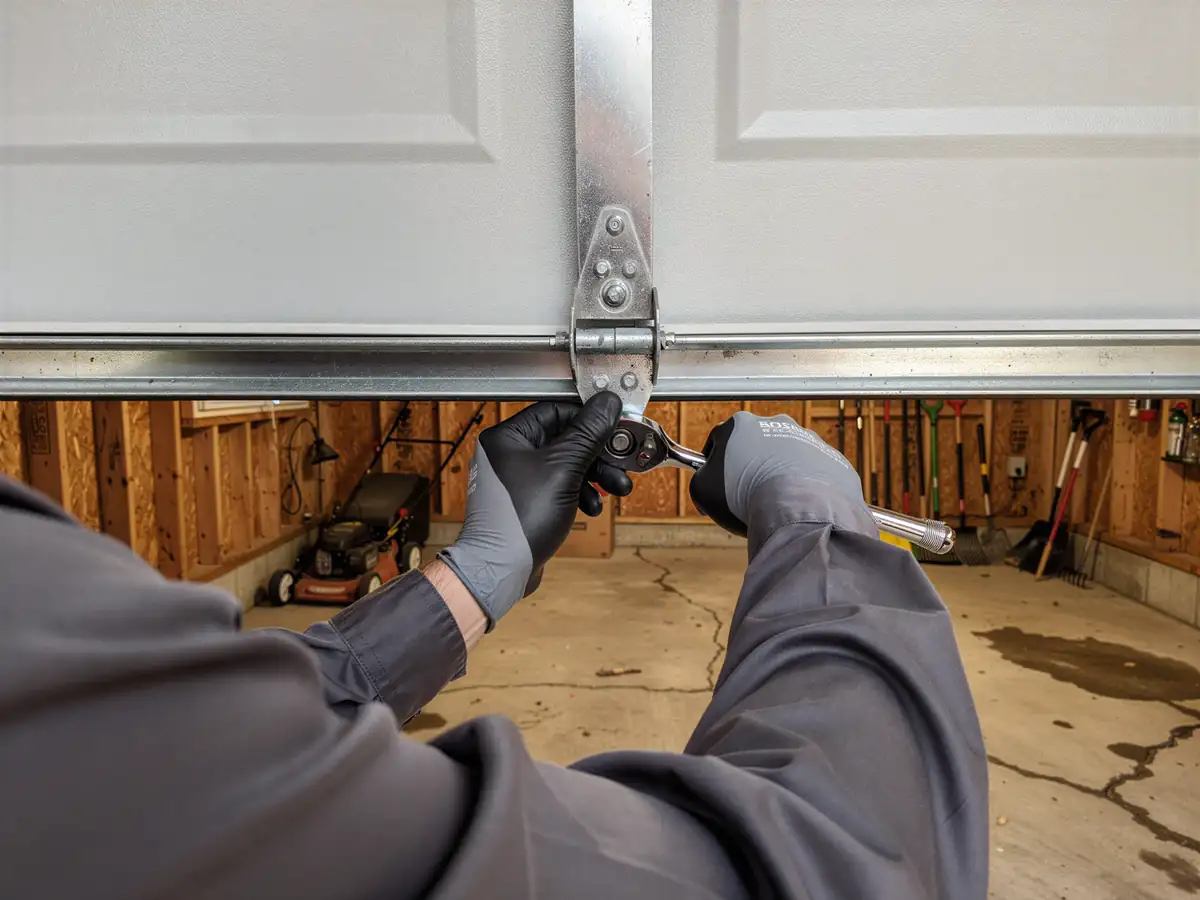
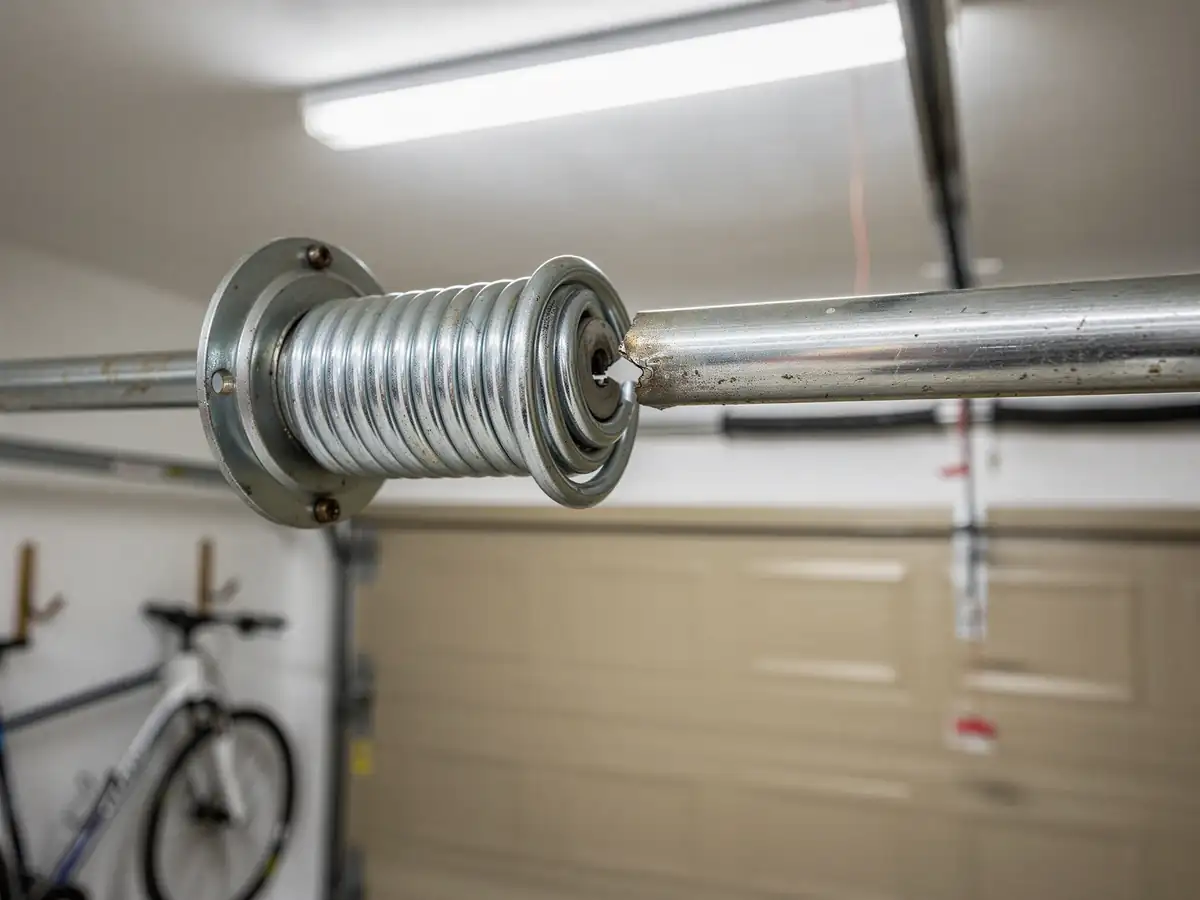
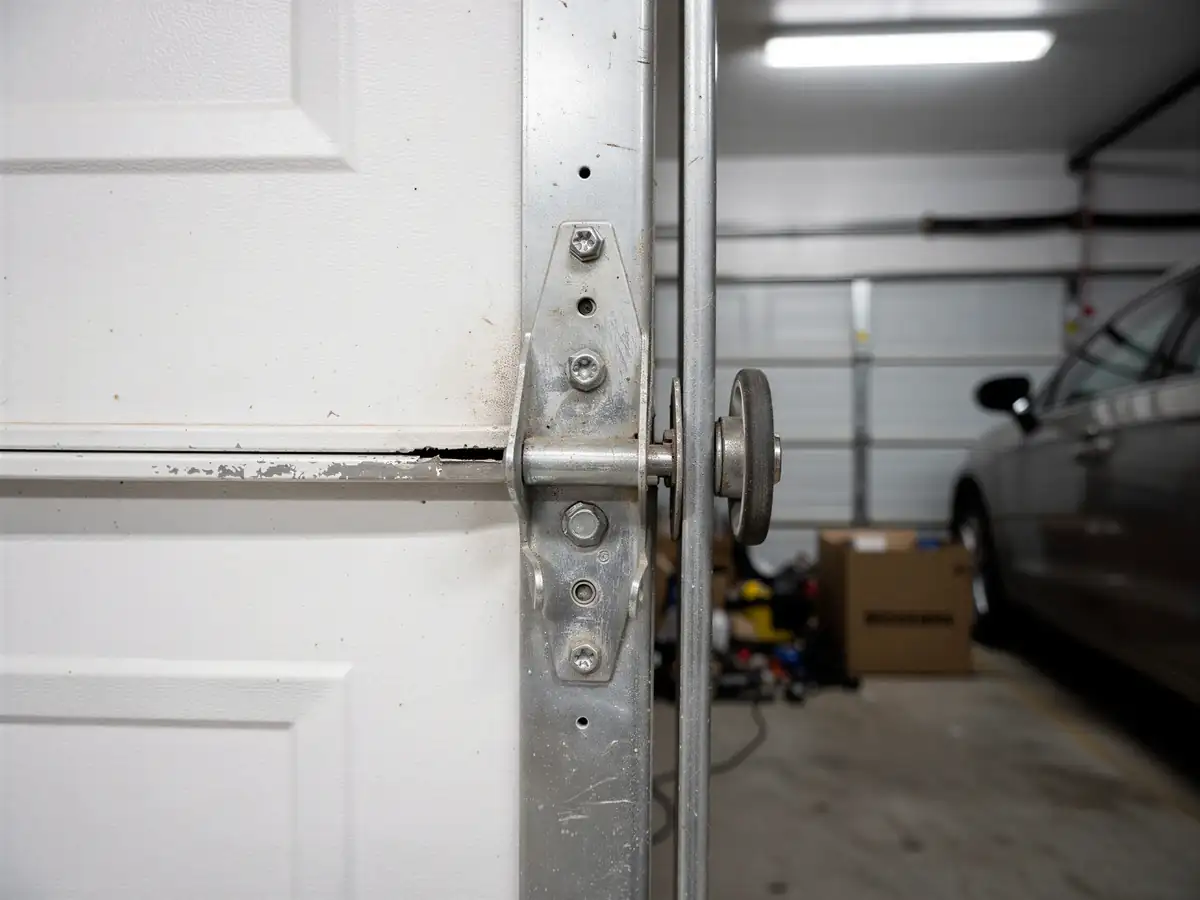
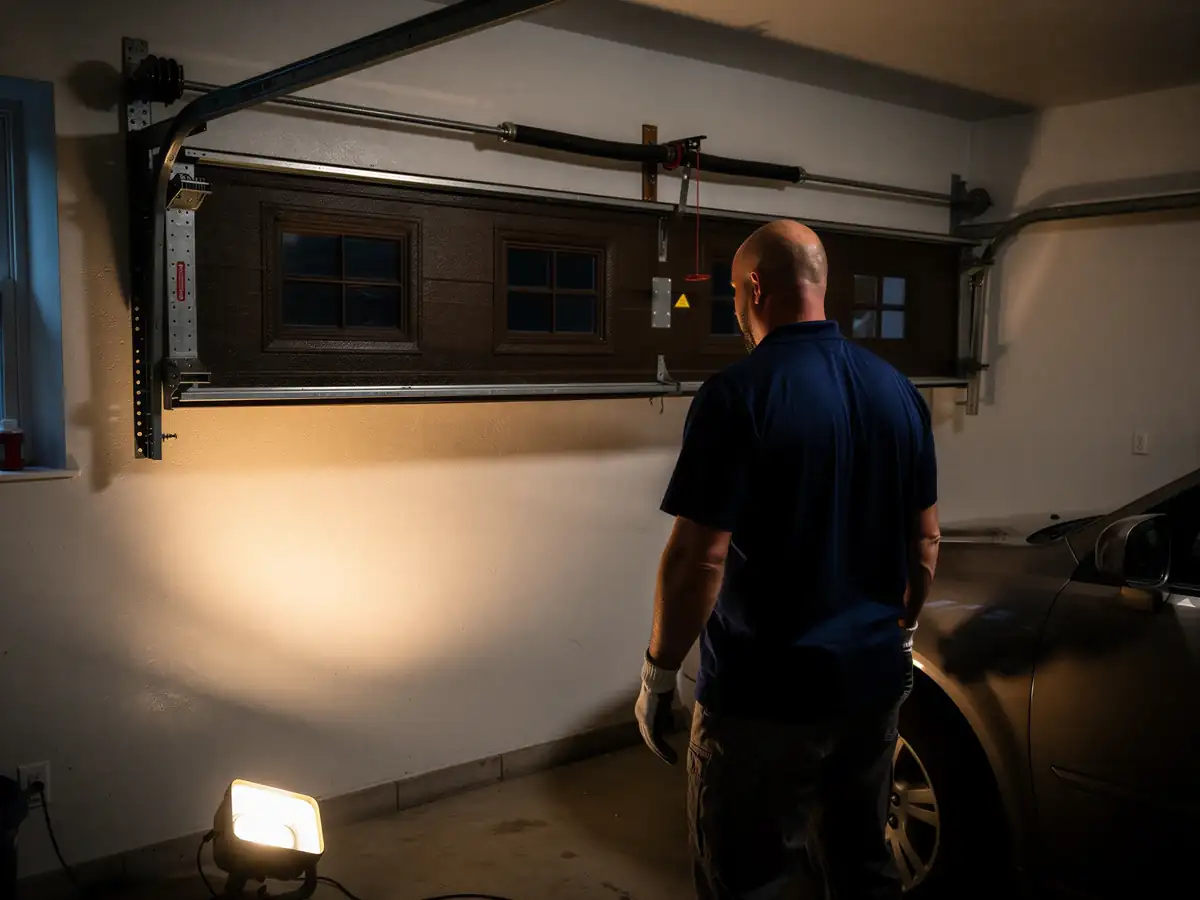
Put the age and the distance together and here's the practical result: when we get a call from a Holly Hill address, we expect to find hardware closer to 1977 vintage than 1986 vintage, and we bring that expectation with us. That means checking for the older torsion spring sizing and the narrower track widths some original installs used, rather than assuming newer parts will drop right in. It also means we're honest about parts lead time - some of the original hardware on a house this age isn't something we carry on the truck for every job, and a rare bracket or an obsolete opener model can mean a short wait for the right part instead of a same-visit fix. That's not us dragging our feet; it's just what working on older stock sometimes requires. For a straightforward spring or roller repair, that's rarely an issue. For a full system match on an original 1970s door, it's worth knowing upfront.