Parts We Carry
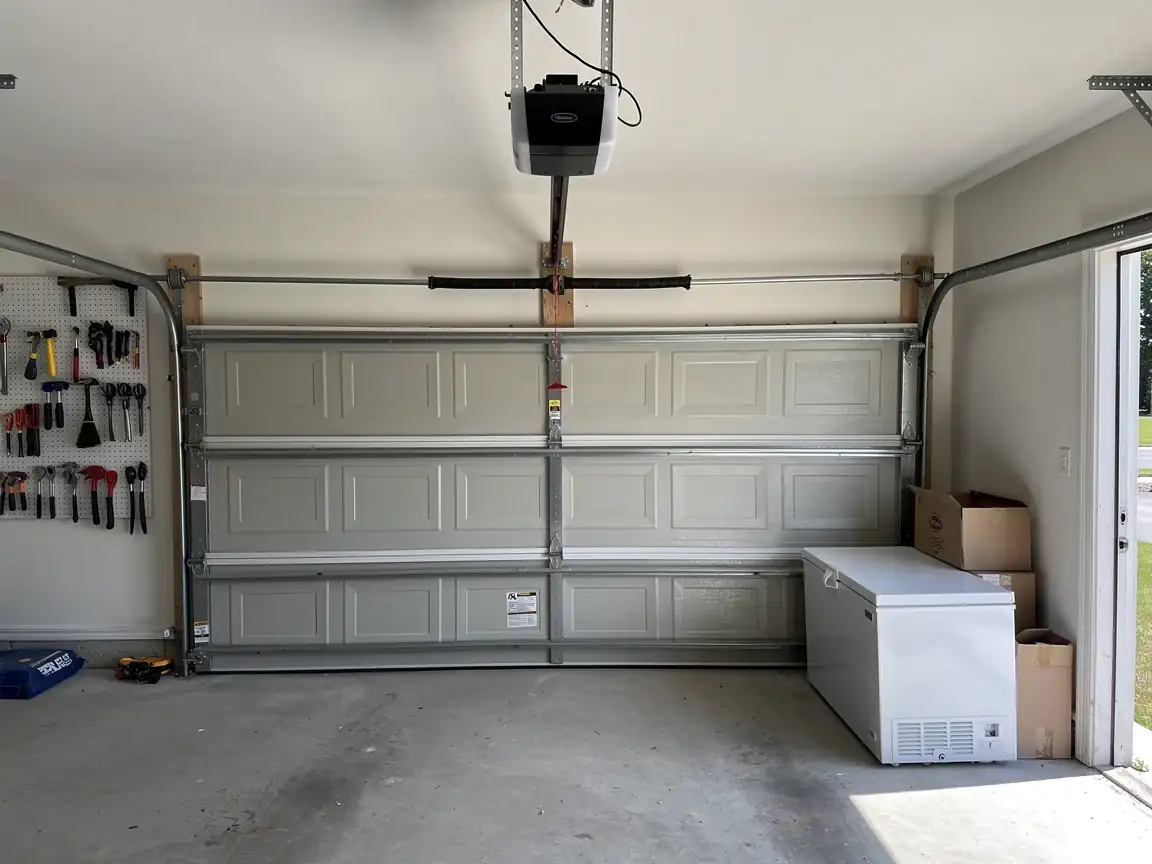
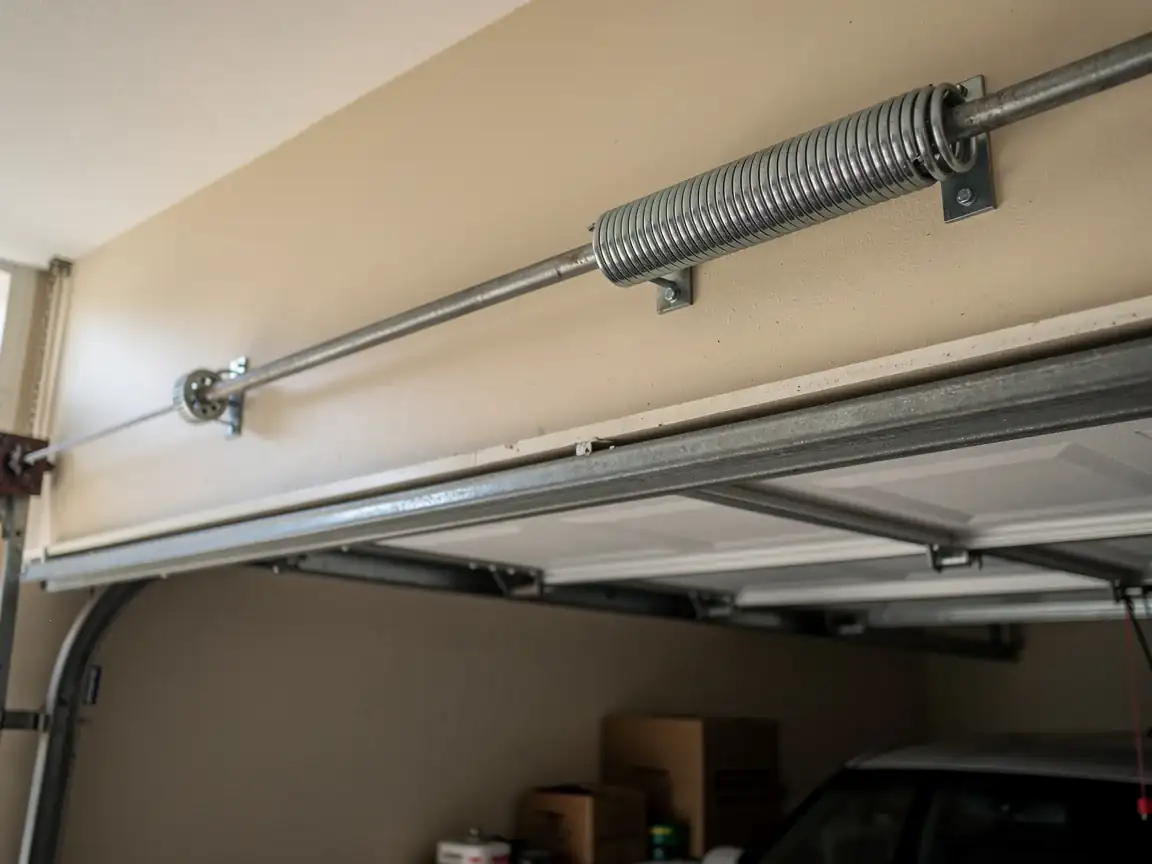
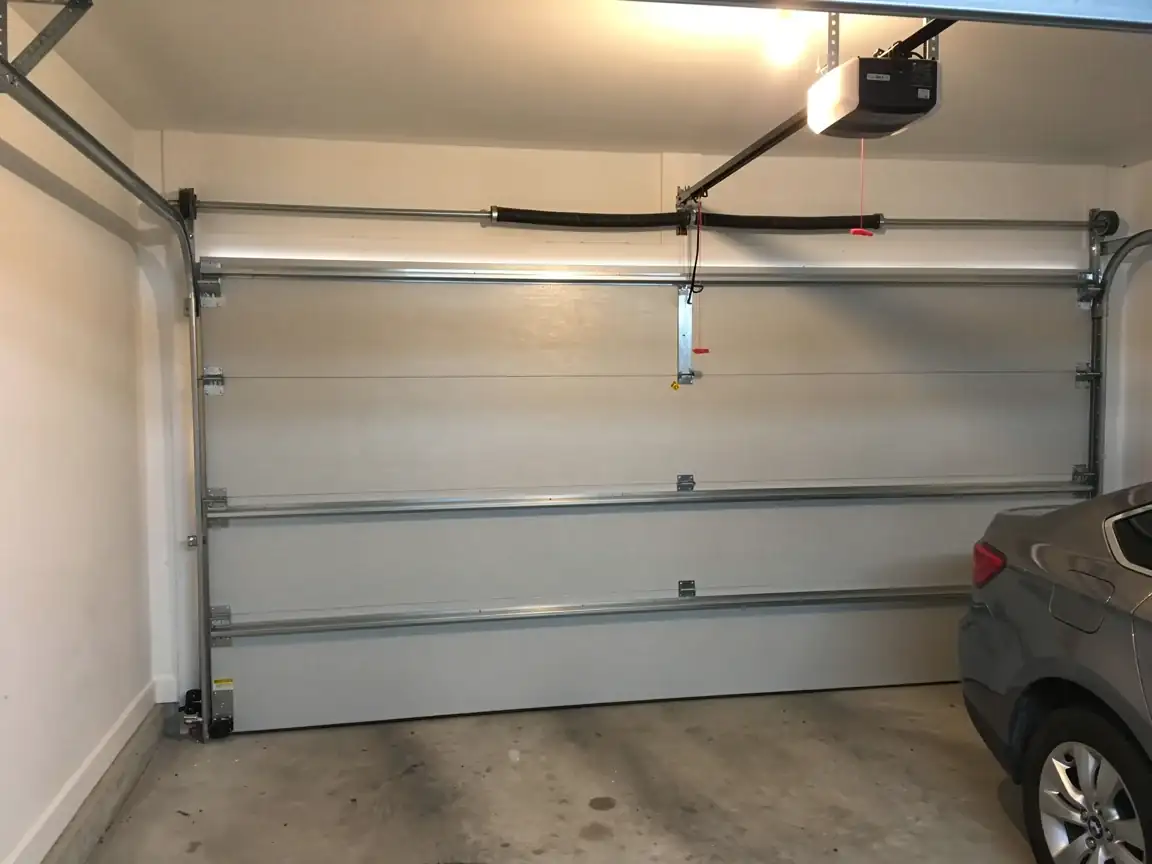
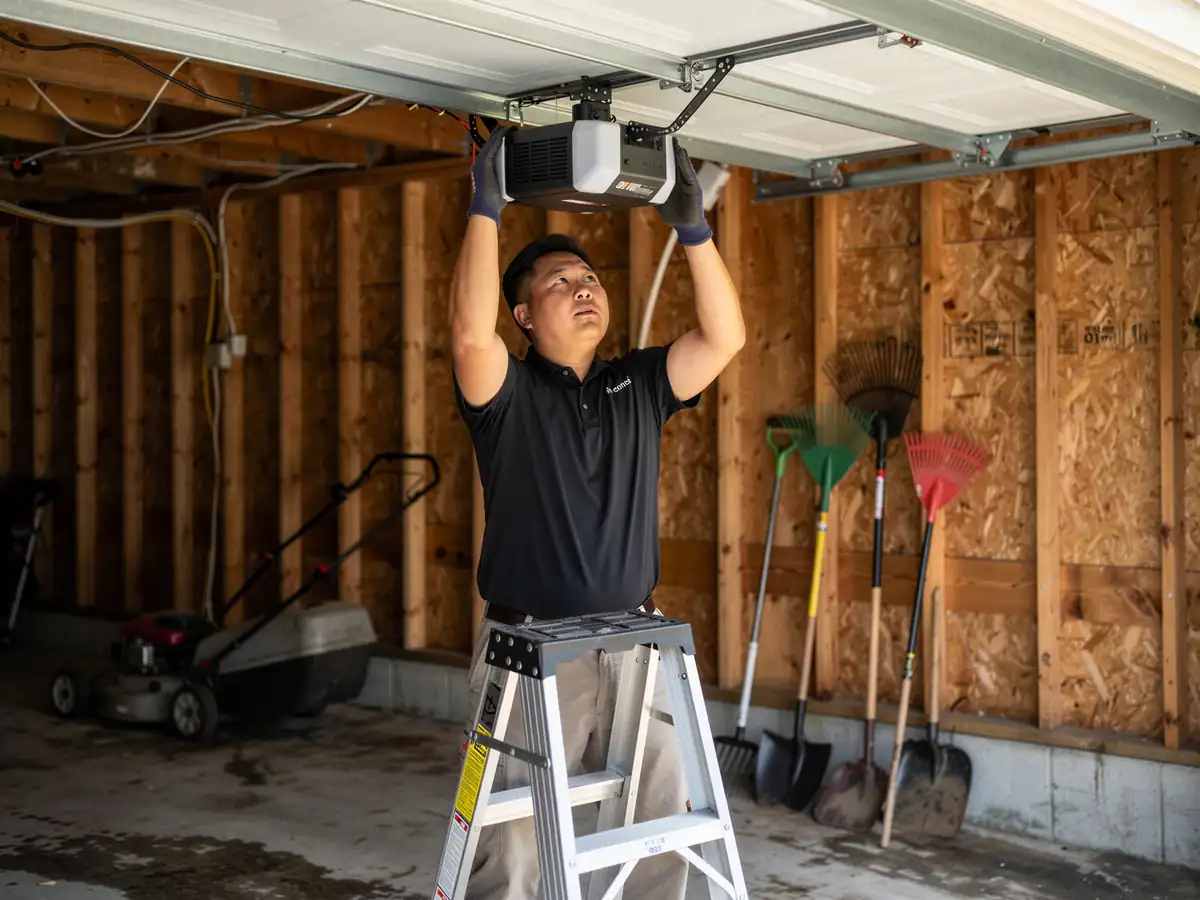
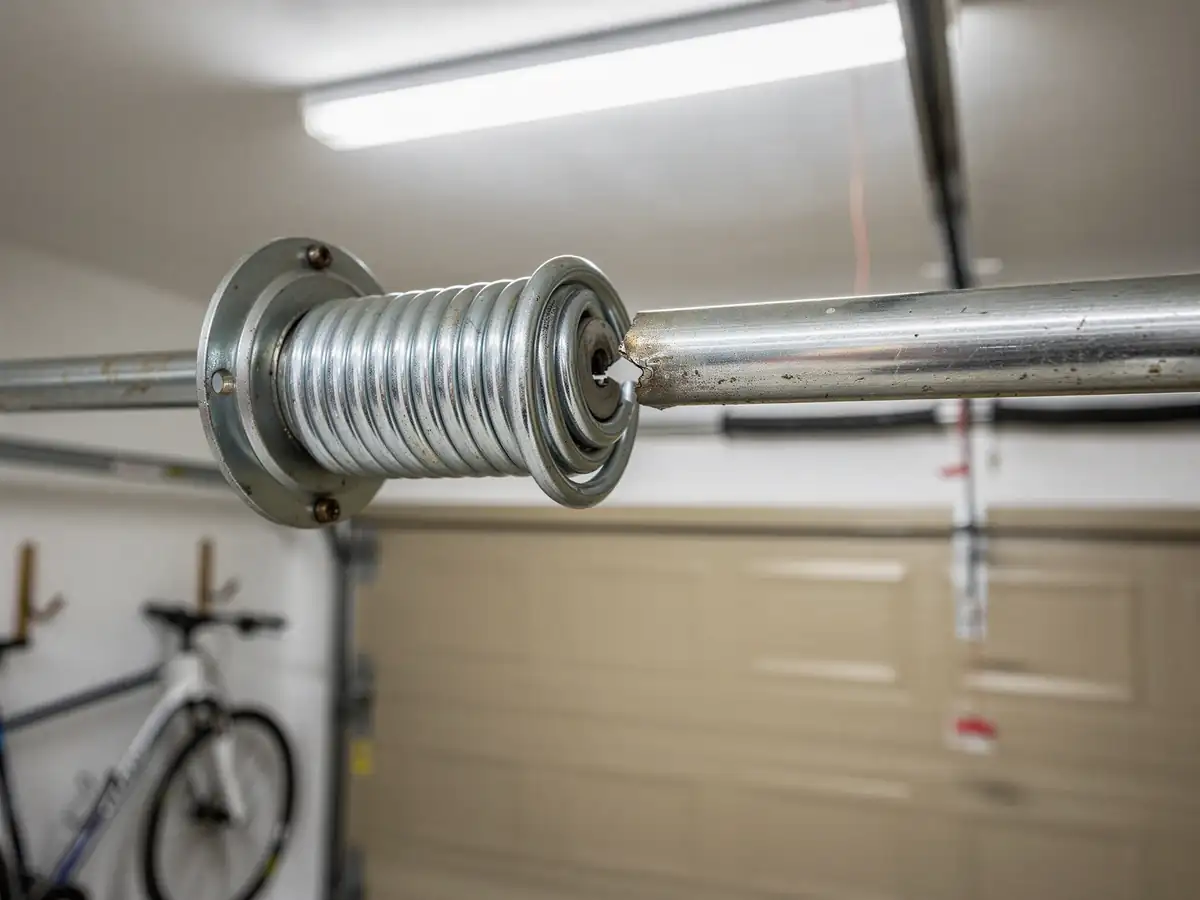
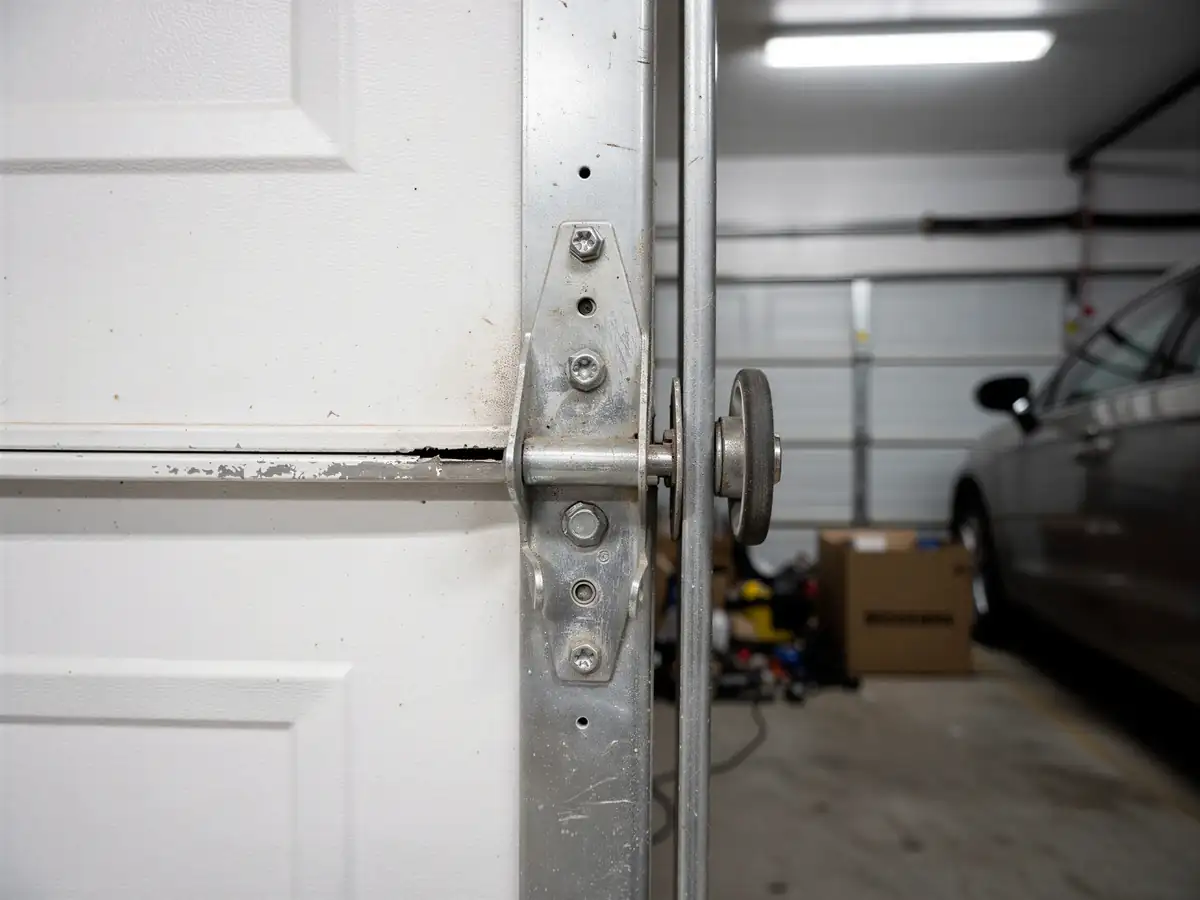
Holly Hill's housing stock centers on 1977, which puts it near the early edge of the 1972-1993 range we see across the wider service area. That decade-earlier build date matters: a door installed in 1977 has had roughly ten more years to wear through its original torsion spring, its original rollers, and in a lot of cases its original opener, than a house built at the 1986 median for the area overall. We carry torsion and extension springs sized for the steel sectional doors common to that era, drums and cables to match the original torsion hardware, and replacement rollers for tracks that have never been swapped. We also stock openers that can replace older chain-drive units, including ones without modern auto-reverse sensors - a real safety issue on a door that's never been touched since it went up. If your opener still has a pull-cord emergency release from the original install, that's the clue we look for first.
Not every original part is still around. Some houses here had doors replaced in the 2000s or later, so we check the hardware on arrival rather than assume. What we don't carry on the truck is anything for doors or openers made before steel sectional doors became standard - those jobs sometimes mean a special order, which can add a day or two.
How Long You Are Without the Door
We run this service from Daytona Beach, about 5 miles away, so there's a drive involved - we don't have a branch sitting in Holly Hill. The mild temperate climate here means you're not usually racing a storm system before a repair gets done, which takes some of the pressure off compared to places with real winter freeze cycles. That said, a broken spring leaves a two-car door impossible to lift by hand safely, so most people don't want to sit on it.
The honest limitation: if the fault turns out to be a part we don't carry on the truck - an obsolete drum size or an opener model that's been out of production for years, which comes up more on houses that still have their original 1977 hardware - we may need to order it, and that adds time we can't promise away. We'll tell you on site which situation you're in rather than guess over the phone.
Can You Do This Yourself
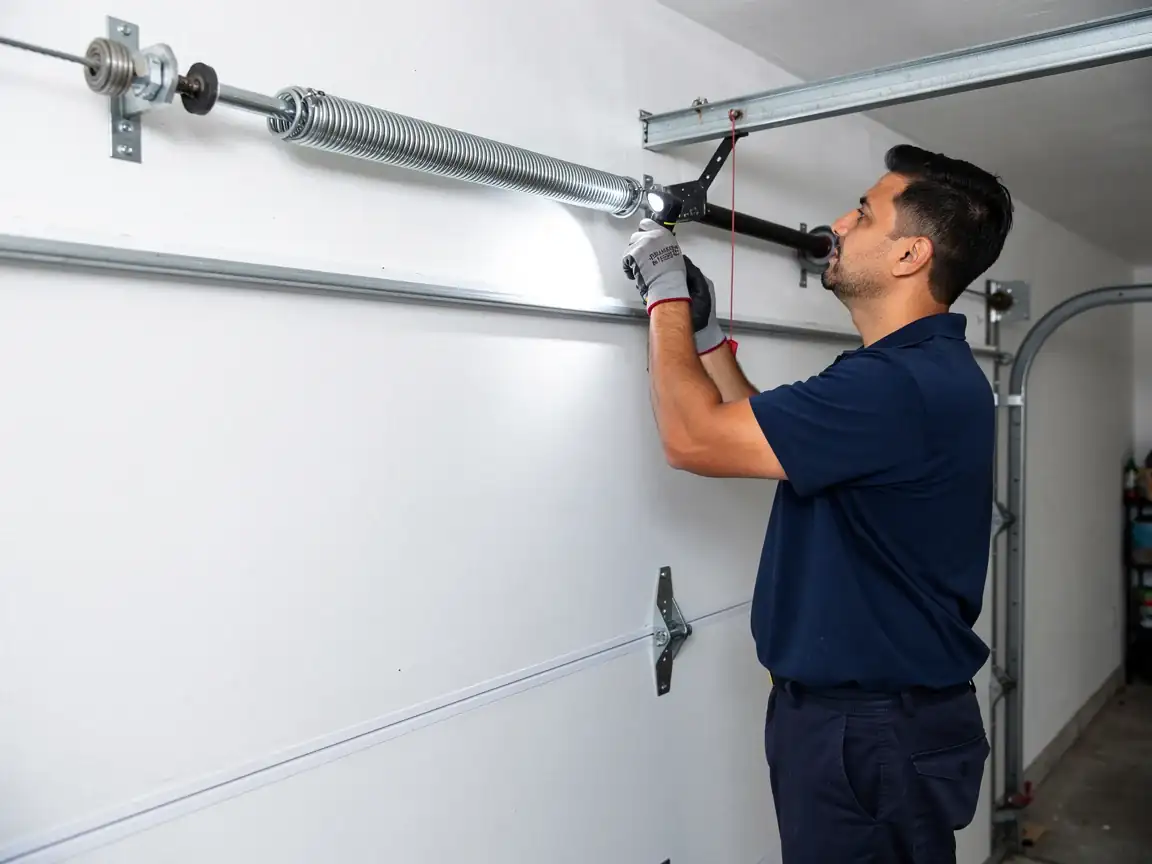
A torsion spring under tension can break a wrist or worse if the winding bars slip, and on a door from the 1977 era
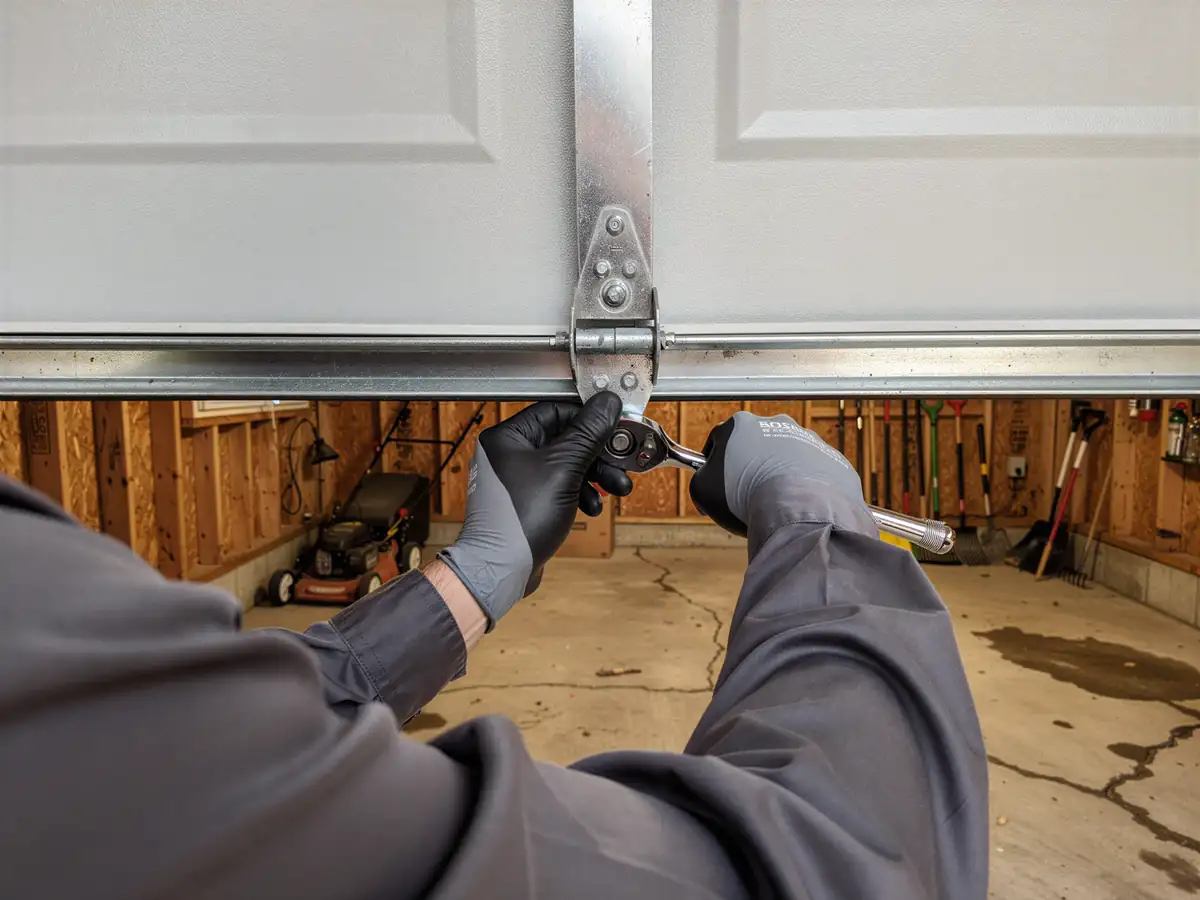
The spring has likely never been replaced - which means it's had decades to fatigue past where it was ever tested. That's not a job to learn on your own garage. Rollers and hinges are different; if a panel is sagging or dragging, you can often tell by watching how it moves, and swapping a worn roller with the door blocked and the opener disconnected is within reach for a lot of owners.
Openers are a middle case
Reprogramming a remote or replacing a sensor eye is simple. Rewiring a chain-drive motor built before modern safety reversal standards is not something we'd recommend tackling without knowing the unit's wiring, especially if it's original to the house. If you're not sure which category your problem falls into, that's worth a call before you start pulling things apart.
The Cost of This Job
Median household income in Holly Hill runs $46,360, well below the $69,150 median across the broader service area. That gap shapes the advice we give: on a door with original 1977 hardware, we'll often look hard at whether a spring and roller repair gets the door back to solid working order before we talk about full replacement, rather than defaulting to the bigger job. With 6,122 households in Holly Hill against 54,644 across the whole area we cover, a lot of these calls are for older, original equipment rather than doors that have already been upgraded once.
We don't quote a number without seeing the door - spring size, drum type, and whether the opener needs to come out at the same time all move the price. What we can tell you is that repair is usually the cheaper path first, and replacement only makes sense when the track, panels, and opener are all failing at once rather than just one part.