Parts We Carry
Holly Hill's median household income is $46,360, a good distance under the $69,150 median across the wider Daytona Beach service area. That gap matters here because it decides what kind of fix actually makes sense before we talk about parts.
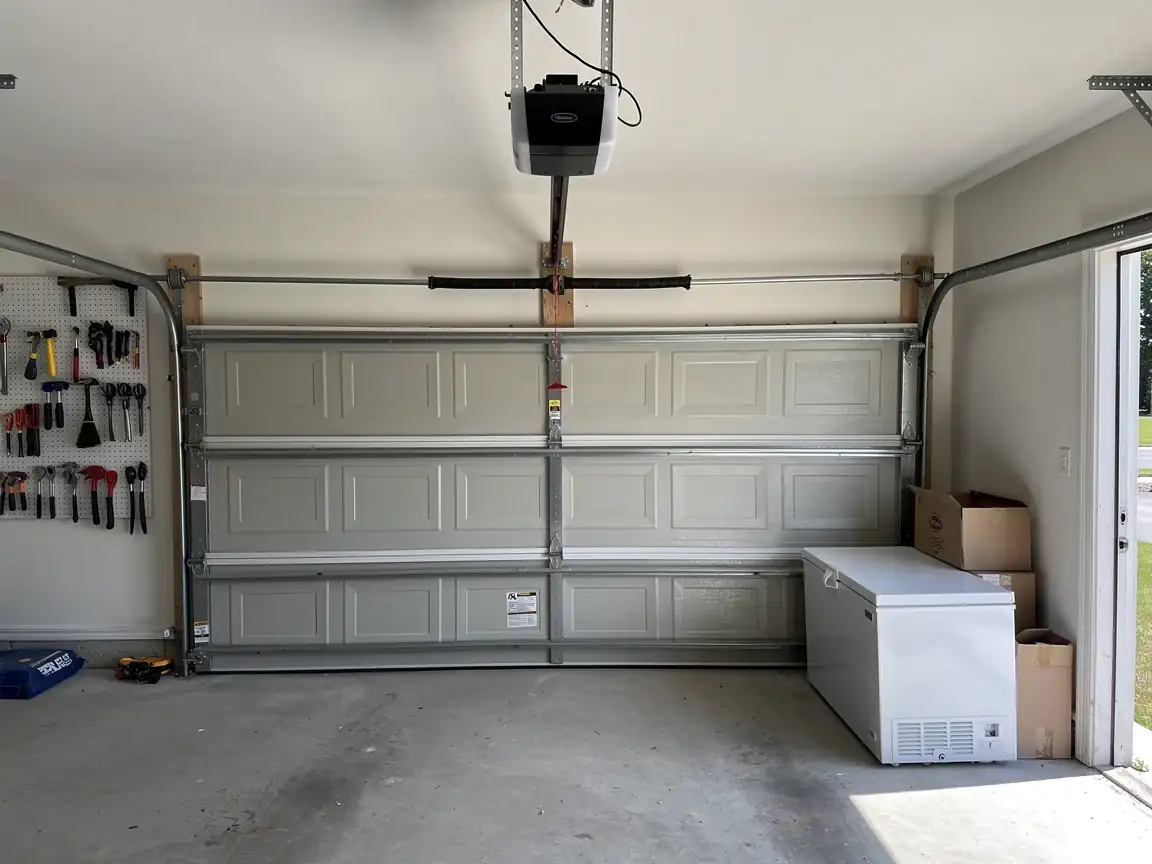
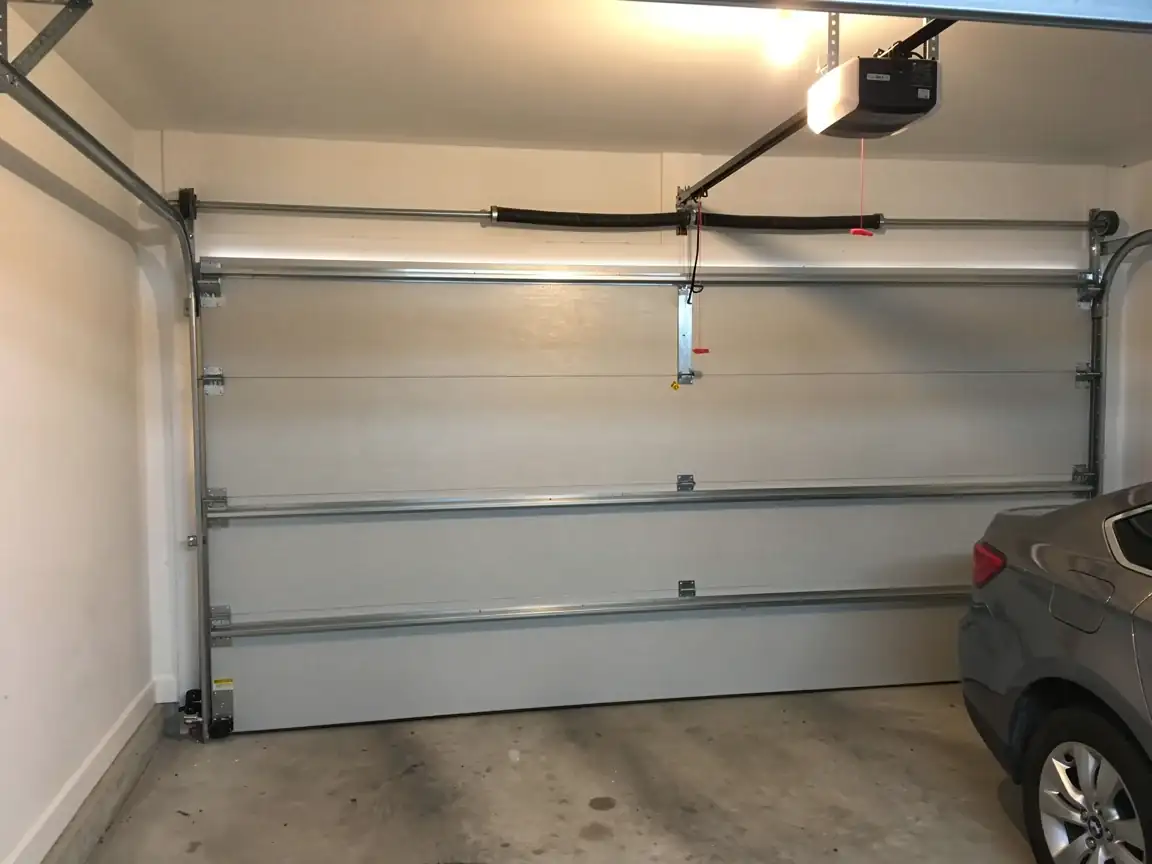
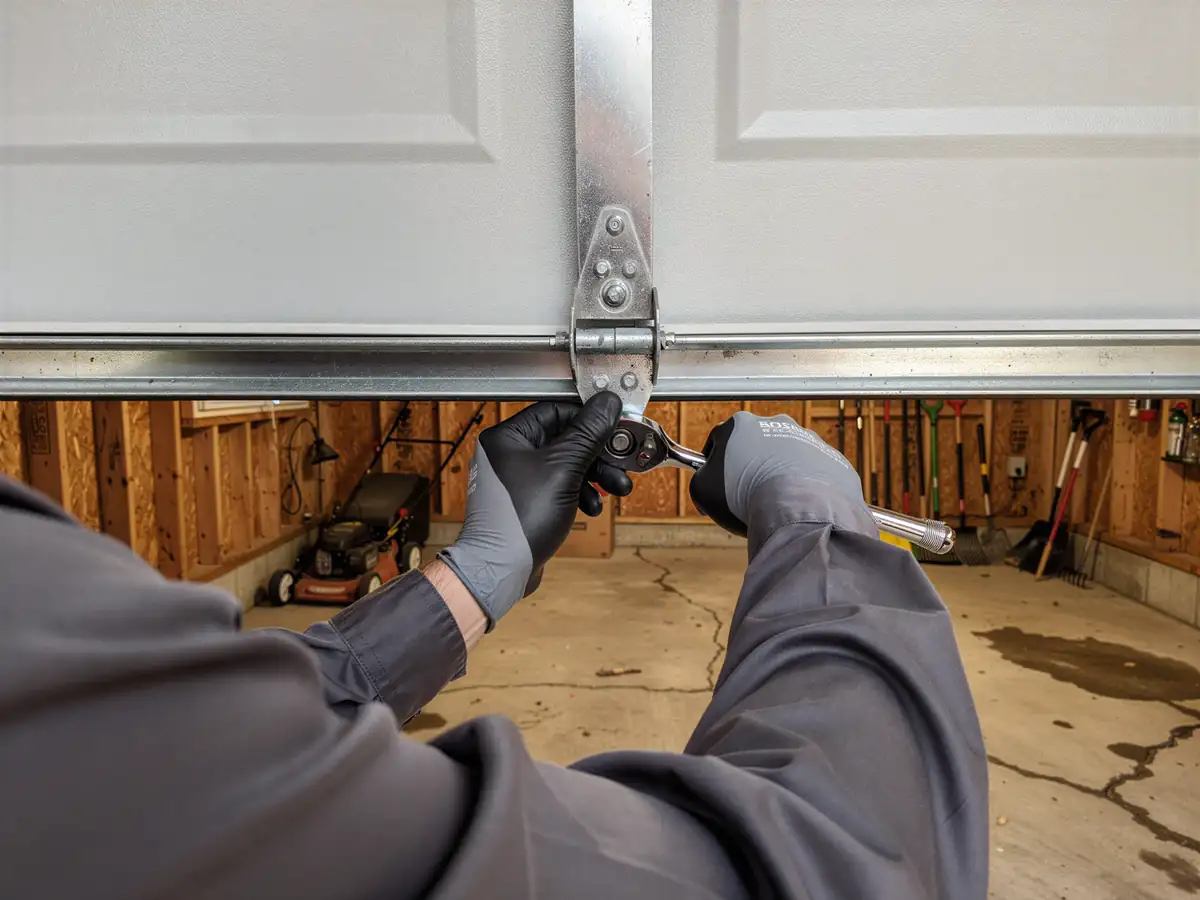
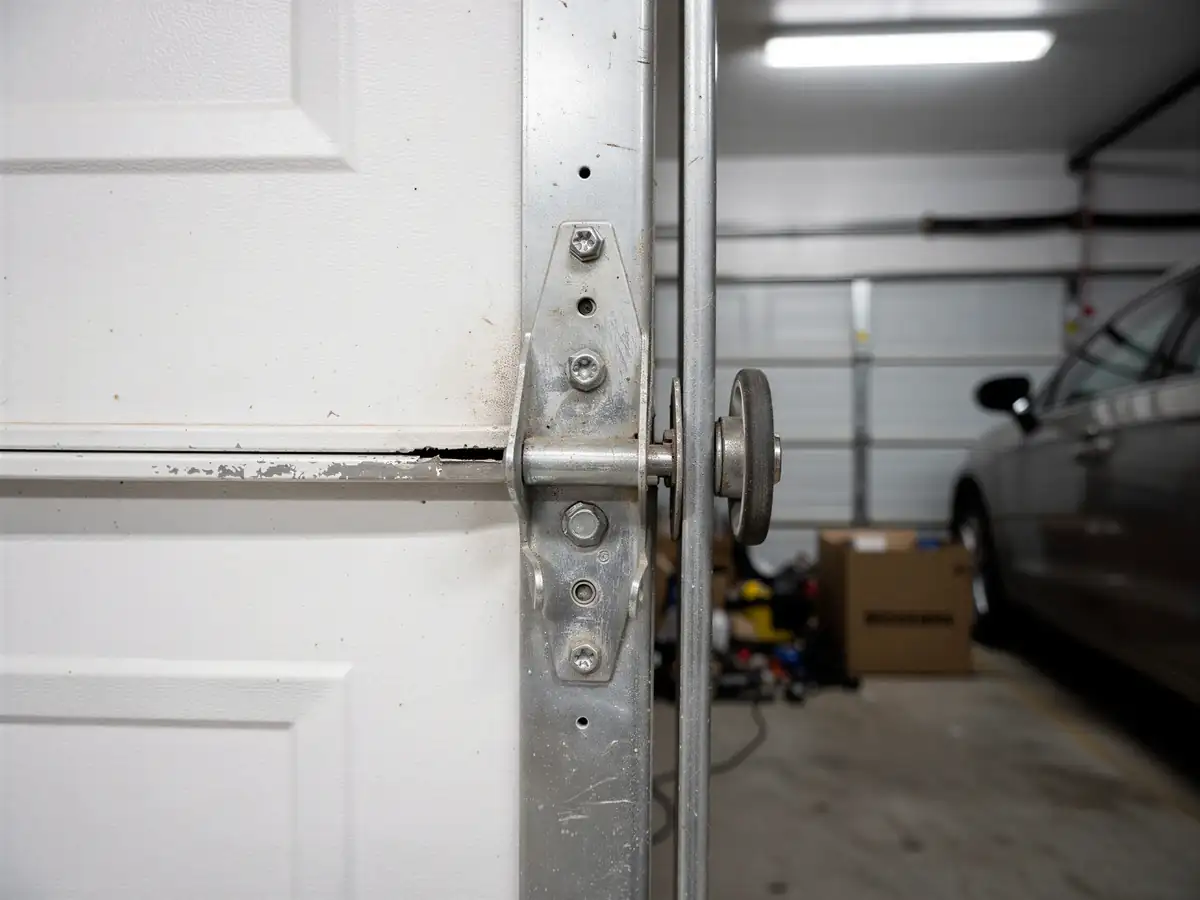
Most houses in this part of the service area went up around 1977, close to a decade ahead of the broader area's 1986 median build year. A door that's been off its track on a house that age is usually fighting galvanized steel track that's bent at a bracket, or nylon rollers worn down to the point they jump the rail instead of riding it. We carry standard-width rollers, steel track sections, and the brackets that bolt them to the jamb - the parts that fit a late-70s opening, not a custom or oversized unit.
We don't stock every roller type on the truck. If your door takes an odd-size roller or a track profile that's no longer common, that's a return trip once the part's in hand. We'll tell you straight if that's the case before we start, not after.
How Long You Are Without the Door
We run this job out of Daytona Beach, about 5 miles from Holly Hill. There's no branch here and we won't pretend there is - every call is a drive, and that drive is part of how a job gets scheduled, not an afterthought.
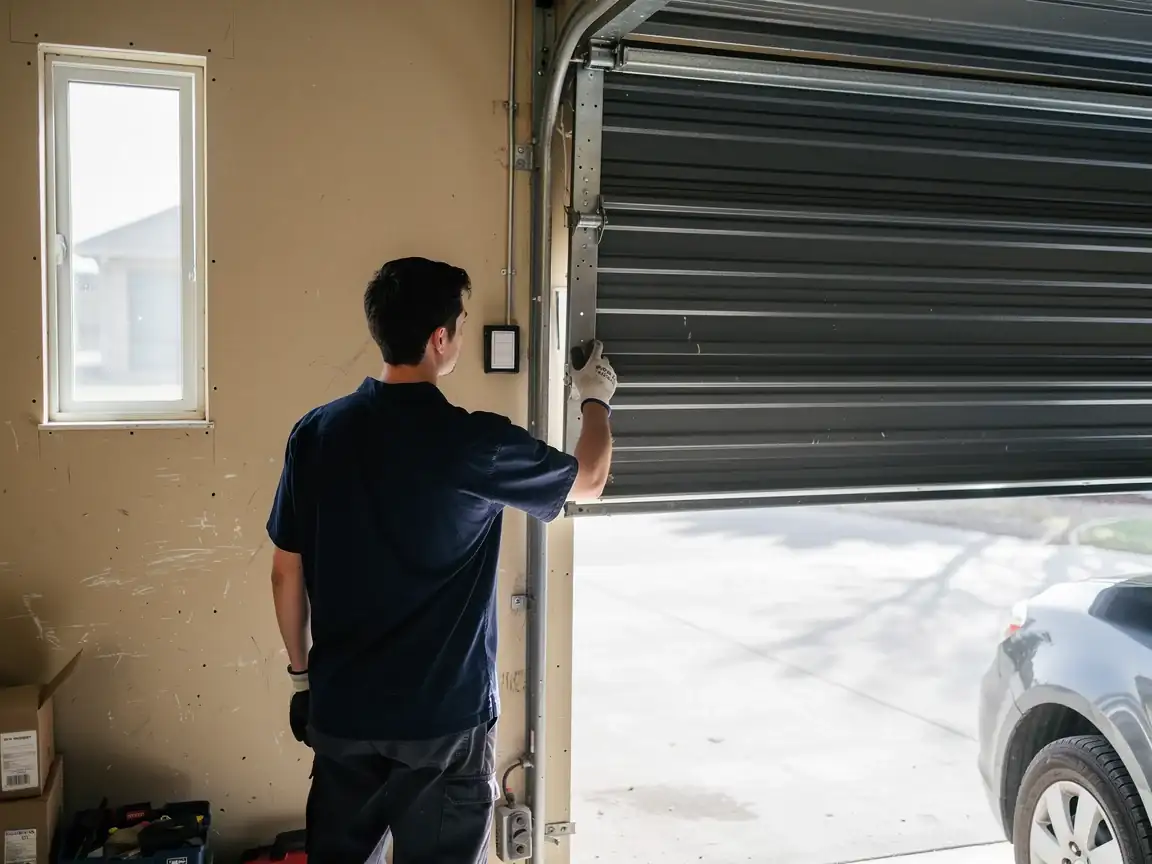
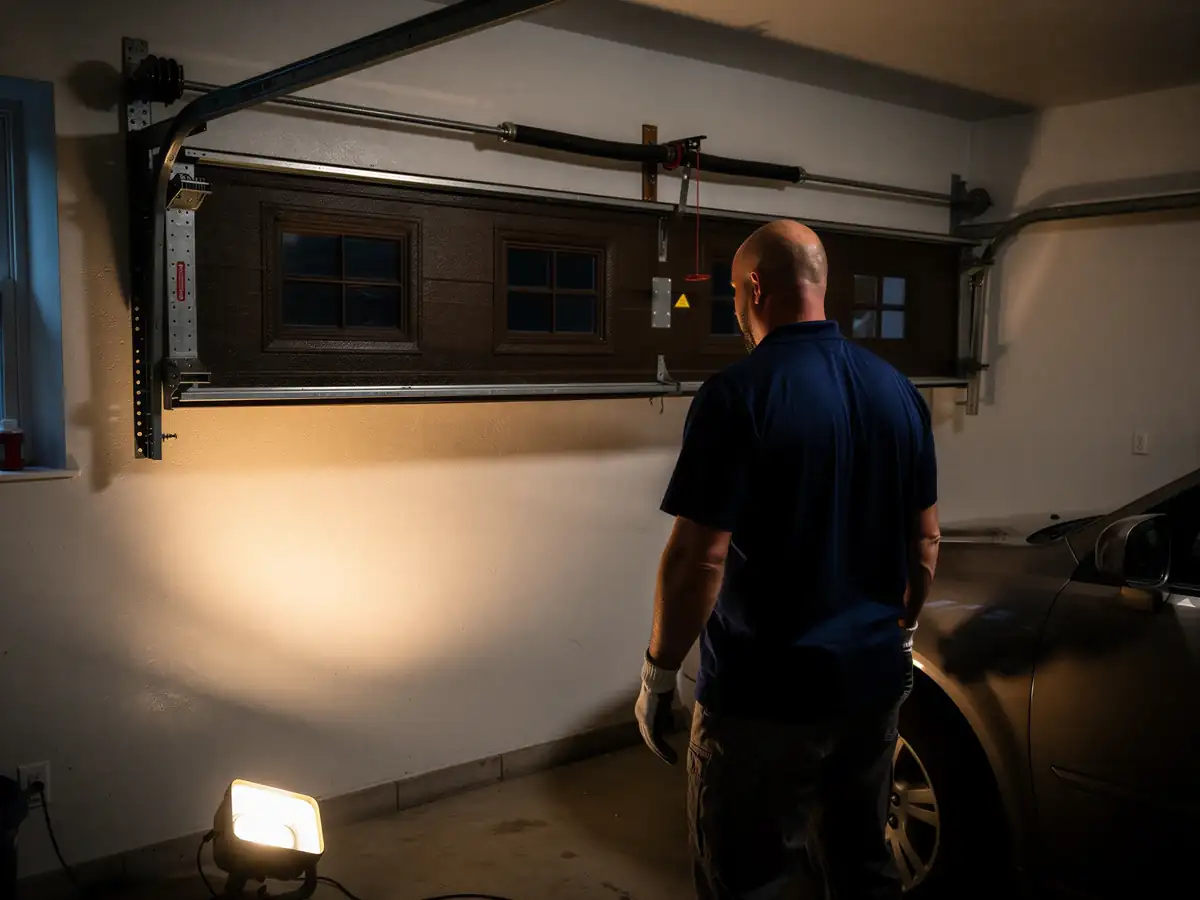
An off-track door usually means the door is stuck partway, jammed against the track, or hanging on one cable while the other side has let go. None of that is safe to force back into place by hand. Once we're on site, getting a door back on track and re-seated in its rollers is typically the same visit - it's the diagnosis that takes longer than the fix, because we're checking whether the track bent from the door jumping it, or the door jumped because something else failed first, like a cable or a hinge.
We're not going to promise a same-day slot here, because that depends on what's already on the schedule out of Daytona Beach. What we will do is tell you honestly where you land in the day once you call.
Can You Do This Yourself
An off-track door is one of the few garage door problems where doing it yourself is a real risk
Not just a quality issue. If the door's still up on one cable or leaning in the track, there's spring tension and weight working against you the second you touch it. People get hurt pushing a door back onto a bent track thinking it's just a matter of lining it up.
If the door is already down and off the track with no tension on it, you can sometimes see the obvious cause
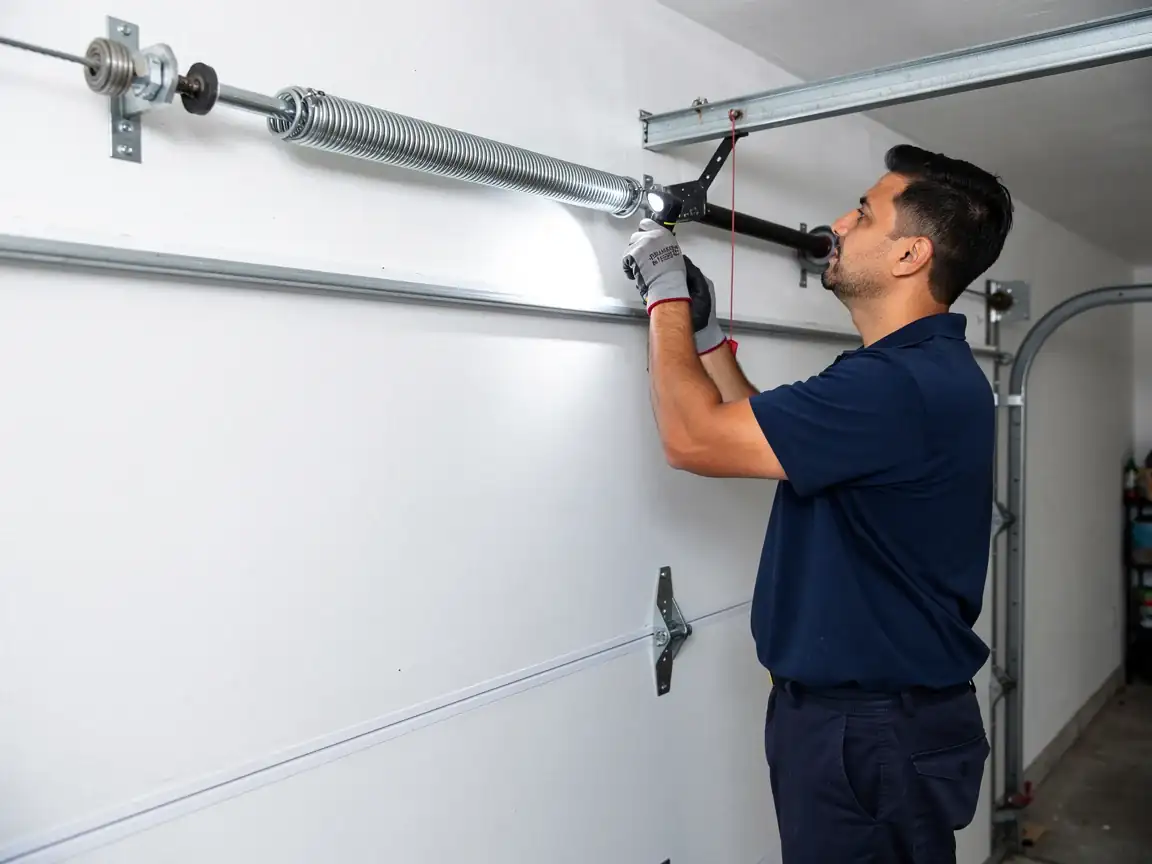
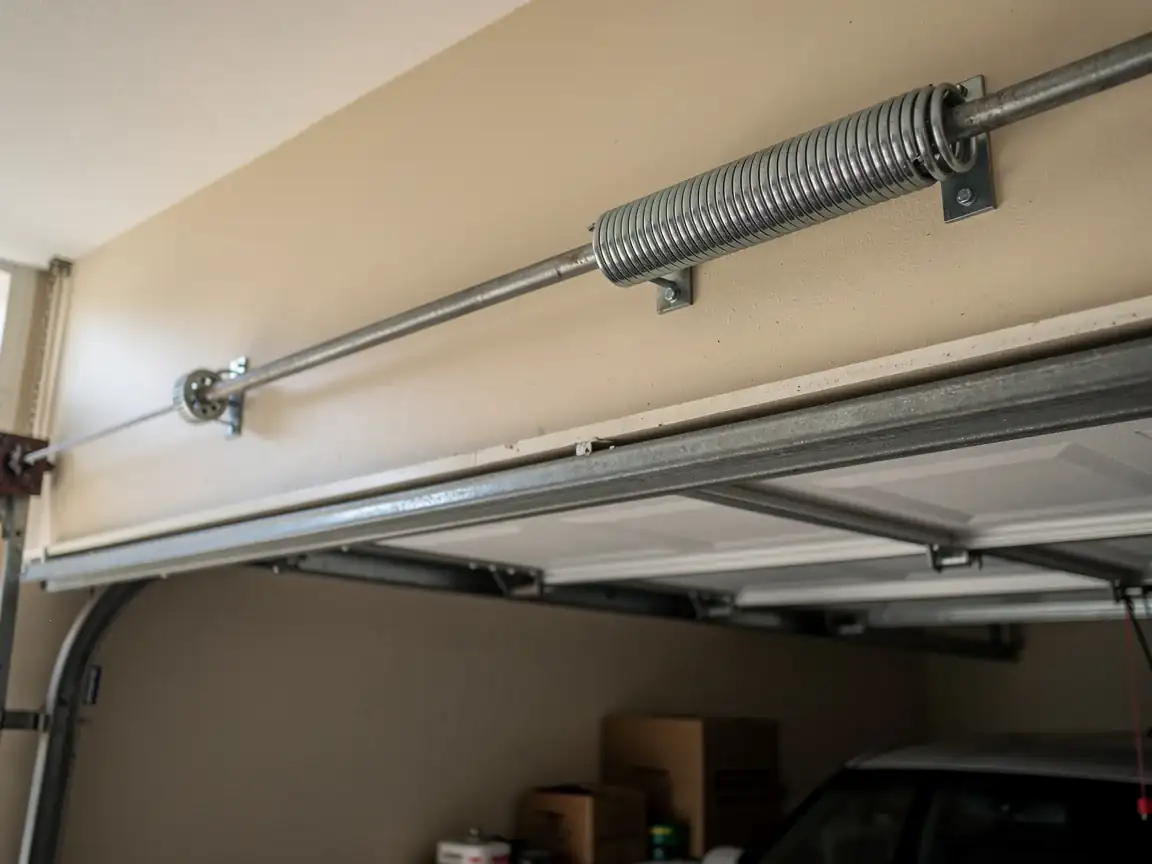
A roller out of the channel, a bracket pulled loose from the jamb. That's worth a look before you call, because it tells us what to bring. But putting it back on track yourself, especially with a torsion spring system overhead, isn't the part we'd recommend doing solo.
The honest limit here
If the track itself is bent rather than just knocked loose, bending it back rarely holds. That section needs replacing, not straightening, and that's a judgment call better made in person than over the phone.
The Cost of This Job
This is where Holly Hill's income number matters most. At a median household income of $46,360, a repair bill that creeps toward the cost of a new door section stops making sense fast - that's a different math than in parts of the service area sitting closer to the $69,150 median.
A straightforward off-track repair - rollers, a bracket, re-hanging the door on good track - is a modest job. Add a bent track section or a damaged cable and the cost climbs, because now you're replacing hardware, not just realigning it. On a house built around 1977, we'll also check the opener and the spring while we're in there, since original hardware on houses this age is often reaching the point where one part failing drags another down with it.
We don't have a flat number to quote you here without seeing the door - track length, door weight, and whether the opener's been swapped out over the years all move the price. What we can tell you is when a repair isn't worth it anymore, and we'll say so before we write the invoice, not after.