Parts We Carry
Holly Hill is about five miles from our Daytona Beach shop, which is close enough that the drive itself rarely adds meaningful time to a call. What decides whether we fix it today is what's on the truck, not how far the truck has to travel.
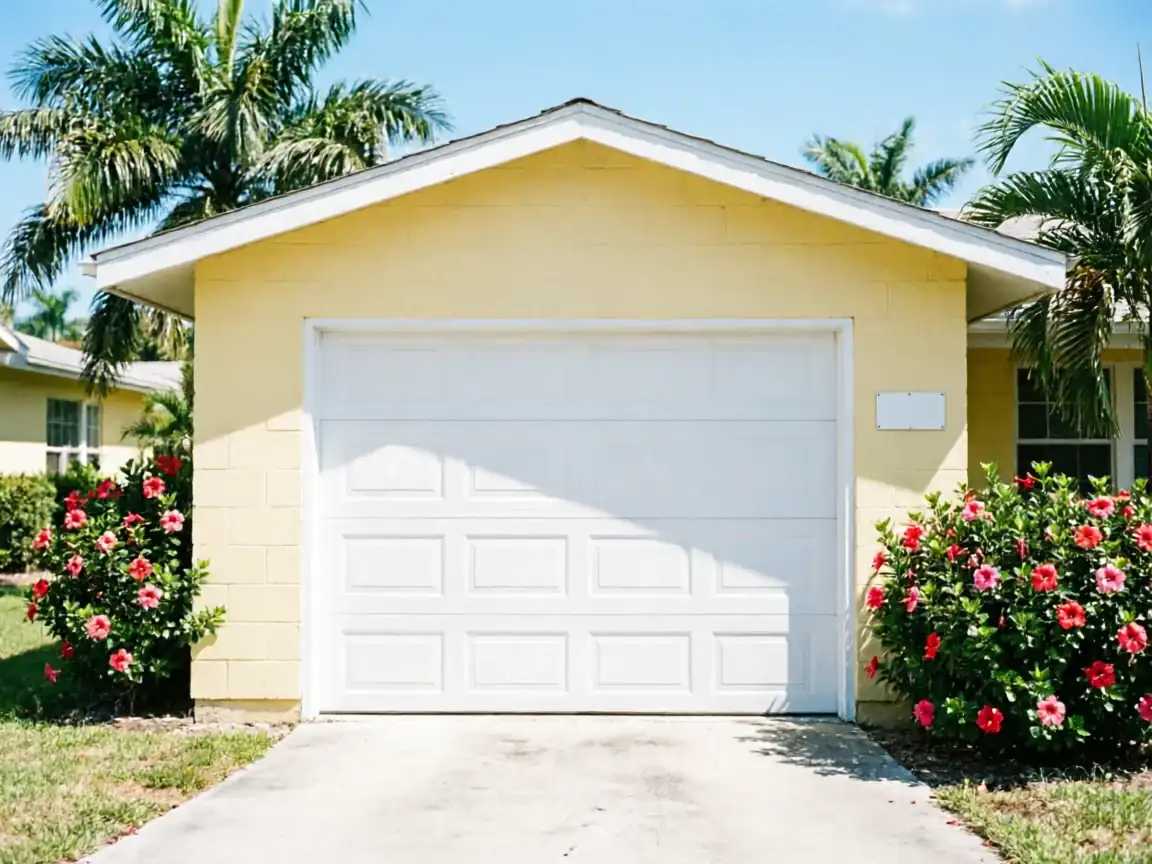
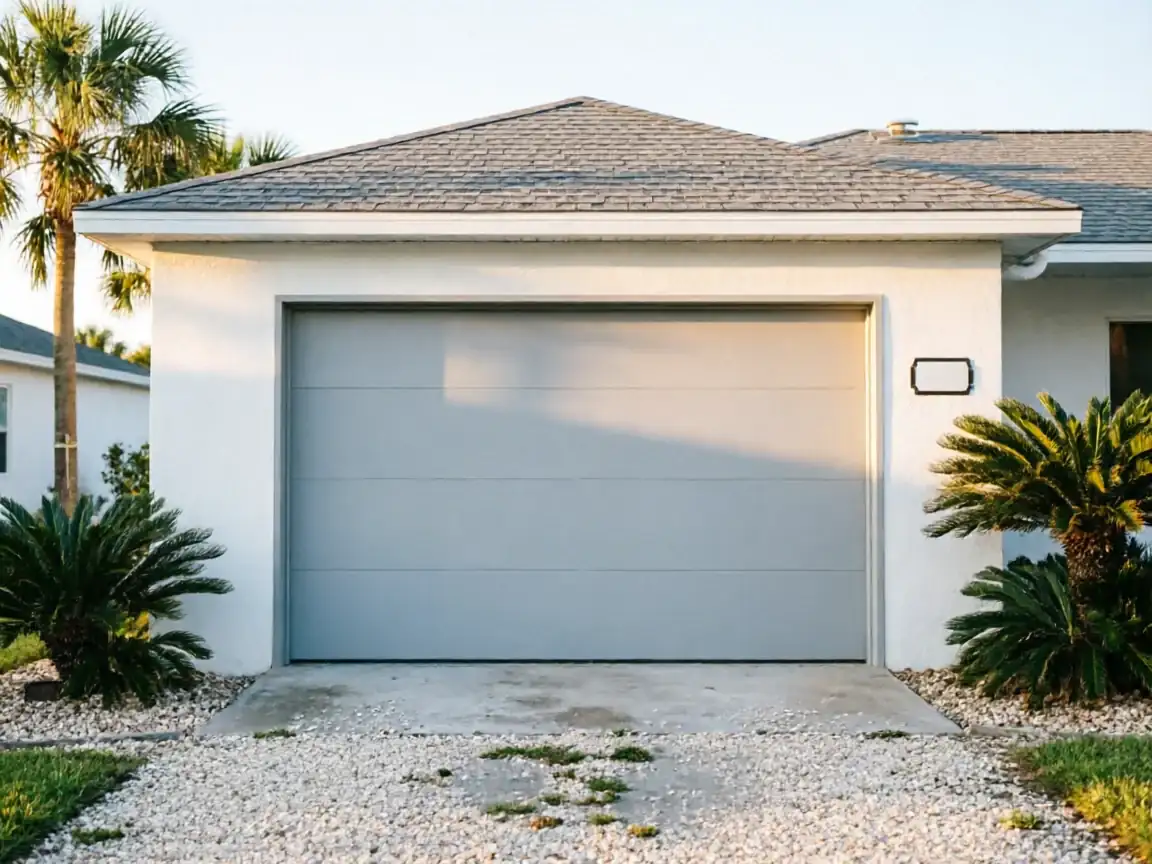
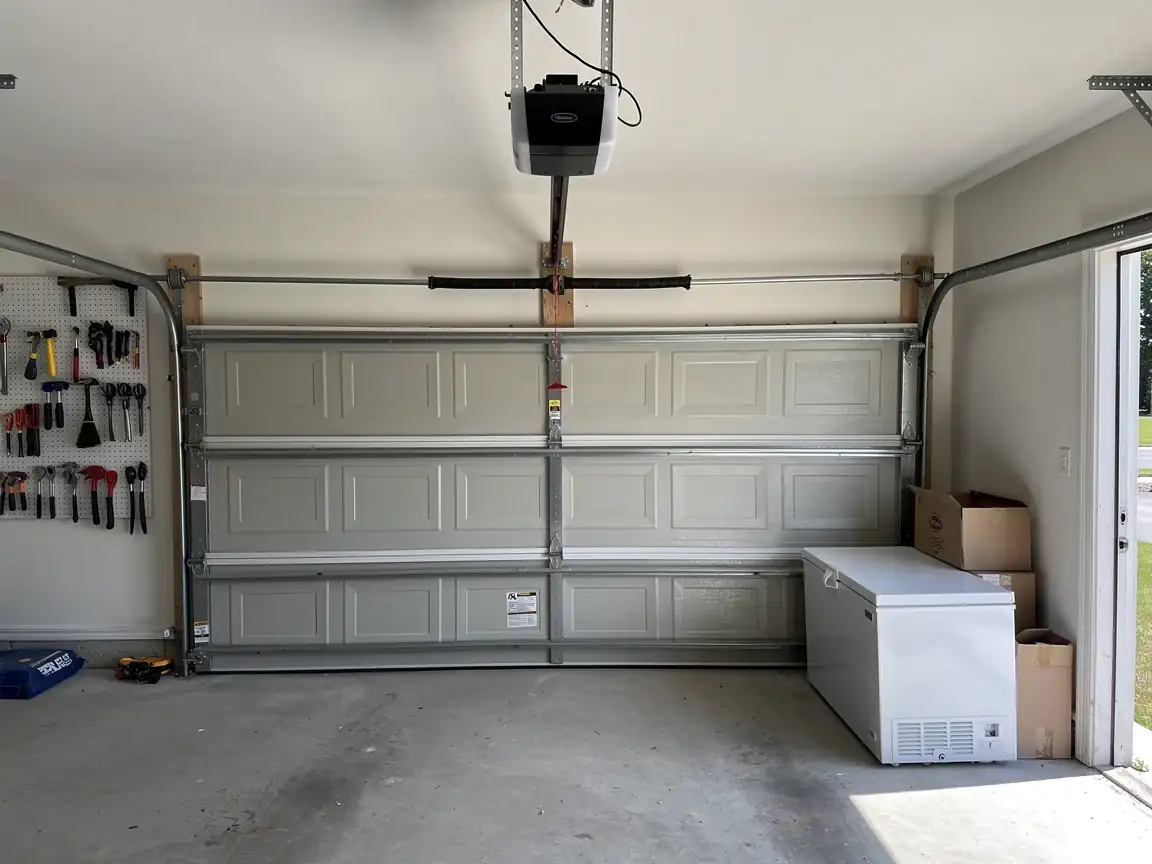
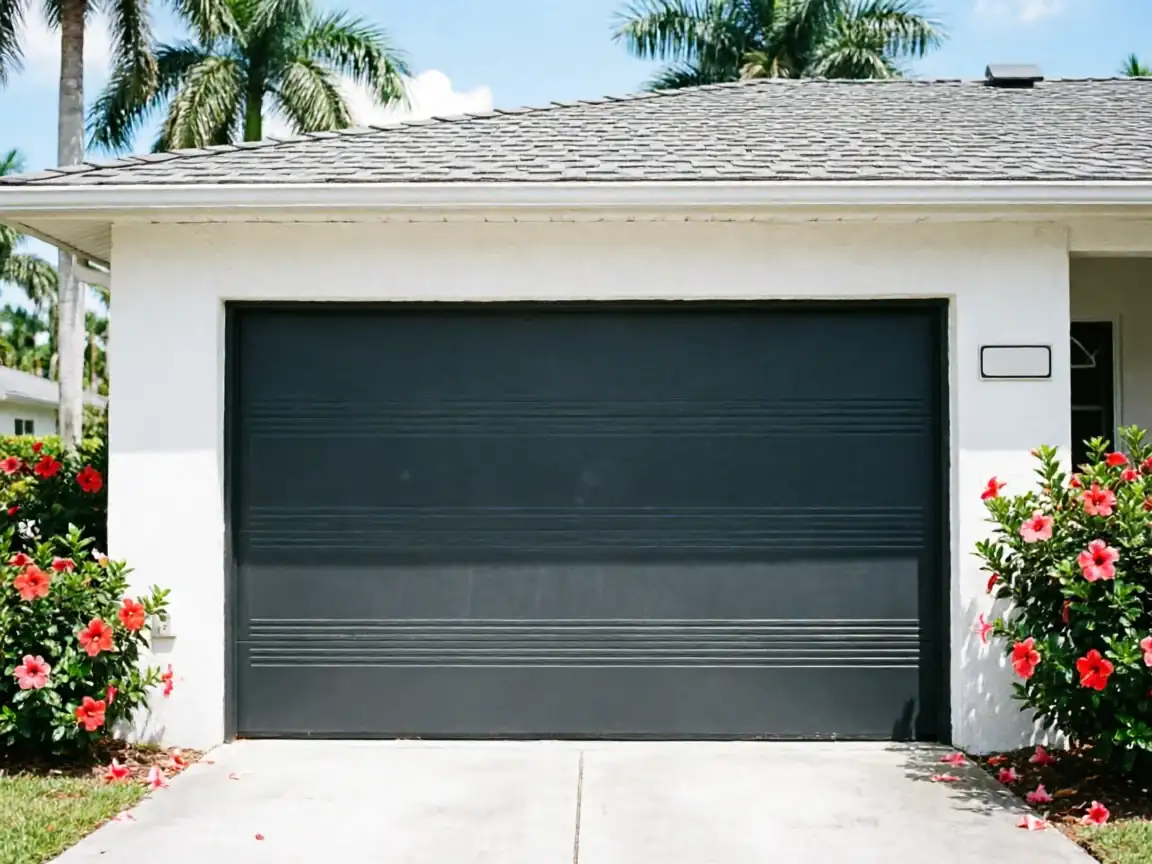
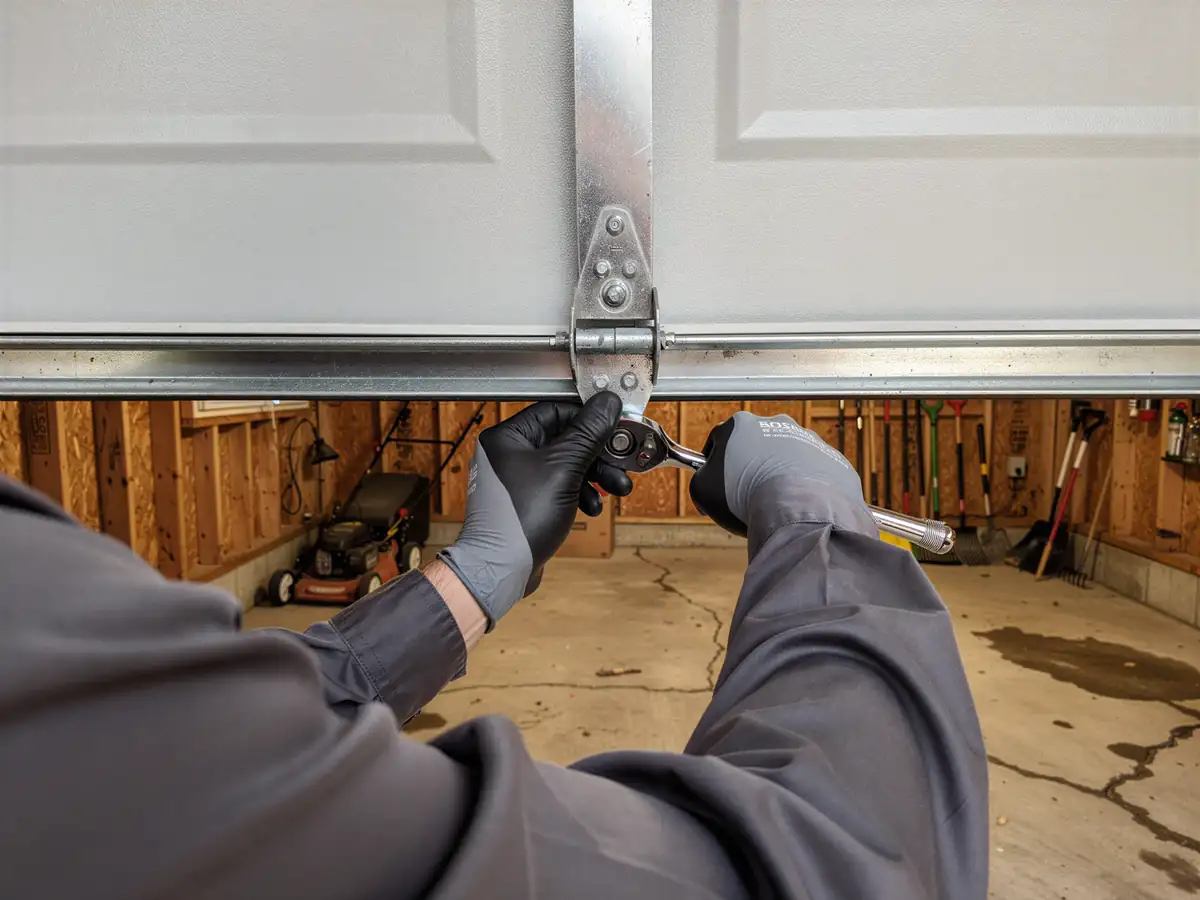
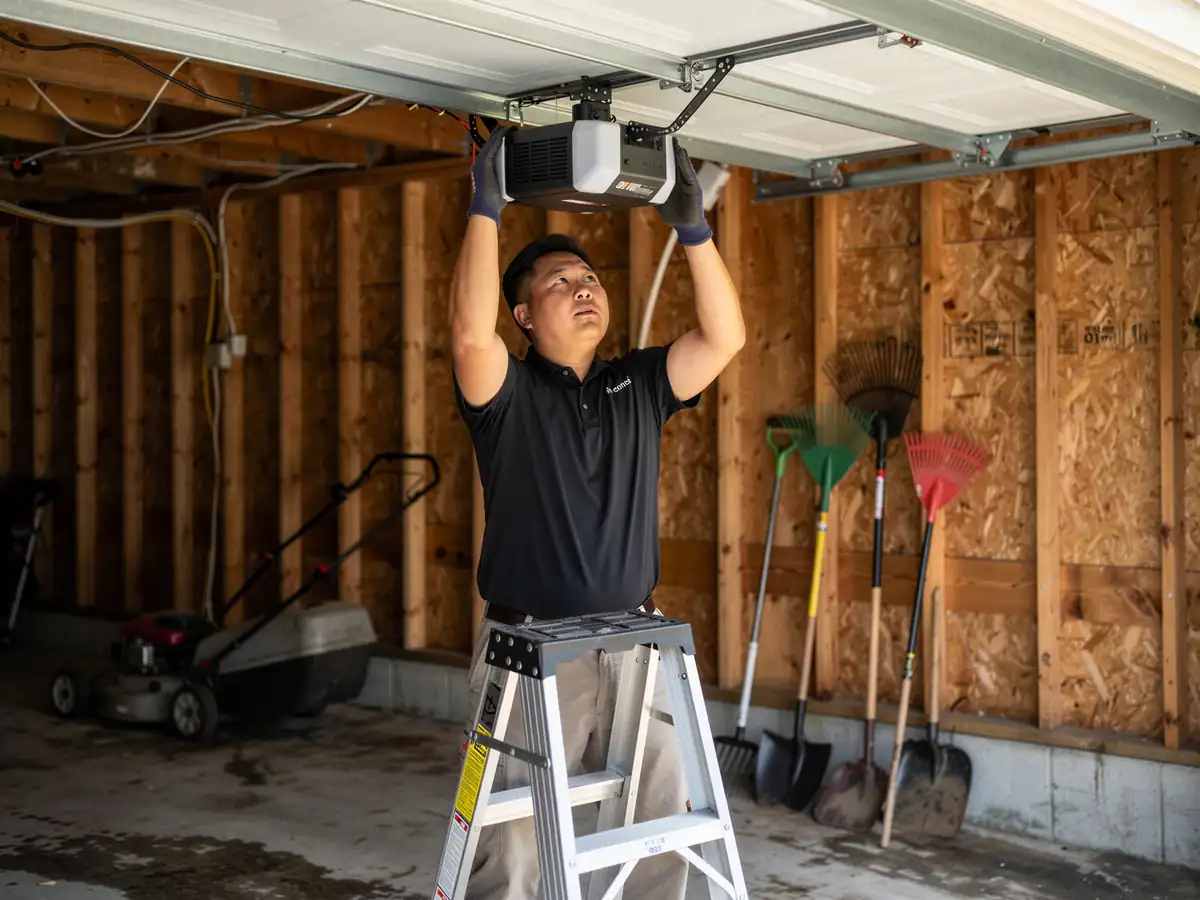
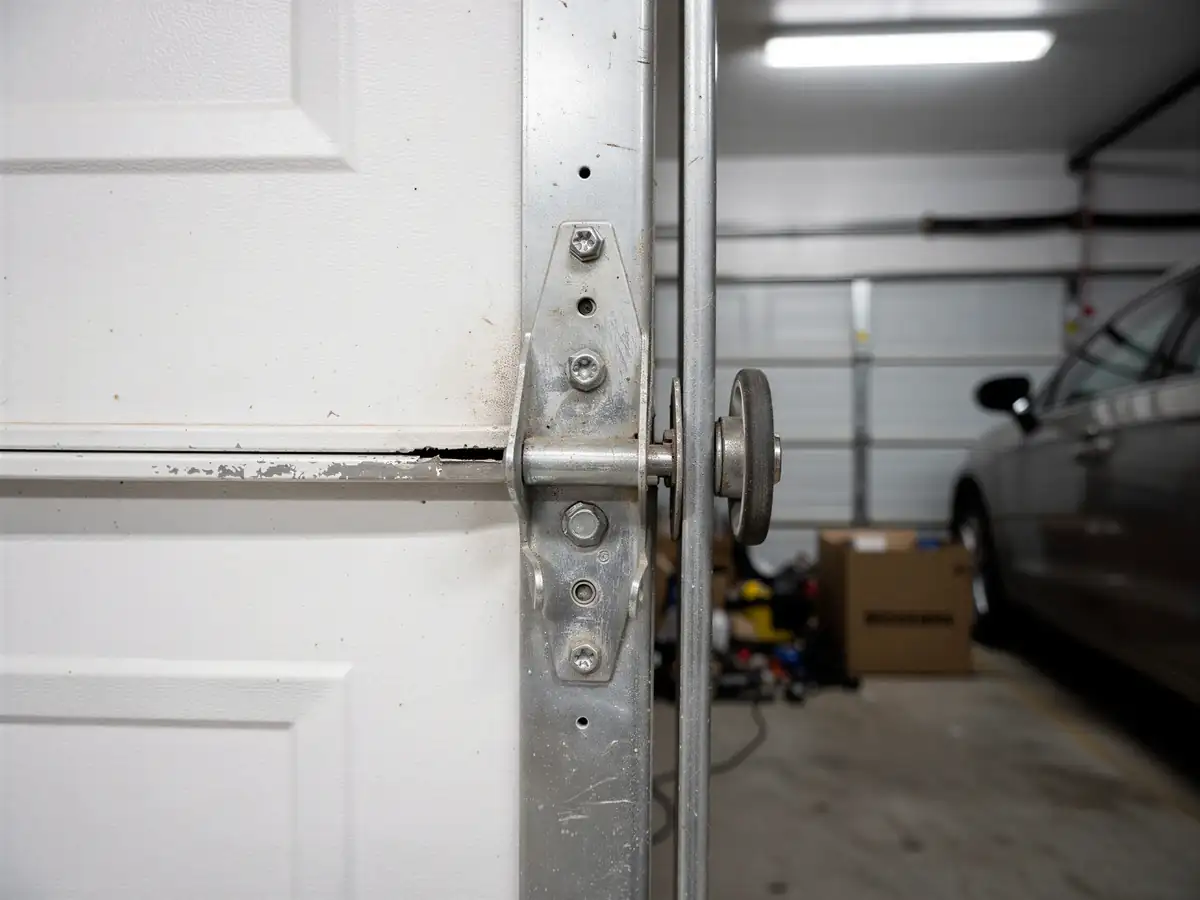
Most houses in Holly Hill went up around 1977, which puts a lot of doors here on hardware from that era or whatever replaced it since: steel sectional panels, torsion or extension spring setups that have usually been swapped at least once, and openers that are often newer than the door they're lifting. We stock the springs, cables, rollers, and hinges that fit that generation of door because that's what we run into most often in this part of the service area.
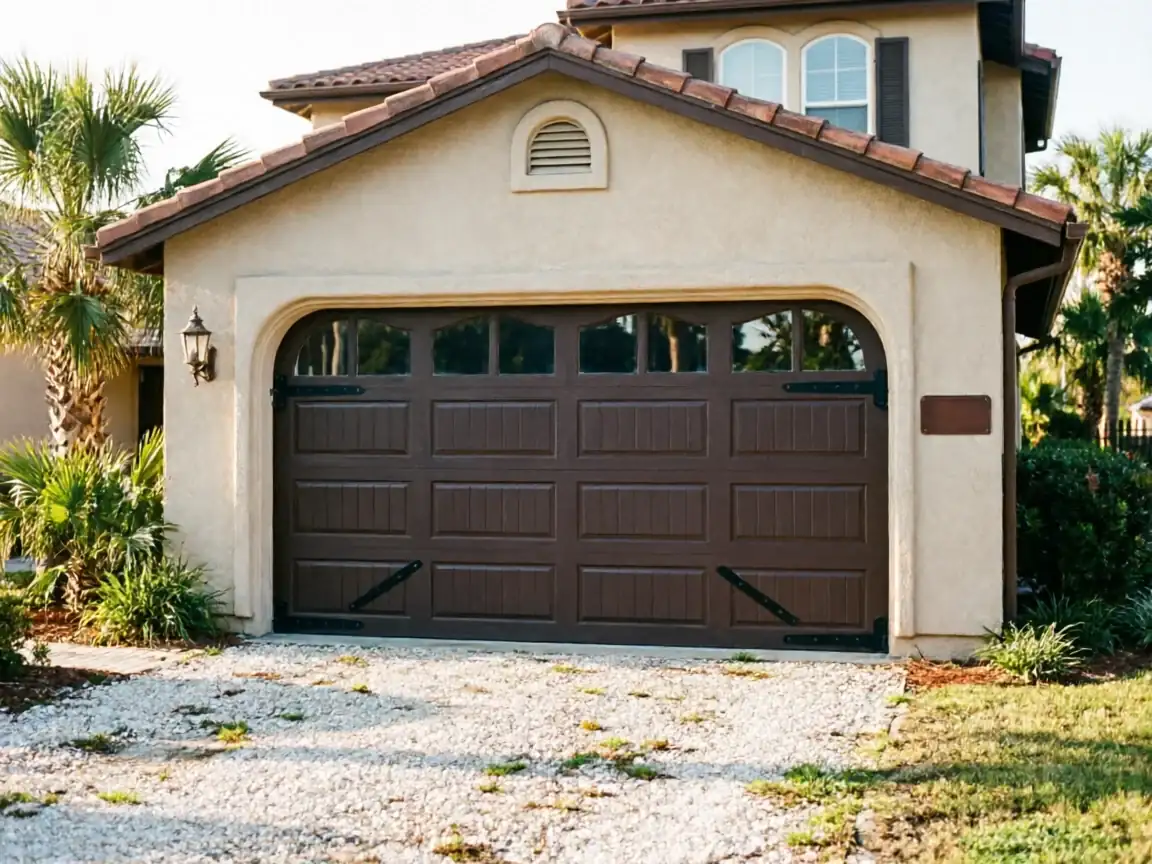
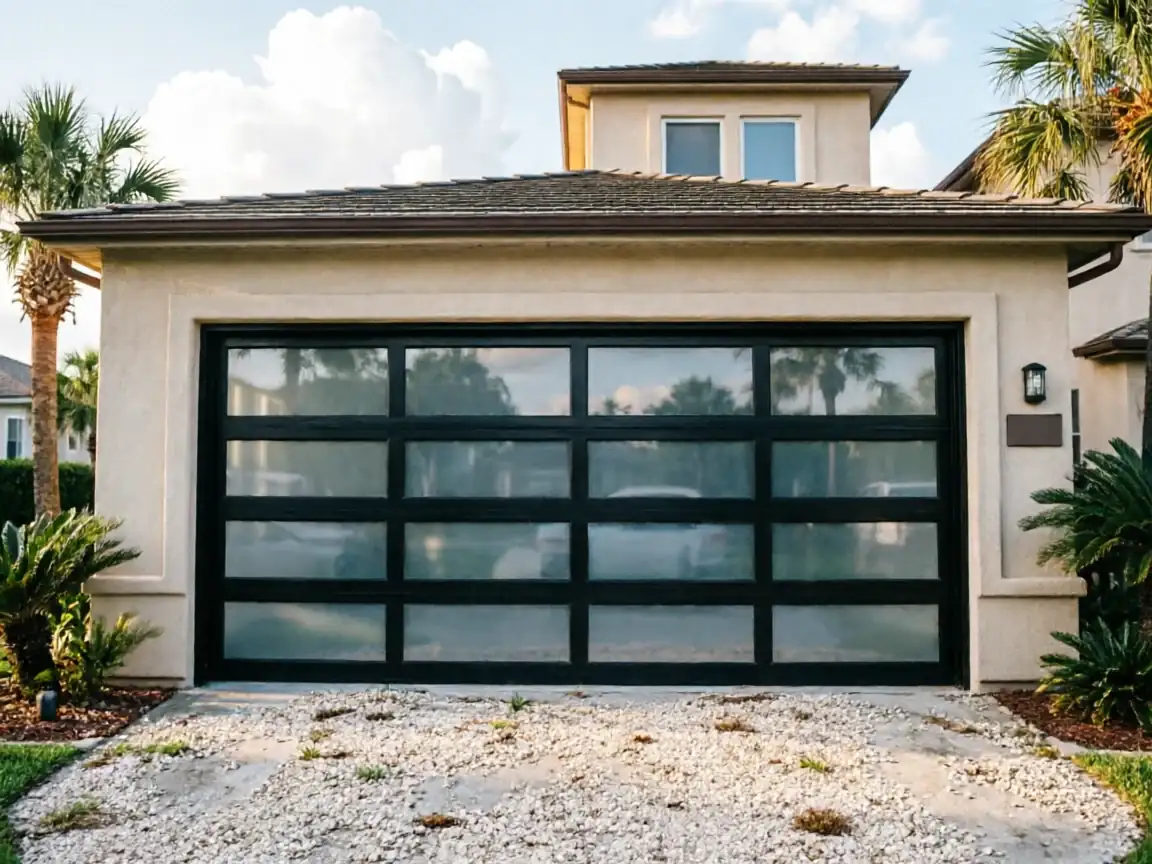
What we don't carry is every obscure panel or track profile for every custom door ever installed. If your door is a less common brand or a custom size, we may need to order a panel rather than carry it on the truck, and that's an honest limit, not a sales pitch. For the standard steel sectional door common to houses built in the 1970s, we're usually carrying what the job needs before we knock on the door.
The mild temperate climate across this stretch of Florida means we're not dealing with frozen tracks or ice-cracked seals. The failures we see are mechanical and age-related: fatigue, not weather.
How Long You Are Without the Door
Because Holly Hill is only five miles out, the drive is not the variable that stretches a job from a two-hour fix into a two-day wait. Parts availability is. A broken torsion spring, a snapped cable, or a failed roller on a door from the 1977-era housing stock is almost always a same-visit repair, because that hardware is common and we stock it.
What extends downtime is a part we don't carry on the truck: a discontinued panel, an odd-width track, or a motor unit specific to an opener brand that's no longer made. In those cases, the delay is the supplier's lead time, not the distance from Daytona Beach.
We don't advertise a guaranteed response window here, because we haven't been given one to promise, and a made-up number helps nobody when the door is stuck open or shut. What we can say honestly is that the short drive from our shop isn't the bottleneck for a Holly Hill call the way it might be for towns further out on this list. If the part's on the truck, the job gets done in one visit.
Can You Do This Yourself
Some of this is fine to handle yourself
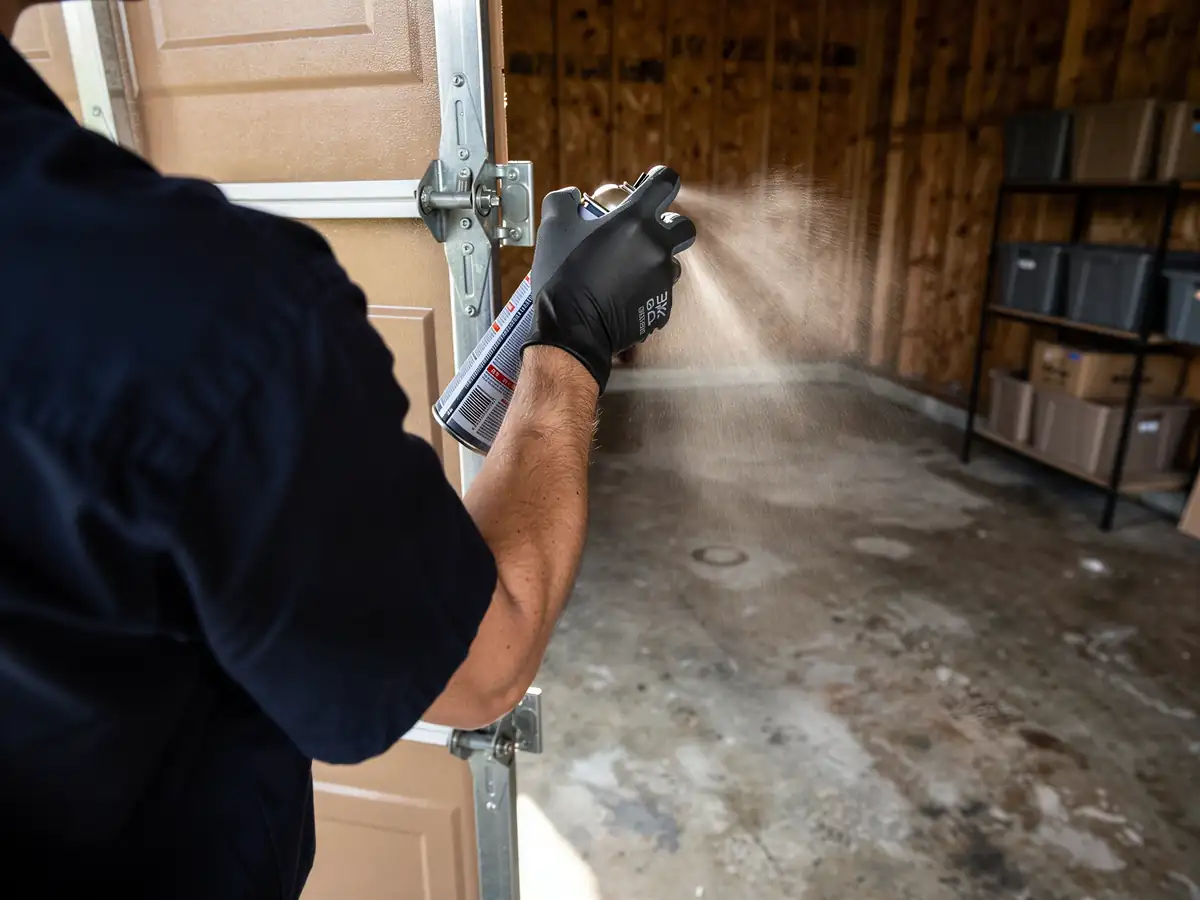
If the door won't close and the safety sensors are dirty, dusty, or knocked out of alignment, wiping the lenses and realigning the brackets takes five minutes and no tools you don't already own. Tightening loose hinge bolts or lubricating a dry track on a door from the 1970s housing stock is reasonable weekend work too.
What you shouldn't touch is the torsion spring
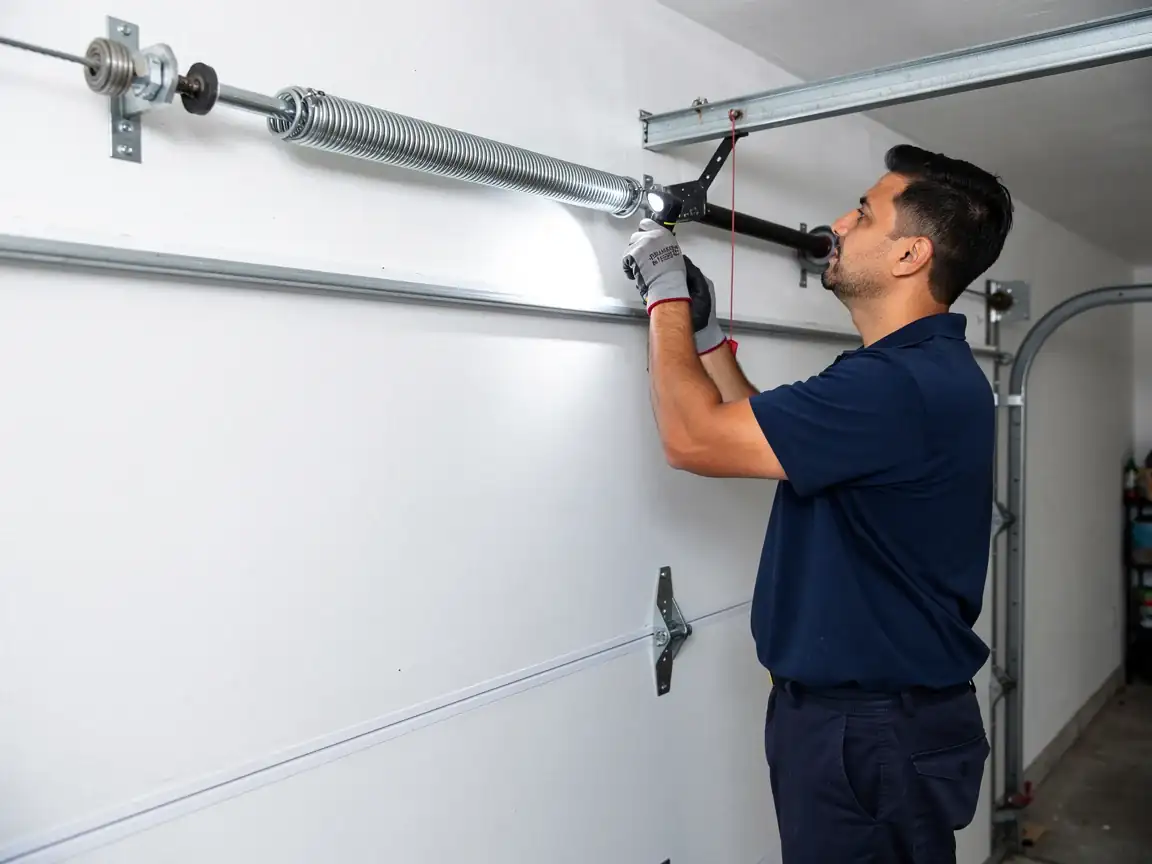
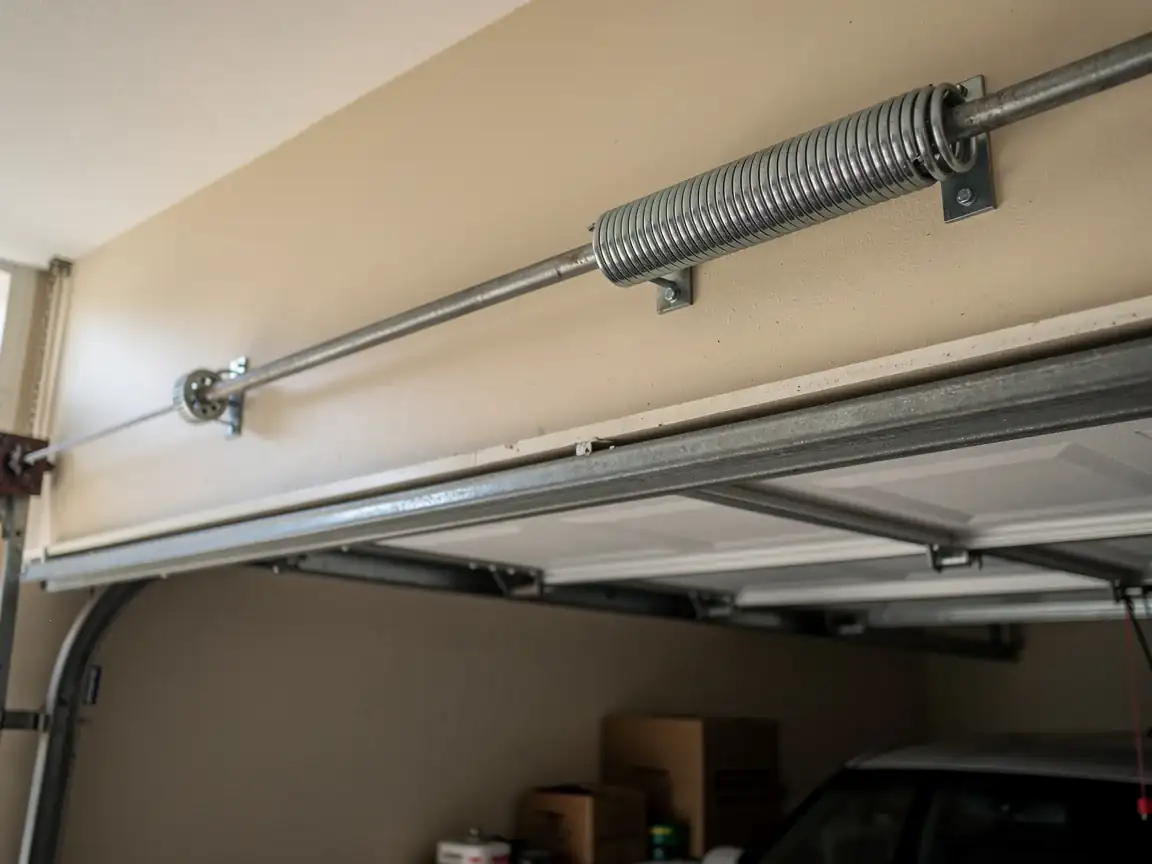
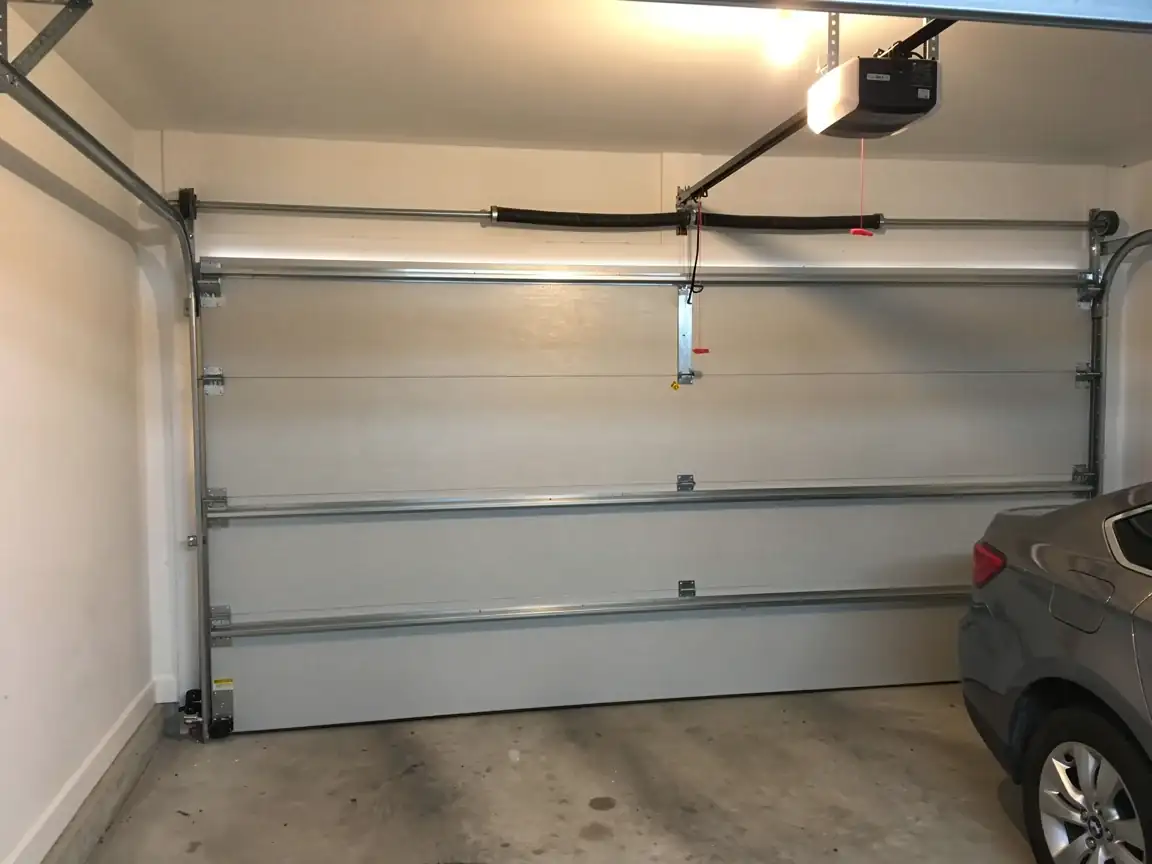
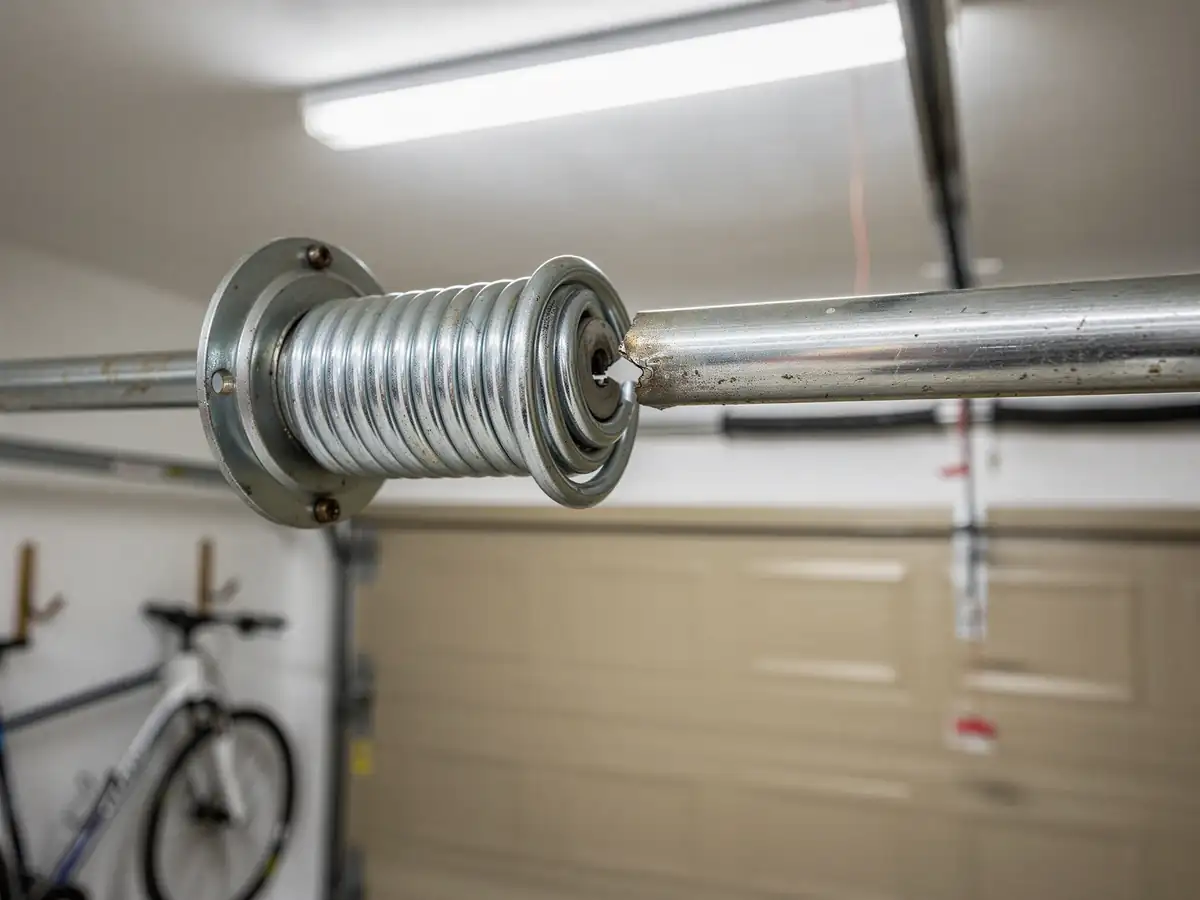
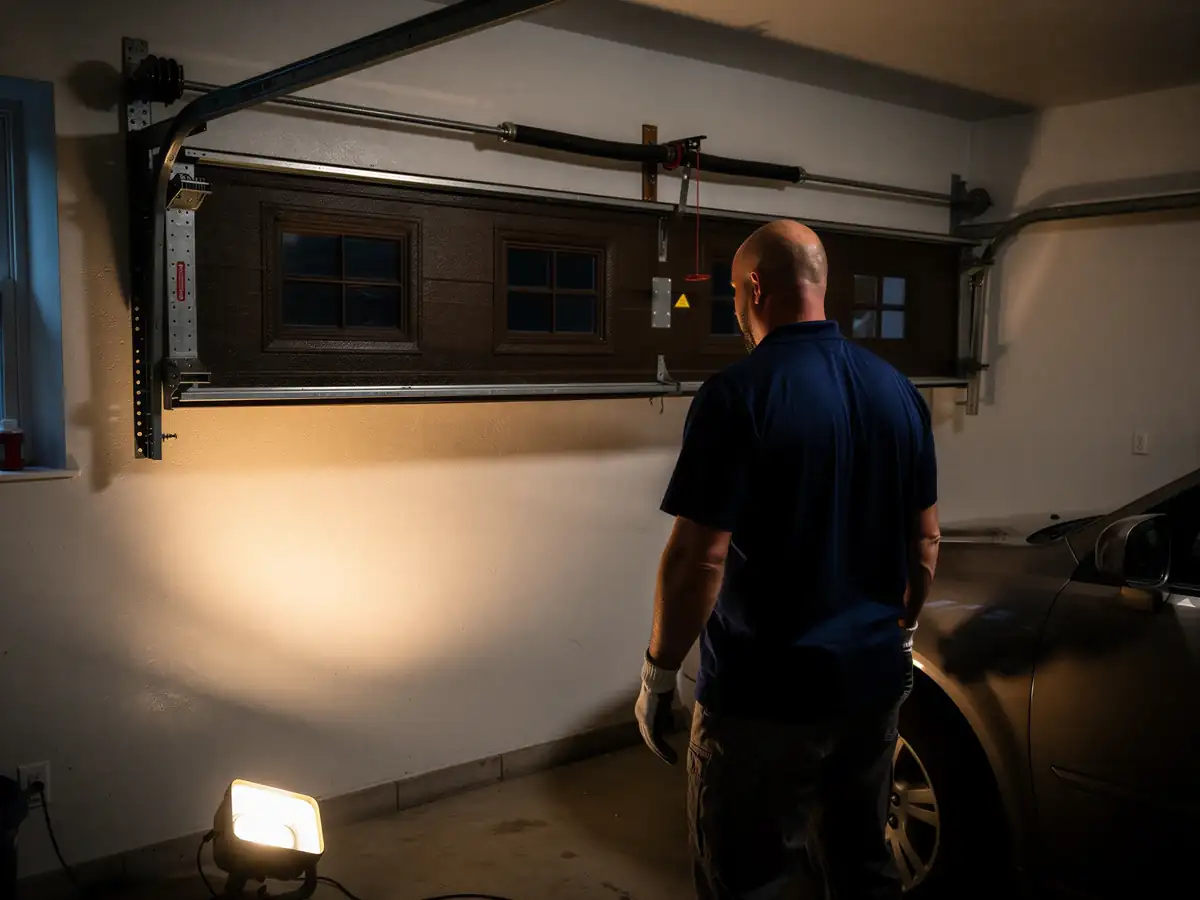
These doors, given the median build year around 1977, are often carrying original or once-replaced spring systems under serious tension, and a spring that lets go while someone's winding it can break bones or worse. Cable replacement on a wound spring carries the same risk. If the door is a double-wide panel on a torsion bar, that tension is higher, not lower.
The honest line: anything involving the spring, the torsion bar, or the cables under tension is not a DIY repair
No matter how straightforward it looks once the cover is off. Everything else, you can reasonably try before calling anyone.
The Cost of This Job
We don't have a posted price list to quote here, and giving you a made-up number would be worse than giving you none. What we can say is what drives the cost: the part, not the drive. A five-mile trip from Daytona Beach doesn't change a quote the way a cross-county call might.
Holly Hill's median household income, at $46,360, runs notably below the $69,150 median across the wider service area we cover. That gap is worth naming because it shapes what kind of repair makes sense here more often than full replacement. A torsion spring swap or a roller and cable job on a serviceable 1970s-era steel door is usually the call, rather than tearing out a door that still has life in it.
Where replacement starts to make more sense is when the door itself is failing structurally, not just a part on it: rusted-through panels, a frame that's racked, or an opener and door both past the point of patching. We'll tell you straight if that's where your door is, because a repair that doesn't hold isn't cheaper in the end, it's just a delayed second bill.