Parts We Carry
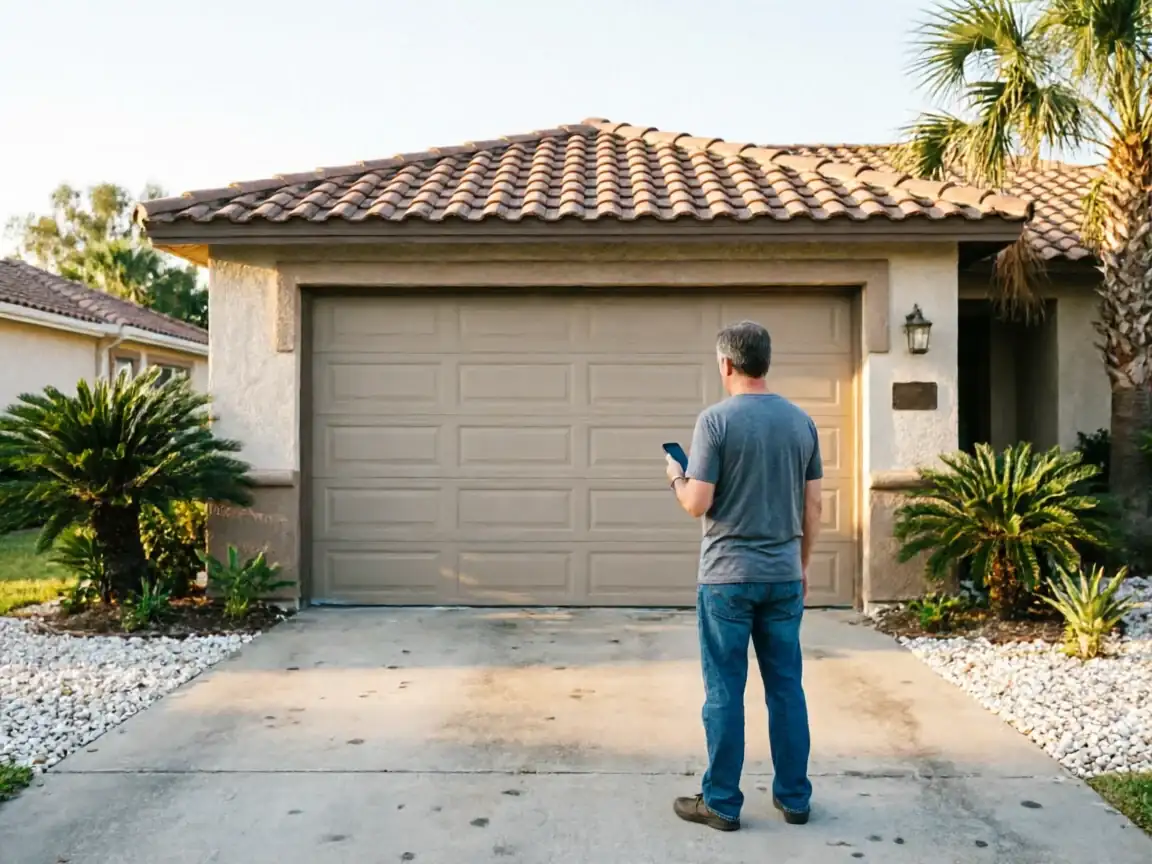
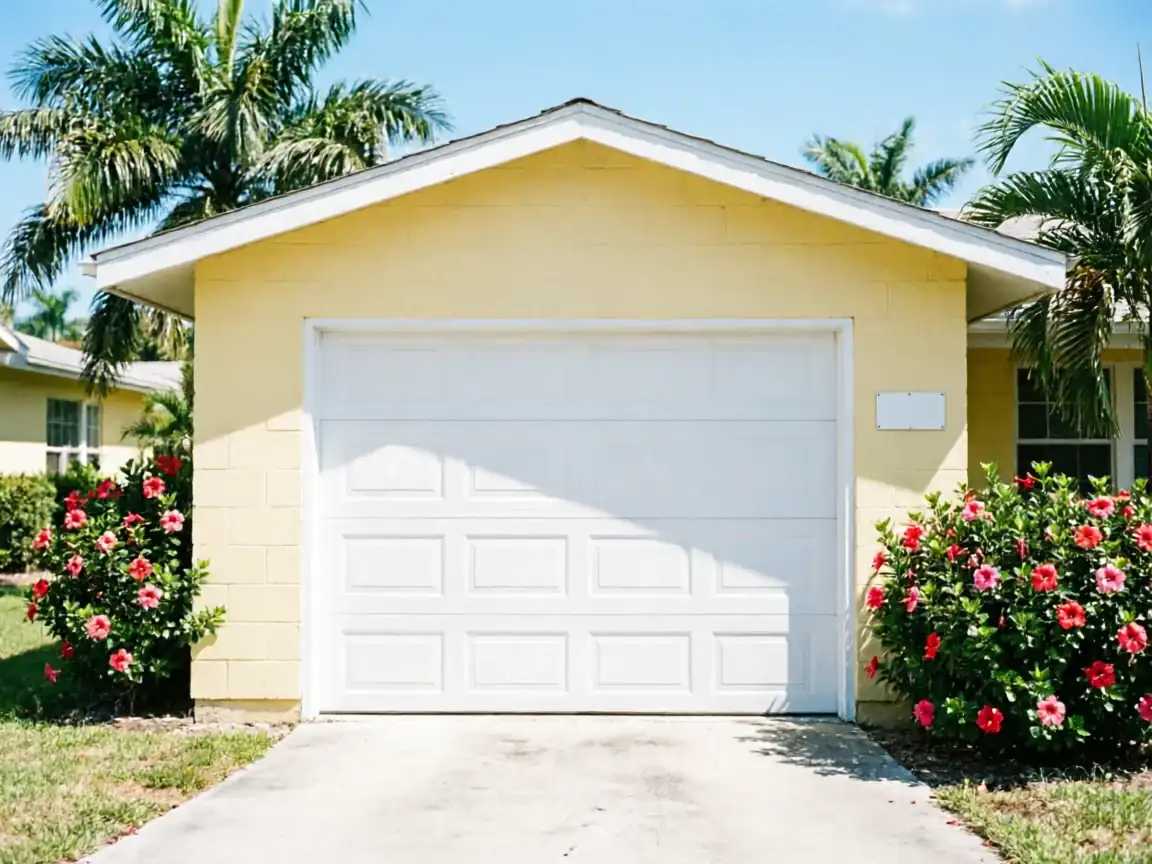
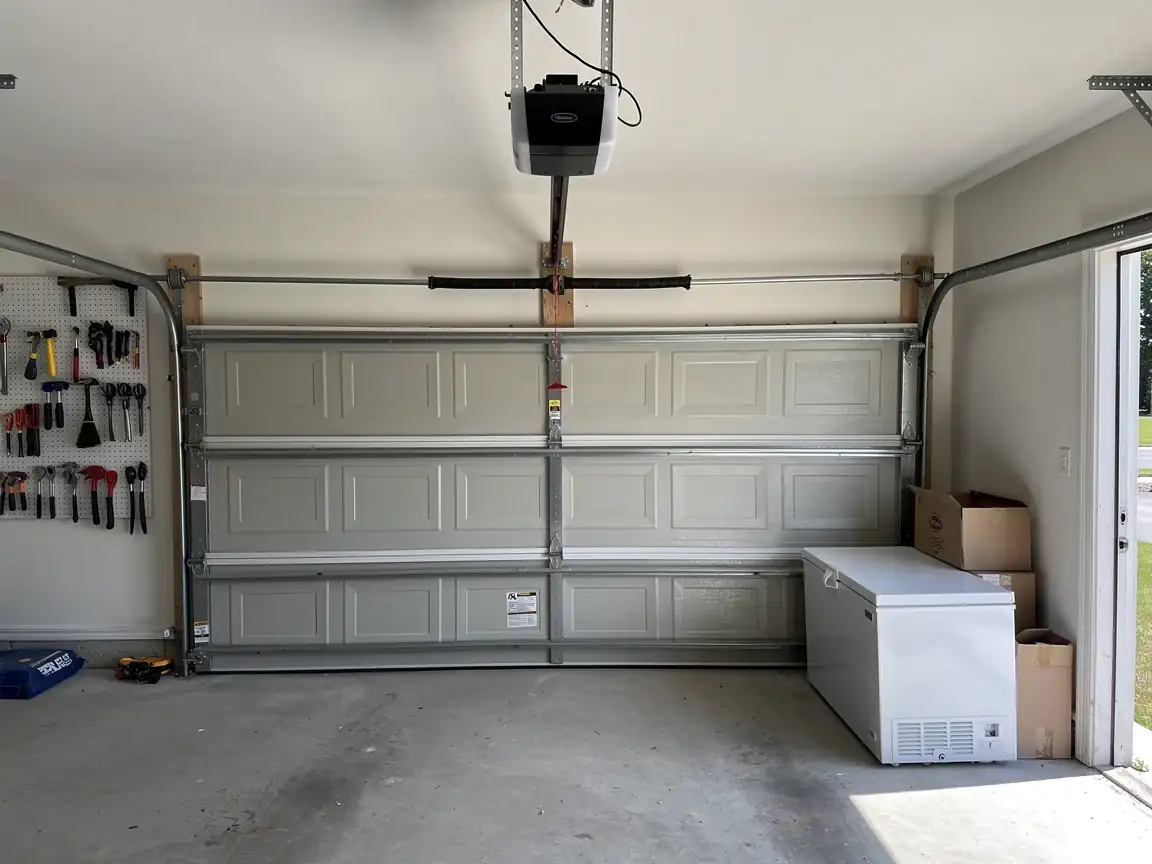
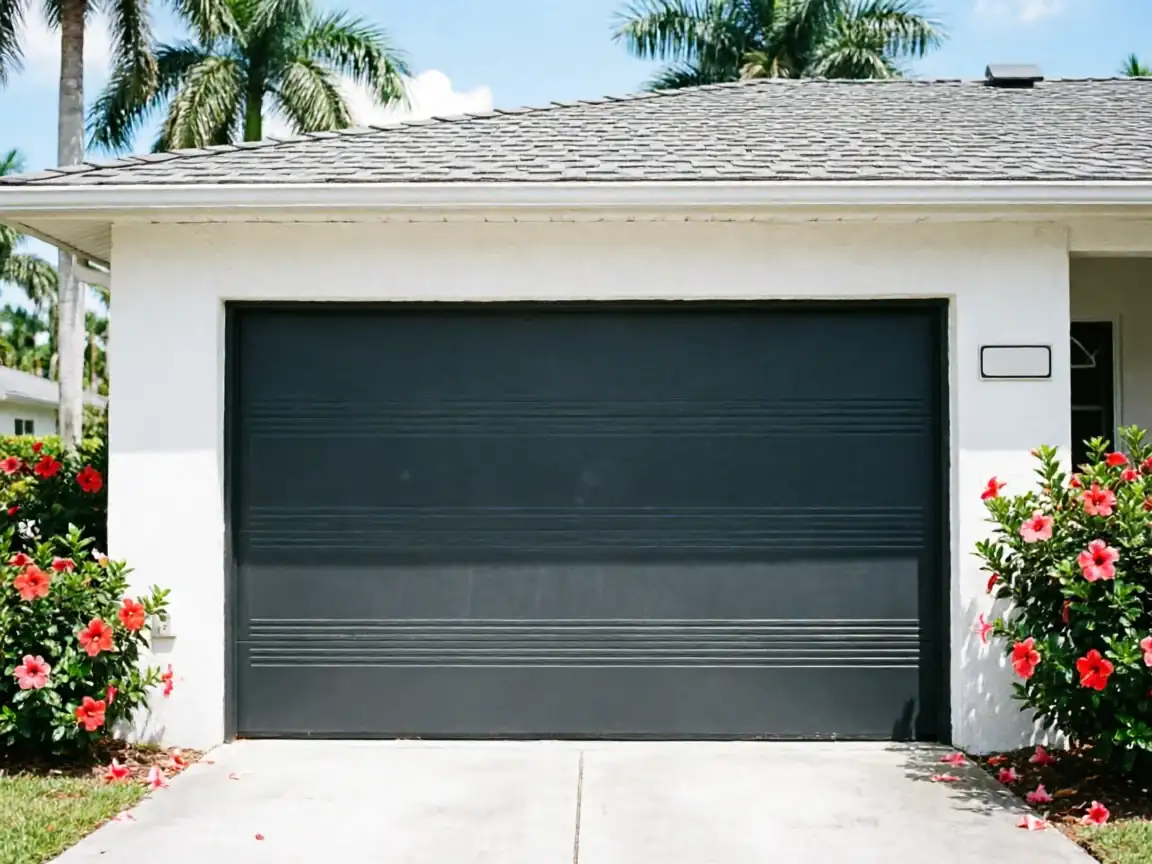
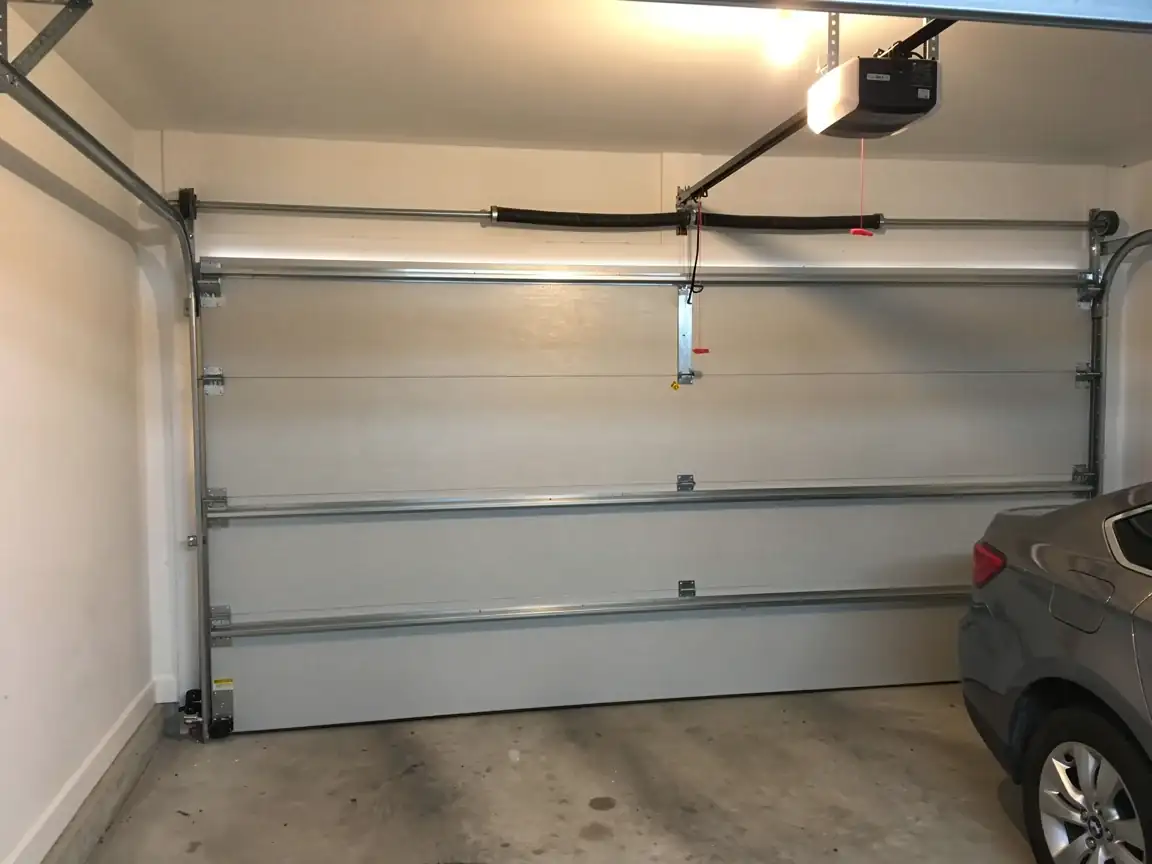
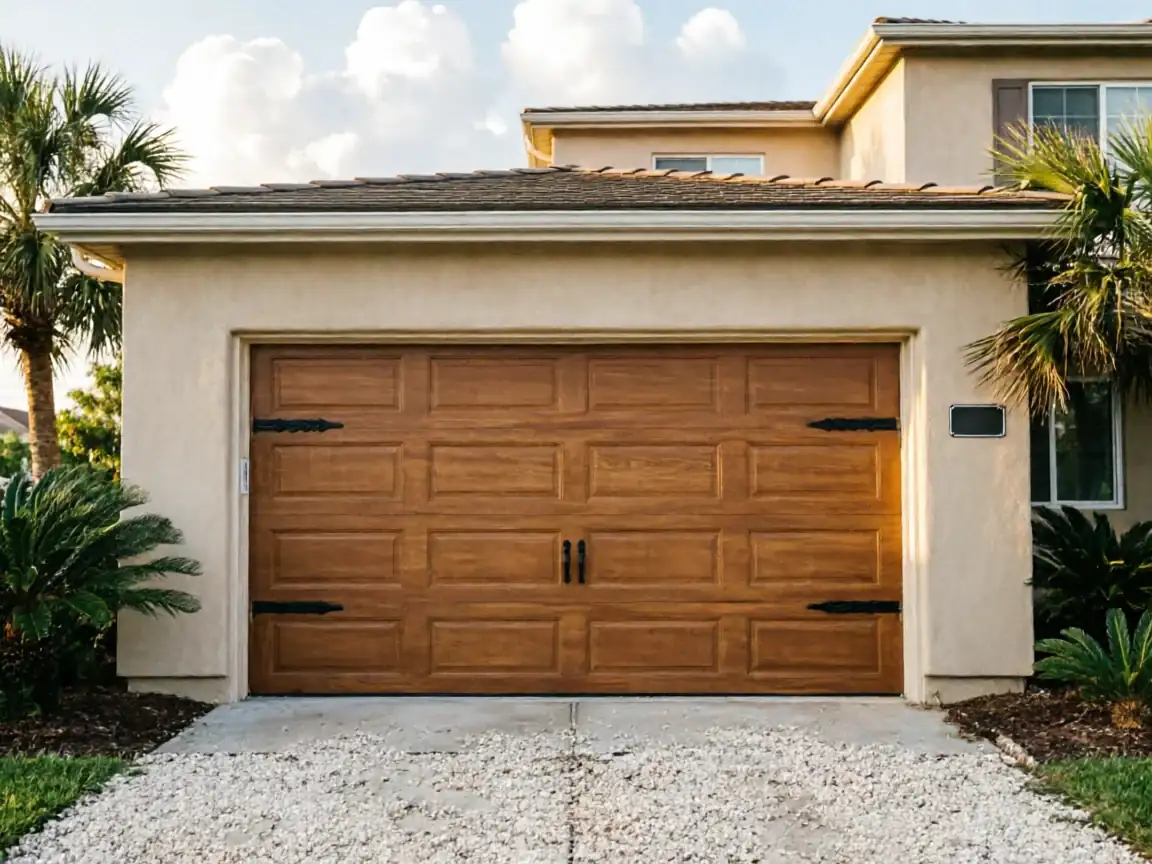
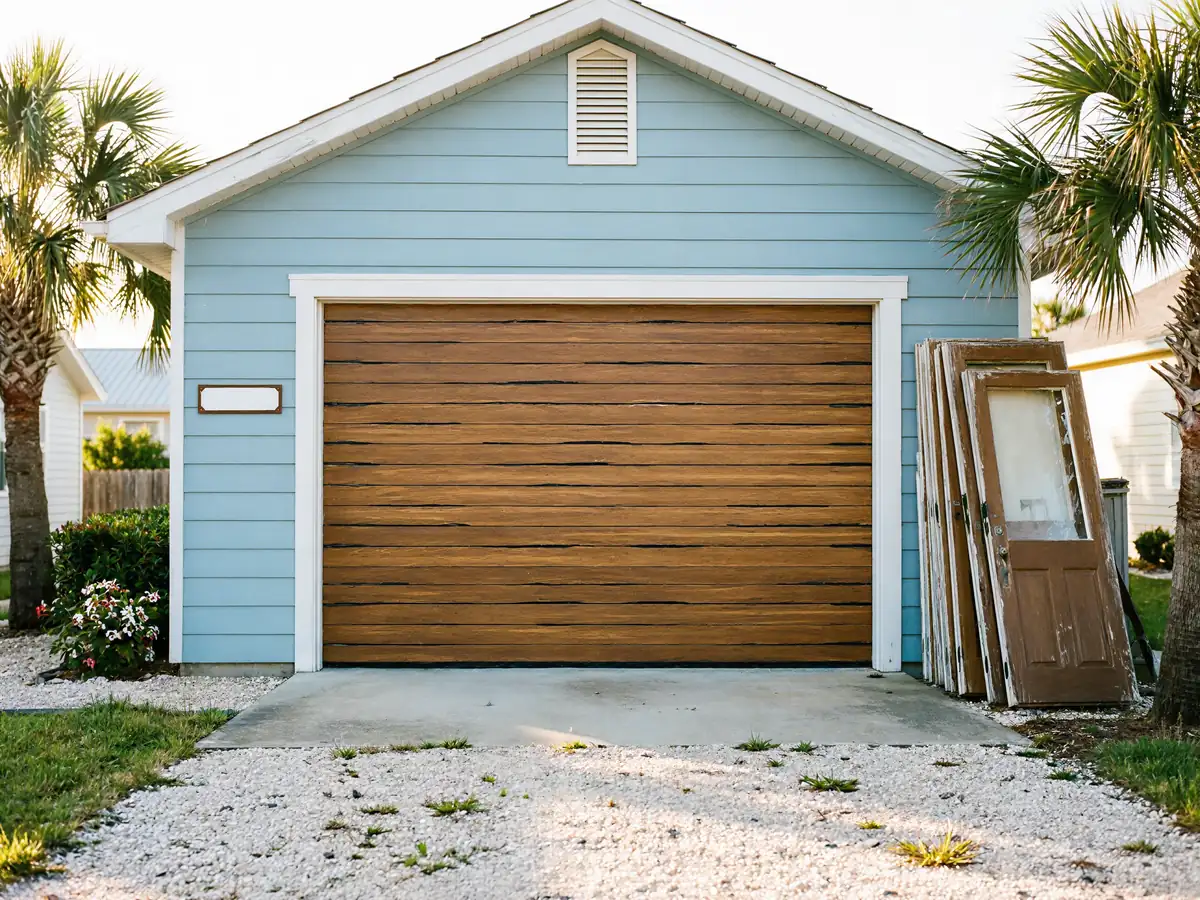
Most of Holly Hill was built out around 1977, which puts the typical door here a decade or two older than what you'd find in the newer pockets of the wider Daytona Beach area (median build year 1986). That means steel sectional doors, usually single-layer, non-insulated, in the common 16x7 or 9x7 sizes builders used through the late 70s and early 80s. A lot of these are still running on their original extension spring setups rather than torsion, especially on the single-car bays.
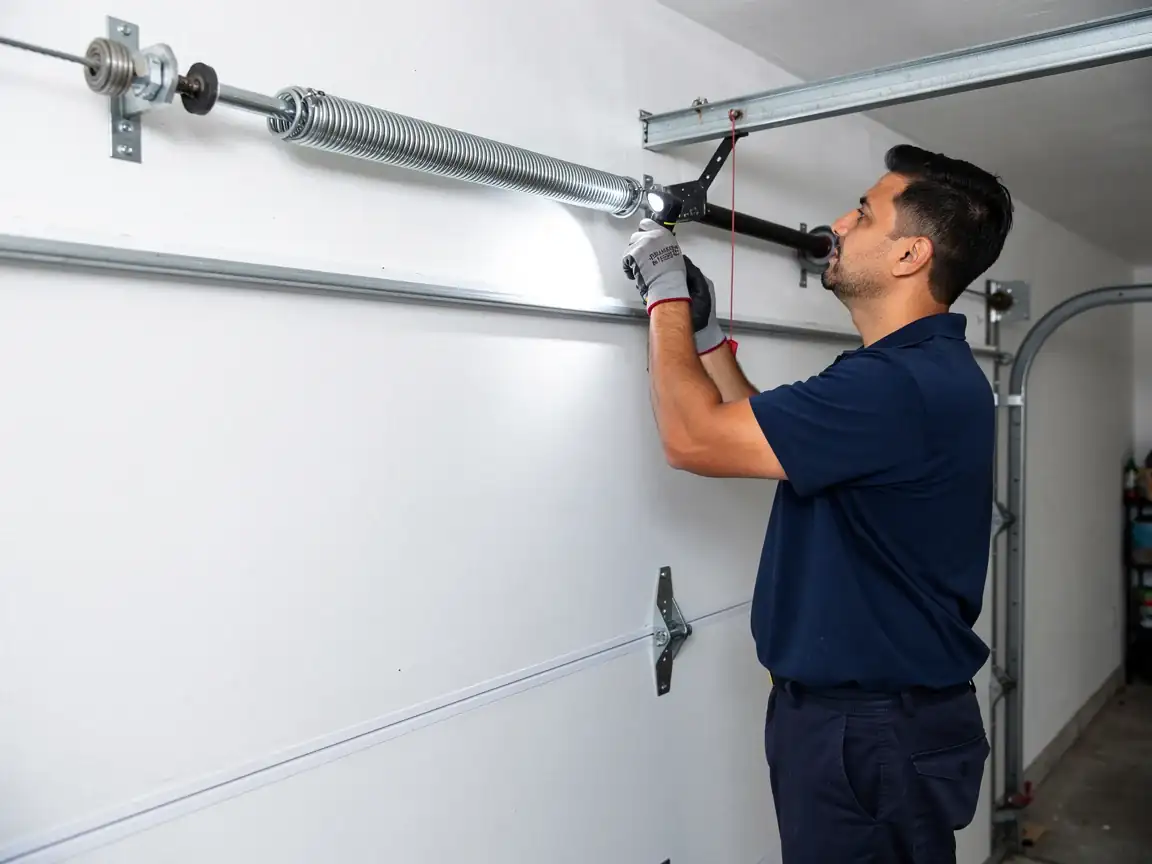
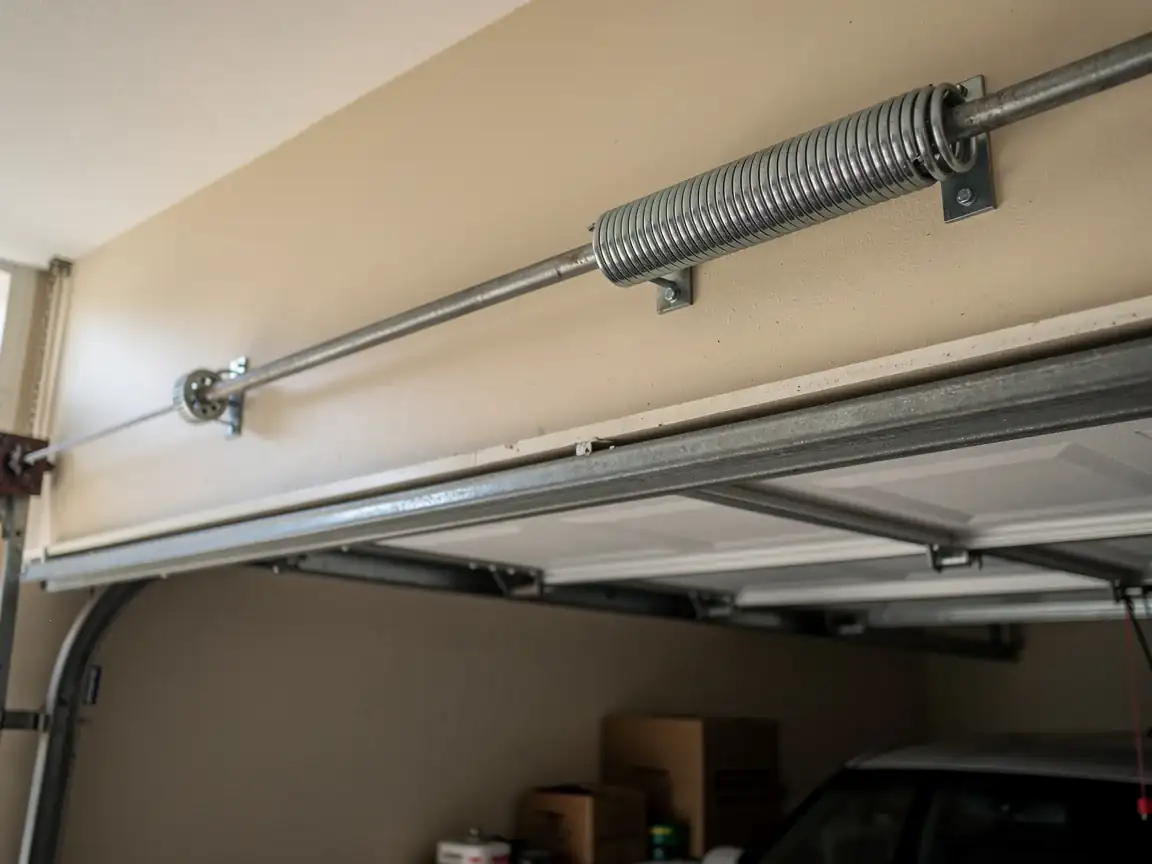
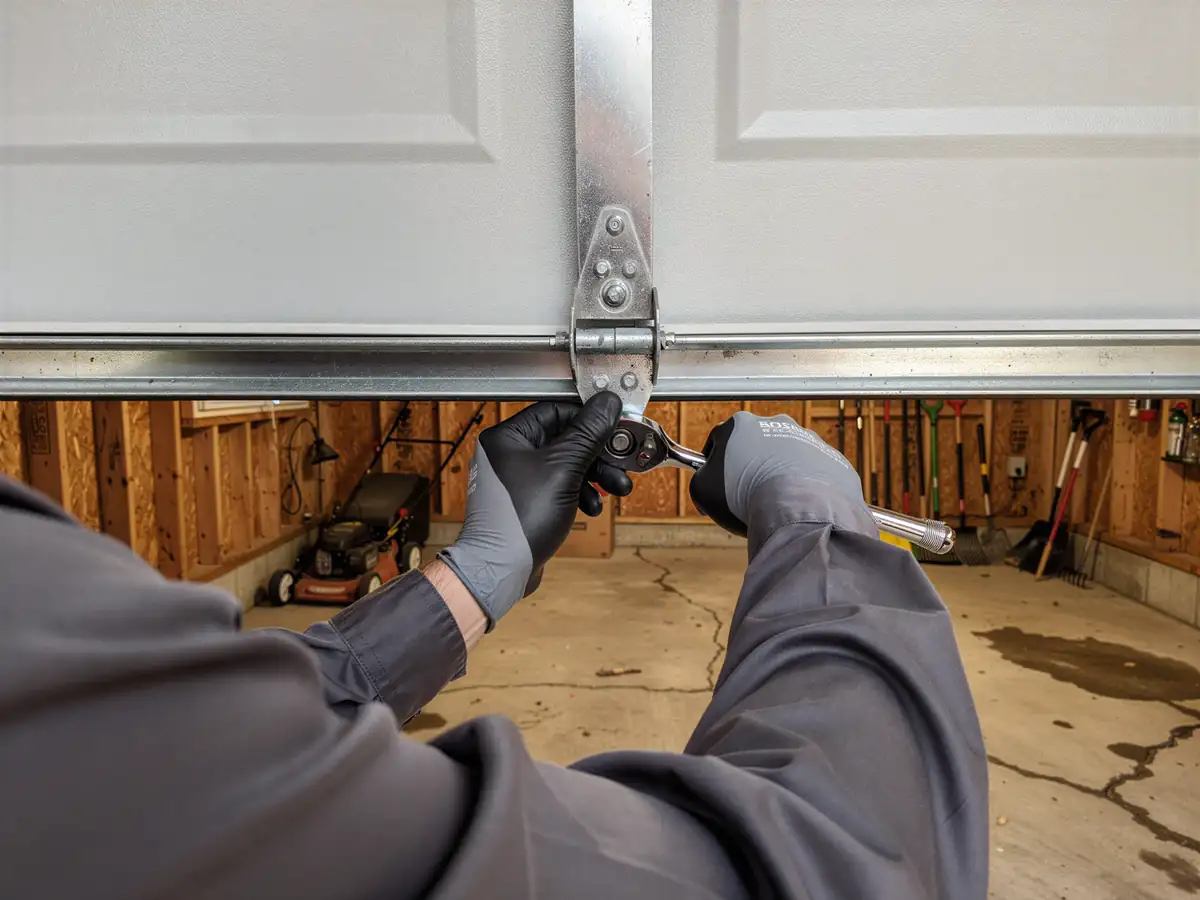
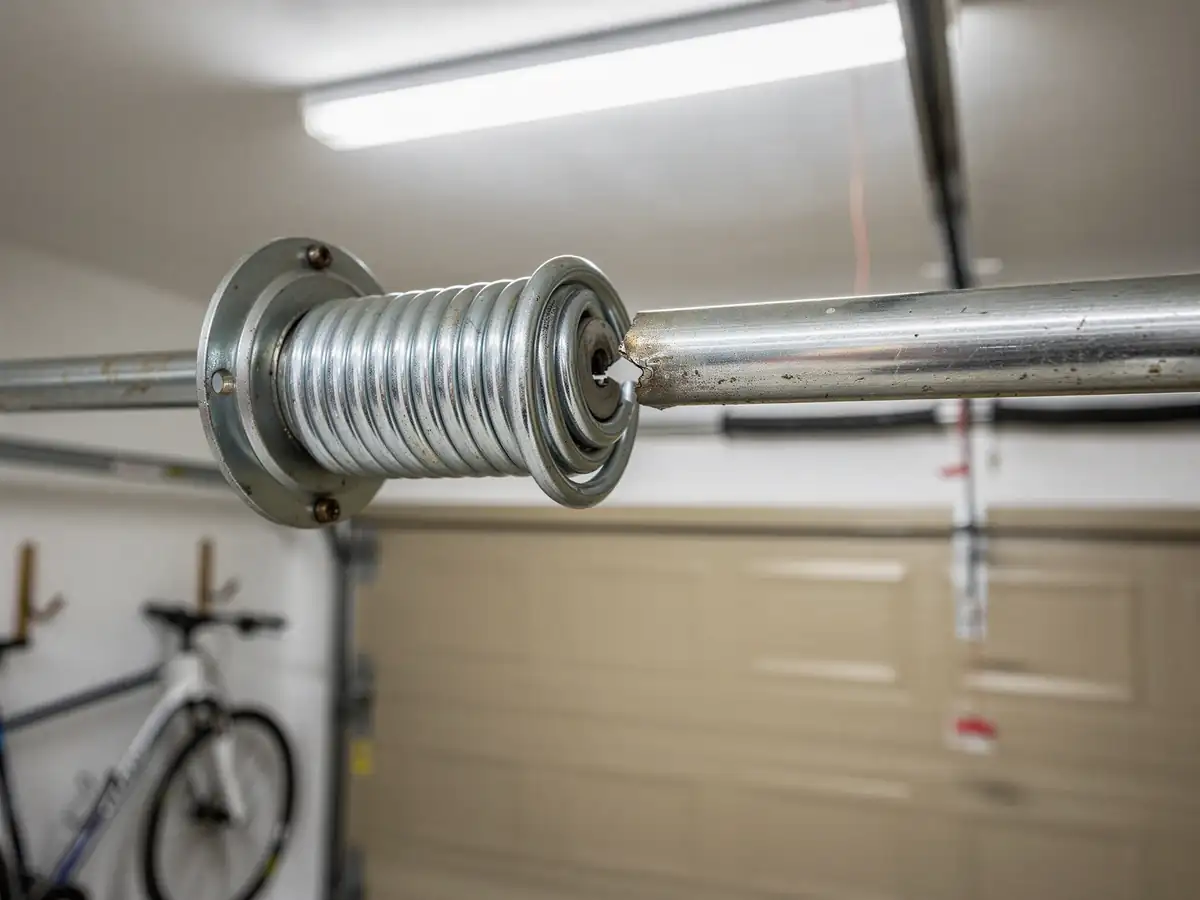
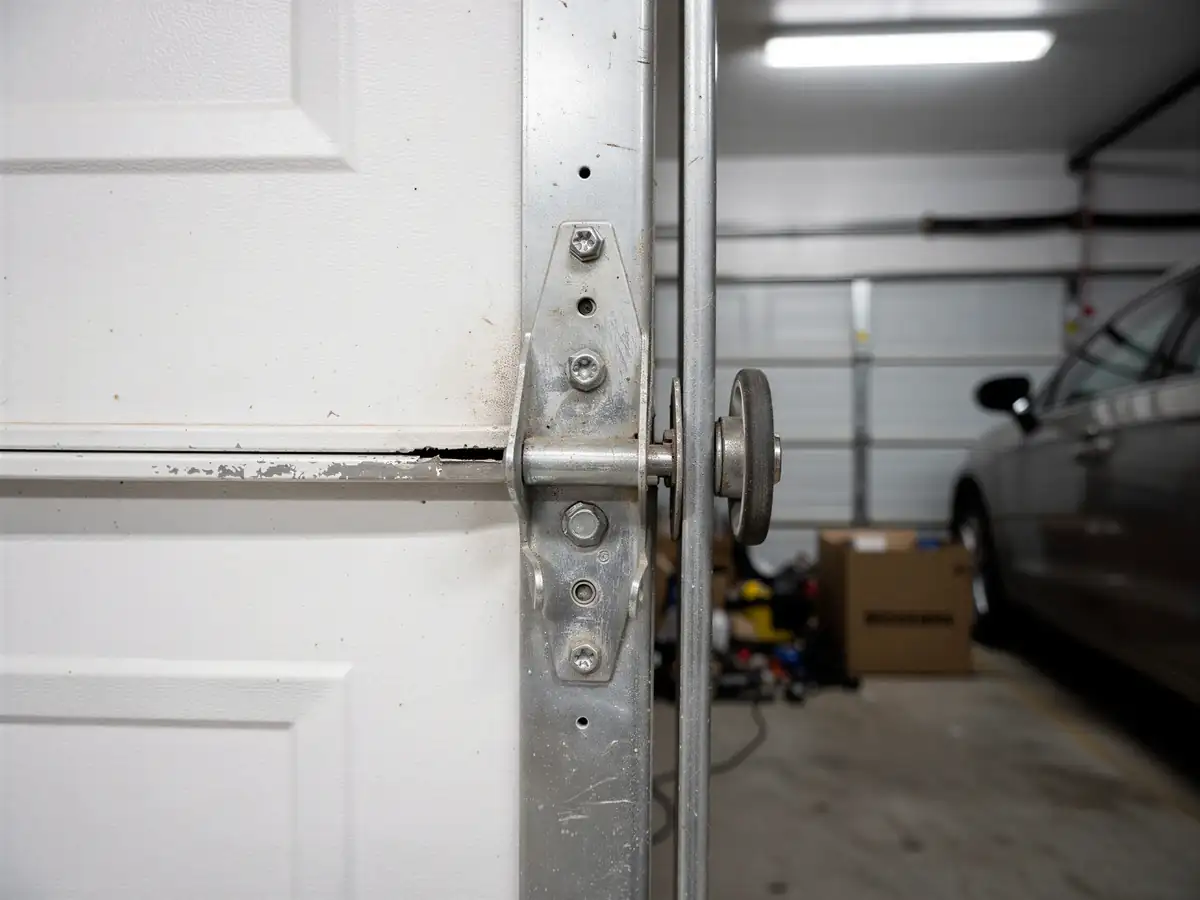
We carry rollers, hinges, extension springs, and cables sized for that era of door, along with torsion springs for the houses that got upgraded hardware somewhere along the way. What we don't keep on the truck is obsolete panel sections for doors that stopped being made decades back - if a panel is cracked or dented beyond patching on one of these older units, we'll tell you straight whether it's worth sourcing a match or just replacing the section with a newer compatible one.
Holly Hill sits in the same mild temperate band as the rest of the coast here, so we're not dealing with the extreme temperature swings that crack seals and warp panels the way a harsher climate would. Wear on doors this age is mostly mechanical - springs fatigued from 45+ years of cycles, rollers worn oval, hinges stretched at the pivot holes.
How Long You Are Without the Door
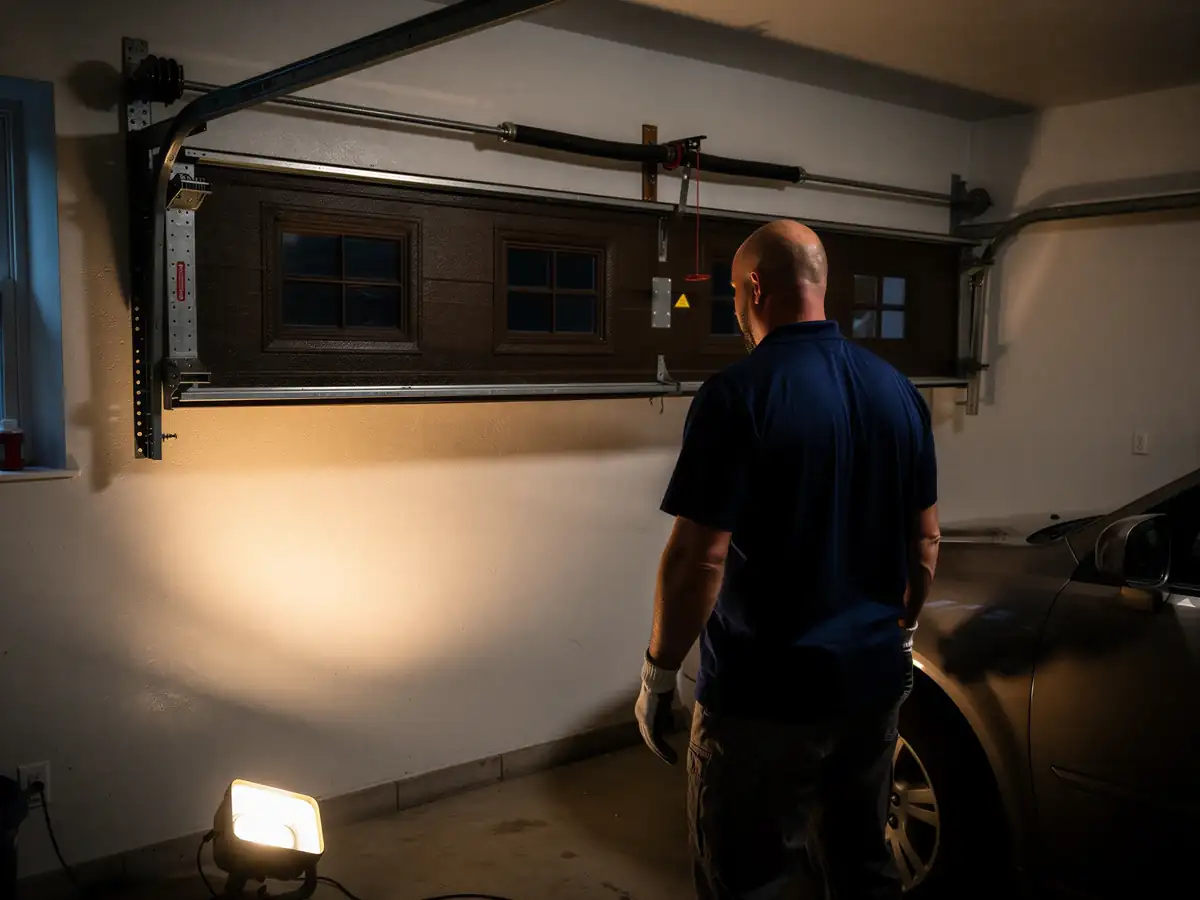
We run out of Daytona Beach, about 5 miles from Holly Hill, so there's no depot or branch sitting in town - every job starts with that drive. For a broken spring or a cable off the drum, once we're on site the repair itself usually takes an hour or two; the door comes back down and opens the same day.
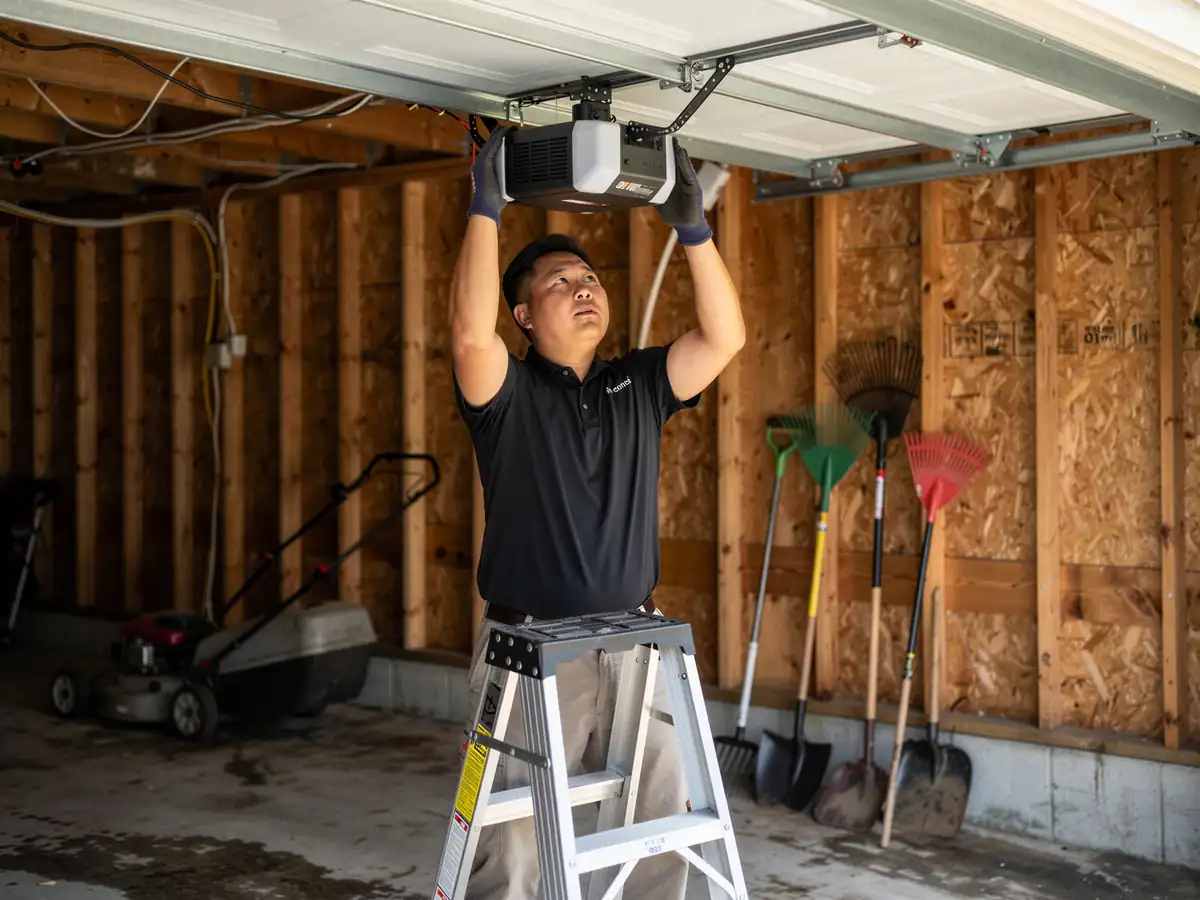
Where it stretches out is parts availability for the older hardware some of these 1977-era houses still have. If a track is bent past straightening or an opener from that period finally quits for good, we may need to order a part rather than have it sitting on the truck, since not every distributor stocks components for doors this old. We'll tell you up front if that's the case rather than guess at a timeline we can't back up.
Can You Do This Yourself
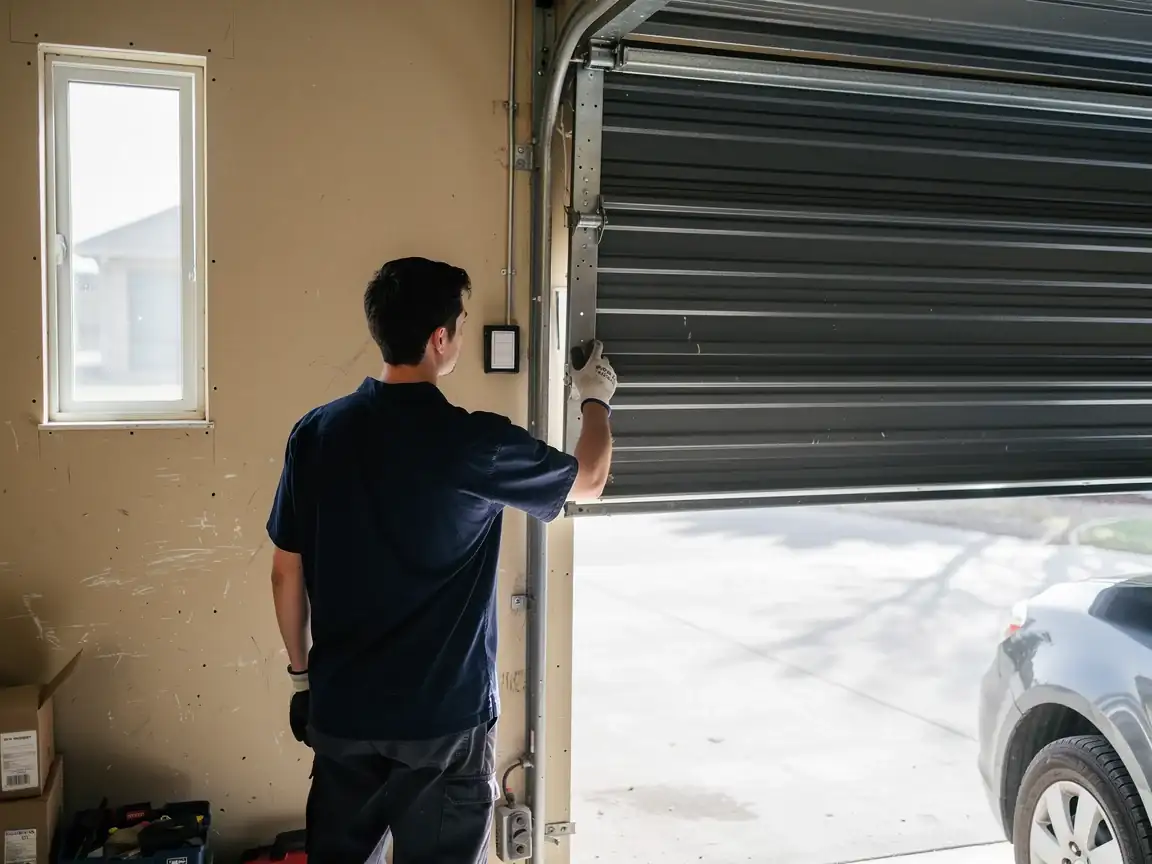
Swapping a roller or tightening a loose hinge bolt on a door this age is reasonable for a homeowner who's comfortable with basic tools
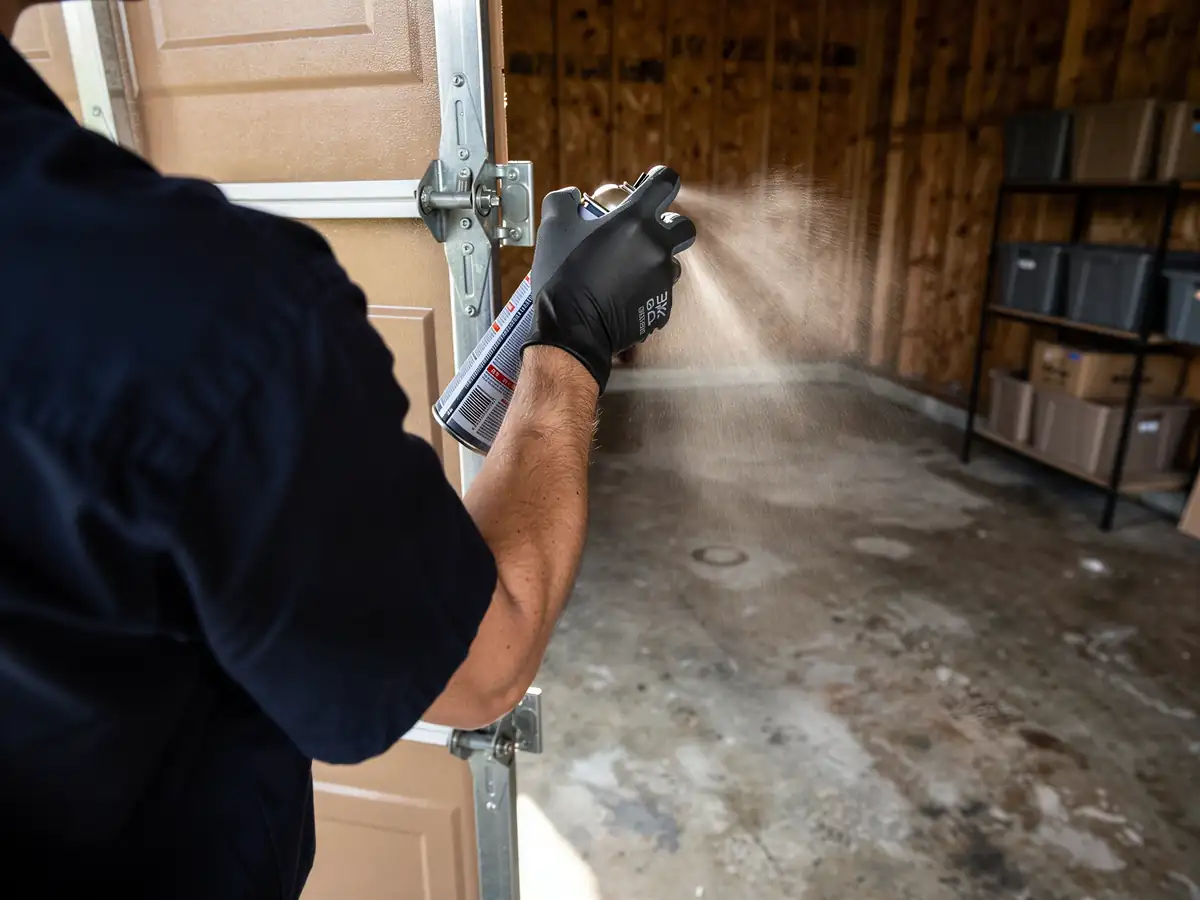
Lubricating hardware, replacing weatherstripping, adjusting a safety sensor that's knocked out of alignment - none of that requires calling anyone.
Springs are a different matter
And it matters more on a house like the typical Holly Hill one because a lot of these doors are still on the original extension-spring systems, which store and release energy differently than a torsion setup and have their own failure habits. An extension spring under tension that lets go, or a door that drops because a cable has slipped off a worn drum, can take a hand off fast or bring a heavy steel door down on someone standing under it. We don't recommend DIY spring work, torsion or extension, on any door - that's where we draw the line regardless of the house's age.
The Cost of This Job
Median household income in Holly Hill runs around $46,360, noticeably lower than the roughly $69,150 figure for the broader service area, and that's worth saying plainly because it shapes what we recommend. On a 1977-era steel door with original hardware, a repair - new springs, rollers, a cable - is almost always the right call before replacement, since the door panels themselves on these older units are often still structurally sound even when the moving parts have worn out.
We don't list prices on this page because the job varies with what's actually failed and what size door you've got, but we'll always give you a number before we start, not after. If a door has deteriorated to where repair costs start approaching what a new one would run, we'll say so rather than keep patching an old system part by part.