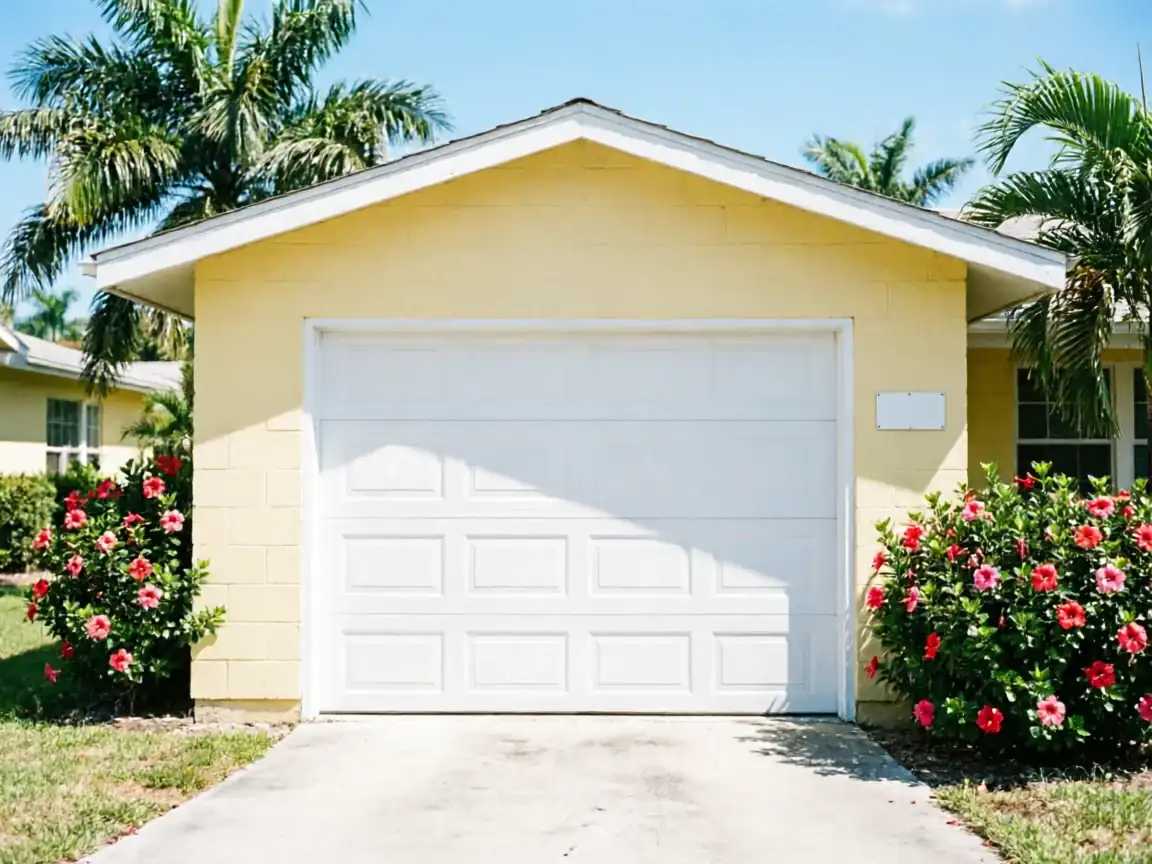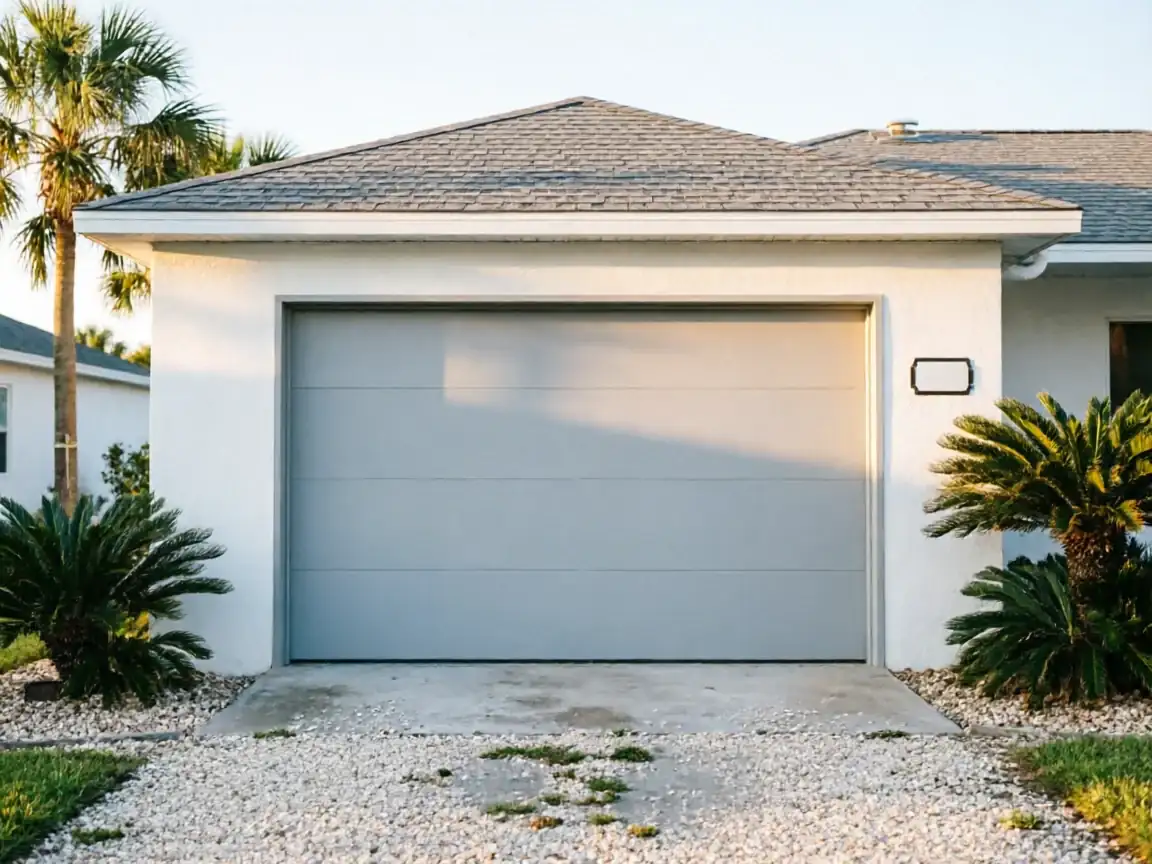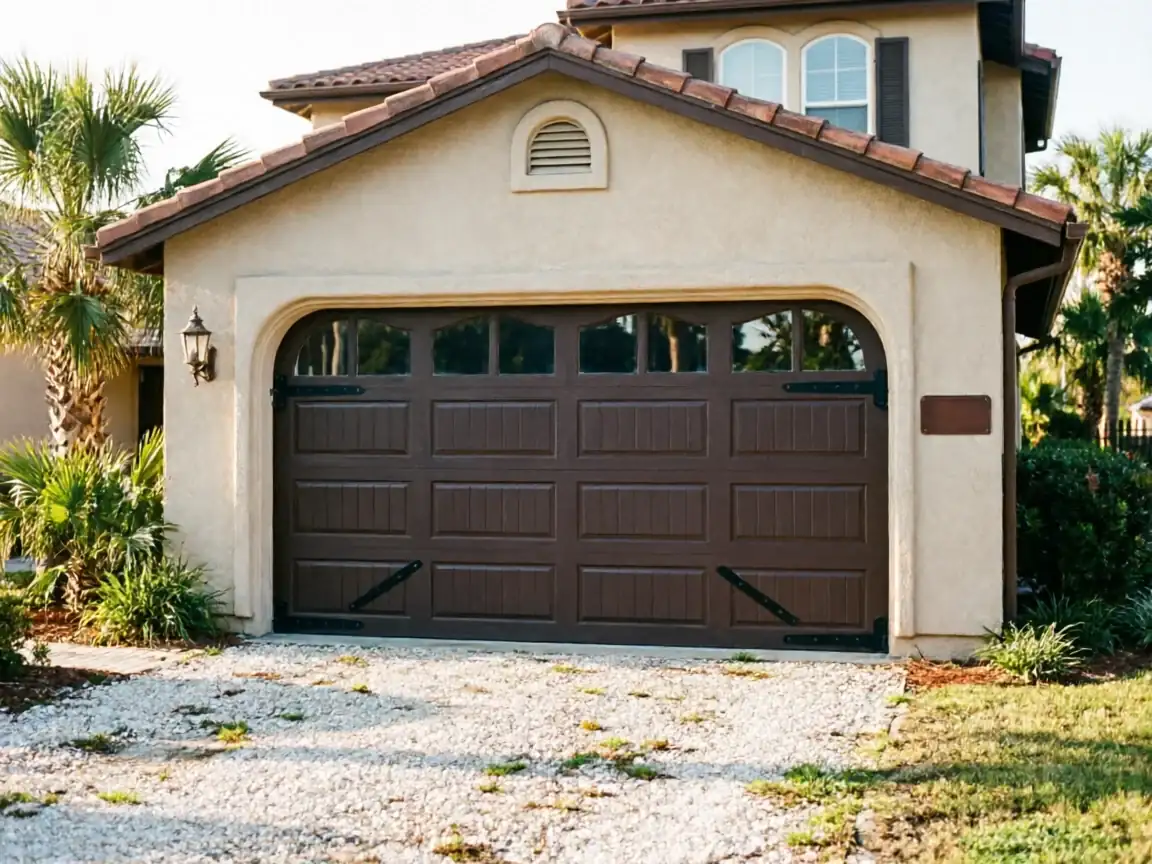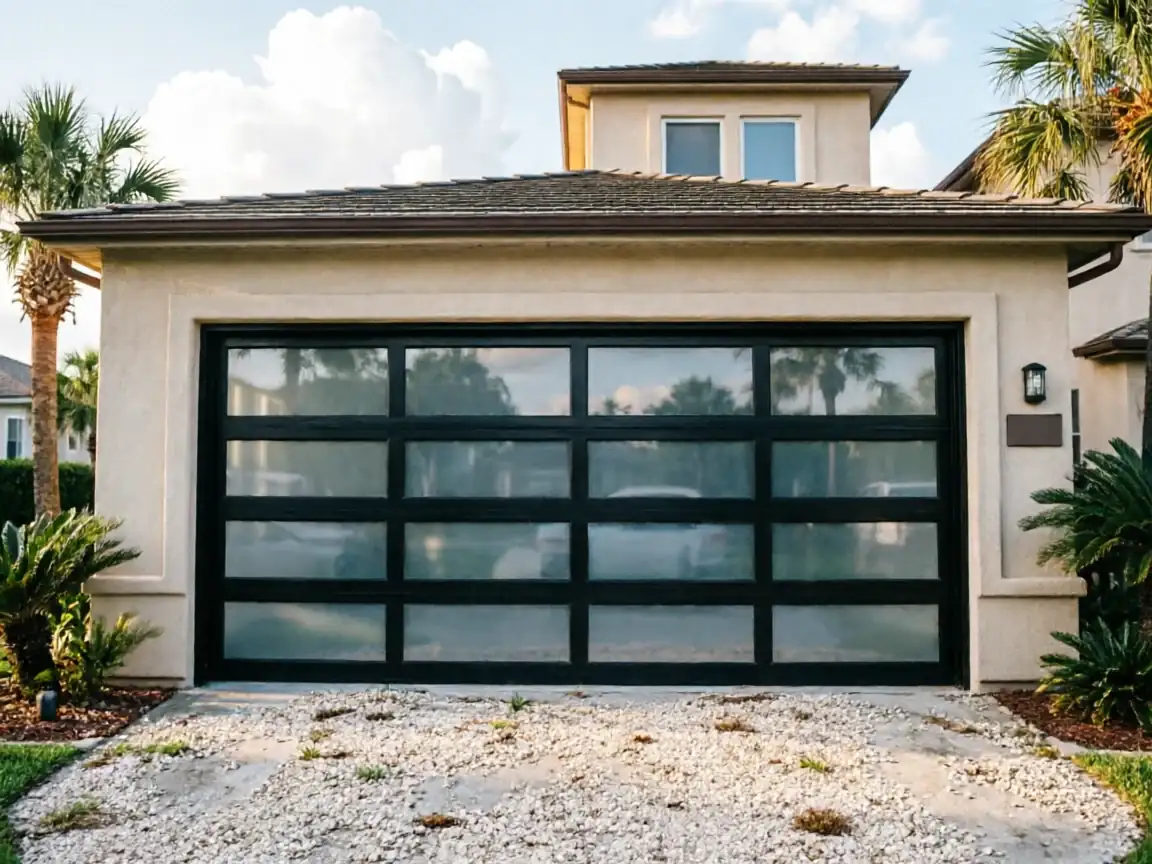
Parts We Carry
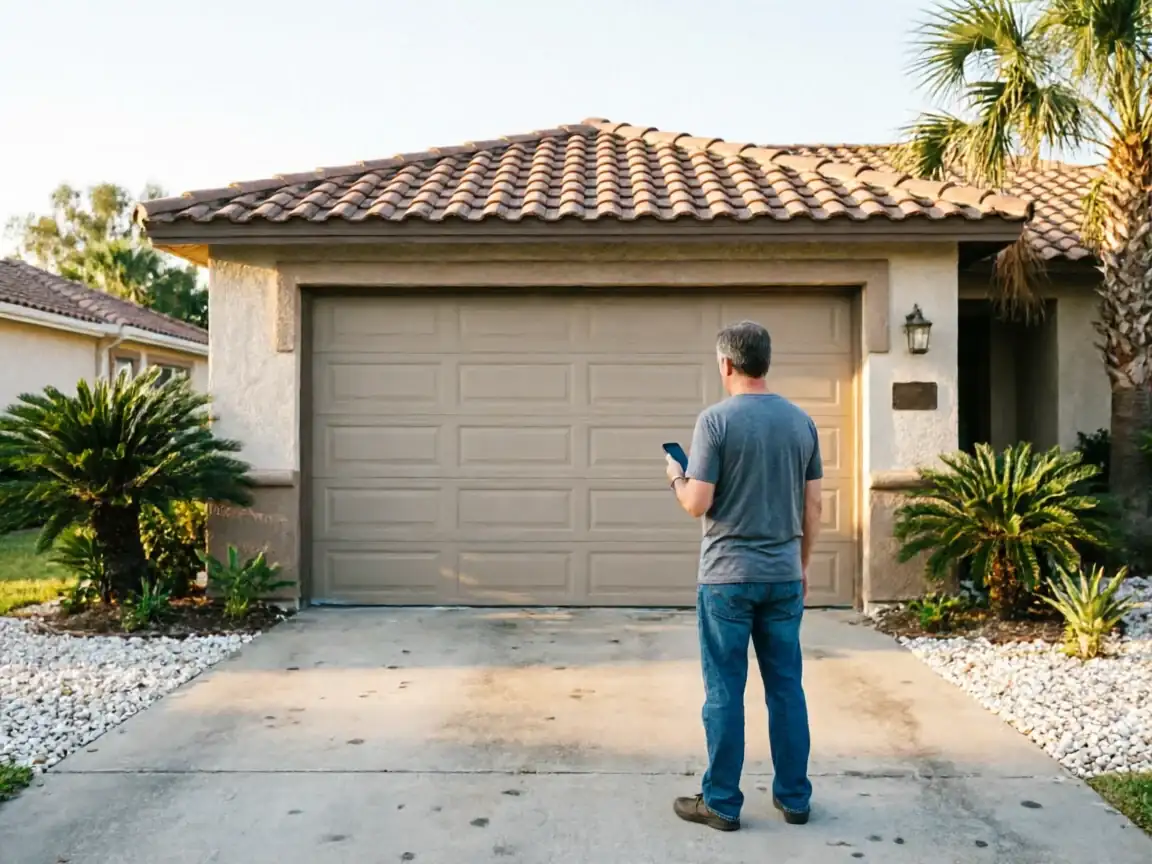
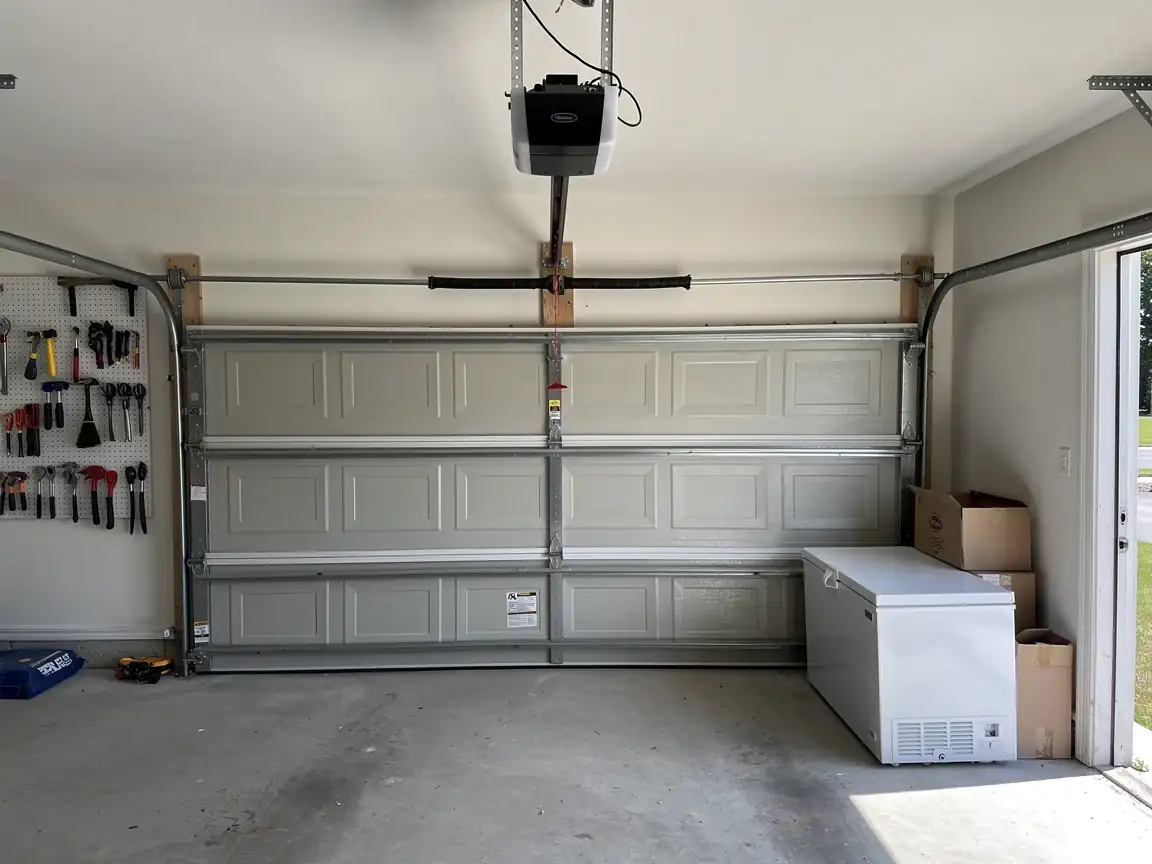
Holly Hill's median house dates to about 1977, which puts most garages a decade or more ahead of the 1980s-90s build wave that covers much of the wider service area. Doors from that era were almost always single-layer steel, no insulation, hung on narrow track with a lighter-gauge spring than what gets installed today. When we swap one of these out, the new door usually needs a wider track and a heavier torsion spring just to match the weight of a modern panel - the old hardware was sized for a door half as thick.
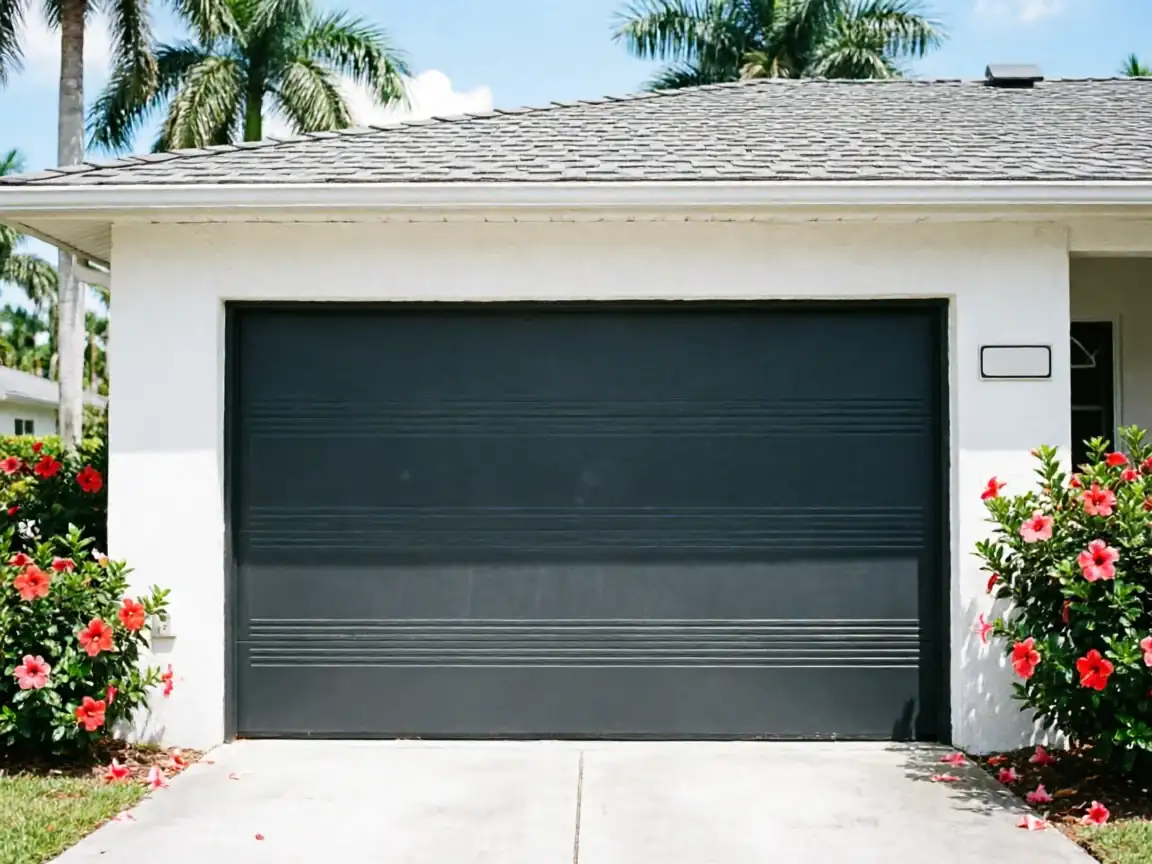
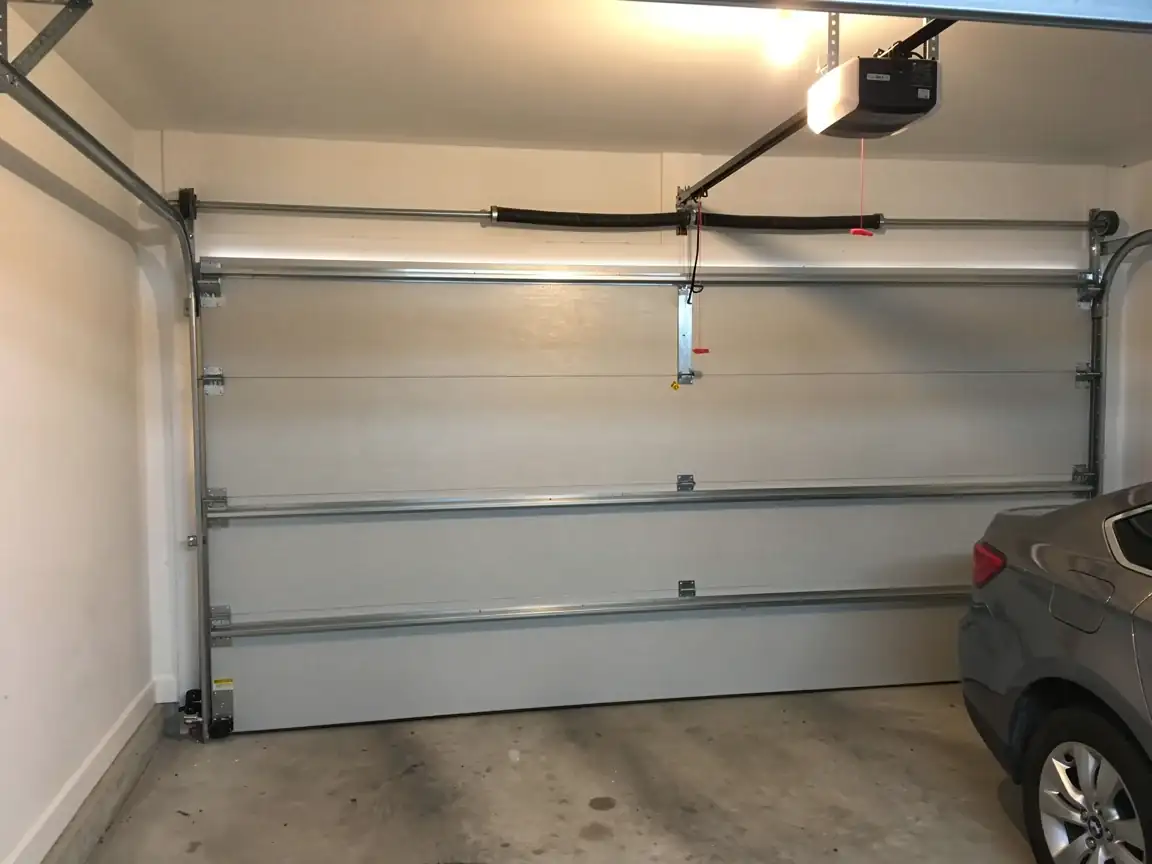
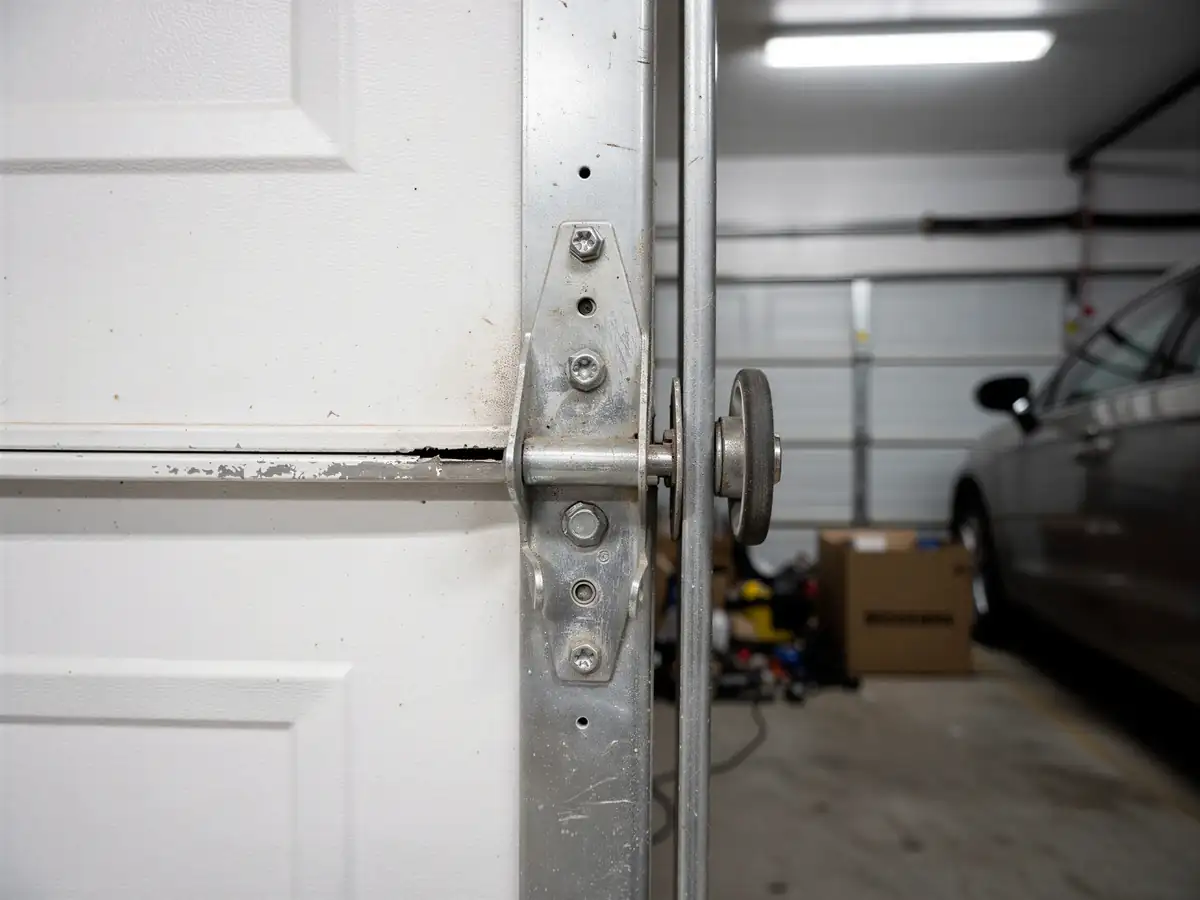
We stock steel sections in a few insulation grades, along with standard torsion springs, nylon and steel rollers, and the track and drum hardware that pairs with them. What we don't keep on the truck is anything custom-width or a specialty finish - those get ordered, and depending on the manufacturer that can add a few days to the job. If your opening is a standard single or double width, which most houses from this period are, we can usually match it off the shelf.
The mild temperate climate here doesn't force any special material choice the way a freeze-thaw region would, so the decision mostly comes down to budget and how much insulation you want between the garage and the house.
How Long You Are Without the Door
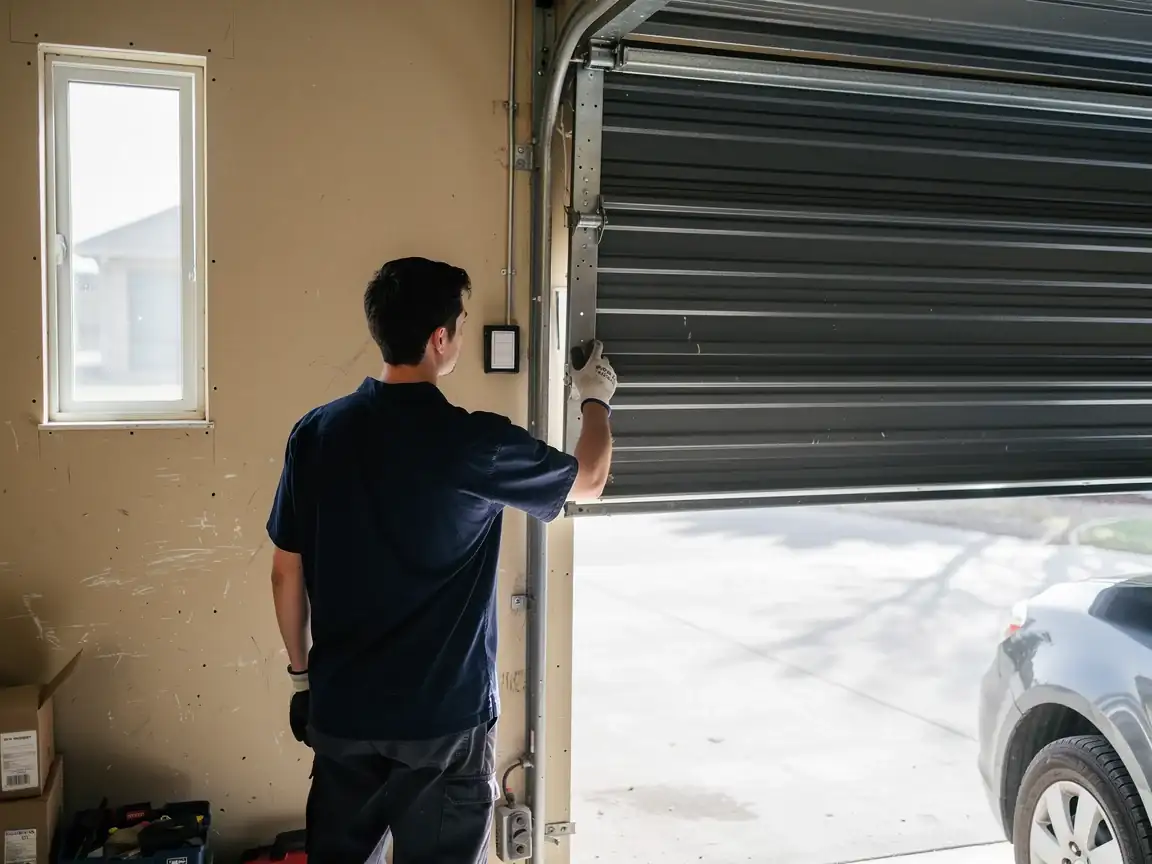
A straight swap - same size opening, new door on the existing frame - is usually a one-day job once the door itself is on site. Where it slows down is the frame. On houses built around 1977, we sometimes find the wood jamb has shifted or rotted enough that it needs rebuilding before a new door can hang square, and that's not something we can see until the old door is off the track.
We travel to Holly Hill from Daytona Beach, about 5 miles, so there's no separate dispatch delay built into scheduling a job here versus anywhere else close in. The honest limitation is on custom sizing - if your opening doesn't match a stock width, the door itself can be backordered a week or more, and no amount of scheduling on our end changes that.
Can You Do This Yourself
A lot of homeowners can hang garage door panels themselves if the frame is sound and the opening is standard
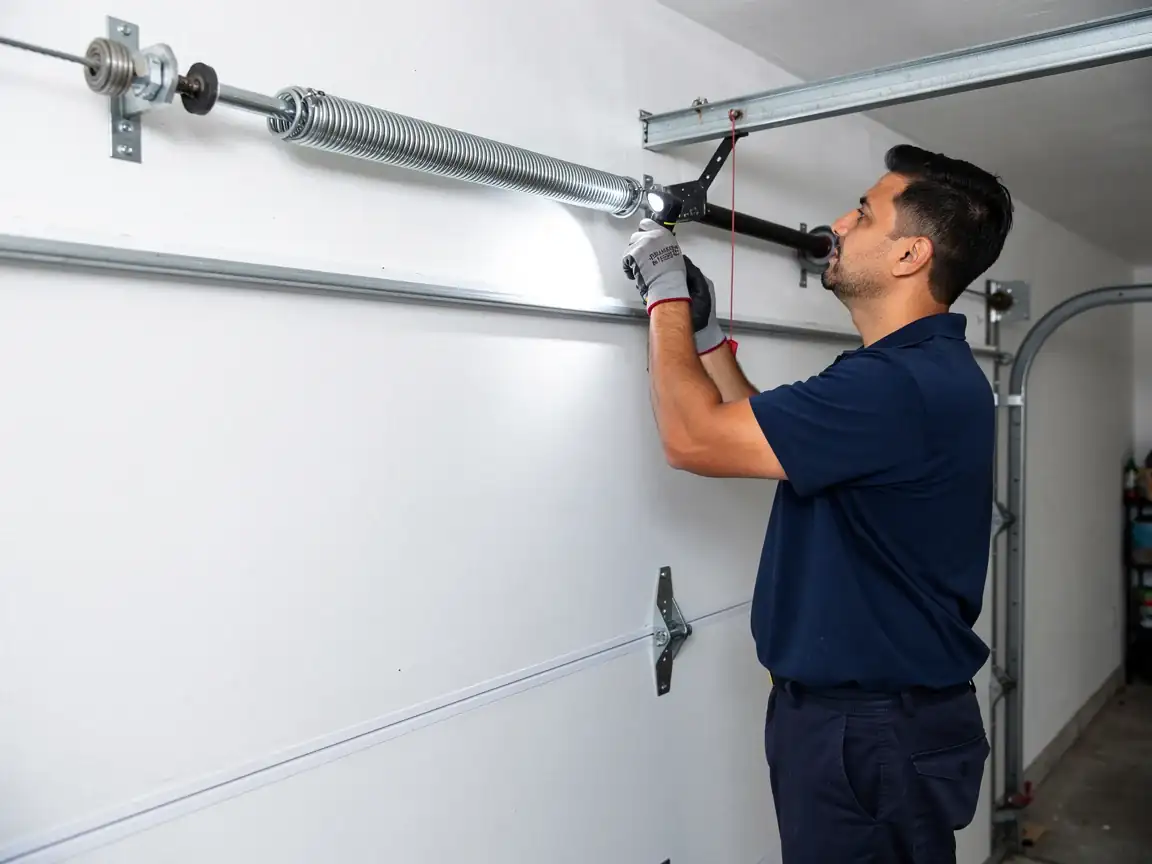
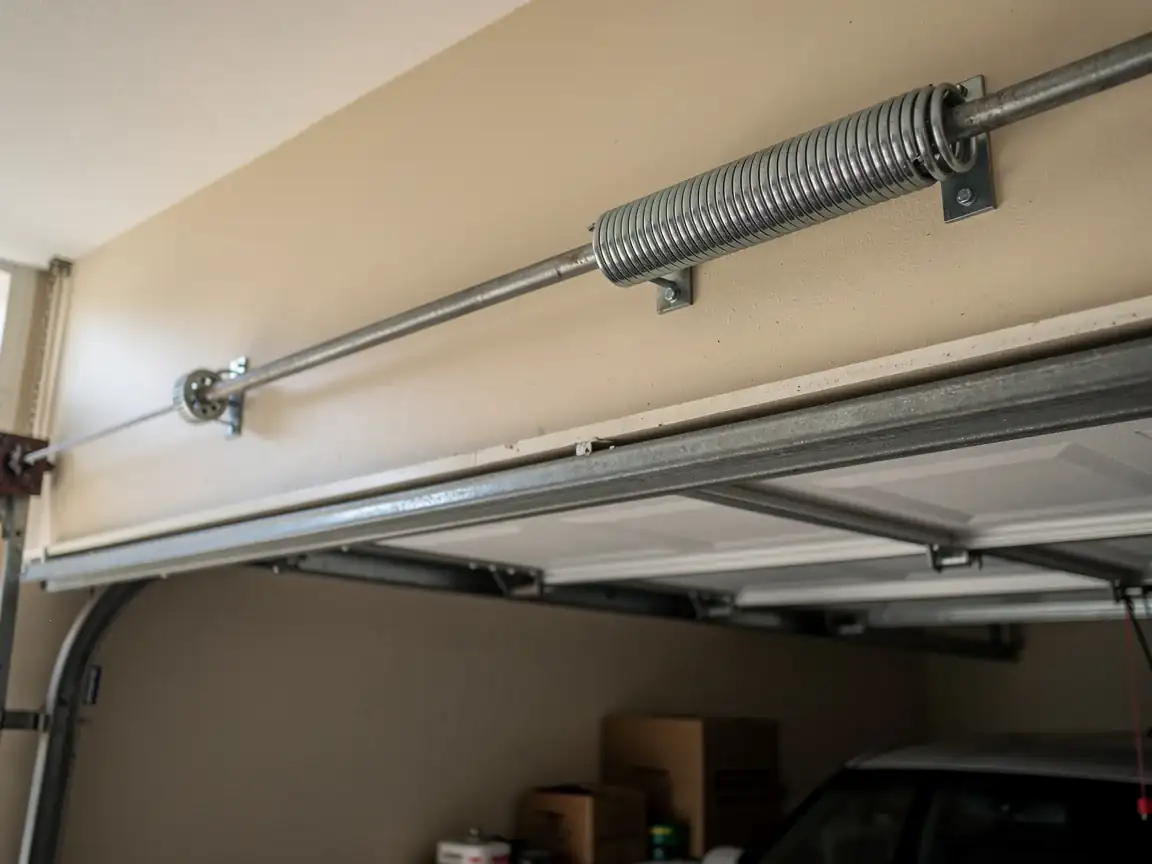
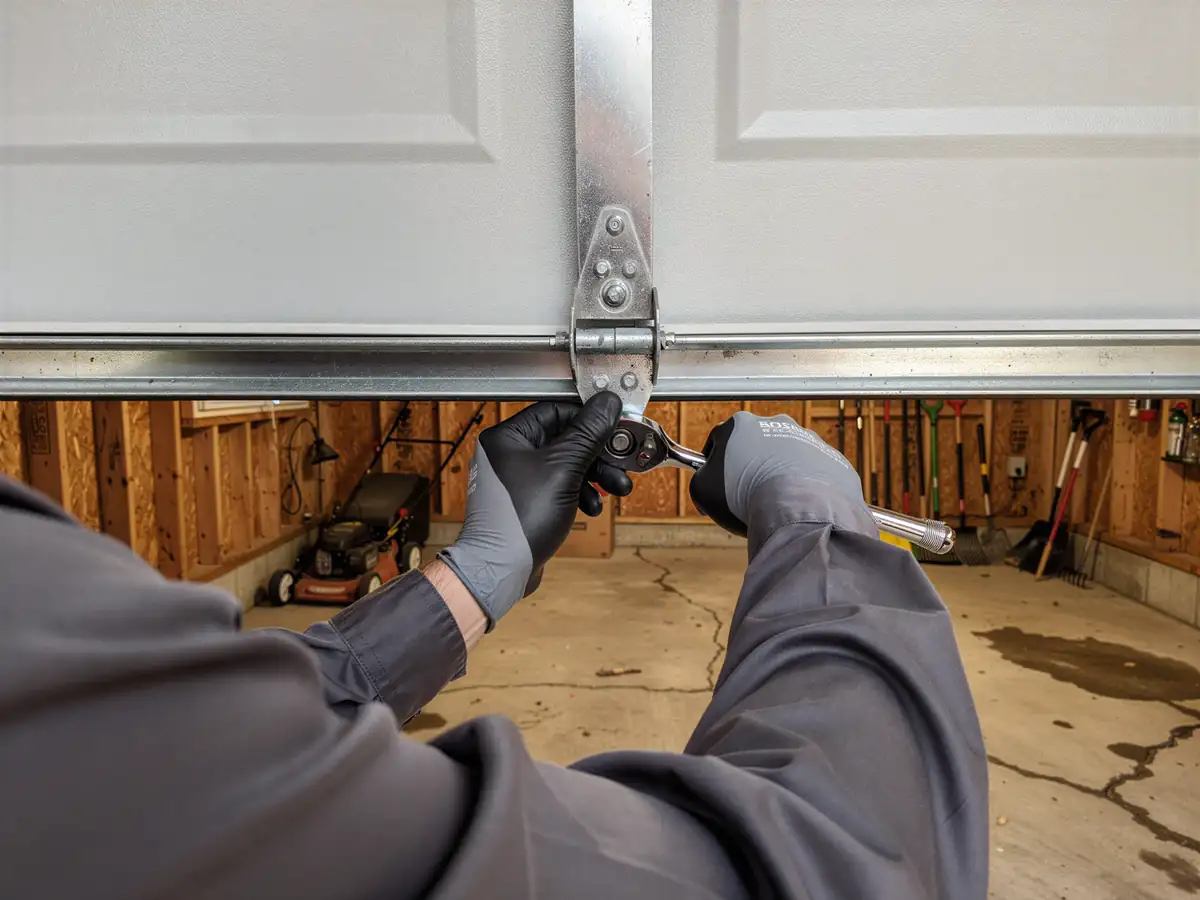
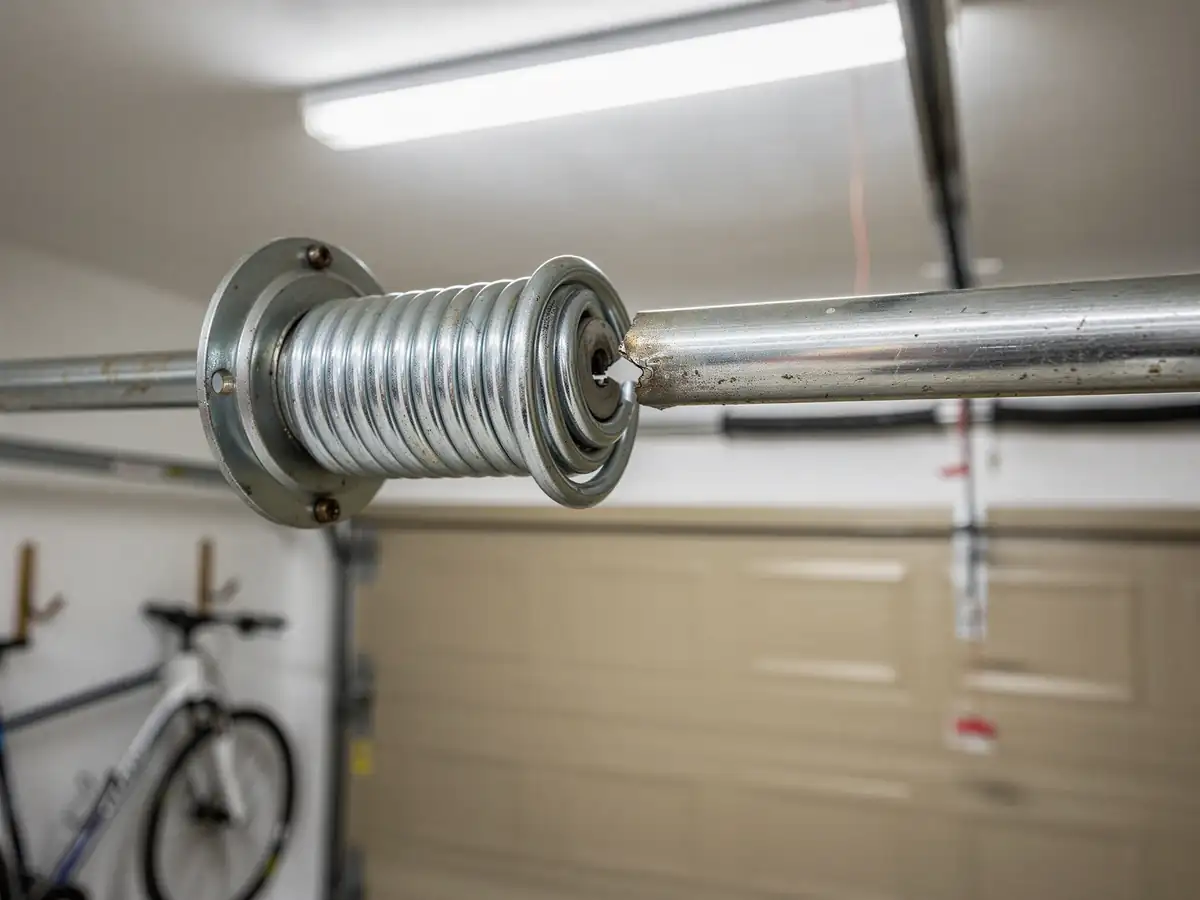
Where DIY gets dangerous is the spring. A torsion spring on a door sized for a modern insulated panel holds a lot more stored tension than what was common on the lighter doors these houses were originally built with, and winding or unwinding it with the wrong tools is how people lose fingers or worse.
If your garage still has its original 1977-era hardware
There's a decent chance the spring, drums, or even the track are sized for a door that's thinner and lighter than anything sold today. Swapping in a new door without re-rating that hardware is how you end up with a door that slams down instead of lowering, or a spring that fails within months. That part of the job - pulling the old spring and setting new hardware to match the new door's weight - is where we'd tell most people to call rather than DIY, even if they're comfortable with the rest.
The Cost of This Job
Holly Hill's median household income runs about $46,360, noticeably lower than the roughly $69,150 median across the wider service area, and that gap is worth naming plainly rather than pricing every job as if budgets were the same across all 6,122 households here. We don't have a published price list to quote - the real number depends on door size, insulation grade, and whether the frame needs rework - but we size the recommendation to the job in front of us, not to a standard package.
Where we can save money without cutting corners: matching a standard stock width instead of custom, and choosing a mid-grade insulated steel door instead of top-tier options that don't gain much in this climate. Where we won't cut a corner: hardware rated to the actual weight of the new door, regardless of what was on there before.