Parts We Carry
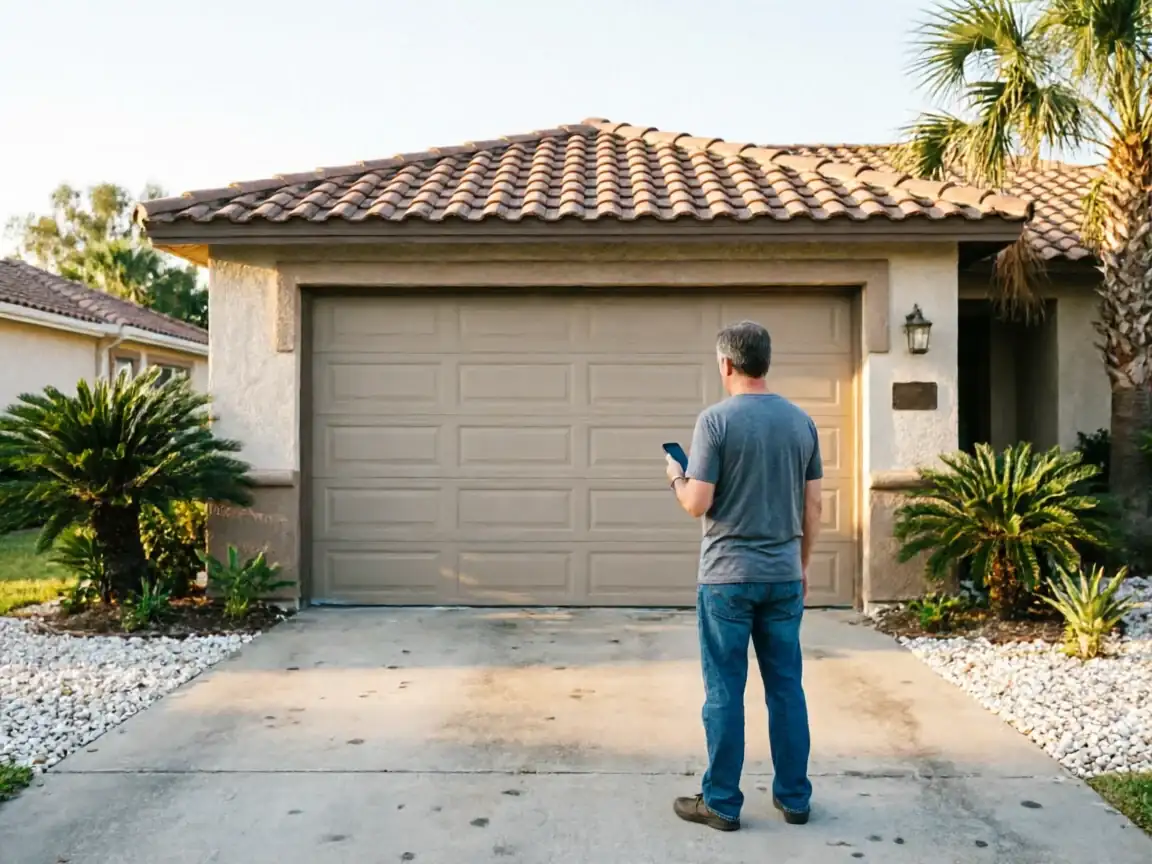
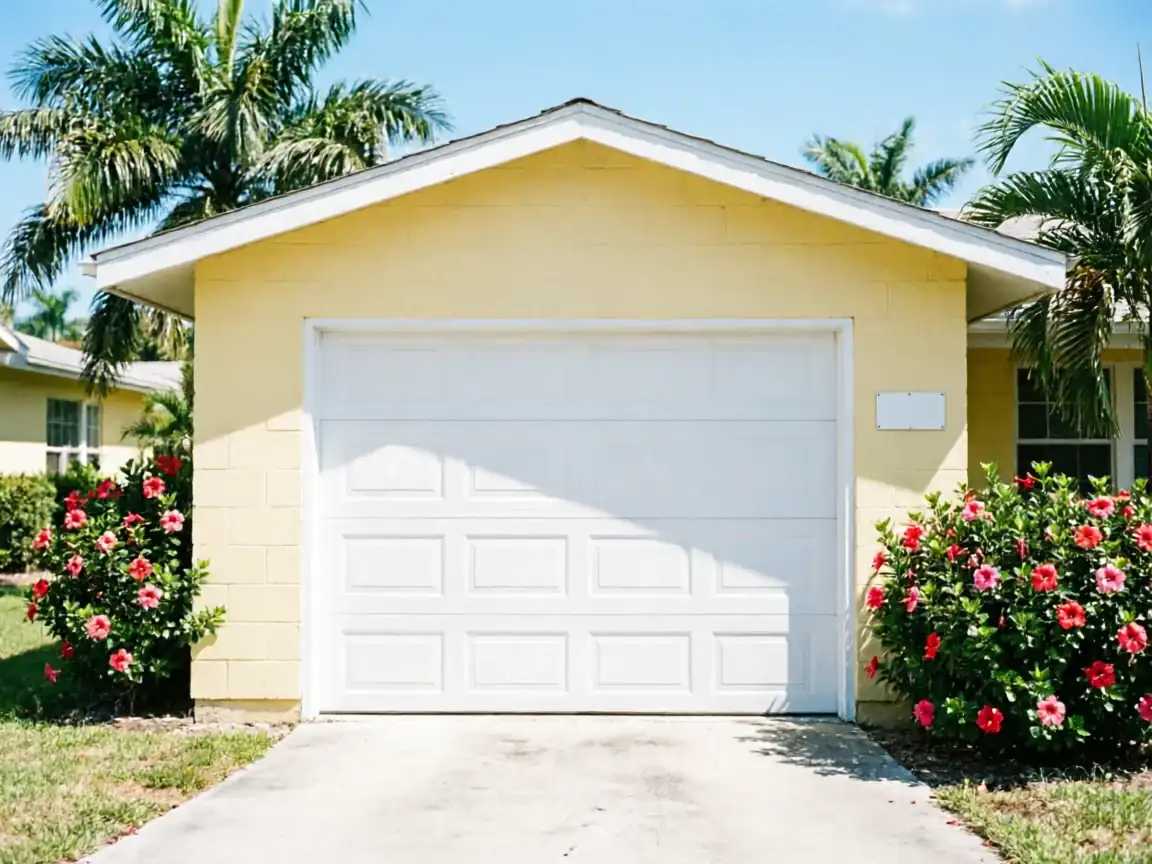
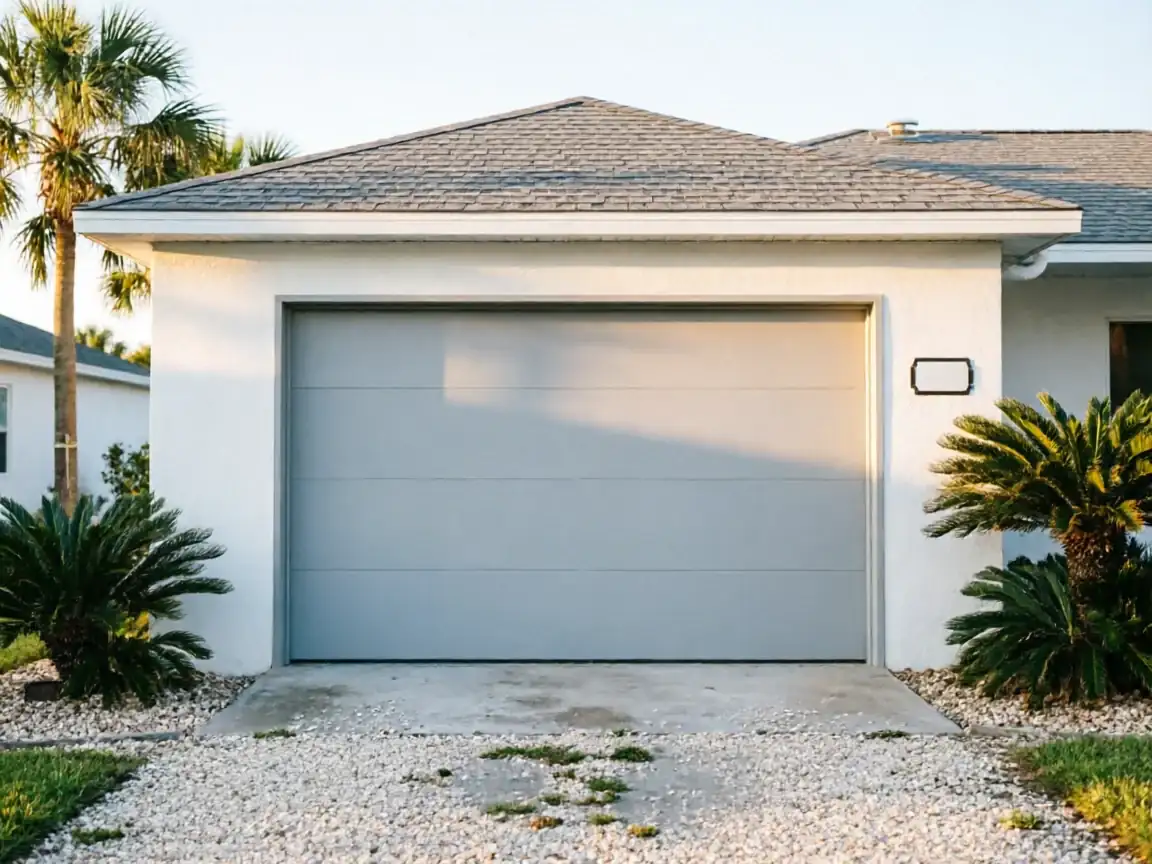
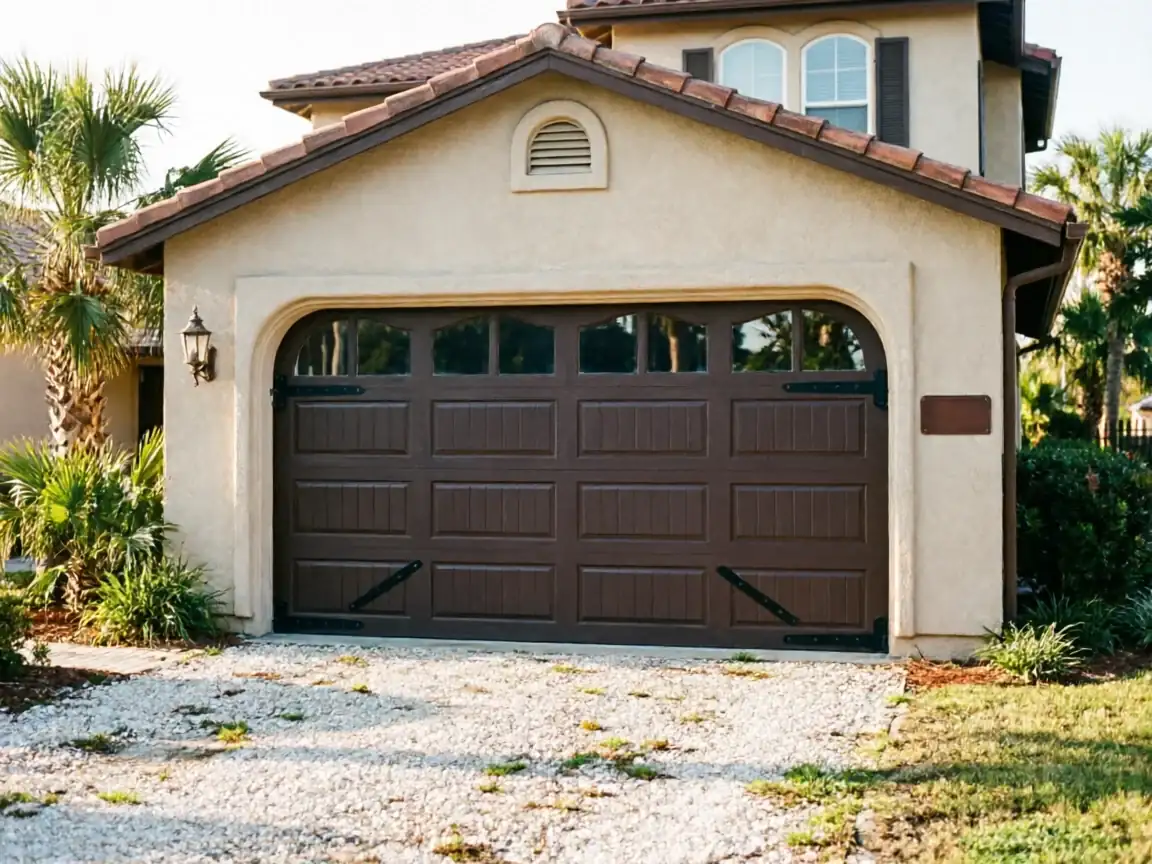
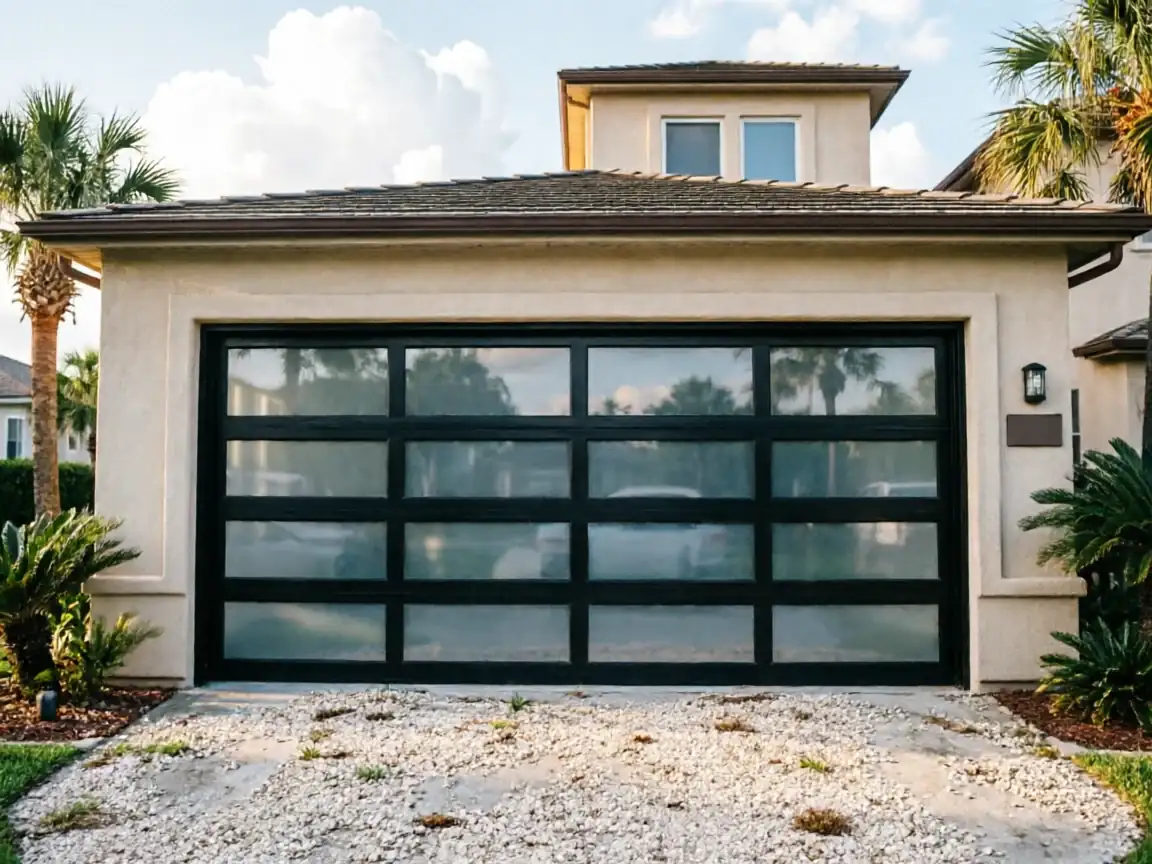
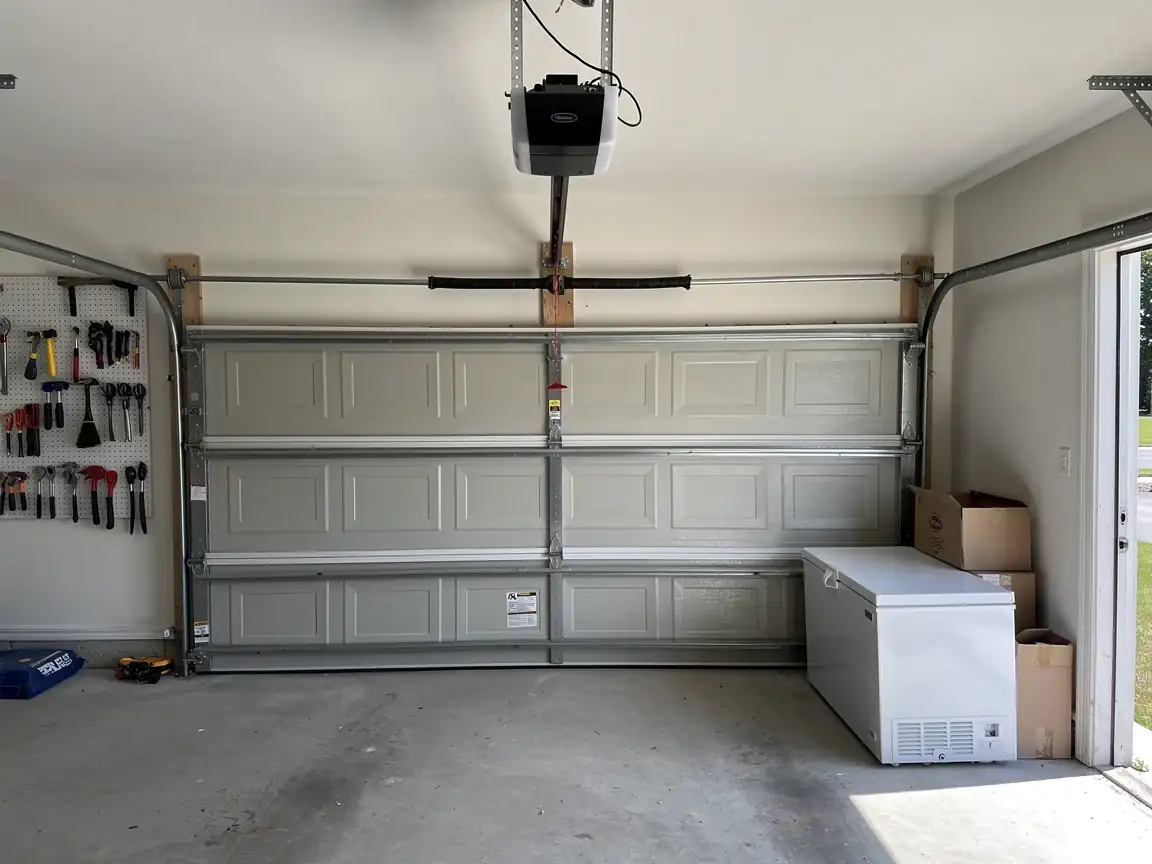
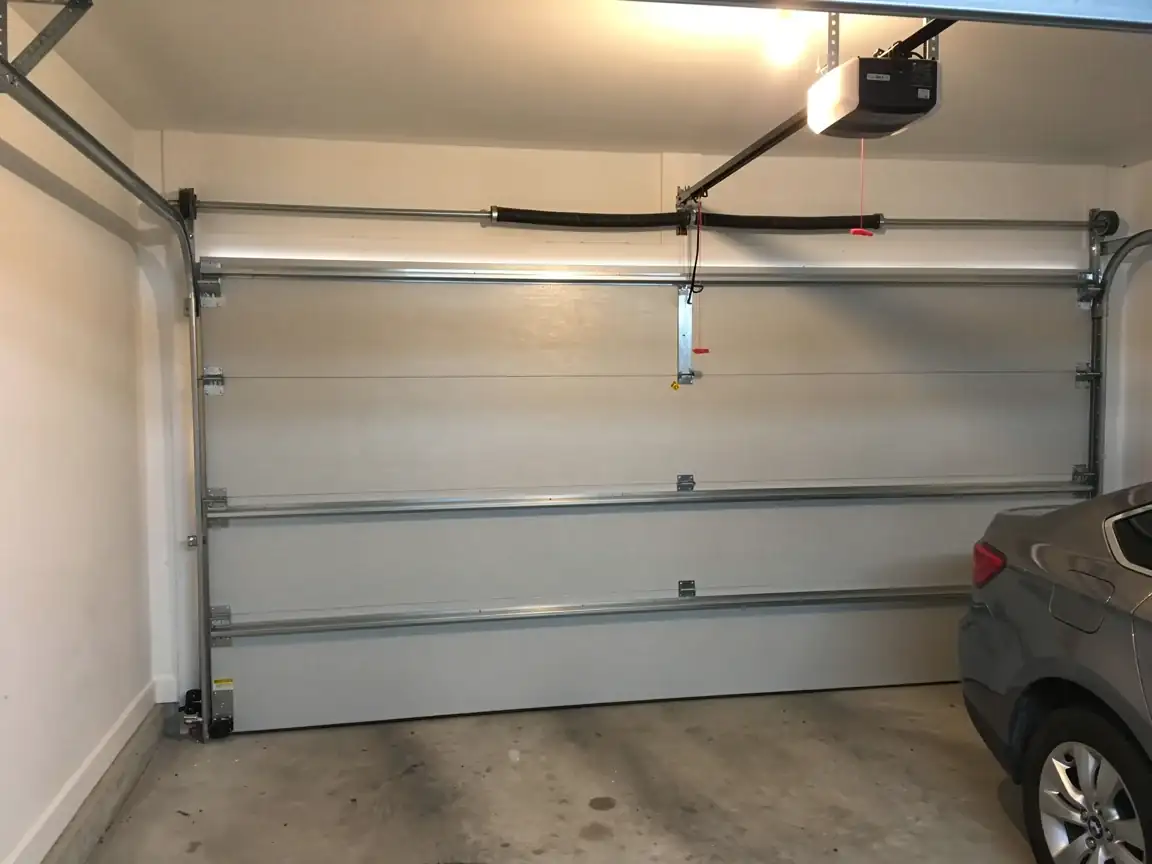
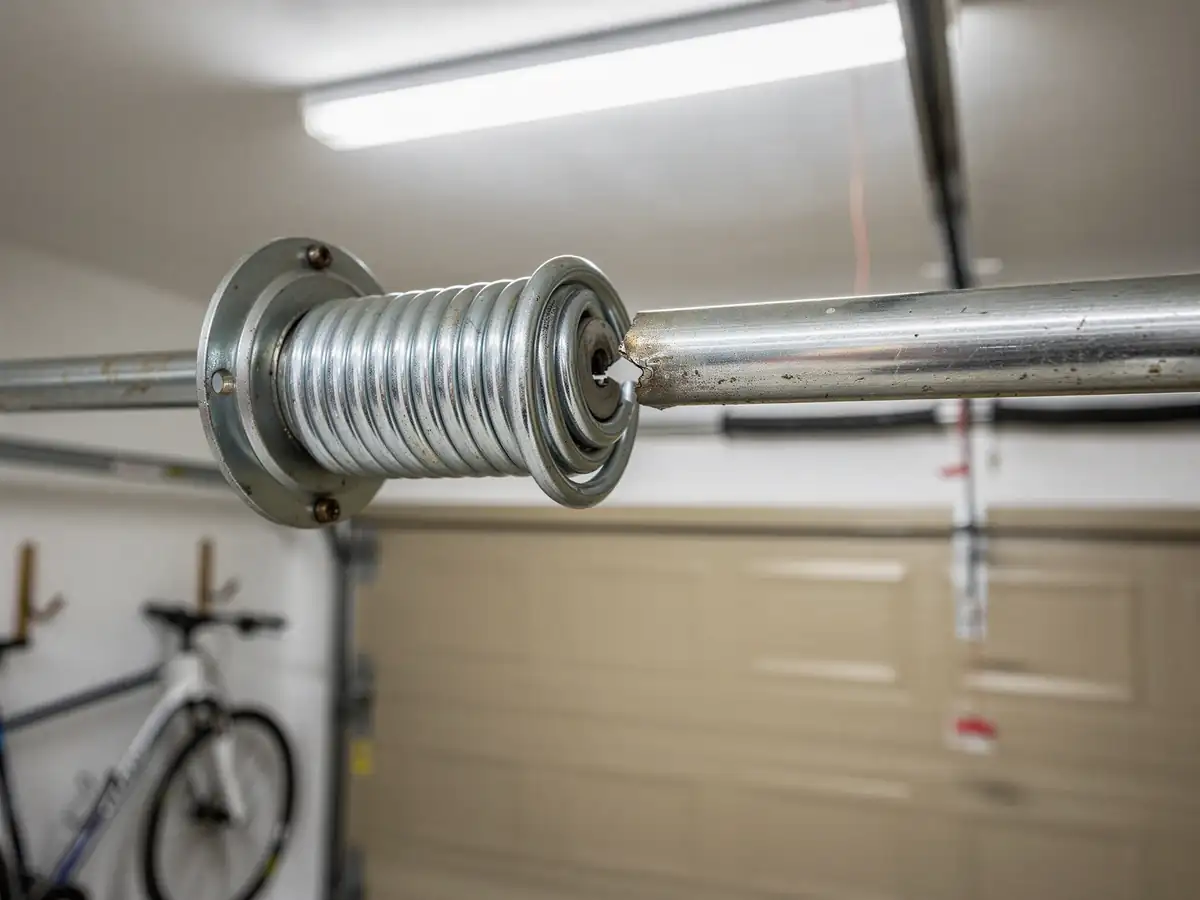
Holly Hill's median home went up in 1977, almost a decade ahead of the 1986 median across the wider Daytona Beach service area. That matters because a house built in the mid-70s usually still has the original door track and a lighter-gauge door than what you'd find on a 1990s build. We stock openers sized for both: half-horsepower chain-drive units for the older single doors common on this side, and belt-drive units with soft-start/soft-stop for newer double-door setups. We carry the brackets and header mounts that fit the shorter ceiling clearance typical of 1970s garages, since a modern opener box doesn't always bolt straight onto old lumber without an adapter plate. What we don't stock is anything built before the mid-90s safety-sensor mandate - if your existing unit predates photo-eye sensors, we're not reinstalling it, we're replacing it. That's not upselling, it's code and it's liability, same as it would be anywhere in the mild coastal climate this area sits in.
How Long You Are Without the Door
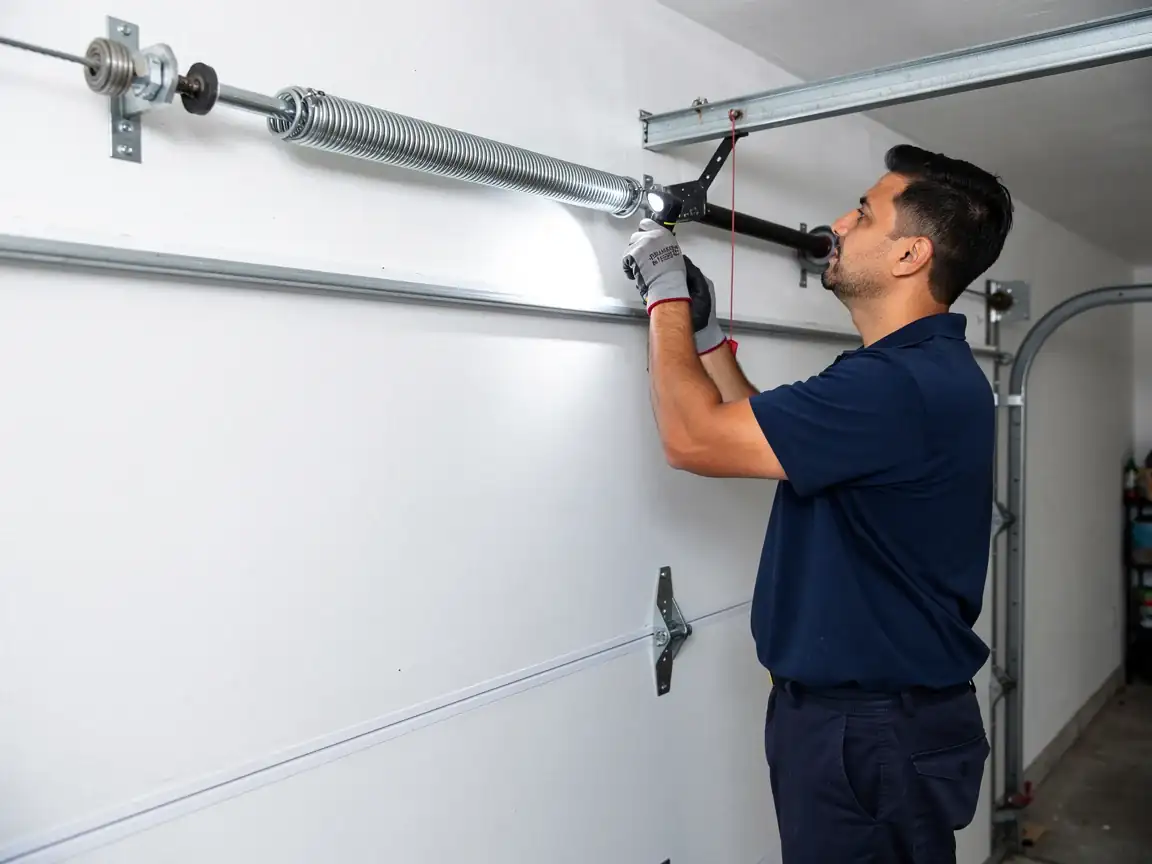
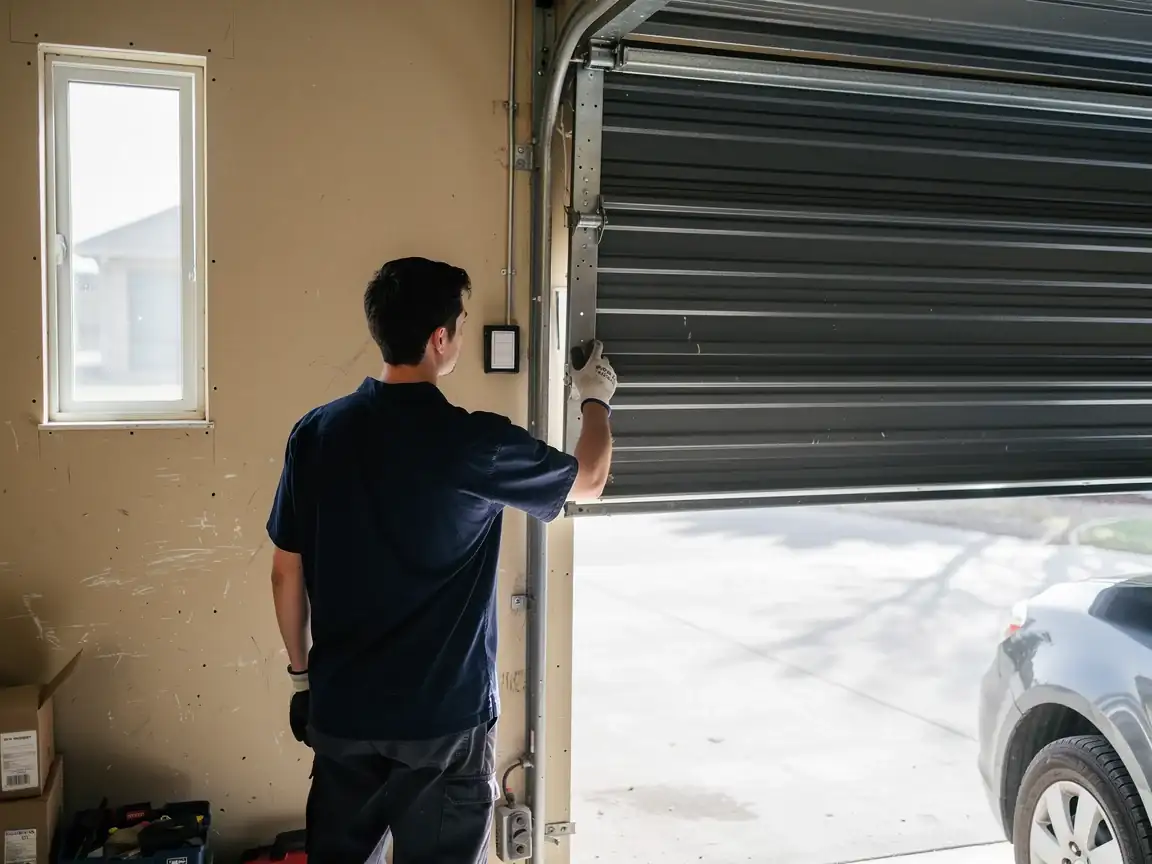
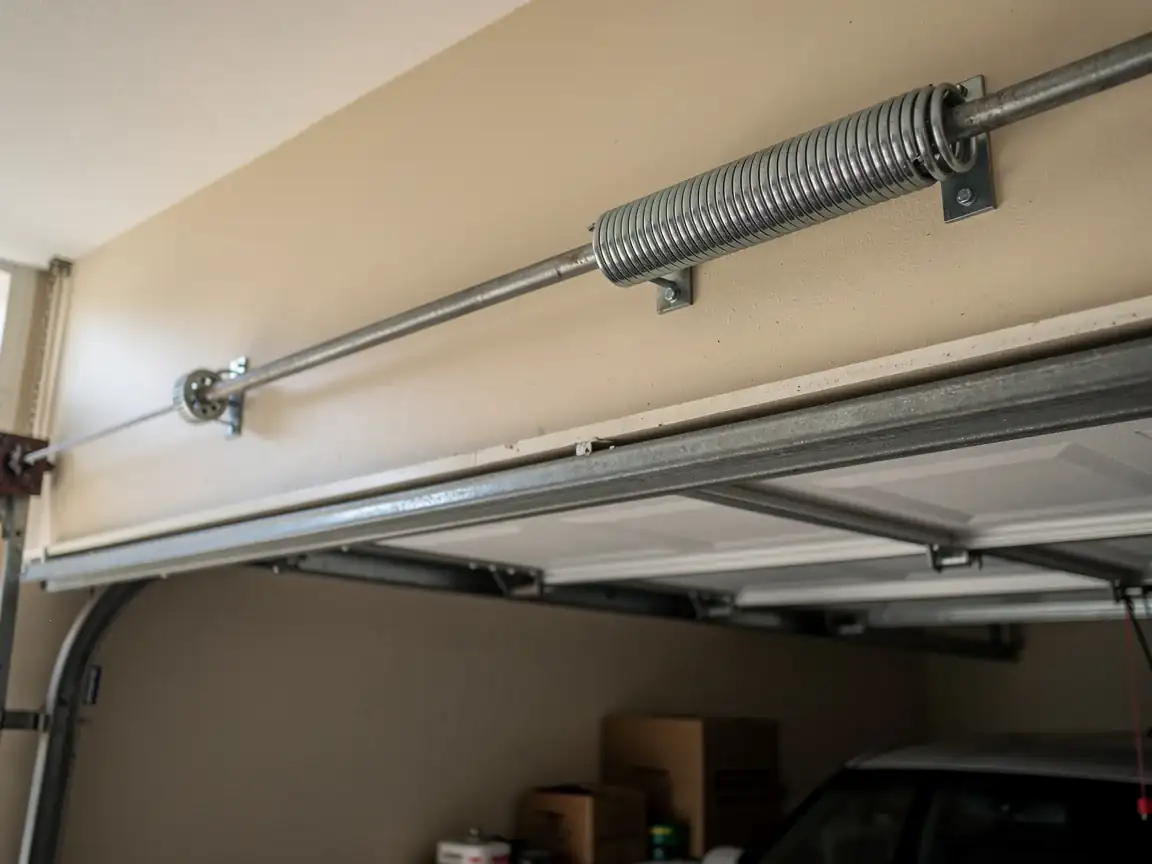
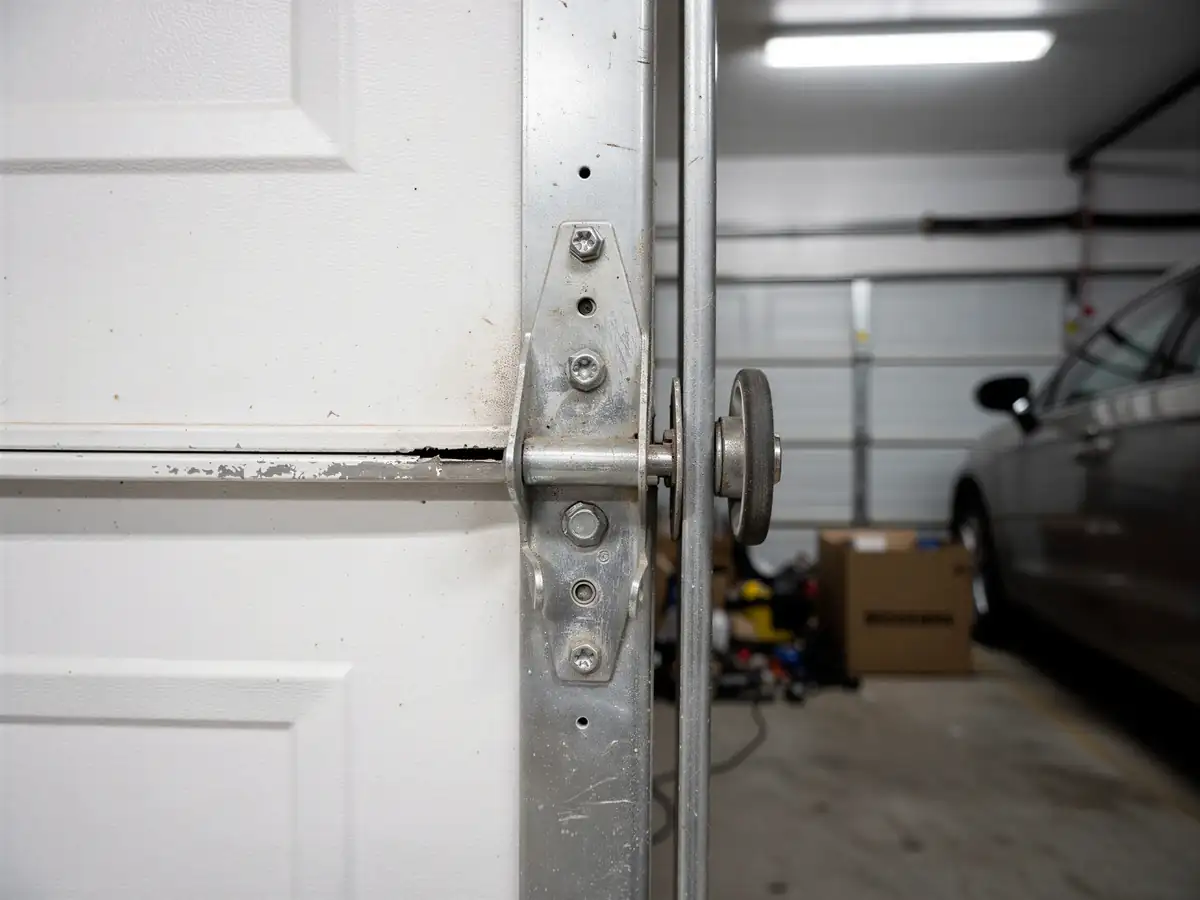
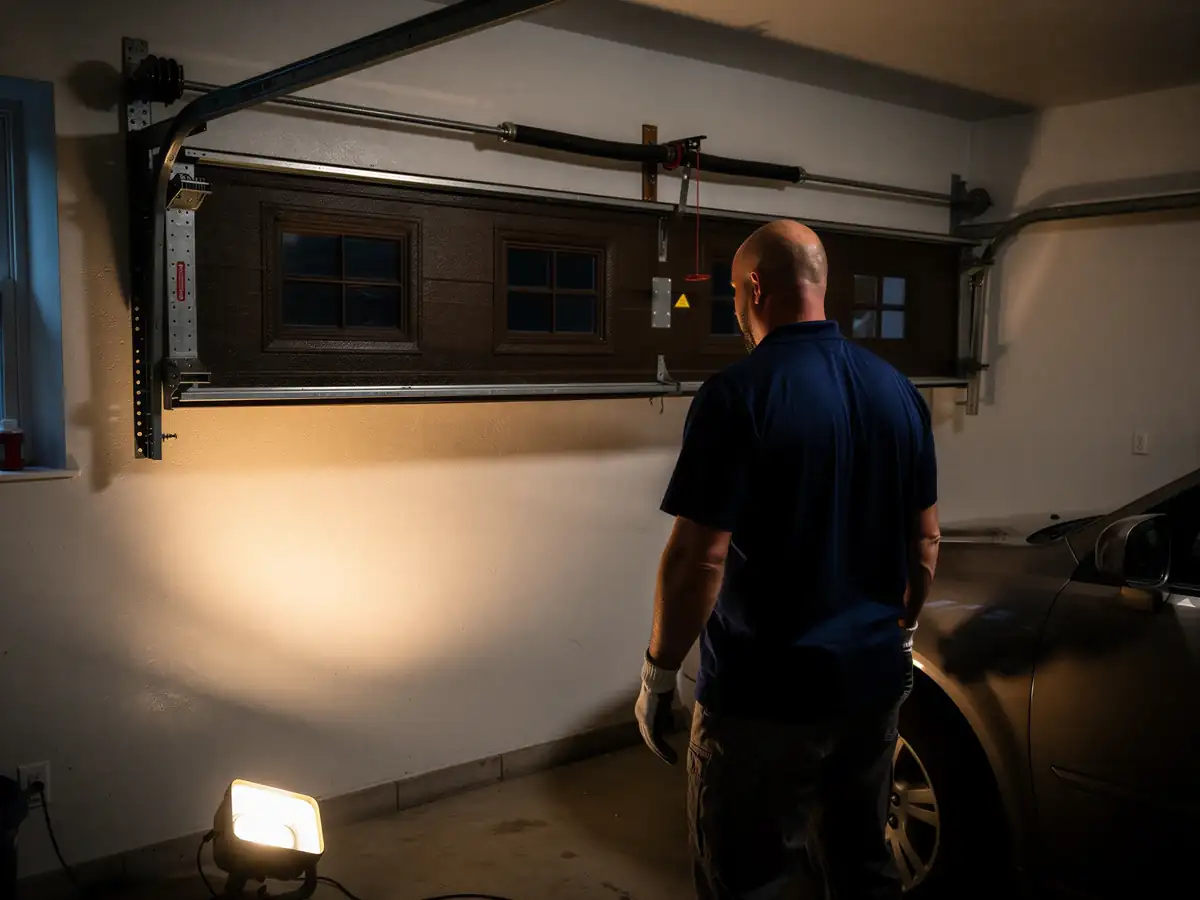
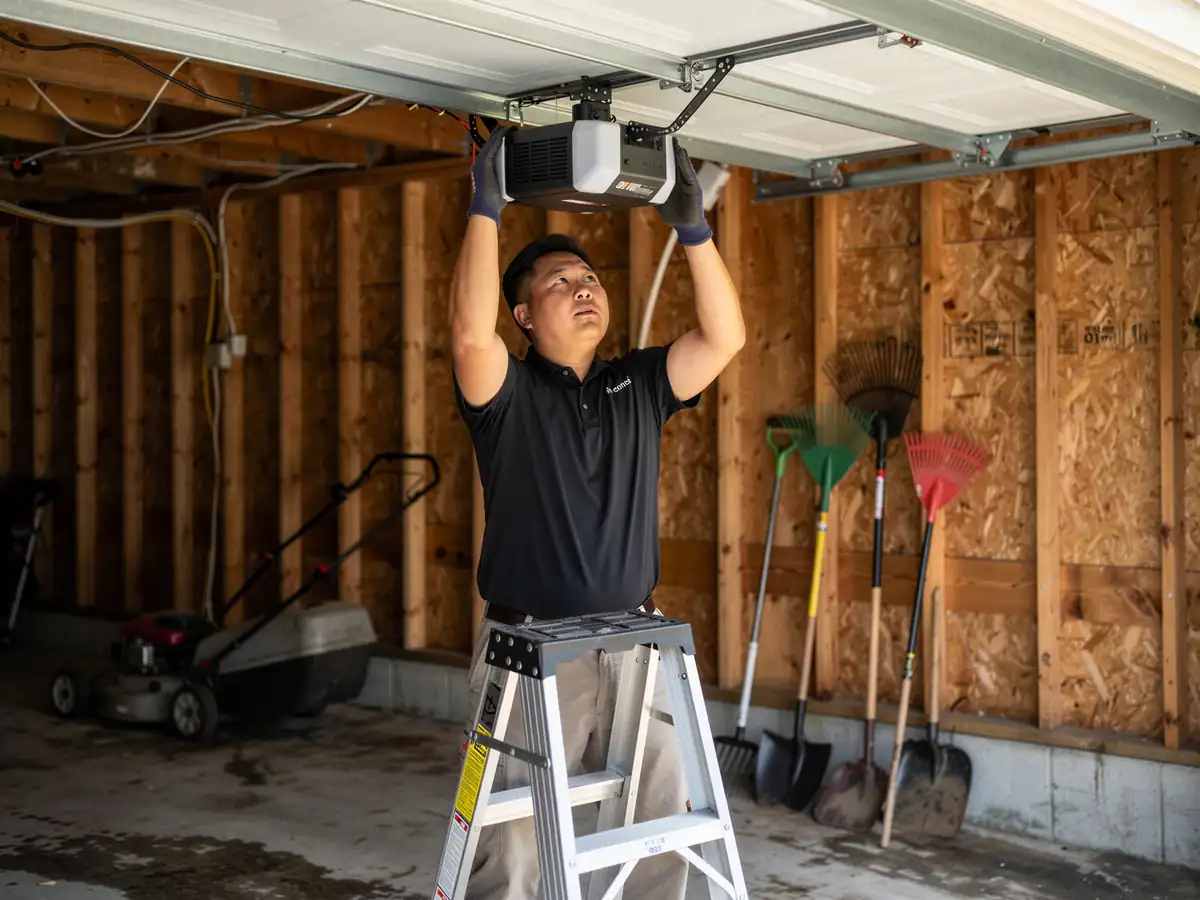
Swapping an opener on a door that's otherwise sound is usually a same-visit job: old unit off the rail, new one mounted, travel limits set, sensors aligned, remotes programmed. Where it runs long is when the house dates to 1977 and the track or the header bracket has warped or rusted enough that the new opener won't sit square - that's common enough in this housing wave that we check for it before we quote the job, not after we've started. We work out of Daytona Beach and come to Holly Hill directly, about 5 miles each way, so there's no local branch stocking spare brackets on-site; anything unusual gets picked up from the truck's stock or sourced before the appointment, not improvised mid-job. If the track needs replacing along with the opener, plan on the visit running longer than a straight swap.
The Cost of This Job
We don't publish a flat number here because the spread between a straight opener swap and a job that also needs bracket or track work is wide, and guessing a price before seeing the door does nobody favors. What we can say is that the math looks different in Holly Hill than it does elsewhere in the service area: median household income here runs $46,360, well under the $69,150 median across the full service area, and that's part of why we quote the actual job in front of us rather than a regional average. With 54,644 households across the service area and a wide range of housing ages behind them, the same opener model can be a quick bolt-on in one driveway and a half-day job two streets over. We'll tell you which one you're looking at before we start, not after.