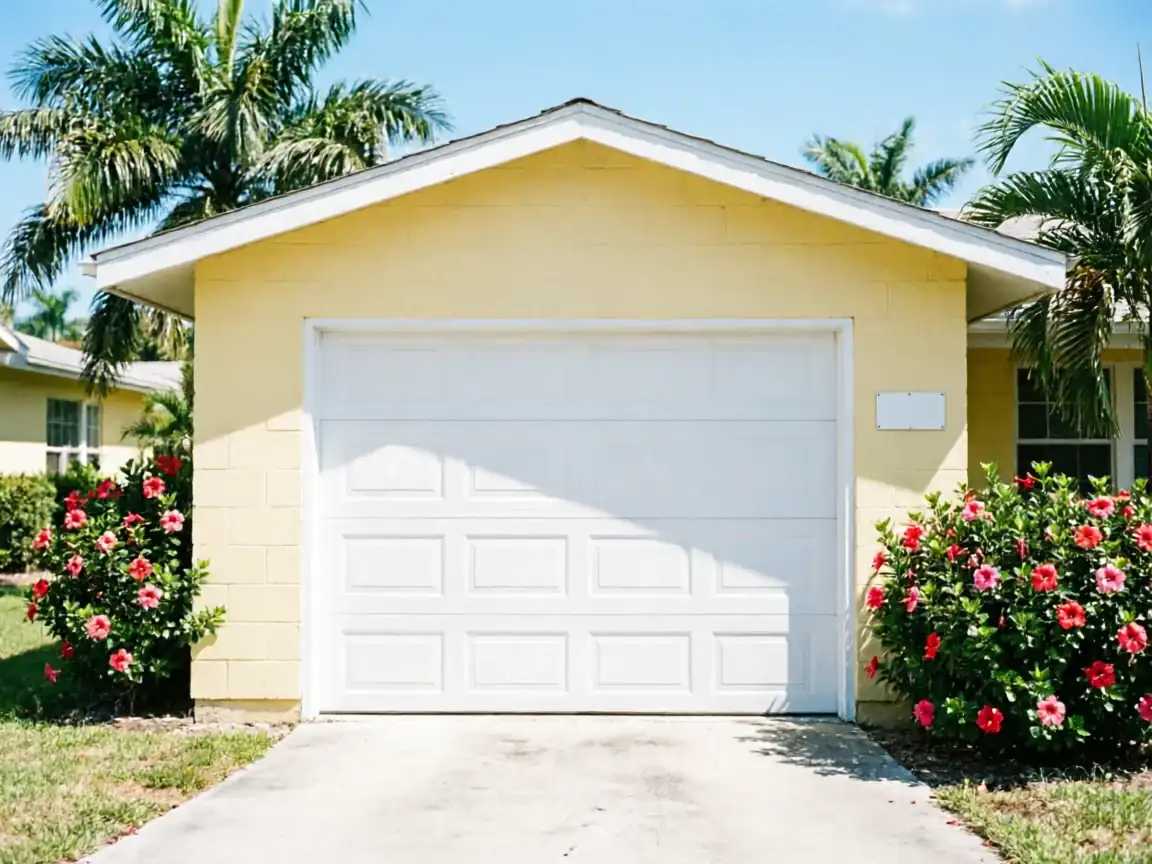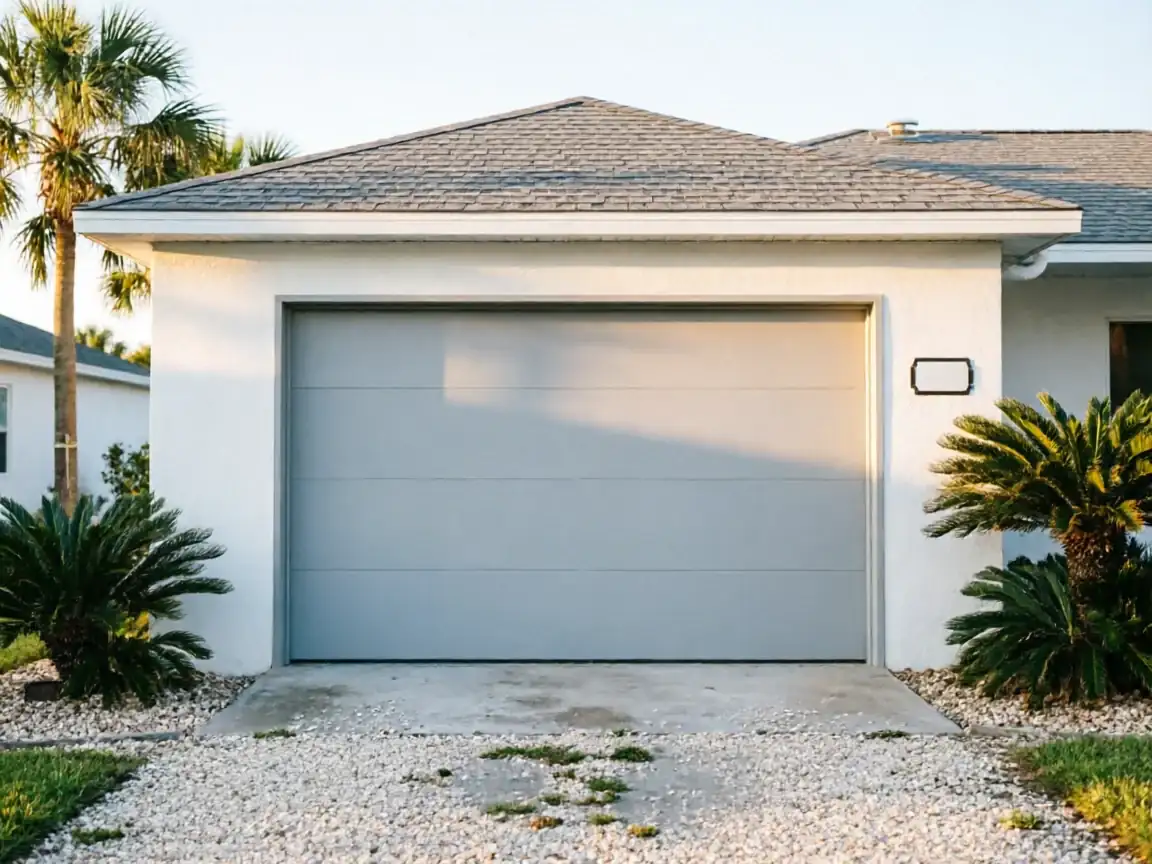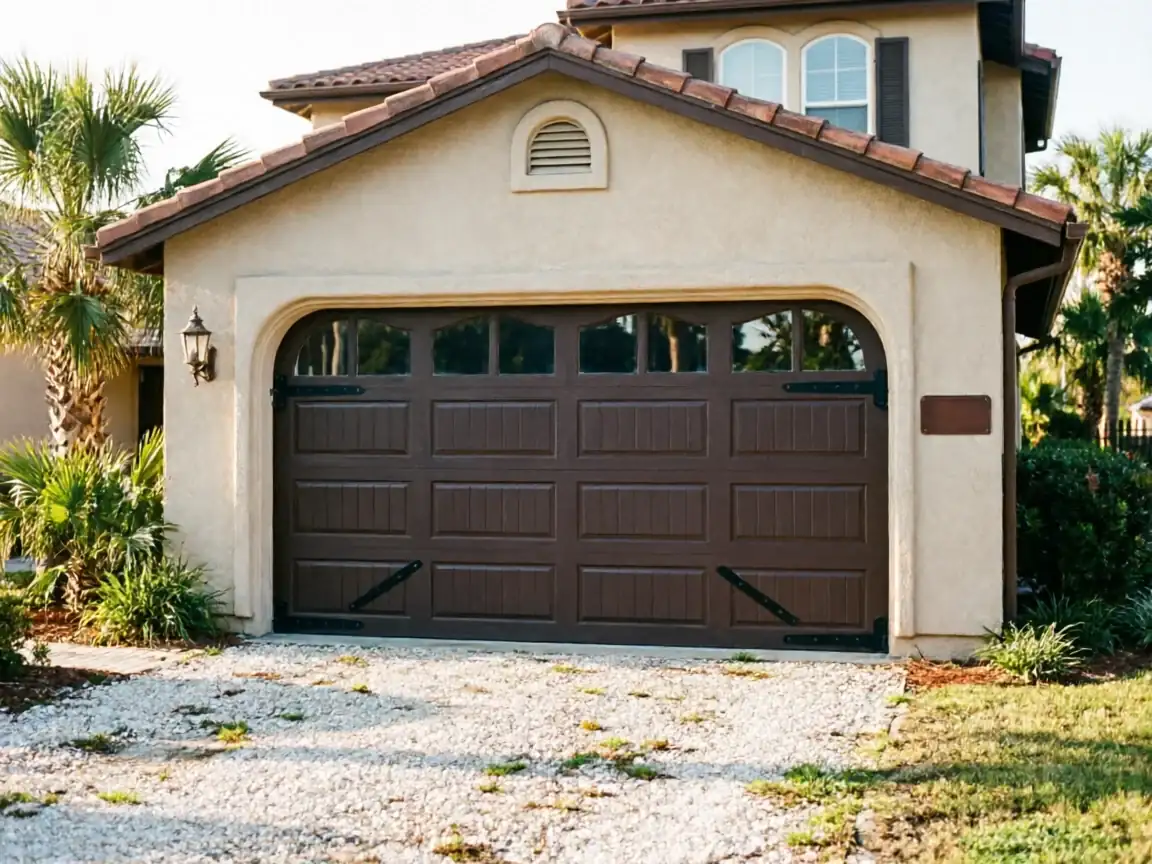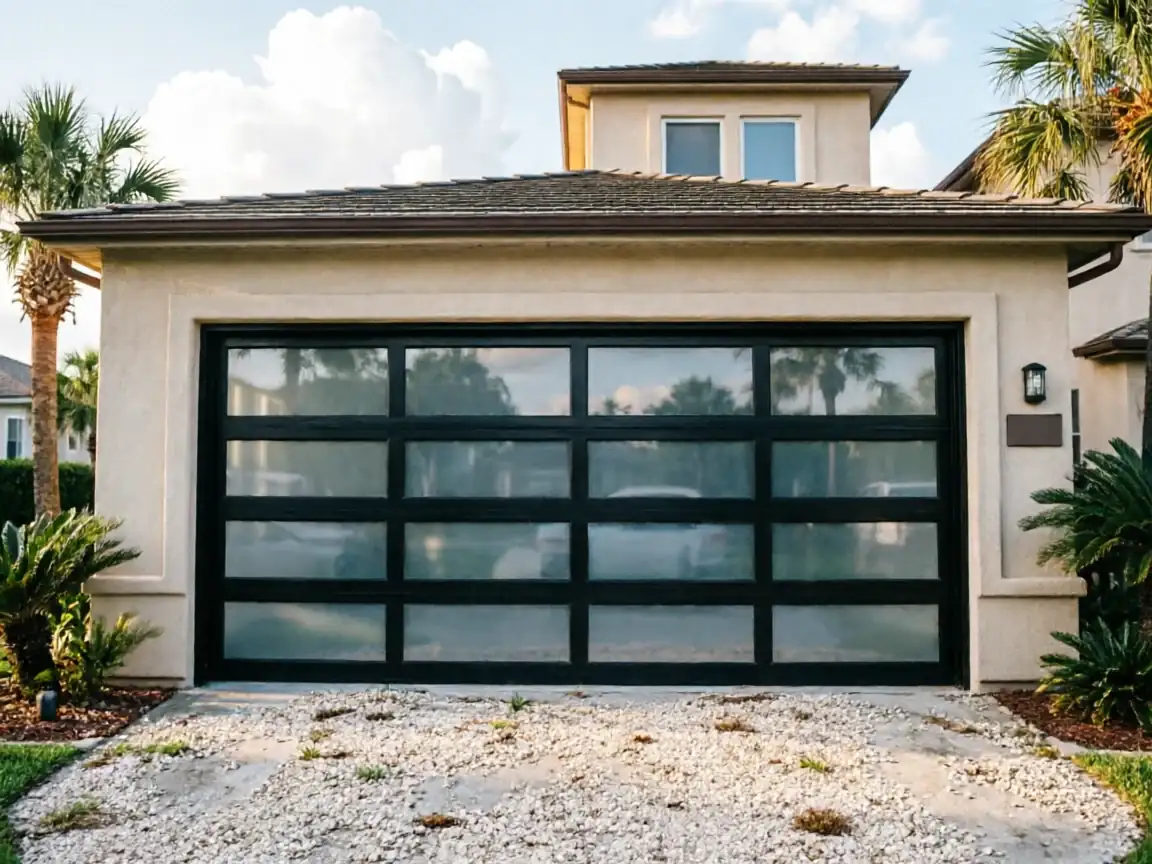
Parts We Carry
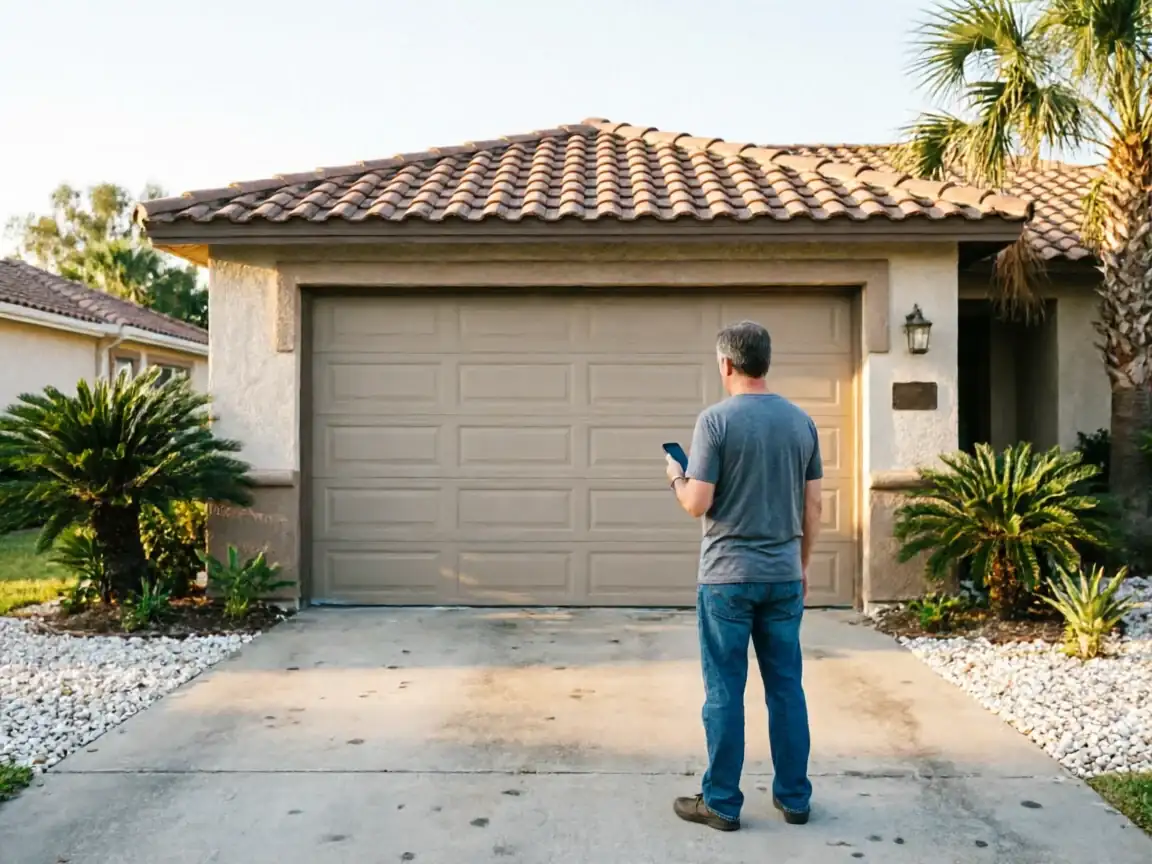
South Daytona is a small town as these things go - about 6,285 households, not the sprawling tract-home grid you get a few miles north. That matters for maintenance because a smaller, older core means the doors we see here skew earlier than the area as a whole. Houses across the wider Daytona Beach service area run 1972 through 1993 with a median around 1986. South Daytona's median build year is 1977, a decade ahead of that curve. A door install from that era is more likely to be running its original torsion spring, a galvanized (not coated) track, and steel hinges that have outlived a couple of openers already.
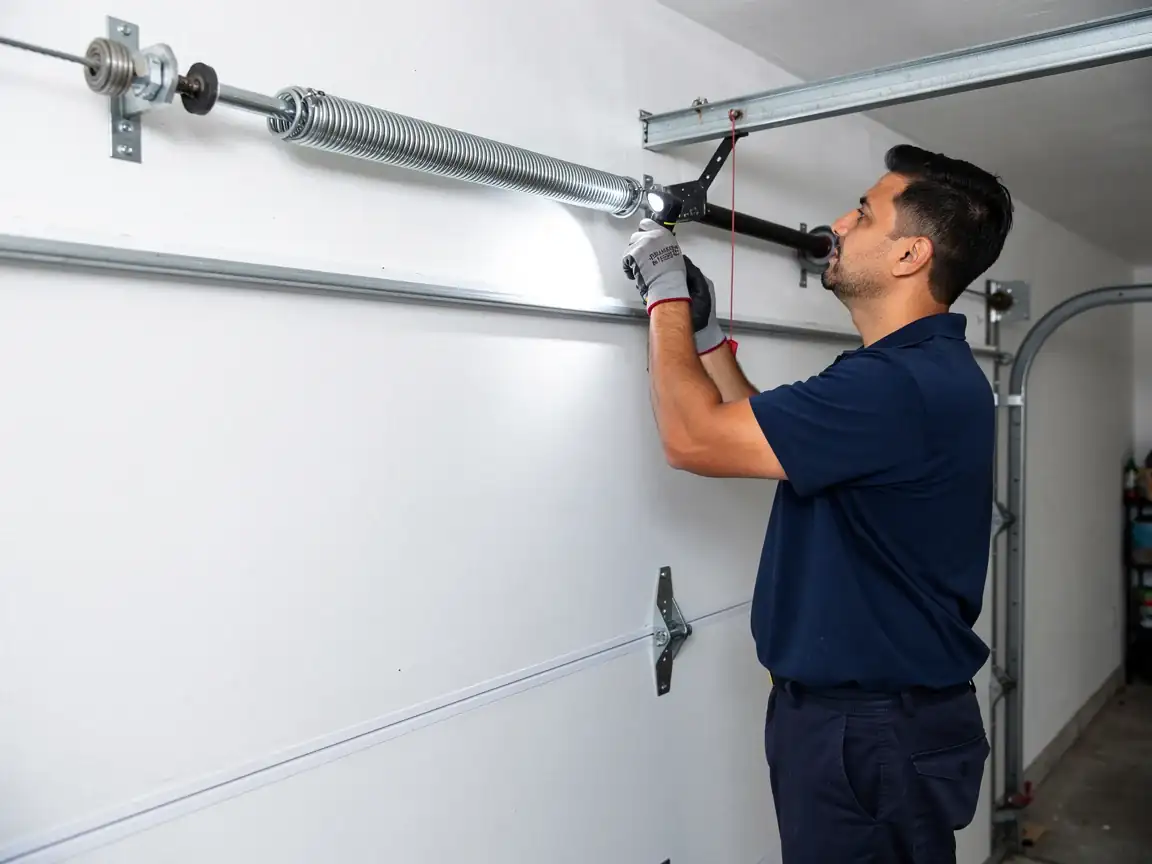
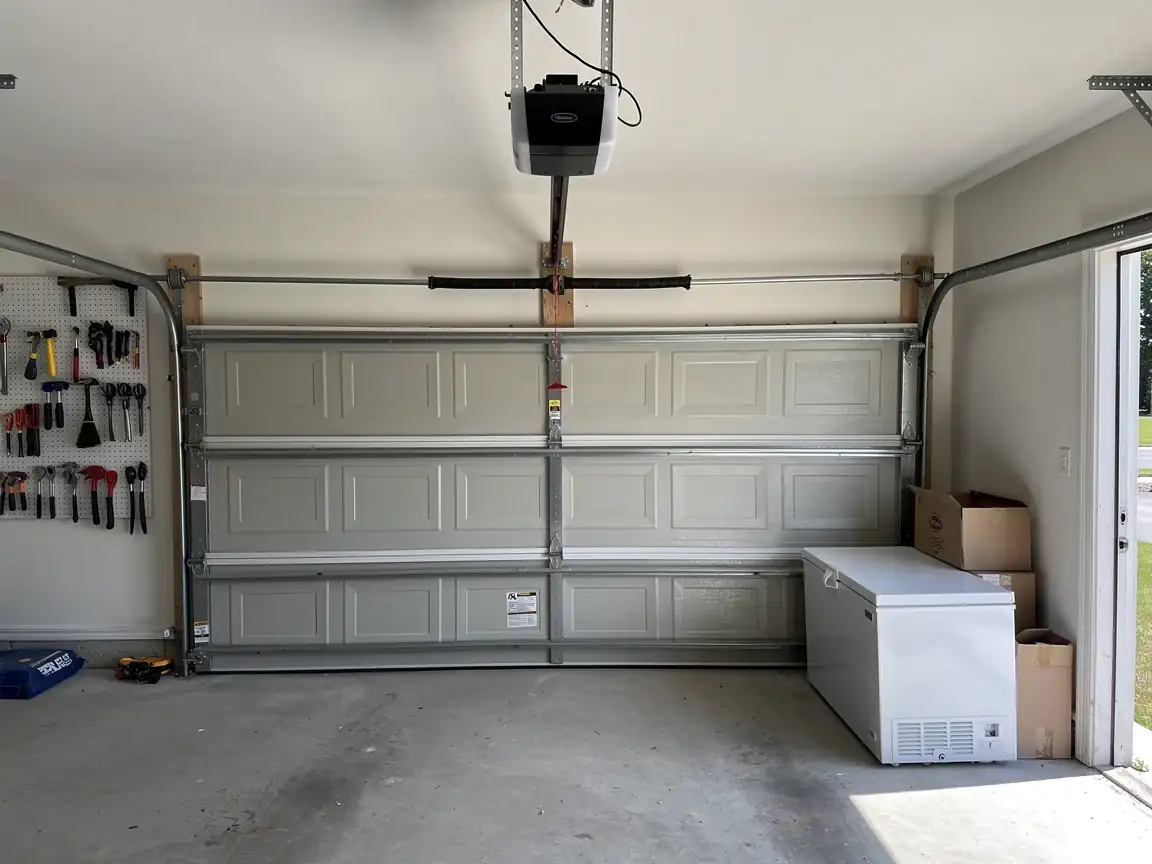
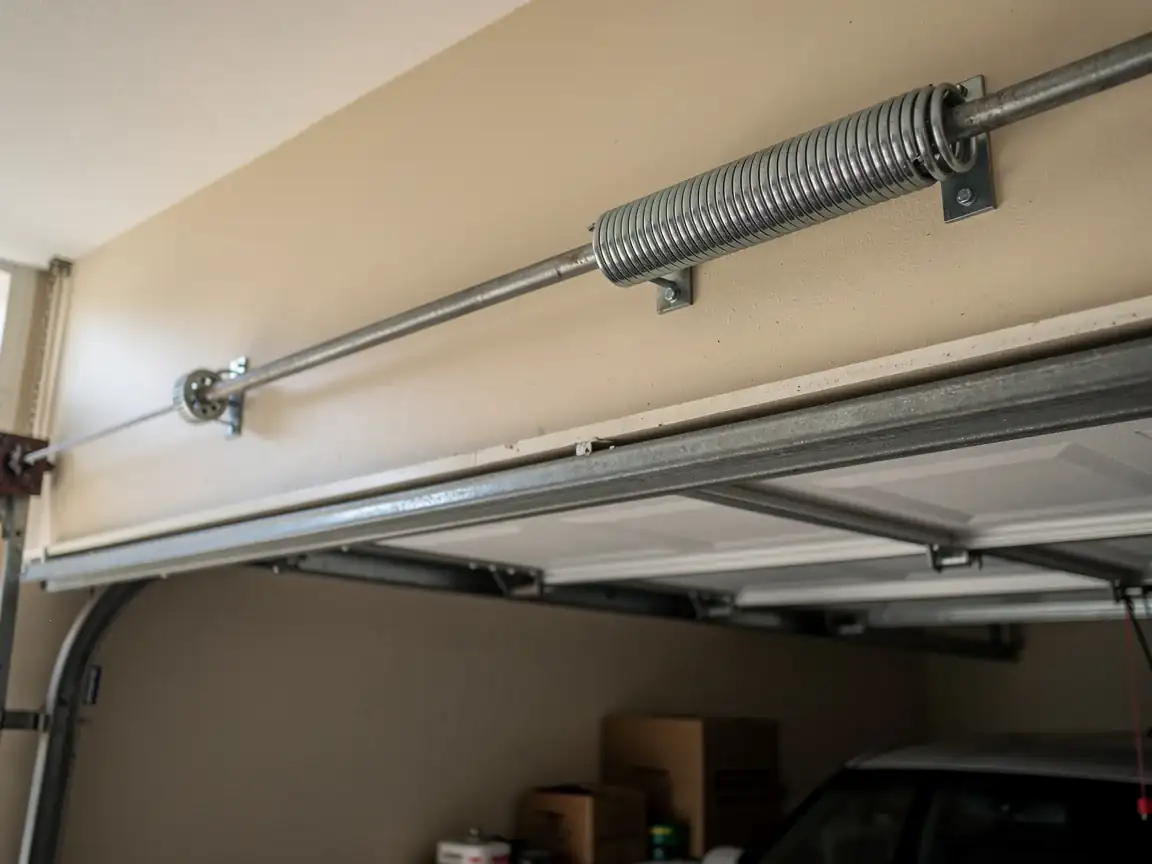
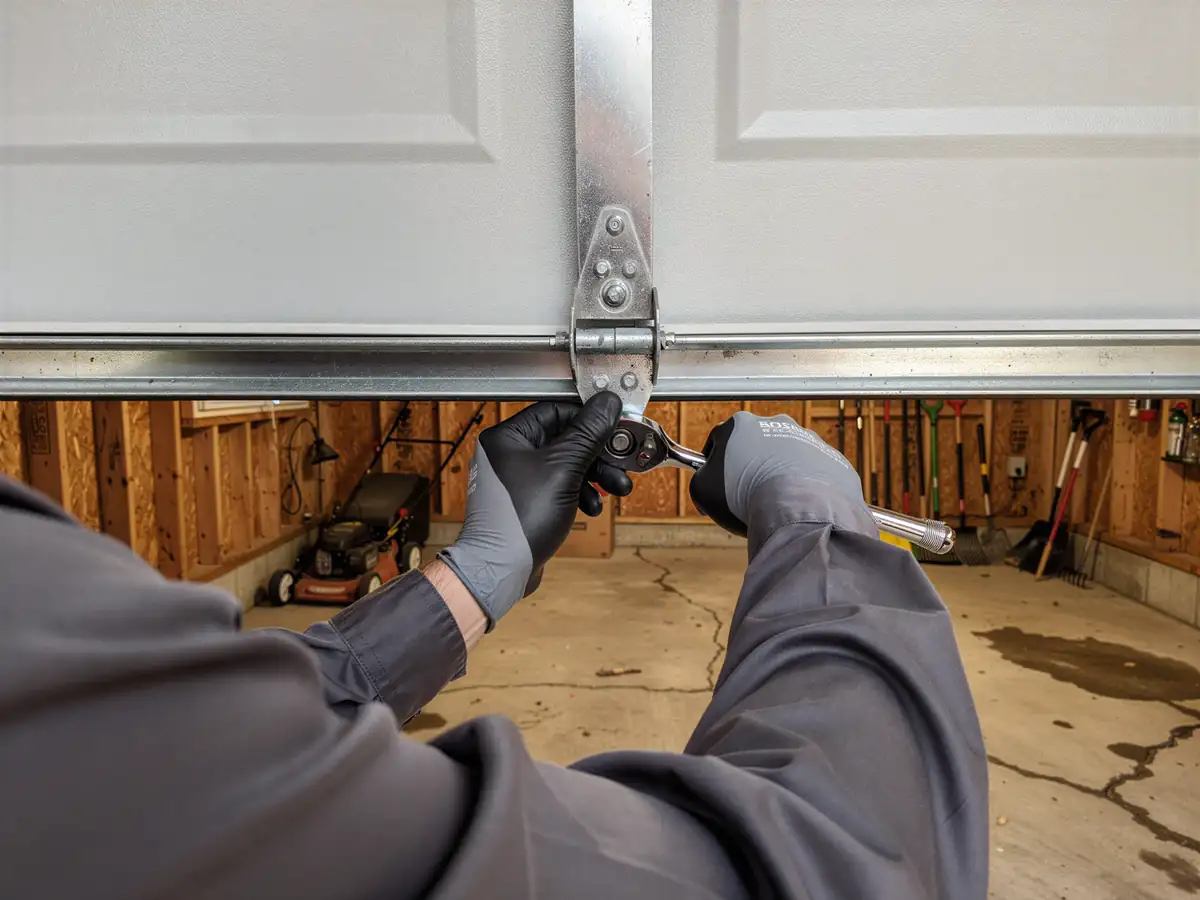
On the truck we carry torsion springs in the sizes that fit those older 7-foot and 8-foot single and double doors, steel rollers (we'll talk you out of the cheap nylon ones if your track geometry is already worn), hinge sets, end bearings, and cable in the gauges those early installs used. We also stock weatherstrip and bottom seal, since rubber this age is usually the first thing to go soft and crack, even without big weather swings to blame.
How Long You Are Without the Door
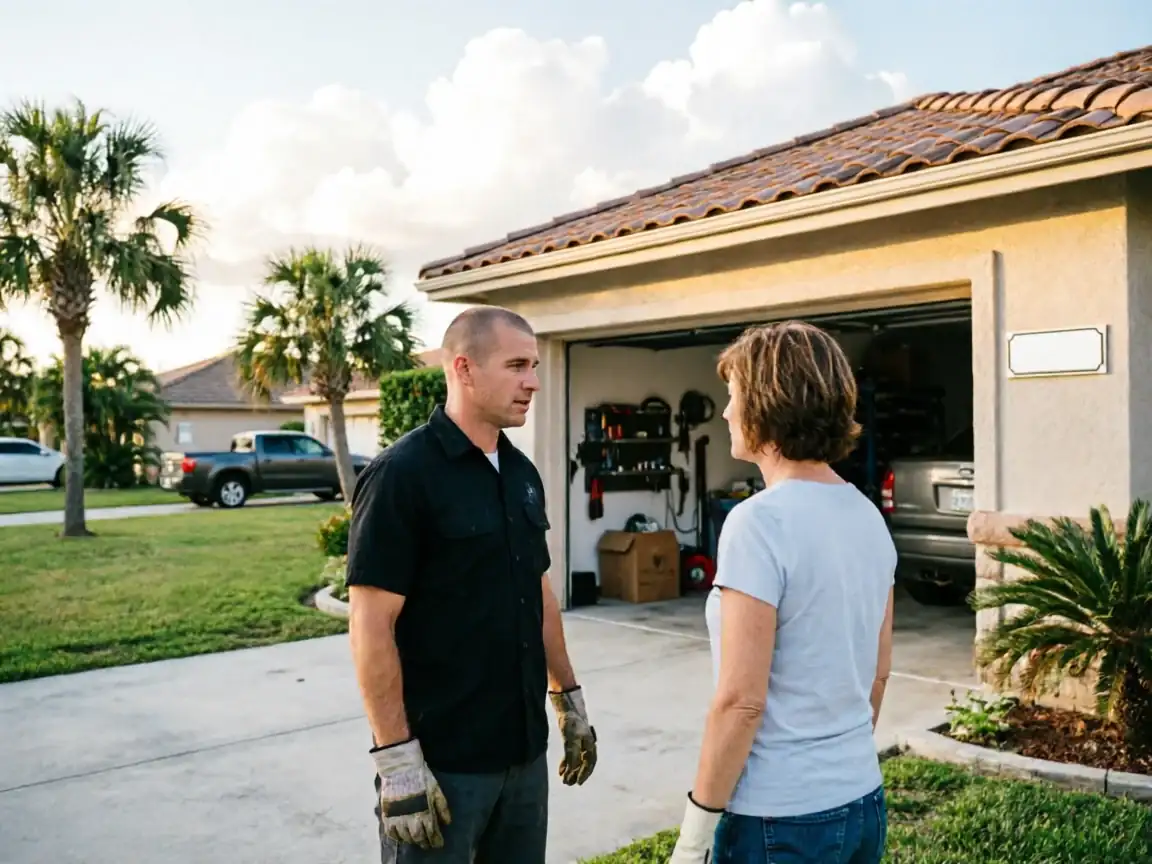
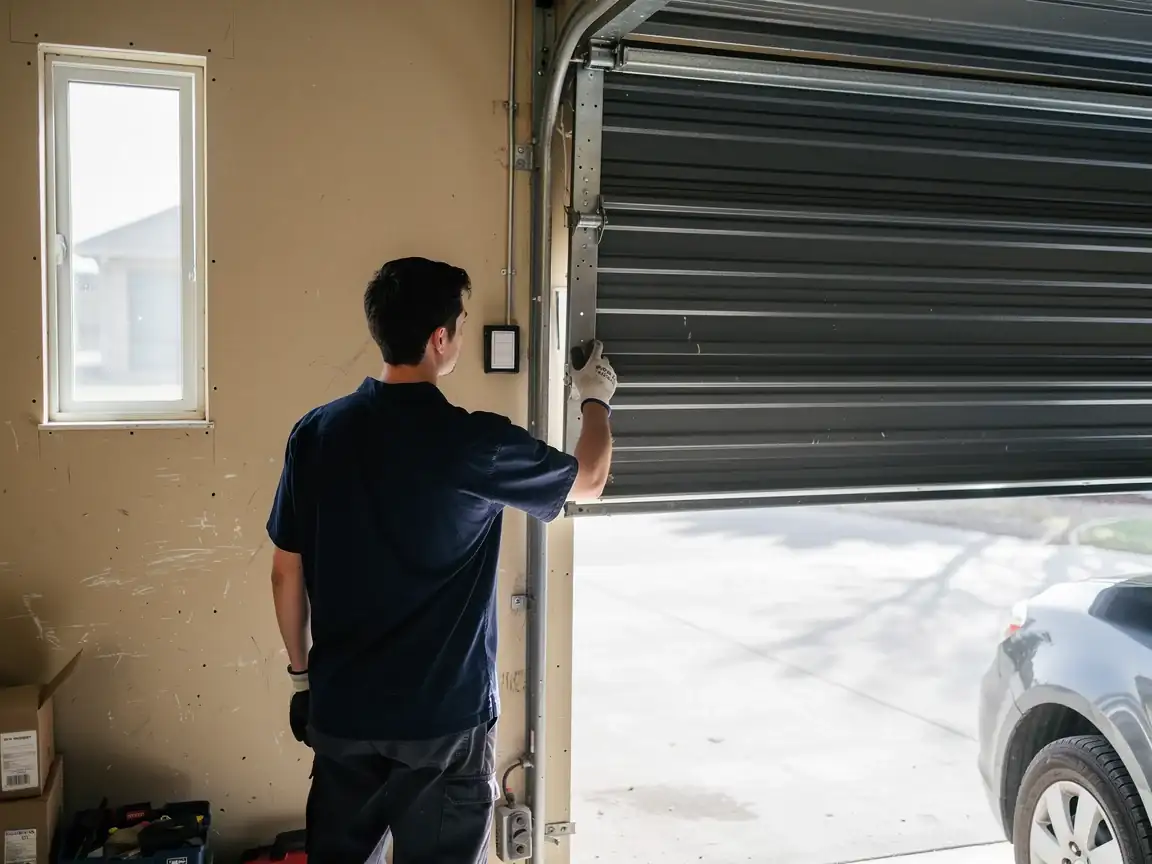
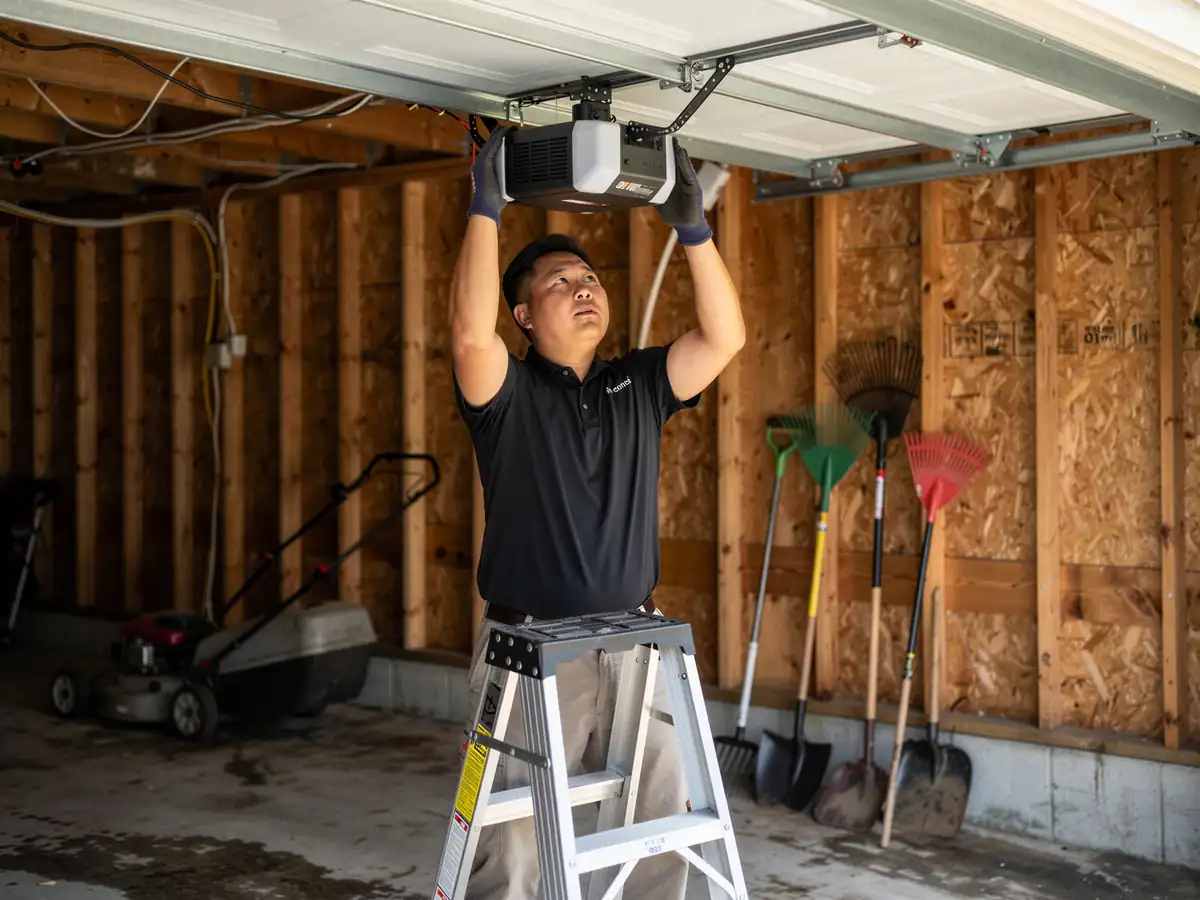
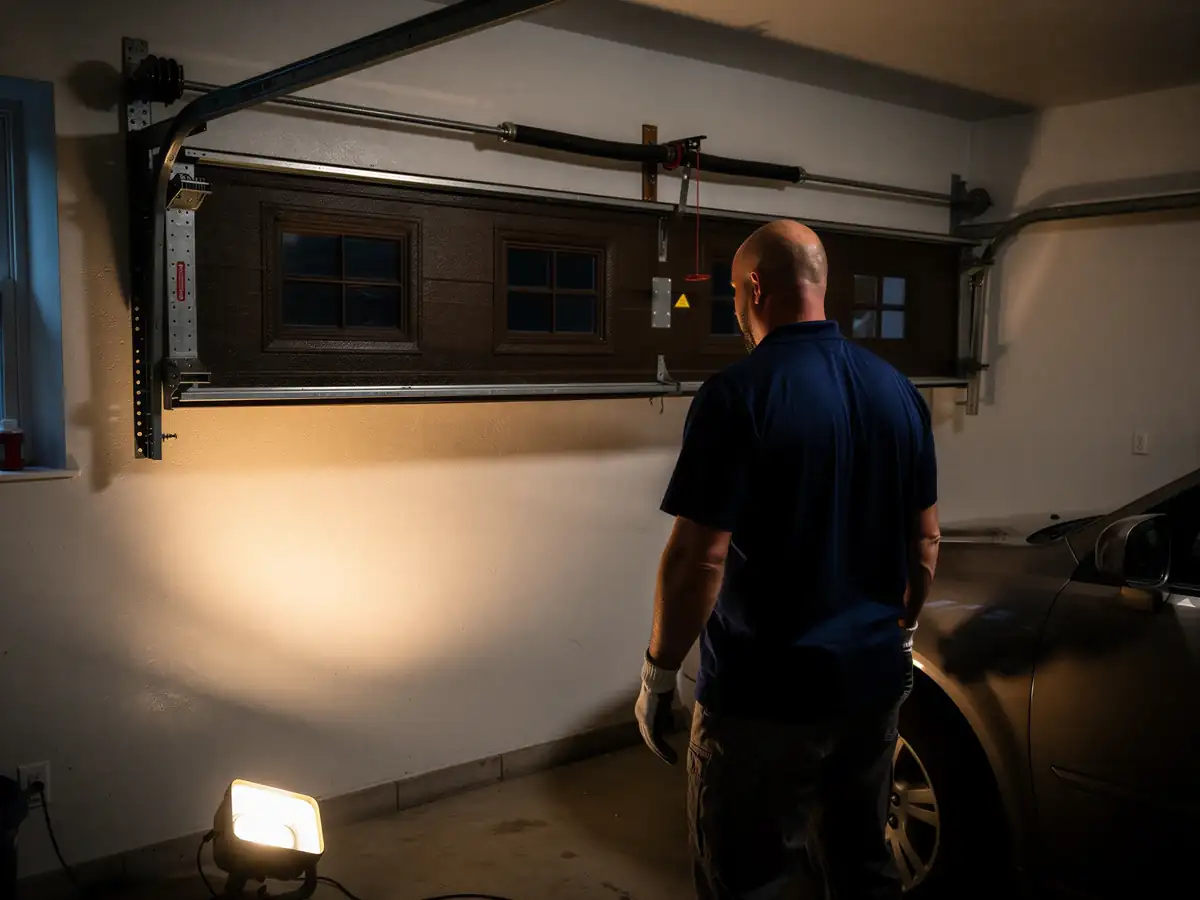
We run out of Daytona Beach, about 6 miles from South Daytona, so there's no branch sitting around the corner. That's the honest part: we don't quote a same-day window here the way we might for jobs closer to the shop. What we can tell you is that most maintenance calls on a door this age - spring tension, track alignment, hinge and roller wear - don't leave the door inoperable while we work. We service one side or section at a time where the hardware allows it, so the car isn't stuck in the garage for the afternoon.
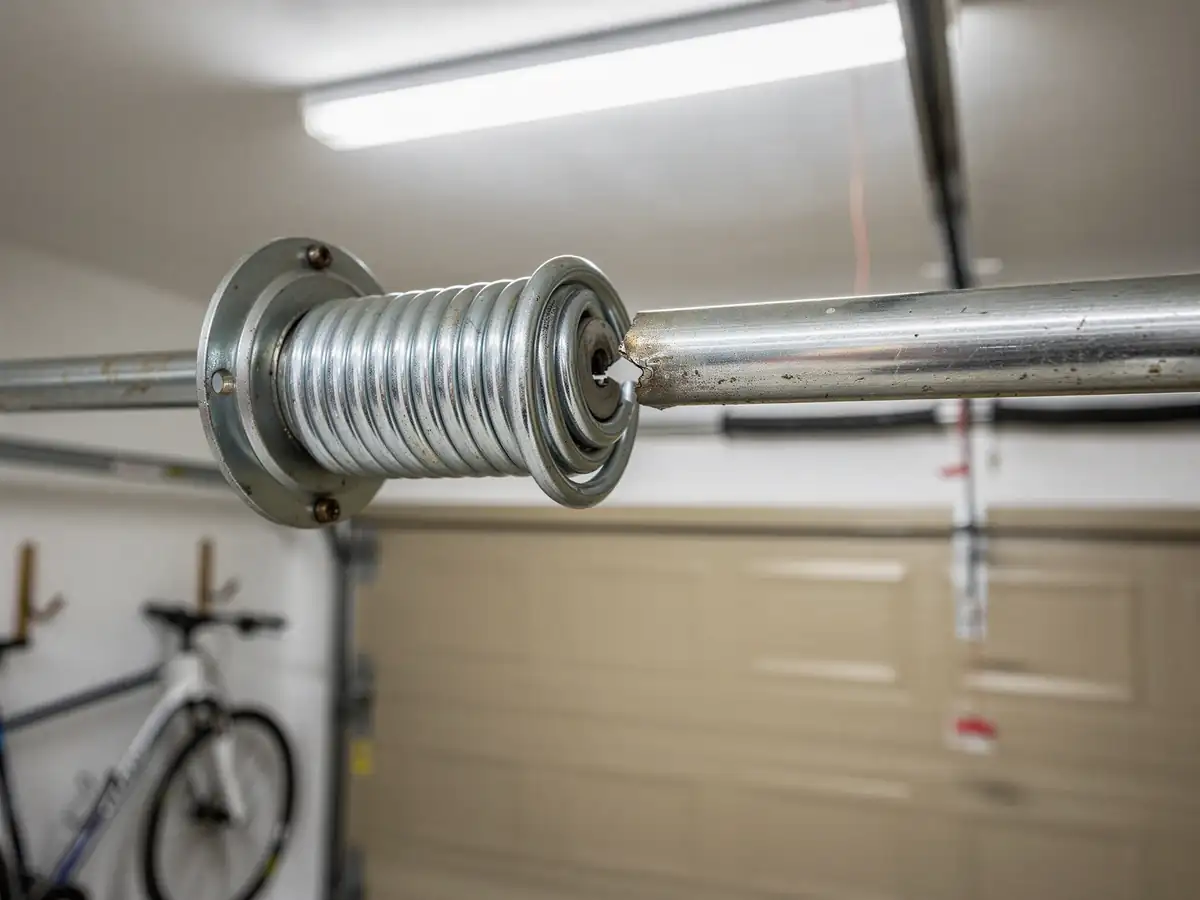
If a spring has already gone on a door that old, that's a different job and a different timeline, since parts for some original 1970s hardware aren't always on the shelf in the exact size - sometimes we're matching with a modern equivalent rather than an identical part, and that takes an extra trip to confirm fit before we commit to it.
What the Repair Takes
A standard maintenance visit on a South Daytona door covers the same ground regardless of exact age
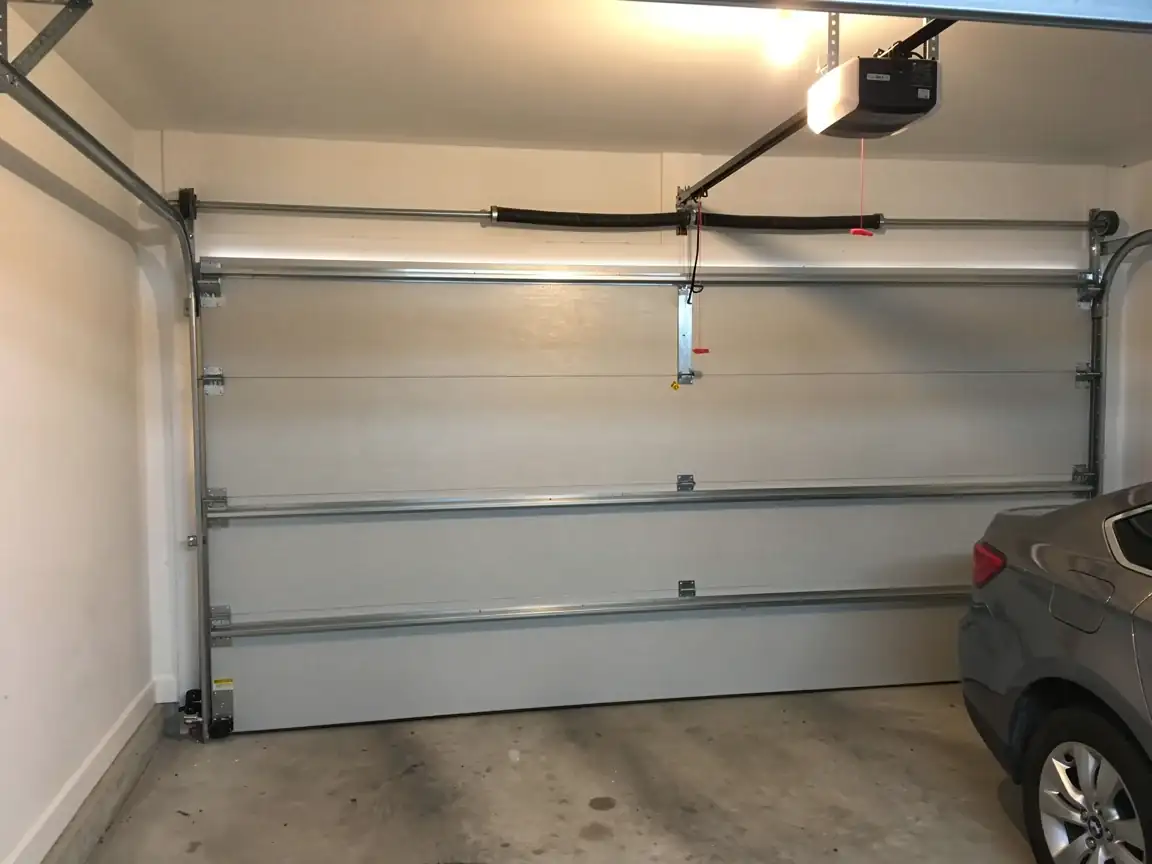
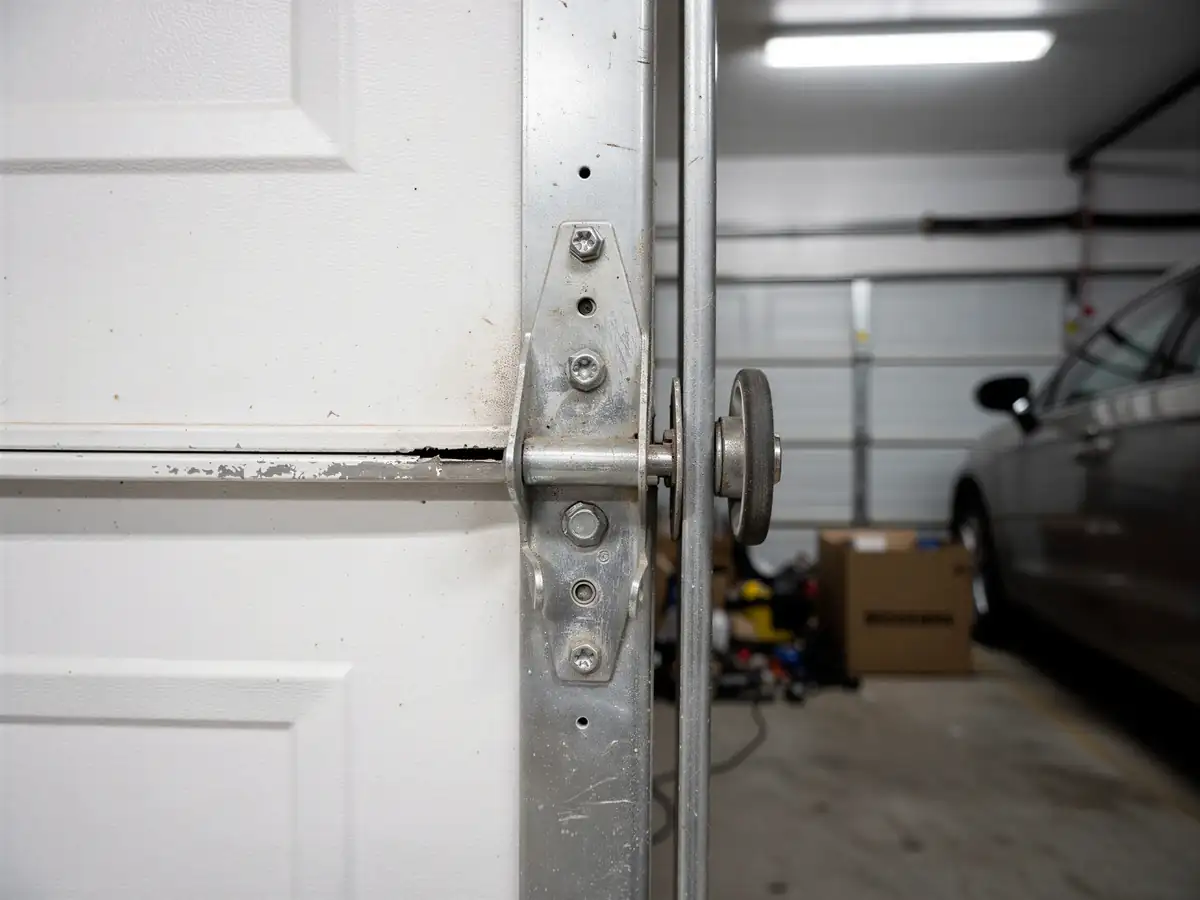
Spring tension check, track alignment, roller and hinge inspection, cable condition, and lubrication of every moving metal part. Mild temperate conditions here mean we're not fighting hard freeze-thaw cycling or heavy snow load on the hardware - that's one less stress factor than a lot of the country deals with, which is part of why doors from 1977 are still running at all. It also means the failures we see are mechanical wear and fatigue rather than weather damage: a spring that's done its 10,000 cycles, a roller that's worn its track groove uneven, hinges with play that's loosened the panel seams.
We adjust what can be adjusted and flag what can't
If a door's original hardware is worn past safe adjustment - stretched cable, a spring with visible coil damage - we'll say so rather than force another six months out of a part that's done.
Can You Do This Yourself
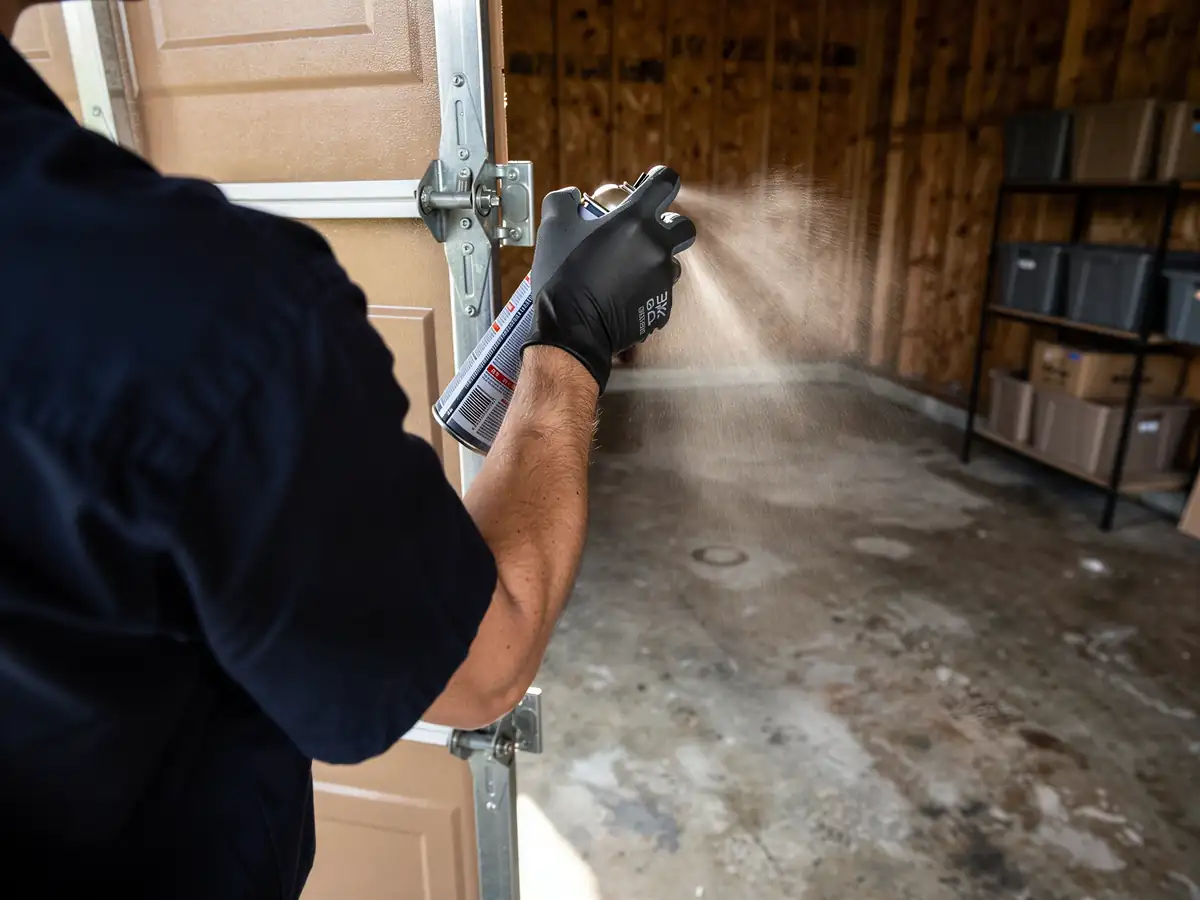
Plenty of this is reasonable to handle yourself: wiping down and lubricating tracks and hinges, checking that the bottom seal still makes full contact with the slab, listening for new grinding or popping sounds and calling before they turn into a stuck door. What you shouldn't do yourself is anything involving the torsion spring - those are under heavy tension and the ones on an older door, sized for hardware nobody's making new anymore, are not a part to improvise with a universal replacement.
If your South Daytona house is on or near its original door from the 1970s, a yearly check of the spring and cable condition is worth more than any amount of DIY lubrication. That's the one piece of this job where getting it wrong doesn't mean a squeaky door - it means a 150-pound panel coming down without anything holding it.