Why This Fails Locally
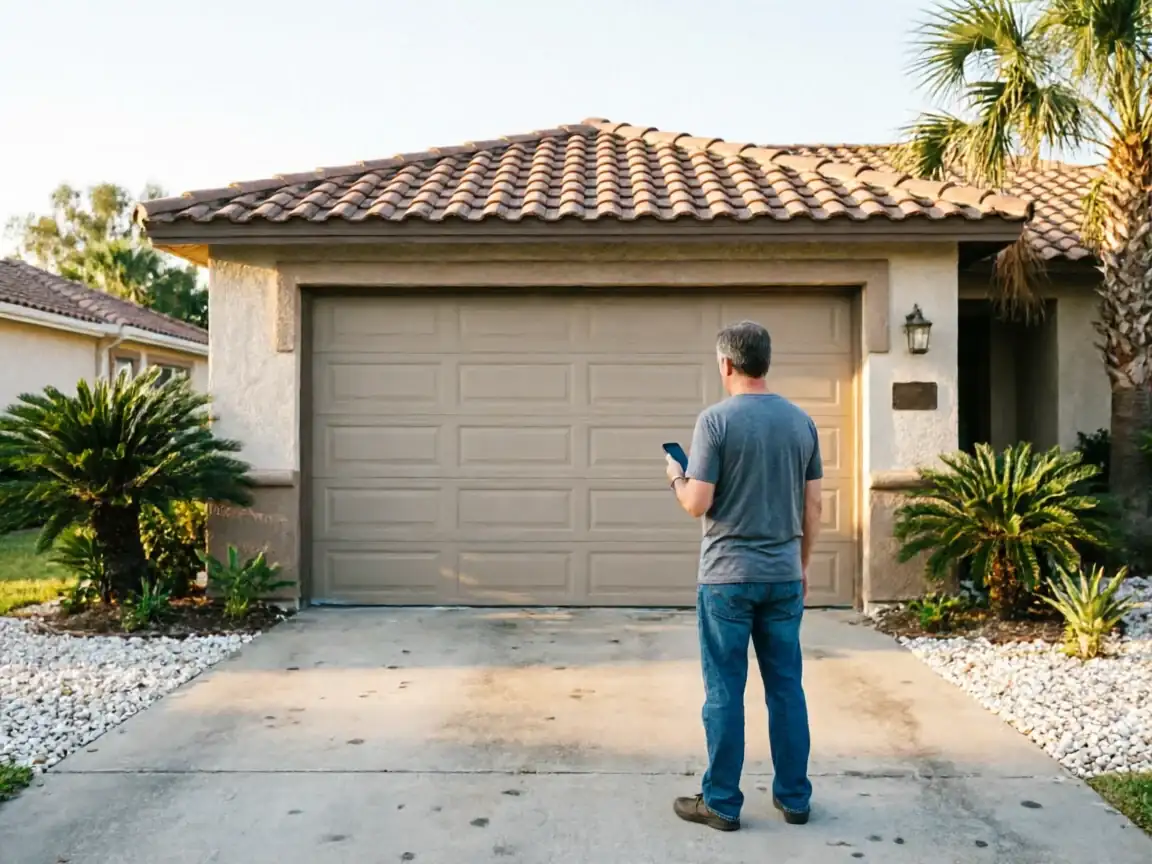
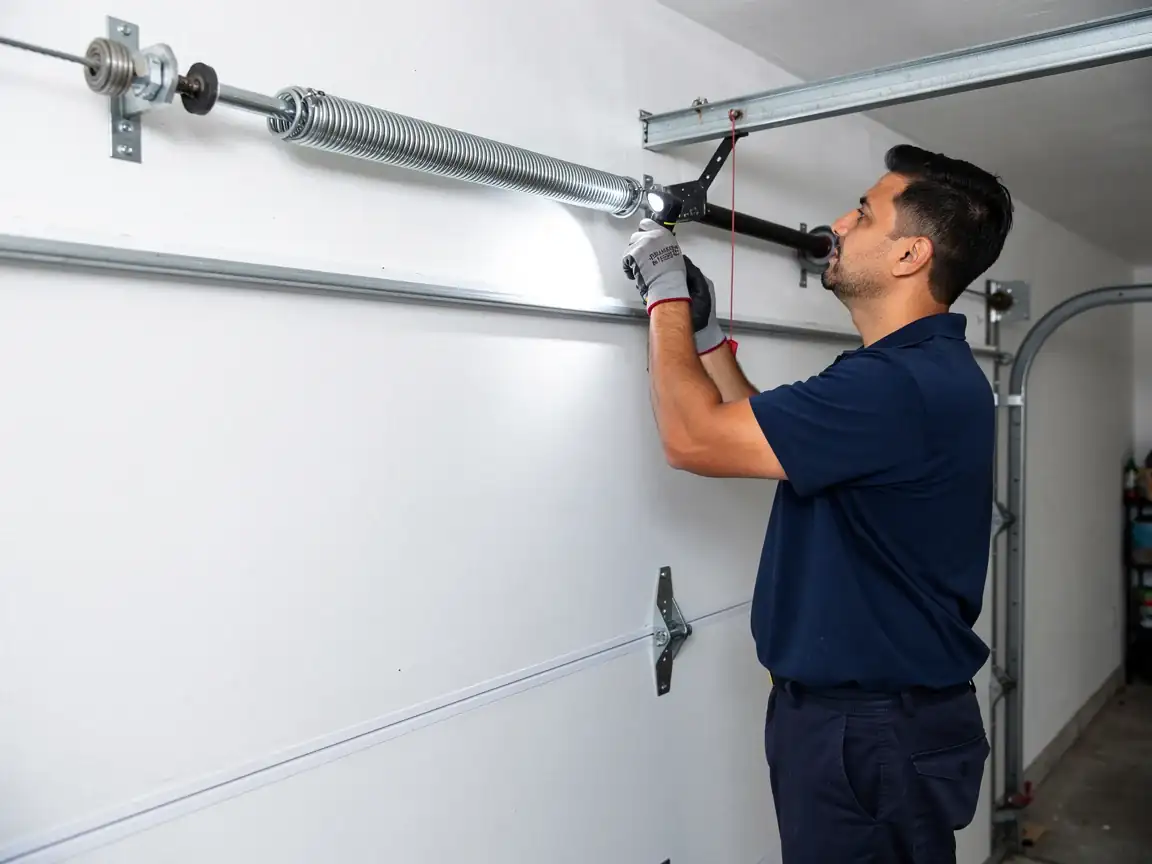
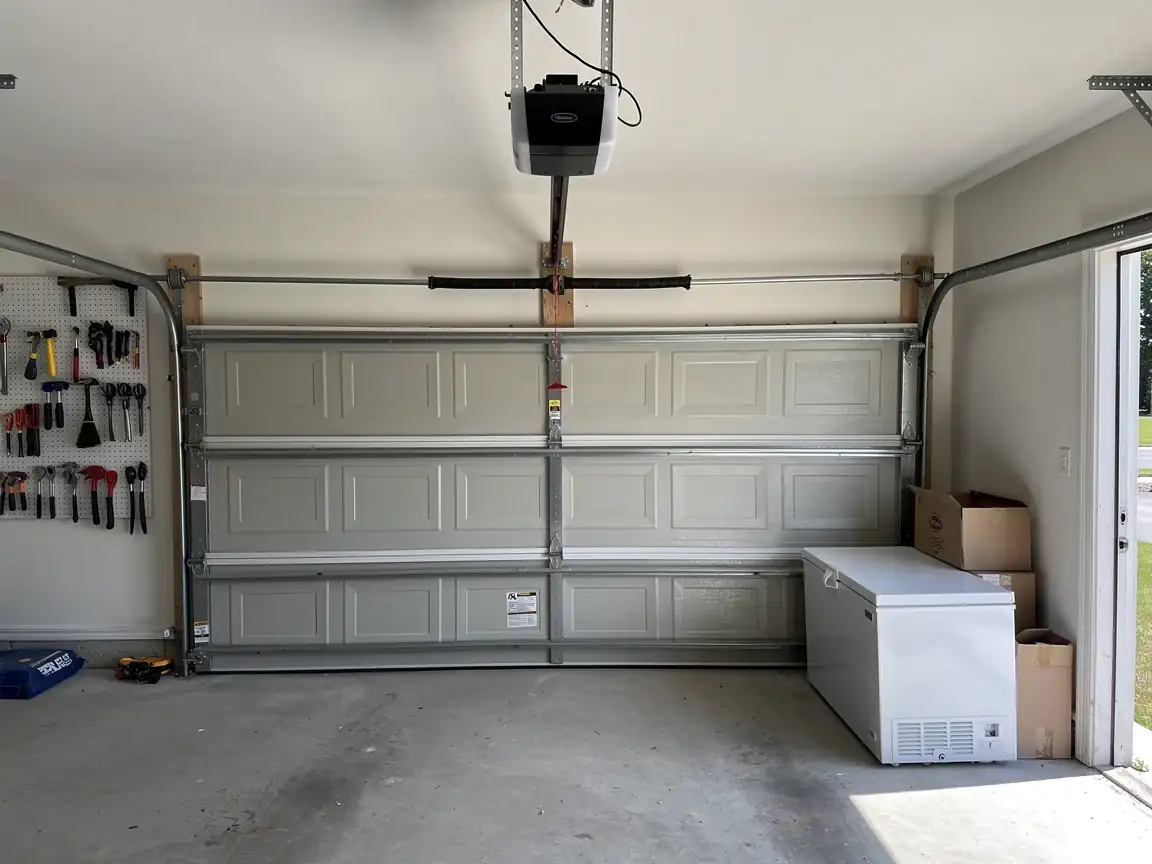
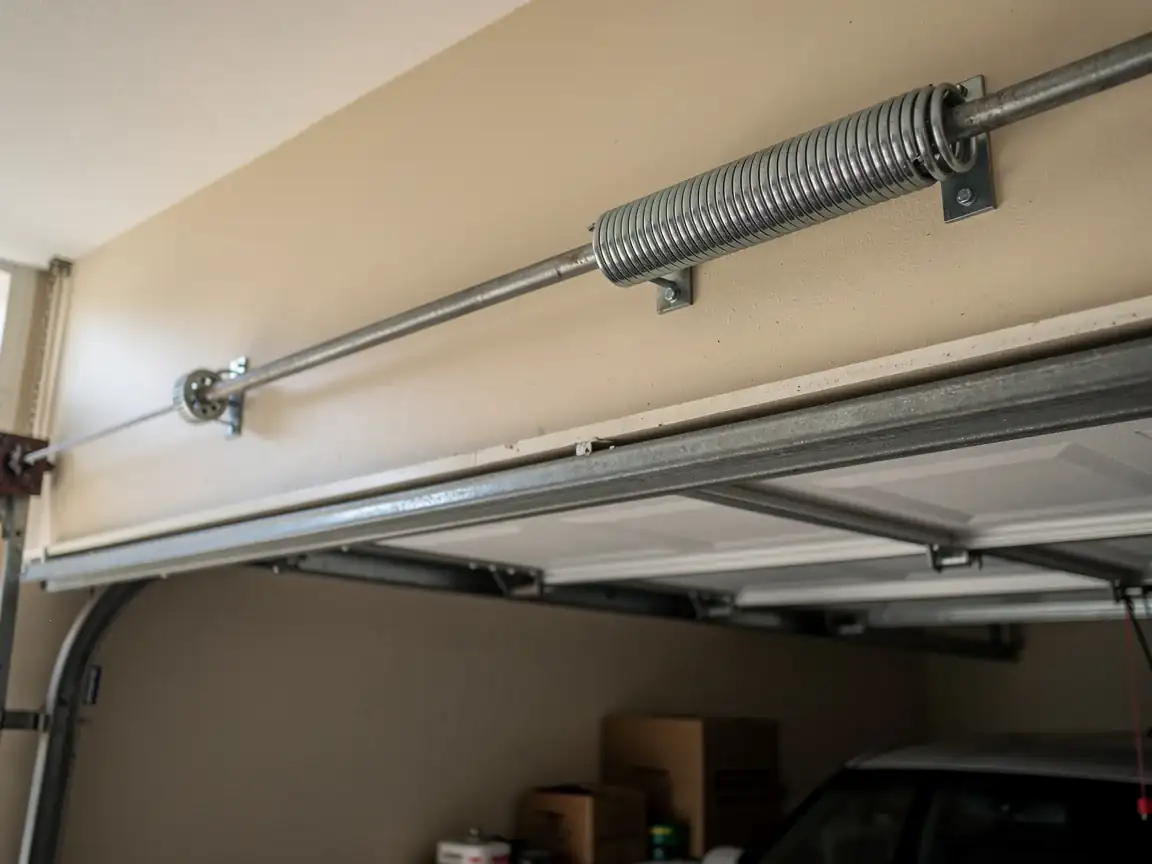
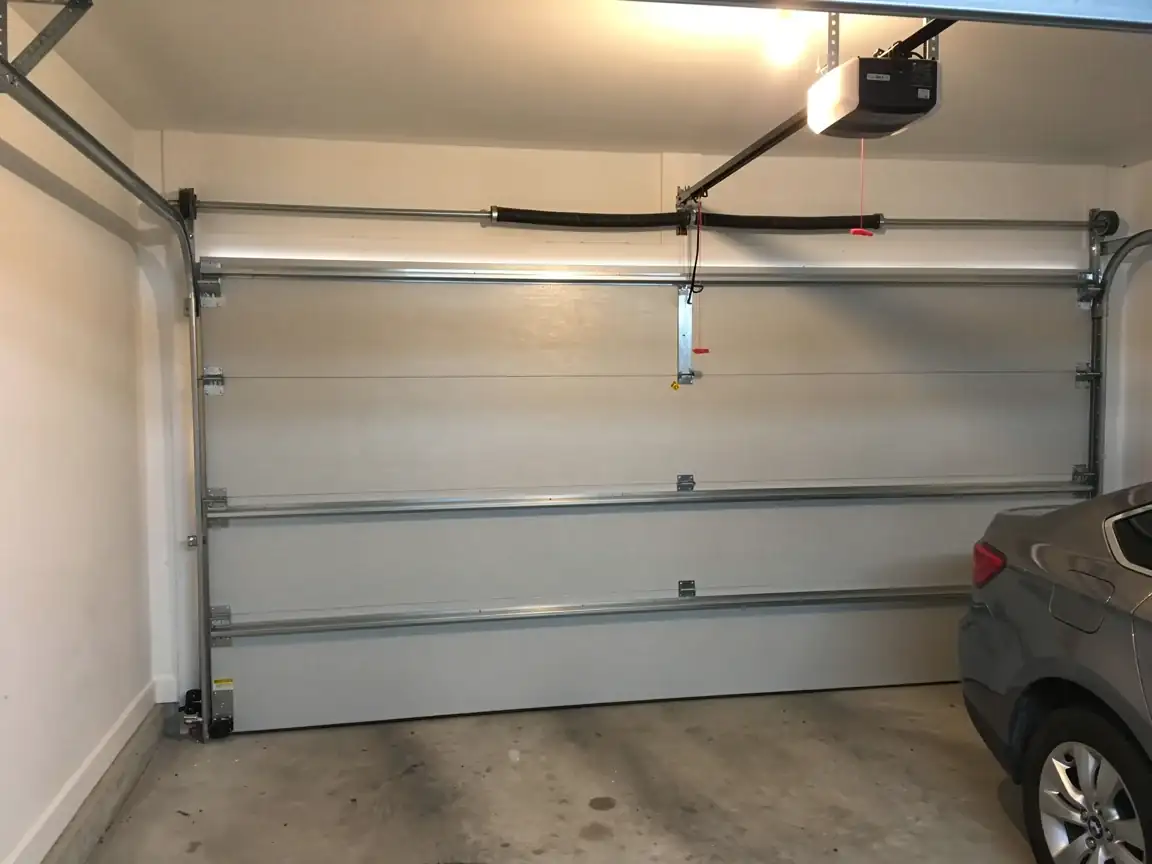
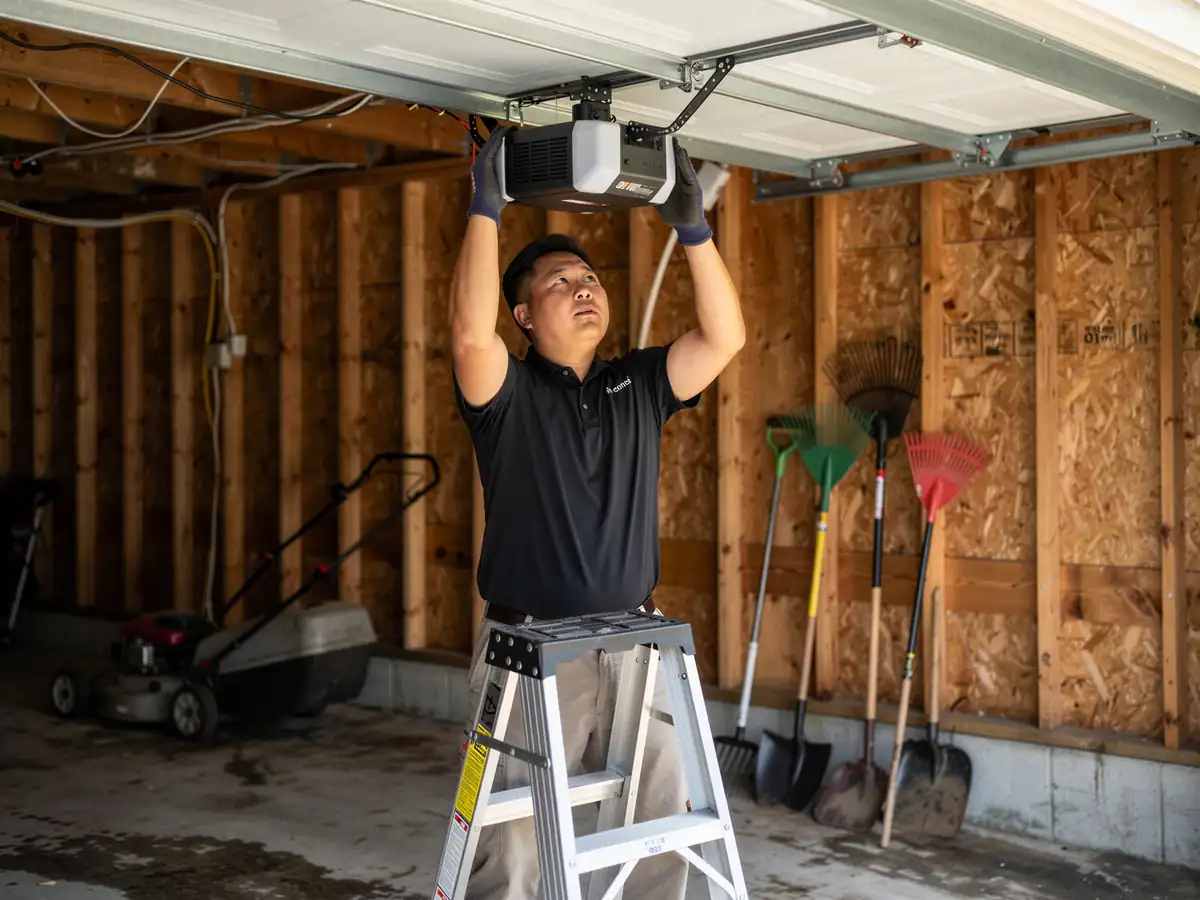
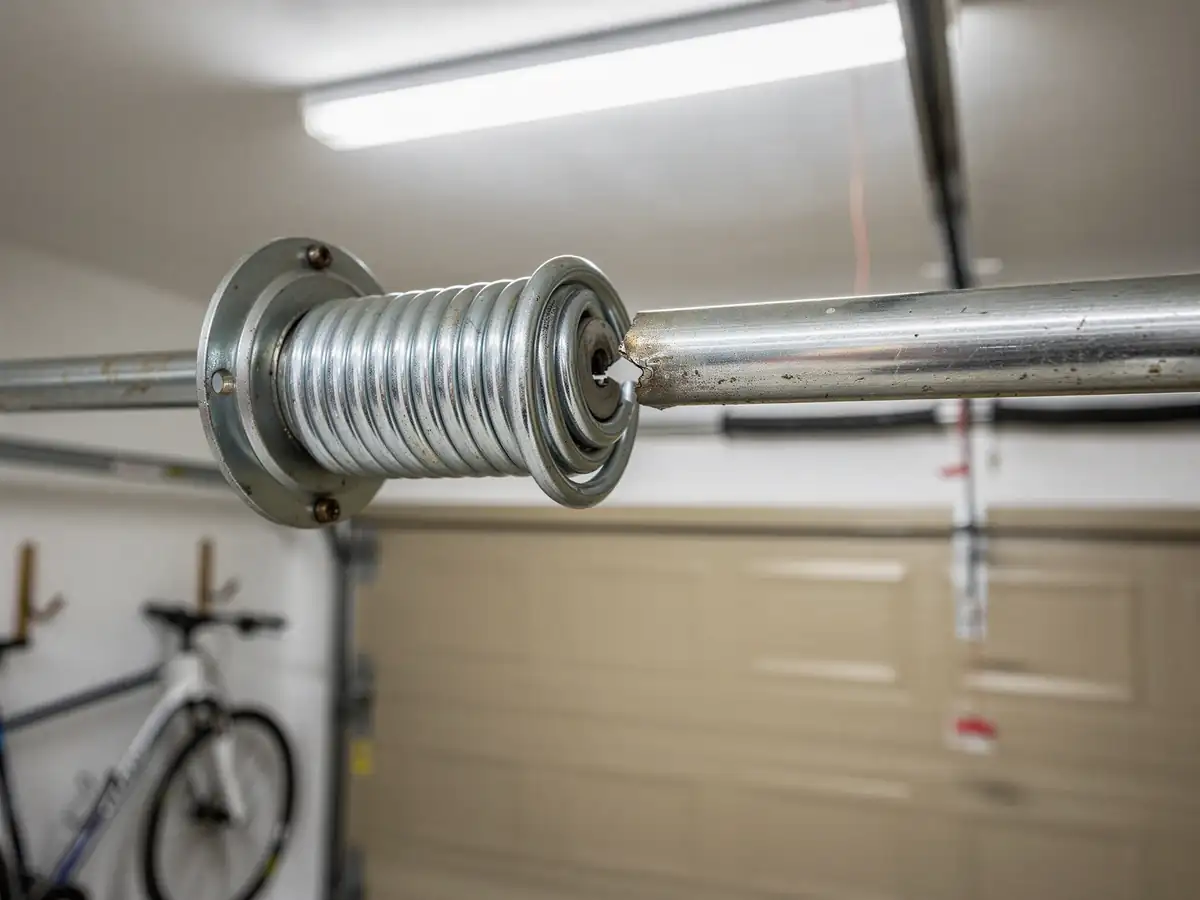
Most garages in Edgewater sit behind a steel sectional door hung in 1987 or thereabouts, give or take a few years either side. That's the era most of this town was built in, and it shows in the hardware: single galvanized torsion springs on a steel shaft, stamped steel rollers, a center-mounted opener bolted into ceiling joists that have had almost four decades to sag a little. These are not bad doors. They're just old doors, built to a spec nobody uses anymore - thinner panel steel than what ships today, and springs wound to a weight rating that assumed the door was new.
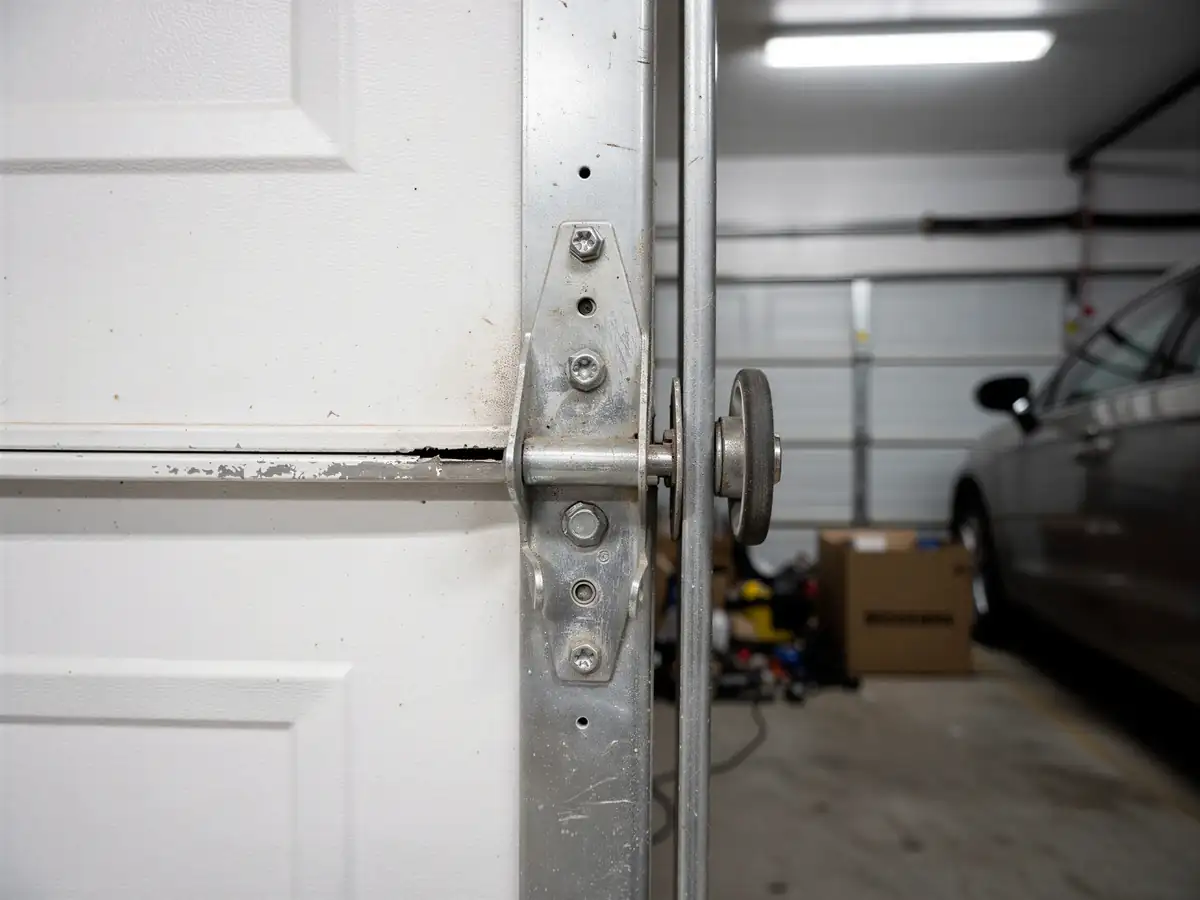
The mild temperate climate out here hasn't cooked these doors the way a desert town would, so you don't see the dry-rot cracking or sun-warped panels we'd expect somewhere hotter. What you do see after 35+ years is fatigue: springs that have cycled tens of thousands of times, rollers worn oval instead of round, cable strands starting to fray at the drum. None of it announces itself with a bang. It shows up as a door that's slower, louder, and a little less level than it used to be.
We come out from Daytona Beach, about 19 miles away, so a maintenance visit here isn't a same-day drop-in - it's worth bundling the inspection with whatever else needs a look while the truck is already on site.
The Complications
A door built in 1987 was sized and sprung for the hardware of 1987. Over the years, a lot of these doors picked up a heavier opener, an added bottom seal, or a second coat of paint - small weight changes that a spring calibrated three decades ago wasn't set up to handle. That's part of why a door that 'just needs oil' sometimes needs a spring adjustment instead.
Edgewater's housing stock is also fairly uniform - this is a town where a large share of homes went up in the same ten-to-fifteen year window, so a lot of doors are hitting end-of-service-life around the same time. That's useful to know if you're planning maintenance rather than reacting to a snapped cable: the parts that fail first on your neighbor's door from the same era are usually the same parts that'll fail first on yours.
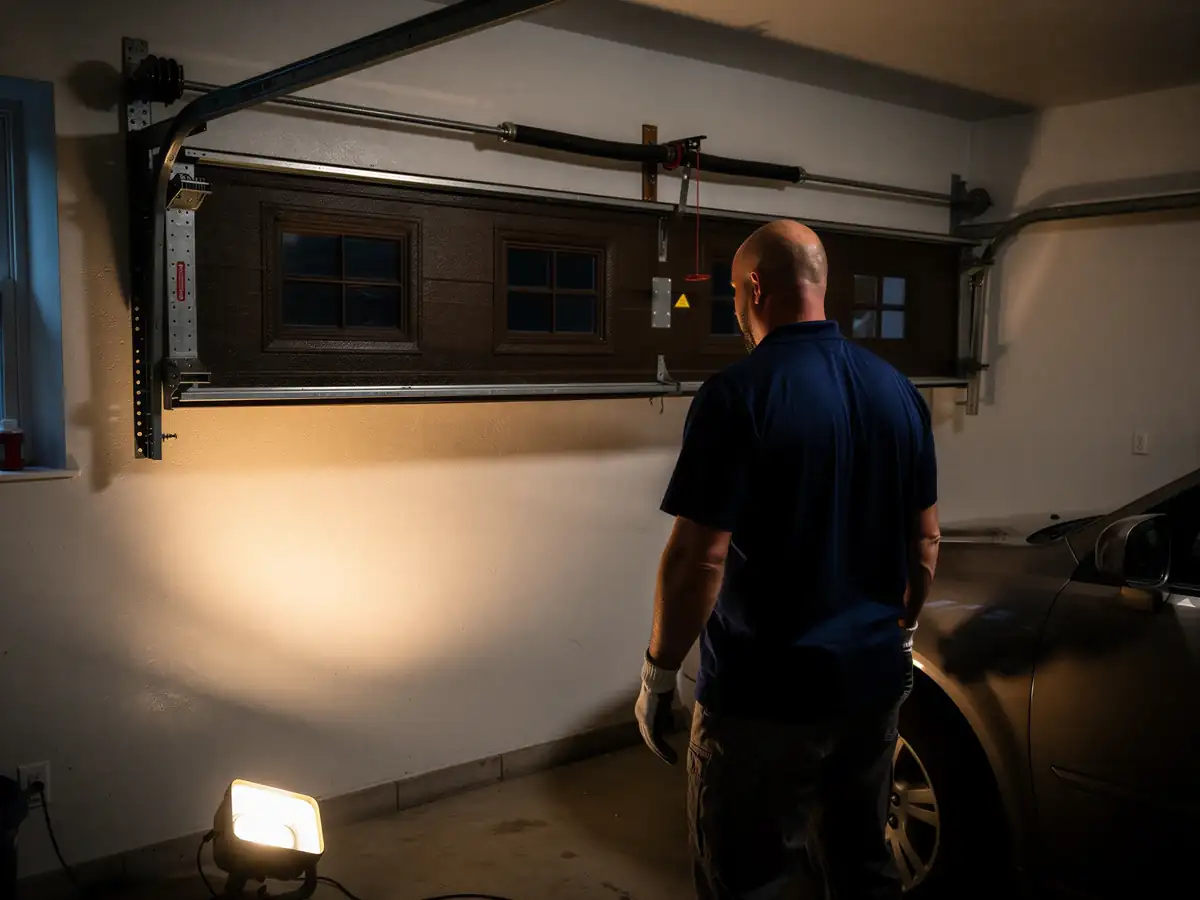
We won't pretend every door is worth saving. If the track is bent from a car backing into it, or the panel steel has rusted through at the bottom section, patching it is a short-term fix at best. Past a certain point, replacing the door costs less over five years than repeatedly repairing it. We'll tell you straight which side of that line your door is on.
Parts We Carry
For doors in Edgewater's age range, the parts we see most often are torsion springs sized to the original door weight, steel and nylon rollers, lift cables, and the center bearing plates that wear out from decades of shaft rotation
We also carry standard opener drive components - belts, chains, and gear sets - for the mid-weight residential openers common on doors this age.
What we don't carry on the truck is anything discontinued or proprietary to a long-defunct manufacturer
Some 1980s doors used hardware specs that haven't been made in years, and if that's what's on your door, we'll source what we can or talk through a full hardware swap instead of chasing a part that doesn't exist anymore. That's the honest limit of what a service truck can stock - we're not carrying forty years of obsolete inventory for a door brand that stopped production before most of our customers' kids were born.
Maintenance visits are where we catch this early
We can usually spot a spring near the end of its cycle count or a roller close to failing before it strands your car in the garage.
How Long You Are Without the Door
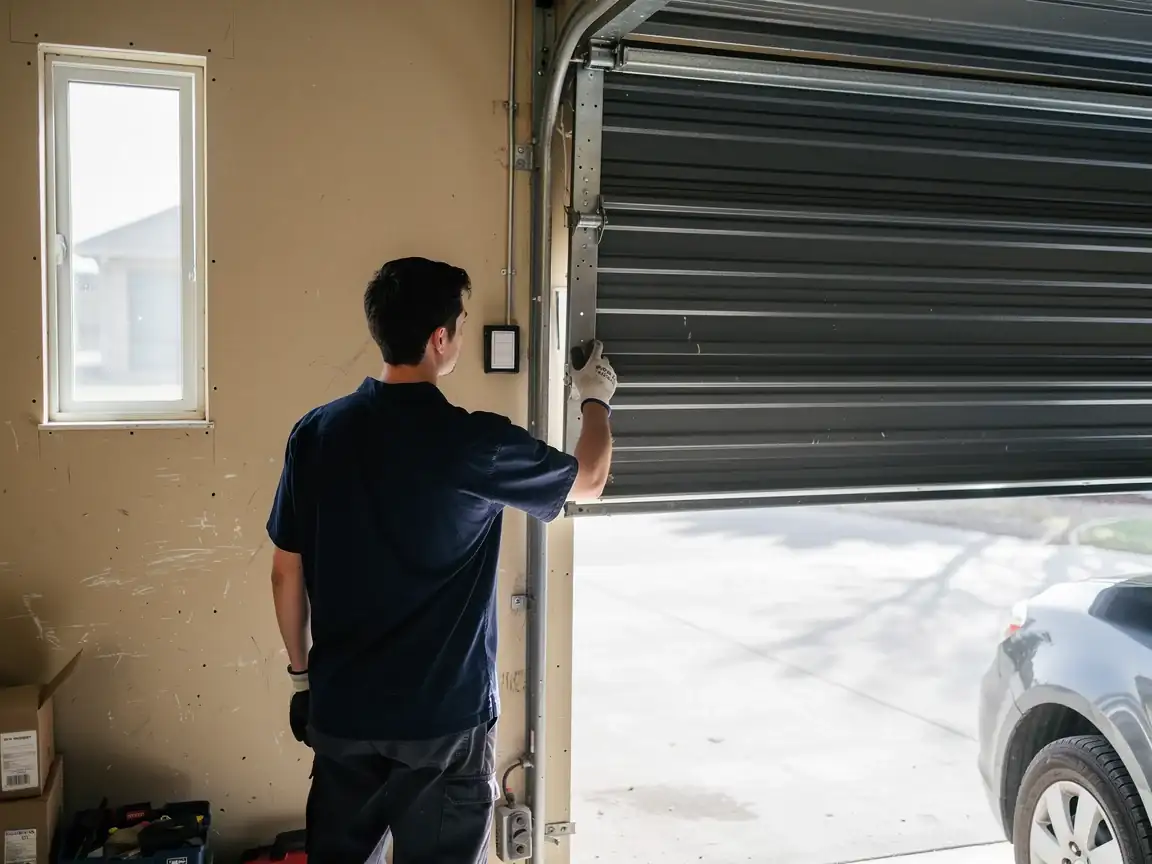
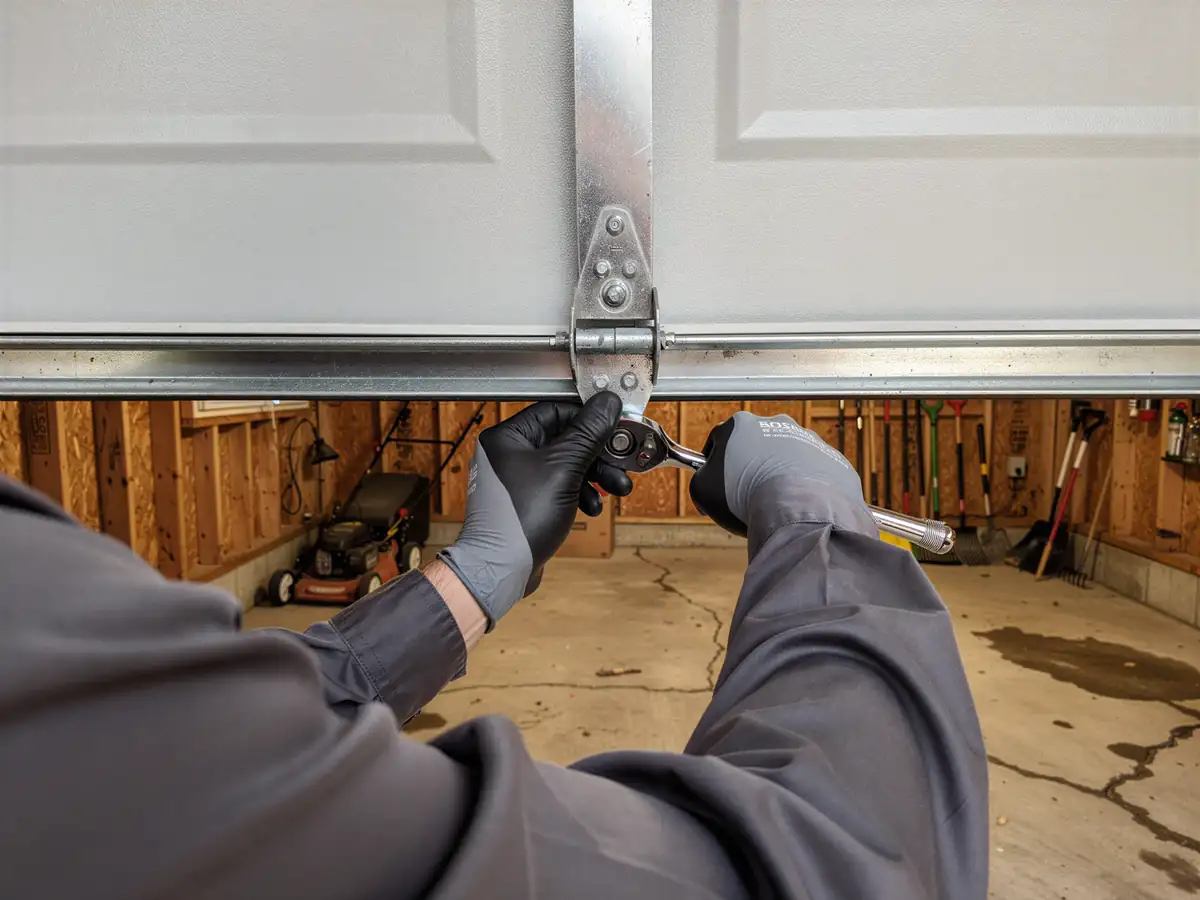
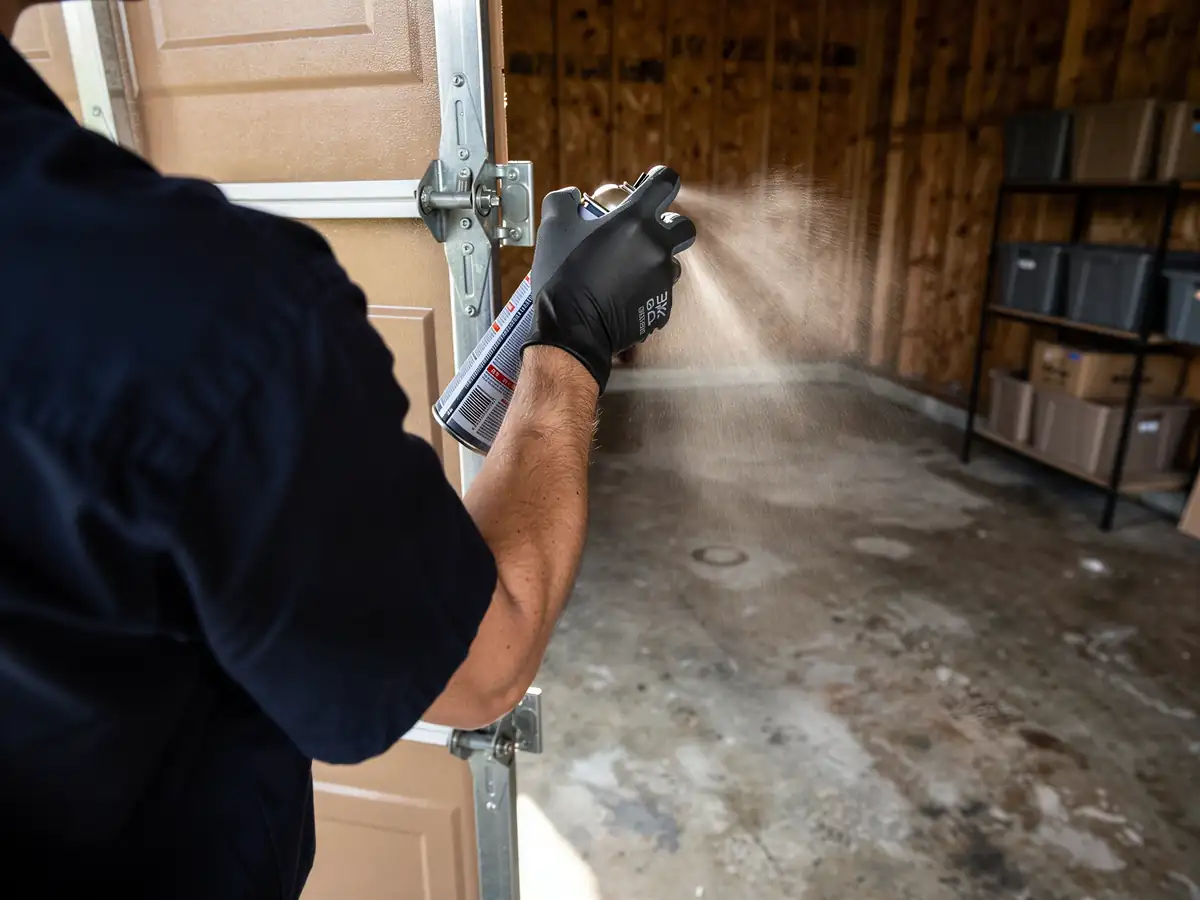
Routine maintenance - lubrication, spring tension check, roller and cable inspection, track alignment - takes under an hour once we're on site, and the door stays operable the whole time except for a few minutes of testing. That's the visit most Edgewater homeowners should be scheduling every year or two, especially once a door passes the 20-year mark.
If maintenance turns up a part that's failing rather than just worn, we'll tell you on the spot whether it's safe to wait for parts or whether the door needs to come out of service until it's fixed. A worn roller can usually wait a week. A cable with visible fraying, or a spring that's audibly popped a coil, can't - that's a door we'd rather see idle for a day than risk someone's hand or car.
Because we're routing from Daytona Beach rather than keeping a local depot in Edgewater, we schedule maintenance visits in advance rather than promising a same-day window. For an actual broken door, call and we'll tell you honestly where Edgewater falls in the day's route.