Serving Daytona Beach, FL & nearby
(386) 267-9663
Daytona Beach, FL

Garage Door Maintenance for Ormond-by-the-Sea Homes

Serving Ormond-by-the-Sea from Daytona Beach, 11 miles south. Maintenance built around the area's early-1970s torsion hardware and coastal location.

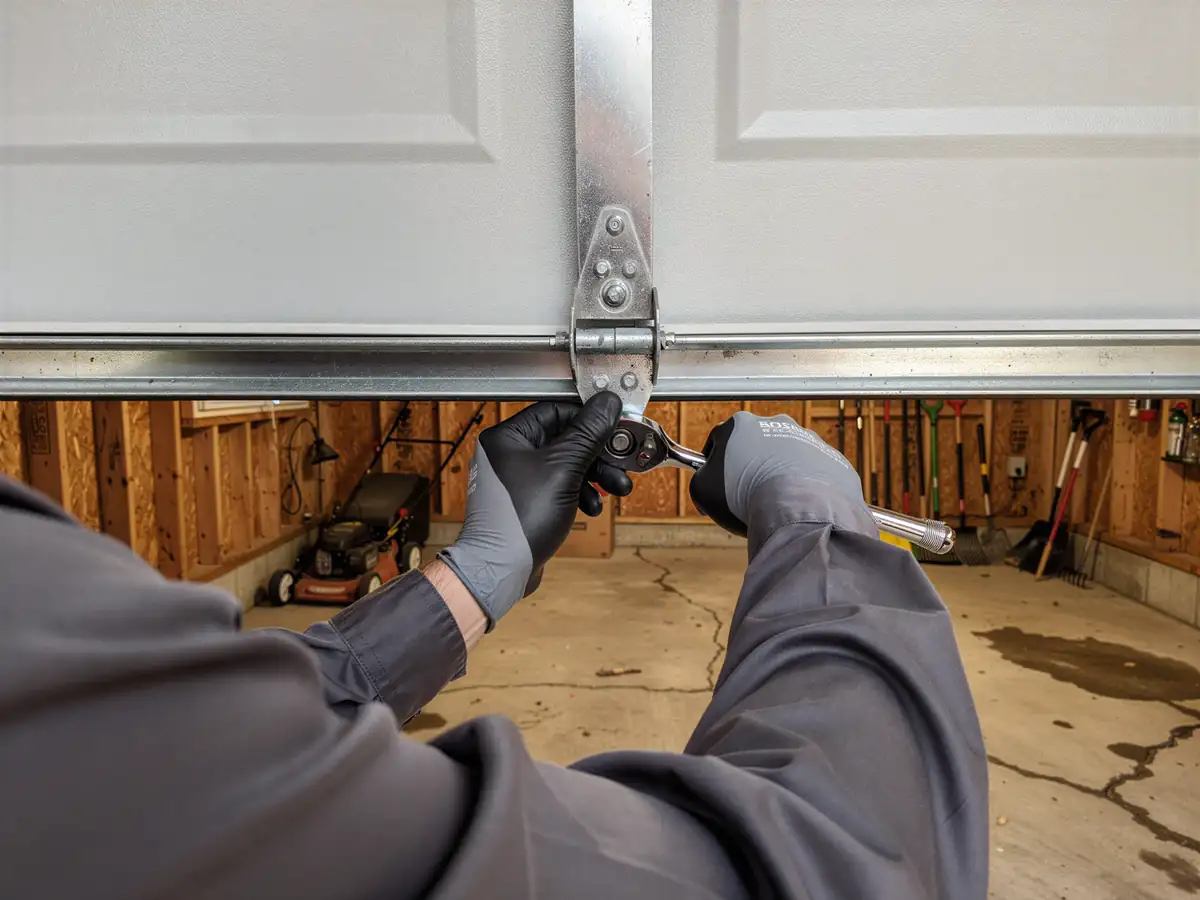
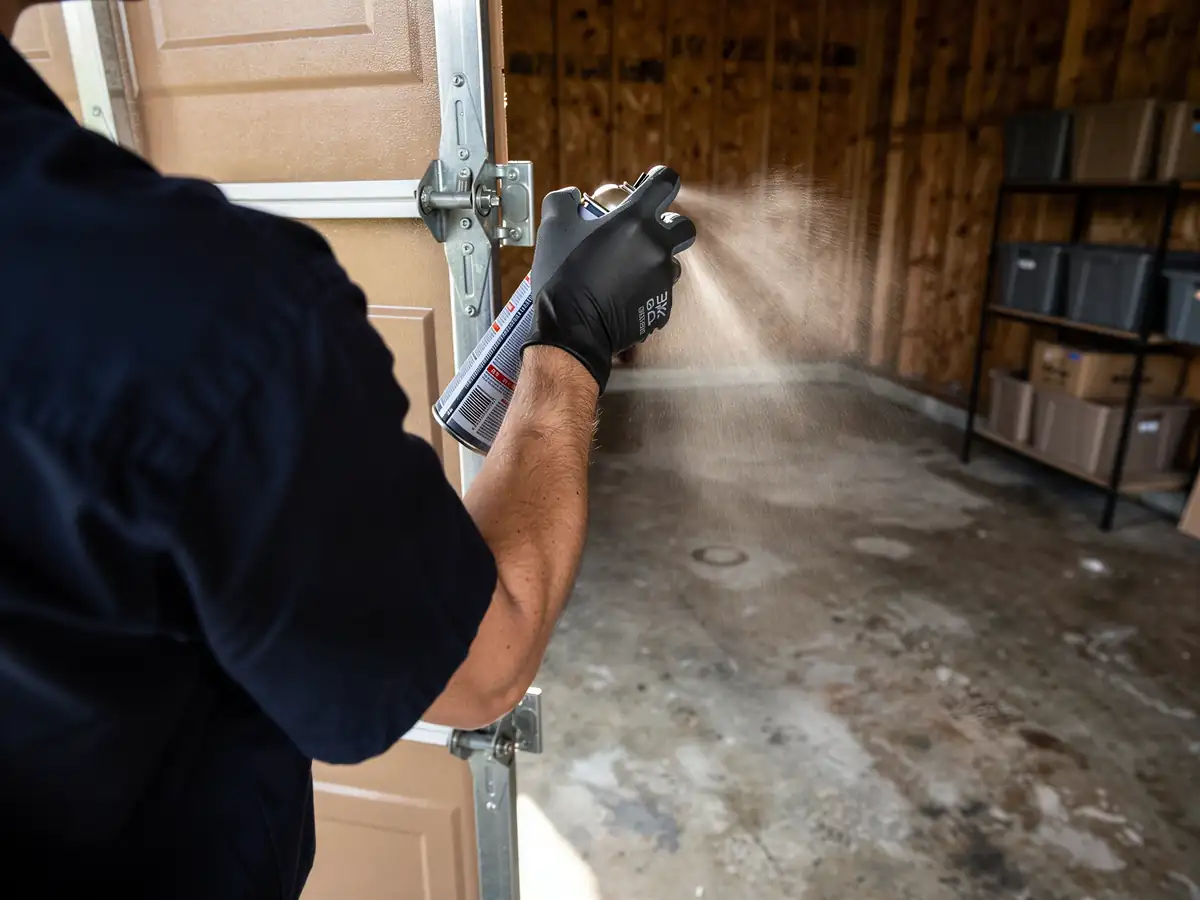
A technician sprays lubricant on a garage door hinge.
Daytona Beach, FL
8 services
7 service areas
Diagnosis first, then the fix

Booking a Visit

We run this call out of Daytona Beach, about 11 miles south, so a maintenance visit here gets scheduled as a route stop rather than a drop-in. That's not a complaint - it just means we ask a few questions up front (door age, last service, whether the opener has ever been touched) so the truck arrives with the right springs and rollers already on board instead of a guess. Ormond-by-the-Sea sits on the Atlantic side of the service area, and most of the streets we work on here are single-story block homes set close together, which changes how we stage the job compared to a house with a long side-entry driveway. We don't keep a branch or a storage yard in Ormond-by-the-Sea itself. Every part for the visit rides over from Daytona Beach, which is one reason we'd rather catch a worn spring or a dry track on a maintenance call than get the panic call after it lets go. If you want the full rundown on what we cover across the wider service area, that lives on our Daytona Beach maintenance page - this one is about what actually wears out on a house built when this stretch of coast was going up.

The Symptom

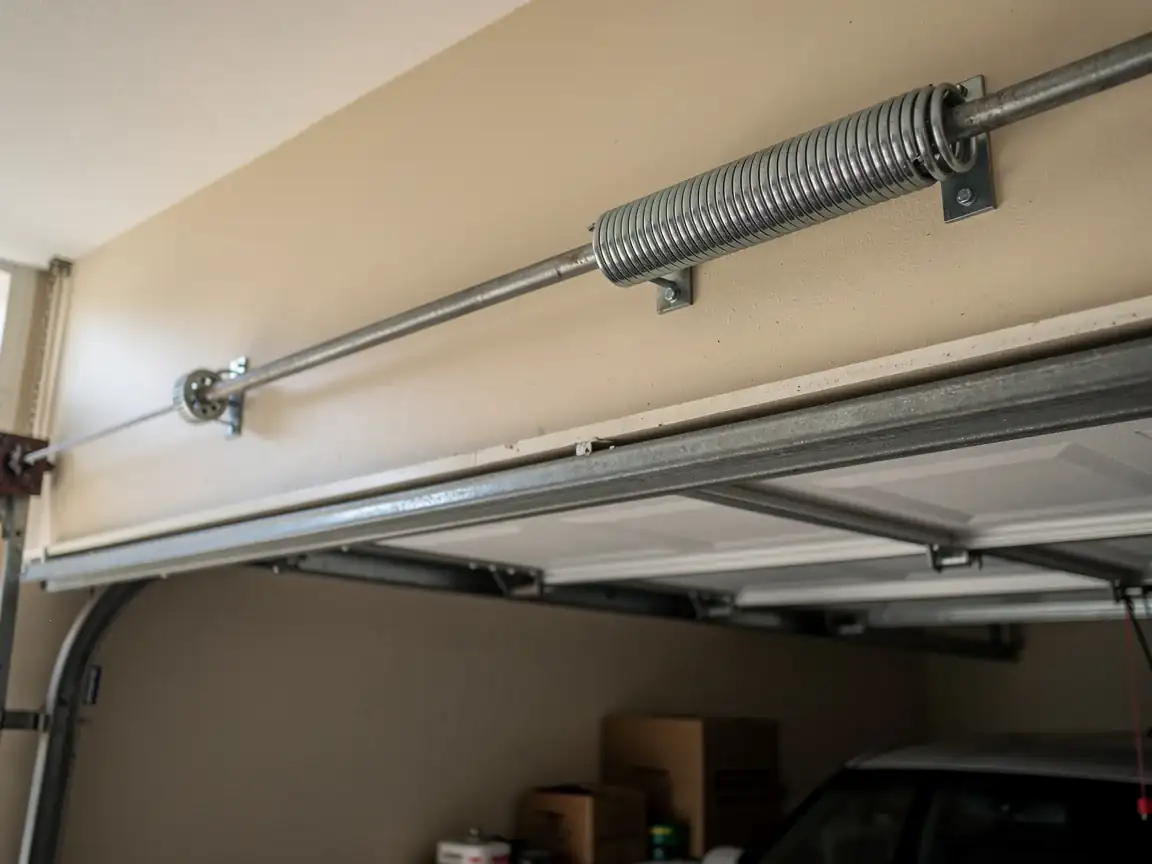
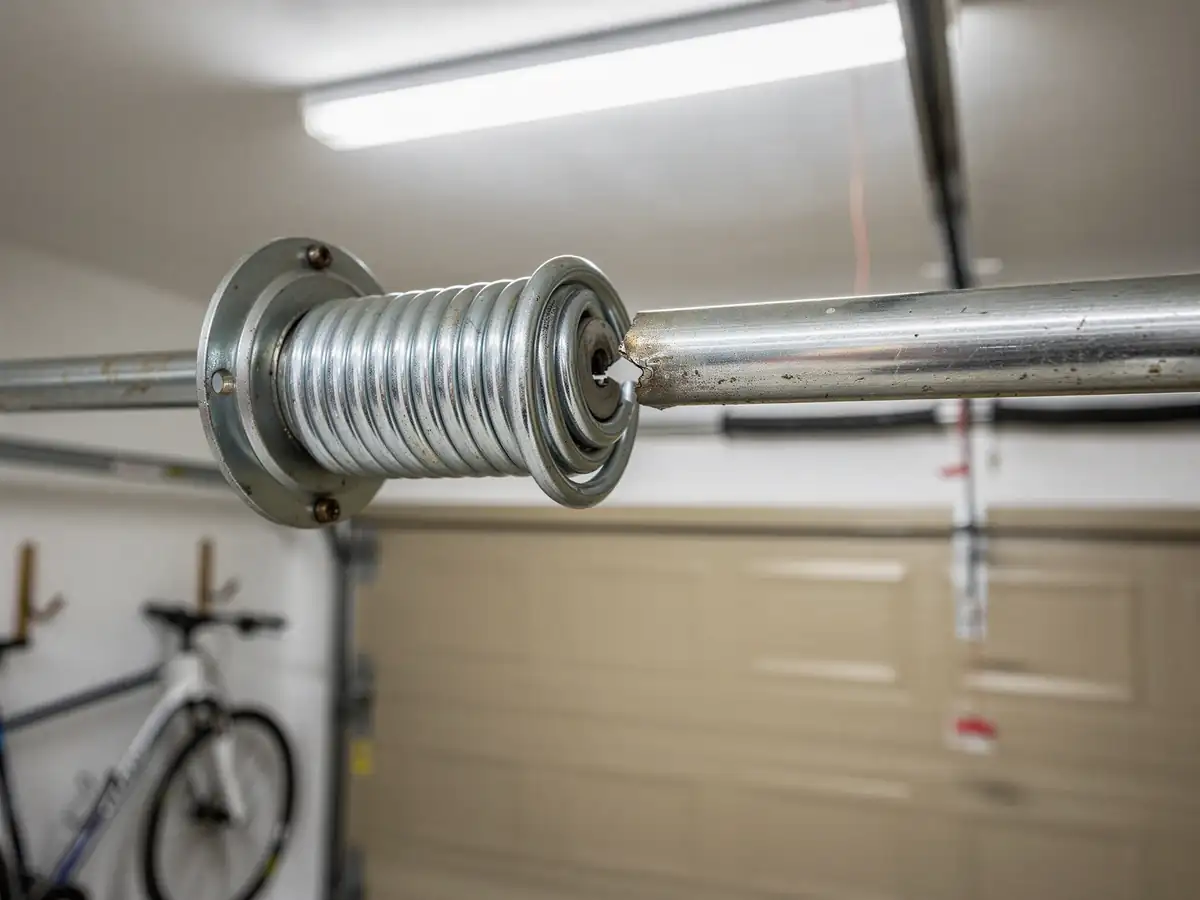
The giveaway in Ormond-by-the-Sea is almost always the same: the door starts dropping unevenly, one side a beat behind the other, or the opener groans and strains for the last six inches before it latches. That's a torsion spring losing tension, and on this stretch it's worth paying attention to, because the housing stock here dates to around 1972 - the early edge of the 1972-to-1993 build window that covers most of this part of the county. A door installed with a house from 1972 has had five decades to wear through at least one spring cycle, sometimes two, and whoever did the last swap may not have matched the cable gauge to the original hardware. The second symptom we see almost as often is a roller that's gone from rolling to grinding - steel rollers on 50-year-old track, never replaced, never lubricated past the first few years. Neither of these is an emergency yet. Both of them are the kind of thing a maintenance visit catches before the cable frays or the spring snaps under full load while the door's halfway up.

How Long You Are Without the Door

A straight maintenance visit - lube, balance check, hardware inspection, cable and roller look-over - doesn't take the door out of service at any point. You open and close it normally while we work; nothing gets disconnected unless we find a part that needs swapping on the spot. If we do find something, like a spring at the end of its life or a roller that's about to seize, that becomes a separate repair conversation, because we're not going to pull a 50-year-old torsion spring off a 3,768-household neighborhood's worth of similar doors without the right replacement spring sized to match. We'd rather schedule that as its own visit with the correct part on the truck than leave you with a door half-apart waiting on us to drive back from Daytona Beach. The honest version: a tune-up is quick, a repair discovered during a tune-up is not instant, and we'll tell you which one you're looking at before we start pulling anything apart.

What the Repair Takes

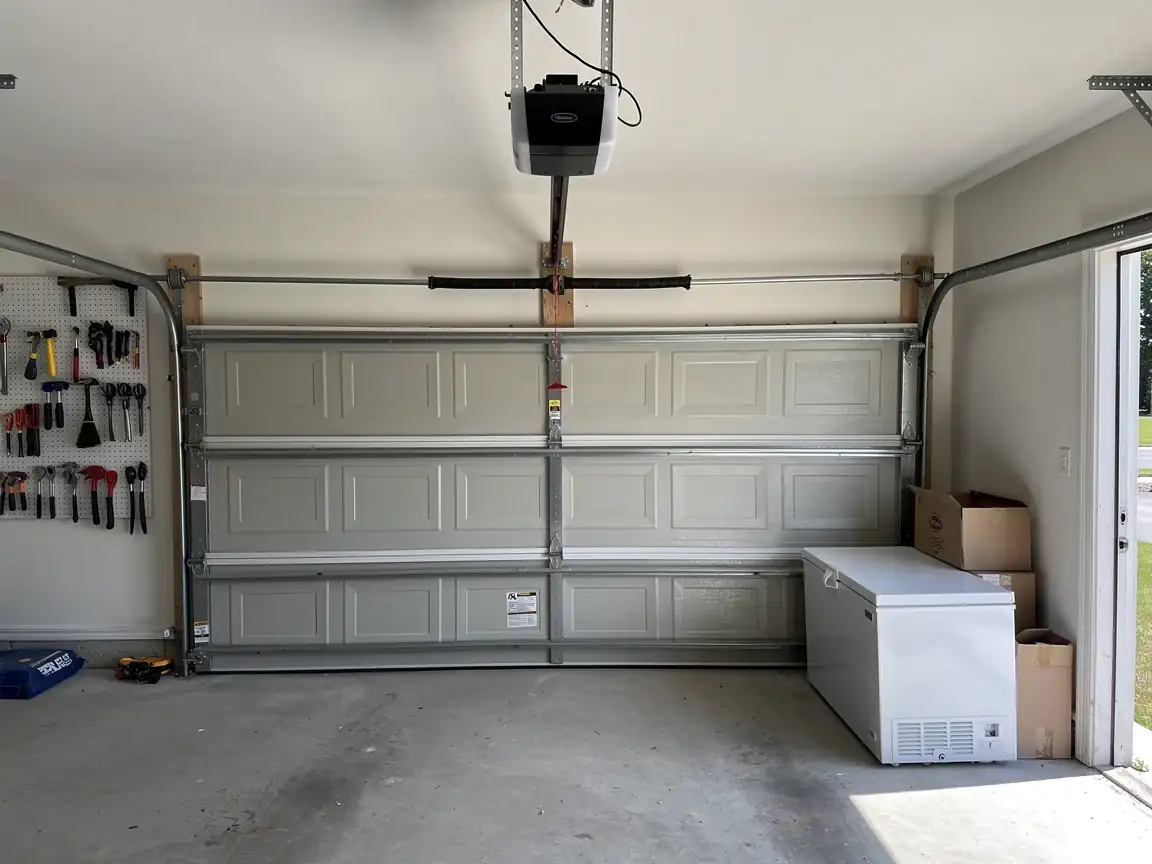
For a house built around 1972, the maintenance visit usually runs the same checklist regardless of which street it's on: spring tension and wear, cable fraying at the drum, roller condition, track alignment, and opener force settings if there's a powered unit. Mild coastal temperate conditions out here mean we're not fighting the freeze-thaw cracking that colder-climate crews deal with, but it also means we're not skipping lubrication on the assumption that a dry climate will keep hardware rust-free longer than it actually does. Original hardware from the early '70s is the complication worth flagging before we start: torsion springs from that era were sized to older door weights, and if a panel's ever been swapped for a heavier insulated one without re-sizing the spring, the opener's been overworking the whole time and the maintenance visit turns into a spring-matching job. We carry common spring sizes on the truck, but if the door's a less common width or an older low-headroom setup, that part may need to be ordered, and we'll say so rather than force a mismatch.

The Complications

The complication we run into most in Ormond-by-the-Sea isn't the door itself - it's that a lot of these homes are long-held, and the garage door has never had a professional look at it since the house was built in 1972. That means when we open the hardware up, we're sometimes finding the original springs, original cable, and a track that's been re-shimmed by hand more than once. None of that is dangerous by itself, but it does mean a routine tune-up can turn up two or three items that genuinely need replacing rather than adjusting. With median household income here at $67,389, we try to be straight about what's worth fixing now versus what can wait for the next visit - a worn roller can hold six more months, a fraying cable cannot. One honest limit: if the opener itself is original to the house, parts for a unit that old are sometimes no longer made, and at that point we'll tell you replacement makes more sense than another repair visit.
How it works

From “it’s stuck” to “it’s fixed”

A quick, honest process - no guesswork and no surprises.

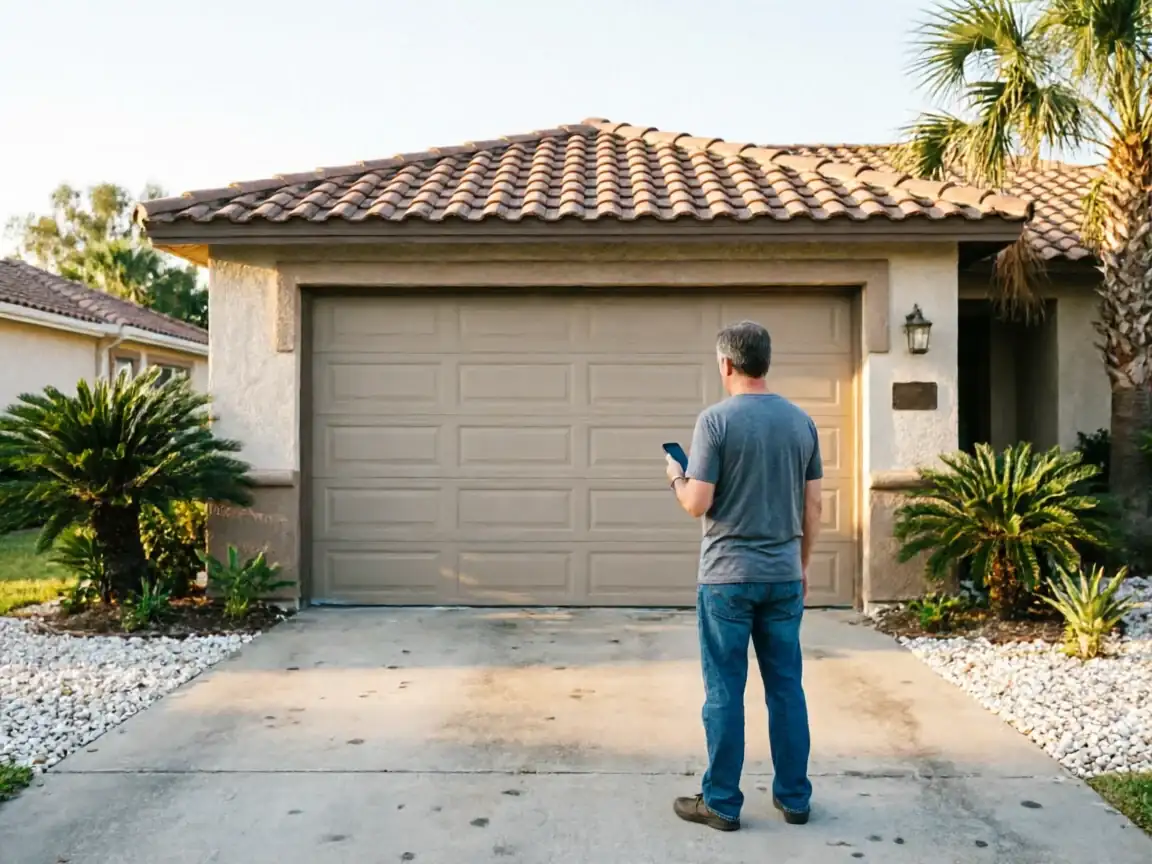
  1. A man stands in front of a beige garage door, holding a phone.
    1

    Tell us what’s wrong

    Describe the symptom - won’t open, loud bang, opener runs but the door won’t move.

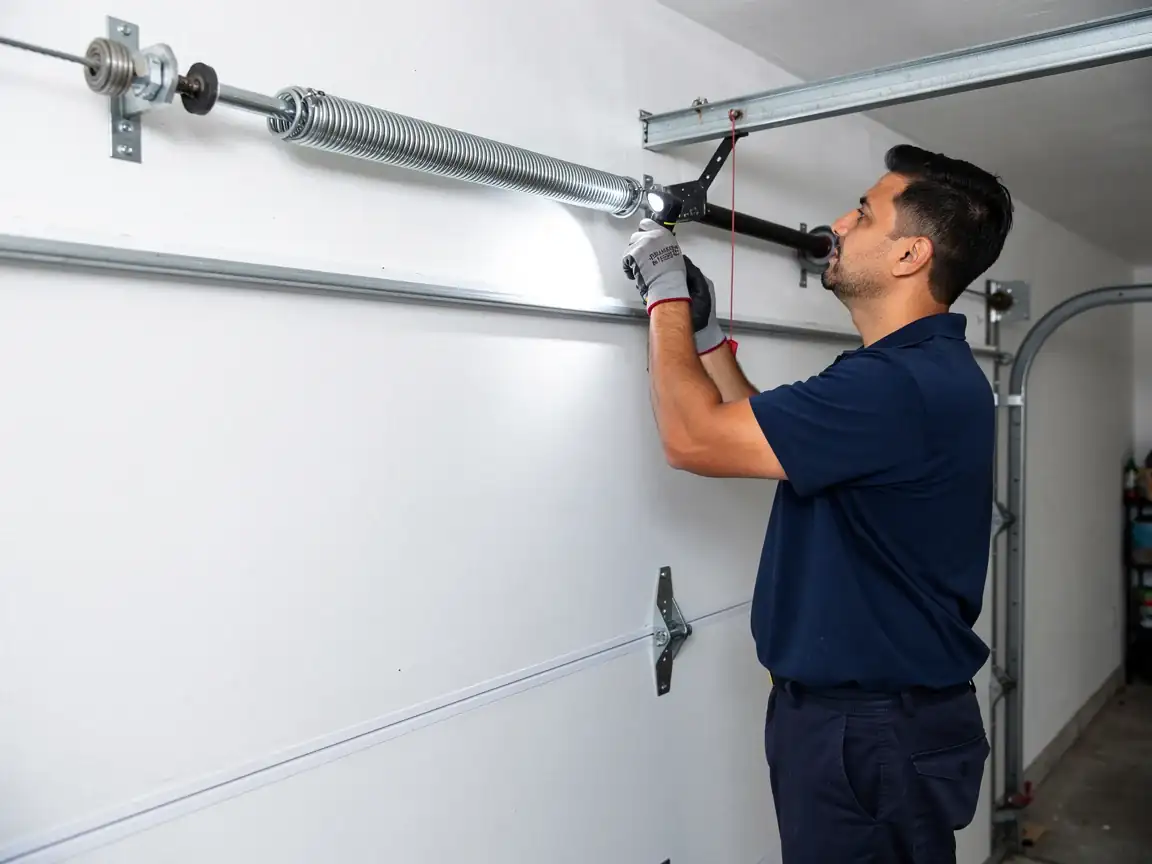
  2. A technician adjusts a garage door torsion spring with a tool and flashlight.
    2

    On-site diagnosis

    A technician tests the door under power and by hand and finds what actually failed.

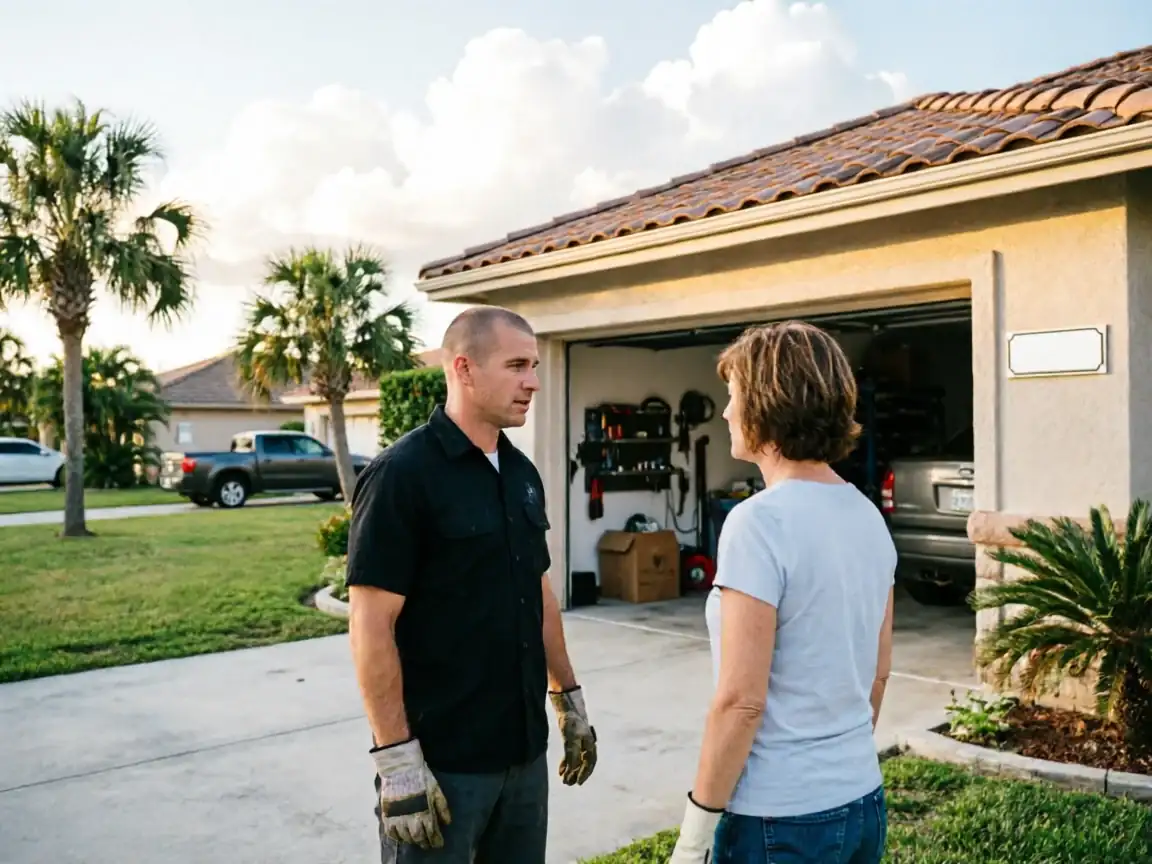
  3. A technician in a black shirt talks to a woman in a gray shirt outside a garage.
    3

    Clear, up-front plan

    You get the fix that’s needed and what drives the cost - before any work starts.

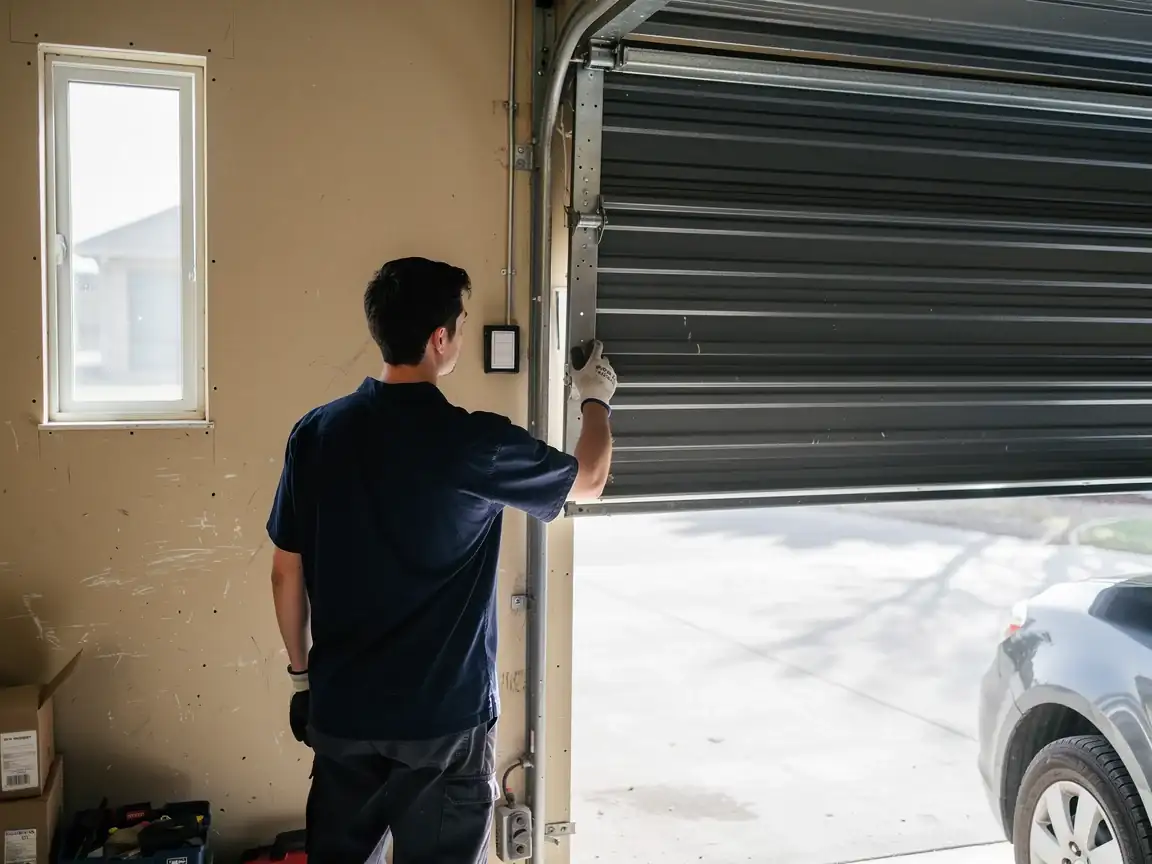
  4. A technician in a blue shirt is adjusting a partially open garage door.
    4

    Repaired & tested

    The repair is done, the door is set true and tested, and the work area left clean.

Not sure which repair your door needs in Daytona Beach, FL? Describe what it’s doing - every job starts with a diagnosis.

How we work

What to expect

Diagnosis firstEvery visit starts by finding what actually failed - not a pre-written parts list.
The right part for the doorSprings and openers matched to the door’s weight and age, so the fix holds up.
Straight answersWhen a repair makes more sense than a replacement - or the reverse - you hear it plainly.
Clean, careful workTension released safely, hardware set true, the door tested under power before we leave.
72,647Residents in Daytona Beach
8Garage door services
7Neighborhoods & suburbs
FLServing Daytona Beach, FL
Questions

Frequently asked

Straight answers about garage door repair in Daytona Beach. Still unsure? Ask us directly.

How often should a garage door in Ormond-by-the-Sea get serviced?

Once a year is the general target for a door this age, more often if you've noticed grinding, uneven travel, or the opener straining. Given that most houses here date to 1972, we lean toward checking sooner rather than later if it's been several years since the last look.

Do you keep a crew based in Ormond-by-the-Sea?

No. We run out of Daytona Beach, about 11 miles south, and service Ormond-by-the-Sea as a scheduled route stop. We bring parts out with us based on what you describe over the phone, which is why a quick description of the symptom helps before the visit.

Will a maintenance visit fix a spring that's already broken?

If the spring is fully broken, that's a repair call, not a maintenance visit, since the door usually can't be opened safely at that point. A maintenance visit is for catching a spring that's wearing out before it fails, which is the better time to deal with it.

Is the coastal location in Ormond-by-the-Sea hard on garage door hardware?

The climate here runs mild temperate rather than extreme, so we're not fighting the freeze-thaw damage colder regions see. We still check for dry or stiff hardware rather than assume the mild conditions mean no maintenance is needed.

Ready to get your garage door sorted?

Request a QuoteCall