Booking a Visit
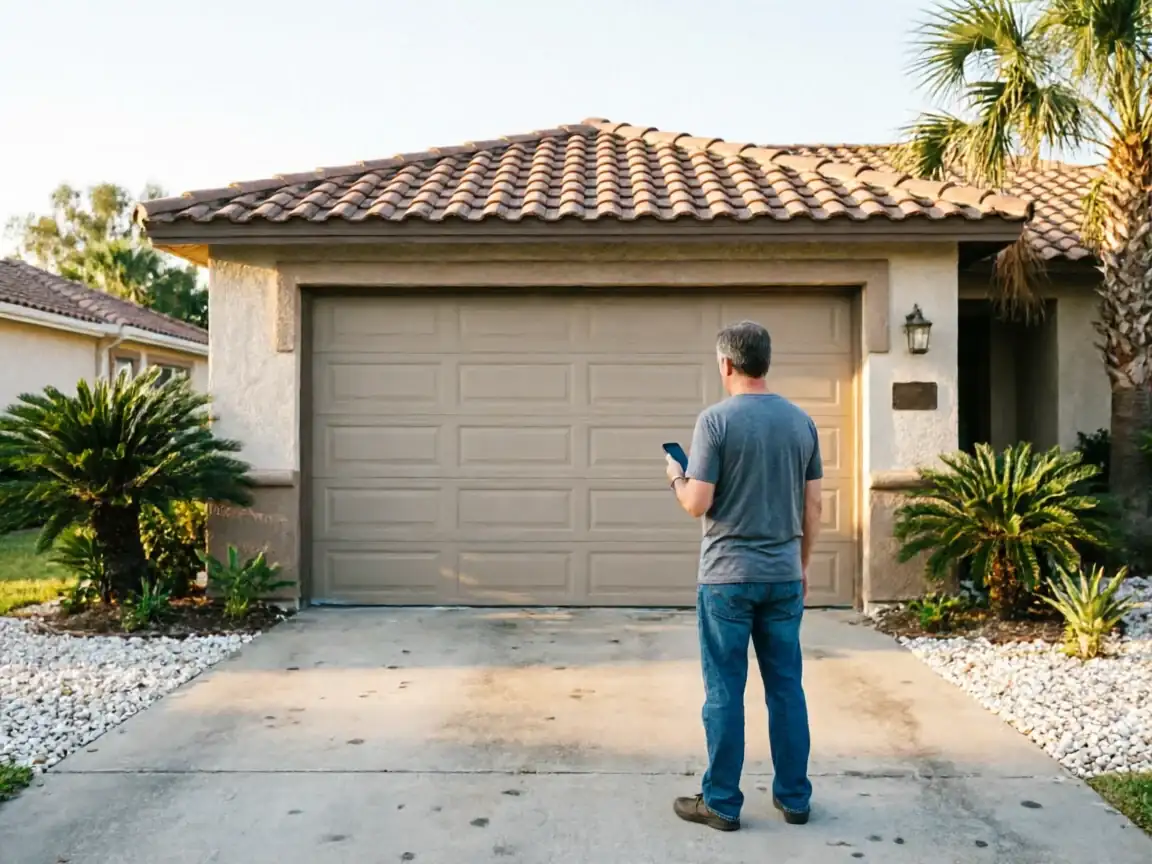
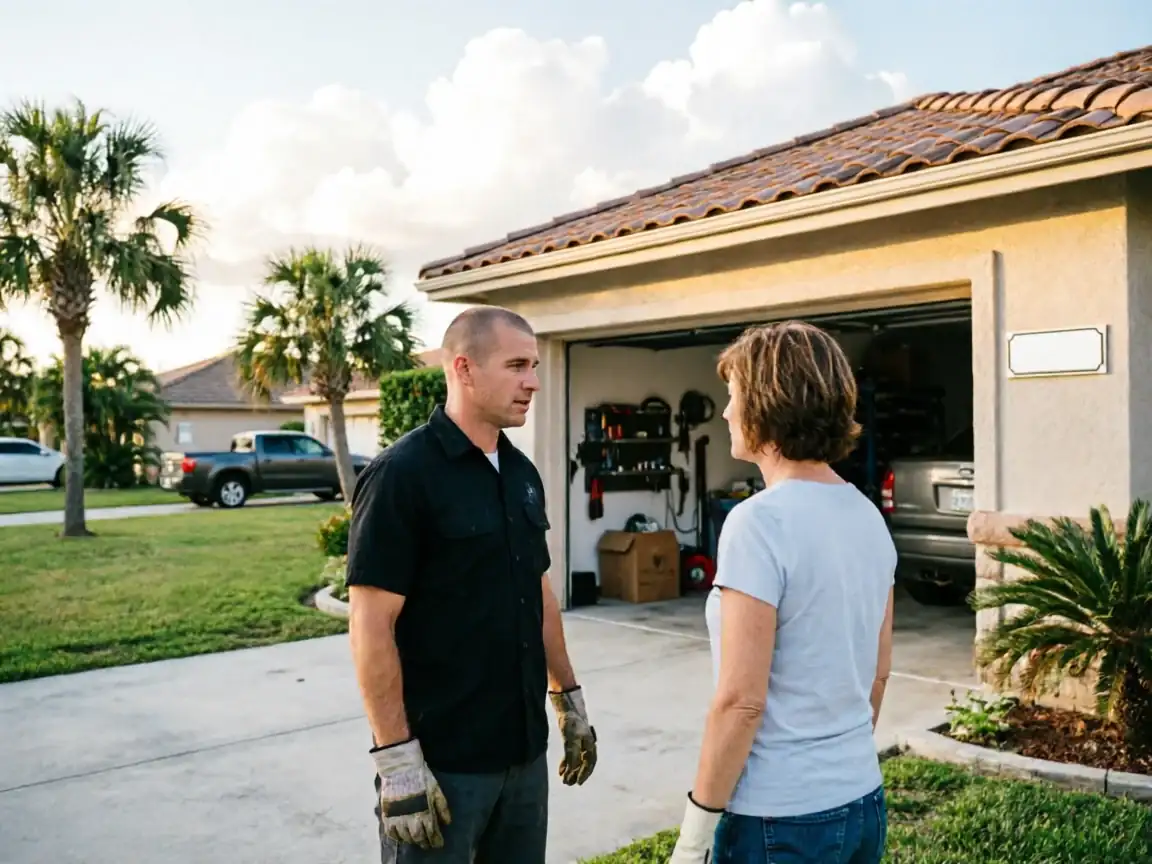
We run this job out of Daytona Beach, about 11 miles south, so a spring call in Ormond-by-the-Sea goes on the route rather than getting walked to from a local shop. That's worth knowing upfront: there's no depot around the corner, and we don't pretend otherwise. What we can do is schedule the visit with the right spring size and winding already figured out before the truck leaves, because a 1972-era door usually tells us what we're dealing with before we even see it. If your opener is grinding against a stuck door or the cable has jumped the drum, say so when you call - it changes what goes in the truck.
We'd rather confirm the door's age and panel count over the phone than show up guessing. A single-car door on a 1970s build often ran one spring; a two-car door sometimes did too, which is part of why these doors fail the way they do. Tell us which you've got and we'll bring both spring weights so the visit doesn't turn into a second trip.
The Symptom
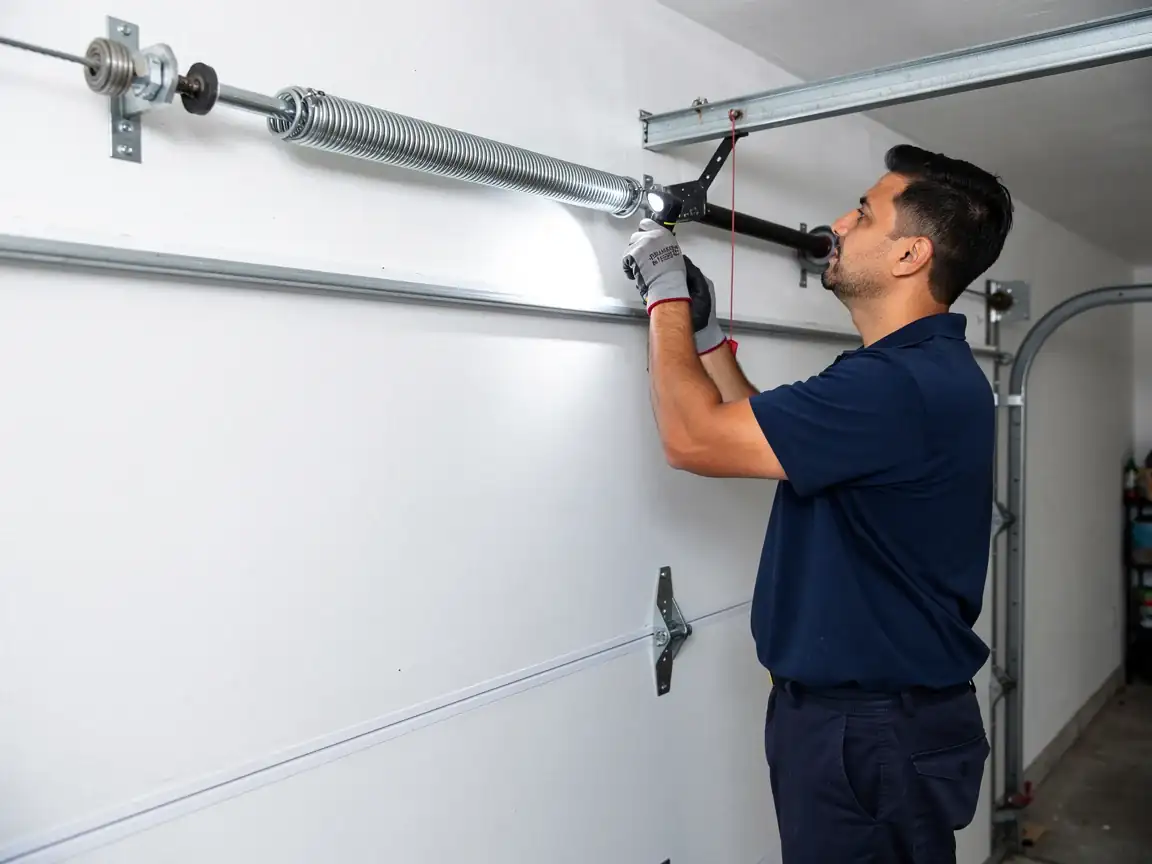
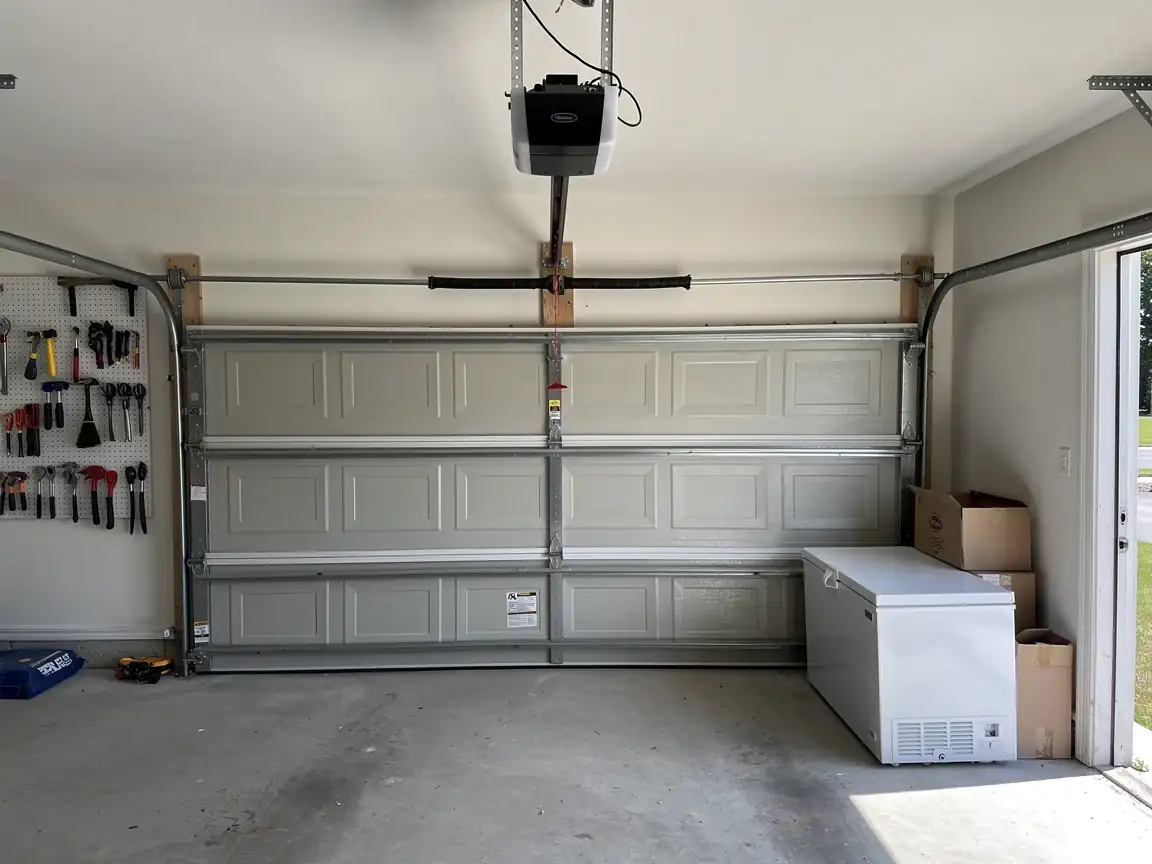
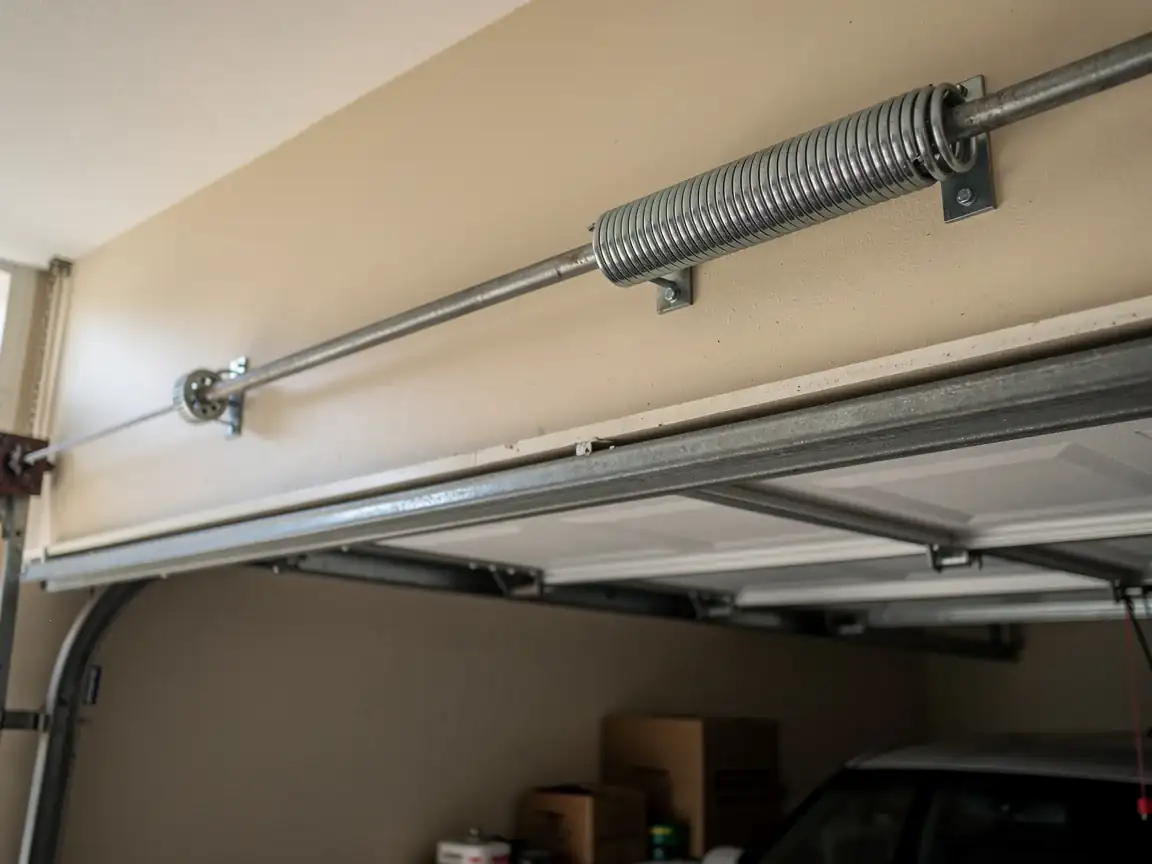
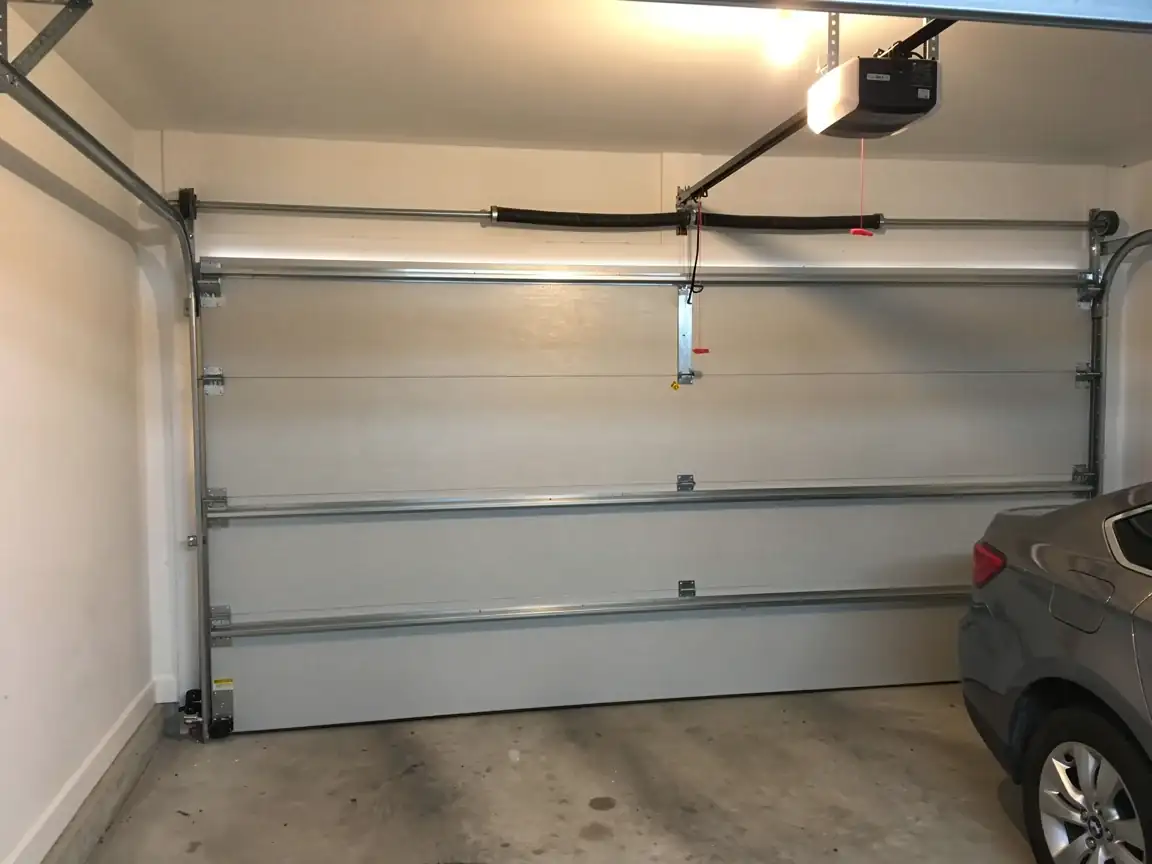
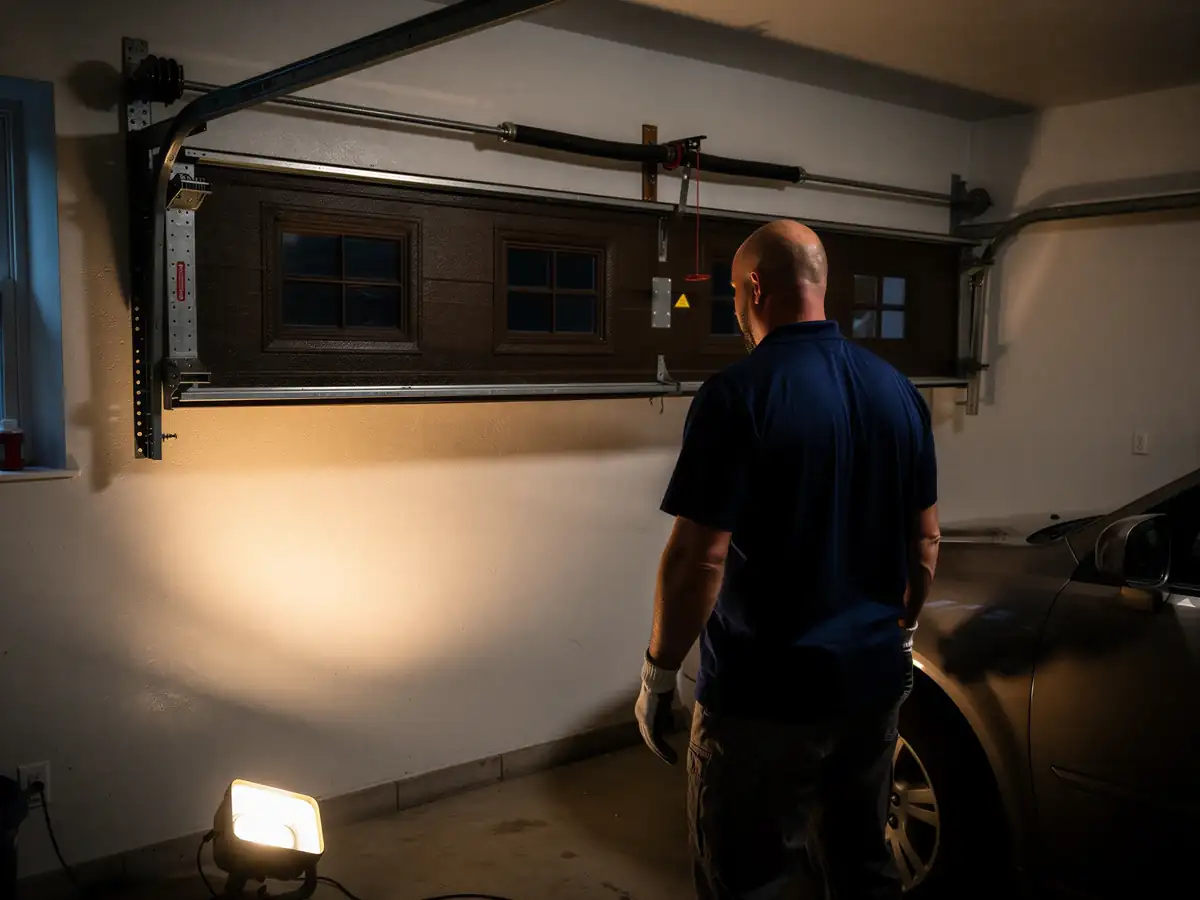
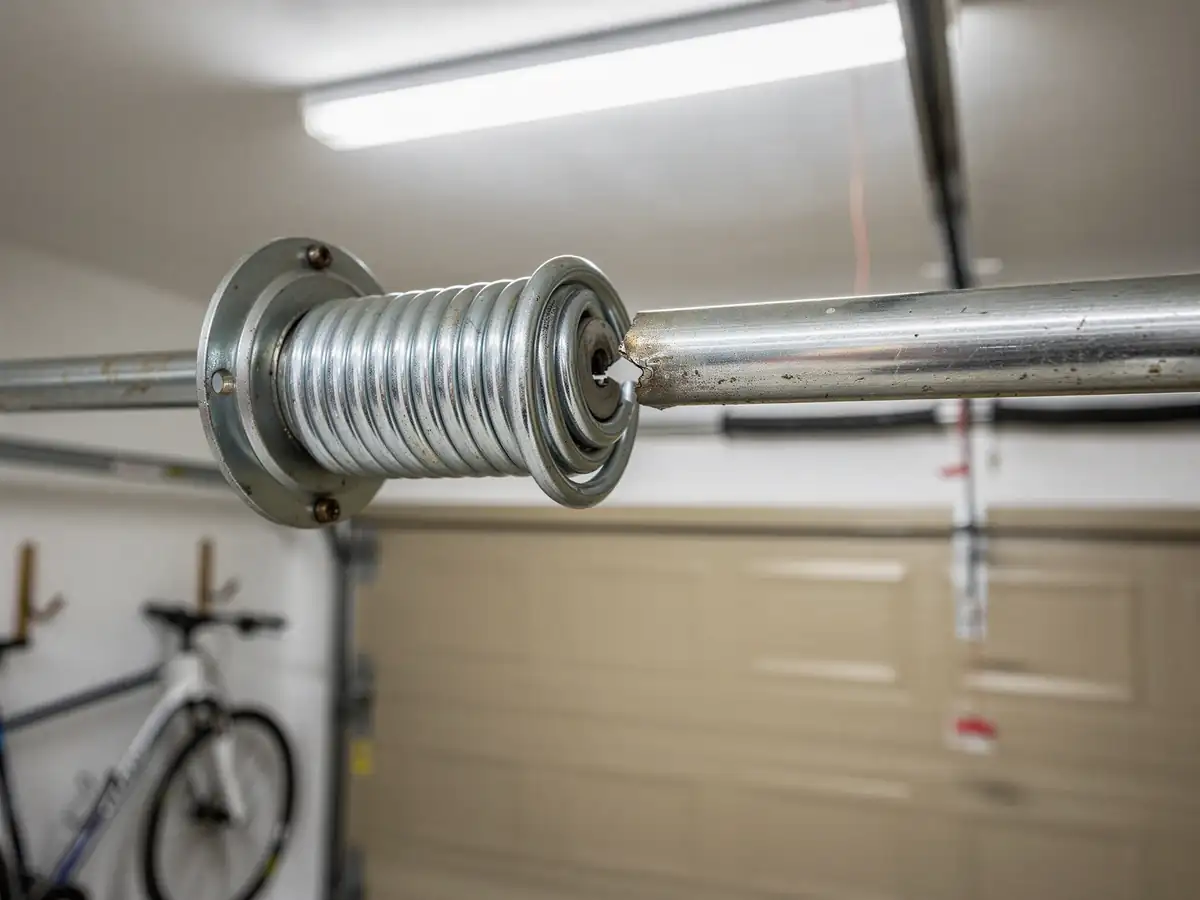
With a median year built of 1972, a lot of the housing stock out here went up when one torsion spring across a double-wide door, or a pair of extension springs mounted along the horizontal tracks, was standard practice - not the two-spring torsion bar you'd expect on a door built today. That single spring, or an aging extension spring, carries the full dead weight of a panel door for decades, and when it finally lets go, it tends to let go all at once. The door won't lift, or it slams down hard because nothing is counterbalancing the weight anymore. On the older extension-spring setups, listen for a loud bang followed by the door refusing to budge, or a cable that's come loose from a pulley.
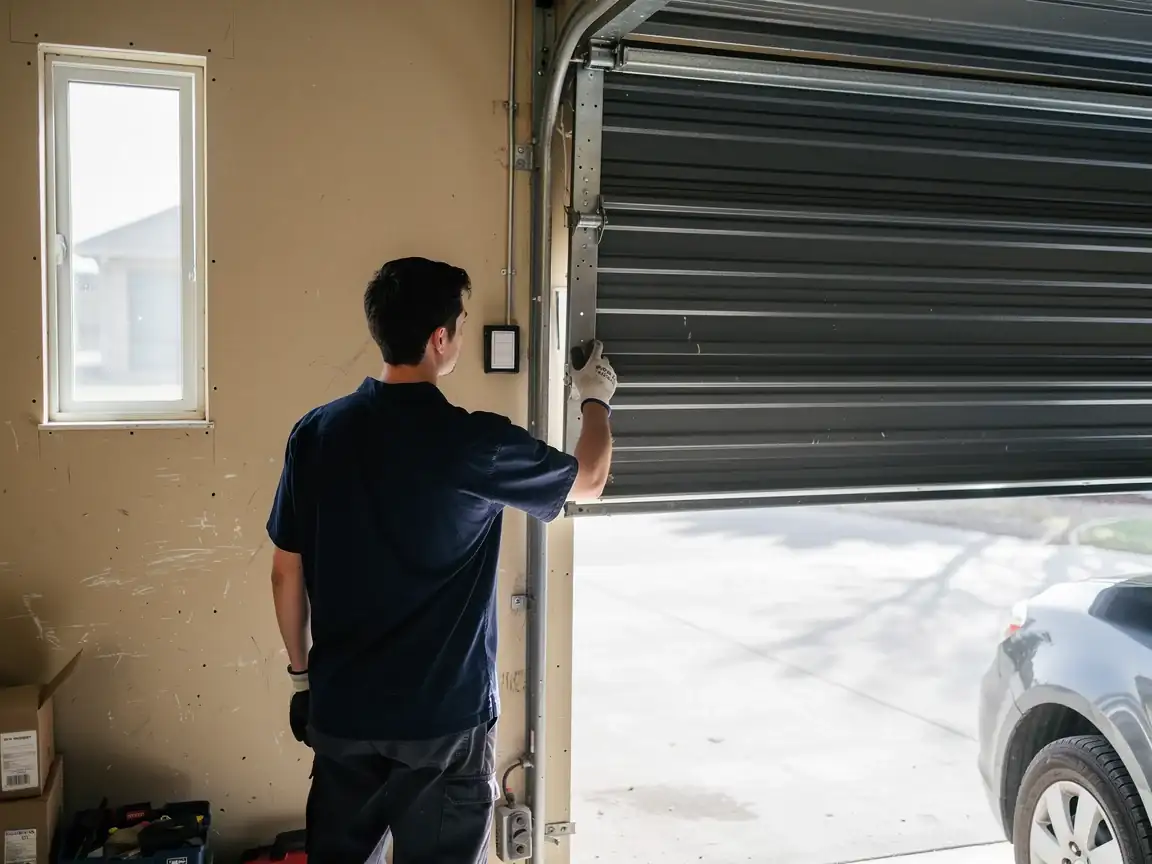
We also see broken springs on doors that have been fine for years and then fail the week after a cold snap tightens the steel, or simply hit the end of their wind count. Either way, the symptom reads the same from the driveway: the opener hums but the door doesn't move, or it moves a few inches and stops.
How Long You Are Without the Door
Because the visit comes from Daytona Beach
Plan around the scheduled window rather than a walk-up response. Once the truck is on-site, a straightforward spring swap on a single-spring 1970s door doesn't take long, but we won't quote a number we can't back up for your specific setup - some of these older torsion shafts need the whole assembly pulled apart to get the spring off safely, and that adds time. If you've got an extension-spring door instead of torsion, the parts and the process differ enough that it's worth mentioning when you book so we bring the right stock.
In the meantime, leave the door down and don't force the opener
A motor fighting a broken spring will burn out the drive gear or strip the trolley, turning a spring job into an opener job.
What the Repair Takes
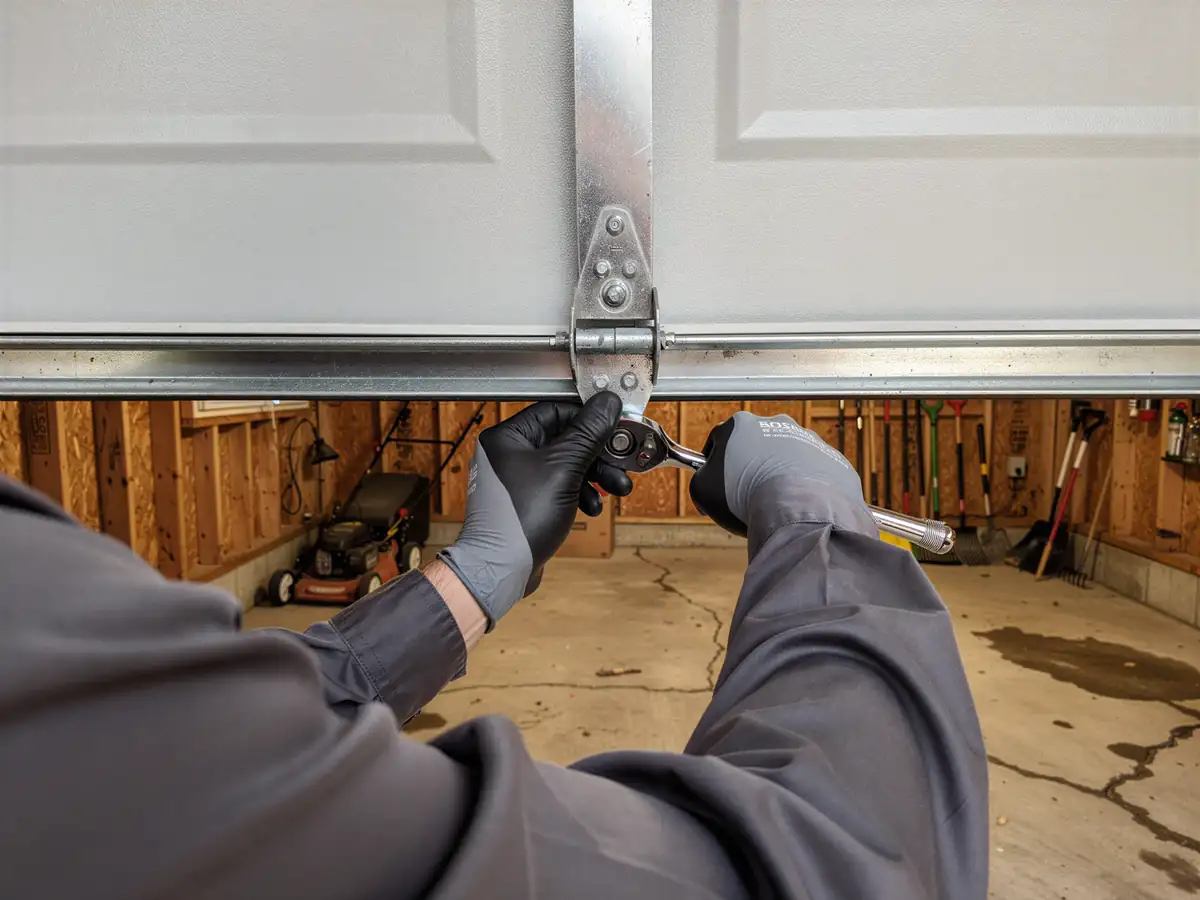
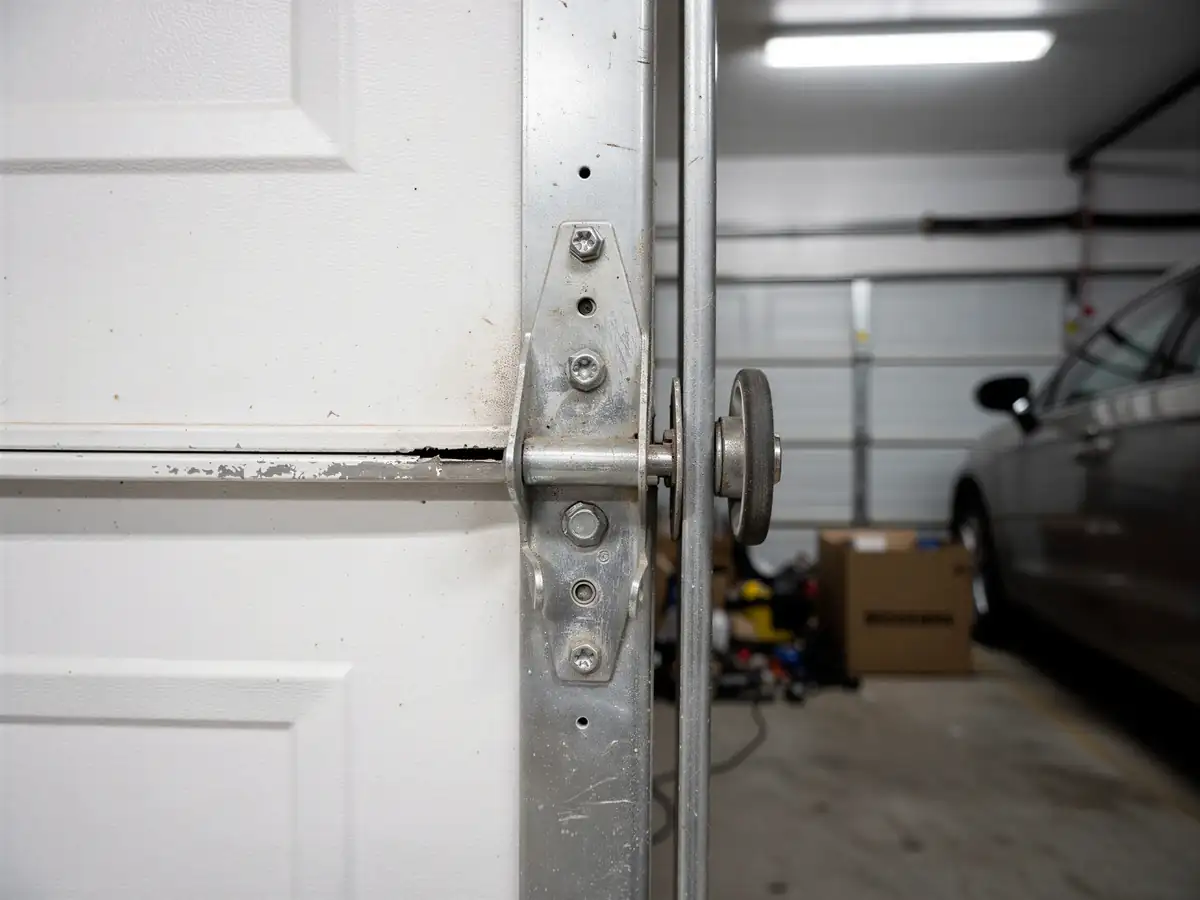
On a door built around 1972, the first thing we check isn't the spring itself but what it's bolted to - the center bracket, the bearing plate, and the shaft on torsion setups, or the pulleys and safety cables on extension setups. Decades-old steel brackets sometimes need replacing along with the spring, especially if the original hardware was never upgraded. We match spring wire size and wind length to the door's weight and width rather than assuming a standard size fits an older panel door, because a lot of these doors are lighter or narrower than what's built today.
With 3,768 households in this part of the service area and a median income of $67,389, we try to be straight about what a repair actually needs versus what it doesn't. If the spring is the only failure and the rest of the hardware checks out, that's all we touch. We don't sell a full torsion conversion to a homeowner who just needs the one spring replaced.
The Complications
A mild coastal climate means we're not fighting freeze-thaw cycles out here, but a spring doesn't care about weather as much as it cares about cycle count - a door opened and closed twice a day for close to fifty years has logged a lot of winds regardless of temperature. The complication we actually run into on 1972-built doors is single-spring torsion setups where the bracket or shaft has corroded or bent slightly over the decades. Swapping the spring on a bent shaft without addressing the shaft first just sets up the next failure.
One limitation worth saying plainly: if the door itself is original and the track or panels are warped beyond adjustment, a spring repair won't fix the underlying problem. At that point replacing the door is the honest answer, not another spring. We'll tell you which situation you're in before we start charging for parts.