The Complications
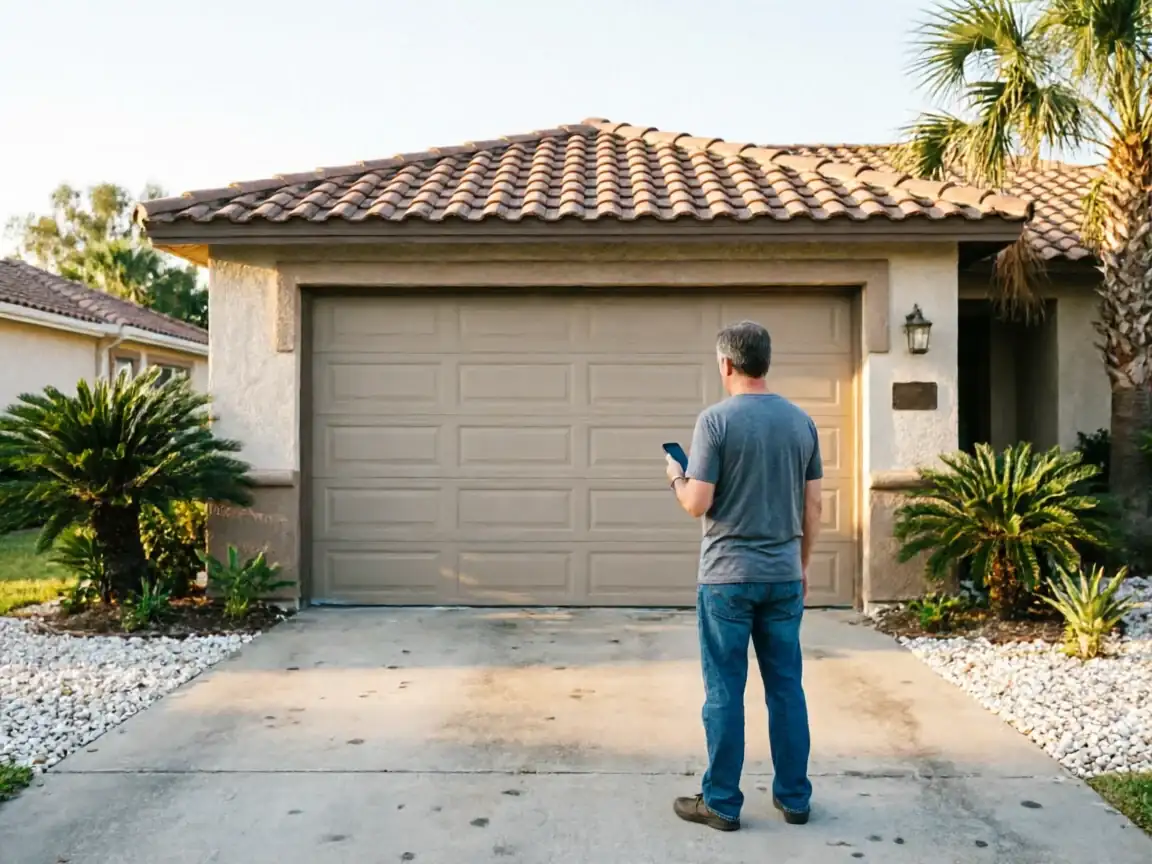
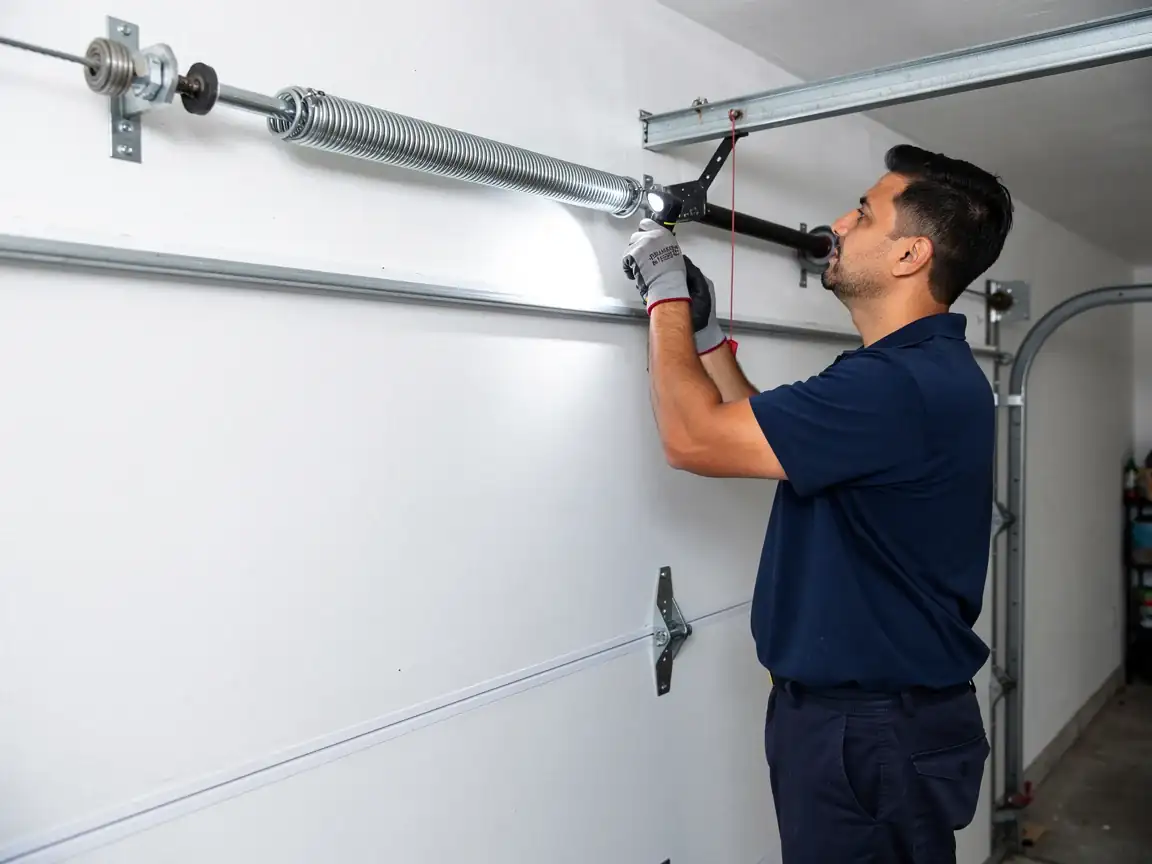
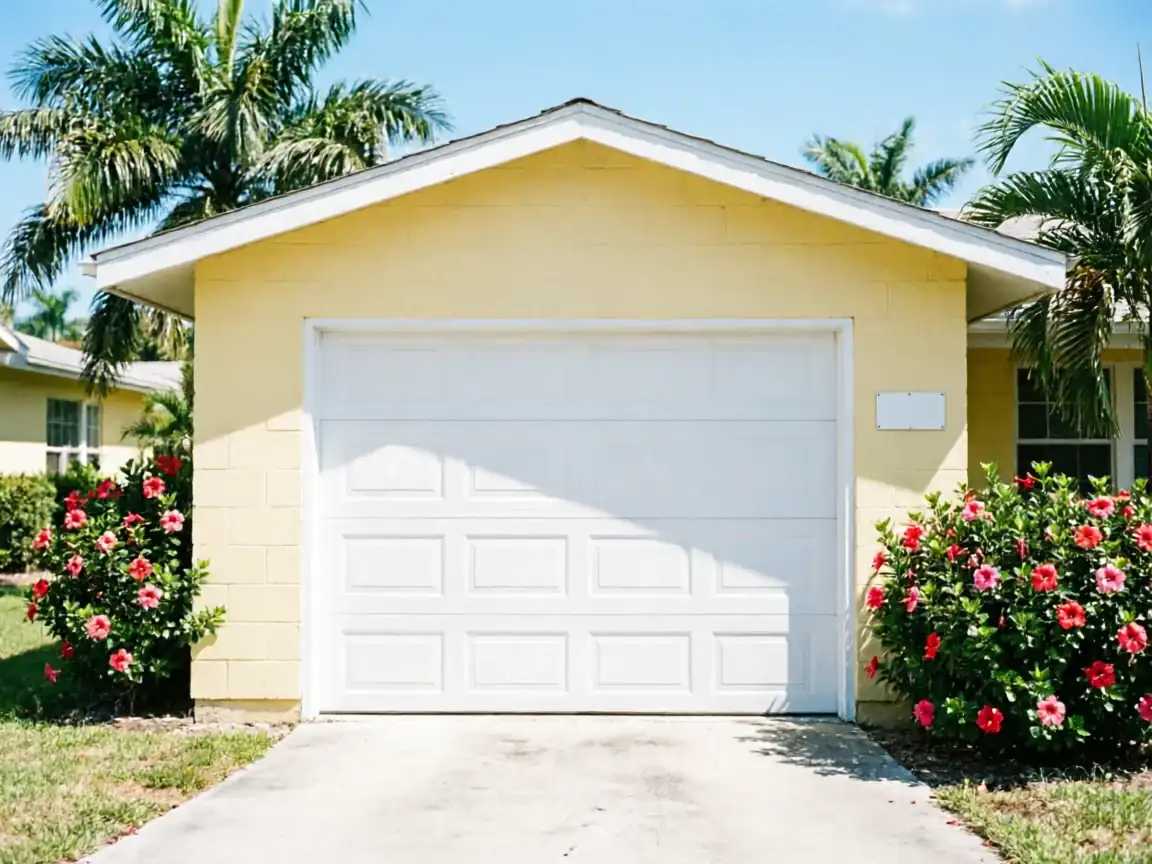
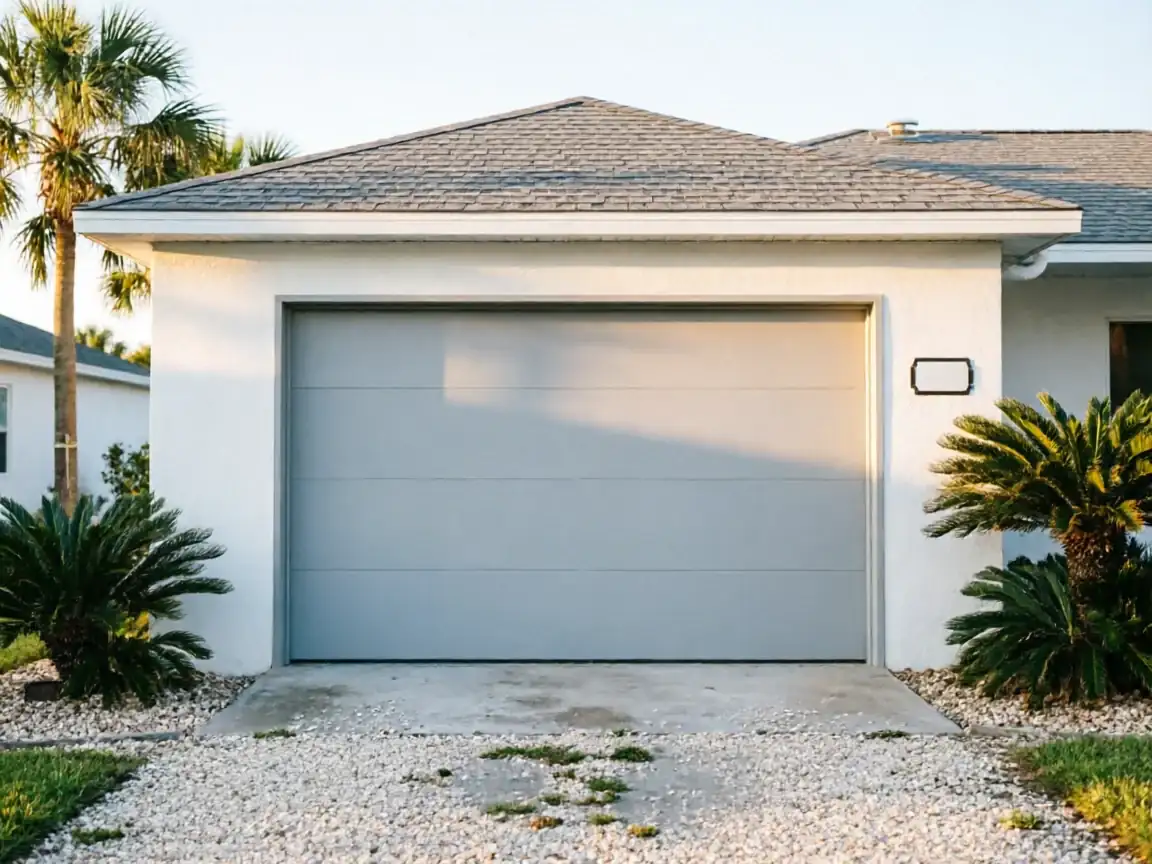
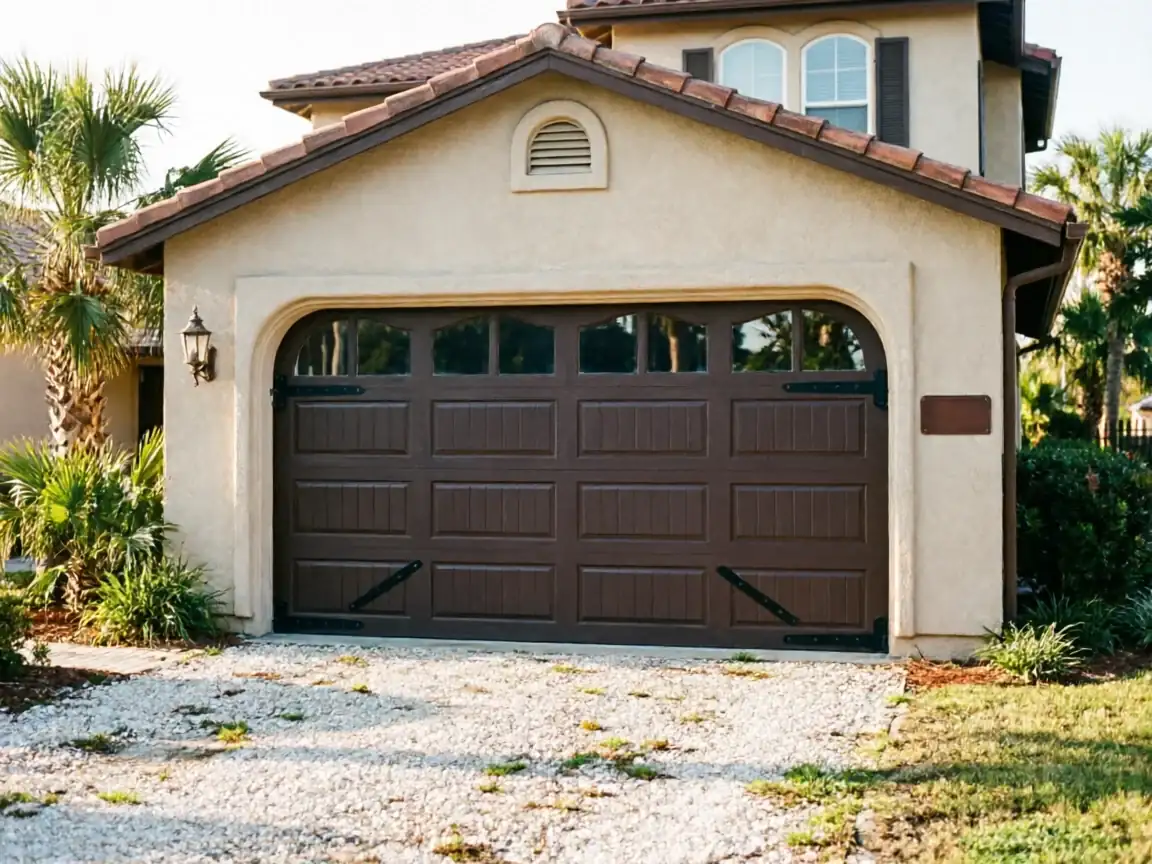
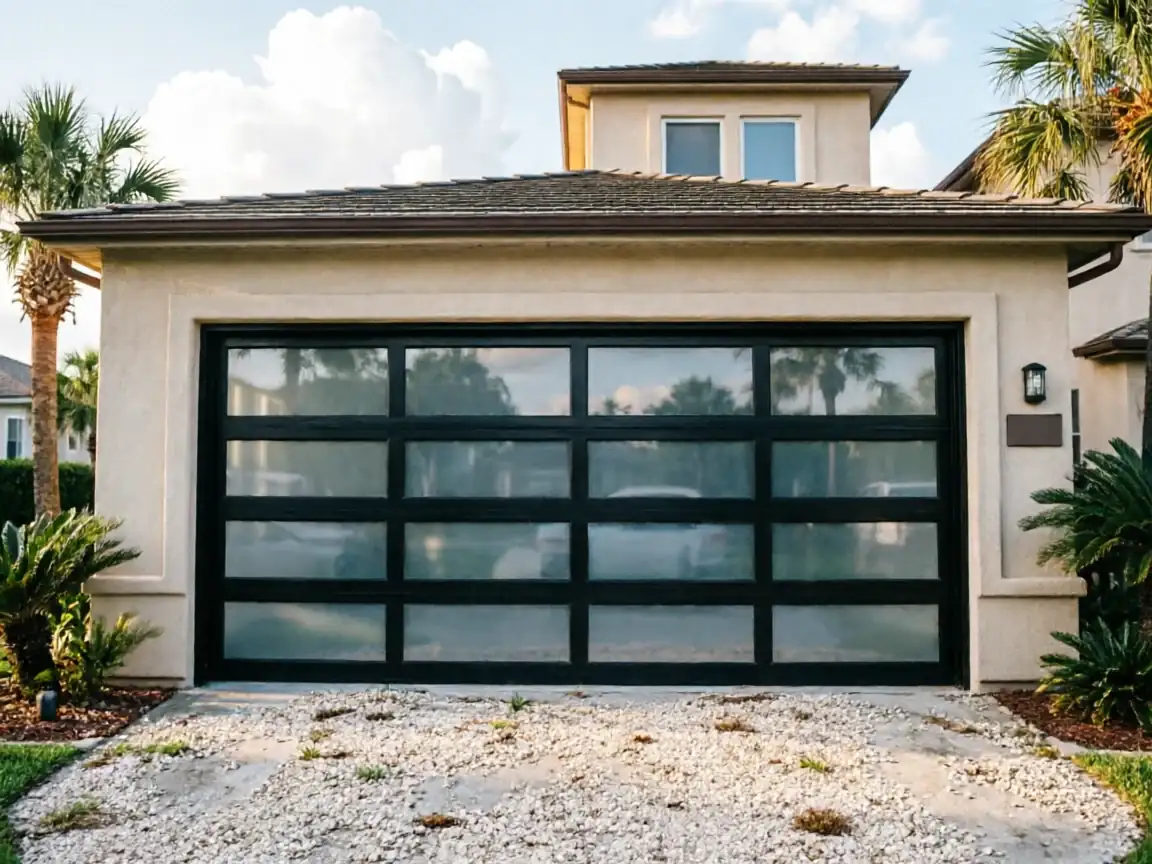
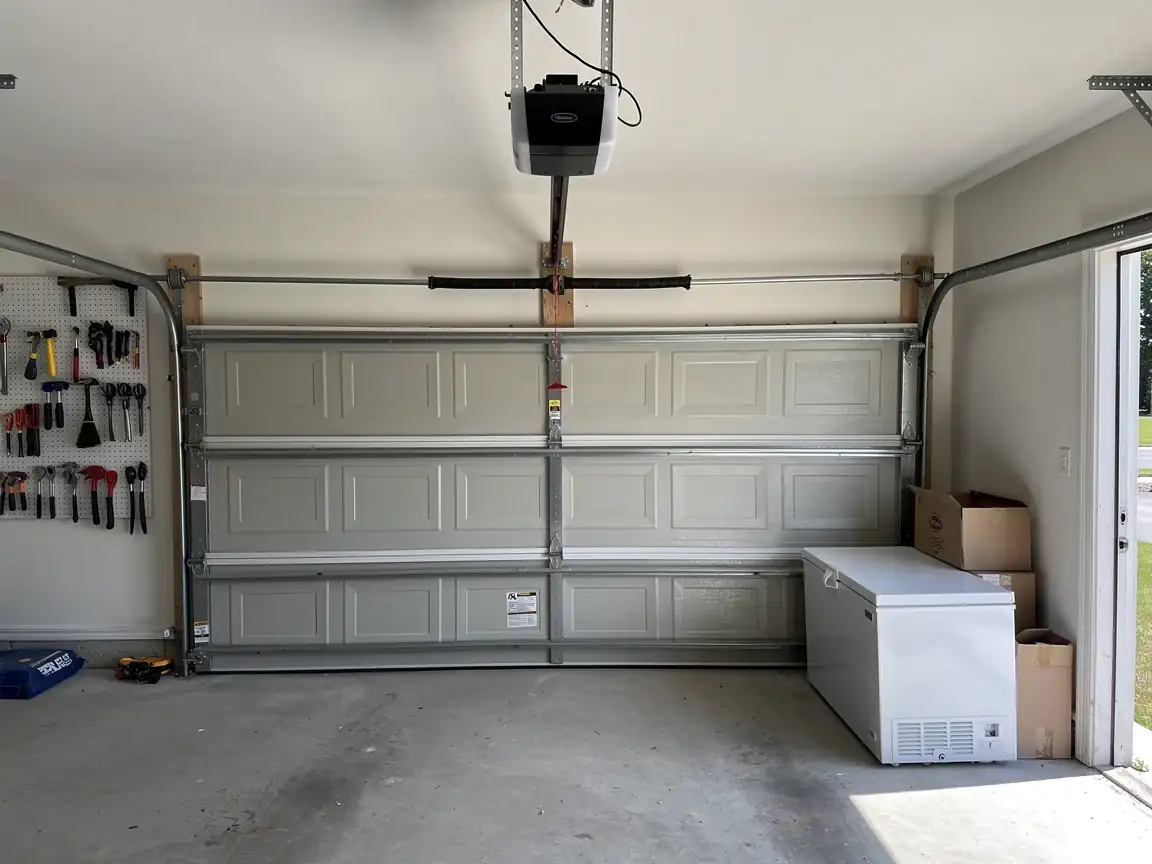
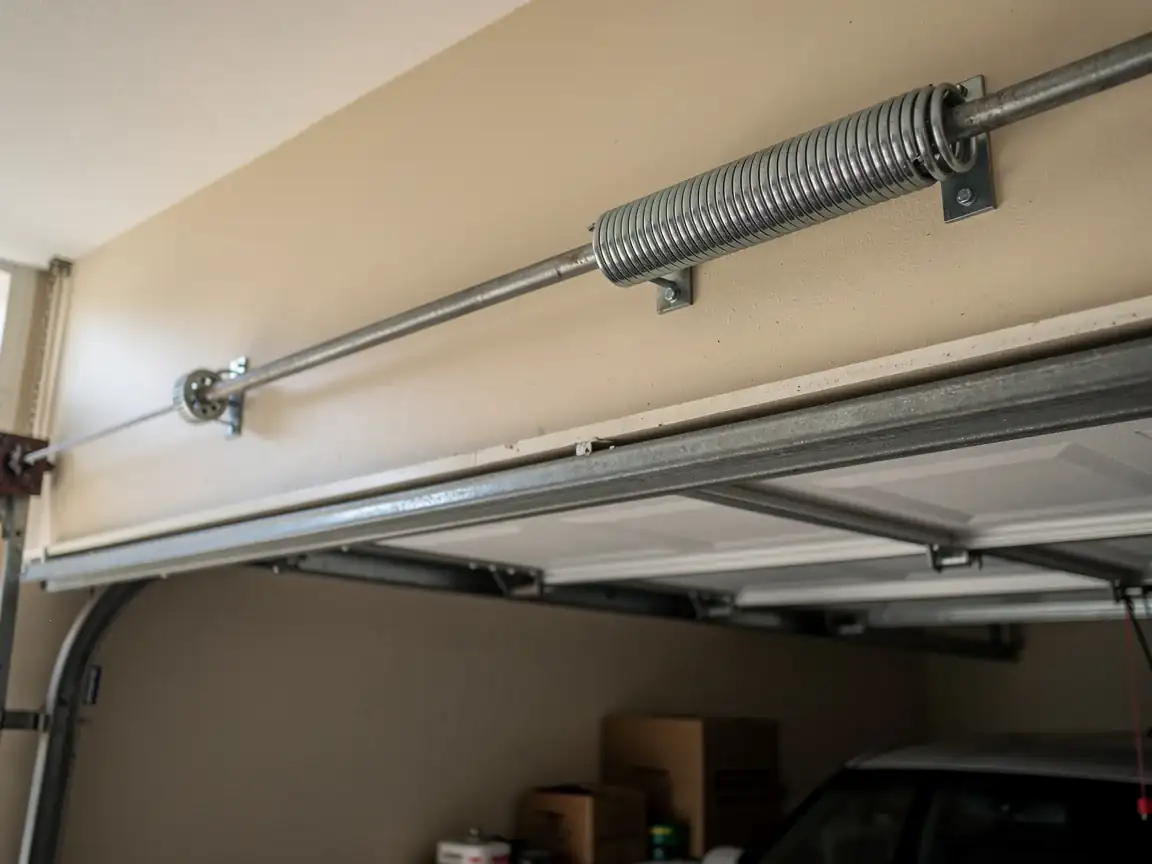
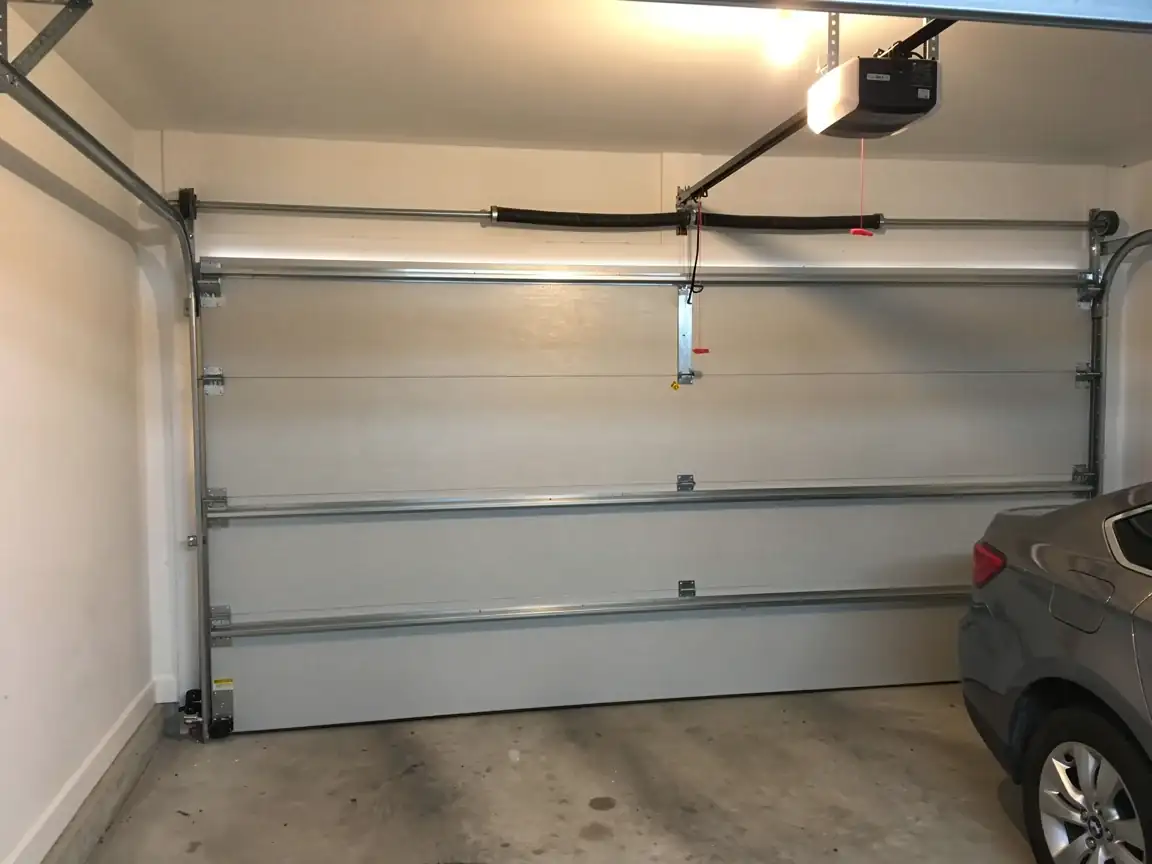
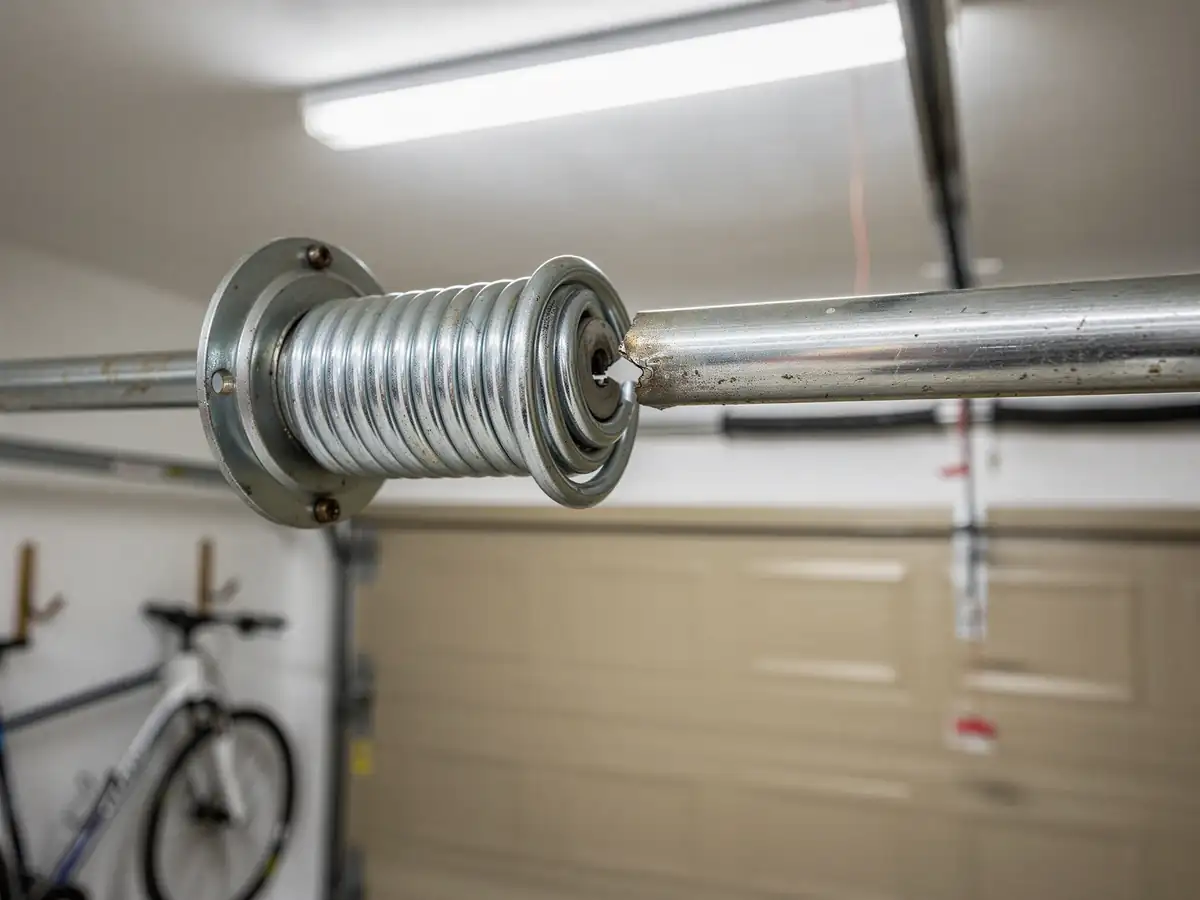
Daytona Beach's own housing stock runs 1972 to 1993, with a median build year of 1986. Samsula-Spruce Creek sits a notch newer than that citywide figure, with homes here landing closer to 1988 on average. Two years doesn't sound like much until you look at what shipped on garage doors in that window. By the late '80s, torsion spring setups mounted on a shaft above the opening had largely replaced the older side-mounted extension springs still found on earlier Daytona Beach tracts, and that's the hardware generation we see most often out here. Across the wider service area, twelve named pockets share this same 1980s-90s stock, which means the failure points repeat house to house: torsion springs fatiguing after a decade or so of cycles, nylon rollers going brittle and loud, galvanized track losing its zinc coat where moisture sits longest. It's a predictable job once you know the hardware generation, which is most of why a maintenance visit on a house like this looks different from one on a 1970s build with the older spring style still bolted to the jamb.
Why This Fails Locally
The climate band here is mild temperate - no deep freezes, no triple-digit stretches - but mild doesn't mean dry. Year-round humidity is the quiet problem. It washes grease off spring coils faster than a homeowner expects, and it works into hinge pins and cable ends even when the door looks fine from the driveway. Samsula-Spruce Creek sits about ten miles inland from Daytona Beach, farther from the salt air that hits oceanfront pockets like Daytona Beach Shores or Ponce Inlet hard, so corrosion here tends to be slower and more uniform rather than concentrated on hardware facing the water. That's a small mercy, but it doesn't mean skip the lube. A torsion spring that's dry for two or three seasons straight doesn't announce itself - it just gets louder, then one day it doesn't lift the door at all. On a cable, the failure mode is worse: frayed strands under tension with no warning sound before they let go. Regular lubrication and a look at cable ends catches both before they become a stuck door or a trip to the ER.
Booking a Visit
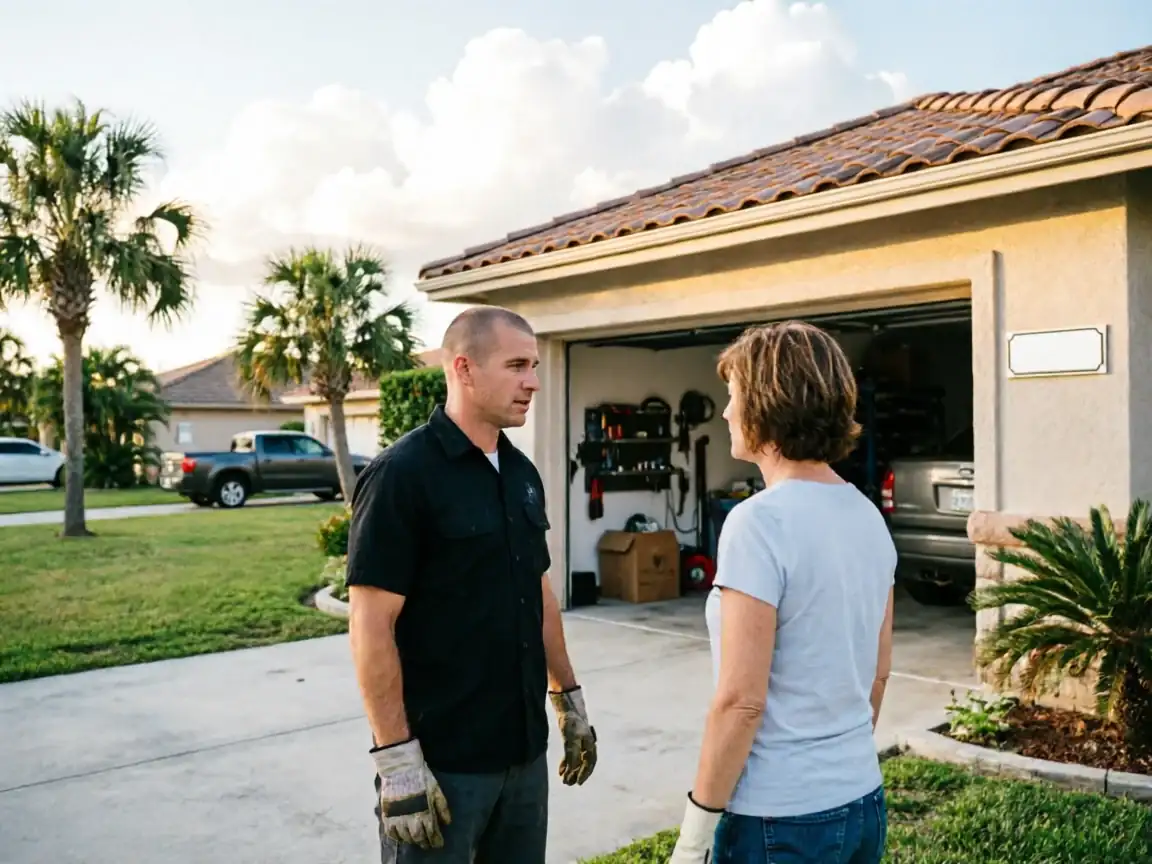
We run out to Samsula-Spruce Creek from our Daytona Beach base, about ten miles each trip. There's no branch office out here - the truck comes to you. The pocket itself is smaller than most of the service area, around 2,128 households, which is part of why maintenance calls here tend to involve the same era of torsion-spring hardware rather than a mix of generations. If you want to see what else we handle in this specific area, the Samsula-Spruce Creek garage doors page covers the full list. If your house is actually closer to the Daytona Beach core and you're not sure which service area you fall under, the Daytona Beach maintenance page has the broader city numbers. Either way, we schedule the visit, inspect before quoting, and do the work the same trip when the parts needed are things we carry on the truck.
Can You Do This Yourself
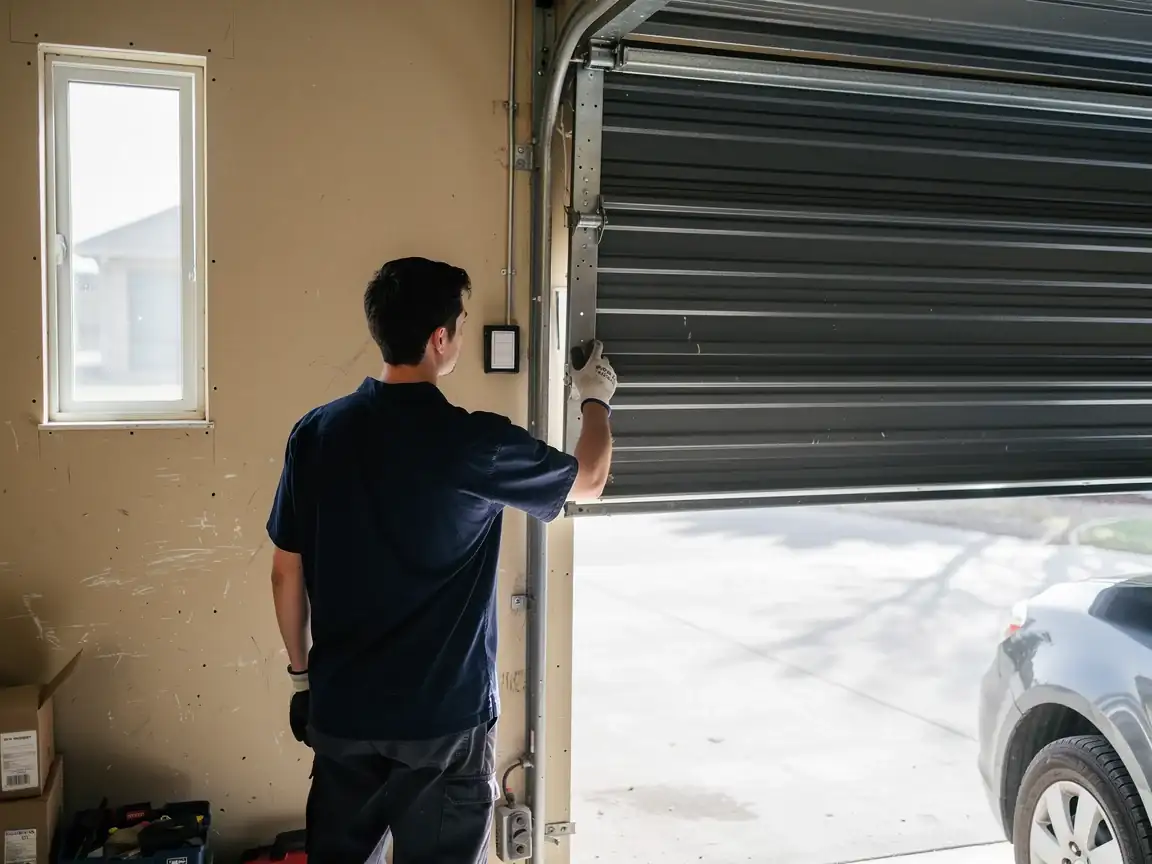
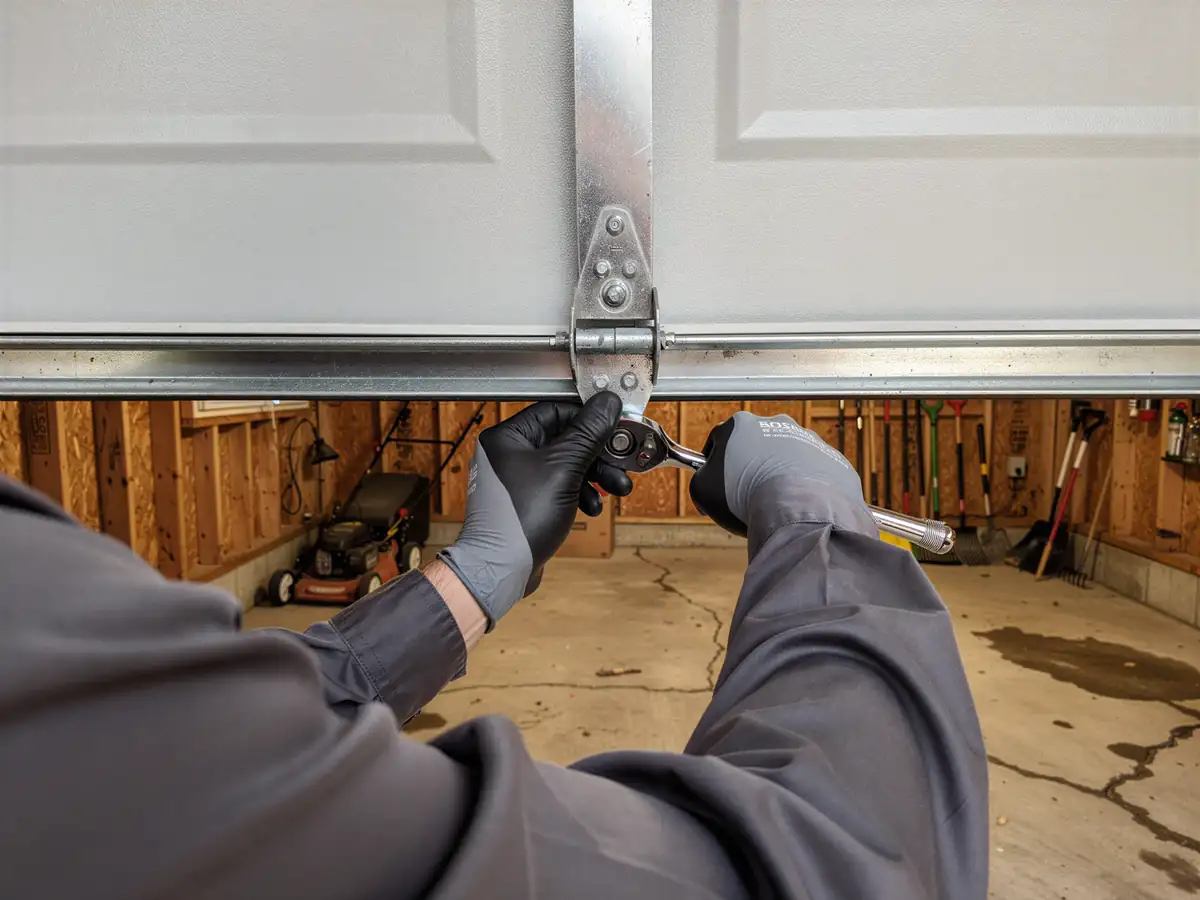
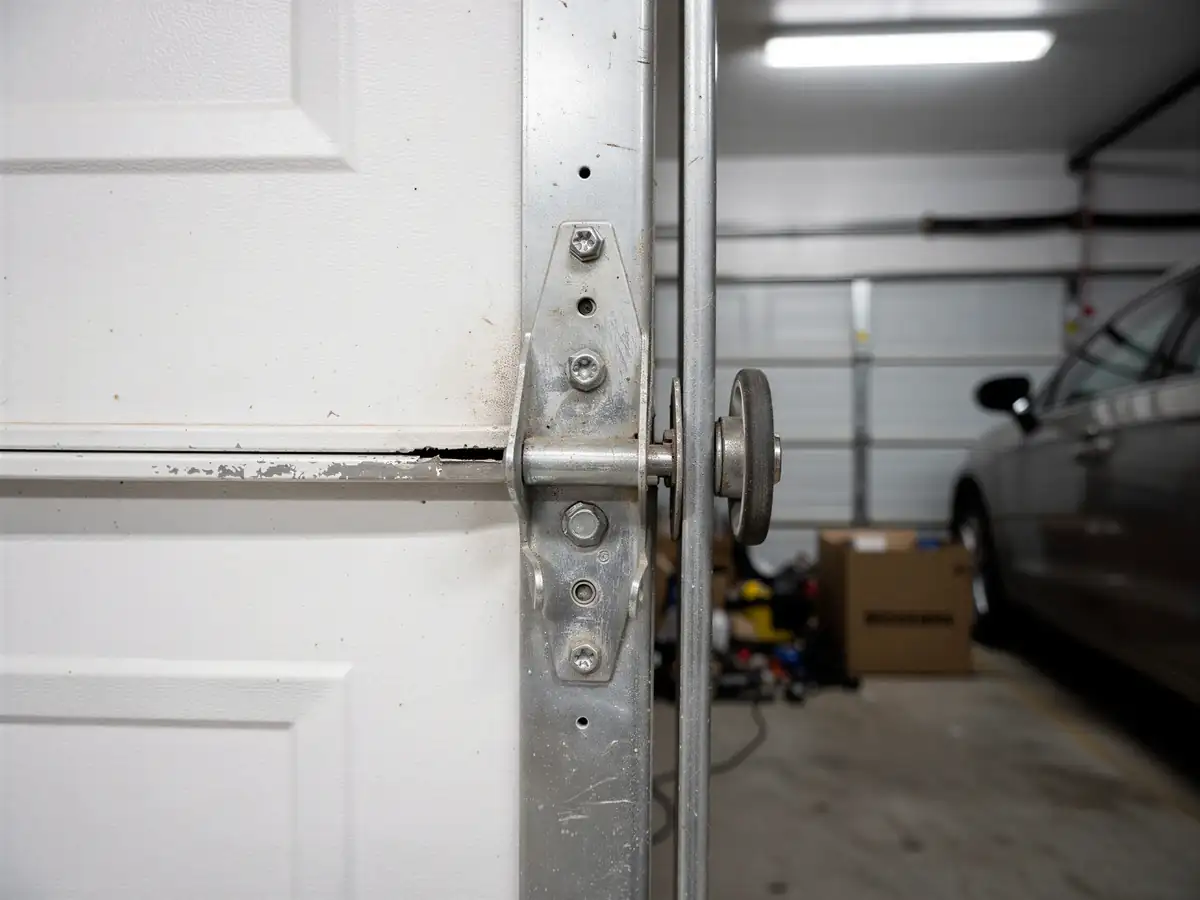
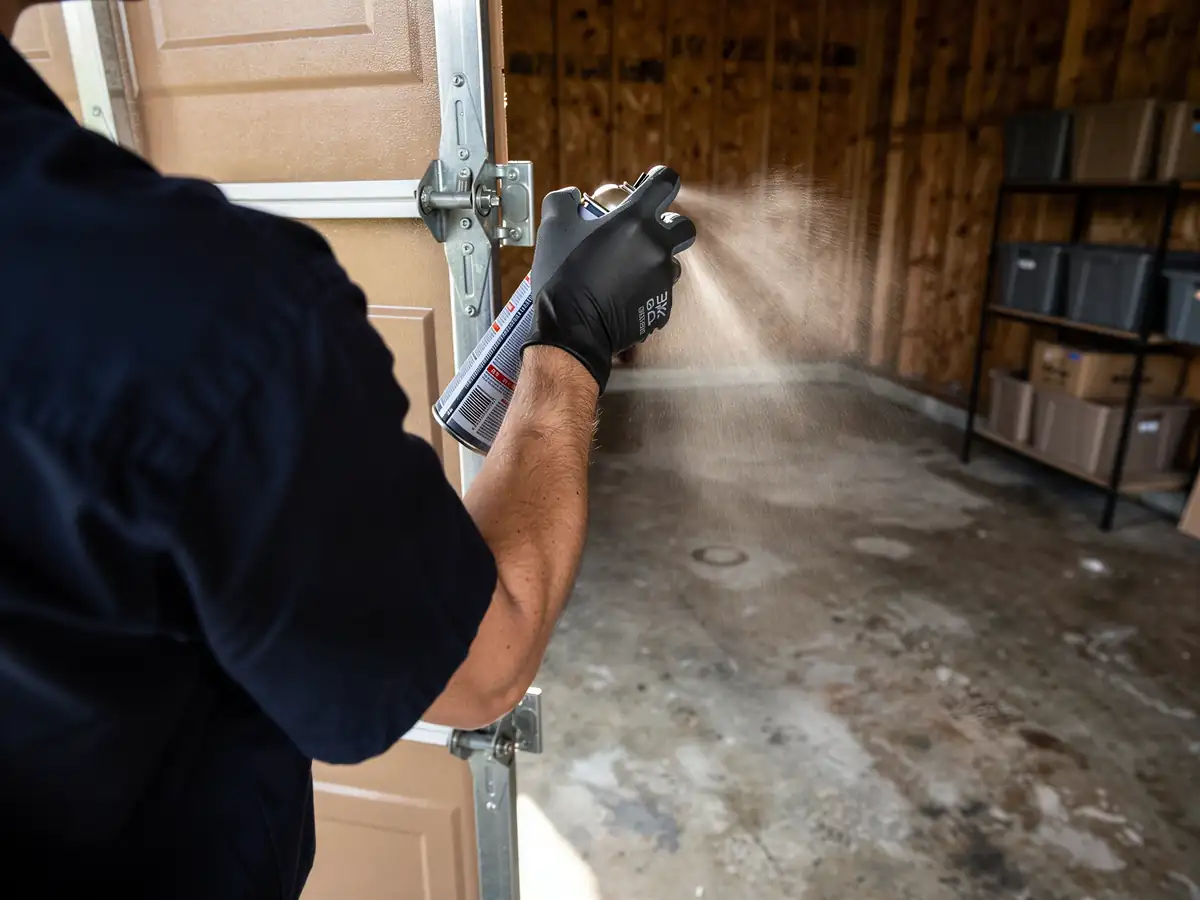
Plenty of this is fine to do yourself. Wipe down the track, check that the door is balanced by disconnecting the opener and lifting it halfway - it should hold its position, not slam down or fly up. Lubricate hinges, rollers, and the torsion spring coil with a garage-door-specific lubricant, not WD-40, which washes out fast in humid air like this. Tighten any hardware that's rattled loose; on a house pushing 35 years old, that's usually the hinges and the track brackets. What you should not touch is the torsion spring itself - adjusting or removing it means working against several hundred pounds of stored tension, and it's not a job where a mistake just means redoing it. If the door feels unbalanced, grinds, or the spring looks stretched or rusted through, that's a call for someone who does this daily, not a Saturday project. Knowing where the DIY line sits is most of what keeps a maintenance routine useful instead of turning into an ER visit.